Logo

A look at Manipur

Editorial | New Delhi |

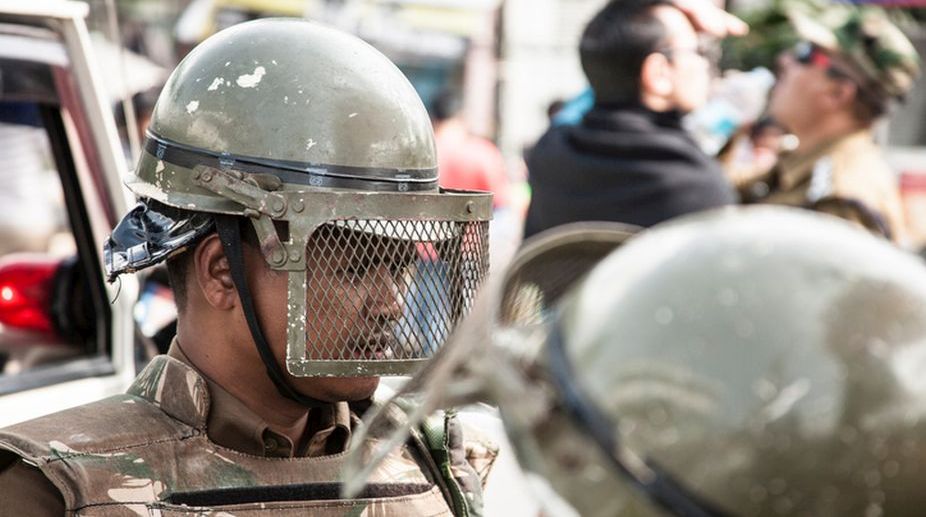
Not many Manipuris (Meiteis) are likely to be convinced by Union home minister Rajnath Singh’s recent assertion that the word Manipur finds no mention in the 3 August 2015 Framework Naga Peace Accord signed by the NSCN(IM) leaders, Isak Swu and Th Muivah and Indian interlocutor RN Ravi, in the presence of Prime Minister Narendra Modi.

The message is clear that the Meiteis need not worry about their state’s territorial integrity being in danger, and that it is the Congress which is instilling such fear for its own political gains. What is intriguing though is why is the Centre not making the contents of the “framework” public? Besides, what was the hurry in rushing through such an interim arrangement? The integration issue remains. The NSCN (IM) leadership has made it clear that it will never compromise on the issue.

And the implication of the failure of Naga talks is obvious ~ it will throw Arunachal Pradesh, Assam and Manipur into turmoil,  Ever since Manipur’s accession to the Indian Union in 1949, the Centre has treated Manipur in a lackadaisical manner. Though smaller in size, Nagaland attained statehood in December 1963. Manipur had to wait until 1972. When in 1974 the Centre brokered a ceasefire with Naga rebel leaders, Manipur’s four hill districts were brought under its jurisdiction even without consulting the state. In July 1997 when the United Front government led by Prime Minister IK Gujral brokered a ceasefire with the NSCN(IM) leadership, its contents were not made public. When the NSCN(IM) claimed it also covered Manipur, the Meiteis protested. Again in 2001, when the Vajpayee government, following the Bangkok agreement with the NSCN(IM), extended the ceasefire to Manipur, Meiteis revolted. Eighteen protesters were killed in police firing. Incidentally, all this took place when Manipur was under a short spell of President’s Rule.

When Ulfa leaders surrendered in December 2009 they were warmly received and the Assam government even treated them with velvet gloves. But when Manipur’s oldest rebel group United National Liberation Front chairman RK Meghen was nabbed in Dhaka in 2011, the Centre blacked out his whereabouts. He was reportedly taken to Kolkata by train blindfolded, Two months later came the news that he was arrested in Bihar while trying to enter Nepal.

Today Meghen is serving his ten-year prison term in Guwahati jail. Now, with the Election Commission announcing that the ongoing nearly four-month-old economic blockade ~ imposed by the United Naga Council ~ will, in no way, affect next month’s assembly election, it is anybody’s guess what is in store for the people of Manipur.
Leak that scares

Editorial | New Delhi |

While there is no need to be alarmist and apprehend national security being compromised, the sale of a question paper for an Army recruitment examination cannot be seen as just another “leak”, several scary queries do arise. It would be unfair and premature to automatically perceive the involvement of senior or middle-level defence personnel in the scam, but there is cause to doubt the functioning of the Army Recruitment Board after its paper went on sale in several towns in Maharashtra and Goa.

The scrapping of the examination in nine centres would be little more than administering first-aid, and the arrest of 18 people for selling the paper perhaps slightly more authoritative action, but the fact that it was the police that first detected the scam does not speak highly of the way the ARB was doing things.

A high-level inquiry has been ordered, it must be pursued diligently and those involved must be made to pay ~ for how widespread is the racket, and whether it extends to other examinations conducted by the ARB needs thorough investigation. It would appear unlikely that what happened in Pune, Nashik, Ahmednagar, Nagpur and Goa over the weekend, was a one-off affair. That some students were alleged to be “answering” papers in a bar in Goa suggests a degree of the brazen, and the involvement of those infamous “coaching centres”. There is every need to follow up the observation of the police officer leading the investigation that “Our preliminary finding is that the entire leakage took place within a span of eight to nine hours. The question papers were leaked through WhatsApp ~ for it testifies to an organised racket.
What is as worrying as the leak itself is the police suspecting that some 350 persons taking the examination paid well over Rs 200, 000 each to procure the test paper. A willingness to part with that amount indicates a firm belief that there was a considerably larger amount to be “made” if selected as a solider-clerk, or equivalent appointment ~ nobody pays in lakhs to secure only a salaried job. Such hopes for opportunity to “recover” that kind of “investment” are commonly entertained by persons seeking recruitment in local police forces: has corruption in the Army also become so rampant?
This is where the Army, at its highest levels, must step in.

What do unscrupulous personnel do to thus line their pockets? Can they “wangle” so much by manipulating accounts, stores and supplies? Or is that where “dealing” in matters pertaining to operational security, etc., becomes highly profitable? The Army commands the respect of the citizen for its efficiency and integrity, the leak of question papers for a recruitment test can negate that image.

Trump budget will hike defence spending by $54 billion

AP | Washington |

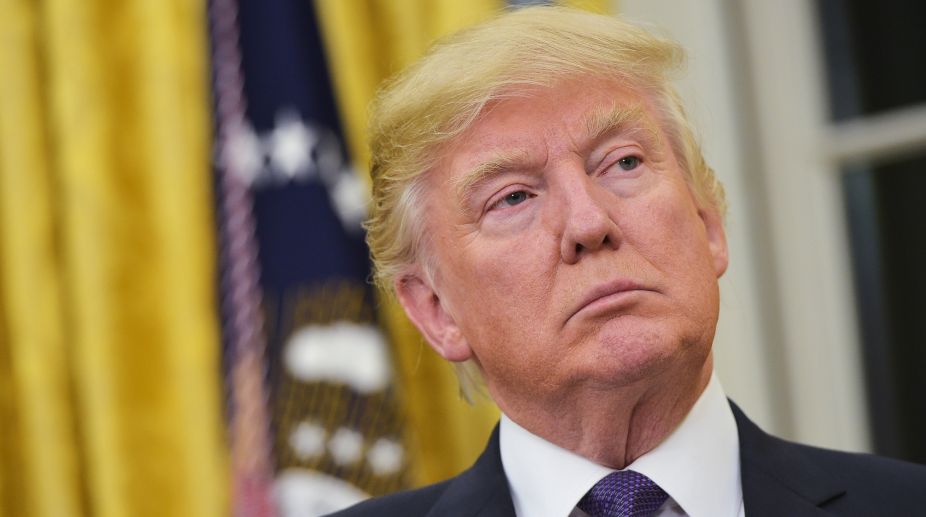
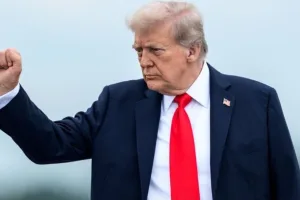
The White House says President Donald Trump's upcoming budget will propose a whopping $54 billion increase in defence spending and impose corresponding cuts to domestic programmes and foreign aid.

The result is that Trump's initial budget wouldn't dent budget deficits projected to run about $500 billion.

White House budget officials outlined the information during a telephone call with reporters on Monday given on condition of anonymity.

The budget officials on the call ignored requests to put the briefing on the record, though Trump on Friday decried the use of anonymous sources by the media.

Trump's defence budget and spending levels for domestic agency operating budgets will be revealed in a partial submission to Congress next month, with proposals on taxes and other programmes coming later.

The increase of about 10 per cent for the Pentagon would fulfil a Trump campaign promise to build up the military.

The senior budget official said there will be a large reduction in foreign aid and that most domestic agencies will have to absorb cuts.

He did not offer details, but the administration is likely to go after longtime Republican targets like the Environmental Protection Agency.

The tentative proposals for the 2018 budget year that begins October 1 are being sent to agencies, which will have a chance to propose changes.

In Congress, Democrats and some Republicans are certain to resist the cuts to domestic agencies, and any legislation to implement them would have to overcome a filibuster threat by Senate Democrats.

A government shutdown is a real possibility.

"It is clear from this budget blueprint that President Trump fully intends to break his promises to working families by taking a meat axe to programmes that benefit the middle class," said Senate Democratic leader Charles Schumer of New York.

"A cut this steep almost certainly means cuts to agencies that protect consumers from Wall Street excess and protect clean air and water." 

The White House says Trump's budget also won't make significant changes to Social Security or Medicare.

The president told American governors at the White House today that "we're going to make it easier for states to invest in infrastructure" and that, overall, "we're going to do more with less and make the government lean and accountable to the people." 

Trump's first major fiscal marker is landing in the agencies one day before his first address to a joint meeting of Congress.

For Trump, the prime-time speech is an opportunity to refocus his young presidency on the core economic issues that were a centerpiece of his White House run.

Trump budget will hike defence spending by $54 billion

AP | Washington |

The White House says President Donald Trump's upcoming budget will propose a whopping $54 billion increase in defence spending and impose corresponding cuts to domestic programmes and foreign aid.

The result is that Trump's initial budget wouldn't dent budget deficits projected to run about $500 billion.

White House budget officials outlined the information during a telephone call with reporters on Monday given on condition of anonymity.

The budget officials on the call ignored requests to put the briefing on the record, though Trump on Friday decried the use of anonymous sources by the media.

Trump's defence budget and spending levels for domestic agency operating budgets will be revealed in a partial submission to Congress next month, with proposals on taxes and other programmes coming later.

The increase of about 10 per cent for the Pentagon would fulfil a Trump campaign promise to build up the military.

The senior budget official said there will be a large reduction in foreign aid and that most domestic agencies will have to absorb cuts.

He did not offer details, but the administration is likely to go after longtime Republican targets like the Environmental Protection Agency.

The tentative proposals for the 2018 budget year that begins October 1 are being sent to agencies, which will have a chance to propose changes.

In Congress, Democrats and some Republicans are certain to resist the cuts to domestic agencies, and any legislation to implement them would have to overcome a filibuster threat by Senate Democrats.

A government shutdown is a real possibility.

"It is clear from this budget blueprint that President Trump fully intends to break his promises to working families by taking a meat axe to programmes that benefit the middle class," said Senate Democratic leader Charles Schumer of New York.

"A cut this steep almost certainly means cuts to agencies that protect consumers from Wall Street excess and protect clean air and water." 

The White House says Trump's budget also won't make significant changes to Social Security or Medicare.

The president told American governors at the White House today that "we're going to make it easier for states to invest in infrastructure" and that, overall, "we're going to do more with less and make the government lean and accountable to the people." 

Trump's first major fiscal marker is landing in the agencies one day before his first address to a joint meeting of Congress.

For Trump, the prime-time speech is an opportunity to refocus his young presidency on the core economic issues that were a centerpiece of his White House run.

Slain Indian engineer’s body reaches Hyderabad


PTI | Hyderabad |

The mortal remains of the Indian engineer, who was shot dead in the United States in an apparent hate crime incident, arrived at the international airport here on Monday night.

The body was taken to his residence in Bachupally area of the city after it arrived in a flight at Shamsabad.

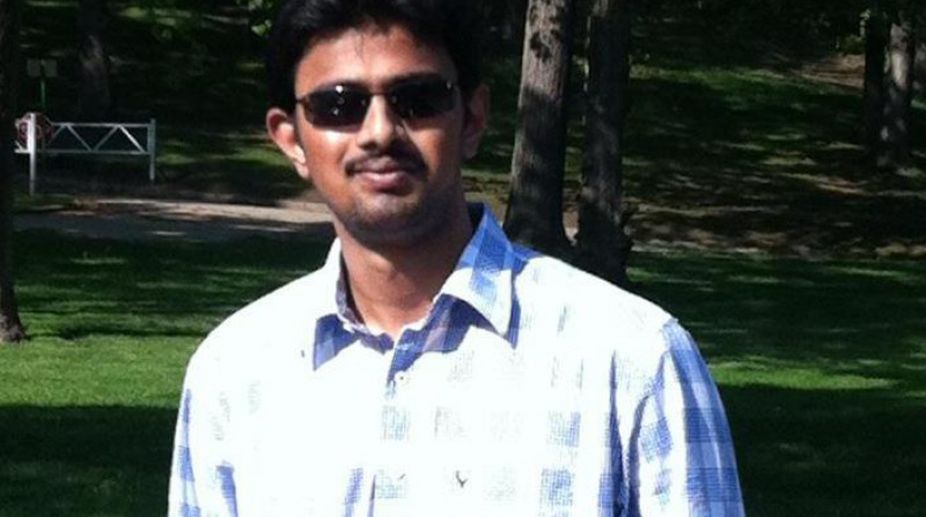
Srinivas Kuchibhotla (32), working at the Garmin headquarters in Olathe, was killed in the shooting on Wednesday night. Another Indian and his colleague Alok Madasani was injured in the incident.

The incident took place at Austins Bar and Grill in Olathe in Kansas City in the US state of Missouri.

Ian Grillot, an American, was injured when he tried to tackle the accused, Adam Purinton (51), who was arrested on Thursday morning, five hours after the incident.

Purinton had reportedly yelled "get out of my country" before opening fire on Kuchibhotla and Madasani.

Slain Indian engineer’s body reaches Hyderabad


PTI | Hyderabad |

The mortal remains of the Indian engineer, who was shot dead in the United States in an apparent hate crime incident, arrived at the international airport here on Monday night.

The body was taken to his residence in Bachupally area of the city after it arrived in a flight at Shamsabad.

Srinivas Kuchibhotla (32), working at the Garmin headquarters in Olathe, was killed in the shooting on Wednesday night. Another Indian and his colleague Alok Madasani was injured in the incident.

The incident took place at Austins Bar and Grill in Olathe in Kansas City in the US state of Missouri.

Ian Grillot, an American, was injured when he tried to tackle the accused, Adam Purinton (51), who was arrested on Thursday morning, five hours after the incident.

Purinton had reportedly yelled "get out of my country" before opening fire on Kuchibhotla and Madasani.

Govt gives green signals to 31 small oil field contracts

Vijay Thakur | New Delhi |

Rejecting the environmental and agricultural concerns due to exploration and production activities in small oil fields, the Union government on Monday gave green signals to 31 contracts bids of newly discovered small oil fields under its new Discovered Small Fields Policy.

The decision was taken by the Union Cabinet Committee on Economic Affairs to further enhance indigenous oil and gas production to reduce import dependency of the country after reviewing all the concerns raised on agriculture and environment in the region.

These small oil fields were offered through an open and transparent international competitive bidding process last year as a part of the new Discovered Small Fields (DSF) policy 2015, which offers improved fiscal terms. Last week some concerns were raised over the impact of oil and gas Exploration and Production (E&P) activities fearing that it might affect agriculture and soil condition in the region, contaminate of ground water table.

“Extraction of Oil and Gas from sub-surface is a well-established practice and the E&P industry uses state-of-the-art technology for the operations and takes maximum care for environmental effects. The operators also get Environment Impact Assessment done before carrying out any drilling activities and other activities,” said a senior officer of the Petroleum Ministry.

He further said that the process of drilling and production requires very limited surface land area and would not affect agriculture or the soil of the entire lease area. Additionally, operators are required to follow strict environmental norms for the use of operational land, he added.

Oil and gas extraction are being carried out from deeper earth area and would hardly affect ground water aquifers which are located at much shallower levels, the Ministry said. “Hydrocarbon extraction method is being used worldwide which has not seen any direct impact to water resources of the mining area. Also, while drilling for oil & gas, cement casing is used, there is no impact on groundwater as such,” the Ministry claimed.

Presently there were three operational Exploration Blocks (Approximately 1461 sqkms)  under Production Sharing Contract System in Tamil Nadu where hydrocarbon exploration is going on. Under Nomination regime, 31 Mining leases (approximately 3500 sqkms) have been granted in the State from where 600 tonnes of Oil and 30 lakhs cubic meter of Natural Gas are produced per day.

Govt gives green signals to 31 small oil field contracts

Vijay Thakur | New Delhi |

Rejecting the environmental and agricultural concerns due to exploration and production activities in small oil fields, the Union government on Monday gave green signals to 31 contracts bids of newly discovered small oil fields under its new Discovered Small Fields Policy.

The decision was taken by the Union Cabinet Committee on Economic Affairs to further enhance indigenous oil and gas production to reduce import dependency of the country after reviewing all the concerns raised on agriculture and environment in the region.

These small oil fields were offered through an open and transparent international competitive bidding process last year as a part of the new Discovered Small Fields (DSF) policy 2015, which offers improved fiscal terms. Last week some concerns were raised over the impact of oil and gas Exploration and Production (E&P) activities fearing that it might affect agriculture and soil condition in the region, contaminate of ground water table.

“Extraction of Oil and Gas from sub-surface is a well-established practice and the E&P industry uses state-of-the-art technology for the operations and takes maximum care for environmental effects. The operators also get Environment Impact Assessment done before carrying out any drilling activities and other activities,” said a senior officer of the Petroleum Ministry.

He further said that the process of drilling and production requires very limited surface land area and would not affect agriculture or the soil of the entire lease area. Additionally, operators are required to follow strict environmental norms for the use of operational land, he added.

Oil and gas extraction are being carried out from deeper earth area and would hardly affect ground water aquifers which are located at much shallower levels, the Ministry said. “Hydrocarbon extraction method is being used worldwide which has not seen any direct impact to water resources of the mining area. Also, while drilling for oil & gas, cement casing is used, there is no impact on groundwater as such,” the Ministry claimed.

Presently there were three operational Exploration Blocks (Approximately 1461 sqkms)  under Production Sharing Contract System in Tamil Nadu where hydrocarbon exploration is going on. Under Nomination regime, 31 Mining leases (approximately 3500 sqkms) have been granted in the State from where 600 tonnes of Oil and 30 lakhs cubic meter of Natural Gas are produced per day.

Former Union Minister Shiv Shankar dead

IANS | Hyderabad |

Veteran Congress leader and former Union Minister P Shiv Shankar passed away here on Monday after prolonged illness. He was 88.

The judge-turned-politician and former Governor of Sikkim and Kerala is survived by his wife, a son and a daughter.

According to his family members, he breathed his last at his residence in Jubilee Hills.

Born on August 10, 1929, at Mamidipalli in Ranga Reddy district, Shiv Shankar was prominent leader from backward classes and served as a minister in Indira Gandhi and Rajiv Gandhi governments.

Shiv Shankar, whose political career spanned over four decades, was once considered the second most powerful leader in the Rajiv Gandhi cabinet.

After doing his LLB from Osmania University, he practised as an advocate before being elevated as Andhra Pradesh High Court judge in 1974.

Later, he joined Congress to begin his political career. Considered a symbol of composite Hyderabadi culture, he was fluent in Urdu, besides Telugu and English.

He was first elected to Lok Sabha from Secunderabad in 1978. He got re-elected in 1980 and became a Minister in the Indira Gandhi cabinet, holding the portfolio of Law and Justice.

Elected to Rajya Sabha in 1985 from Gujarat, he completed two terms till 1993. He served as a Minister for External Affairs, Commerce, Petroleum and Human Resource Development in the Rajiv Gandhi cabinet.

He was leader of the house in Rajya Sabha till 1989 and after Congress lost power, was the Leader of Opposition in the upper house till 1991.

On September 21, 1994, Shiv Shankar was made the Governor of Sikkim, a post which he had held till November 11, 1995. Later, he was shifted to Kerala, where he was Governor till 1996.

He returned to active politics in 1998, winning Tenali Lok Sabha seat. However, he ended his long association with the Congress in 2004 after being denied a ticket.

He tried to revive his political career in 2008 by joining Praja Rajyam Party (PRP) floated by Telugu actor Chiranjeevi.

However, as PRP suffered huge defeat both in Lok Sabha and assembly elections and later merged with the Congress, Shiv Shankar's political career had almost come to an end. He subsequently stayed away from politics due to old age and illness.

His son and Congress legislator P. Sudhir Kumar died of illness in 2002. Sudhir was kidnapped by Maoists from his house in Hyderabad in 1991 but was later released.

Andhra Pradesh and Telangana Governor E.S.L. Narasimhan also expressed profound sadness Shiv Shankar's death.

Recalling the yeoman services rendered by Shiv Sankar as Union Minister and Governor, he said that his memory will be cherished for his immense contribution to the country.

Telangana Chief Minister K. Chandrashekhar Rao expressed his shock over Shiv Shankar's death. He visited his house to pay his last respects and condole with the family members.

In a message, he recalled the services rendered by Shiv Shankar as a leader, Judge, Union Minister, and Governor.

He directed the officials concerned to make arrangements for the official funeral of the departed leader who happens to be from Telangana region.

Former Union Minister Shiv Shankar dead

IANS | Hyderabad |

Veteran Congress leader and former Union Minister P Shiv Shankar passed away here on Monday after prolonged illness. He was 88.

The judge-turned-politician and former Governor of Sikkim and Kerala is survived by his wife, a son and a daughter.

According to his family members, he breathed his last at his residence in Jubilee Hills.

Born on August 10, 1929, at Mamidipalli in Ranga Reddy district, Shiv Shankar was prominent leader from backward classes and served as a minister in Indira Gandhi and Rajiv Gandhi governments.

Shiv Shankar, whose political career spanned over four decades, was once considered the second most powerful leader in the Rajiv Gandhi cabinet.

After doing his LLB from Osmania University, he practised as an advocate before being elevated as Andhra Pradesh High Court judge in 1974.

Later, he joined Congress to begin his political career. Considered a symbol of composite Hyderabadi culture, he was fluent in Urdu, besides Telugu and English.

He was first elected to Lok Sabha from Secunderabad in 1978. He got re-elected in 1980 and became a Minister in the Indira Gandhi cabinet, holding the portfolio of Law and Justice.

Elected to Rajya Sabha in 1985 from Gujarat, he completed two terms till 1993. He served as a Minister for External Affairs, Commerce, Petroleum and Human Resource Development in the Rajiv Gandhi cabinet.

He was leader of the house in Rajya Sabha till 1989 and after Congress lost power, was the Leader of Opposition in the upper house till 1991.

On September 21, 1994, Shiv Shankar was made the Governor of Sikkim, a post which he had held till November 11, 1995. Later, he was shifted to Kerala, where he was Governor till 1996.

He returned to active politics in 1998, winning Tenali Lok Sabha seat. However, he ended his long association with the Congress in 2004 after being denied a ticket.

He tried to revive his political career in 2008 by joining Praja Rajyam Party (PRP) floated by Telugu actor Chiranjeevi.

However, as PRP suffered huge defeat both in Lok Sabha and assembly elections and later merged with the Congress, Shiv Shankar's political career had almost come to an end. He subsequently stayed away from politics due to old age and illness.

His son and Congress legislator P. Sudhir Kumar died of illness in 2002. Sudhir was kidnapped by Maoists from his house in Hyderabad in 1991 but was later released.

Andhra Pradesh and Telangana Governor E.S.L. Narasimhan also expressed profound sadness Shiv Shankar's death.

Recalling the yeoman services rendered by Shiv Sankar as Union Minister and Governor, he said that his memory will be cherished for his immense contribution to the country.

Telangana Chief Minister K. Chandrashekhar Rao expressed his shock over Shiv Shankar's death. He visited his house to pay his last respects and condole with the family members.

In a message, he recalled the services rendered by Shiv Shankar as a leader, Judge, Union Minister, and Governor.

He directed the officials concerned to make arrangements for the official funeral of the departed leader who happens to be from Telangana region.

India takes issue of defaulters very seriously, says Jaitley

PTI | London |

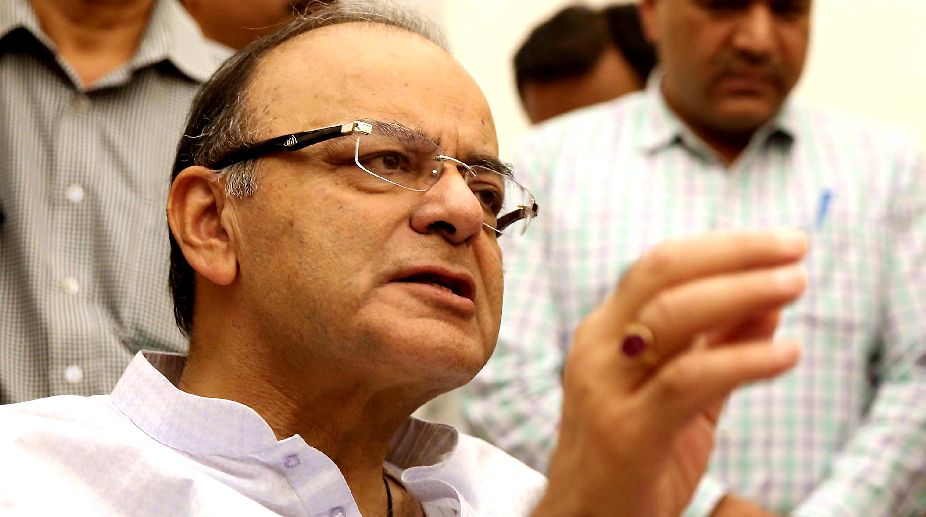
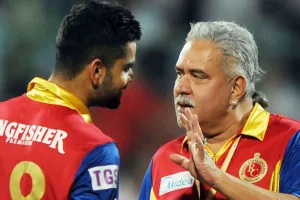
Finance Minister Arun Jaitley on Monday said the Indian government takes the issue of defaulters very seriously and indicated that he may raise the issue of defaulters based in Britain with the UK government, in an apparent reference to liquor baron Vijay Mallya.

"Certainly, when the opportunity does come, I do take that opportunity to mention it (issue of defaulters based in Britain) to my counterparts here," he told reporters here when asked if the issue of defaulters based in the UK will feature on the agenda of his discussions with British ministers.

The Union Minister for Finance and Corporate Affairs is set to meet UK Foreign Secretary Boris Johnson later today, when the issue may come up.

"As far as the government of India is concerned, we take this issue of defaults against the financial system in India very seriously and we have already sent a strong signal that if [you] dupe the exchequer or dupe the banking system, the government of India will lend its full support to all financial institutions to recover up to their last pie," Jaitley told reporters at a media briefing in London today.

"It is obvious that because of this strong position the government has taken, that some defaulters are on the run.

Being on the run, they find refuge in certain other jurisdictions, exploiting the systems in other parts of the world," the minister added.

He said Indian investigating agencies are utilising every provision of the law available to them to recover amounts and attach assets in India to "get these people back and held responsible as per law".

Over the weekend, Jaitley had said that the UK's democracy was "liberal enough to permit defaulters to stay here", in an apparent reference to liquor baron Vijay Mallya, who is wanted in India for loan default and other cases.

Mallya, the chief of the now defunct Kingfisher Airlines, had moved to Britain in March last year after banks sued him to recover around USD 1.4 billion owed by the airline.

Earlier this month, the Indian government formally requested Britain to extradite him to India to stand trial for alleged loan default and money laundering.

India takes issue of defaulters very seriously, says Jaitley

PTI | London |

Finance Minister Arun Jaitley on Monday said the Indian government takes the issue of defaulters very seriously and indicated that he may raise the issue of defaulters based in Britain with the UK government, in an apparent reference to liquor baron Vijay Mallya.

"Certainly, when the opportunity does come, I do take that opportunity to mention it (issue of defaulters based in Britain) to my counterparts here," he told reporters here when asked if the issue of defaulters based in the UK will feature on the agenda of his discussions with British ministers.

The Union Minister for Finance and Corporate Affairs is set to meet UK Foreign Secretary Boris Johnson later today, when the issue may come up.

"As far as the government of India is concerned, we take this issue of defaults against the financial system in India very seriously and we have already sent a strong signal that if [you] dupe the exchequer or dupe the banking system, the government of India will lend its full support to all financial institutions to recover up to their last pie," Jaitley told reporters at a media briefing in London today.

"It is obvious that because of this strong position the government has taken, that some defaulters are on the run.

Being on the run, they find refuge in certain other jurisdictions, exploiting the systems in other parts of the world," the minister added.

He said Indian investigating agencies are utilising every provision of the law available to them to recover amounts and attach assets in India to "get these people back and held responsible as per law".

Over the weekend, Jaitley had said that the UK's democracy was "liberal enough to permit defaulters to stay here", in an apparent reference to liquor baron Vijay Mallya, who is wanted in India for loan default and other cases.

Mallya, the chief of the now defunct Kingfisher Airlines, had moved to Britain in March last year after banks sued him to recover around USD 1.4 billion owed by the airline.

Earlier this month, the Indian government formally requested Britain to extradite him to India to stand trial for alleged loan default and money laundering.

A day after: Another fire at ToI Delhi office

IANS | New Delhi |

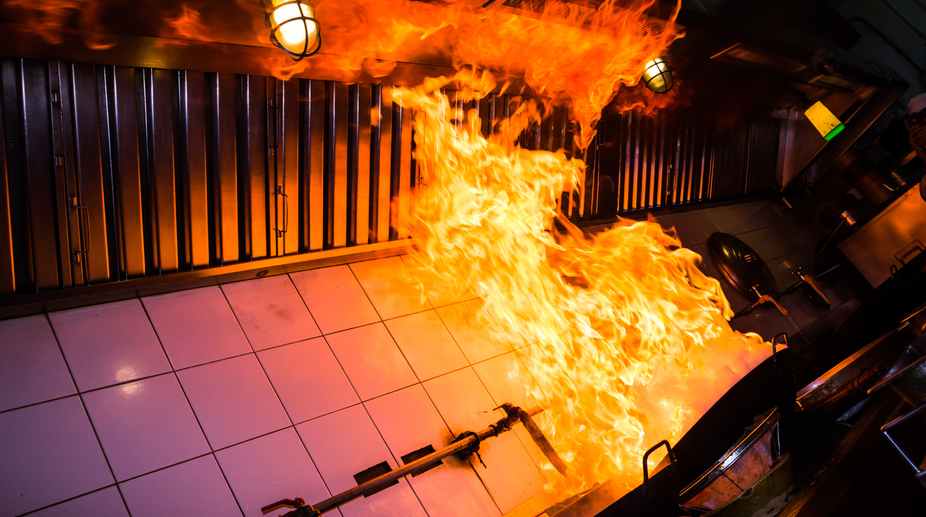
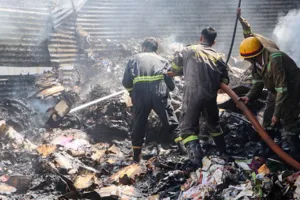
A day after a fire broke out in the Times of India building here, another blaze was reported at the newspaper office on Monday but was doused after an almost seven hour effort by firefighters, a fire officer said.

"We received a fire call at the Times of India building around noon. Eighteen fire tenders battled the fire on the first and second floors of the building near ITO office," a Delhi Fire officer told IANS.

"The fire was finally doused at 7 p.m. on Monday. Eight fire engines will work through the night to control the fire smouldering in burnt down portions of the building," the officer said.

Fire first broke out in the ToI building on Sunday, after which 25 fire tenders were rushed there.

No casualty has been reported and the cause of the fire is yet to be established, he added.

In May 2016, fire broke out in a portion of the top floor of the five-storeyed building, the officer said.

A day after: Another fire at ToI Delhi office

IANS | New Delhi |

A day after a fire broke out in the Times of India building here, another blaze was reported at the newspaper office on Monday but was doused after an almost seven hour effort by firefighters, a fire officer said.

"We received a fire call at the Times of India building around noon. Eighteen fire tenders battled the fire on the first and second floors of the building near ITO office," a Delhi Fire officer told IANS.

"The fire was finally doused at 7 p.m. on Monday. Eight fire engines will work through the night to control the fire smouldering in burnt down portions of the building," the officer said.

Fire first broke out in the ToI building on Sunday, after which 25 fire tenders were rushed there.

No casualty has been reported and the cause of the fire is yet to be established, he added.

In May 2016, fire broke out in a portion of the top floor of the five-storeyed building, the officer said.

ESI to extend super speciality treatment to retired workers

Statesman News Service | New Delhi |

The Employees State Insurance Corporation (ESIC) has decided to provide super speciality treatment to retired employees, if they are subscribing to the medical scheme at the time of their retirement.

The decision was taken at the recent 171st ESIC meeting chaired by the Labour and Employment Minister, Mr Bandaru Dattatreya. The new
facility is likely to be made available from 1st April, 2017.

As many as 2.13 crore family units of workers employed with 7.83 lakh factories and establishments across the country are subscribing to the
ESI scheme for medical care and cash benefits. The total beneficiary population of the ESI Scheme is over 8.28 crore.

Currently, the retired insured persons and their spouses get in-house Medical Facility Benefit on payment of Rs.120 per annum. The
corporation has approved extending the facility of Super Speciality Treatment (SST) to them, subject to certain eligibility conditions.

To be eligible for the post-retirement SST benefit, an Insured Person (IP) should have been eligible for SST during his qualifying period of
insurable employment before retirement. Only IPs and their spouses shall be eligible for treatment. The IPs should enrol for the benefit
under Rule 61, within one month of their retirement.

The option to join the new benefit shall be one-time on retirement, the ESIC said on Monday. No enrolment shall be allowed thereafter.

A retired IP who opted out any time after retirement shall not be eligible to rejoin on any subsequent date.

The ceiling of expenditure on the SST, and all referrals to tie up hospitals in a financial year, may be restricted to Rs.10 lakh. An
overall ceiling of Rs.15 lakh may be fixed for SST in life time, for both the IP and spouse.

The IPs already retired but not enrolled so far may be allowed one time opportunity to join the scheme within a period of three months.
However, they shall be eligible for SST only after a gestation period of six months. Widows of deceased IPs receiving medical facilities as
dependent benefit, are likely to get the SST benefit.

An actuarial study has made a rough assessment of Rs.1700 per month for a Rs.10 lakh cover to retired members and spouses for SST.
However, the monthly contribution to be paid to avail SST along with medical benefits by the retired IPs will be decided later by the
Ministry of Labour & Employment.

ESI to extend super speciality treatment to retired workers

Statesman News Service | New Delhi |

The Employees State Insurance Corporation (ESIC) has decided to provide super speciality treatment to retired employees, if they are subscribing to the medical scheme at the time of their retirement.

The decision was taken at the recent 171st ESIC meeting chaired by the Labour and Employment Minister, Mr Bandaru Dattatreya. The new
facility is likely to be made available from 1st April, 2017.

As many as 2.13 crore family units of workers employed with 7.83 lakh factories and establishments across the country are subscribing to the
ESI scheme for medical care and cash benefits. The total beneficiary population of the ESI Scheme is over 8.28 crore.

Currently, the retired insured persons and their spouses get in-house Medical Facility Benefit on payment of Rs.120 per annum. The
corporation has approved extending the facility of Super Speciality Treatment (SST) to them, subject to certain eligibility conditions.

To be eligible for the post-retirement SST benefit, an Insured Person (IP) should have been eligible for SST during his qualifying period of
insurable employment before retirement. Only IPs and their spouses shall be eligible for treatment. The IPs should enrol for the benefit
under Rule 61, within one month of their retirement.

The option to join the new benefit shall be one-time on retirement, the ESIC said on Monday. No enrolment shall be allowed thereafter.

A retired IP who opted out any time after retirement shall not be eligible to rejoin on any subsequent date.

The ceiling of expenditure on the SST, and all referrals to tie up hospitals in a financial year, may be restricted to Rs.10 lakh. An
overall ceiling of Rs.15 lakh may be fixed for SST in life time, for both the IP and spouse.

The IPs already retired but not enrolled so far may be allowed one time opportunity to join the scheme within a period of three months.
However, they shall be eligible for SST only after a gestation period of six months. Widows of deceased IPs receiving medical facilities as
dependent benefit, are likely to get the SST benefit.

An actuarial study has made a rough assessment of Rs.1700 per month for a Rs.10 lakh cover to retired members and spouses for SST.
However, the monthly contribution to be paid to avail SST along with medical benefits by the retired IPs will be decided later by the
Ministry of Labour & Employment.

Gopal Baglay is new MEA spokesperson


Ashok Tuteja | New Delhi |

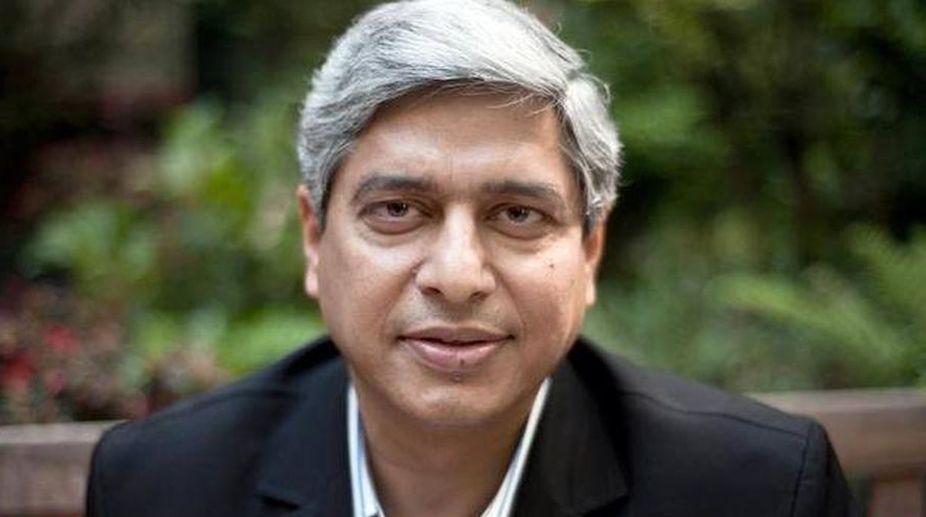
Gopal Baglay, who was till now Joint Secretary, PAI (Pakistan, Afghanistan and Iran) Division in the MEA, on Monday took over the spokesperson of the ministry.

He replaces Vikas Swarup, who was recently appointed as India's High Commissioner to Canada.

"Delighted to take over as official spokesperson. Hope to have your cooperation in continuing the high traditions set by my predecessors," Baglay said after officially assuming charge.

In a tweet, Swarup said, "I wish my successor Gopal Baglay all the best for the new assignment. He will take MEA communications to the next level, online and offline!."  

The soft-spoken and articulate Baglay joined the Indian Foreign Service in 1992 and has served as the Deputy High Commissioner to Islamabad from 2011 to 2014. 

He has also served as Joint Secretary (States) from October 2014 to December 2015, and was tasked with creation of a separate department in the ministry to facilitate international outreach of the Indian states. Baglay also served as Director in former External Affairs Minister S M Krishna's office.