Logo

In court without cause

Nachiketa Mittal |

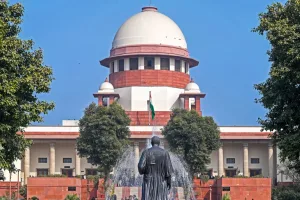
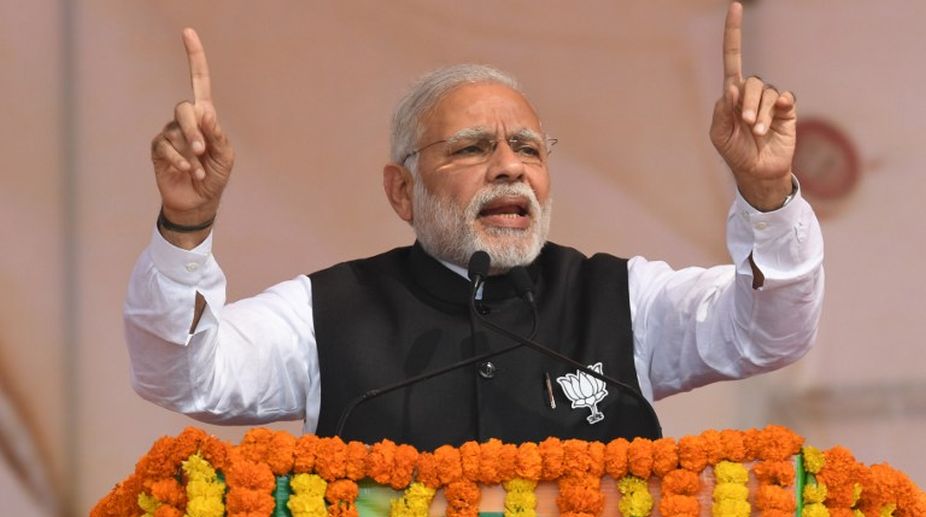
Last November, the Prime Minister gave a clarion call for ‘Sabka Nyay’ making his vision and approach of ‘Sabka Saath, Sabka Vikas’ three pronged. This third limb of Modi’s model of collective growth and development is however caught in the quagmire of mounting arrears on court dockets. This was well recognized by the Prime Minister himself in October 2016.

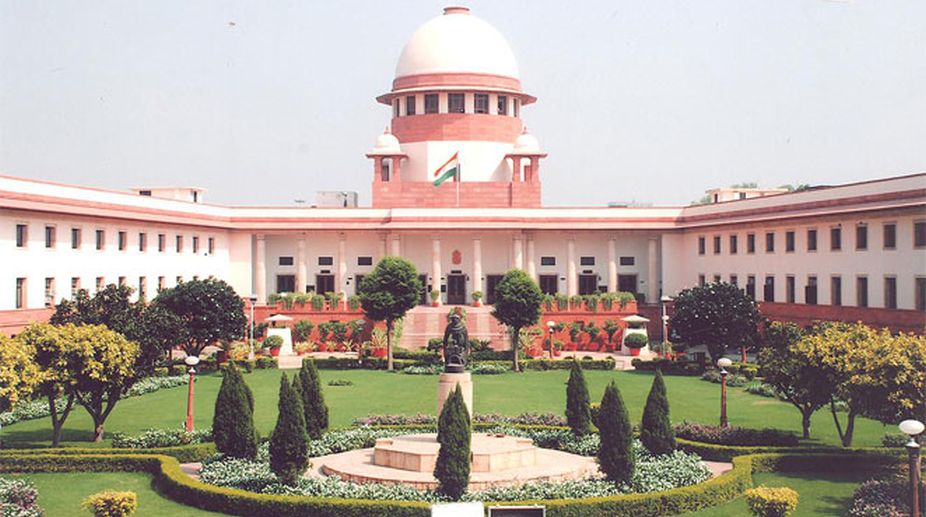
While addressing the Golden Jubilee Celebrations of the Delhi High Court, the Prime Minister identified ‘government as the biggest litigant’ and the need to ease the load on the judiciary by reducing the litigation where government is a party. Given that the judicial structure of our country is swamped with long delays in disposal of cases, it transforms into a multi-dimensional problem of access to justice. This in no way fits into the Prime Minister’s vision of ‘justice for all’.

With Modi due to complete his third year in May 2017, his government is yet to exhibit plausible and diligent efforts to make ‘Sabka Nyay’ an achievable dream by facilitating a reduction in government-initiated litigation thereby making government a responsible litigant.

The State is fundamentally duty bound to devise mechanisms for curtailing government-led litigation and ease clogged dockets of courts. This makes it imperative that the Centre, State Governments and all instrumentalities or agencies of the State under Article 12 of the Constitution should demonstrate model conduct in handling State-generated litigation. Despite no authentic government data on record, approximately 46 per cent of cases involve government as a party. Such cases range from service matters to indirect taxes. It resurrects a debate on ‘litigation policy’ towards protecting public faith and confidence in institutions of justice.

The adverse repercussion of the lack of a national policy framework to handle government litigation has been repeatedly highlighted by the judiciary. In one of the earliest judgments on this matter, late Justice V. R. Krishna Iyer very aptly highlighted the role of a State in litigation. In Dilbagh Rani vs Union of India 1974 (3) SCC 562, para 25, Justice Krishna Iyer observed: “….But it must be remembered that the State is no ordinary party trying to win a case against one of its own citizens by hook or by crook: for the State’s interest is to meet honest claims, vindicate a substantial defence and never to score a technical point or overreach a weaker party to avoid a just liability or secure an unfair advantage, simply because legal devices provide such an opportunity.”

In 1976, a bench led by Justice Krishna Iyer highlighted this issue in the appeal against the State of Bihar.

Less than five years later, in Mundrika Prasad vs State of Bihar, 1979 (4) SCC 703, para 5, Justice Krishna Iyer again observed that a litigation policy is vital for any State if resources are to be husbanded to reduce rather than increase its involvement in court proceedings. He also observed that in this country where government litigation constitutes a sizable bulk of the total volume, it is important that the State should be a model litigant with accent on settlement.

Around the same time, another bench of the Supreme Court also lamented the frivolous appeals filed by government authorities. In State of Punjab vs Geeta Iron and Brass Works Ltd., (1978) 1 SCC 68, dismissing a Special Leave Petition by the State of Punjab, the Supreme Court observed that defeat of the State demonstrated the gross indifference of the administration towards litigative diligence. The court also categorically noted that “Government must be made accountable by Parliamentary social audit for wasteful litigative expenditure inflicted on the community by inaction”.

More recently, in Punjab State Power Corporation vs Atma Singh Grewal, (2014) 13 SCC 666, the Supreme Court sternly dealt with a frivolous appeal filed by a statutory body (Punjab State Electricity Board). The Apex Court devised a new method of mitigating the influx of unreasoned appeals by the State and Public Sector Undertakings (PSUs) and inflicted a personal cost on the officer who authorised the filing of the appeal. It upheld an order of the High Court to recover cost of Rs 10,000 and doubled the penalty.

Following quite the same approach, the Law Commission of India, which is a creation of the union government itself, has been making observations about the heavy litigation emanating from unnecessary appeals by the government agencies/undertakings. The Commission’s 54th Report (1973) and 125th Report (1988) testify that recommendations have repeatedly been made to the Union Government for adoption of a national litigation policy to efficiently handle this vexed issue which impairs the working of courts.

The concern of the National Litigation Policy is not new but certainly alive. Post independence, the first voice for such a policy framework was raised in the All India Law Ministers’ Conference in 1951. It was raised again at the same conference in 1972. The most recent concrete effort was channelised by the UPA led union government with formulation of the ‘National Litigation Policy 2010’. The “vision/mission” of this policy was to transform Government into an efficient and responsible litigant.

Undeniably, the Central Government has a primary duty to protect rights of citizens, and to respect their fundamental rights. It should emerge as a ‘responsible litigant’, not a ‘compulsive litigant’. Unfortunately, this policy never saw the light of the day as it could not be placed before the Cabinet. With the NDA-led government coming to power in 2014, the baton was passed to the Modi cabinet. But the framework is far from reality.

But almost every state of India, in fact all except Telengana, has a State Litigation Policy (“SLP”) in place. These states pursued the need to streamline government-generated litigation in line with the recommendations of the 13th Finance Commission to improve the justice delivery system. Grants, government orders and guidelines issued by the Government of India on 5 May 2011 for implementing recommendations of the 13th Finance Commission carried a specific condition that states would be eligible to draw installments beyond the first fiscal years of 2010-11 only if they would adopted and notified State Litigation Policy.

This condition was reasoned because the Finance Commission had earmarked a grant of Rs.5000 crore over its award period 2010-15 towards strengthening justice delivery institutions and mechanisms across the country.

All these State Litigation Policies have been formulated to reduce average pendency of cases from 15 to three years which was one of the principal objectives of the National Legal Mission for Justice Delivery and Legal Reforms of 2010. Some of the cardinal features of the State Litigation Policies include severe restraint on adjournments sought by government lawyers, effective drafting of pleadings and reduction in filing of frivolous appeals or appeals devoid of legal reason by government bodies, which has been highlighted as a major concern by the Supreme Court and High Courts across the country.

Greater reliance on methods of Alternative Dispute Resolution (ADR) for resolving inter-departmental disputes or disputes between statutory bodies and private individuals has also been encouraged by courts in India. Hence, every State Litigation Policy carries a specific section or a chapter on ADR to settle disputes outside the courts and thereby reduce the workload of courts.

The Fourteenth Report of the Committee on Petitions of the 16th Lok Sabha of August 2016 notes that the National Litigation Policy (NLP) has been refurbished as NLP 2016. But it is yet to be finalised and approved. This is tardy especially when the Finance Commission had noted that over 3 crore cases were pending in the country. Such a policy is also vital because in 2016 India has performed poorly on the World Justice Project’s Rule of Law Index by being placed 66th among 113 countries. The Prime Minister will have to ensure that the National Litigation Policy gets approved by the cabinet and notified without any further delay.

The writer is Assistant Professor of Law, National Law University Odisha (NLUO) on deputation as Assistant Registrar (Research), Supreme Court of India.
Not you, Milord

Sunil Garodia |

A disturbing trend that is emerging is lawyers and advocates asking judges in open court to recuse from cases on the plea that they are biased or have made observations that might go against the clients such lawyers represent. While it is not a crime to do so and lawyers or litigants are well within their rights to demand recusal of judges if they feel their interests will be harmed, it is disturbing if this becomes a trend and recusal demands are raised too frequently.

It is a key principle of any judicial system to ensure that judges are fair and impartial. A judge could become biased due to many reasons. It may so happen that a particular judge might be biased or prejudiced against a lawyer or a litigant. For this, it is not enough if the judge had previously ruled against the litigant or the lawyers’ client in other cases. It means that the judge has acted or spoken in a manner that could be considered unfair or prejudicial to the case. An example of this is when former chief justice TS Thakur was asked to recuse from the BCCI case for observing in another case that other sports bodies should be given the “BCCI treatment”. Lawyers appearing for BCCI pounced upon the statement to suggest that perhaps the CJI had an axe to grind with the BCCI and demanded his recusal from the case. But that was not considered bias by the court.

If a judge has personal knowledge of the facts of the case, ideally he should not preside over it as his judgments might get clouded. Legal cases are decided on the basis of evidence produced in court. If the prosecution fails to produce evidence about which the judge has personal knowledge, his judgment might not be fair. Further, if the judge is related to the litigants or the lawyers appearing in the case, there is a chance of bias creeping in. For instance, if the lawyer appearing for a litigant is the son of the judge, it is obvious that the case should not come up before him. Finally, if the judge or anyone of his family has any pecuniary interest in the subject matter of the case, the judgment might be clouded. For example, if a company is fighting a case for acquiring a land and if the son of the judge to whom the case is assigned is a director in that company, the judge may not be impartial.

Normally, there are no issues on the fairness and impartiality of judges. There are instances when judges themselves recuse on recognising that they would not deal with the subject matter of the case impartially. After all, it is not only important for a judge to be fair and impartial and also appear to be so. But there are times when either the litigant or the lawyer has doubts about the judge. Then they can move to have the case assigned to a different bench. But any such move has to be backed by strong reasons and cannot be demanded as a matter of right. What is currently happening is trivialising the sensitive issue and this can have serious repercussions for the judiciary.

Recognising this, a bench of Justice JS Khehar, CJI and Justice NV Ramanna recently commented that if this continues the court will be left with no alternative but to lay down a law for recusals. The bench was hearing a PIL filed by Lt. Col. (Retd.) Anil Kabotra which asked the court to direct the Ministry of Law and Justice to take immediate steps to fill up existing vacancies in the judiciary as well carry out reforms and expansion as per the 245th report of the Law Commission. During the course of the hearing, advocate Mathew J Nedumpara, who was not appearing in the case, intervened and sought the recusal of the CJI from the matter.

The bench was livid, first for the fact that the advocate intervened without permission, and then because he was making an unfair demand. Justice Khehar said “We will like to hear you and decide the matter. We are here for years and you tell us to recuse”. The bench further said that “you people just come here and say things that the judge should recuse or that judge should recuse himself. We would like to lay down the law on the issue of recusal of judges”.

In recent times, the subject of judges’ recusal has become a burning issue in India with lawyers and advocates demanding recusals at the drop of a hat. As recently as December 2016, lawyer-activist Prashant Bhushan asked Justice JS Khehar to recuse himself from hearing the Sahara-Birla diary case as, he said, his file for elevation as chief justice was pending with Prime Minister Narendra Modi and Modi’s name allegedly featured prominently as recipient of kickbacks from the two firms when he was chief minister of Gujarat. His demand elicited criticism against him from both the Supreme Court bench of Justice Khehar and Justice Arun Mishra and the government.

Attorney General Mukul Rohatgi termed it “cheap tactics” and said he was pained. Justice Mishra said, “This is sheer contempt of court. We are constitutional functionaries. Is it not possible for us to conduct our duties?” Justice Khehar was angered enough to close the file and said he was not going to hear the case further and Bhushan was free to go to any other judge or bench.

In January this year, a “sexually harassed” law intern had asked a Supreme Court judge to recuse himself from hearing her appeal as he had worked with the accused retired Supreme Court judge in the Bombay High Court. In May 2016, lawyer Mrinal Kanti Mandal asked Justice Ranjan Gogoi to recuse from the case Yogeshwari Kumari and Ors v Lake Shore Hotels Pvt Ltd on the plea that he had met members of the respondent company’s management on a visit to Rajasthan. In the same month in 2016 Justice V Gopala Gowda recused himself from hearing the case of criminal conspiracy against senior BJP leaders LK Advani, Murli Monohar Joshi and Uma Bharati in the Babri demolition episode. The judge did not give any reason for his decision.

The Supreme Court sees judge recusals frequently. In January this year, as many as six judges recused themselves from cases. Judges may or may not give any reason for recusals, but these are never made public. The issue of judge recusals is sensitive and needs careful handling.

Though the Supreme Court has expressed the desire to lay down a law on the subject, it is clear that laws alone will not help if judges remain adamant. There is law on recusals in the US vide 28 USC Part 1, Chapter 21, No. 455. It states:

(a) Any justice, judge, or magistrate judge of the United States shall disqualify himself if any proceeding in which his impartiality might reasonably be questioned.

(b) He shall also disqualify himself in the following circumstances:

(1) Where he has a personal bias or prejudice concerning a party, or personal knowledge of disputed evidentiary facts concerning the proceeding;

(2) Where in private practice he served a s lawyer in the matter in controversy, or a lawyer with whom he previously practiced law served during such association as a lawyer concerning the matter, or the judge or such lawyer has been a material witness concerning it;

(3) Where he has served in governmental employment and in such capacity participated as counsel, adviser or material witness concerning the proceeding or expressed an opinion concerning the merits of the particular case in controversy;

(4) He knows that he, individually or as a fiduciary, or his spouse or minor child residing in his household, has a financial interest in the subject matter in controversy or in a party to the proceeding, or any other interest that could be substantially affected by the outcome of the proceeding;

(5) He or his spouse, or a person within the third degree of relationship to either of them, or the spouse of such a person;

Is a party to the proceeding, or an officer, director, or trustee of a party;

Is acting as a lawyer in the proceeding;’

Is known by the judge to have an interest that could be substantially affected by the outcome of the proceeding;

Is to the judge’s knowledge likely to be a material witness in the proceeding.

(c) A judge should inform himself about his personal and fiduciary financial interests, and make a reasonable effort to inform himself about the personal financial interests of his spouse and minor children residing in his household.

(d) For the purposes of this section the following words or phrases shall have the meaning indicated:

(1) “proceeding” includes pretrial, trial, appellate review, or other stages of litigation;

(2) the degree of relationship is calculated according to the civil law system;

(3) “fiduciary” includes such relationships as executor, administrator, trustee, and guardian;

(4) “financial interest” means ownership of a legal or equaitable interest, however small, or a relationship as director, adviser, or other active participant in the affairs of a party, except that:

(i) Ownership in a mutual or common investment fund that holds securities is not a “financial interest” in such securities unless the judge participates in the management of the fund;

(ii) An office in an educational, religious, charitable, fraternal, or civic organisation is not a “financial interest” in securities held by the organisation;

(iii) The proprietary interest of a policyholder in a mutual insurance company, or a depositor in a mutual saving association, or a similar proprietary intests, is a “financial interest” in the organization only if the outcome of the proceeding could substantially affect the value of the interest;

(iv) Ownership of government securities is a “finacial interest” in the issuer only if the outcome of the proceeding could substantially affect the value of the securities.

(e) No justice, judge, or magistrate judge shall accept from the parties to the proceeding a waiver of any ground for disqualification enumerated in subsection (b). Where the ground for disqualificaiton arises only under subsection (a), waiver may be accepted provided it is preceded by a full disclosure on the record of the basis for disqualificaiton.

(f) Notwithstanding the preceding provisions of this section, if any justice, judge, magistrate judge, or bankruptcy judge to whom a matter has been assigned would be disqualified, after substantial judicial time has been devoted to the matter, because of the appearance or discovery, after the matter was assigned to him or her, that he or she individually or as a fiduciary, or his or her spouse or minor child residing in his or her hushold, has a financial interest in a party (other than an interest that could be substantially affected by the outcome), disqualification is not required if the justice, judge, magistrate judge, bankruptcy judge, spouse or minor child, as the case may be, divests himself or herself of the interest that provides the ground for the disqualification.

But despite the existence of such a detailed law in the US, in 2011 in the case Caperton v A. T. Massey Coal, Inc, the presiding judge, Juctice Brent D. Banjamin of West Virginia refused to recuse himself even though it was common knowledge that he had received huge campaign contributions from the account of the president of the company whose appeal in a $50 million case was before his bench. He refused three motions to recuse and then cast the presiding vote to exonerate the company. The US Supreme Court had to reverse his decision.

Following this nearly 140 law professors in the US wrote to Congress to call for hearings and implement a legislation to make recusals transparent and reviewable.

In June 2016, the US Supreme Court had to overturn a death penalty in the Terence Williams case when it was found that the Chief Justice of Pennsylvania Supreme Court, Ronald Castille, who was the District Attorney prosecuting Williams years earlier, had refused to rescue himself from the case and had awarded the death penalty after hearing it. The US Supreme Court overturned the decision saying the judges must rescue themselves from a case they had a major prior role in, howsoever earlier.

The court further said that “Bias is easy to attribute to others and difficult to discern in oneself”. The court pointed out that “an unconstitutional potential for bias exists when the same person serves as both accuser and adjudicator” in a significant aspect of a case ~ here, “the prosecutor’s decision to seek the death penalty”.

At the heart of the problem is the procedure: Supreme Court judges are to decide themselves whether they should recuse or not. This raises the question of conflict of interest. Nemo judex in case sua, or no one should be a judge in his own cause is the guiding principle of natural justice. The Supreme Court itself has cited this in several cases, most importantly recently when it questioned the right of BCCI mandarins to change rules to have IPL teams allotted to them. Hence, when judges themselves decide whether they should recuse or not, this principle is flouted. Therefore, if any law is made on the subject of judge recusals, whether by the Supreme Court or by the legislature, it has to take into account the procedure for the same.

The writer is Editor-in-Chief, www.indiacommentary.com

Elections and the idea of India

Kuldip Nayar |

There was politics even during the period when I was in college before partition. But it was not on communal lines as it is today. Then the enemy was the British and all of us were in a struggle to oust them. It was a time when Mohammad Ali Jinnah came to the Law College at Lahore and exhorted all of us to make a joint effort to drive out the British.

Subsequently, things came to such a pass that even water was divided into Hindu pitchers and Muslim pitchers. We, the students, were not contaminated at that time. We would eat together at the same table, ordering food from the Hindu kitchen as well as from the Muslim kitchen.

Today the polarisation has contaminated the Hindu community, dividing it into castes. Prime Minister Narendra Modi did not recognise this and recently talked about kabaristan and samshan bhoomi. He unnecessarily brought in religion asking there was no power at samshan bhoomi while it was available at kabaristan.

Uttar Pradesh chief minister Akhilesh Yadav corrected the Prime Minister and said his state had electricity for 24 hours and both kabaristan and samshan bhoomi get constant power supply. The complaint the Muslims make is that there are fewer ATMs in their localities and they feel handicapped in withdrawing money.

This may be true. But the Muslims do not point to the real reason. They lost their importance after the creation of Pakistan which was founded on the basis of religion. Congress leader Maulana Abul Kalam Azad fought a lonely battle against this thinking during the British period itself. He would say that if the Muslims felt unsafe or insecure in a large country like India, they would feel still more unsafe in a partitioned India because the Hindus would tell Muslims to go to Pakistan after having taken their share.

This is precisely what happened. It was Jawaharlal Nehru who was able to stop the exodus. Along with Sardar Patel, who was not enthusiastic about Muslims staying back in India, he appealed to the Hindus on the basis of Mahatma Gandhi's thinking that there would be no distinction between Hindus and Muslims.

The Muslims community has lost its importance in government affairs after partition. They number about 17 crore in India but have no important portfolio in the Narendra Modi cabinet. Mukhtar Abbas Naqvi was the lone Muslim face until M.J. Akbar was inducted as the second minister of state. This does not, however, cover up the tilt towards Hindus.

The scenario in UP only underlines Modi's and the BJP’s thinking. True, Hindus are in a preponderant majority in India but the country is ruled by the Constitution which gives voting rights to every individual without any distinction. When this clause was discussed in the Constituent Assembly, Sardar Patel was willing to give reservations to Muslims. But the community refused it on the ground that such thinking would result in another division.

Nonetheless, the appeal to voters is still on the basis of caste and creed. Although the Election Commission has banned invoking the name of religion or community, political leaders continue to use them so blatantly because they know that Muslims do have a say when it came to elections.

We could see leaders of all hues and parties trying to woo the Muslim voters during the recent election campaigns in UP, without saying anything to ameliorate their conditions which is worse than that of Dalits according to the Sachar Commission report. The offer of freebies, including electricity and writing off loans to farmers are routine tricks adopted by all political parties. This once again goes on to prove how the Muslims are used as a vote bank.

Unfortunately, all this lasts until the polling dates. Soon after, different parties go their own way and the elected government once again turns a blind eye towards the betterment of Muslims. The wishes and aspirations spelled out in the Constitution become only a mirage. The Muslims are pushed into the background to be brought back to the forefront before another set of elections.

I witnessed a similar scenario when I left my hometown Sialkot. There were no differences during those days and we lived as citizens, not as Hindus and Muslims. I had even got the crescent tattooed at the bidding of my Muslims friends. However, none of them agreed to my plea that one of them should have a tattoo of OM. They said that they would be beaten up at their home if they did.

We have come a long way from that time. Today, society is so polarized that the question of tattooing another religion’s symbol does not arise. He would be a brave man who dares the community by violating its code. Muslims prefer to live in localities where their community’s people are concentrated. They do not feel safe in a mixed or secular habitation.

At the same time a Muslim does not get accommodation or think of buying a property in a non-Muslim locality. They do not even agitate lest they should be misunderstood. But there are instances of Muslims having bought properties in a Hindu locality after the court’s intervention. Of course, there are some misguided elements among Muslims throwing their weight about.

However, despite the Hindutva factor people in India are realizing that they have to live together as they have done for centuries. That is the idea of India and most people are clutching at it.

The writer is a noted journalist, columnist and commentator.

Remembering a pioneer of scientific research

Saroj Upadhyay, Sudeshna Gupta |

Mahendralal Sarkar the renowned physician who had the privilege of treating Sri Ramakrishna was not only a brilliant homeopath but was also a social reformer and an ardent propagator of science education and research. His colourful life is an illustration of the many dimensions of his personality and achievements. He became a spiritualist after coming into contact with Sri Ramakrishna. But he was also a propagator of the scientific view of life. He was the founder of the Indian Association for the Cultivation of Science where Nobel Laureate CV Raman and many other scientists started their scientific experiments.

Mahendralal secured admission in Hare School as a free student in 1840. He passed the junior scholarship examination and joined Hindu College(Presidency College) in 1849 where he studied up to 1854. He was transferred to Calcutta Medical College since Hindu College didn’t have a science department. He passed the final examination in 1860 in medicine, surgery and midwifery. In 1863, he got the degree of MD. He and Jagabandhu Bose were the second MDs of the Calcutta University after Chandrakumar De (1862).

Mahendralal within a short period turned into a reputed doctor. He was so well regarded that other physicians used to send their patients to him for consultation. He was selected as the secretary of the Bengal branch of the British Medical Association in1863. During this time, he criticised homeopathy as the practice of quacks. But soon some events brought a drastic change in his outlook towards homeopathic treatment which Mahendralal had described in the July issue of his journal, Calcutta Journal of Medicine.

He was given a copy of Morgan’s Philosophy Of Homeopathy for review in the journal, the Indian Field. Mahendralal took it as an opportunity to criticise homeopathy but later changed his mind as he realised that without knowing anything about homeopathy it would be unfair to write such a review. Mahendralal went to Rajendralal Datta, an eminent physician who was also a homeopathic practitioner.

Mahendralal started verifying the results of Rajendralal’s homeopathic treatment. Besides, he himself prepared some homeopathic medicines and observed their effect on patients. He was soon convinced that homeopathic treatment was scientific and himself started homeopathic treatments (which were less costly than allopathy).

On 16 February 1867, during the fourth annual meeting of the Medical Association, of which Mahendralal was the Vice-President, he gave a lecture on “The uncertainties in medical sciences and the relationship between diseases and their remedial agents.” In this lecture he spoke in favour of homeopathic treatment which created an uproar among the audience. As a result he was ousted from the British Medical Association.

In January 1868 Mahendralal founded a journal called Calcutta Journal of Medicine, with himself as editor. The main aim of this journal was to popularise homeopathic treatment. In the beginning, Mahendralal had no patients but reading of Materia Medica of Homeopathy changed things. He was also inspired by the philosophy of Samuel Hahnemann who abandoned the existing practices of medicine which caused bloodletting and discovered the homeopathic system on purely humanitarian grounds. Eventually Sarkar became one of the top homeopaths. The celebrated homeopath of Calcutta, Dr. Berigny, while leaving the city, compared himself with the upcoming Mahendralal and said, “Now the moon is to set because we are seeing the rising sun on the horizon.”

Dr. Sarkar was a humanist who believed that science could add to the prosperity of humanity and the cultivation of modern science was required to remove poverty and ignorance of Indians. During those days only government organizations like the Geological survey of India facilitated scientific research work and universities were only degree-awarding authorities. Mahendralal wrote an article in the Calcutta Journal of Medicine on the need to establish a national institution for the cultivation of sciences by his countrymen. He wrote that this institution would be run on the lines of London’s Royal Institution and the British Association for the Advancement of science.

Regarding the institution’s main intention Mahendralal said: “We want a different institution altogether. We want an institution which shall be for the instruction of the masses, where lectures on scientific subjects will be systematically delivered and not only illustrative experiments performed by the lecturer, but the audience should be invited and taught to perform themselves. And we wish that this institution be entirely under native management and control.”

The Hindu Patriot in its issue dated 3 January 1870 published an advertisement regarding the establishment of the institution.

Supporting Mahendralal’s work, Bankim Chandra wrote a lengthy article in the Bhadra issue (August-September issue) of his journal Bangadarshan (1873) where he appealed for generous public financial support for his work. He wrote:

“….The rich people of Bengal… some of them spend a lakh of rupees in a single day and waste lakhs during the marriage of their sons and daughters. The Bengali society is apathetic towards the cultivation of science. The rich people of Bengal should be generous and assist the Youth and industries of Bengal.”

Good response came from many eminent citizens of Calcutta. These included Justice Dwarakanath Mitra, Krishnadas Pal, Father Lafont, Ishwar Chandra Vidyasagar, Dr.Rajendralal Mitra, Keshab Chandra Sen, Jatindramohan Tagore, Abdul Latif, Jaykrishna Mukherjee, Pyarimohan Mukherjee, Ramesh Chandra Banerjee, and Gurudas Banerjee. Sir Richard Temple, the Lieutenant Governor of Bengal, also assured his help. Donations started flowing in.

The first contribution of Rs. 1,000 came from Jaykrishna Mukherjee and a subscription book was started on 24 January 1870. Others who contributed money were the Maharaja of Patiala , Maharani Swarnamayi, Maharaja of Cassimbazar , Kalikrishna Tagore, Raja Kamal Krishna Deb and Sri Rameshchandra Mitra. It was Ishwar Chandra Vidyasagar who collected Rs. 2500 from zamindar Kalikrishna Tagore. With the help of Keshab Chandra Sen, Mahendralal received much financial help from the Maharaja of Cooch Behar. And in 1873, Mahendralal himself donated Rs. 1,000 for the noble cause.

On 29 July 1876 the Indian Association for the Cultivation of Science was inaugurated in a house taken on lease from the Government. It was situated at the junction of College Street and Bowbazar Street. The name “The Indian Association for the Cultivation of Science” was accepted at a meeting held earlier, on 15 January 1876. Dr. Mahendralal Sarkar was its Secretary from the beginning till his death. He gave regular lectures on subjects like electricity, magnetism, heat, light and sound.

Between 1878 and 1883 he delivered about 154 lectures on different subjects. Mahendralal continued to enlist support for the Association, especially from rich patients whom he cured. One such was the Maharajkumar of Vizianagram, and with his donation of Rs. 40,000, the Vizianagram Laboratory was established.

From the very beginning many renowned scientists were either speakers or research scholars in the Association. For instance Acharya Jagadish Chandra Bose, Acharya Prafulla Chandra Ray, Dr. Chunilal Basu, Sri Ashutosh Mukhopadhyaya and others gave lectures on their respective subjects. Acharya Jagadish Chandra Bose used to conduct practical classes also.

The Science Association developed further after the death of Mahendralal. In 1907 a high-ranking officer in the finance department of the government of India, Chandrashekhar Venkataraman, working at Calcutta , became a member of the Association and pursued scientific research during his leisure time. In 1917 the vice-chancellor of Calcutta University, Sir Ashutosh Mukhopadhyaya, made him “Fellow Professor” in the Science College.

Since the required equipment for research was not available in the Science College, Venkataraman continued his research in the Science Association. In 1930 he discovered new facts about the diffusion of light rays, for which he was awarded the Nobel Prize. In 1950-51 Professor Meghnad Saha shifted the The Science Association to a new building constructed on a land measuring 29 bighas.

Thus we see that Mahendralal Sarkar, a great philanthropist devoted his life to establish and promote scientific research and in spreading the homeopathic system of medicine. In all his efforts, service to humanity was the driving force

The writers are, respectively, Senior Faculty and Faculty of Neotia Institute of Technology, Management and Sciences.

Strategic dialogue

Salman Haidar |

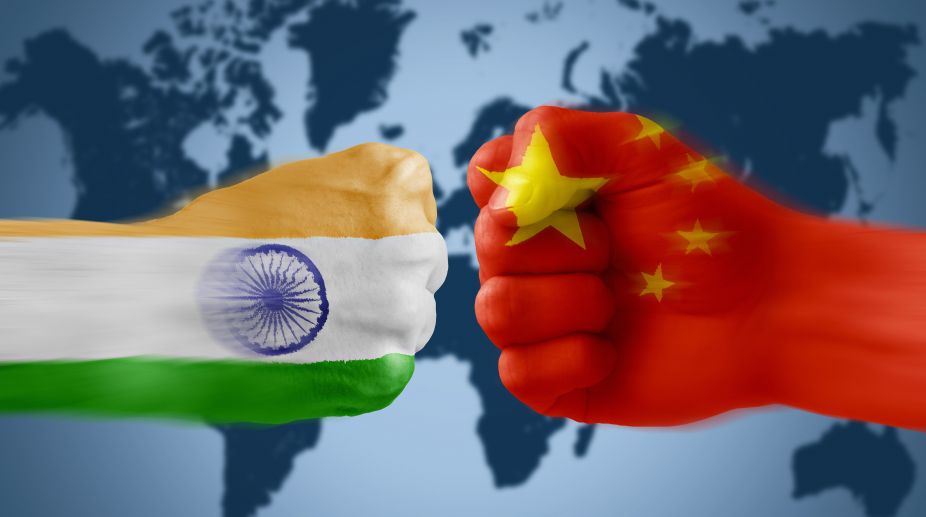
India's Foreign Secretary has just been on a visit to Beijing where he participated in a strategic dialogue with his Chinese counterpart. Intensified exchanges between the two countries, of which the meeting in Beijing was an important part, reflect the joint desire of the leaders to add momentum to the ongoing dialogue and speed up the effort to solve problems and strengthen cooperation. As has been frequently reiterated in recent days, this is a time of strain in India-China relations, due not so much to direct clashes between them as to issues involving third parties. The most obvious matter of contention is that involving Pakistan where India's efforts to hold that country to account in international forums for supporting terrorist activity have been effectively negated by China. This is a real concern for India, but it was not what drove the Foreign Secretary to visit Beijing: the diplomatic channel between the two countries is active and they are able to communicate with each other as and when required without sending special envoys from one capital city to the other.

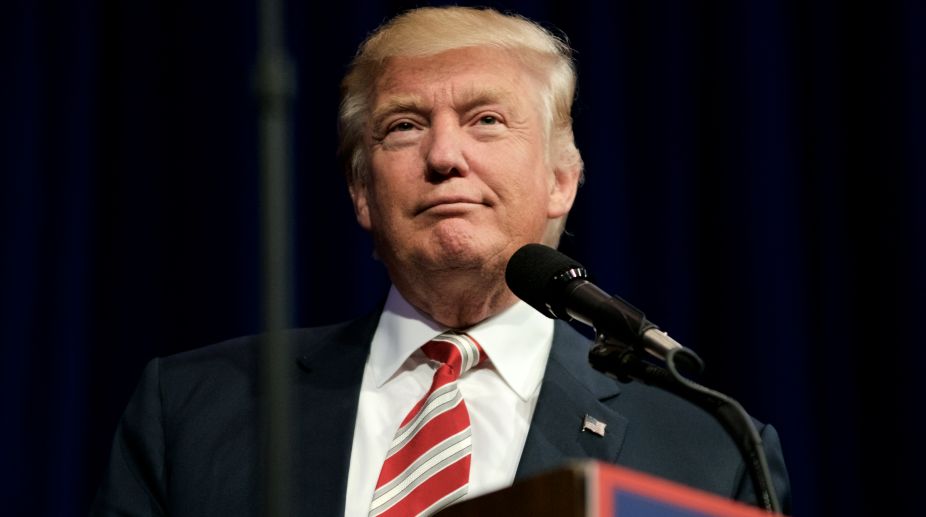
The strategic dialogue could have grown out of the need to find responses to the changing global situation which has brought a number of new challenges before India, China, and other global players. Change has been dramatized by the new priorities of the White House which is trying to give a radically new direction to some aspects of US foreign policy, but even before Mr. Trump took office important indications of change were already visible. USA has been in the process of reducing its commitment overseas for some time now, in a slow retreat from its heavy involvement in regional affairs since the very active years that saw its armed forces extensively engaged abroad, most directly in Iraq and Afghanistan and elsewhere too. As the human and material cost mounted, public support for this sort of engagement ebbed away and the government was blamed for the 'imperial overstretch' of excessive commitment to distant problems.

While US policy makers were drawing in their horns, others were advancing to fill the newly available space, none more actively than China. China is seen as the rising power, economically and also militarily, and its influence is on the increase. It has been chafing at some of the features of the international system set up in the aftermath of the second war and has already taken important steps to amend it in a manner that, in its view, better reflects present-day realities. For instance, China would like to see its currency used as an international medium of exchange, so that the US dollar may not be the pre-eminent medium for this purpose. China is also working to set up long distance overland trading routes across the Eurasian landmass, harking back to the medieval Silk Road, with a maritime version also taking shape. These initiatives have been much described and discussed, and seen as important steps towards the new order. China seeks to promote, multi-polar rather than something where one country enjoys preponderant status.

In these circumstances, rivalry between the two powers seems to be growing, with considerable international consequences. USA is still at the apex of an international order that has many adherents, especially among relatively more vulnerable countries that feel their security is best served by the established international instruments, and they may not share the concept of multi-polarity as envisaged by China. There is also some concern that China may not always be ready to play by the rules, as for instance in the South China Sea, where it is involved in a number of maritime disputes with its neighbours. Indeed, the South China Sea has emerged as a potential regional hotspot with overlapping claims and multiple disputes. Though there have been a few incidents of armed confrontation on the high seas, there is little to suggest that any of the parties seeks to try to resolve differences through military intimidation: it is more a matter of laying down markers to establish claims while gradually edging out other contenders.

The rivalry between the major contenders has had some consequences for the broader configuration of the region. China's greater assertiveness and its steady ascent have disturbed some of the others who may fear that their own concerns could be overshadowed. To try to 'contain' China may be too ambitious a concept, and it would bring unwelcome echoes of the defunct Cold War, but yet some of the regional countries may be minded to come together in some sort of alignment to defend what they regard as their common interests, including liberal democracy and rule of law. This idea came up in discussions and attracted some interest for a while, without crystallizing into practical form. What has drawn a certain amount of attention lately, in a variant of the earlier theme, is the idea that regional 'middle powers' should make common cause and thereby stand up against hegemonic tendencies of major powers that subscribe to rather different values. These concepts that seem to favour collective understanding among some of the more prominent countries of the region are obviously intended to act as a check on Chinese aspirations. As of now, the 'middle power' concept is not much more than a notional effort to balance China and may never acquire much practical significance but it shows considerable uneasiness at the continued rise of China.

The changing international configuration that can bring new combinations into being and seek alternative solutions to old problems can give new impetus to the strategic dialogue between India and China. At this time of change it is necessary that these two major Asian entities, each advancing strongly according to its own lights, should take counsel with each other, for they are countries that will be instrumental in shaping the future. Current preoccupations in India are necessarily centred on the threat it faces owing to the actions of its neighbour Pakistan in giving succor to terrorist groups and the ambiguous response of China has become a real anxiety for India. But it remains important that through their dialogue the two countries should look for mutual understanding and accommodation even on contentious issues so that they can play a proper part in regional and international affairs. This is the challenge of the strategic dialogue on which they have embarked. The areas of common interest between them are obvious enough, ranging from matters of maintenance of peace and order to enlarging the good economic relations they have developed among themselves. Now, in the changing world, the challenge is to build further on what has been achieved through many years of careful effort.
The writer is India's former Foreign Secretary.

Centre-AIADMK discord

Editorial |

The new AIADMK government of Edapadi Palaniswami is facing its first confrontation with the BJP-led Union government of Narendra Modi at Neduvasal, a fertile village on the Cauvery delta in Pudukottai district of Tamil Nadu.

ONGC technicians who visited the village to inspect a rig drilled in the area in 2009 to explore hydrocarbons were chased away by local people because the previous government of J Jayalalitha had banned extraction of methane gas through an order dated 8 October 2011. No power on earth can ignore what Jayalalitha had ordained, maintain the people.

Natural gas exploitation has become a controversial issue in Tamil Nadu because the previous Congress-led government of Manmohan Singh on 29 July 2010 granted permission to the private sector Great Eastern Energy Corporation Limited to explore and exploit gas from the Mannargudi coal bed methane block spanning 691 sq km in the Cauvery delta on a profit-sharing basis when the DMK was in power in the state.

According to an ONGC official, the Neduvasal villagers did not even give an opportunity to its technicians to properly plug and cap the well to prevent oozing of gas. The Palanasami government said that no clearance will be given to any coal bed methane exploitation project in the Cauvery delta. Farmers view the project as a threat to their livelihood and food security.

Neduvasal has a population of about 500,000. Health Minister Vijaya Baskar, after a visit to the project site, confirmed that electricity has been cut off to the project. The Centre is spending about Rs 6,000 crore on constructing an LNG terminal with a capacity of five million tonnes at Ennore port near Chennai. It is expected to be commissioned in 2018. The imported gas will be transported by pipelines across the state for its economic development.

Strategies for laying pipelines are yet to be completed; these involve acquisition of land, including paddy fields, which could lead to even more acrimonious protests than the Neduvasal one. It may be recalled the Kochi LNG terminal, built at a cost of Rs 4,500 crore, has been able to achieve just five per cent capacity utilisation so far because the pipeline project extending to 310 km had to be stopped due to protest against land acquisition.

The Ennore LNG project laying a 1,170 km gas pipeline to reach Tuticorin could remain a pipedream. Natural gas is a most eco-friendly fuel compared to coal and crude oil. Yet in India, only six per cent of energy is generated by natural gas against the world average of 26 per cent. Drilling for natural gas does involve use of water.

Because of the acute drought in Karnataka and rapidly depleting water in the Cauvery river system, there is fear among farmers that exploiting gas in the Cauvery delta region would add to their woes.

It is the responsibility of both the Union and state governments to educate farmers of the importance of tapping natural gas for the overall development and growth of the nation.

One for the road

Editorial |

It is at once an encouraging follow-up to Foreign Secretary S Jaishankar’s trip to Dhaka and a happy prologue to Begum Hasina’s scheduled visit to India in April.

In a sense, the spirit of the agreement that marks the forward movement ought to facilitate meaningful negotiations on thornier issues, notably the sharing of Teesta waters and the demarcation of the land boundary, both seemingly intractable.

A prompt resolution is unlikely; to West Bengal’s unrelenting stand has now been added fresh differences with the Centre on an issue as close to the bone as money. And yet Delhi’s decision to allow Bangladesh to use “border roads” in Tripura and Mizoram ought theoretically to boost both connectivity and security on either side of the divide.

Primarily, it should benefit bilateral trade. It does signify a remarkable degree of accommodation on the part of India not least because the Border Guard Bangladesh (the counterpart of BSF) will be allowed to construct 13 border outposts in the inhospitable terrain of Chittagong Hill Tracts (CHT), by using road connectivity on the Indian side.

The core issue though is the irregular influx, and alarmingly so of Islamist militants trying to escape the law in their respective territories… despite the conclusion of the extradition treaty a couple of years ago. Indeed, the corridor from the eastern flank wends to Kashmir. In terms of exchange of prisoners, the agreement has been a non-starter. Anup Chetia is but one example. Of particular concern is the existence of insurgent hubs operating from within Bangladesh. Not that the administration in Dhaka has been impervious to the literally borderline network.

The Awami government has at least dismantled some of the militant camps, and it must be conceded that its record is somewhat better than that of the Islamist-inclined BNP, which plays footsie with the insurgents when in and out of power. Only last week, the Border Security Force is reported to have handed over to Bangladesh a list of 21 insurgent camps, indeed documentary evidence that has been greeted with a stout denial.

The statement by the DG, Border Guard Bangladesh that the country “does not allow her soil to be used by any entity or element hostile to any country” is a feeble cover-up of an ugly truth. The nub of the matter must be that the extradition treaty must work.

That it hasn’t is a poor reflection on occasional bilateral bonhomie. Orchestrated agreements on peripheral issues are of lesser moment in the greater canvas of geopolitics. It is all very well for the BSF to claim that Bangladesh’s use of the roads in Tripura and Mizoram will facilitate the transportation of construction material to the Chittagong Hill Tracts.

When the two Prime Ministers meet in April, the insurgent hubs ought to be uppermost on the agenda.

GDP figures surprise economists

Statesman News Service | New Delhi |

After the Central Statistics Office (CSO) on Tuesday pegged GDP growth at 7 per cent for the October-December period and retained the overall growth projection for FY 2016-17 at 7.1 per cent, most economists are now looking for factors that explain this surprisingly ‘positive number’ post-demonetisation.

Due to the crippling effect demonetisation has had on consumption and investment, eyebrows were raised among experts and economists on the method adopted on the entire calculation of these numbers. Madan Sabnavis, chief economist at Care Ratings said, “It is a positive surprise. I do have inhibitions in the manner the GDP numbers are being calculated. The reality is that demonetisation did impact construction, real estate and trade sectors. Since the CSO now collatez data from profit and loss accounts of companies, many of the SMEs and informal sector is left out.”

The CSO’s GDP numbers came from calculations on the basis of the data captured in the formal sector and since majority of the economy is informal, the department estimates the numbers to be the same as the informal sector. Sabnavis added that the numbers are vindication that demonetisation didn’t have a major impact on the economy. They have looked at all the numbers at their disposal and have come out with their estimates.

The GDP projection surprised many economists as it was feared that Prime Minister Narendra Modi's black money crackdown will put the economy at risk of losing its growth story as the country is largely a cash-driven economy and demonetisation had squeezed the cash flow for months.

Pranjul Bhandari, chief economist, HSBC India said, “CSO may inadvertently be exaggerating the growth print because it has no way to collect informal sector data over the short run, which is likely to have been hurt most by demonetisation. The rapid 8.3 per cent growth in manufacturing may well be reflecting this.”

Soumya Kanti Ghosh, chief economist at State Bank of India, in his report highlighted revisions to GDP growth data for previous quarters. The downward revision in growth for comparable quarter of last year impacted the numbers. “GDP growth for the first and second quarters of FY16 has been revised higher. But growth for the third quarter of FY16 was revised lower. This would have had some impact on the headline number for the third quarter of FY17,” Ghosh wrote in his report.

P Chidambaram, former Union finance minister in an interview to a television channel said, “The GDP numbers have come as a bit of a surprise. The 7 per cent projection by India's Central Statistics Office is completely out of line with other projections including estimates made by the IMF, the Reserve Bank of India (RBI) and the Center for Monitoring Indian Economy. All these are very credible institutions which have made credible forecast in the past, so I think we’ll have to take this number for what it is for the time being and examine it closely.”

However, the doubts over the quality of data collection continue to loom large as evidence suggested massive job cuts following the note ban in the country’s vast informal sector, which employs nine out of 10 workers. But the government as well as the RBI maintained the pain would be short-lived and predicted a sharp economic rebound as new currency comes back into circulation.

Non-subsidised LPG cylinder prices up by Rs.86

Vijay Thakur | New Delhi |

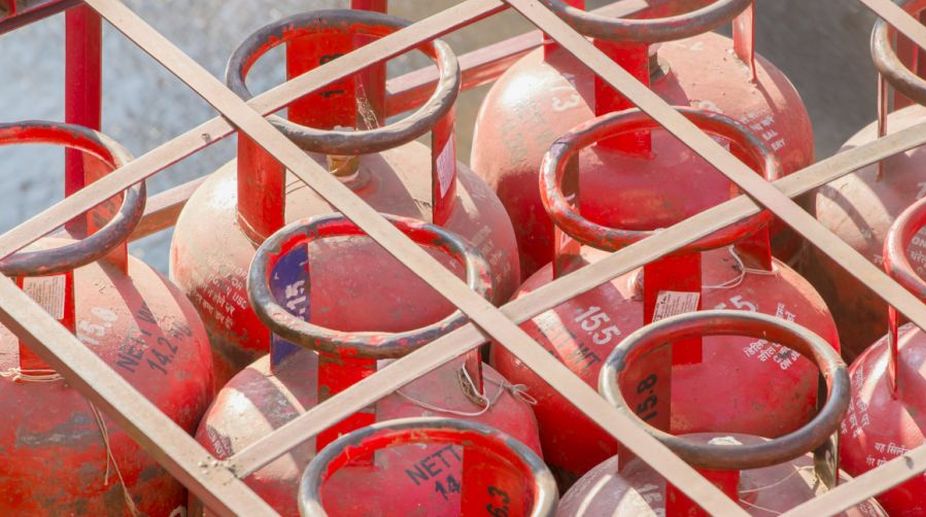
The government increased the price of non-subsdised LPG cylinders by Rs.86. It has, however, not increased the price of subsidised LPG domestic cylinders which would continue to be Rs.434 per cylinder.

The new rate of the non-subsidised cylinder would be Rs.737 with effect from Wednesday, said a senior officer of the Petroleum Ministry. But there would be no net impact on all those who were receiving subsidised refills, the officer said.

 The cash transfer to customer under DBTL (Direct Benefit Transfer) for LPG has been increased to Rs 302.57  to compensate the increase. While the Union government would bear Rs 270.16 per cooking cylinder, remaining Rs 32.41 would be met by the oil marketing companies.

 Meanwhile, under-recoveries of PDS kerosene has also increased marginally from Rs 13.33 per litre last month to Rs 13.5 per litre this month. The under-recoveries and DBTL subsidy for 2015-16 was Rs 27,571 crore, while the figure was Rs 76, 285 crore for 2014-15.

Trump budget plan draws strong opposition from Republicans

AP | Washington |

President Donald Trump's plan to impose sharp cuts to foreign aid and domestic programs is a non-starter in the Republican-led Congress and that's according to top GOP lawmakers.

Senate Majority Leader Mitch McConnell, R-Ky, who once headed the panel responsible for the foreign assistance budget, told reporters that Trump's cuts to foreign aid probably couldn't pass muster on Capitol Hill.

"The diplomatic portion of the federal budget is very important and you get results a lot cheaper frequently than you do on the defense side," McConnell told reporters. "So speaking for myself, I'm not in favor of reducing the (foreign aid) account to that extent."

Trump's draft budget plan would add USD 54 billion to the Pentagon's projected budget, financed by taking an equal amount from domestic agencies and departments. Diplomacy and foreign aid would face a 37 per cent cut that would be felt across the State Department and the US Agency for International Development.

Trump said in his Tuesday night joint address to Congress that his budget "calls for one of the largest increases in national defense spending in American history …. (and) will also increase funding for our veterans."

Trump's budget was panned by the Senate's top Democrat, Chuck Schumer of New York.

"The same time he's talking about medical research he's going to slash it," Schumer said today. "Education. He talked about the great issue of education. Same thing. His budget is going to slash education to smithereens."

The initial reaction among Republicans signaled that Trump faces a fight with his party over the $1 trillion-plus portion of the federal budget that is passed each year by Congress.

That discretionary part of the budget has been squeezed over the past few years, while Republicans controlling Congress have largely ignored the ever-growing tide of automatic-pilot spending on benefit programs like food stamps, student loans, and Medicare. 

TMC forms committee to bring dissidents back to party fold

PTI | Kolkata |

Alarmed over party dissidents joining Opposition ranks, the Trinamool Congress leadership on Wednesday formed a committee to look into the aspect of bringing back dissidents to the party fold.

TMC supremo Mamata Banerjee at the party's core committee meet today formed a five member committee, which included TMC MP and nephew of Mamata Banerjee, Abhishek Banerjee and party leaders Firhad Hakim, Jyotipriyo Mullick, Sovan Chatterjee and Aroop Biswas.

"The committee has been asked to look into why dissidents are leaving the party and how they can be brought back to the party fold," a senior TMC leader said on condition of anonymity.

SC refuses urgent hearing on plea for police reform

IANS | New Delhi |

The Supreme Court on Wednesday refused give urgent hearing on a PIL seeking reforms in police force across the country.

A bench comprising Chief Justice JS Khehar, Justice DY Chandrachud and Justice SK Kaul declined urgent hearing in the case, saying "police reforms are going on and on and nobody listens to our orders".

The court was hearing a PIL filed by lawyer Ashwini Kumar Upadhya, who is also Delhi Bharatiya Janata Party unit spokesperson, and had sought urgent hearing of his case.

In his plea, Upadhyay has sought directions to the Centre and states to implement massive reforms in the police force including a fixed tenure for senior officers.

The PIL also sought the implementation of Model Police Act 2006, saying it is constitutional obligation of Central and state governments to ensure an effective impartial and independent police system. This, it said, was essential for fair, complete and credible investigation of the crime, thus securing the fundamental right of fair trial and speedy justice to the citizens in spirit of Article 21 of the Constitution.

Pak created terror outfits, now ‘monster’ devouring it: India

PTI | Geneva/New Delhi |

Pakistan created terror outfits against India and the "monster" is now devouring its own creator, India's Ambassador and Permanent Representative to the UN in Geneva said on Wednesday.

Addressing the 34th Session of the Human Rights Council (HRC), Ambassador Ajit Kumar hit out at Pakistan for destabilising the situation in Jammu and Kashmir by promoting infiltration and cross-border terrorism, inciting, promoting and glorifying violence.

Asserting that terrorism is the "grossest violation of human rights", he said members will recognise the irony of a nation that has established a well-earned reputation of being a "global epicentre of terrorism holding forth on human rights".

"Pakistan has created terrorist outfits against India. This monster is now devouring its own creator," Kumar said, adding that in the last two decades, the most wanted terrorists of the world have found "succour and sustenance" in Pakistan.
The fundamental reason for disturbances in parts of Jammu and Kashmir is cross-border terrorism aided and abetted by Pakistan, he said, noting that for many years now, Islamabad has been carrying out an intense campaign to destabilise the situation in Jammu and Kashmir.

He further emphasised that Jammu and Kashmir is an integral part of India and the situation there is an internal matter of the country.

The central government and democratically elected state government have led a system-wide effort last year to restore normalcy in the state in the wake of Pakistan-supported violent unrest, he said in the session's 'General Segment'.

India would also like to point out that Pakistan's unwarranted references to UNSC resolutions are "grossly misleading as Pakistan was required to vacate the parts of the State of J&K under its illegal and forced occupation," Kumar said.

India to closely engage with other countries over Indians’ safety

IANS | New Delhi |

With US President Donald Trump condemning the fatal shooting at a bar in Kansas last week that claimed the life of an Indian techie, the Indian government on Wednesday said that it will closely engage with authorities of other countries wherever the safety of Indians is concerned.

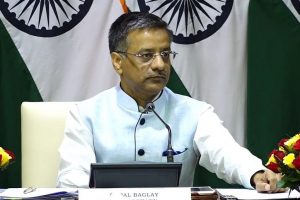
"The safety of Indians all over the world is a matter of the highest priority for the government," said External Affairs Ministry spokesperson Gopal Baglay.

"You saw that the senior authorities of the United States and Kansas where this unfortunate took place, they had a very clear and categorical approach to such crimes.

"They have condemned it, they have said that they will prosecute, investigate this crime very fully… President Trump himself condemned the killing and the government will remain very closely engaged with authorities in other countries wherever the safety of Indians is concerned."

Trump began his first address to Congress at the Capitol Hill on Tuesday by condemning the fatal attack on Srinivas Kuchibhotla, saying the country "stands united in condemning hate and evil".

"Last week's shooting in Kansas city reminds us that while we may be a nation divided on policies, we are a country that stands united in condemning hate and evil in all its forms," he said.

Kuchibhotla, 32, was killed and his colleague Alok Madasani was injured when US Navy veteran Adam W. Purinton fired at them at the Austin's Bar & Grill in Olathe, Kansas state, on February 22.

Purinton reportedly got into an argument with the two and hurled racial slurs. He yelled "get out of my country" before shooting them.

Ian Grillot, a 24-year-old American, who tried to save the Indians, was hit by a bullet that pierced his hand and then lodged in his chest. He has since been hospitalised and is in fair condition.

A White House spokeswoman said the shooting appeared to be "an act of racially motivated hatred".

"The President is keeping the family of the victim, who was senselessly killed, in his thoughts, and we're praying for the full and speedy recovery of those wounded," Trump's Principal Deputy Press Secretary Sarah Sander said on Tuesday.

"We want to reiterate that the President condemns these and any other racially — or religiously — motivated attacks in the strongest terms."

RBI says virtual currencies pose financial, security risk

IANS | Mumbai |

Expressing concern over the growing acceptance of virtual currencies, RBI Deputy Governor R. Gandhi on Wednesday said these pose potential financial, legal, customer protection and security-related risks.

"We can see that in these types of virtual currencies, there is no central bank or monetary authority. They pose potential financial, operational, legal, customer protection and security-related risks," Gandhi said at a Fin Tech conference here organised by industry chamber Ficci, Indian Banks' Association and IT industry body Nasscom.

"No established framework for recourse to customer problem, disputes and grievances is feasible with this kind (virtual currency) of framework. 

"My arguments against these virtual currencies stem from two elements, namely, the concept of confidence and anonymity. The currency should be able to sustain these two elements forever. It will impair its exalted status once either of these two elements gets affected," he added. 

The Deputy Governor said virtual currencies are stored in digital electronic form and are prone to losses arising out of hacking, loss of passwords and malware attacks, adding that a number of cases had been reported where virtual currencies were used for illicit and illegal activities.

Gandhi also said the confidence in Bitcoin, or any other virtual currency based on blockchain, is also limited to its initial rounds and circles.

"The initial round is always filled with adventurists and risk seekers. The moment masses gets in, the risk avoiders get in, they will need greater confidence for its acceptance and continuance, and that can come only if an authority issues it," he said.

"It may remain a pipe dream that blockchain will eliminate currency by ushering in virtual currency. It is unlikely." he added. 

On the subject of peer-to-peer lending, Gandhi said the Reserve Bank would soon release the final norms in this regard.

"We have received comments and soon we will be able to finalise it (norms)," he said.

Peer-to-peer lending is a form of crowd-funding via an online platform that matches lenders with borrowers in order to provide unsecured loans. 
 

Indian economy picking up after note ban, says Moody’s

IANS | New York |

India's economic growth is picking up as liquidity conditions normalise in the aftermath of the note ban, said global credit rating business Moody's Investors Services on Wednesday.

"We expect the Indian economic growth to continue to pick up as liquidity conditions normalise and the reform agenda is back on track," said Moody's in a statement here.

The central government on November 8 demonetised the Rs.500 and Rs.1,000 notes, which accounted for 86 per cent of the cash in circulation by value.

"Recovery of currency in public circulation in early February illustrated the incremental improvement in liquidity. We expect remonetistion to continue," noted Moody's in its report on "Indian credit – Economic slowdown from demonetisation wanes; credit implications unfolding", which provides an update on the implementation of demonetisation and remonetisation, its economic impact and credit implications for the government, firms, banks and the finance market.

The currency stock had rebounded to Rs.9.8 trillion in early February after falling to Rs.7.8 trillion from Rs.17 trillion before demonetisation.

"We expect GDP to moderate to 6.4 per cent in the January-March quarter from 7 per cent in AOctober-December quarter and recover to more than 7 per cent subsequently," said Moody's.

Noting that sales in the real estate and auto sector would gradually recover after sharp fall in the aftermath of note ban, the bond rating said the trend would continue over the second half of fiscal 2017-18.

Steel production, which was affected by the note ban, has also rebounded and is performing better than anticipated.

"Demonetisation had little impact on oil and gas refining and marketing firms, while slowdown in economic activity has weighed on demand for credit among retail borrowers," observed the report.

Noting that banks had higher deposits, the report said the trend would increase by 1-2 per cent, with cash remaining the dominant means of retail transactions.

The performance of the rated Indian auto asset backed securities (ABS) levelled off in January after deteriorating post-demonetisation.

"We expect delinquencies and collections to return to pre-demonetisation levels by March, as the economy recovers and stronger oil prices and budget policy initiatives provide support," the report said.

On the reform front, it believed that the government's agenda remained on track.

The Investors Services Cell also believed that the note ban would strengthen the country's institutional framework by reducing tax avoidance and corruption, which is a credit positive for the sovereign. 

Kohli, Ashwin chosen for BCCI 2016-17 awards

IANS | Bengaluru |

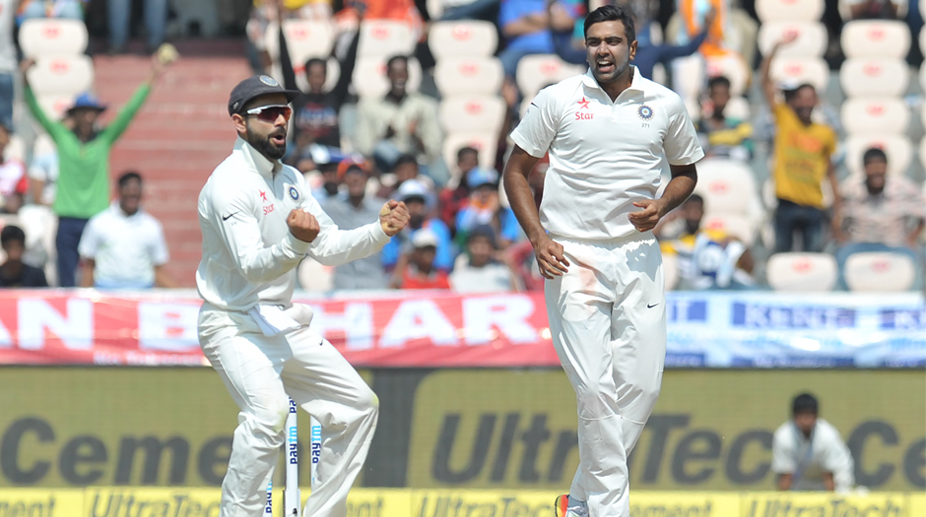
India skipper Virat Kohli, who has been on a roll with the willow, was on Wednesday named for the prestigious Polly Umrigar award while all-rounder Ravichandran Ashwin will be presented the Dilip Sardesai award at the Board of Control for Cricket in India's (BCCI) annual awards on March 8 here.

Kohli, who first received the award in 2011-12 and in 2014-15, will become the first Indian cricketer to be bestowed with the honour on three occasions.

"Team India captain Virat Kohli will be presented with the prestigious Polly Umrigar Award, given to the International Cricketer of the Year, at the BCCI Annual Awards to be held in Bengaluru on March 8," the BCCI said in a statement.

Ashwin, who won the Dilip Sardesai award in 2011, will become the first Indian cricketer to receive the honour twice. 

The Chennai tweaker, who was adjudged the International Cricket Council's (ICC) Test cricketer of the year, was instrumental in India's Test series wins against New Zealand, England and Bangladesh with both the bat and the ball. 

"R. Ashwin will also become the first Indian cricketer to receive the Dilip Sardesai award twice. The all-rounder first won the award instituted to honour the best performance in the bilateral Test series between India and West Indies after being named the Man of the Series in the three-match Test series in 2011."

"In the four-match Test series last year, Ashwin again picked up the Man-of-the-Series award for his outstanding show. In four Tests, he scored two centuries and picked 17 wickets including two five-wicket hauls," the statement read.

The BCCI Annual Awards committee consisting of N. Ram, Ramachandra Guha and Diana Edulji had nominated former domestic cricketers Rajinder Goel and Padmakar Shivalkar for the Col. C.K. Nayudu Lifetime Achievement Award.

The Mumbai Cricket Association has been chosen as the State Association of the Season (2015-16) for winning the Ranji Trophy, the C.K. Nayudu Trophy and also the women's Plate League Group. They were runner-up in the Cooch Behar Trophy, the Vijay Merchant Trophy and the women's One-Day Elite Group.