Logo

Eva Herzigova gets engaged

PTI |

Model Eva Herzigova has announced that she and her Italian businessman partner Gregorio Marsiaj have got engaged.

The Czech supermodel is to tie the knot with Gregorio, with whom she has three sons; George, nine, Philipe, six, and Edward, three.

Eva, 44, announced her happy news by sharing an adorable black and white photo of Gregorio cuddling one of their sons, who is teary and is clutching a white blanket on her Instagram page along with the caption: "You are the one! #engaged (sic)." 

The blonde beauty was previously married to Bon Jovi drummer Tico Torres in September 1996 but they divorced in June 1998.

After that break-up she met Gregorio and their romance blossomed.

Cruise policy, circuits to make India global hotspot: Gadkari

PTI | New Delhi |

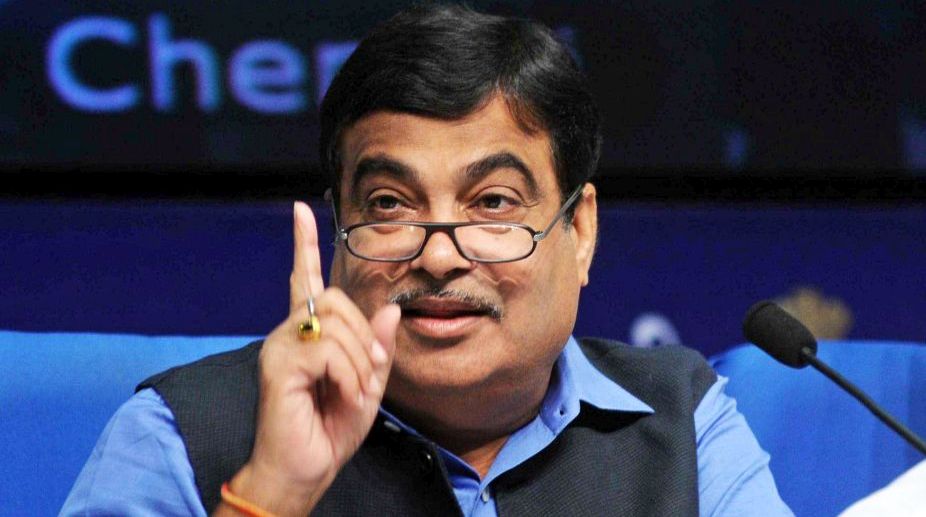
A policy is in the works to make India a global destination for cruise shipping and efforts are on to identify such circuits, besides a slew of steps, to boost infrastructure, Union Minister Nitin Gadkari has said.

"A high-level task force has been appointed and top global consultants are drawing up blueprint for it," Gadkari, who holds the shipping, road transport and highways portfolio, said.

Five circuits each are being identified for international and domestic cruise services and a report is likely by May, 2017.

India, with 7,500 km of coastline, has taken steps on a war footing to promote cruise tour, which includes relaxation of policies and developing infrastructure. Mumbai has shown the way with a likely arrival of 100 cruise ships, he said.

So far, Indians had been travelling to South-East Asia, the Mediterranean and the Caribbean to experience the cruise, but for the first time, Europe's key player Costa Cruises launched Costa neoClassica in India recently, which has confirmed seven voyages.

A task force to promote cruise tourism in the country has been constituted under the chairmanship of tourism secretary, with shipping secretary as co-chairman.

"The government is very keen to promote cruise tourism as India has vast opportunities," the minister said.

Besides, consultants of international repute have been roped in.

The idea is to put India on the global cruise map both for oceans and rivers, Gadkari said, adding that it comes with a huge job potential. India saw 1.76 lakh cruise passengers in 2016-17, a merely 0.5 per cent of the global pie.

Domestic cruise passengers are estimated to grow to 1.5 million by 2031-32.

Of the 12 major ports, only five — Mumbai, Goa, Cochin, New Mangalore and Chennai — have facilities to berth international cruise ships.

One of the circuits identified so far is "coastal circuit" for development of coastal tourism infrastructure, an official said.

The government is developing a modern 2 lakh square feet terminal in Mumbai at an estimated cost of Rs.225 crore to make it a landmark destination, which will have infrastructure to accommodate cruise ships with size for 4,000 passengers.

The project includes hospitality, retail, shopping, restaurants and will allow general visitors during non-cruise seasons.

According to Gadkari, a decision has been taken to have passenger terminals at all major ports to cater to cruise tourists because such tourism is bound to boost the economy.

Gadkari said, "It is a great means for bringing foreign exchange from overseas and Indian travellers to India… Cruise tourists contribute handsomely to local economies… It has the potential to be a driver of growth for the areas touched by it." 

Apart from its huge coastline, India has the geographical advantage as it is strategically located between the Mediterranean and China, he said.

Recently, the Mumbai Port Trust, which has a dedicated berth for cruise tourism, hosted its largest passenger ship Genting Dream with 1,900 passengers. Against 40 ships a year, 59 cruise ships confirmed their visit to Mumbai Port during the current fiscal. The number is expected to rise to 100 next fiscal, an official said.

A cruise ship carries 3,000-4,000 tourists with 1,500-strong crew to various coastal cities, islands, countries, and itself acts like a destination with all entertainment, leisure activities on board.

Listing out the policy initiatives to promote cruise shipping, the minister said ships are now allowed to stay for 3 days, up from the earlier 24 hours, and rules have been simplified to attract more vessels.

He said easier standard operations procedure (SOP) for cruise operations involving multiple agencies has already been issued.

The government has allowed foreign flag vessels carrying passengers to call at Indian ports without securing a licence from the director general of shipping till February 5, 2024.

Also, major ports will offer a minimum of 30 per cent rebate across the board on all vessel related charges for cruise shipping and not levy any priority fees.

"Incentives to attract cruise liners to make major ports as homeports include a rebate of 25 per cent in vessel related charges for coastal cruise movement, in addition to existing 40 per cent rebate for coastal vessel," an official said.

The official said that on land excursions, an average tourist spends USD 70-100 per day and with a cruise ship of 3,000 capacity, this translates into enormous volumes.

Also, average employment on a cruise ship is one job for 3-4 passengers, which translates into a boost for the recruitment sector.


MS Dhoni files complaint for phones’ theft in hotel fire

Dhoni had on Friday escaped unhurt after the fire broke out at a five star hotel in Dwarka.
 

PTI | New Delhi |

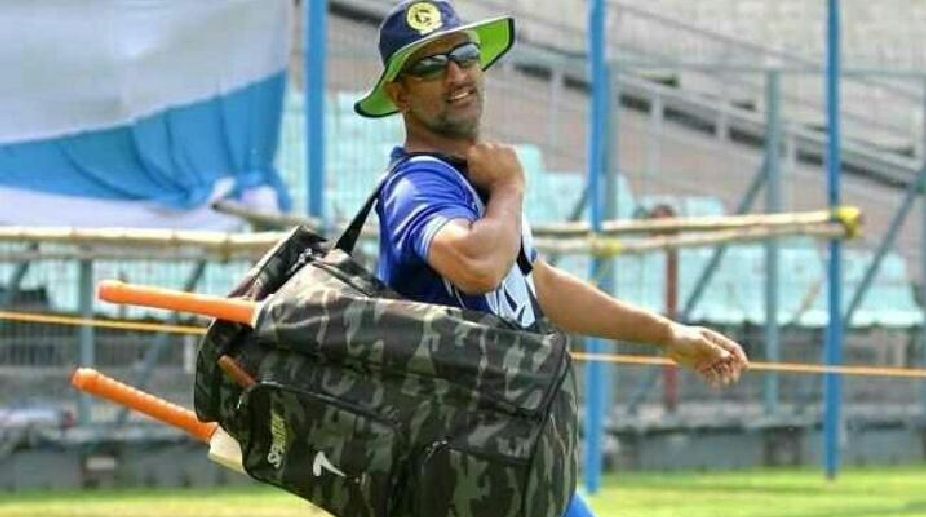
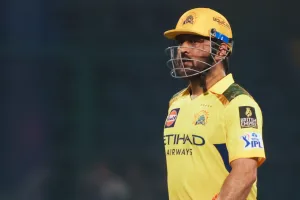
Former Indian skipper MS Dhoni has filed a complaint alleging that his three mobile phones were stolen during the recent fire at a hotel here, police said on Sunday.

Dhoni, along with his Jharkhand cricket team, had on Friday escaped unhurt after the fire broke out at a five star hotel in Dwarka.

Police said they have received a complaint from the cricketer, who stated that he had left his phones in the hotel room when he had gone for breakfast downstairs, on March 17.

Later, when his staff went to pack his things, the mobile phones were missing from the room, they said.

We have registered a case in this regard at Dwarka south police station, they said, adding a couple of persons have been detained in the case.

India vs Australia 3rd Test Day 4: Pujara powers India to 435/6 at lunch

Cheteshwar Pujara and Wriddhiman Saha were batting on 164 and 59 respectively at the break.

PTI | Ranchi |

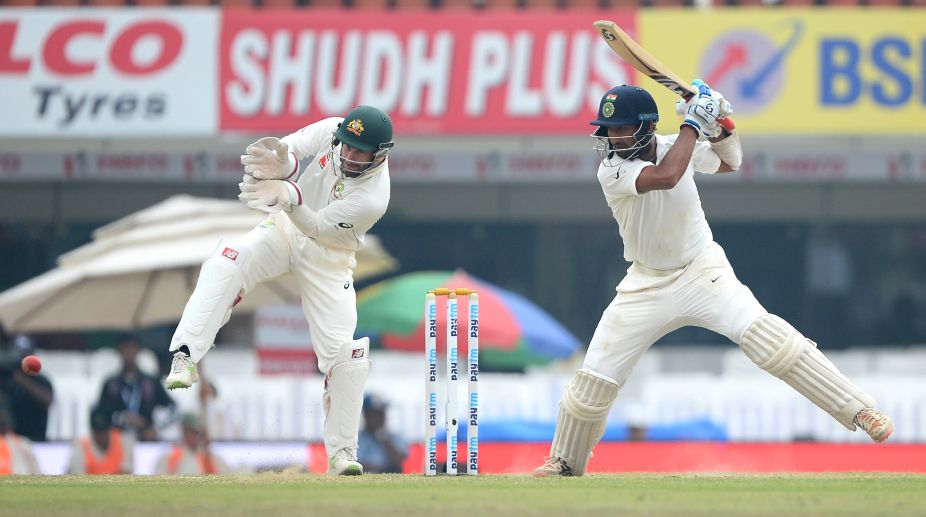
Cheteshwar Pujara remained unbeaten on 164 in a resolute batting display of more than four sessions as India reached 435 for 6 in their first innings in reply to Australia's 451 at lunch on day four of the third cricket Test here on Sunday.

Overnight 130, Pujara has so far batted for eight hours and 52 minutes in his undefeated knock spanning 434 balls with 18 boundaries as he and Wriddhiman Saha (59 batting, 122 balls; 4×4, 1×6) held the fort with an unbroken 107-run partnership.

After the first wicket-less session for India while batting, the hosts now trailed the Australians by 16 runs with four first innings wickets in hand after they resumed on 390/6 under overcast conditions at the JSCA International Stadium hosting its maiden Test.

India number eight, Saha was also going strong at the other end. He took 100 balls to complete his fifth half century in his 24th Test as he used his feet brilliantly against the spinners and never looked uncomfortable.

If their dogged partnership was not enough, India piled misery on the Australians who were unsuccessful twice while using referrals — when Saha was on 19 and Pujara on 157.

Australia were left frustrated when their review for a catch off a sweep shot of Saha in the last over before lunch was also overturned.

Australia's wrecker-in-chief Pat Cummins, who made a spectacular comeback after being in the wilderness for more than five years, was used in two spells but the pacer's fifth wicket eluded him.

Saha, on 19, survived Cummins' first ball of the day with India successfully using the review to deny the pacer. He was given LBW by umpire Chris Gaffaney but the review showed the ball was missing leg stump by a few centimetres.

The next ball, Saha responded with a boundary, a classical cover drive and the duo brought up 50 partnership under floodlights with conditions overcast and hazy.

Approaching his 50, Saha broke the shackles and stepped out to hit Nathan Lyon over midwicket.

Saha was dropped on 51, while trying to cut but beaten by the extra bounce of O'Keefe. Replays showed he had a faint edge only to be dropped by wicketkeeper Matthew Wade.

Pujara, who also has two double tons to his name, posted his second 150 in Tests in 391 balls guiding Lyon for a single as the whole Indian team applauded him at the dressing room.

In the next over, Pujara's edge off O'Keefe flew down the slip cordon past Smith as nothing went for Australia in the wicketless first session.

Govt to take action against expansion projects without EC

PTI | New Delhi |

Expansion or modernisation projects that have been undertaken without obtaining prior environment clearance (EC) will be treated as violation and strict action will be taken by the government.

A notification in this regard has been issued by the Environment Ministry to ensure such projects comply with the environmental laws at the earliest point of time rather than leaving them unregulated and unchecked. It also prescribes a procedure for appraisal of such cases of violation.

"In case, the projects or activities requiring prior EC from the concerned Regulatory Authority are brought after starting the construction work, or have undertaken expansion, modernisation, without prior EC, these projects shall be treated as cases of violations," said the gazette notification issued on March 14.

Projects or activities which are in violation as on date of the notification will only be eligible to apply for environmental clearance. The project proponents can apply for EC only within six months from the date of the notification.

In cases of violation, the notification said that the action will be taken against the project proponent by the respective state or State Pollution Control Board under the provisions of the Environment (Protection) Act, 1986.

The cases of violation will be assessed by Expert Appraisal Committees (EAC) under the ministry and if the EAC finding is negative, then closure of the project will be recommended along with other actions under the law. Besides, no consent to operate or occupancy certificate will be issued till the project is granted the environmental clearance.

In case, where the findings of the EAC are affirmative, such projects will be prescribed the appropriate 'Terms of Reference' for undertaking Environment Impact Assessment and preparation of Environment Management Plan, it added.

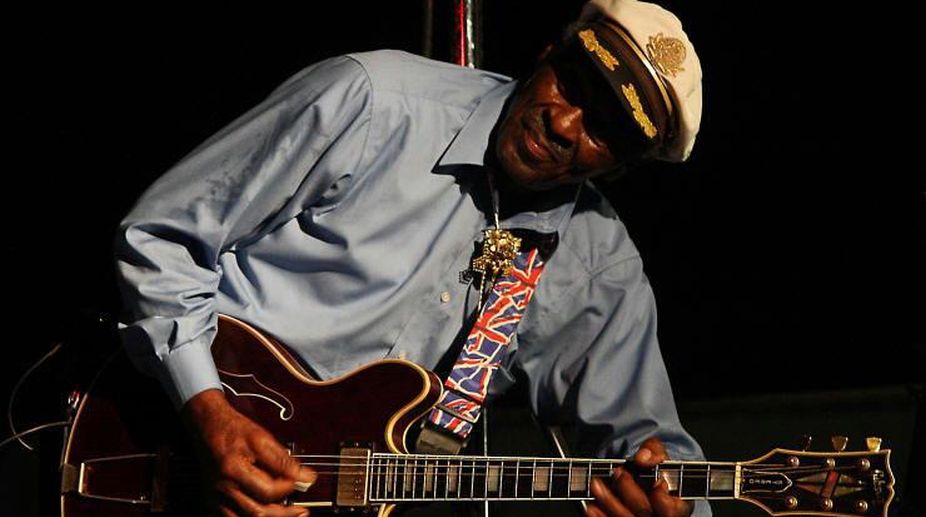
Rock ‘n’ Roll pioneer Chuck Berry no more

PTI | Los Angeles |

The legendary architect of rock 'n' roll music Chuck Berry, who brought R&B in guitar solos to genre, has passed away. He was 90.

The St Charles County Police Department in Missouri confirmed his death on its Facebook page.

The department said that they "responded to a medical emergency on Buckner Road at approximately 12:40 pm today (Saturday, March 18)." 

"Inside the home, first responders observed an unresponsive man and immediately administered lifesaving techniques. Unfortunately, the 90-year-old man could not be revived and was pronounced deceased at 1:26 pm.

"The St Charles County Police Department sadly confirms the death of Charles Edward Anderson Berry Sr, better known as legendary musician Chuck Berry. The family requests privacy during this time of bereavement," the official page of the department wrote.

Berry was born in a middle-class African-American family in St Louis, Missouri, and picked up the guitar in an early age playing at parties, high school and neighborhoods.

He once claimed on 'Tonight Show' that he was primarily influenced by legendary singer-songwriter Louis Jordan's music. Berry formed a trio with a drummer, Ebby Harding and keyboardist Johnnie Johnson, with whom he rose through St Louis clubs.

Berry became a huge sensation in mid-fifties, thanks to his greatest hits like "Maybellene", "Roll Over Beethoven" and "Johnny B Goode".

His stage bravado, thrilling sounds and remarkable playing style gave his listeners more than they knew they were getting from jukebox entertainment.

Berry was among the first musicians to be inducted into the Rock and Roll Hall of Fame on its opening in 1986.

Musicians of all genres and ages paid tribute to Berry on social media.

"Chuck Berry was rock's greatest practitioner, guitarist, and the greatest pure rock 'n' roll writer who ever lived," said Bruce Springsteen on Twitter.

Lead guitarist of the rock band Queen, Brian May, penned down a long note for Berry in which he said, "I was shocked to hear he'd gone. And then you get that haunting feeling that you didn't think of him for ages, even though he was a massive influence on your life.

"I never met Chuck Berry, sadly, but in a way maybe it's better I remained the fan at a distance that I always was, from the very beginnings of my own love affair with the guitar." 

May said that he "sincerely believe there is not a single rock guitarist in the world who hasn't been influenced, directly or indirectly, by Berry's 'bell' playing, and who hasn't occasionally dabbled in his trademark double-stopped riffing style – which opens 'Johnny B Goode', 'Bye Bye Johnny', 'Carol', and many others among his classic rock records." 

Rolling Stones singer Mick Jagger said, "His lyrics shone above others and threw a strange light on the American dream.

Chuck you were amazing (and) your music is engraved inside us forever." 

The Beatles drummer Ringo Starr wrote, "RIP. And peace and love Chuck Berry Mr rock 'n' roll music."

Indian clerics to reach Delhi on Monday: Swaraj

PTI | New Delhi |

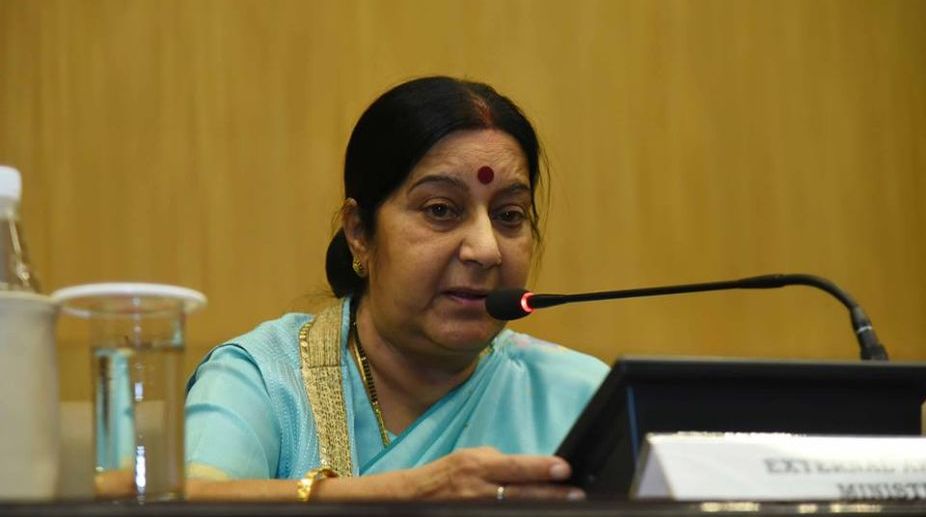
External Affairs Minister Sushma Swaraj on Sunday spoke to one of the two clerics of Delhi's Hazrat Nizamuddin Dargah, who were later traced after going missing in Pakistan.

"I just spoke to Syed Nazim Ali Nizami in Karachi. He told me that they are safe and will be back in Delhi tomorrow," she said in a tweet.

Pakistan had on Saturday conveyed to India that the two missing clerics had been "traced" and that they had reached Karachi.

Syed Asif Nizami, the head priest (Sajjadanashin) of Hazrat Nizamuddin Aulia Dargah, and his nephew Nazim Nizami — had gone to Pakistan on March 8 and were to return to India on March 20.

The main purpose of the visit of 80-year-old Asif to Pakistan was to see his sister in Karachi.

On Saturday, Swaraj had spoken to Pakistan Prime Minister's Adviser on Foreign Affairs, Sartaj Aziz, regarding the case.

According to Pakistani media reports, both clerics had been in "interior Sindh where there was no communication network" and thus could not tell their relatives about their whereabouts.

Earlier, Pakistani sources had said the two clerics were in the custody of Pakistan's intelligence agency over their alleged links with the Muttahida Qaumi Movement (MQM).

The clerics were offloaded from Karachi-bound Shaheen Airlines on March 14 at the Allama Iqbal International Airport, Lahore, the sources claimed.

Data mismatch won’t have any impact on GDP numbers: Anant

PTI | New Delhi |

Chief statistician T C A Anant has attributed the high level of discrepancies in the second advance estimate of growth to a lag in data availability and stressed that it will not have any bearing on overall GDP.

"These (discrepancies) are because we are doing allocations based on rule of thumb linked to earlier survey and production is based on the current exercise. This mismatch is called discrepancy. It does not have any bearing on the overall GDP," Anant said in an interview.

The second advance estimate, released on February 28, was arrived at by factoring in mismatches or differences of GDP calculated through different methods to the tune of Rs.1.18 lakh crore, or 1 per cent, of the economy. It was Rs.45,407 crore, or 0.4 per cent, of GDP in 2015-16.

The Central Statistics Office has pegged the GDP growth at 7.1 per cent for the current fiscal in the second advance estimate, the same as the first one released in January this year.

Elaborating, Anant said, "It (discrepancies) is simply a reflection of data allocation which we have done on expenditure side… Discrepancy must belong to either consumption or production."

Asked why the discrepancies were so high this time, he said, "It depends on your production. It happens. As more data become available, the discrepancies will come down."

He also said, "When we will get full accounting data of companies, the government etc, we are able to reduce the discrepancies to a considerable level. Discrepancies have an identity relation because whatever is produced must be consumed."

Earlier this week, a parliamentary panel stated that the GDP data based on 2011-12 base year do not reflect the momentum of economic activities across the spectrum and a more realistic methodology is required.

The parliamentary standing committee on finance in its report tabled in Parliament also pointed out that several experts have talked about the possibility of overestimation of GDP for 2016-17 in the wake of demonetisation.

"The new series of National Accounts with 2011-12 as the base year has raised more questions than answers. The GDP data do not seem to reflect the momentum of economic activities across the spectrum. It is, therefore, imperative that a more realistic computation method be adopted with a view to enhancing the credibility of official statistics," the panel has said in its report.

Explaining the delay, Anant said, "We use production and expenditure approach. The data availability for these different accounts is different. We get much faster data on production account and somewhere slower data on the expenditure side. Since we have less data on expenditure side, we make allocations based on well laid-out principles."

He also clarified that discrepancies are typically less in annual accounts than in quarterly ones. They are typically more in advance estimates than in later revisions as more data become available.

AR Rahman dedicates song to race attack victims

PTI | Dubai |

Music maestro A R Rahman on Friday dedicated a song to the victims of race attacks during his concert in Sharjah.

Before performing the track from Shah Rukh Khan starrer "Swades", the Oscar-winning composer lamented the racial hatred which is affecting people around the world.

"In this movie a successful engineer wants to return to India to do something for the nation. Nowadays, people are also looking to return but for a different reason. And the reason is racism," Rahman said.

Malayalam cinema's new sensation Dulquer Salmaan was among the audience and also took the stage to praise the music director during the concert.

"One of my greatest honour has been to feature in a song composed by Rahman sir. He is a legend and there isn't a genre he hasn't cracked," he said.

Rahman started the concert with some soulful numbers including "Naadaan Parindey" from "Rockstar" and even his first Malayalam song he had composed.

Singers Marthik, Neeti Mohan and Beni Dayal also sang during the concert which was organized by Matrubhoomi.

"Wish the whole world made more friends than enemies," Rahman concluded the gig.

Victorias banned, rehab of men and horses still a far cry

PTI | Mumbai |

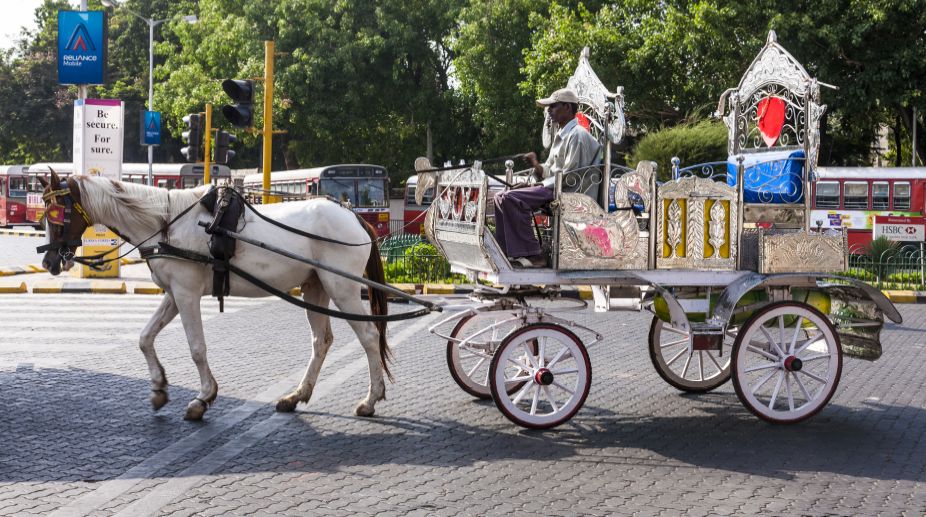
It is over a year since Mumbai's iconic horse-driven carriages, famed as Victorias, have been banned by the Bombay High Court, holding their operation as cruelty to animals.

But scores of families who used to make a living out of the buggies are yet to be rehabilitated, despite reminders to the government by the court.

The decorated Victoria carriages, with the rhythmic trots of the horses that pull them, were a familiar sight on the roads of South Mumbai for the last few centuries.

In June 2015, the high court directed the Brihanmumbai Municipal Corporation (BMC) to put a complete stop on them within a year, while holding that they violated rules under Prevention of Cruelty to Animals Act.

The court also directed the state government to work out a policy to rehabilitate the carriage owners and coachmen affected by the ban and also the horses.

The order was given on a PIL by city-based NGO Animals and Birds Charitable Trust, contending that the joyride caused cruelty to horses.

About a month back, the high court slammed the government over the slow pace of rehabilitation of the affected people and directed it to speed up its efforts.

The government then sought some more time to frame the rehabilitation policy. It said the committee set up for the purpose had so far identified 221 people as affected by the ban.

Taking a generous approach, the high court last week said the government could consider framing a new policy or rules to permit plying of horse carriages for joyrides with proper care of the horses.

"We are taking a slight departure from the high court's judgement. You (government and city civic body) need not stop it (horse carriages) altogether. It can be still used as joyrides for entertainment purposes and for tourist attraction," the court said.

"But then the authorities will have to carry out regular inspection to see that the horses are taken care of, are well fed and given adequate rest," the HC said.

With no other way to make both the ends meet, some of the coachmen still take the Victoria carriages out for ride, taking the risk of running into law-enforcers.

As per the information obtained by animal rights NGO PETA from the office of Mumbai's joint commissioner of police (traffic), the licences issued for the 130 horse-drawn carriages in 2011 and 2012 had expired by 2013.

"Not only the plying of the Victoria buggies runs the risk of contempt of court but it also involves violation of The Bombay Public Conveyances Act, 1920, and the Motor Vehicles Act, 1988, besides endangering the health and safety of horses and the general public," PETA India's director of veterinary affairs Dr Manilal Valliyat said.

But the families hit by the ban have their own woes to narrate.

"It was like exploding a bomb on our head. We have lost our means to earn a living," said coachman Ganpat Mokal.

Several generations of Mokal's family had been in the carriage business since the days of the British rule and they still have six horses, being used for wedding processions.

The cash-strapped Mokal family, living in suburban Vikhroli, said they still look after the horses like their children, ensuring that they would not suffer for want of fodder or care.

"Wedding processions are not an everyday affair. So we have to ply the horses to feed them. We cannot think of starving them to death. We need at least Rs.300 to 400 to feed the horses a day," the 65-year-old coachman said.

Mokal said they would prefer their business back and are ready to meet any conditions that the court or petitioners put forward for the proper upkeep of horses.

Since the horse owners and their handlers have not brought their operations to a complete halt, several cases of seizure of carriages by law-enforcers have been reported over the months.

Valliyat said since July 2016 nine ailing horses have been seized from the roads of Mumbai by police and Animal Welfare Board of India's authorised inspectors.

"They were malnourished and suffering from severe dehydration, painful arthritis, cracked hooves and multiple fresh wounds," he said.

"Many of these horses did not have shoes, which caused their soles to be worn down, predisposing them to painful foot conditions such as inflammation of the sensitive membrane inside the hoof," Valliyat said.

A 38-year-old horse owner said it was unbearable for him to see his horses starving because he could not feed them.

Pointing at his horses near Nariman Point, he said, "Yes, I do ply my horses in Bhendi Bazar, Byculla and nearby areas…only to feed them. Do you know, there are at least seven dependents on each horse. The ban has put us in misery.

They catch our horse and take it away. I have lost my two horses, nearly two lakh rupees." 

Meeru Mittal of the NGO Animals and Birds Charitable Trust, the petitioner in the case, said the government and the BMC should act fast on the rehabilitation of the people hit by the ban.

"The Bombay High Court ordered in our favour, because it found our plea right on several grounds. Now the buck stops with the BMC. Besides, the state government also has to do the needful for the rehabilitation of these poor people," she added.

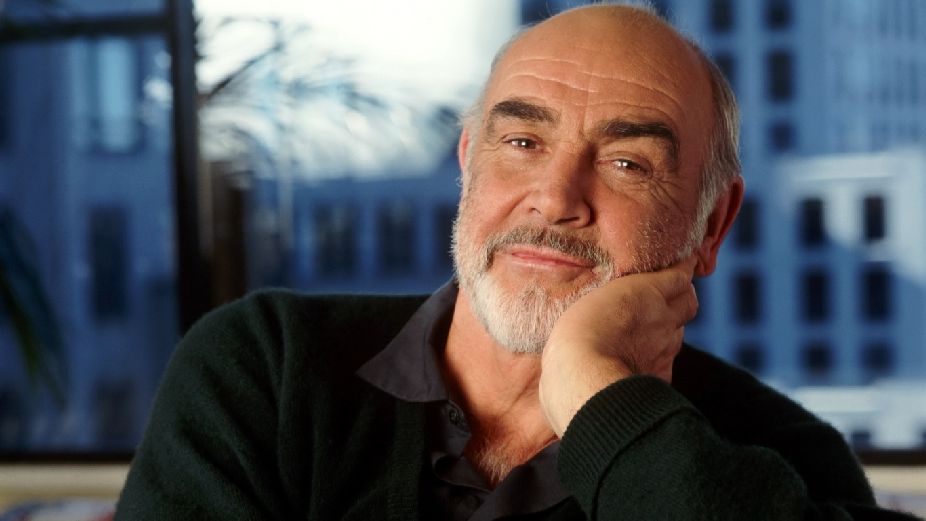
Sean Connery was best Bond ever: Sue Vanner

PTI |

Sue Vanner says Sean Connery was the best James Bond, even though she co-starred with Roger Moore in The Spy Who Loved Me.

"I like Daniel Craig as Bond. I loved his first movie. But he's obviously not the best Bond. There's no question about it – Sean Connery was the best Bond ever!" Sue says.

And although she chose Sean, Sue insisted her co-star Roger, 89, was extremely sexy, reported Contactmusic.

"He was quite sexy, and obviously my scene was very sexy because he was making love to me! I was semi naked – I had no top on, but I was wearing pants for the scene."
 

Parents can evict abusive adult children from their house: HC

PTI | New Delhi |

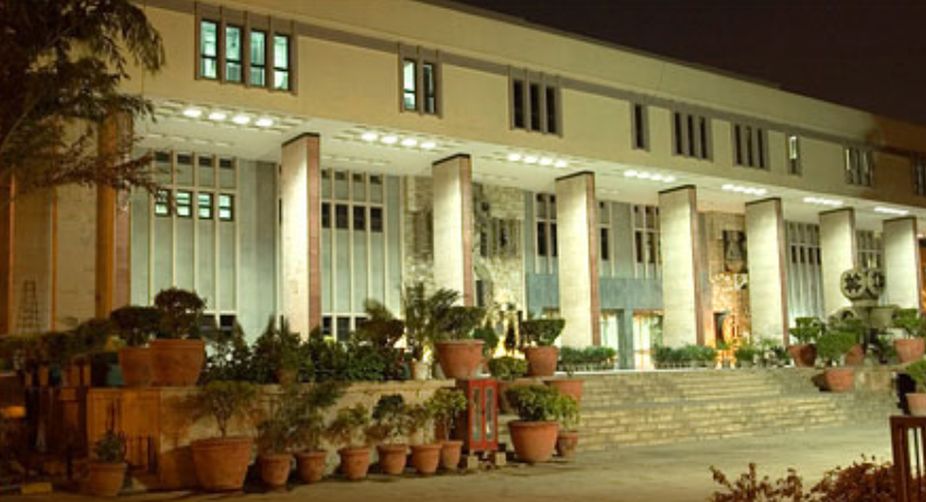
Children who abuse their parents while staying with them in their house can be evicted from the property, the Delhi High Court has ruled.

Justice Manmohan, in his ruling, specified that the house need not be self-acquired or owned by the parents.

"As long as the parents have the legal possession of the property, they can evict their abusive adult children," the court said, adding that even the "courts have repeatedly acknowledged the right of senior citizens or parents to live peacefully and with dignity".

This is a major improvisation in a 2007 law that had left it to state governments to frame rules to protect the life and property of senior citizens.

The court's verdict came after it heard an appeal filed by an alcoholic former policeman and his brother, challenging a Maintenance Tribunal's October 2015 order to evict the two from the residence where their elderly and ailing parents lived.

The brothers had contended that the tribunal had exceeded its jurisdiction in passing the eviction order as there was no claim for maintenance and the relief was granted only on the allegations of physical assault, maltreatment, harassment and forceful ouster of their parents from the property.

The alcoholic, whose services were terminated from Delhi Police, had said that even in cases of parental abuse, no eviction order could be passed under the Maintenance and Welfare of Parents and Senior Citizens Act 2007.

The court, while interpreting the provisions of the Act, said the "senior citizens' maintenance tribunal can issue eviction order to ensure that senior citizens live peacefully in their house without being forced to accommodate a son who physically assaults and mentally harasses them or threatens to dispossess them".

Cabinet to consider GST supplementary legislations on Monday

PTI | New Delhi |

The Cabinet on Monday may take up for approval the supporting GST legislations, which will then be introduced in Parliament as the government sprints to meet the July 1 target date for rollout of the new indirect tax regime.

A set of four supporting legislations — the Compensation Law, the Central-GST or C-GST, Integrated-GST or I-GST and Union Territory-GST or UT-GST — are likely to together go to the cabinet for approval.

Sources said the cabinet meeting has been called for Monday morning and the agenda list may not be very long.

The GST Council, in its previous two meetings, had given approval to the four legislations as also the State-GST (S-GST) bill. While the S-GST has to be passed by each of the state legislative assemblies, the other four laws have to be approved by Parliament.

Once approved, levy of Goods and Services Tax (GST) will get legal backing.

The government is hoping the C-GST, I-GST, UT-GST and the GST Compensation laws will be approved in the current session of Parliament and the S-GST by each of the state legislatures soon to help roll out the new indirect tax regime from July 1.

While a composite GST will be levied on sale of goods or rendering of services after the new indirect tax regime is rolled out, the revenue would be split between Centre and states in almost equal proportion.

This because central taxes like excise and service tax and state levies like VAT will be subsumed in the GST.

While the C-GST will give powers to the Centre to levy GST on goods and services after Union levies like excise and service tax are subsumed, the I-GST is to be levied on inter-state supplies.

The S-GST will allow states to levy the tax after VAT and other state levies are subsumed in the GST. The UT-GST will also go to Parliament for approval.

Sources said the Council has already finalised a four-tier tax structure of 5, 12, 18 and 28 per cent, but the model GST law has kept the peak rate at 40 per cent (20 per cent to be levied by the Centre and an equal amount by states) to obviate the need for approaching Parliament for any change in rates in future.

Similarly, the cess to be levied on top of peak rate on selected demerit goods like luxury cars for creation of a corpus that will be used for compensating states for any loss of revenue from GST implementation in the first five years, has been capped at 15 per cent.

Sources said the government may attempt for all the four laws to be taken up for approval in Parliament together during the ongoing Budget session that ends on April 12.

Action against illegal community halls sought

PTI | New Delhi |

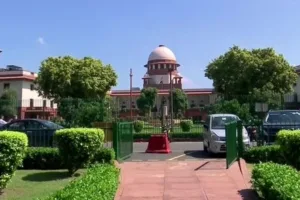
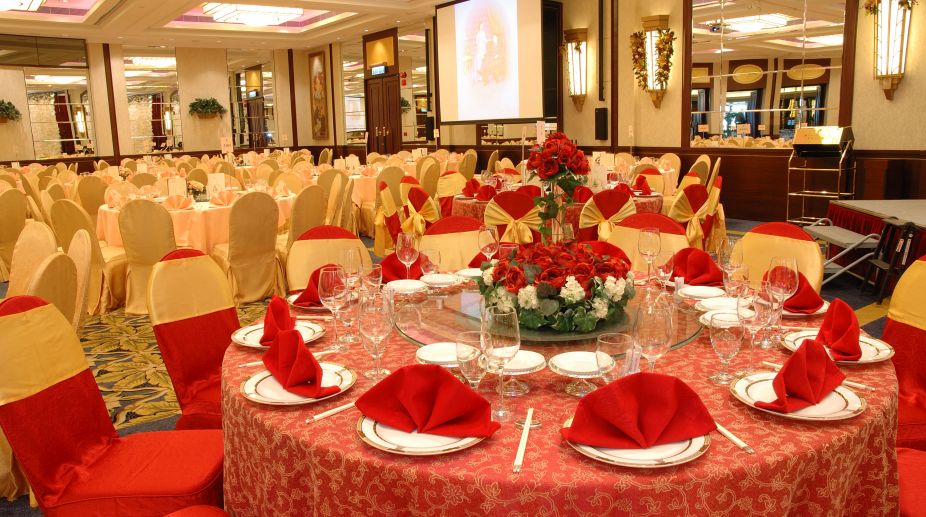
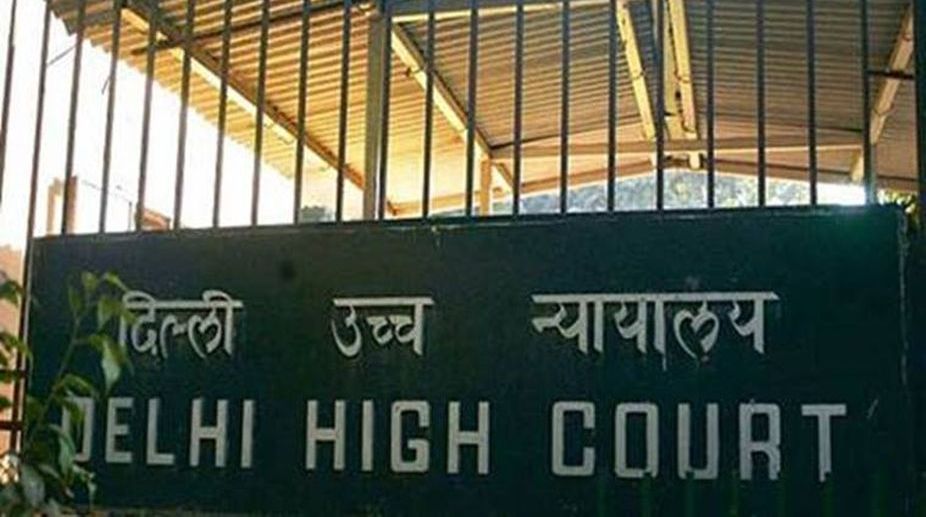
A plea seeking crackdown on illegal community halls operating without any clearances or safety measures has been moved in the Delhi High Court, which is likely to hear it next week.

The public interest litigation has been moved by a lawyer who has claimed that such halls, which are used as 'shaadi' and 'barat' ghars (wedding halls) that are running without any safety norms, are a threat to the life of the people attending such events there.

He has alleged that the roof of one such hall in Connaught Place, in the heart of the city, had collapsed recently, but fortunately there were no casualties.

The petitioner, Arpit Bhargava, has alleged that there are many such halls in the national capital which have been built in violation of building bye-laws.

He has sought directions to the three municipal corporations and the Delhi government to take steps to determine the number of such community halls in the city.

The petition has also sought "consequent remedial measures", including closure and sealing of the illegal community halls.

It has also sought directions to the authorities to make policies and guidelines for regulating the running of such halls in Delhi.

Halfway homes for mentally-ill prisoners urgent: HC

PTI | New Delhi |

The Delhi High Court has issued a slew of directions to expedite setting up of halfway homes for mentally-ill prisoners and recruiting trained staff to be deployed there, saying these homes should start working with "utmost urgency".

Halfway homes are residences for individuals who are released from institutions treating the mentally ill or drug addicts to facilitate their readjustment in normal life.

A bench of Justices Gita Mittal and Anu Malhotra asked the Principal Secretary (Home) of Delhi government to complete the drafting of rules for recruiting staff to these homes and forward it to the Health Secretary expeditiously.

The Health Secretary has been asked to scrutinise the rules and forward it within four weeks to the Chief Secretary who in turn shall forward it within two months from the date of order to the UPSC for finalisation and notification.

"Given the imperative need to commence functioning of the halfway homes with utmost urgency, the Union Public Service Commission (UPSC) shall prioritise scrutiny of these rules and ensure these recruitment rules are finalised within four weeks of receipt from the Chief Secretary and notified immediately thereafter," the bench said in its order of February 22.

The head of the Delhi State Industrial and Infrastructure Development Corporation (DSIIDC) has been asked to give the timelines within which three halfway homes, being built by it in Dwarka, Rohini and Narela areas of Delhi, would be handed over to the Social Welfare Department.

The bench also directed the government to adhere to the timelines given by it for operationalisation of the half-way homes and for recruitment of staff to deal with mental health issues in Tihar Jail.

The directions came on an appeal moved in 2011 by a woman in August 2010 convicted of murdering her husband and step- daughter. She was later found to be suffering from schizophrenia.

The court had started looking into half-way homes for mentally-ill prisoners as the woman's brothers and sisters did not want to take her in or stand surety for her because of her illness, for which she has been undergoing treatment at the Institute of Human Behaviour and Allied Sciences (IHBAS).

Halfway homes for mentally-ill prisoners urgent: HC

PTI | New Delhi |

The Delhi High Court has issued a slew of directions to expedite setting up of halfway homes for mentally-ill prisoners and recruiting trained staff to be deployed there, saying these homes should start working with "utmost urgency".

Halfway homes are residences for individuals who are released from institutions treating the mentally ill or drug addicts to facilitate their readjustment in normal life.

A bench of Justices Gita Mittal and Anu Malhotra asked the Principal Secretary (Home) of Delhi government to complete the drafting of rules for recruiting staff to these homes and forward it to the Health Secretary expeditiously.

The Health Secretary has been asked to scrutinise the rules and forward it within four weeks to the Chief Secretary who in turn shall forward it within two months from the date of order to the UPSC for finalisation and notification.

"Given the imperative need to commence functioning of the halfway homes with utmost urgency, the Union Public Service Commission (UPSC) shall prioritise scrutiny of these rules and ensure these recruitment rules are finalised within four weeks of receipt from the Chief Secretary and notified immediately thereafter," the bench said in its order of February 22.

The head of the Delhi State Industrial and Infrastructure Development Corporation (DSIIDC) has been asked to give the timelines within which three halfway homes, being built by it in Dwarka, Rohini and Narela areas of Delhi, would be handed over to the Social Welfare Department.

The bench also directed the government to adhere to the timelines given by it for operationalisation of the half-way homes and for recruitment of staff to deal with mental health issues in Tihar Jail.

The directions came on an appeal moved in 2011 by a woman in August 2010 convicted of murdering her husband and step- daughter. She was later found to be suffering from schizophrenia.

The court had started looking into half-way homes for mentally-ill prisoners as the woman's brothers and sisters did not want to take her in or stand surety for her because of her illness, for which she has been undergoing treatment at the Institute of Human Behaviour and Allied Sciences (IHBAS).

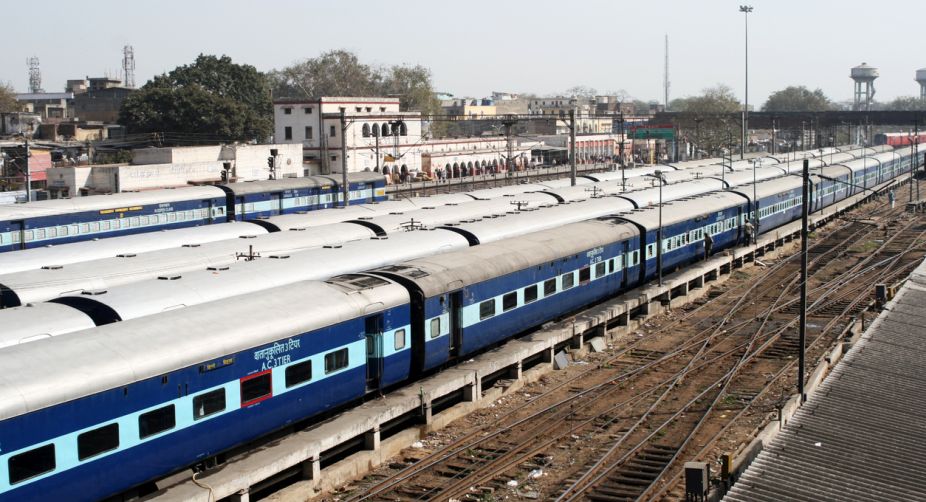
Railways to buy recycled water from private players

PTI | New Delhi |

The Indian Railways aims to cut down its water bill and save up to Rs.400 crore annually with a roadmap for buying recycled water from private players.

With the dual aim of conserving the precious resource and reducing its consumption, the Railways will unveil its water policy, a first for the national transporter, for extensive use of treated water from water treatment plants for non-drinking purposes.

The Indian Railways Water Policy, expected to be rolled out on March 22 (World Water Day), will spell out the way forward for all the railway zones including colonies, hospitals, factories, workshops and training centres to achieve the goal of reduced consumption and increased use of recycled water.

Currently, the Railways buys water from the states and its water bill is about Rs 4,000 crore a year.

"The water policy envisages buying treated water from water treatment plants for two paise per litre, while we now purchase water for seven paise per litre," said a senior Railway Ministry official.

The policy has drawn out a detailed framework for setting up water treatment plants with private participation to generate an adequate amount of treated water for non-potable purposes.

The private players will be encouraged to set up these plants and the Railways will ensure the purchase of treated water from these units, said the official.

The water policy also envisages the revival of all the defunct water bodies on railway land across the country, various ways of recharging groundwater, including rainwater harvesting in all railway buildings.

A concrete action plan for water management, water-efficient fittings and regular water auditing is a part of the new water policy of the Railways.

The official said the water policy is part of the commitment India has made to the UN under the Intended Nationally Determined Contributions (INDCs) to reduce water consumption and the Railways has assumed a pro-active role in it.

As a signatory to the United Nations Framework for Climate Change (UNFCC), India is committed to reducing water consumption by 20 per cent by 2030.