Logo

Gordon-Levitt might direct Tatum in R-rated film

IANS | Los Angeles |

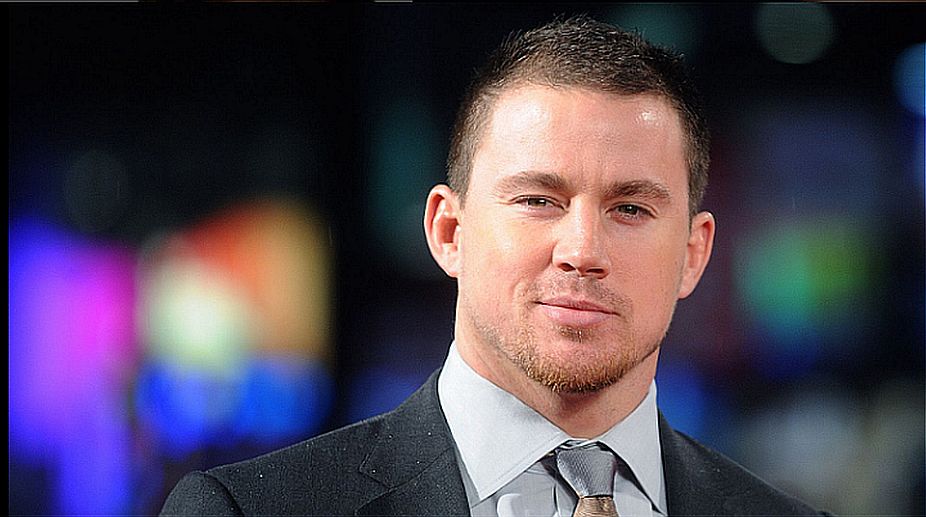
Actor Joseph Gordon-Levitt is in talks to direct and star alongside actor Channing Tatum in an upcoming R-rated musical comedy film, with a working title Wingmen.

An R-rated film requires people under-17 to be accompanied by their parent or an adult guardian.

Gordon-Levitt and Tatum will also produce the film along with Marc Platt, Adam Siegel and Peter Kiernan. It will focus on the story of two pilots (Gordon-Levitt and Tatum) who crash-land in Las Vegas, reports aceshowbiz.com.

The movie is said to be a combination of Pitch Perfect and Broadway musical The Book of Mormon, with a touch of adult humour. 

Wingmen will not go on the floors anytime soon as Tatum is about to begin filming action-thriller Triple Frontier alongside Tom Hardy. 

If a deal is struck, the movie will mark Gordon-Levitt's return as director after 2013 romantic comedy drama Don Jon

EU takes road to Rome for 60th anniversary

AFP | Rome |

European Union leaders will renew their vows on the 60th anniversary of the troubled bloc's founding treaties at a special summit in Rome designed to show unity despite Britain's looming divorce.

Meeting in the same Renaissance-era palace where six founding countries signed the Treaty of Rome on March 25, 1957, the 27 leaders minus Britain will endorse a declaration of intent for the next decade.

They will have the words of Pope Francis ringing in their ears, after he warned on the eve of the summit that the crisis-ridden bloc "risks dying" without a new vision.

The White House congratulated the EU overnight on its 60th birthday, in a notable shift in tone for President Donald Trump's administration, whose deep scepticism about the bloc has alarmed Brussels.

But British Prime Minister Theresa May's absence from the summit, four days before she launches the two-year Brexit process, and a row over the wording of the Rome declaration underscore the challenges the EU faces.

Security is tight with snipers on rooftops, drones in the skies and 3,000 police officers on the streets as Italy takes no risks following an attack this week in London claimed by the Islamic State (IS) group.

The Rome Declaration that the leaders will sign proclaims that "Europe is our common future", according to a copy obtained by AFP, after a series of crises that have shaken its foundations.

Mass migration, the eurozone debt crisis, terrorism and the rise of populist parties have left a bloc formed from the ashes of World War II searching for new answers.

Yet the leaders are deeply divided over the way forward almost before they have started.

Polish Prime Minister Beata Szydlo only agreed to sign the declaration at the last minute, after bitterly opposing a reference to a "multi-speed" Europe favoured by powerhouse states France and Germany.

Poland, central Europe's largest economy, is concerned that as one of nine of the EU's current 28 members outside the eurozone, it could be left behind should countries sharing the single currency push ahead with integration.

Greece, the loudest voice against the austerity policies wrought by its three eurozone bailouts, meanwhile insisted that the document should mention social policies.

In his hard-hitting message on the eve of the summit as he met the EU 27, the pope echoed this theme and urged the bloc to focus on the principles of solidarity and social justice on which it was founded.

"When a body loses its sense of direction and is no longer able to look ahead, it experiences a regression and, in the long run, risks dying," Francis said in a speech at the Vatican City.

So far, only anti-Romeo squads, brooms in UP: Akhilesh

IANS | Lucknow |

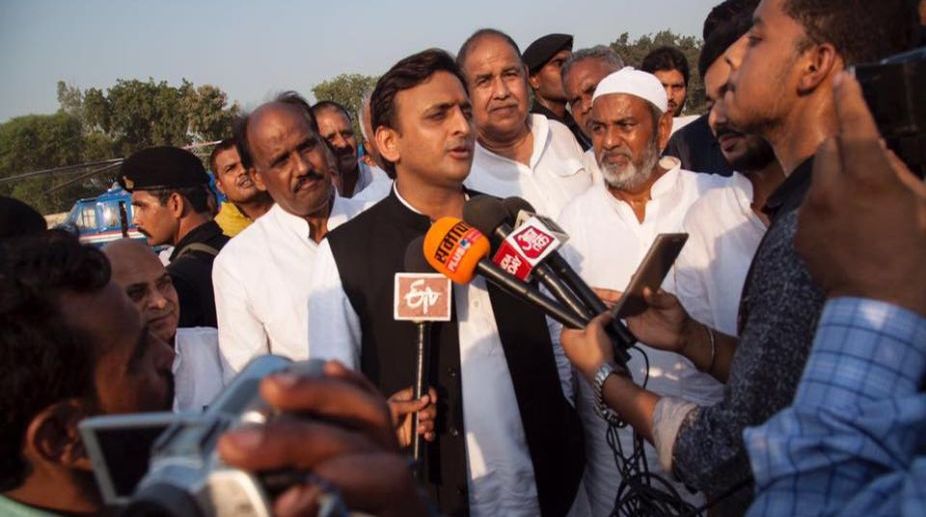
Former Uttar Pradesh Chief Minister Akhilesh Yadav on Saturday took a dig at the new state government, saying only "anti-Romeo squads and clean-up drives" have been witnessed so far.

The SP leader accused the new government of targeting officials of a certain caste. 

"I am waiting for the new Bharatiya Janata Party government led by Yogi Adityanath to come up with something concrete," the Samajwadi Party President told the media here after its National Executive meeting.

"As of now, all we are seeing on television are cleanliness drives in government offices and the anti-Romeo campaign (against eve-teasing)," he said.

He also took a dig at state government officials who he said were in an overdrive to ensure cleanliness after a directive from Yogi Adityanath.

"I never knew these officials are so good at wielding brooms; or else, I would have given them this charge long back," he quipped. 

He said so far not even the first state Cabinet meeting had taken place and the SP was awaiting its outcome.

Akhilesh Yadav was apparently referring to the BJP's poll promise that the loans of small and medium farmers will be waived in the very first Cabinet meeting if the party was voted to power in Uttar Pradesh.

BJP is the party to reckon with, says Naidu

IANS | New Delhi |

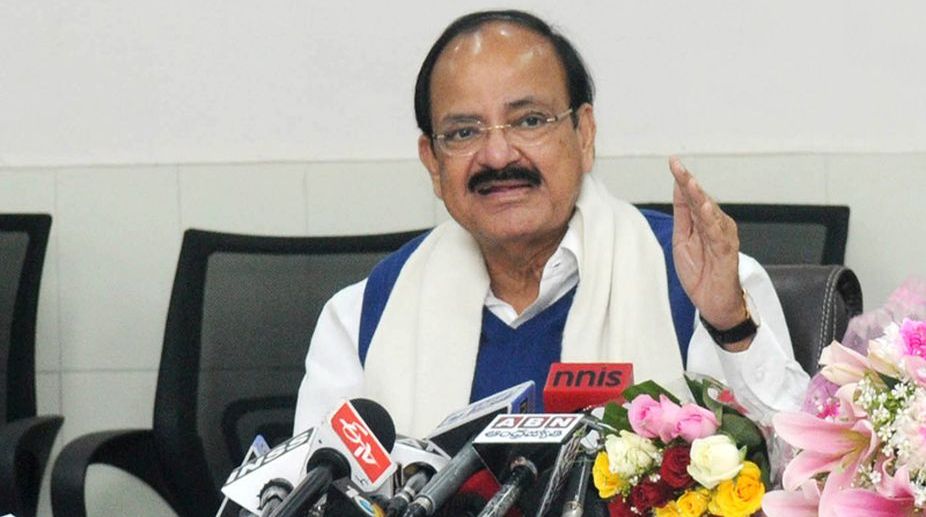
Union Minister M Venkaiah Naidu on Saturday said all political parties except the Bharatiya Janata Party (BJP) were disintegrating and their leaders were abandoning them to join the BJP.

"BJP has been winning elections after elections after 2014 and parties like Congress, Samajwadi Party, AIADMK, AAP and others were disintegrating," Naidu said while addressing a huge gathering of party workers and supporters at Ramlila Maidan here.

He said the BJP has won the maximum number of elections in the past three years and has governments all across the country.

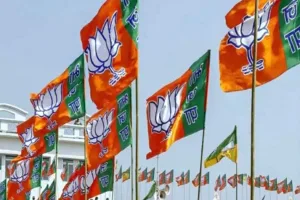
"Ever since Narendra Modi has become Prime Minister, there has been a movement in the country, BJP's flag could be seen across the country," he said, encouraging party workers to gear up for the upcoming civic bodies elections in Delhi next month.

He said there had not been even a single charge of corruption against the BJP-led National Democratic Alliance (NDA) government in the past three years.

"During Congress' regime, there would be many corruption cases in a single day, but nobody can accuse us of any corrupt practice," he said.

Naidu also praised the BJP, saying that it was the only party which ensured representation of all sections of society.

"BJP has maximum Scheduled Caste, farmers and women MPs," he said.

The minister said that the NDA's demonetisation policy was criticised by many but people proved them wrong by giving the BJP a huge mandate in the just concluded elections.

BJP is the party to reckon with, says Naidu

IANS | New Delhi |

Union Minister M Venkaiah Naidu on Saturday said all political parties except the Bharatiya Janata Party (BJP) were disintegrating and their leaders were abandoning them to join the BJP.

"BJP has been winning elections after elections after 2014 and parties like Congress, Samajwadi Party, AIADMK, AAP and others were disintegrating," Naidu said while addressing a huge gathering of party workers and supporters at Ramlila Maidan here.

He said the BJP has won the maximum number of elections in the past three years and has governments all across the country.

"Ever since Narendra Modi has become Prime Minister, there has been a movement in the country, BJP's flag could be seen across the country," he said, encouraging party workers to gear up for the upcoming civic bodies elections in Delhi next month.

He said there had not been even a single charge of corruption against the BJP-led National Democratic Alliance (NDA) government in the past three years.

"During Congress' regime, there would be many corruption cases in a single day, but nobody can accuse us of any corrupt practice," he said.

Naidu also praised the BJP, saying that it was the only party which ensured representation of all sections of society.

"BJP has maximum Scheduled Caste, farmers and women MPs," he said.

The minister said that the NDA's demonetisation policy was criticised by many but people proved them wrong by giving the BJP a huge mandate in the just concluded elections.

Market weekly review: Sensex slips 0.7%, Nifty declines 0.6%

SNS | New Delhi |

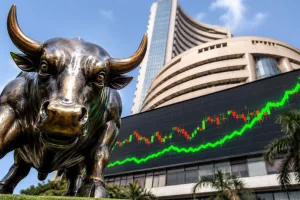
Tracking weak global markets and profit booking, Indian benchmark indices registered marginal declines during the week ended March 24.

The Sensex slipped 228 points or 0.7 per cent to 29,421 while the Nifty lost 52 points or 0.6 per cent to 9,108. On Friday, the BSE Sensex closed 89 points or 0.30 per cent higher NSE Nifty ended 22 points or 0.24 per cent up.

In the previous week, ended March 17, the Sensex had gained 703 points or 2.4 per cent to 29,649 while the Nifty jumped 225 points or 2.5 per cent to 9,160.

Broader markets underperformed the front liners, the BSE Midcap index slipped 0.3 per cent but BSE Smallcap index gained 0.5 per cent.

This year so far, the Sensex and the Nifty have jumped nearly 11 per cent. Market analysts don’t see a major correction in the markets in the near term as the rally run is being driven by global equity markets.

Meanwhile, the Rupee held its gains and hovered at a multi-month high. The domestic currency ended at 65.41 against the US Dollar on Friday.

In economic news, the Goods and Services Tax (GST) Council cleared four-supportive GST bills on Monday.

The four bills are: the Central Goods and Services Tax Bill 2017, the Integrated Goods and Services Tax Bill 2017, the Union Territory Goods and Services Tax Bill 2017 and the Goods and Services Tax (Compensation to the States) Bill 2017.

The bills are expected the tabled in Parliament on Monday.

Market weekly review: Sensex slips 0.7%, Nifty declines 0.6%

SNS | New Delhi |

Tracking weak global markets and profit booking, Indian benchmark indices registered marginal declines during the week ended March 24.

The Sensex slipped 228 points or 0.7 per cent to 29,421 while the Nifty lost 52 points or 0.6 per cent to 9,108. On Friday, the BSE Sensex closed 89 points or 0.30 per cent higher NSE Nifty ended 22 points or 0.24 per cent up.

In the previous week, ended March 17, the Sensex had gained 703 points or 2.4 per cent to 29,649 while the Nifty jumped 225 points or 2.5 per cent to 9,160.

Broader markets underperformed the front liners, the BSE Midcap index slipped 0.3 per cent but BSE Smallcap index gained 0.5 per cent.

This year so far, the Sensex and the Nifty have jumped nearly 11 per cent. Market analysts don’t see a major correction in the markets in the near term as the rally run is being driven by global equity markets.

Meanwhile, the Rupee held its gains and hovered at a multi-month high. The domestic currency ended at 65.41 against the US Dollar on Friday.

In economic news, the Goods and Services Tax (GST) Council cleared four-supportive GST bills on Monday.

The four bills are: the Central Goods and Services Tax Bill 2017, the Integrated Goods and Services Tax Bill 2017, the Union Territory Goods and Services Tax Bill 2017 and the Goods and Services Tax (Compensation to the States) Bill 2017.

The bills are expected the tabled in Parliament on Monday.

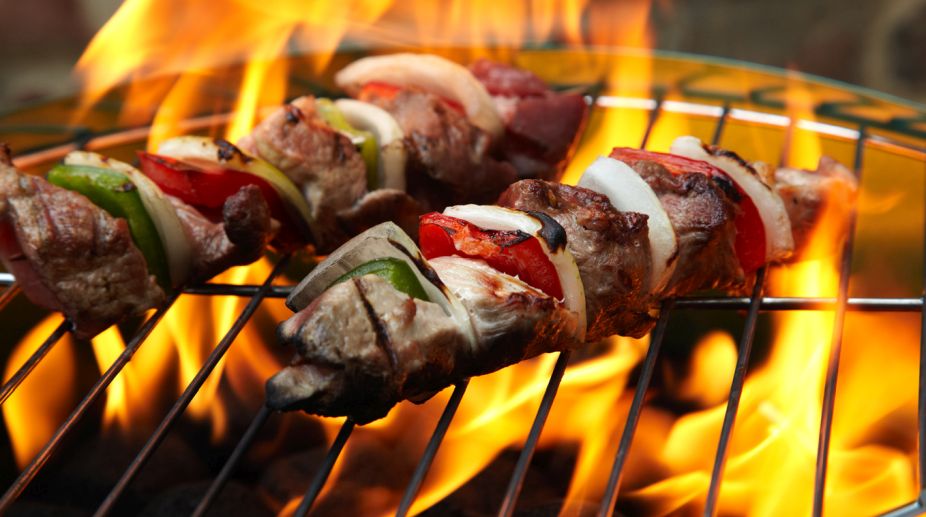
Of kebabs, slaughterhouses and crocodile meat

IANS | New Dehi |

These are trying times. Even some friends are turning. They probably see their interest better protected by keeping their options open for adjustments, should excesses increase. And even if they show their residual spunk by digging in their heels in favour of Lucknow's iconic Tunday Kababi, how will it help matters?

Tunday has already made his compromise; he will now sell chicken and mutton kebab. All those anchors and headline writers reflecting wistfully on the passing away of the "galawati" as distinct from "Shaami" may need to know a thing or two.

Shaami derives from Shaam, the old name for Syria. The kebab was developed during the Ottoman period. Mince and soaked lentil ground with spices is patted and shaped like a small-mac and dipped in egg white to hold. It is then fried. The best Shaami kebabs in Delhi are at the Gymkhana Club.

The "galawati" is a short hand for kachche-keemey-ke-kebab. The mince is marinated for hours with a paste of raw papaya, mixed with spices and in small blobs is allowed to fry in a flat "lagan" or vessel on a very slow fire. The juicy softness comes from the marination. The best "galawati" in Delhi is a difficult to reach Chef Khemraj Sharma.

Sharma is not the only Brahmin in the business. The iconic La Closerie des Lilas in Paris boasted, until last year, of Satish Mishra for his classic Tartar steaks, which is mostly raw minced beef, (yes, cow) richly spiced.

Tartar steak, derived from Tartaristan of Caucasus, is different from the uncooked beef steaks in, say, Belgrade. These steaks replicate the 200 or 500 mile steaks made famous by the Mongol hordes in the 13th century. This needs explanation. To start a fire to cook food was dangerous for Gengiz Khan and Halaku's cavalries. The smoke would give them away.

To avoid detection they developed a system of placing hunks of lightly marinated beef between the lining on a horseback and the saddle. By the time the horse had trotted, cantered and galloped for 100 miles or even less, the intense heat generated by sheer friction had cooked the meat.

In Fiji, Sitiveni Rabuka, the Melanesian strongman, who ousted the socialist government of Timothi Bavandra which had a large number of Indian descendants of 19th century indentured labourers, acquainted me with the macabre dietary habits of his ancestors.

When the first Christian missionary entered his village to convert his grandfather, the village head, he was promptly slaughtered.

A traditional Fijian way of roasting a full animal (in this case a human being), was to dig a large pit in the ground called the "Lovo". It was lined with read hot coal, the body was placed on this fiery bed. Palm leaves were placed on the carcass which was then piled with mud. It was allowed to steam until the time to feast.

The second priest met the same fate. But the Church would not give up. By the time the third priest appeared, the old man had softened. A whole generation of Rabuka's vintage are today the stoutest pillars of the Christian church.

There are a chain of expensive restaurants stretching from Nairobi to a part of South Africa called the Carnivore, known for esoteric meats like Giraffe, wilder beast, Zebra, crocodile and, on rare occasions, a lion, dying of natural causes. I have a video footage of Dara Singh, the original Hanuman of Bollywood, burping outside Carnivore — well, almost.

In the Asia Pacific region — China, Vietnam, Korea — dairy produce, one of the reasons for our attachment to cow, is at a discount. These societies obtain their protein directly from anything that moves, including snakes, lizards, insects, dogs.

Those currently monitoring our dietary habits may be averse to noticing some of bizarre exotic cuisines — like rats and rodents as regular fare for Musahirs in Bihar.

Every urban settlement has a "bustee", or a settlement for Dalits, with rows of scavenger piglets playing in the gutter. Pasis, the community which owns these animals — together they are supposed to keep the neighbourhood clean — is required to devour them on ceremonial occasions, every morsel chased by large quantities of home-made hooch.

Since unlicensed butcher shops have been abruptly closed in Uttar Pradesh so that unclean meat may not find its way to your table, I am sure the government in its benign wisdom will find ways to disinfect rats and gutter pigs.

Everyone knows that the present step is not to protect the cow, because beef is not in the bargain. The question of slaughtering cows does not arise. That is illegal. The petrified meat seller will never take that risk. The burgeoning population of the holy cows foraging on our garbage dumps is ample testimony that the cow is safe from the butcher's knife.

As far as I know buffalo and mutton are legal. Why then is the government insistent on shutting down these businesses? I am told they are cleaning up the trade. Will illegal cart vendors, selling sweets, gur and other fare that attract swarms of flies also attract the attention of "Swachch Bharat" brigands?

So what if the garbage dumps outside hospitals and schools have not been cleaned. A beginning has been made with the slaughterhouses.


Of kebabs, slaughterhouses and crocodile meat

IANS | New Dehi |

These are trying times. Even some friends are turning. They probably see their interest better protected by keeping their options open for adjustments, should excesses increase. And even if they show their residual spunk by digging in their heels in favour of Lucknow's iconic Tunday Kababi, how will it help matters?

Tunday has already made his compromise; he will now sell chicken and mutton kebab. All those anchors and headline writers reflecting wistfully on the passing away of the "galawati" as distinct from "Shaami" may need to know a thing or two.

Shaami derives from Shaam, the old name for Syria. The kebab was developed during the Ottoman period. Mince and soaked lentil ground with spices is patted and shaped like a small-mac and dipped in egg white to hold. It is then fried. The best Shaami kebabs in Delhi are at the Gymkhana Club.

The "galawati" is a short hand for kachche-keemey-ke-kebab. The mince is marinated for hours with a paste of raw papaya, mixed with spices and in small blobs is allowed to fry in a flat "lagan" or vessel on a very slow fire. The juicy softness comes from the marination. The best "galawati" in Delhi is a difficult to reach Chef Khemraj Sharma.

Sharma is not the only Brahmin in the business. The iconic La Closerie des Lilas in Paris boasted, until last year, of Satish Mishra for his classic Tartar steaks, which is mostly raw minced beef, (yes, cow) richly spiced.

Tartar steak, derived from Tartaristan of Caucasus, is different from the uncooked beef steaks in, say, Belgrade. These steaks replicate the 200 or 500 mile steaks made famous by the Mongol hordes in the 13th century. This needs explanation. To start a fire to cook food was dangerous for Gengiz Khan and Halaku's cavalries. The smoke would give them away.

To avoid detection they developed a system of placing hunks of lightly marinated beef between the lining on a horseback and the saddle. By the time the horse had trotted, cantered and galloped for 100 miles or even less, the intense heat generated by sheer friction had cooked the meat.

In Fiji, Sitiveni Rabuka, the Melanesian strongman, who ousted the socialist government of Timothi Bavandra which had a large number of Indian descendants of 19th century indentured labourers, acquainted me with the macabre dietary habits of his ancestors.

When the first Christian missionary entered his village to convert his grandfather, the village head, he was promptly slaughtered.

A traditional Fijian way of roasting a full animal (in this case a human being), was to dig a large pit in the ground called the "Lovo". It was lined with read hot coal, the body was placed on this fiery bed. Palm leaves were placed on the carcass which was then piled with mud. It was allowed to steam until the time to feast.

The second priest met the same fate. But the Church would not give up. By the time the third priest appeared, the old man had softened. A whole generation of Rabuka's vintage are today the stoutest pillars of the Christian church.

There are a chain of expensive restaurants stretching from Nairobi to a part of South Africa called the Carnivore, known for esoteric meats like Giraffe, wilder beast, Zebra, crocodile and, on rare occasions, a lion, dying of natural causes. I have a video footage of Dara Singh, the original Hanuman of Bollywood, burping outside Carnivore — well, almost.

In the Asia Pacific region — China, Vietnam, Korea — dairy produce, one of the reasons for our attachment to cow, is at a discount. These societies obtain their protein directly from anything that moves, including snakes, lizards, insects, dogs.

Those currently monitoring our dietary habits may be averse to noticing some of bizarre exotic cuisines — like rats and rodents as regular fare for Musahirs in Bihar.

Every urban settlement has a "bustee", or a settlement for Dalits, with rows of scavenger piglets playing in the gutter. Pasis, the community which owns these animals — together they are supposed to keep the neighbourhood clean — is required to devour them on ceremonial occasions, every morsel chased by large quantities of home-made hooch.

Since unlicensed butcher shops have been abruptly closed in Uttar Pradesh so that unclean meat may not find its way to your table, I am sure the government in its benign wisdom will find ways to disinfect rats and gutter pigs.

Everyone knows that the present step is not to protect the cow, because beef is not in the bargain. The question of slaughtering cows does not arise. That is illegal. The petrified meat seller will never take that risk. The burgeoning population of the holy cows foraging on our garbage dumps is ample testimony that the cow is safe from the butcher's knife.

As far as I know buffalo and mutton are legal. Why then is the government insistent on shutting down these businesses? I am told they are cleaning up the trade. Will illegal cart vendors, selling sweets, gur and other fare that attract swarms of flies also attract the attention of "Swachch Bharat" brigands?

So what if the garbage dumps outside hospitals and schools have not been cleaned. A beginning has been made with the slaughterhouses.

British teen corrects NASA data error

PTI | London |

 A 17-year-old schoolboy in the UK has pointed out an error in the data recorded by NASA on the International Space Station (ISS), earning him appreciation from the US space agency.

Miles Soloman, an A-level student at Tapton school in Sheffield, contacted scientists at NASA, telling them that radiation sensors on the ISS were recording false data.

Soloman said it was "pretty cool" to email NASA, adding the correction was "appreciated" by the space agency, which invited him to help analyse the problem.

The research was part of a project which gives students across the UK the chance to work on data from ISS, looking for anomalies and patterns that might lead to further discoveries.
The detectors had recorded the radiation levels on the space station.

"I went straight to the bottom of the list and I went for the lowest bits of energy there were," Soloman was quoted as saying by BBC News.
"We were all discussing the data but he just suddenly perked up in one of the sessions and went 'why does it say there is -1 energy here?'" said Soloman's teacher and head of physics, James O'Neill.

What Soloman had noticed was that when nothing hit the detector, a negative reading was being recorded.

However, you cannot get negative energy. So Soloman and O'Neill contacted NASA.

NASA said it was aware of the error, but believed it was only happening once or twice a year. Soloman had found it was actually happening multiple times a day.

British teen corrects NASA data error

PTI | London |

 A 17-year-old schoolboy in the UK has pointed out an error in the data recorded by NASA on the International Space Station (ISS), earning him appreciation from the US space agency.

Miles Soloman, an A-level student at Tapton school in Sheffield, contacted scientists at NASA, telling them that radiation sensors on the ISS were recording false data.

Soloman said it was "pretty cool" to email NASA, adding the correction was "appreciated" by the space agency, which invited him to help analyse the problem.

The research was part of a project which gives students across the UK the chance to work on data from ISS, looking for anomalies and patterns that might lead to further discoveries.

The detectors had recorded the radiation levels on the space station.

"I went straight to the bottom of the list and I went for the lowest bits of energy there were," Soloman was quoted as saying by BBC News.

"We were all discussing the data but he just suddenly perked up in one of the sessions and went 'why does it say there is -1 energy here?'" said Soloman's teacher and head of physics, James O'Neill.

What Soloman had noticed was that when nothing hit the detector, a negative reading was being recorded.

However, you cannot get negative energy. So Soloman and O'Neill contacted NASA.

NASA said it was aware of the error, but believed it was only happening once or twice a year. Soloman had found it was actually happening multiple times a day.

‘Need to defend universities as free spaces’

PTI | Chandigarh |

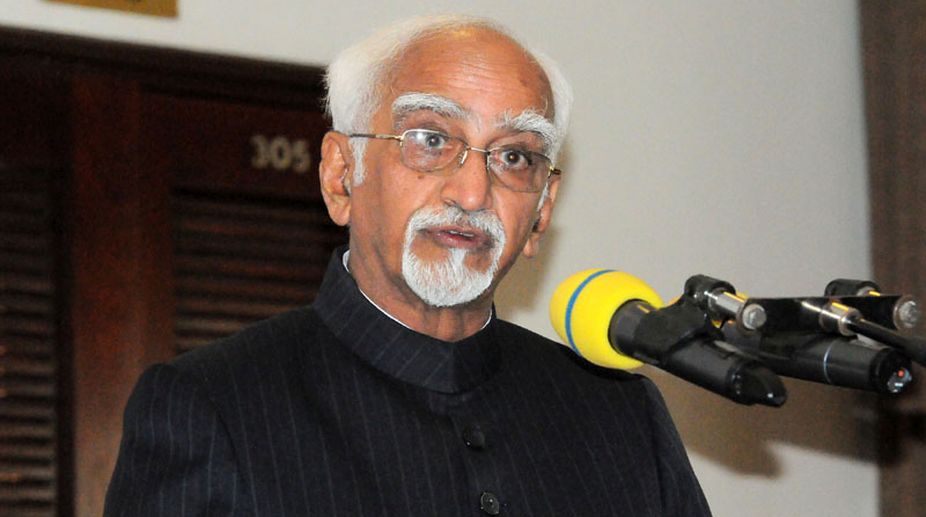
The freedom of our Universities has been challenged by "narrow considerations" and there is need to defend them as "free spaces" and as sources of renewal of liberal values, Vice President M Hamid Ansari said on Sunday.

"In a period of rampant distrust of matters intellectual there is an imperative need to defend the universities as free spaces, as independent, critical repositories of knowledge, and as sources of renewal of liberal values that provide avenues of social mobility and equality to people," Ansari said.

Delivering the 66th convocation address at the Panjab University here, the Vice President said that recent events in our country have shown that "there is much confusion about what a university should or should not be".

The freedom of our universities has been challenged by "narrow considerations of what is perceived to be public good", Ansari said.

The rights to dissent and agitation are ingrained in the fundamental rights under our Constitution, which sets out a plural framework and refuses any scope to define the country in narrow sectarian, ideological or religious terms, he said.

"Except in cases of illegal conduct or violence, a University should never seek to silence or influence faculty members or students to adopt or renounce any particular position.

"Indeed, universities should take all legal action necessary to defend their academic integrity and freedom," he emphasised.

The strong words from the Vice President come in the backdrop of a raging debate about incidents in educational institutions including a recent clash at Delhi University's north campus between students belonging to the the RSS-backed ABVP and the Left-affiliated AISA.

A university must foster an environment that prizes intellectual freedom, Ansari said.

"Intellectual dissent has the power to clarify differences and elucidate competing assumptions. It enables each of us to recognise the strengths and weaknesses in our thinking," Ansari said.

The Vice President said a university has the responsibility of speaking out without the fear of intimidation or giving offence, even at the cost of inviting protests.

"Not doing so would be to deviate from the path of rational enquiry and undermine our curiosity about the world by embracing ill-defined orthodoxies, which would impoverish our pursuit of knowledge," he said.

‘Need to defend universities as free spaces’

PTI | Chandigarh |

The freedom of our Universities has been challenged by "narrow considerations" and there is need to defend them as "free spaces" and as sources of renewal of liberal values, Vice President M Hamid Ansari said on Sunday.

"In a period of rampant distrust of matters intellectual there is an imperative need to defend the universities as free spaces, as independent, critical repositories of knowledge, and as sources of renewal of liberal values that provide avenues of social mobility and equality to people," Ansari said.

Delivering the 66th convocation address at the Panjab University here, the Vice President said that recent events in our country have shown that "there is much confusion about what a university should or should not be".

The freedom of our universities has been challenged by "narrow considerations of what is perceived to be public good", Ansari said.

The rights to dissent and agitation are ingrained in the fundamental rights under our Constitution, which sets out a plural framework and refuses any scope to define the country in narrow sectarian, ideological or religious terms, he said.

"Except in cases of illegal conduct or violence, a University should never seek to silence or influence faculty members or students to adopt or renounce any particular position.

"Indeed, universities should take all legal action necessary to defend their academic integrity and freedom," he emphasised.

The strong words from the Vice President come in the backdrop of a raging debate about incidents in educational institutions including a recent clash at Delhi University's north campus between students belonging to the the RSS-backed ABVP and the Left-affiliated AISA.

A university must foster an environment that prizes intellectual freedom, Ansari said.

"Intellectual dissent has the power to clarify differences and elucidate competing assumptions. It enables each of us to recognise the strengths and weaknesses in our thinking," Ansari said.

The Vice President said a university has the responsibility of speaking out without the fear of intimidation or giving offence, even at the cost of inviting protests.

"Not doing so would be to deviate from the path of rational enquiry and undermine our curiosity about the world by embracing ill-defined orthodoxies, which would impoverish our pursuit of knowledge," he said.

Jews, Muslims, Indian Americans join hands against hate crimes

IANS | Washington |

People from the Jewish, Muslim, and Indian American communities gathered on the steps of Tifereth Israel Synagogue in northwest Washington and stood in solidarity against rising hate crimes in the US.

"This is about having peace throughout all communities and religions and races," said Rochelle Berman, who was present at the event on Friday night.

The slogan "We Stand Together Against Hate" was held high above the crowd at the top of the synagogue's steps, reported WJLA news portal, an ABC Television affiliate. 

"There should be no discrimination based on race, or gender or skin colour," said a woman.

This year discrimination across the country fuelled vandalism, bomb threats and murders, such as Indian American Srinivas Kuchibholta who was shot and killed during a Kansas hate crime.

"There are just a lot of challenges out there that basically unity is going to bring us all together," said another attendant.

Indian engineer Srinivas Kuchibhotla was shot dead while another Indian Alok Madasani was injured in Kansas last month in an apparent hate crime. 

An Indian-origin girl was racially abused on a train by an African-American man in New York on February 23.

A 43-year-old Indian-origin store owner, Harnish Patel, was shot dead outside his home in Lancaster County, South Carolina earlier in March.

A Sikh man, Deep Rai, an American citizen, was also fired upon in a racial attack earlier this month.

Also, there has been a rise in anti-Semitic threats and vandalism across the country, which included bomb threats at 90 Jewish community centres and the desecration of cemeteries in several US states last month.
 

Jews, Muslims, Indian Americans join hands against hate crimes

IANS | Washington |

People from the Jewish, Muslim, and Indian American communities gathered on the steps of Tifereth Israel Synagogue in northwest Washington and stood in solidarity against rising hate crimes in the US.

"This is about having peace throughout all communities and religions and races," said Rochelle Berman, who was present at the event on Friday night.

The slogan "We Stand Together Against Hate" was held high above the crowd at the top of the synagogue's steps, reported WJLA news portal, an ABC Television affiliate. 

"There should be no discrimination based on race, or gender or skin colour," said a woman.

This year discrimination across the country fuelled vandalism, bomb threats and murders, such as Indian American Srinivas Kuchibholta who was shot and killed during a Kansas hate crime.

"There are just a lot of challenges out there that basically unity is going to bring us all together," said another attendant.

Indian engineer Srinivas Kuchibhotla was shot dead while another Indian Alok Madasani was injured in Kansas last month in an apparent hate crime. 

An Indian-origin girl was racially abused on a train by an African-American man in New York on February 23.

A 43-year-old Indian-origin store owner, Harnish Patel, was shot dead outside his home in Lancaster County, South Carolina earlier in March.

A Sikh man, Deep Rai, an American citizen, was also fired upon in a racial attack earlier this month.

Also, there has been a rise in anti-Semitic threats and vandalism across the country, which included bomb threats at 90 Jewish community centres and the desecration of cemeteries in several US states last month.
 

Kejriwal cancels Gujarat visit in view of MCD polls

PTI | Ahmedabad |

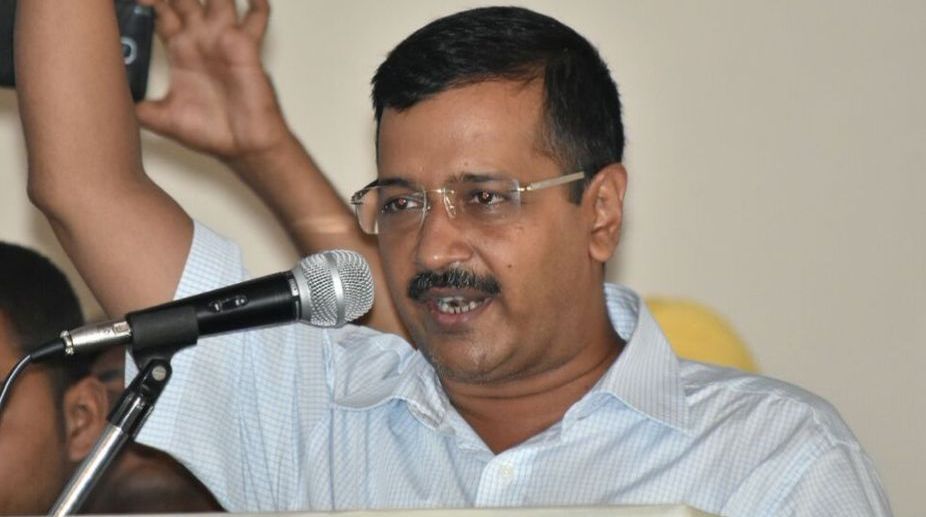
Delhi Chief Minister Arvind Kejriwal has cancelled his visit to Gujarat scheduled on Sunday as he is currently busy preparing for the next month's Delhi civic body polls.

"AAP national convener Arvind Kejriwal will not be attending the Gandhinagar meeting. We have been told that he is busy with the Municipal Corporation of Delhi (MCD) polls where names of candidates are being finalised," Aam Aadmi Party (AAP) Saurashtra zone convener Kanu Kalsaria told reporters here on Saturday.

"But tomorrow's programme will be held as per schedule in the presence of party's Gujarat in-charge, Gopal Rai," he said.

For tomorrow's event, volunteers from across the 182 assembly segments in the state will gather at Chhavni Maidan in the state capital to discuss strategies for the upcoming Gujarat assembly elections and plan its door-to-door campaign.

The Delhi civic body will go to polls on April 23

Ajit Doval in US, meets top officials

IANS | Washington |

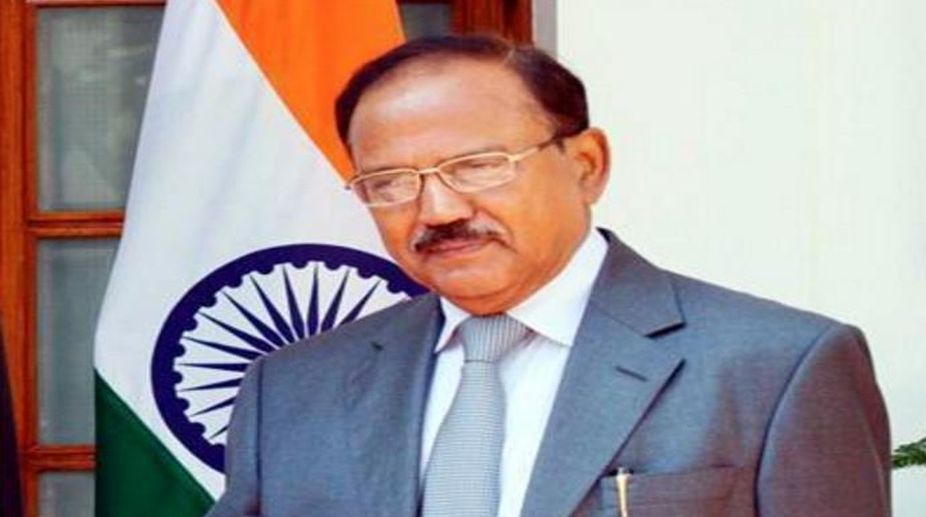
India and the US pledged to continue their strong defence partnership during a meeting here between Indian National Security Advisor Ajit Doval and US Secretary of Defence James Mattis.

According to a readout of their meeting by Pentagon Spokesman Capt. Jeff Davis, Mattis hosted Doval at the Pentagon on Thursday to discuss the importance of the US-India relationship, and the role of both nations in cooperating to uphold international laws and principles. 

Mattis specifically applauded India's efforts to promote stability in the South Asia region. Both of them reaffirmed building upon the significant defence cooperation progress made in recent years, the statement said. 

Mattis and Doval discussed collaboration on a wide range of regional security matters including maritime security and counter terrorism and the two pledged to continue the strong defence partnership between both nations.

Indian Ambassador to US Navtej Sarna was also present at the meeting.

Doval, who is on a four-day visit to the US, also met Secretary of Homeland Security General (Retd) John Kelly and National Security Advisor Lt Gen H.R. McMaster.

During his meeting with McMaster, both sides reviewed the security situation in South Asia.

Doval's visit to the US comes days after that of Indian Foreign Secretary S. Jaishankar.