Logo

Army wants next war fought with Indian technologies: General Rawat

IANS | New Delhi |

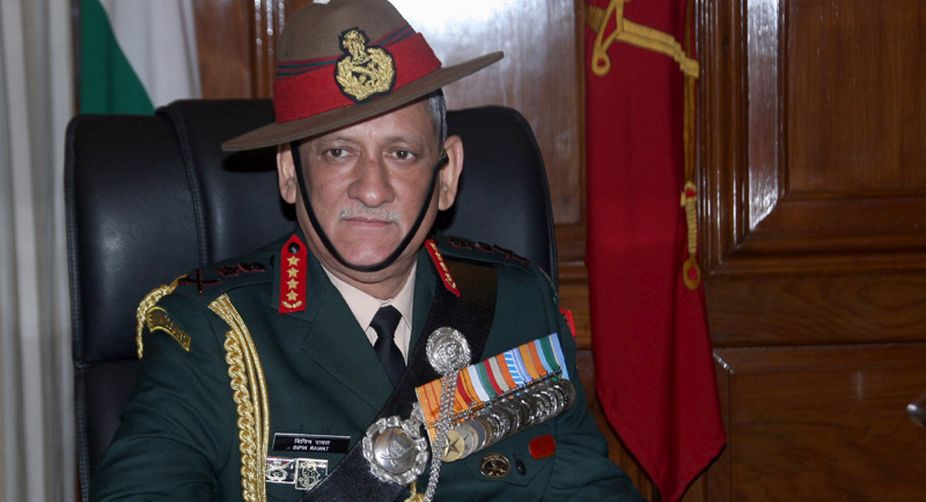
Indian Army chief General Bipin Rawat on Friday said it wants to fight the next war with Indian technologies.

"We want to fight the next war with technology on our side and not like the past," General Rawat said at the release of the 'Compendium of Problem Statements, Volume II' here.

The compendium has been prepared by the Army Design Bureau (ADB) after detailed interaction with all stakeholders, including soldiers deployed in the field. 

Pointing out the drawbacks in trial equipment, he asked the industry and academia to focus on the fact that the Army will fight wars in varied terrain and weather conditions, a Defence Ministry release said.

He asked the industry and academia to come up with robust, rugged, miniaturised yet technologically compatible solutions.

The 28 new problem statements, part of Volume II, will allow industry and academia to understand the needs of the Army and come up with indigenous solutions for military requirements.

The first volume, with 50 problem statements, was released on December 5 last year.

The ADB, inaugurated last August, has been formed in a bid to meet the Army's longstanding need to create and modernise weapons indigenously. 

It facilitate the weapons and technology building efforts between the Defence Research and Development Organisation, industry and the Army.

Flexible glass for tiny medical devices

IANS | New York |

Researchers have found a way to make the normally brittle material of glass bend and flex, adding a new level of flexibility to the microscopic world of medical devices.

The research opens up the ability to create a new family of lab-on-a-chip devices based on flexing glass.

"If you keep the movements to the nanoscale, glass can still snap back into shape," said lead researcher Aaron Hawkins, Professor at Brigham Young University in Provo, Utah, US.

"We've created glass membranes that can move up and down and bend," Hawkins added.

Glass has some great perks. It is stiff and solid and not a material upon which things react, it's easy to clean, and it is not toxic, according to lead study author John Stout from Brigham Young University.

"Glass is clean for sensitive types of samples, like blood samples," Stout said. 

"Working with this glass device will allow us to look at particles of any size and at any given range. It will also allow us to analyse the particles in the sample without modifying them," Stout added.

While current lab-on-a-chip membrane devices effectively function on the microscale, the new research, published in the journal Applied Physics Letters, will allow equally effective work at the nanoscale. 

Chemists and biologists could use the nanoscale devices to move, trap and analyse very small biological particles like proteins, viruses and DNA.

The researchers believe their device could also mean performing successful tests using much smaller quantities of a substance. 

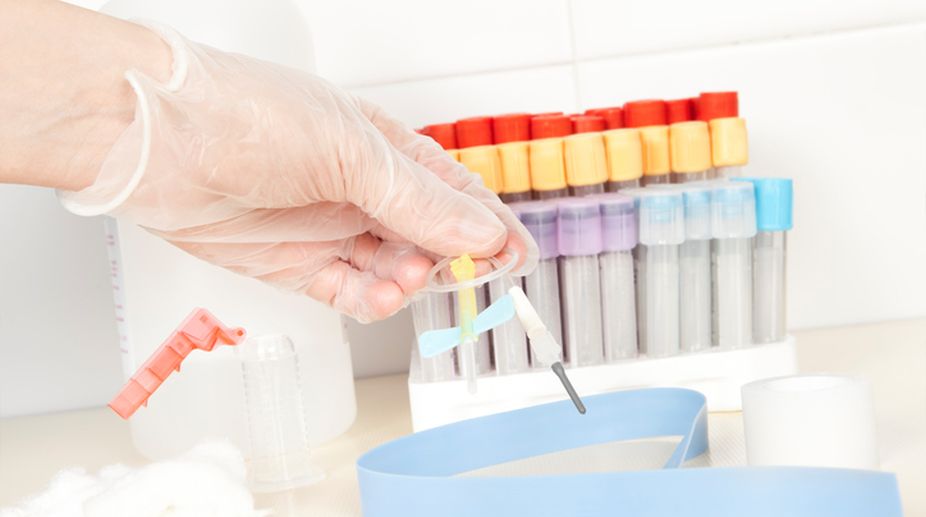
Instead of needing several ounces to run a blood test, the glass membrane device created by the researchers would only require a drop or two of blood.

Women cancer survivors more likely to have pre-term delivery

IANS | New York |

Women diagnosed and treated for cancer during their childbearing years are more at risk of having a premature delivery, babies with low birth weights or cesarean section delivery, a study has found.

"We found that women were more likely to deliver pre-term if they've been treated for cancer overall, with greater risks for women who had chemotherapy," said Hazel B. Nichols, Assistant Professor in the University of North Carolina, US. 

Children who do not spend as long in-utero environment are likely to have a higher incidence of breathing problems or infections. 

Further, the study found that risk of pre-term birth for breast cancer survivors was nearly two times, a 60 per cent higher risk of pre-term birth in women with Hodgkin lymphoma, an increased risk of approximately two times in women with non-Hodgkin lymphoma, and a risk that was nearly three times higher for women with gynaecologic cancers.

In addition, the risk of pre-term birth and low birth weight was highest for women diagnosed with cancer while pregnant and those who had chemotherapy. 

For young women facing a new cancer diagnosis, fertility preservation can be an important consideration in treatment planning, the researchers said, in the paper published in the journal JAMA Oncology. 

"This is something for women and their providers to be aware of when a woman is reviewing her prenatal care, or talking about her medical history with her provider," Nichols said.

"We know that cancer treatment can have an impact on fertility and it's only after puberty that some of the options exist to either freeze eggs or freeze embryos, or take other steps to protect fertility. So this is a time period when it's important to counsel women on what their reproductive risks are for cancer therapy, or what they can expect in the future," she added.

16 killed in Syria airstrikes

IANS | Damascus |

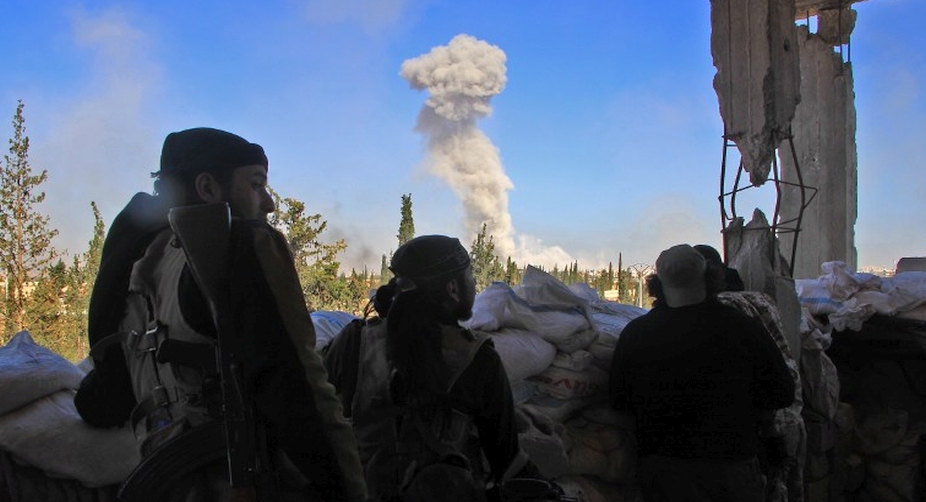
At least 16 civilians were killed and 50 injured in airstrikes on a Syrian town on the outskirts of the country's capital, according to a war monitoring group.

The United Kingdom-based Syrian Observatory for Human Rights reported that the aerial bombings took place in the town of Hamoryah, located 12 km to the east of Damascus.

According to the Observatory, the attack came as part of the increased bombings carried out by Syrian regime forces against the eastern Ghouta region over the last few days.

The SOHR said the number of dead could rise since many of the injured were in a serious condition and several people were still missing, reported Efe news.

It added that the number of children and women among the victims remained unknown.

Anil Kapoor finds peace, sanity in wife

IANS | Mumbai |

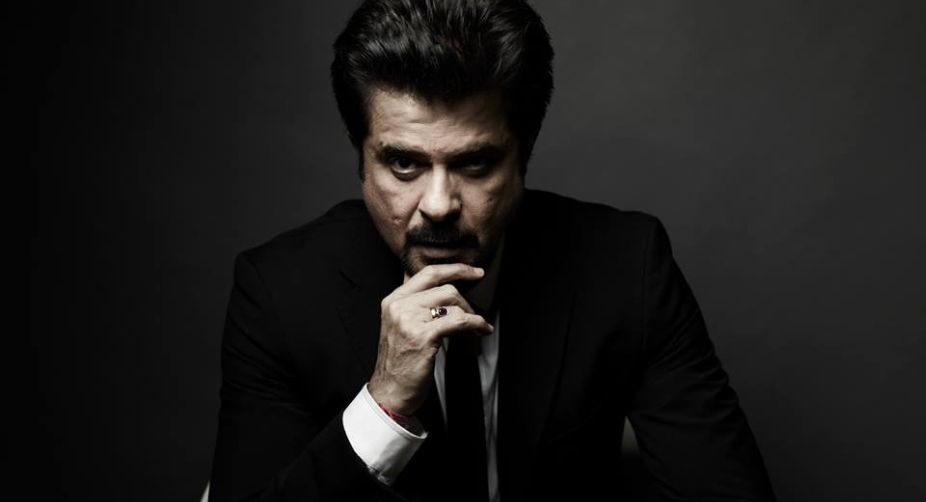
On his wife Sunita's birthday on Saturday, veteran actor Anil Kapoor said he finds his peace, thrill and sanity in her.

"In you, I find my peace, my thrill, my bliss and my sanity… Happy Birthday Sunita! And thank you for… Well… You! Sunita Kapoor," Anil tweeted on Saturday. 

Anil married Sunita Bhavnani Kapoor, a costume designer, in 1984. The two share three children Sonam, Rhea and Harshvardhan. 

Sonam quoted Maya Angelou, and posted on Instagram: "Happy Birthday Mom!! Thank you for being our inspiration, our strength and all that is beautiful in our lives… Love you."

Harshvardhan took to Instagram, where he shared a photograph of himself along with his mother and shared a message for her.

"She held me then and she holds me still… In her heart and arms! Happy birthday to my mother who is stunningly good looking, intelligent, witty and so much more. Much love from the only child you passed those genes and traits onto. Happy Birthday Mom… Sunita Kapoor," he captioned the image.

US Senators push Donald Trump on defence deals with India

IANS | Washington |

Two senators have written letters to the Trump administration to push for the sale of F-16 fighter jets to India as well as to approve a drone sale to the country, a media report said.

Senators John Cornyn and Mark Warner sent letters this week to Secretary of State Rex Tillerson and Defence Secretary James Mattis, urging them to sign off on the F-16 production line in India and approve the export of the Guardian Remotely Piloted Aircraft, a non-lethal maritime surveillance platform, the Hill online reported on Friday.

The pair — co-chairs of the Senate India Caucus — said that both sales would bolster the US-India military relationship. 

India has been looking to buy new fighter aircraft since 2007 and in October relaunched a competition with the F-16 and the Saab Gripen (multi-role fighter aircraft) as the two contenders, said the report.

US aerospace company Lockheed Martin has since pledged to open a production line in India for the F-16s, but the plan was yet to be approved by the new administration. 

Both senators urged Mattis and Tillerson "to weigh in forcefully with the White House on the strategic significance of the deal", arguing the F-16 production line solely relies on international buys, with the last aircraft made for the US in 1999.

"Keeping the F-16 in production will help sustain a fleet of over 1,000 aircraft currently in the Air Force and help preserve thousands of American jobs. It will help maintain 800 high value design and engineering jobs in the US, and extend the only scalable single engine 4th generation fighter aircraft as a significant security cooperation tool for the US," wrote Cornyn and Warner.

The two senators also pushed for the sale of the Guardian aircraft to India in a separate letter. 

India requested the Guardian in June, a request that has been pending with the US government since, reported the newspaper.

"The Guardian is exclusively manufactured in the US, and a potential sale to India is estimated to be valued at over $2 billion across the life of the programme," the second letter stated.

Working to improve nightlife in Delhi: Minister

IANS | New Delhi |

n what may turn out to be a good news for the capital's dwellers, Minister of Culture and Tourism Kapil Mishra has said he believes in improving the city's nightlife and that attempts are underway in this direction.

"One thing missing in Delhi is a vibrant nightlife. I mean it is not just about bars and shopping malls but even generally where do people go out to at night in Delhi," Mishra asked at a culture conclave here on Saturday. 

The minister added that the Capital had enough opportunities to develop its nightlife. 

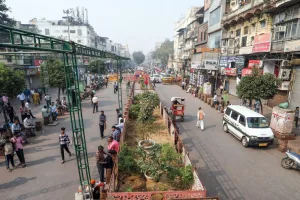
"I mean just look at Chandni Chowk area. There are so many eateries all around and if we can give permission to them to remain open throughout the night that is going to change a lot of things. People can just come walk around, eat and enjoy. 

"For now, we only go for movies or to India Gate. Other than these there are no options for the people. We are working on this and hopefully we will see some results," he said. 

The minister further stressed that the law and order problems exist because of the absence of nightlife and once a vibrant and thriving nightlife sets in the Capital, such problems will be done away with. 

The minister was speaking at an one-day Culture Conclave organised by Mail Today, a tabloid newspaper in the Capital. 

UP will not be neglected any more, says Yogi Adityanath in Gorakhpur

SNS | New Delhi |

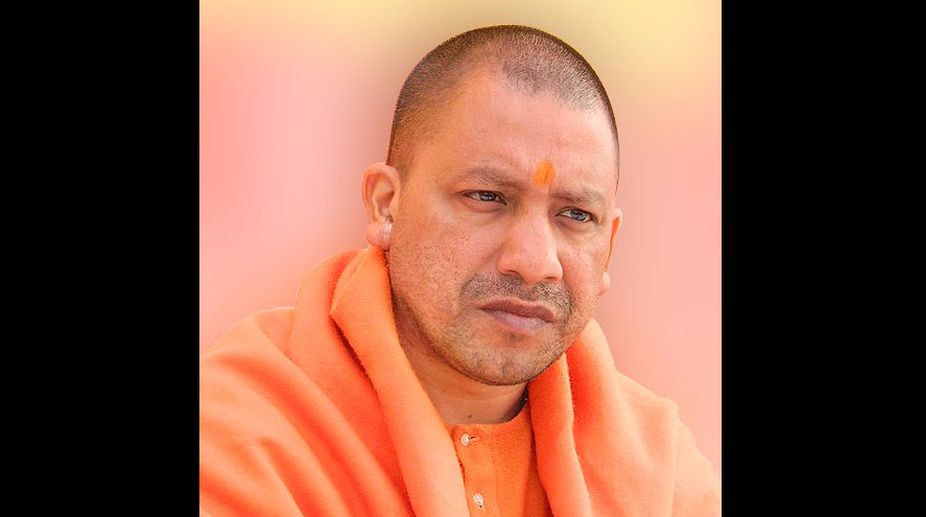
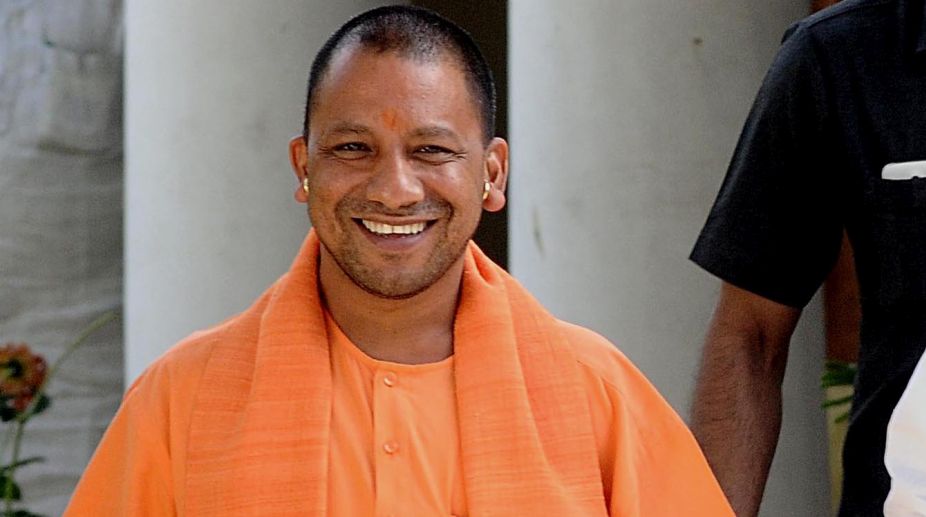
Uttar Pradesh Chief Minister Yogi Adityanath on Saturday said UP has been deprived till now, but the state will not be neglected anymore.

"Uttar Pradesh has been deprived till now, but the state will not be neglected anymore," the chief minister said after his arrival in his home constituency Gorakhpur on Saturday.

Saying that the BJP has placed a huge responsibility on all of them, he promised to fix the law-and-order situation and the other problems in the state.

"There will be no goondaraj, no differences in the name of caste, class or religion. There will only be development for all," he said.

Reiterating the PM's 'sabka haath, sabhka vikaas' slogan, he said that he will implement PM Modi’s vision.

"Will implement PM Modi’s vision of Sabka Saath, Sabka Vikas and will take up the development challenge in the state," he said.

Adityanath on Saturday arrived in his home constituency Gorakhpur to grand welcome for the first time after assuming office.

He is on a two-day maiden visit to the city to celebrate in his constituency as the chief minister and will return on March 26 to Lucknow.

With posters of the priest-politician donning the walls and electricity poles, massive preparations are in place in the city as party members welcomed him with excitement.

Elaborate security arrangements are in place as the city wore a saffron look and security of the Gorakhnath temple has also been beefed up with metal detectors placed at all the entry points.

He will attend a function on Sunday on the occasion of the death anniversary of Yogiraaj Baba Gambhirnath and will address a gathering there.

After becoming the chief minister, the five-time MP from Gorakhpur has taken a series of actions which includes closing of illegal slaughter houses, forming ‘anti-Romeo’ squads and banning consumption of paan masala in offices.

Start daily water supply in Shimla city: CM to officers

Sanjeev Kumar | Shimla |

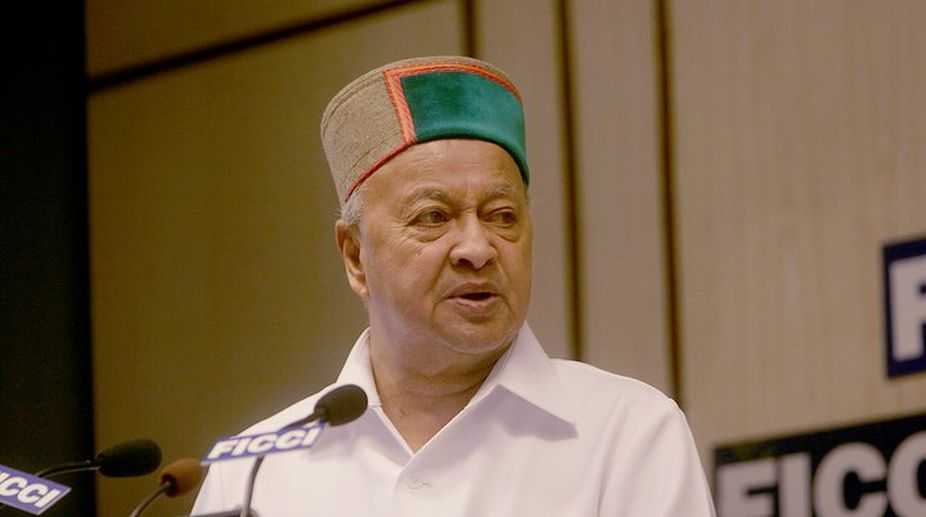
The Himachal Pradesh Chief Minister Virbhadra Singh on Saturday directed officials to ensure daily water supply in Shimla city and its nearby areas and warned of strict action if they failed in checking leakages and overflow of water tanks.

During a meeting on the issue of shortage of water supply in Shimla, Virbhadra Singh directed officials to immediately repair and start Giri water supply scheme and ensure day-to-day distribution of water to the people of Shimla and its suburbs.

The Chief Minister also directed to complete work on Rs.105 Crore Garoh-Gandal water supply scheme in Shimla Rural assembly segment by April which would cater to the needs of 75,000 people of 41 panchayats.

It is worthwhile to mention here that the residents of Shimla city have been getting water on an alternative day or after two days all through the year.

Shimla has a population of over 1.70 lakh and around 50,000 households and the city requires 42 mn litres of water per day but is getting only 34-35 mn litres per day on an average.

While the total requirement outside Shimla Municipal Corporation area was around 4 MLD. After the repairs of Giri water supply scheme, it would add 5 to 6 mn litres per day to the existing supply.

Another drinking water supply scheme at Ashwani khad was closed on 1 January, 2016 due to leakage of sewage from Sewerage Treatment Plant which caused worst ever jaundice outbreak in Shimla, resulting in the death of 20 persons. The scheme, which used to cater to one third of the city, is still closed as the catchment area is contaminated.

Haryana min takes jibe at Punjab’s move of ending VIP culture

Shiv Rawal | Chandigarh |

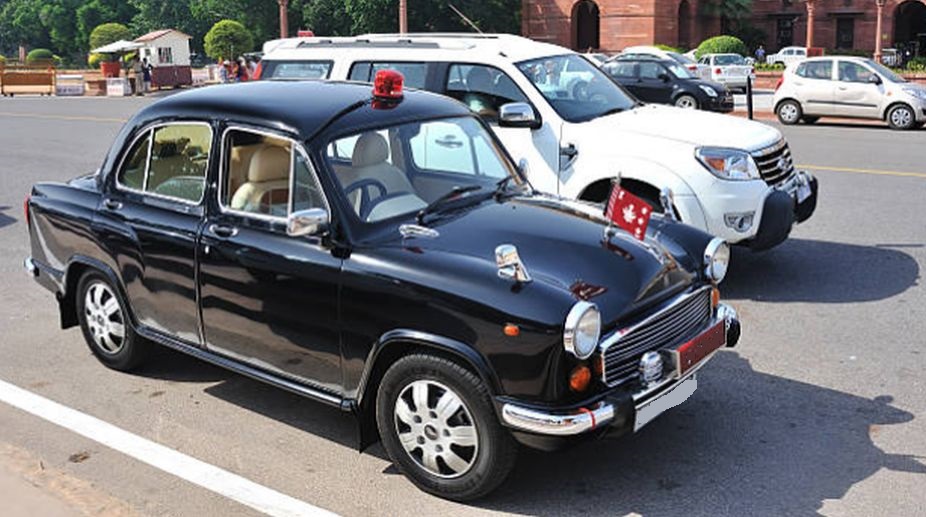
Haryana education minister Ram Bilas Sharma on Saturday took a jibe at the Congress government's bid of ending the VIP culture in Punjab, saying that banning use of beacons is futile if the ministers in neighboring state still travel with a number security guards.

Sharma told The Statesman that merely advertising something is not enough as people believe in performance. "Punjab Finance Minister Manpreet Singh Badal today reached the Chandigarh Airport to greet Vice President Mohammad Hamid Ansari.

The minister was escorted by a number of security personnel. Accompanied by so many guards, the aim of ending VIP culture cannot be accomplished," he said.

Sharma is a senior BJP leader in Haryana having charge of education, tourism and parliamentary affairs.

His statement on the issue came after even his own party's newly elected Chief Minister in Uttar Pradesh, Yogi Adityanath has announced to end the VIP culture by banning red beacons in his own state.

However, the minister kept mum when he was asked about banning the use of red beacons by the Chief Minister, ministers and other VIPs on the pattern of the neighboring states.

Immediately after coming to power in Punjab, Captain Amarinder Singh led Congress, with a view to end the VIP culture in the state, put a ban on use beacons on government vehicles, foreign travel of ministers for two years and organising of banquets on state expense.

Punjab's move has even been welcomed in other states with Bihar Education Minister Ashok Choudhary also advocated the ban on the use of beacons on VIP vehicles.

After the Punjab government's move, a Chandigarh based RTI activist also approached the Haryana government to ban the use of red beacons culture in the state too.

RTI activist R K Garg in his representation to Haryana Chief Secretary D S Dhesi has requested the latter for reviewing and restricting the use of red beacons in Haryana immediately on the pattern of other states where the use of beacons on vehicles a symbol of VIP culture were restricted irrespective of their political ideology.

Garg even cited examples of Punjab and Uttar Pradesh where governments have announced to end VIP culture.

Punjab to make textbooks online

Pankaj | Chandigarh |

Taking a major decision in view of the upcoming academic session, the Punjab government has decided to make school text books available online from 1 April.

After taking a meeting with the officers of Punjab School Education Board (PSEB) on Saturday, the school education and higher education minister, Aruna Chaudhary disclosed that the textbooks can be read online at PSEB's website.

She said that 107 out of 350 textbooks have been made available at bard's website. As per the new initiative, the visitors of the website can find the online textbooks after clicking at book folder's e-books link to read the textbooks.

The minister further said that 22 more text books will be made available online till 15 April while 17 other such books will be
uploaded on the board's website till 17 May. Adding to this, 84 books have been adopted from the National Council of Educational Research and Teaching (NCERT) considering the national level curriculum.

"These books will be printed according to the necessity and feasibility of the board. The orders have been passed to upload these
books after getting NCERT's approval," said the minister.

She further said that they were into process to formulate such similar programs in consultation with the chief minister (CM) Captain Amarinder Singh.

The minister said that if there is any need of changes in 350 books from class I to XII, it will be done on an immediate basis to further
print the text books. This will help the students get books before the commencement of the academic session.

The books should be designed in such a manner so that they can help the students to develop their mental level," she added.

Delays, substandard quality mars border roads project

Dipankar Chakraborty/SNS | New Delhi |

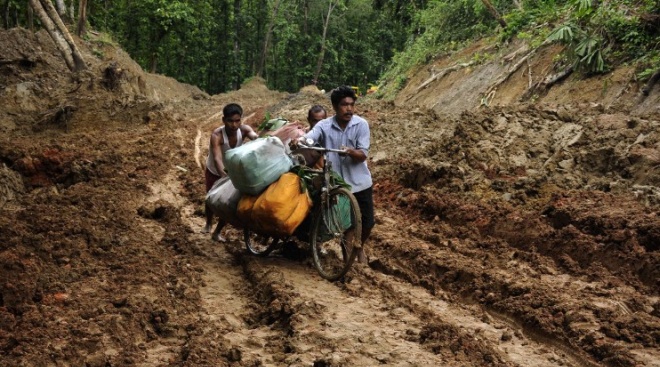
India’s bid to build quality all-weather roads along its border with China through to connect remote areas, move military weapons and equipment in the event of an aggression and ‘assert’ its territorial claims in the region near the Line of Actual Control (LAC) has been compromised due to poor quality of road construction and alleged irregularities in border roads works.

In the wake of heightened road and track construction work undertaken by China along India’s Northern and Eastern frontiers in 1997, India constituted a China Study Group (CSG) "to study the requirement of road communication along the China border for brisk movement of troops in case of any aggression". The idea was to assert the country’s territorial claims and upgrade logistic sustenance capability in these areas.

At the end of its study, the CSG identified 73 strategically important roads along the India-China border as Indo-China Border Roads (ICBRs). The Cabinet Committee on Security (CCS) in 1999 approved the construction of these roads and set the Border Roads Organisation (BRO) under the Ministry of Defence a tentative target of work to be completed between 2003 and 2006. The target was later extended to 2006-2012. But the work is far from over yet.

After more than 15 years since the project for the proposed 73 roads was first sanctioned, the country’s plans to have a network of high quality roads along its border with China remains a pipe dream.

The Indian military establishment which has tested the capability of some of these roads has found them unfit for the movement of heavy military guns like Bofors, Smerch and Pinaka. They have expressed their ‘dissatisfaction’ with the quality of the road works. Of the 73 sanctioned ICBRs projects, 61 cover a total length of 3409.27 km (Arunachal Pradesh ~ 1788.24 km; Himachal Pradesh ~ 116.99 km; J&K ~ 1093.14 km; Sikkim ~ 56.10 km; Uttarakhand ~ 354.80 km) ) scheduled to be completed at an estimated cost of Rs 4643.75 crore by 2012. The remaining 12 were to have been completed by local Central PWD, NBCC and state PWDS.

Some of the identified road projects with serious construction defects along the Sino-Indian border are: Bona-Gelling, Harong-Chushul Road, Sasoma-Saserla and Koyal-Photile-Chushmule-Zurasa.  

An audit of the project work by CAG has squarely blamed the poor quality, late completion, poor monitoring, over reporting of progress of works on the agencies entrusted with the execution of the ‘important’ project. As of March 2016, a total of 707.24 km as against 3409.27 km of roads at an estimated cost of Rs 4536 crore has been completed. This is ‘only 36 per cent’ of the total project covering only 22 of 61 roads under the project. Of the 24 roads examined in detail 17 were found to be substandard.

“Even six roads of length of 197 km which have been completed at a cost of Rs 164 crore were not fit for running of specialised vehicles/equipment such as Smerch, Pinaka and Bofors due to various limitations like steep radiant, less width, inadequate turning radius, effective alignment,etc.,” CAG in its report tabled in Lok Sabha on 10 March  has alleged.

The DG Border Roads in reply to the charges of various anomalies in the ICBRs projects on 15 July 2016 declined comment but maintained that the user, meaning Indian Army, has remained associated all along with the BRO. 

 The central audit body has now proposed a ‘Court of Inquiry’ expeditiously against the ‘erring officials’. It called for proper and timely action to resolve the defects or problems pointed out by the Chief Technical Examiner of the ICBRs project.


Delays, substandard quality mars border roads project

Dipankar Chakraborty/SNS | New Delhi |

India’s bid to build quality all-weather roads along its border with China through to connect remote areas, move military weapons and equipment in the event of an aggression and ‘assert’ its territorial claims in the region near the Line of Actual Control (LAC) has been compromised due to poor quality of road construction and alleged irregularities in border roads works.

In the wake of heightened road and track construction work undertaken by China along India’s Northern and Eastern frontiers in 1997, India constituted a China Study Group (CSG) "to study the requirement of road communication along the China border for brisk movement of troops in case of any aggression". The idea was to assert the country’s territorial claims and upgrade logistic sustenance capability in these areas.

At the end of its study, the CSG identified 73 strategically important roads along the India-China border as Indo-China Border Roads (ICBRs). The Cabinet Committee on Security (CCS) in 1999 approved the construction of these roads and set the Border Roads Organisation (BRO) under the Ministry of Defence a tentative target of work to be completed between 2003 and 2006. The target was later extended to 2006-2012. But the work is far from over yet.

After more than 15 years since the project for the proposed 73 roads was first sanctioned, the country’s plans to have a network of high quality roads along its border with China remains a pipe dream.

The Indian military establishment which has tested the capability of some of these roads has found them unfit for the movement of heavy military guns like Bofors, Smerch and Pinaka. They have expressed their ‘dissatisfaction’ with the quality of the road works. Of the 73 sanctioned ICBRs projects, 61 cover a total length of 3409.27 km (Arunachal Pradesh ~ 1788.24 km; Himachal Pradesh ~ 116.99 km; J&K ~ 1093.14 km; Sikkim ~ 56.10 km; Uttarakhand ~ 354.80 km) ) scheduled to be completed at an estimated cost of Rs 4643.75 crore by 2012. The remaining 12 were to have been completed by local Central PWD, NBCC and state PWDS.

Some of the identified road projects with serious construction defects along the Sino-Indian border are: Bona-Gelling, Harong-Chushul Road, Sasoma-Saserla and Koyal-Photile-Chushmule-Zurasa.  

An audit of the project work by CAG has squarely blamed the poor quality, late completion, poor monitoring, over reporting of progress of works on the agencies entrusted with the execution of the ‘important’ project. As of March 2016, a total of 707.24 km as against 3409.27 km of roads at an estimated cost of Rs 4536 crore has been completed. This is ‘only 36 per cent’ of the total project covering only 22 of 61 roads under the project. Of the 24 roads examined in detail 17 were found to be substandard.

“Even six roads of length of 197 km which have been completed at a cost of Rs 164 crore were not fit for running of specialised vehicles/equipment such as Smerch, Pinaka and Bofors due to various limitations like steep radiant, less width, inadequate turning radius, effective alignment,etc.,” CAG in its report tabled in Lok Sabha on 10 March  has alleged.

The DG Border Roads in reply to the charges of various anomalies in the ICBRs projects on 15 July 2016 declined comment but maintained that the user, meaning Indian Army, has remained associated all along with the BRO. 

 The central audit body has now proposed a ‘Court of Inquiry’ expeditiously against the ‘erring officials’. It called for proper and timely action to resolve the defects or problems pointed out by the Chief Technical Examiner of the ICBRs project.

Red Cross Society to organise Half Marathon

Statesman News Service | Shimla |

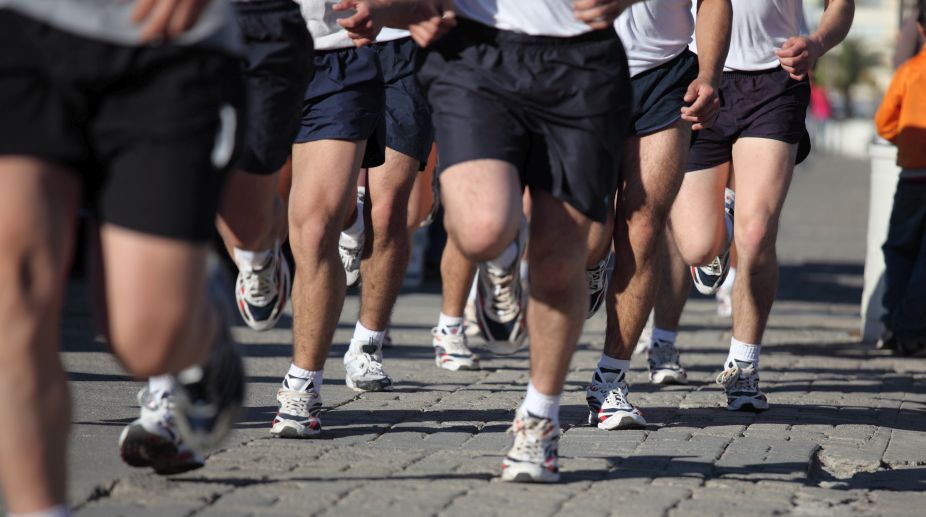
The Red Cross Society, Shimla in association with the India Run Festival will be organising a half Marathon on May 7.

Disclosing this on Saturday Additional Deputy Commissioner Rakesh Kumar Prajapati while talking to mediapersons said the ‘Shimla Run’, half marathon is being organised to sensitise the masses to adopt a healthy lifestyle.

“As many as 1000 runners from across the country are likely to participate in the marathon”, he said.

The marathon will include two categories professional and non-professional.

The professional category will have two tracks, one covering a distance of 21 kms (Ridge to HIPPA, Mashobra and back), while the other a 10 kms distance (Ridge to Sanjauli chowk and back), he said. The registration fee for 21 kms track is Rs.600, while 10 kms track is Rs.500, he added.

The non-professional category ‘Run for Fun’ will cover two distances 5 kms and 3 kms from Ridge to St. Bede’s.
He further said that those interested can register themselves at various counters that have been set up at various locations in Shimla and also online registration was also available. Registration for students was also being through various schools, he added.

Red Cross Society to organise Half Marathon

Statesman News Service | Shimla |

The Red Cross Society, Shimla in association with the India Run Festival will be organising a half Marathon on May 7.

Disclosing this on Saturday Additional Deputy Commissioner Rakesh Kumar Prajapati while talking to mediapersons said the ‘Shimla Run’, half marathon is being organised to sensitise the masses to adopt a healthy lifestyle.

“As many as 1000 runners from across the country are likely to participate in the marathon”, he said.

The marathon will include two categories professional and non-professional.

The professional category will have two tracks, one covering a distance of 21 kms (Ridge to HIPPA, Mashobra and back), while the other a 10 kms distance (Ridge to Sanjauli chowk and back), he said. The registration fee for 21 kms track is Rs.600, while 10 kms track is Rs.500, he added.

The non-professional category ‘Run for Fun’ will cover two distances 5 kms and 3 kms from Ridge to St. Bede’s.

He further said that those interested can register themselves at various counters that have been set up at various locations in Shimla and also online registration was also available. Registration for students was also being through various schools, he added.

UP CM Yogi Adityanath arrives in Gorakhpur, receives grand welcome

SNS | New Delhi |

Uttar Pradesh Chief Minister Yogi Adityanath on Saturday arrived in his home constituency Gorakhpur to grand welcome for the first time after assuming office.

He is on a two-day maiden visit to the city to celebrate in his constituency as the chief minister and will return on March 26 to Lucknow.

With posters of the priest-politician donning the walls and electricity poles, massive preparations are in place in the city as party members welcomed him with excitement.

Elaborate security arrangements are in place as the city wore a saffron look and security of the Gorakhnath temple has also been beefed up with metal detectors placed at all the entry points.

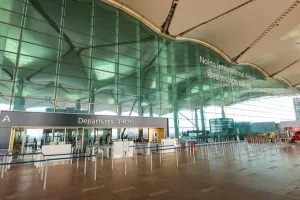
After reaching Gorakhpur airport, he is likely to go on a roadshow to Gorakhnath temple, Nandanagar, Mohdipurpur, University Chowrah, Ganesh Chauraha and the MP Inter College grounds.

He will attend a function on Sunday on the occasion of the death anniversary of Yogiraaj Baba Gambhirnath and will address a gathering there.

After becoming the chief minister, the five-time MP from Gorakhpur has taken a series of actions which includes closing of illegal slaughter houses, forming ‘anti-Romeo’ squads and banning consumption of paan masala in offices.

UP CM Yogi Adityanath arrives in Gorakhpur, receives grand welcome

SNS | New Delhi |

Uttar Pradesh Chief Minister Yogi Adityanath on Saturday arrived in his home constituency Gorakhpur to grand welcome for the first time after assuming office.

He is on a two-day maiden visit to the city to celebrate in his constituency as the chief minister and will return on March 26 to Lucknow.

With posters of the priest-politician donning the walls and electricity poles, massive preparations are in place in the city as party members welcomed him with excitement.

Elaborate security arrangements are in place as the city wore a saffron look and security of the Gorakhnath temple has also been beefed up with metal detectors placed at all the entry points.

After reaching Gorakhpur airport, he is likely to go on a roadshow to Gorakhnath temple, Nandanagar, Mohdipurpur, University Chowrah, Ganesh Chauraha and the MP Inter College grounds.

He will attend a function on Sunday on the occasion of the death anniversary of Yogiraaj Baba Gambhirnath and will address a gathering there.

After becoming the chief minister, the five-time MP from Gorakhpur has taken a series of actions which includes closing of illegal slaughter houses, forming ‘anti-Romeo’ squads and banning consumption of paan masala in offices.