Logo

Spiritual retreats may uplift mood, behaviour

IANS | New York |

Apart from enhancing well-being, people who spend their time on spiritual, meditative and religious retreats are likely to have changes in the brains systems associated with mood and social behaviour, sleep, memory, says a study.

The findings showed that the changes in the dopamine — responsible for mediating cognition, emotion and movement — and serotonin — involved in emotional regulation and mood — systems in the brains may prime the brain for spiritual experiences.

The post-retreat scans revealed decreases in dopamine transporter (5-8 per cent) and serotonin transporter (6.5 per cent) binding, which could make more of the neurotransmitters available to the brain.

This is associated with positive emotions and spiritual feelings.

"Since serotonin and dopamine are part of the reward and emotional systems of the brain, it helps us understand why these practices result in powerful, positive emotional experiences," said Andrew Newberg, Director of Research at the Thomas Jefferson University in Pennsylvania, US.

In the study, post their retreats participants showed marked improvements in their perceived physical health, tension and fatigue.

They also reported increased feelings of self-transcendence which correlated to the change in dopamine binding.

"Our study raises questions about which aspects of the retreat caused the changes in the neurotransmitter systems and if different retreats would produce different results," Newberg said.
 

Spiritual retreats may uplift mood, behaviour

IANS | New York |

Apart from enhancing well-being, people who spend their time on spiritual, meditative and religious retreats are likely to have changes in the brains systems associated with mood and social behaviour, sleep, memory, says a study.

The findings showed that the changes in the dopamine — responsible for mediating cognition, emotion and movement — and serotonin — involved in emotional regulation and mood — systems in the brains may prime the brain for spiritual experiences.

The post-retreat scans revealed decreases in dopamine transporter (5-8 per cent) and serotonin transporter (6.5 per cent) binding, which could make more of the neurotransmitters available to the brain.

This is associated with positive emotions and spiritual feelings.

"Since serotonin and dopamine are part of the reward and emotional systems of the brain, it helps us understand why these practices result in powerful, positive emotional experiences," said Andrew Newberg, Director of Research at the Thomas Jefferson University in Pennsylvania, US.

In the study, post their retreats participants showed marked improvements in their perceived physical health, tension and fatigue.

They also reported increased feelings of self-transcendence which correlated to the change in dopamine binding.

"Our study raises questions about which aspects of the retreat caused the changes in the neurotransmitter systems and if different retreats would produce different results," Newberg said.
 

Every citizen can combat against black money: PM Modi

IANS | New Delhi |

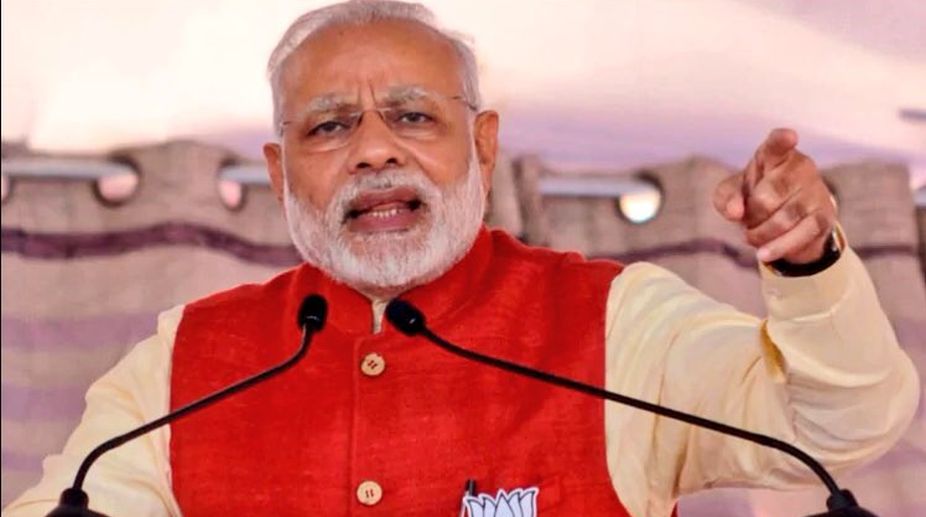
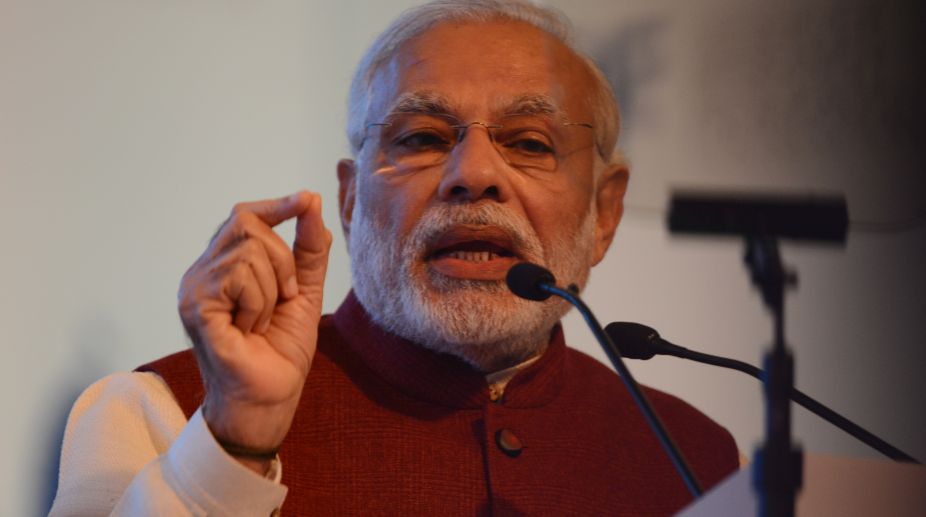
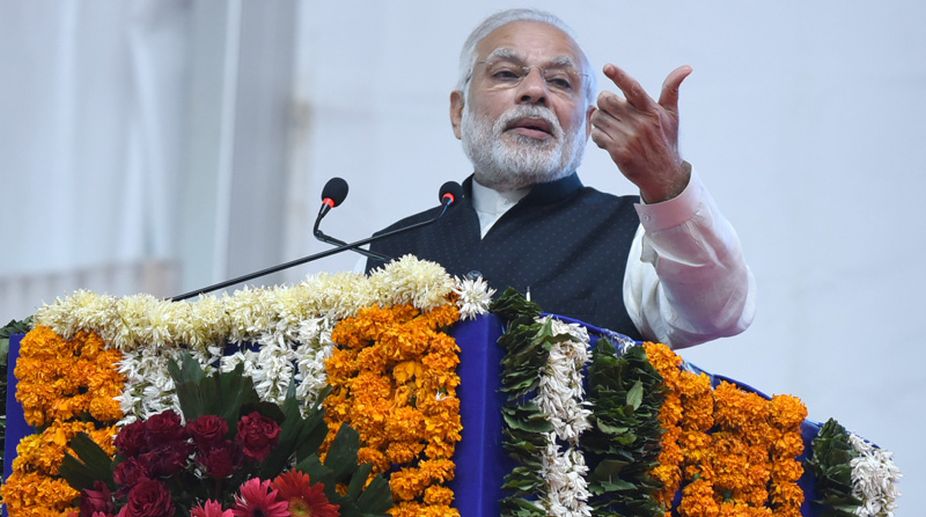
Expressing his gratitude to people for taking to digital payments, Prime Minister Narendra Modi in his radio address 'Mann Ki Baat' said that every Indian can combat black money.

Modi said that with a firm resolution India can see 2.5 crore digital transactions within next six months rather than waiting for a year.

"I express my gratitude to the citizens for going for digital transaction. Every Indian can be a crusader against black money just by opting for digital payment rather than cash transactions," Modi said.

The Prime Minister said that after demonetisation people began proffering digital transactions and there had been huge increase in digital transactions.

"Within two months of its launch, there had been 1.5 crore downloads of BHIM app, this is commendable… If 125 crore citizens make a resolution, then we can achieve the target of 2.5 crore digital transactions within six months and not wait for a year…"

"Just make sure that you submit the school fee of your children, railway or airline bookings and other transactions are done through digital mode," Modi said.

Every citizen can combat against black money: PM Modi

IANS | New Delhi |

Expressing his gratitude to people for taking to digital payments, Prime Minister Narendra Modi in his radio address 'Mann Ki Baat' said that every Indian can combat black money.

Modi said that with a firm resolution India can see 2.5 crore digital transactions within next six months rather than waiting for a year.

"I express my gratitude to the citizens for going for digital transaction. Every Indian can be a crusader against black money just by opting for digital payment rather than cash transactions," Modi said.

The Prime Minister said that after demonetisation people began proffering digital transactions and there had been huge increase in digital transactions.

"Within two months of its launch, there had been 1.5 crore downloads of BHIM app, this is commendable… If 125 crore citizens make a resolution, then we can achieve the target of 2.5 crore digital transactions within six months and not wait for a year…"

"Just make sure that you submit the school fee of your children, railway or airline bookings and other transactions are done through digital mode," Modi said.

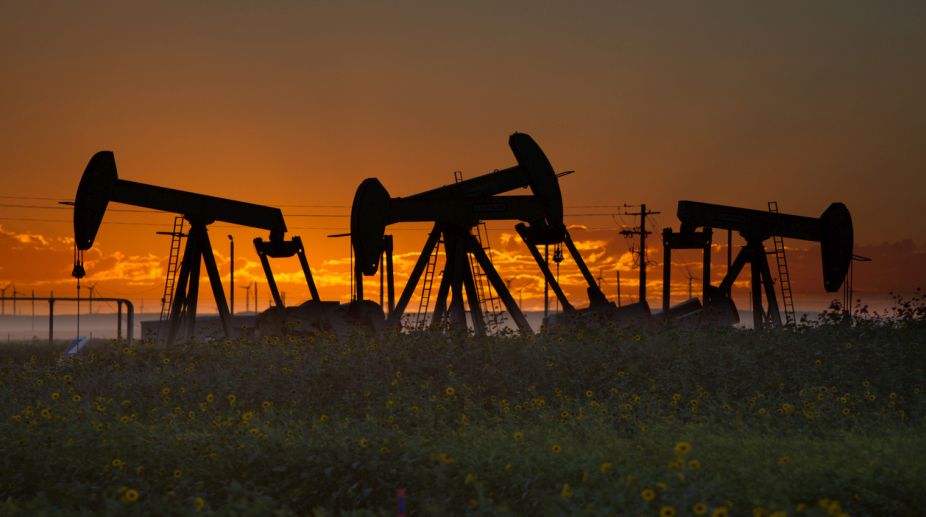
ONGC’s exploration mission begins in Northeast: Official

IANS | Agartala |

State-owned ONGC has began exploration works in northeast India to attract more gas based industries in the region, top official said.

"ONGC (Oil and Natural Gas Corporation) has vigorously embarked on exploration works to explore more natural gas," ONGC Director (Onshore) V.P Mahawar told reporters here on March 25.

He said :"The ONGC has targeted to drill 31 wells in this fiscal in different parts of Assam, but the company by the end of outgoing financial year (2016-17), would drill 33 wells."

The official said that the ONGC as part of the government's "Hydrocarbon Vision 2030 for North-East India" working more energetically to discover gas and oil in new areas of the resource-rich region.

The initiative launched last year, aims at double oil and gas production by 2030, making clean fuel accessible, fast tracking projects, generating employment opportunities and promoting cooperation with neighbouring countries. 

Mahawar said exploration in Nagaland, which has been halted due to some "loyalty and land related" issues. However, talks are on to solves the disputes.

In Arunachal Pradesh, however, the progress has not been encouraging. Though gas reserves are available in the state, more exploration activities are required to be undertaken, Mahawar said.

In Tripura, the ONGC has already drilled 220 wells.

"The ONGC has established 40-45 billion cubic metre (BCM) gas reserves in Tripura and 13 BCM has been producing now," he added.

"With the addition of new rigs, the number of wells drilled in the state has gone up from 10-12 wells in 2015-16 to 15 wells in 2016-17. It plans to drill 22 wells per year in the next three years," Mahawar added.

ONGC’s exploration mission begins in Northeast: Official

IANS | Agartala |

State-owned ONGC has began exploration works in northeast India to attract more gas based industries in the region, top official said.

"ONGC (Oil and Natural Gas Corporation) has vigorously embarked on exploration works to explore more natural gas," ONGC Director (Onshore) V.P Mahawar told reporters here on March 25.

He said :"The ONGC has targeted to drill 31 wells in this fiscal in different parts of Assam, but the company by the end of outgoing financial year (2016-17), would drill 33 wells."

The official said that the ONGC as part of the government's "Hydrocarbon Vision 2030 for North-East India" working more energetically to discover gas and oil in new areas of the resource-rich region.

The initiative launched last year, aims at double oil and gas production by 2030, making clean fuel accessible, fast tracking projects, generating employment opportunities and promoting cooperation with neighbouring countries. 

Mahawar said exploration in Nagaland, which has been halted due to some "loyalty and land related" issues. However, talks are on to solves the disputes.

In Arunachal Pradesh, however, the progress has not been encouraging. Though gas reserves are available in the state, more exploration activities are required to be undertaken, Mahawar said.

In Tripura, the ONGC has already drilled 220 wells.

"The ONGC has established 40-45 billion cubic metre (BCM) gas reserves in Tripura and 13 BCM has been producing now," he added.

"With the addition of new rigs, the number of wells drilled in the state has gone up from 10-12 wells in 2015-16 to 15 wells in 2016-17. It plans to drill 22 wells per year in the next three years," Mahawar added.

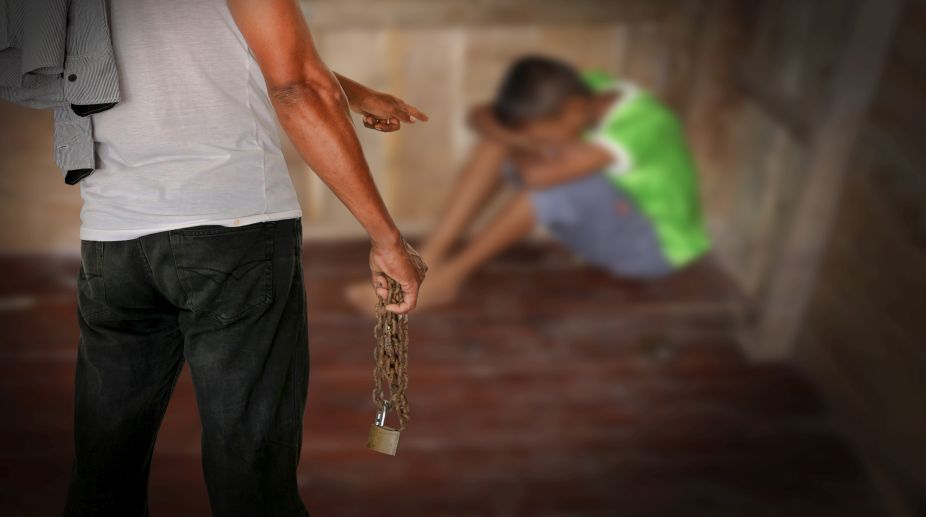
West Bengal tops list of states with most human trafficking cases

PTI | New Delhi |

West Bengal topped the list of states with the maximum number of human trafficking cases in 2016 followed by Rajasthan as the two accounted for around 61 per cent of such cases in the country.

Of the 8,132 such cases registered across the country last year, 3,576 were from West Bengal and 1,422 from Rajasthan, government officials said.

Rajasthan was followed by Gujarat where 548 such cases were reported last year. Maharashtra reported 517 cases.

Among the Union Territories, Delhi recorded the maximum number of human trafficking cases in 2016. Of the 75 cases registered among the UTs, 66 were registered in Delhi.

However, the national capital data for 2016 showed an improvement compared with the 2015 numbers– when 87 such cases were reported.

Among the UTs, Delhi was followed by Daman and Diu which reported seven cases. One each was reported from Andaman and Nicobar Islands and Chandigarh.

Among the southern states, the maximum number of cases were reported from Tamil Nadu which registered 434 cases in 2016. It was followed by Karnataka where 404 such cases were registered.

Andhra Pradesh and Telangana registered 239 and 229 such cases respectively, while in Kerala 21 cases were reported.

No case of human trafficking was reported in Jammu and Kashmir, Tripura, Nagaland, Dadra and Nagar Haveli, Lakshadweep and Puducherry.

Among the northeastern states, the highest — 91 cases — were reported in Assam. The state, however, recorded huge improvement since 2014. It had reported 380 cases of human trafficking in 2014 and 1,480 such cases in 2015.

There were seven cases in Meghalaya, three in Manipur, two each in Mizoram and Arunachal Pradesh and one in Sikkim.

To prevent human trafficking, the governments in these states have set up anti-human trafficking squads.

There are 10 such squads in Assam, eight in Arunachal Pradesh, five in Manipur, three in Meghalaya, four each in Mizoram and Nagaland and two each in Sikkim and Tripura in 2016, the officials said.

Himachal Pradesh reported eight cases of human trafficking, while neighbouring Uttarakhand 12.

Among the eastern states, Jharkhand had the maximum number of reported cases of human trafficking in 2016. A total of 109 cases were registered there. Neighbouring Odisha had 84 and Bihar 43 cases.

Uttar Pradesh and Madhya Pradesh have registered 79 and 51 cases respectively last year.

To put a check on human trafficking, the Centre had signed memorandum of understanding (MoU) with Bangladesh and United Arab Emirates, they said.


West Bengal tops list of states with most human trafficking cases

PTI | New Delhi |

West Bengal topped the list of states with the maximum number of human trafficking cases in 2016 followed by Rajasthan as the two accounted for around 61 per cent of such cases in the country.

Of the 8,132 such cases registered across the country last year, 3,576 were from West Bengal and 1,422 from Rajasthan, government officials said.

Rajasthan was followed by Gujarat where 548 such cases were reported last year. Maharashtra reported 517 cases.

Among the Union Territories, Delhi recorded the maximum number of human trafficking cases in 2016. Of the 75 cases registered among the UTs, 66 were registered in Delhi.

However, the national capital data for 2016 showed an improvement compared with the 2015 numbers– when 87 such cases were reported.

Among the UTs, Delhi was followed by Daman and Diu which reported seven cases. One each was reported from Andaman and Nicobar Islands and Chandigarh.

Among the southern states, the maximum number of cases were reported from Tamil Nadu which registered 434 cases in 2016. It was followed by Karnataka where 404 such cases were registered.

Andhra Pradesh and Telangana registered 239 and 229 such cases respectively, while in Kerala 21 cases were reported.

No case of human trafficking was reported in Jammu and Kashmir, Tripura, Nagaland, Dadra and Nagar Haveli, Lakshadweep and Puducherry.

Among the northeastern states, the highest — 91 cases — were reported in Assam. The state, however, recorded huge improvement since 2014. It had reported 380 cases of human trafficking in 2014 and 1,480 such cases in 2015.

There were seven cases in Meghalaya, three in Manipur, two each in Mizoram and Arunachal Pradesh and one in Sikkim.

To prevent human trafficking, the governments in these states have set up anti-human trafficking squads.

There are 10 such squads in Assam, eight in Arunachal Pradesh, five in Manipur, three in Meghalaya, four each in Mizoram and Nagaland and two each in Sikkim and Tripura in 2016, the officials said.

Himachal Pradesh reported eight cases of human trafficking, while neighbouring Uttarakhand 12.

Among the eastern states, Jharkhand had the maximum number of reported cases of human trafficking in 2016. A total of 109 cases were registered there. Neighbouring Odisha had 84 and Bihar 43 cases.

Uttar Pradesh and Madhya Pradesh have registered 79 and 51 cases respectively last year.

To put a check on human trafficking, the Centre had signed memorandum of understanding (MoU) with Bangladesh and United Arab Emirates, they said.


Mann Ki Baat: PM Modi wishes Bangladesh on its Independence Day

IANS | New Delhi |

Prime Minister Narendra Modi on Sunday wished neighbouring Bangladesh on its Independence Day.

Modi in his national radio address 'Mann Ki Baat' wished prosperity for the neighbouring country, recalling the common memories of Rabindra Nath Tagore shared by both India and Bangladesh.

"We all are proud that both the nations share the memories of Gurudev Rabindra Nath Tagore who wrote the national anthem of both India and Bangladesh," the Prime Minister said.

Modi said both Bangladesh and India will continue being partners in future for mutual benefit and progress.

Mann Ki Baat: PM Modi wishes Bangladesh on its Independence Day

IANS | New Delhi |

Prime Minister Narendra Modi on Sunday wished neighbouring Bangladesh on its Independence Day.

Modi in his national radio address 'Mann Ki Baat' wished prosperity for the neighbouring country, recalling the common memories of Rabindra Nath Tagore shared by both India and Bangladesh.

"We all are proud that both the nations share the memories of Gurudev Rabindra Nath Tagore who wrote the national anthem of both India and Bangladesh," the Prime Minister said.

Modi said both Bangladesh and India will continue being partners in future for mutual benefit and progress.

Don’t leave HQs without informing Home Secy: MHA tells CPOs

PTI | New Delhi |

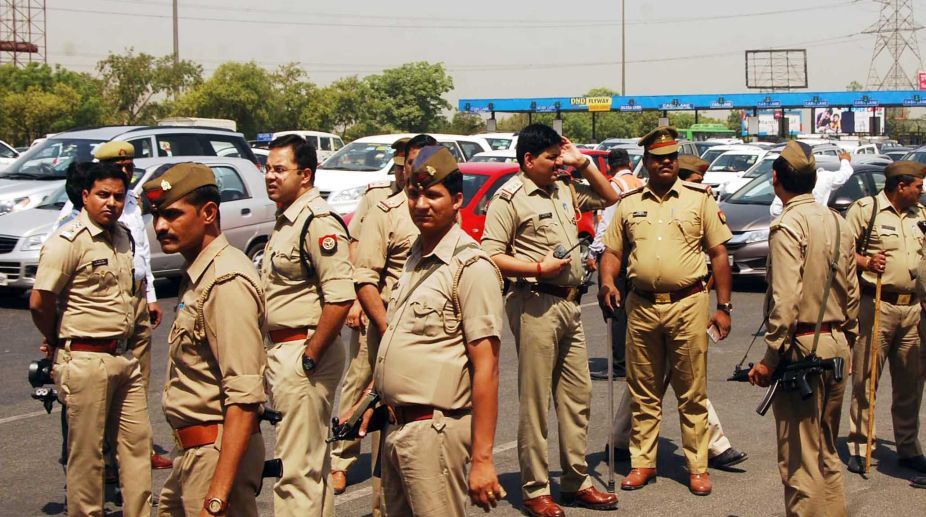
The officer responsible for any central police body in the absence of the Director General must not leave the headquarters without taking permission from the Union Home Secretary, the Centre has directed.

The Home Ministry order came after it was found that in several cases when the head of a central police organisation goes on leave or tour after assigning the responsibility to the next senior-most officer, the in-charge too goes on leave, leaving a vacuum at the top.

“Instances have come to the notice that in some cases so entrusted by the DG/Head of the organisation, also proceed on leave or leave the headquarters for some reasons, thus creating vacuum at the highest level of the organisation, which affects smooth functioning of the organisation.

“It has been decided that such officers entrusted by the DG/Head of the organisations shall not leave the headquarters or proceed on leave in future without the permission of the Home Secretary,” the order said.

When a DG or Head of the organisation is not present in the headquarters due to official tour, leave or training, the next senior-most officer is entrusted by the DG to look after their duties to ensure smooth functioning of the organisation.
The directive has been issued to CRPF, BSF, CISF, ITBP, SSB, NSG, NIA, CBI and other central police organisations.
 

Don’t leave HQs without informing Home Secy: MHA tells CPOs

PTI | New Delhi |

The officer responsible for any central police body in the absence of the Director General must not leave the headquarters without taking permission from the Union Home Secretary, the Centre has directed.

The Home Ministry order came after it was found that in several cases when the head of a central police organisation goes on leave or tour after assigning the responsibility to the next senior-most officer, the in-charge too goes on leave, leaving a vacuum at the top.

“Instances have come to the notice that in some cases so entrusted by the DG/Head of the organisation, also proceed on leave or leave the headquarters for some reasons, thus creating vacuum at the highest level of the organisation, which affects smooth functioning of the organisation.

“It has been decided that such officers entrusted by the DG/Head of the organisations shall not leave the headquarters or proceed on leave in future without the permission of the Home Secretary,” the order said.

When a DG or Head of the organisation is not present in the headquarters due to official tour, leave or training, the next senior-most officer is entrusted by the DG to look after their duties to ensure smooth functioning of the organisation.
The directive has been issued to CRPF, BSF, CISF, ITBP, SSB, NSG, NIA, CBI and other central police organisations.
 

Uttarakhand government seeks CBI probe into NH land scam

Raju Gusain | Dehradun |

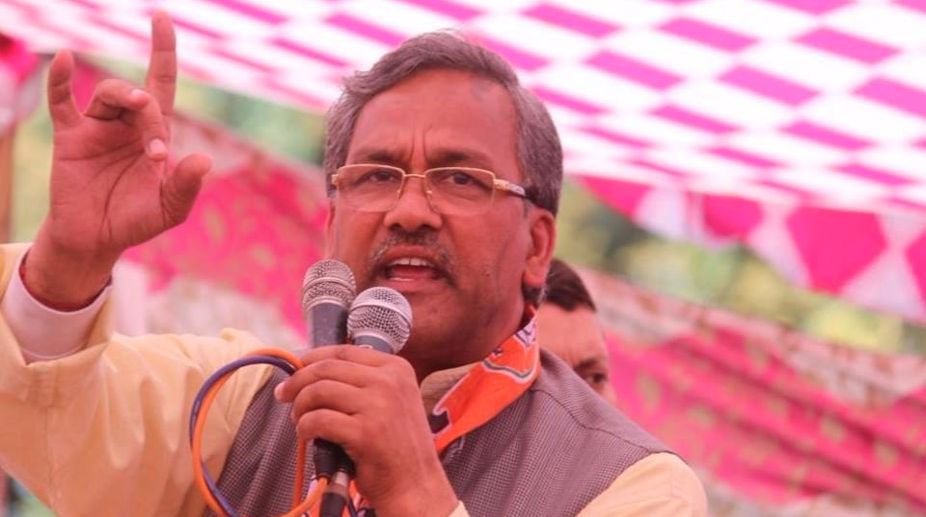
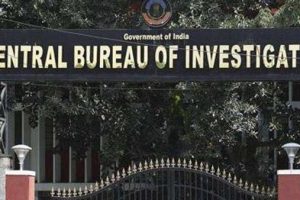
Adopting a zero tolerance against corruption, the Trivendra Rawat government in Uttarakhand has recommended a CBI probe into the Rs 170 Crore National Highway (NH) land scam. Taking action against the government servants who are involved in the scandal, the Rawat government suspended six officers- including four SDMs on Saturday.

The scam was executed jointly by politicians, farmers, state government staff and NH staff- in which high compensation was provided to selected individual by showing their agriculture land as commercial land. Initial finding indicates a scam of Rs 170 Crore but the amount could go high as many other cases are yet to be examined.

Chief Minister Trivendra Rawat said, “NH 74 is a serious issue, we will fight against corruption like a holy fight. Will not spare any accused.”

Kumoan Commissioner D. Senthil Pandiyan conducted an initial inquiry in the scam. Acting on the report submitted by the Kumoan Commissioner the Uttarakhand government has decided to recommend a CBI inquiry and stop the ongoing Special Investigation Team probe of the state police in the high profile scam.

The primary inquiry report found 18 suspicious cases, in which the state government suffered a loss of about Rs 170 Crore. But, many other cases are likely to surface and the scandal is all set to cross over Rs 300 crore mark.

Acting on the Kumoan Commissioner report, the state government suspended D.P Singh, A.P Shukla, S.S Jangpangi, B.S Phonia, N.S Napchiyal and H.S Martola- who are presently serving in different position in Udham Singh Nagar district.

Besides, National Highway staff, state government staff, and farmers, politics too made big money by getting high compensation for agriculture land. Many beneficiaries provided donation to the Congress party as election fund. Which hints that some influential politicians in Harish Rawat government backed the guilty.

Many farmers from Jaspur, Kashipur, Bajpur and Sitarganj- who were politically connected- received high compensation for their agriculture land. A total sum of Rs 5 Crore was deposited in a bank account of Congress in Dehradun during the election time. The donation was received from builders and farmers from Udham Singh Nagar.

The land scam was organized with active involvement of the National Highway and state government staff. The decision of the Rawat government to seek CBI inquiry has made many political leaders lose their sleep and mental peace.

Uttarakhand government seeks CBI probe into NH land scam

Raju Gusain | Dehradun |

Adopting a zero tolerance against corruption, the Trivendra Rawat government in Uttarakhand has recommended a CBI probe into the Rs 170 Crore National Highway (NH) land scam. Taking action against the government servants who are involved in the scandal, the Rawat government suspended six officers- including four SDMs on Saturday.

The scam was executed jointly by politicians, farmers, state government staff and NH staff- in which high compensation was provided to selected individual by showing their agriculture land as commercial land. Initial finding indicates a scam of Rs 170 Crore but the amount could go high as many other cases are yet to be examined.

Chief Minister Trivendra Rawat said, “NH 74 is a serious issue, we will fight against corruption like a holy fight. Will not spare any accused.”

Kumoan Commissioner D. Senthil Pandiyan conducted an initial inquiry in the scam. Acting on the report submitted by the Kumoan Commissioner the Uttarakhand government has decided to recommend a CBI inquiry and stop the ongoing Special Investigation Team probe of the state police in the high profile scam.

The primary inquiry report found 18 suspicious cases, in which the state government suffered a loss of about Rs 170 Crore. But, many other cases are likely to surface and the scandal is all set to cross over Rs 300 crore mark.

Acting on the Kumoan Commissioner report, the state government suspended D.P Singh, A.P Shukla, S.S Jangpangi, B.S Phonia, N.S Napchiyal and H.S Martola- who are presently serving in different position in Udham Singh Nagar district.

Besides, National Highway staff, state government staff, and farmers, politics too made big money by getting high compensation for agriculture land. Many beneficiaries provided donation to the Congress party as election fund. Which hints that some influential politicians in Harish Rawat government backed the guilty.

Many farmers from Jaspur, Kashipur, Bajpur and Sitarganj- who were politically connected- received high compensation for their agriculture land. A total sum of Rs 5 Crore was deposited in a bank account of Congress in Dehradun during the election time. The donation was received from builders and farmers from Udham Singh Nagar.

The land scam was organized with active involvement of the National Highway and state government staff. The decision of the Rawat government to seek CBI inquiry has made many political leaders lose their sleep and mental peace.

Brazil meat scandal: China fully reopens market to Brazilian meat

IANS | Brasilia |

China, one of the first countries to suspend imports of Brazilian meat following revelations that companies were selling unsafe produce for years, has decided to fully reopen its market, a top minister said.

"China has announced the complete reopening of its market to Brazilian meat. This categorically certifies the solidity and quality of Brazil's sanitation system," Brazilian Agriculture Minister Blairo Maggi said in a statement on Saturday.

China is one of the leading markets for meat processed in Brazil, the world's leading beef and poultry exporter and fourth-leading pork exporter, Efe news reported.

Chilean authorities, meanwhile, announced on Saturday that they had decided to end a total ban on imports of Brazilian beef and limit the restriction to products from the 21 processing plants cited in the investigation.

Authorities said investigators have found violations at 21 Brazilian meatpacking plants.

The scandal was triggered by a huge police operation last week that found evidence that meat-packers had been selling rotten and substandard produce for several years.

The evidence found include the use of chemicals to disguise the look and smell of expired meat and payment of bribes to inspectors to ensure shipments of adulterated products.
 

Brazil meat scandal: China fully reopens market to Brazilian meat

IANS | Brasilia |

China, one of the first countries to suspend imports of Brazilian meat following revelations that companies were selling unsafe produce for years, has decided to fully reopen its market, a top minister said.

"China has announced the complete reopening of its market to Brazilian meat. This categorically certifies the solidity and quality of Brazil's sanitation system," Brazilian Agriculture Minister Blairo Maggi said in a statement on Saturday.

China is one of the leading markets for meat processed in Brazil, the world's leading beef and poultry exporter and fourth-leading pork exporter, Efe news reported.

Chilean authorities, meanwhile, announced on Saturday that they had decided to end a total ban on imports of Brazilian beef and limit the restriction to products from the 21 processing plants cited in the investigation.

Authorities said investigators have found violations at 21 Brazilian meatpacking plants.

The scandal was triggered by a huge police operation last week that found evidence that meat-packers had been selling rotten and substandard produce for several years.

The evidence found include the use of chemicals to disguise the look and smell of expired meat and payment of bribes to inspectors to ensure shipments of adulterated products.
 

PM Modi among Time magazine probables for most influential people

PTI | New York |

Prime Minister Narendra Modi has been named among the probable contenders for Time magazine's annual list of the 100 most influential people in the world.

Time will next month announce the list, comprising a number of leading artists, politicians, lawmakers, scientists and leaders of tech and business.

While its editors will determine the ultimate honorees, the publication has asked readers to vote from among a list of probable contenders.

Modi had been named among the magazine's probable contenders in last year's Time 100 list also. He was named among Time's 100 most influential people in the world in 2015 and former US President Barack Obama had written a profile for him for the magazine.

Last year the then RBI Governor Raghuram Rajan, tennis star Sania Mirza, actress Priyanka Chopra, Googles India-born CEO Sundar Pichai and founders of Indian e-commerce major Flipkart Binny Bansal and Sachin Bansal were among Time's list of the 100 most influential people.

Among the list of probables this year are Microsoft CEO Satya Nadella, US President Donald Trump, his daughter Ivanka Trump and her husband and senior White House adviser Jared Kushner, California Senator Kamala Harris, actor Riz Ahmed, Russian President Vladimir Putin, UK Prime Minister Theresa May, Chinese leader Xi Jinping, Pope Francis and Canadian Prime Minister Justin Trudeau.

Also on the list are White House Chief of Staff Reince Priebus, actor Amy Schumer, CEO of Youtube Susan Wojcicki and Counselor to Trump Kellyanne Conway.