Trump says Iran agreed to never build a nuclear weapon; Israel says it won’t be bound by the deal
Trump said Iran had agreed to never possess a nuclear weapon, but Israel and regional experts warned the US-Iran MoU may not end the security crisis.
It is after more than 100 days that both President Donald Trump and Iran have announced a peace deal, much to the world’s relief.




Photo:SNS
It is after more than 100 days that both President Donald Trump and Iran have announced a peace deal, much to the world’s relief. Trump had talked of a deal umpteen times, only to be rebuked by Iran on each occasion. Iran’s insistence on including Lebanon in the agreement complicated matters, as Israel PM Benjamin Netanyahu had his own ideas. Iran released its version of the deal, which Trump contradicted. Hopefully, it will be inked this week. Final details will emerge with time, but clearly Israel is rattled. Both sides have suffered losses.
Iran claims it needs USD 300 billion for reconstruction, while damages to US bases and assets exceed USD 50 billion. US Congress members claim the cost of the war, thus far, varies between USD 630 billion to 1 trillion. In addition, there are tankers sunk in the Hormuz Strait. The US had nego tiate d an Israel-Lebanon ceasefire, which was rejected by Hezbollah since it did not involve Israeli forces withdrawing from Lebanon. Hezbollah leader Naim Qassem insisted on a complete Israeli withdrawal from Lebanon, which Netanyahu rejected. Israel attacked Beirut, the red line laid down by Iran, ignoring demands by Trump, aware this would expand the conflict.
Advertisement
It did, leading to Trump castigating Netanyahu. Iran’s foreign minister, Abbas Araqchi, said, “The end of the war on Lebanon must be accompanied by withdrawal of Israeli forces from the territories they have occupied.” At present, peace has been restored. Netanyahu is concerned that Trump may be lax with Iran only to secure a deal and hence remains skeptical of the deal. Meanwhile, in a largely symbolic gesture, the US House of Representatives voted against the war, with some of Trump’s supporters joining the rival camp thereby giving it the needed numbers.
Advertisement
While this may not hold water, it does convey that public anger is rising over the conflict. The US-Iran ceasefire, announced on 8 April, has been on hold despite a few hiccups. It had last flared up due to Iran downing a US Apache helicopter. Messages continue to flow through negotiators. There are reports that US missile stocks are at critical levels. The US’s acting Navy Secretary, Hung Cao, when questioned by a senate committee on stalling sale of weapons to Taiwan, mentioned, “Right now we’re doing a pause in order to make sure we have the munitions we need for Epic Fury.”
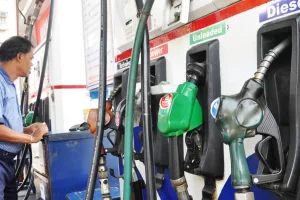
In Singapore, Pete Hegseth, the US Secretary of War, insisted the US remains capable of launching fresh strikes against Iran. Media reports mention that in response to the US firing over a thousand Patriot and THAAD missiles initially in the conflict, only 172 replacements have been received. Trump also faced increased domestic pressure over oil prices and rising inflation. Meanwhile the US was the largest gainer from increased sale of LNG, since the Hormuz closed. With mid-term elections looming, Trump needed to find a way out. As per US media, in a recent interaction with his aides, he mentioned that he would only end the ceasefire if US troops were killed in Iranian attacks.
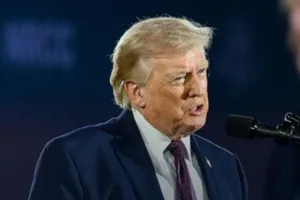
Trump also scaled down his demands on Iran, aware that without boots on the ground, he cannot achieve regime change. Apart from the re-opening of Hormuz, Trump stated, “The one guarantee that I have to have is that there will be no nuclear weapons. They’ve agreed to that.” Discussion on how to handle highly enriched uranium would take place later. Netanyahu is also facing pressures from the US, Arab states, Europe and his own citizens to end the conflict. Israel’s elections are due in October this year and he is desperate to show that his campaigns against Iran, Hezbollah and Hamas have proved to be decisive. So far, he does not have much.
He had wanted regime change and to degrade Iran’s missile ranges, in addition to ending its nuclear capabilities, but these remain just hopes. His recent attacks on Iran and Lebanon displaye d that he may act independently of Trump. Meanwhile in Iran, hardliners were advocating a stronger response to any US or Israel strike, now that they managed to survive the initial round. Aware of the leverage provided by Hormuz, Iran feels it holds the cards. Its Foreign Minister, Abbas Araghchi, told a Lebanese media house, “Either the war ends in both Iran and Lebanon or in neither.”
Iran’s media quoted their deputy foreign minister, who said that the deal includes “immediate and permanent end to the war and military operations on various fronts, including Lebanon.” Tehran is aware that Trump must end the war as domestic and global pressures are increasing. Iran, on the other hand, is facing financial difficulties as its oil exports have stalled. It can survive for a few months before the scenario worsens. Its major benefit is that food imports from Russia and Central Asia continue through the Caspian Sea route. Iran was gambling on Trump being more desperate to end the conflict than its own leadership. Even if Iran is crumbling economically within, it will suppress internal protests, only to keep pressure on Trump.
The longer it delays, the more Trump becomes concerned about the impact of mid-term elections. Mediation by Qatar and Pakistan continued throughout. Messages were exchanged, bridging differences. The world had readjusted without oil, gas and fertilizers flowing freely through Hormuz. As soon as Hormuz opens, prices are bound to drop and economies stabilize. The mute question is whether any deal would be the final one. Trump is known to use military force in the midst of negotiations. If he cannot achieve a deal better than Obama, would he attempt this, once his internal politics and economy have stabilized? After all, TACO (Trump Always Chickens Out) is gaining traction in the US, adding to his discomfiture. Israel can be a spoilsport.
Netanyahu, aware that he is unlikely to return post elections, may expand the conflict only to delay elections. Iran meanwhile continues to re-create its drone and missile power. It would have assumed that neither the US nor Israel can be trusted and another round is imminent. Middle East nations are concerned about recommencement of the war as they are on the firing line. Russia and China would prefer the conflict continue, engaging the US in a fruitless war. The world hopes Hormuz would re-open bringing down oil prices to acceptable levels, while both Iran and the US engage in narrative warfare aimed at declaring themselves winners in this conflict.
(The writer is a retired Major-General of the Indian Army.)
Advertisement