Logo

SC fines two doctors Rs 1.40 cr for medical asylum to ex-MLA

IANS | New Delhi |

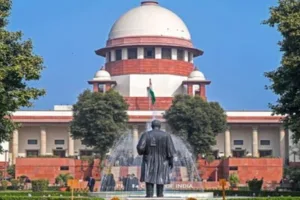
The Supreme Court on Tuesday imposed a whopping fine of Rs 1.40 crore on two Gurugram-based doctors for giving "medical asylum" to former INLD legislator Balbir Singh after his bail was cancelled in 2013 by the apex court in a 2011 murder case.

A bench of Justice Dipak Misra, Justice A.M. Khanwilkar and Justice Mohan M. Shantanagoudar directed the doctors — Munish Prabhakar and K.S. Sachdev — to deposit Rs 70 lakh each with the apex court Registry by June 30.

The Haryana Police had visited Privat Hospital owned by Dr Sachdeva in Gurugram in Haryana to take custody of Balbir Singh alias Bali Pehalwan, but the hospital authorities had refused to discharge him. 

Subsequently, the hospital said the former Indian National Lok Dal (INLD) legislator was fit to be presented in court, yet he was not discharged.

Balbir Singh was admitted to Privat Hospital for 527 days on three different occasions between November 15, 2013, and May 1, 2015, after the Supreme Court cancelled his bail on October 24, 2013.

The apex court had reversed a February 11, 2013, order of the Punjab and Haryana High court that granted Balbir Singh bail.

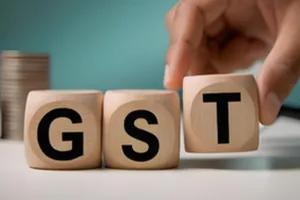
GST compliance rating system to be put in place

Statesman News Service | New Delhi |

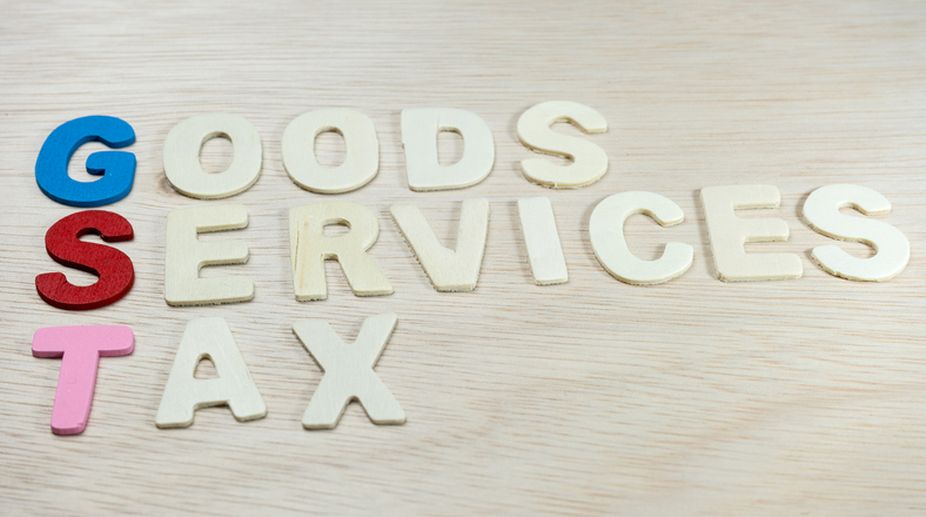
The government will soon come up with the details and the rules concerning the provision of ‘GST Compliance Rating’ for an assessee under the Goods and Services Tax (GST) structure that will be based on their credibility in filing tax returns. 

Speaking at a GST workshop, Revenue Secretary Hasmukh Adhia said, "said a system of GST Compliance Rating will be put in place so that every trader or businessman will be rated based on their track record. The ratings will have four grades ~ A,B,C and D." 

The rating will be judged by the computer automated software based on the track record of filing taxes properly and on time. Once the rating is made public on the GSTN portal, a businessman can decide on whether to deal with another trader or entity who does not deposit tax with the government and therefore, has a low compliance score.

If a taxpayer tries to evade tax, the software under IT infrastructure GST Network (GSTN) will be able to detect that and thereby downgrade its rating, Adhia said. 

The rating scorecard is similar to the credit score that CIBIL provides based on the credit history of the borrower. Adhia said the government is working on the various parameters for determining the rating score.The rating will provide the name of the taxpayer as well as the GST Identification Number (GSTIN).

The IT body GSTN will be soon setting up call centres to help business and solve their queries. Adhia said GSTN has already shortlisted 34 companies to be the GST Suvidha Provider (GSP). The GSPs are mandated to address all queries of taxpayers and its other stakeholders.

Shobha Nehru dies at 108-year of age

Statesman News Service | Shimla |

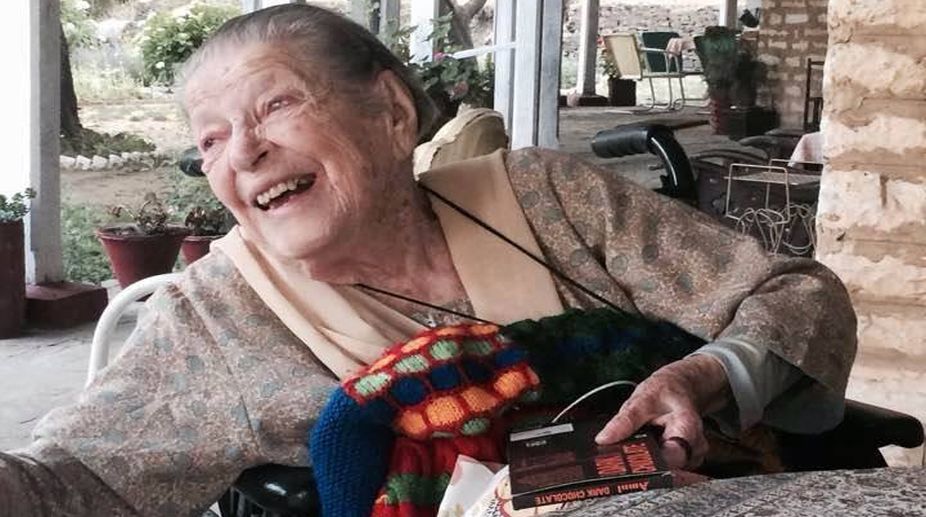
Shobha Nehru, wife of former diplomat BK Nehru, a cousin of Jawarhar Lal Nehru on Tuesday died at her residence at Kasauli in Solan district of Himachal Pradesh.

She was 108-year-old and is survived by three sons. Born on December 5, 1908, in Budapest and then known as Fori, she came in contact with BK Nehru, a fellow student in England, in 1930.

Fori married BK Nehru in 1935, and became Shobha Nehru, first foreign of Nehru family to be welcomed at Anand Bhavan in Allahabad. She would be cremated at Kasauli on Wednesday, according to information here.

Maoists have tacit support of human rights activists: Venkaiah Naidu

Statesman News Service | New Delhi |

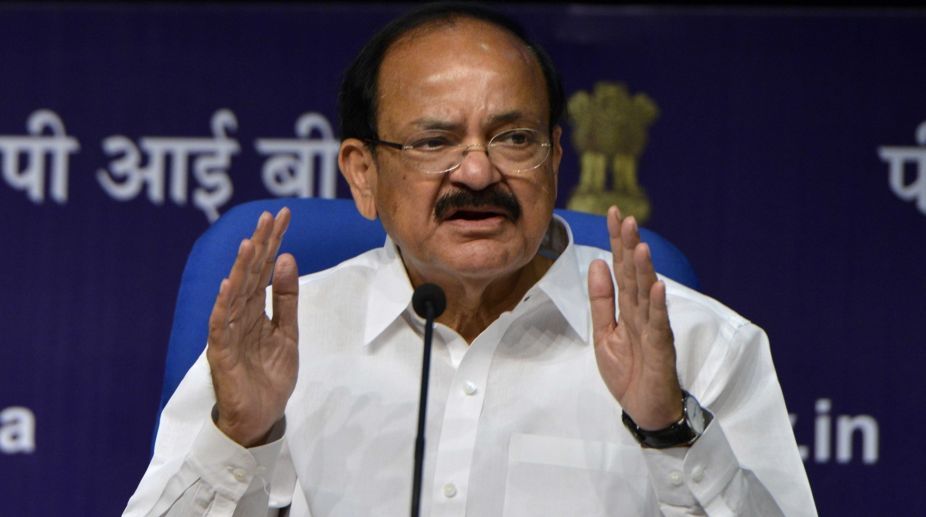
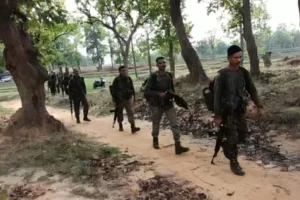
Deploring the killing by Maoists of a large number of CRPF jawans who were clearing roads for development work in Sukma district of Chhattisgarh, Information and Broadcasting Minister Venkaiah Naidu on Tuesday accused human rights activists of tacitly supporting the Maoists.

He said he was  “constrained to infer that such motivated acts of violence are being resorted to with tacit support from the so called human rights advocates in desperation to derail the positive narrative emerging from the ongoing efforts by the Central and State Governments to ensure that fruits of development reach the last of the poor thereby enabling rapid economic development". 

In a statement, Naidu said such cowardly acts of violence by the underground extremist elements are highly deplorable. 

He said CRPF jawans were serving the cause of the people of the country and they paid with their lives while doing so ~ the highest sacrifice for the country. The families of dedicated jawans who were killed and injured while in uniform would get the highest consideration from the Central and State Governments, he added. Both the Governments would work with renewed commitment to bring such mindless acts of violence to an end, he said. 

“While the nation was shocked by this killing and violence, the so called sympathisers and proponents of human rights have maintained baffling silence since yesterday. These activists raise voice and react violently if an extremist or a terrorist is killed by the police but take shelter in silence when large number of jawans and innocent people get killed by those who operate underground, kill and run,” Naidu said. 

He asked “Are human rights only meant for those who chose violence in furtherance of their outdated ideologies and not for security personnel and common people? Why are the Human Right activists silent when such inhuman acts are mindlessly committed by outlawed elements?"

Naidu said there was  an urgent need to build strong public opinion against such violent acts by outlawed elements and the so called rights activists who he accused of having double standards and not upholding similar rights of security personnel, their families and the innocent people who fall "victim to such anti-national activities". 


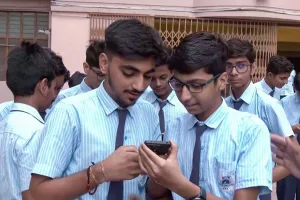
NEET 2017: Dark clothes and other things you should not wear to exam

SNS | New Delhi |

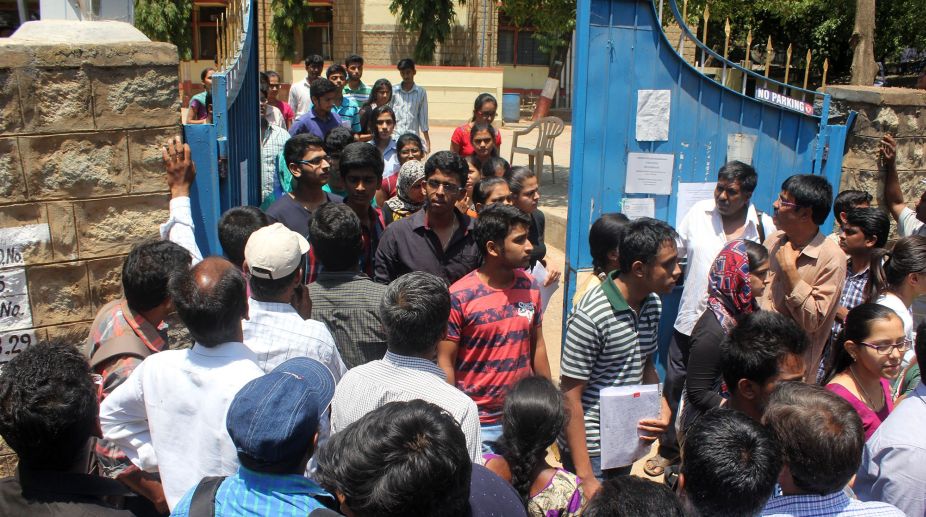
The National Eligibility and Entrance Test (NEET) 2017 is scheduled on 7 May. In view of it and in an effort to curb malpractices during the exam, the Central Board of Secondary Education (CBSE) has issued guidelines for exam candidates. Among them is the list of items that students are not allowed to carry to the exam.

Following incidences of malpractices in 2015, the CBSE imposed strict guidelines restricting students from wearing dark coloured clothes and accessories. Here is the list of items candidates are not allowed to carry to NEET exam centre and the dress code they have to follow:

Accessories: Ornaments of all kinds are banned at the NEET 2017 exam centre. Bracelets, brooches, badge, pendants, rings, earrings and even nose-pins are not allowed at the NEET exam centre.

Stationary items: Stationary items like pen, scale, writing pad, pen drives, eraser, calculators and pencil boxes among others are not allowed inside the exam centre.

Communication devices: Communication devices like mobile phones, earphones, health bands and microphone cannot be taken inside the exam centre.

Hair accessories: CBSE’s strict guidelines do not even allow students to wear hair accessories inside the exam centre. Among them are hair pins, hair bands and hair beads.

Other items: Other items like goggles, amulets, belts, wrist watches, scarfs cannot be taken inside the exam centre.

Dress code: Candidates should wear only light coloured outfits with half sleeves, though CBSE has not specified any colour they should be wearing. Besides, big buttons are also not allowed on the candidates’ outfits. What more? It is imperative for students to wear open slippers as shoes are not allowed.

NEET 2017 candidates are, however, required to take a passport size photograph along with their admit cards.

NEET is the single entrance test conducted for admission to MBBS and BDS seats or for MD and MS course in both private as well as public medical colleges in India. Following a Supreme Court’s directive in 2016, NEET replaced the All India Pre Medical Test (AIPMT) as well as all state-level medical entrance tests across the country.

Nepal PM calls Modi; seeks India’s help in holding local elections

Statesman News Service | New Delhi |

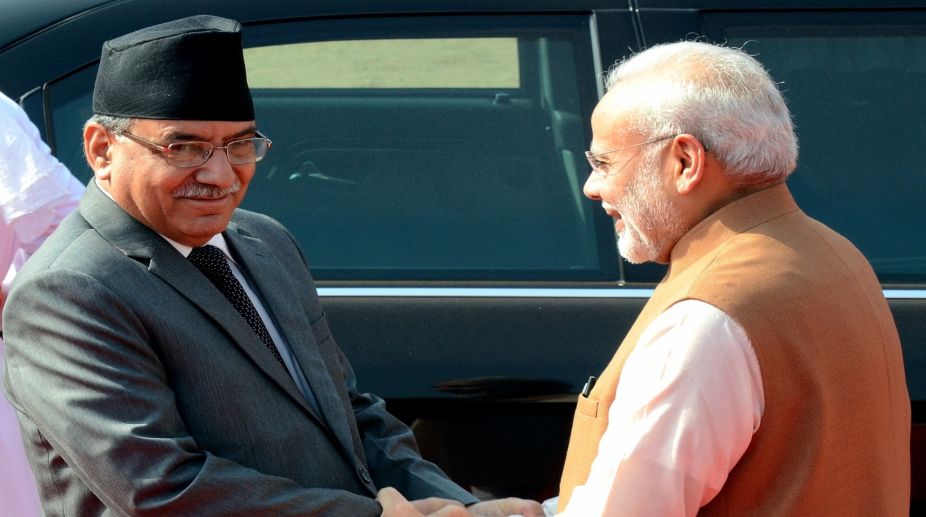
Nepalese Prime Minister Pushpa Kamal Dahal ‘Prachanda’ made a telephone call to Prime Minister Narendra Modi on Tuesday and discussed recent developments in India-Nepal relations, including the recently concluded visit of Nepal President Bidya Devi Bhandari to India. 

Prachanda spoke about the ongoing efforts of his government to take all stakeholders on board in the constitution implementation process. He also spoke on Nepal holding the first local elections in nearly 20 years and sought India’s assistance in this connection, a PMO release stated. 

Modi conveyed the good wishes of the people and Government of India to the people of Nepal in their national efforts to achieve peace, stability and socio-economic transformation, and assured the Nepalese leader that India would extend all possible assistance for local elections. 

The two PMs reiterated their commitment to advance multi-faceted India-Nepal cooperative ties for the benefit of the two peoples.

Himachal Pradesh loses two CRPF jawans in Sukhma attack

Statesman News Service | Shimla |

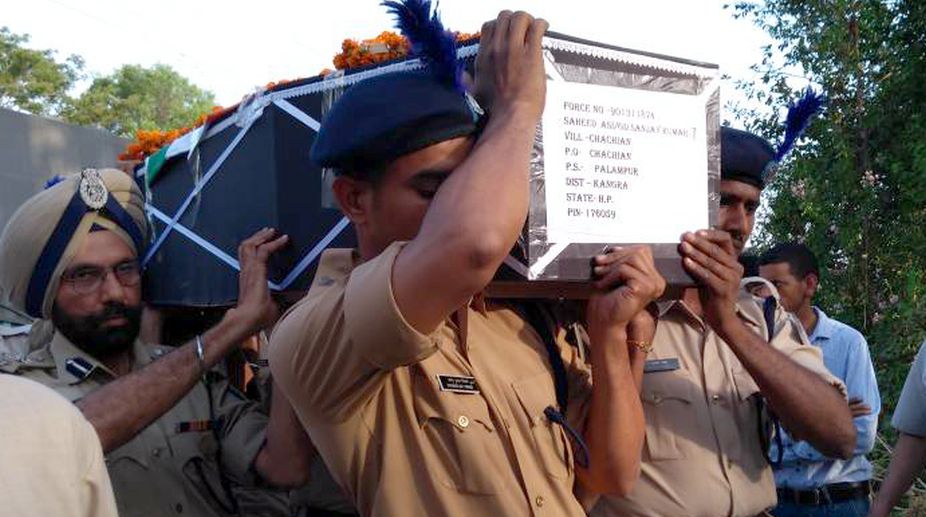
Himachal Pradesh went into shock and pain as the bereaved families of two jawans from the state, who were among the 25 Central Reserve Police Force (CRPF) personnel killed in Maoist attack in Sukhma district of Chhattisgarh, waited for their bodies on Tuesday evening.

Head constable Surender Kumar, 33 from Ner Chowk in Mandi and Assistant Sub Inspector, Sanjay Kumar, 46 from Palampur in Kangra district lost their lives in the attack.

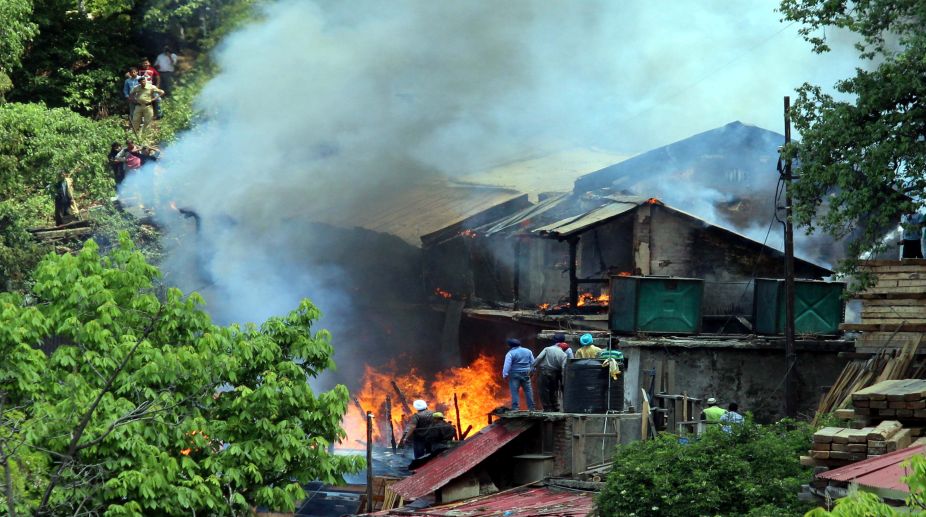
Fire in Shimla razes timber depot, labour hostel

Statesman News Service | Shimla |

Oblivious of what fate had in store, twenty-eight year-old Mohman Zakir, a carpenter after receiving his payment of Rs 1.5 lakh thought that his saving was secured under lock and key.

He started his work at the adjacent, Timber depot and workshop as usual at 10 am.

Being the first to see flames that had already engulfed the back portion of the timber depot, he rushed to his adjoining labour hostel only to find that the fire had also spread to the old building. His apprehensions of loosing his belongings and money, turned out to be true when the building was consumed in the flames within an hour. Nothing could be saved.

The fire broke out at around 10.30 a.m. from a Timber Depot and workshop on circular road near Lakkar Bazaar in Shimla.

The blaze was so intense owing to the dry timber and saw dust from the workshop that in a few minutes all was burnt down along with the adjoining two storeyed old labour hostel.

Over 200 people mostly Kashmiri Khans were living in he hostel for the last many years. They are reckoned as the lifeline of the hills for their ability to undertake the heavy labourious work .

"The fire has devoured all, our belongings and hard earned money, " lamented Mohman Zakir from UP who added that he was to deposit his money in the bank in the afternoon during his lunch hours. He had been saving to repay the loan of Rs 3 lakh that he had raised for his marriage.

He is not the solitary one who lost his savings , there are many of others like him who have lost cash in thousands to the flames.

Fire Station Officer, D C Sharma said ,"We were informed about the incident at 11.15 a.m after which 6 fire tenders were rushed to the spot to control the fire blaze."

While , the cause of the fire is yet to be ascertained, he said that the losses is estimated to be over 50 lakh.

Three-day seminar on ‘Regional Cultures and New Media Technologies’ at IIAS

Statesman News Service | Shimla |

A three-day national Seminar on 'Regional Cultures and New Media Technologies’ will be organised at the Indian Institute of Advanced Study, Shimla from April 26.

“This seminar is an attempt to address the cultural continuum that lies between the local/immediate, the national capital or cultural production hubs and the many linkages in the vast web that connects them. The term ‘regional’ used here is not the same as ‘peripheral’ if one were to follow the mainstream vs margins discourse. The term ‘Region’ as inherently ‘unsteady’, ‘diffuse’ and are constantly reformulated by linguistic, cultural and geo-political communities,” an official said.

He disclosed that the seminar to be attended by 22 participants from all across the nation will be convened by eminent fellows of the Institute, Dr Bindu Menon M and Dr Ratnakar Tripathy.

The seminar also focuses on the empowerment provided by the digital media in the remarkable growth in the regional or local forms of cultural expressions he said, adding that this marks not only a shift from the analog format to the digital, but also the rise of the global web through the internet. The seminar also focuses on the advantage of the technology like laptops, cell phones gigantic video projections to achieve this.

The most striking example of this is the growth of Bhojpuri cinema and music among several other languages and dialects in the Hindi heartland and other regions such as the distant Ladakh, Manipur, Mizoram or Malappuram in Kerala, he added.

PHPT: Common endocrine disorder hits Indians at young age

Surbhi Varma | Chandigarh |

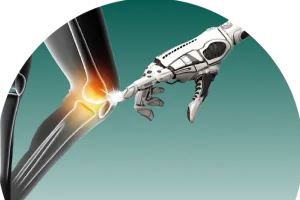
Primary Hyperparathyroidism (PHPT), the third most common endocrine disorder after diabetes mellitus and thyroid disorder, is apparently affecting people as young as 15 years.

As per the joint study conducted by the Postgraduate Institute of Medical Education and Research (PGIMER), Institute of Post-Graduate Medical Education and Research, Kolkata, All India Institute of Medical Sciences New Delhi, Fortis Hospital Jaipur, Vijaya Hospital and Madras Medical Mission Hospital Chennai,

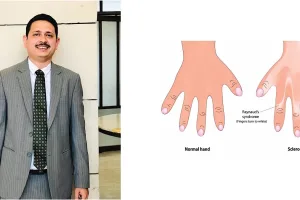
While talking to The Statesman, associate professor, Endocrine Department, Sanjay Kumar Bhadada said as compared to western countries, Indian patients with PHPT are more youngsters than older people.

The most common symptoms are weakness and fatigue (58.7 per cent), joint pain (56 per cent), renal stone disease (31 per cent), pancreatitis (12.3 per cent) and gallstone disease (11 per cent).

"More than 50 per cent of such patients have bone disease and 33 per cent have renal hindrance,” Bhadada said adding that surgery is the most common treatment for primary hyperparathyroidism due to which glands become overactive and secrete excess amounts of hormone resulting in health problems.

The endocrine organs controls the measures of calcium in blood and bones, which increases the higher blood calcium level than typical, which can bring about a variety of medical issues.

The experts believe that a woman who has experienced menopause, someone who has a deficiency of Calcium or Vitamin D, inherited disorder, such as multiple endocrine neoplasia (which usually affects multiple glands), radiation treatment for cancer (exposed neck) and has taken lithium, a medication regularly used to treat bipolar turmoil have an expanded danger of PHPT.

Symptoms of PHPT

·     Fragile bones that easily fracture (osteoporosis)

·     Bone and joint pain

·     Kidney stones

·     Excessive urination

·     Abdominal pain

·     Tiring easily or weakness

·     Depression or forgetfulness

·     Frequent complaints of illness with no apparent cause

·     Nausea, vomiting or loss of appetite

Free screening for six diseases in 100 districts: J P Nadda

Statesman News Service | Shimla |

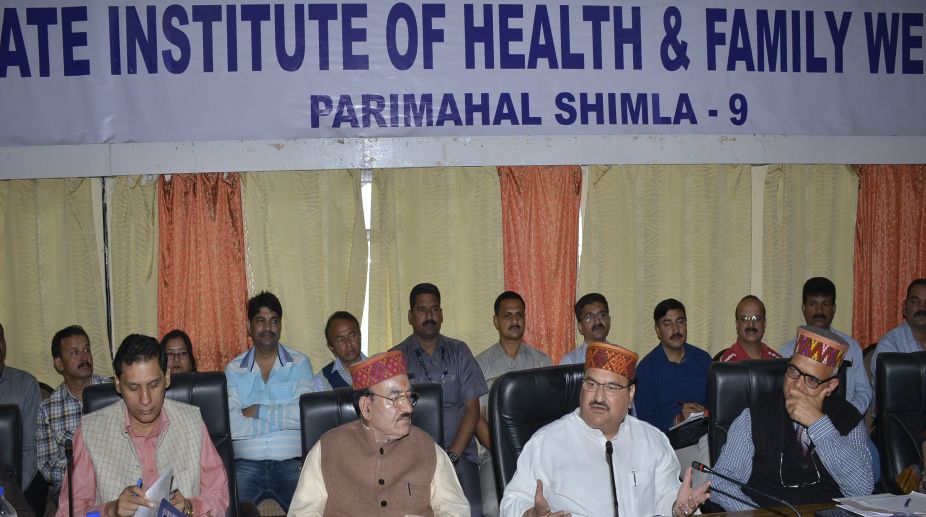
Union Health and Family Welfare Minister Jagat Prakash Nadda on Tuesday said that the Central government was going for universal free health screening for six diseases, including hypertension and cancer.

"This scheme will be initially launched in 100 districts of the country. The screening will help in detection and diagnosis of chronic diseases,” he said while addressing the review meeting of the state Health Department here.

Nadda, who is from Himachal Pradesh and is in the city for Prime Minister Narendra Modi’s visit to Shimla on 27 April, said the National Health Policy was formulated to ensure universal and comprehensive healthcare nationwide for which adequate funding would be made available to the states.

The minister said India has geared up to provide world class healthcare facilities to its citizens.

“The government has been providing best mother and child care facilities to women in the country. The government has been taking care of two crore of pregnant women every year by providing them free medical treatment in government hospitals,” he said.

He asked the doctors to prescribe generic medicines which were mandatory by law. He also stressed upon the need to enhance communication with the patients so that every patient goes back satisfied from the hospital. He said AIIMS would be set up soon in the state.

HP Health and Family Welfare Minister Kaul Singh Thakur said the state was implementing national health programmes and schemes as per the health policy mandate. He said the health indicators of HP were better than other big states in the country.

Thakur urged the health minister for providing liberal funding to the state for strengthening and improvement of infrastructure in health institutions and new institutions. Earlier, Principal Secretary Health, Prabodh Saxena said despite constraints, the health sector had transformed rapidly. He asked CMOs and Medical Officers for strict implementation of all health schemes viz-a-viz their timely reporting and accurate surveys.

Humans threaten crucial ‘fossil’ groundwater

PTI | Vienna |

Human activity risks contaminating pristine water locked underground for millennia and long thought impervious to pollution, said a study today that warned of a looming threat to the crucial resource.

Even at depths of more than 250 metres (820 feet) under the Earth's surface, so-called "fossil" groundwater — more than 12,000 years old — has been found to contain traces of present-day rainwater, they said.

This suggests that deep wells, believed to bring only unsullied, ancient water to the surface, are "vulnerable to contaminants derived from modern-day land uses," study co- author Scott Jasechko, of the University of Calgary, told AFP.

Groundwater is rain or melted ice which filters through Earth's rocky layers to gather in aquifers underground — a process that can take thousands, even millions, of years.

It is the largest store of unfrozen fresh water on the continents.

Groundwater is pumped to the surface by deep wells for drinking and irrigation, and supplies about a third of all human water needs — including safe drinking water for billions of people.

For the latest study, presented at a European Geosciences Union meeting in Vienna, Jasechko and a team set out to determine how much of Earth's groundwater was more than 12,000 years old.

They used the carbon signature of "fossil" H2O — the bulk of groundwater pumped from wells deeper than 250 metres — to distinguish it from younger groundwater.

New groundwater has more radioactive carbon because it was more recently exposed to Earth's atmosphere and shallow soil, tainted by nuclear tests since about the 1950s.

Fossil waters, in comparison, were isolated underground long before human activity could blight it.

The comparison showed that "a substantial share of global fresh waters are of fossil age, replenished more than 12,000 years ago," Jasechko said.

"By contrast, only a small share of global groundwater has been replenished over typical human timeframes of years or decades." 

They then assessed the potential for contamination.

Against expectations, they found that rain and snowmelt "often" mixed with fossil groundwater reservoirs.

Half of the fossil groundwater wells they studied contained detectable levels of tritium — a radioactive isotope of hydrogen found in much younger waters.

"This observation questions the common perception that fossil groundwaters are largely immune to modern contamination," concluded the study, published in Nature Geoscience.

This meant that fossil well waters, and possibly the aquifers from which they derive, "are more vulnerable to pollution from modern-era contaminants than previously thought." 

Such mixing could happen through holes or leaks in wells.

"Securing safe drinking water remains a key challenge for hundreds of millions of individuals around the globe," said Jasechko.(AFP)


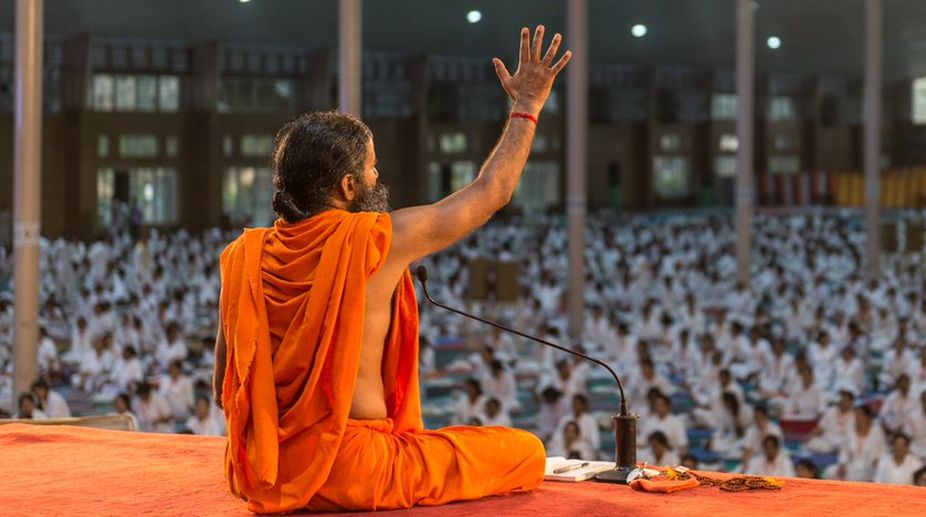
Baba Ramdev cries foul at CSD test on Amla juice

Raju Gusain | Dehradun |

Baba Ramdev has cried foul at the move by Canteen Stores Department (CSD), the retailing platform for India's defence forces, to suspend the sale of Patanjali Ayurved's Amla juice. CSD decided to put a ban on this product after receiving a negative report from state-laboratory test. Ramdev termed the test wrong by claiming that CSD conducted food test of an Ayurvedic medicine which was wrong. 

Yoga Guru Baba Ramdev claimed, “Amla Juice is Ayurvedic prop medicine under license from Ayush Department of the Uttarakhand government. It's wrong to lab test it as food.”

According to reports CSD conducted the test at Central Food Laboratory in Kolkata and the reports found the product unsuitable for consumption. Patanjali Yogpeeth issued a clarification on the controversy.

Terming it an Ayurvedic medicine preparation, to be taken under medical advice or recommendation given by doctor, Patanjali asserted that the Amla Swaras should not be considered a food product. 

The Patanjali Amla Swaras is considered beneficial in digestive disorder, diabetics and skin problems.  Baba Ramdev claimed that the Amla Swaras is prepared following guidelines of Indian Materia Medica, knowledge about plant and process of making juice and dried powder from herbs, etc. 

The CSD decision took Baba Ramdev by surprise. After remaining silent for one day, the Patanjali Yogpeeth issued a press release terming the controversy misleading. 

Baba Ramdev said, “The Patanjali Amla Swaras should be tested under the guidelines issued by the Ayush Department, not as a food product. We conduct test of Patanjali Amla Swaras in our laboratory and dispatch the product in the market only after it passes all the  tests for Ayurvedic products prescribed by government and private labs.” 

The Canteen Store Department in its letter dated 3 April, 2017, asked all depots to prepare stock detail of Amla Swaras, so that the product can be returned.

Imported goods to become dearer under GST

Statesman News Service | New Delhi |

In an effort to boost the manufacturing sector and promote 'Make in India', imported goods will become more expensive when the Goods and Services Tax (GST) is implemented.  At a workshop on GST with journalists, Revenue secretary Hasmukh Adhia said on Tuesday that goods that are imported to India will be subject to GST and inter-GST tax apart from Customs duty. 
Adhia said the government has kept Customs duty absolutely separate from GST and hence earlier importers were only paying Customs duty. After GST is implemented, importers will have to pay both. "This is being done keeping in mind the vision of Make in India and to boost manufacturing and exports," Adhia said. 

In his presentation, the Revenue Secretary also explained that tax burden or tax incidence on domestically produced goods and imported goods will remain the same. This will end cost disparity between domestically produced goods and imported items, hence giving a boost to government’s ‘Make in India’ initiative. 

Adhia said exporters will get entire refund of tax paid in the country, of which 90 per cent will be released within a week. This will reduce the cost for exporters, making Indian exports more competitive in the international market, he said.

"Indian exporters will become more competent in the international market now, as they will get this refund," he said. Currently, exporters get a refund of excise duty levied by the central government, and a refund of VAT by some states.

Haryana CM to interact with people on Twitter, Facebook

IANS | Chandigarh |

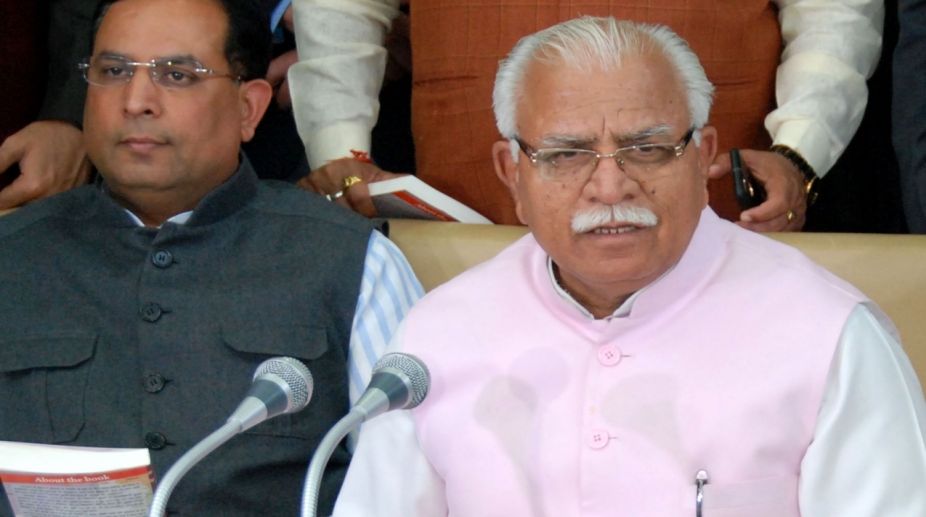
Haryana is poised to become the first state to invite social media users to interact with Chief Minister Manohar Lal Khattar for faster and real-time redressal of grievances, officials said on Tuesday.

The Additional Principal Secretary to the Chief Minister, Rakesh Gupta, who chaired a meeting on "Social Media Grievance Redressal Mechanism" at Panchkula on Tuesday, said Haryana would launch an integrated Social Media Grievances Tracker — Twitter and Facebook on May 15. 

"The online grievance redressal mechanism is being set up to identify, process and resolve all relevant short-term complaints sent by citizens to the Chief Minister Office (CMO) or the government through social media," Gupta said.

This, he said, would contribute towards improving various services being provided by different departments.

Suggestions received by CMO through e-mails could also be processed through the system to ensure proper follow-up by the departments concerned. 

The tracker would provide a platform to the citizens to easily interact with the government, he added.

"Several state governments were using social media, but Haryana is the first one to use a technical platform to monitor all grievances received by the Chief Minister on his Twitter handle, Facebook and e-mail. This would help monitor and ensure quick redressal of grievances," he said.

After 16 years, Aamir Khan attends award show

SNS | New Delhi |

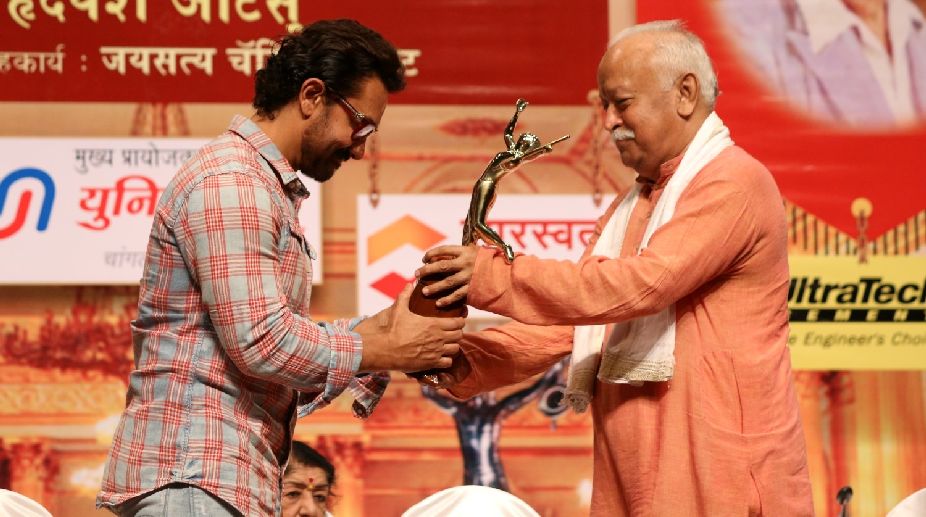
Superstar Aamir Khan, who was honoured with the 75th Master Dinanath Mangeshkar Award for his blockbuster "Dangal", attended an award show after almost 16 years.

RSS chief Mohan Bhagwat presented the Vishesh Puraskar to the 52-year-old actor whose wrestling saga was one of the biggest hits of 2016.

"Today wherever I am, the credit goes to all the writers who have written my films. I am here because of the directors and writers for the wonderful work they've done. I thank all of them," Aamir said after receiving the award.

Director Nitesh Tiwari, who was also present at the event, thanked the audience for making the film a huge hit.

The ‘Dangal’ actor stopped attending award shows many years ago when he felt that he deserved the award but the award was given to Shah Rukh Khan.

Aamir has openly expressed his displeasure over biases at award shows. And he has also stated many times that these awards don’t matter to him.

On the work front, Aamir is busy shooting for his films like ‘Thugs of Hindostan’ and ‘Secret Superstar’.

Bond backs Bumrah’s inclusion in Indian squad for Champions Trophy

The 23-year-old bowler Bumrah has taken 9 wickets in 8 IPL games this season.

PTI | Mumbai |

Indian Premier League's table toppers Mumbai Indians' death-over specialist, Jasprit Bumrah, should get the nod in India's ICC Champions Trophy squad, feels the franchise's bowling coach, Shane Bond.

“I will be surprised if he is not in it (the squad). He will be a good bowler in all formats. At the moment he is a good ODI and T20 bowler,” the former New Zealand fast bowler told PTI in an exclusive interview here on Tuesday.

Bumrah has been the go-to bowler to bowl at the 'death' for MI this season due to the indifferent form of Sri Lanka's sling-arm pacer, Lasith Malinga.

The 23-year-old bowler has taken 9 wickets in 8 IPL games this season, the second-best for the team after New Zealand's Mitchell McClenaghan (132).

The Ahmedabad-born cricketer had played for India in the team's last ODI against England at Kolkata in January. In 11 ODIs, since his debut against Australia at Sydney in January, 2016, Bumrah has captured 22 wickets.

Bond, who was among the fastest bowlers in his prime before injuries cut short his international career after just 18 Tests in which he scalped 87 wickets, was impressed with the current crop of Indian bowlers.

“India have been playing their cricket at home. (Ravichandra) Ashwin, (Ravindra) Jadeja are phenomenal in these conditions. But it has allowed the seam bowlers to come and make real impact and bowl quick. Umesh (Yadav) has developed as a bowler.

“Bhuvneshwar (Kumar) hasn't played much and the benefits of his rest can be seen as his pace has come up again. So, when India (play) away from home, they have got a seam bowling attack which is going to be a handful, given the right conditions,” said the 41-year-old from Christchurch.

Bond also heaped praise on Hardik Pandya and said the Baroda all-rounder, along with Bumrah, added balance to the MI squad.

“He (Bumrah) is a world class white-ball bowler and his reputation as a death bowler. He does bowl good yorkers. We try him with Hardik, get them to use range of variations, because people know Bum's (Bumrah's) yorkers are so good,” Bond said.

Praising Pandya for his all-round skills, Bond felt his work load needed to be monitored as well.

“He (Hardik) is our quickest bowler along with Bumrah at the moment. I am really pleased with the way he is coming along and developing. He has got a lot on his plate. He's a genuine all-rounder, so we have to be very careful about managing his bowling,” said Bond, who scalped 147 wickets in 82 ODIs.

He was also pleased with the performance of MI bowlers, in the T20 League so far.

“I am really happy with the performance of the bowling group, not just the quick bowlers. We are lucky that Bhajji (Harbhajan Singh) and Krunal (Pandya) are (also) bowling well. Karn Sharma got a game last night and did well.

“When we take the field, we are planned and have lot of good strategies in place. We have bowlers who are capable of going and delivering out there,” quipped Bond.

He also was satisfied that the MI bowlers had been able to restrict the opposition batsmen to scores of around 160 despite the rivals getting off to some good starts.