Logo

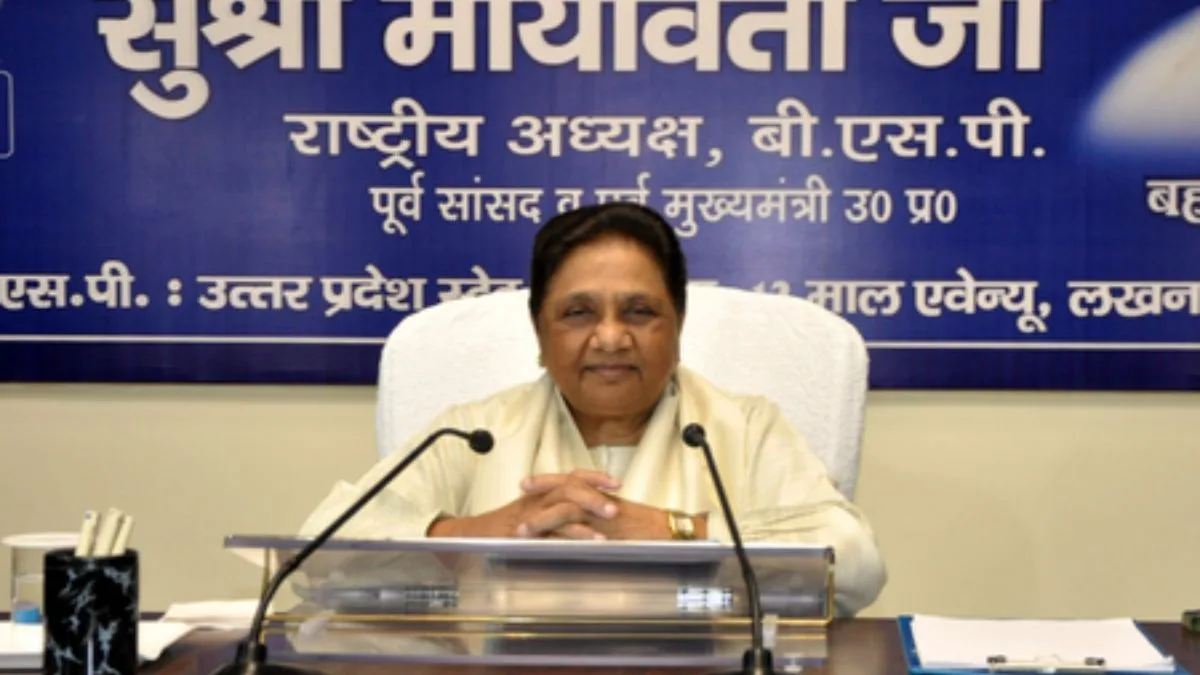
Mayawati reacts strongly to deaths caused by contaminated water in Indore, demands strict action

In a statement shared on social media on Friday, Mayawati described the incident as extremely tragic and shocking.

Statesman News Service | Lucknow |

Reports of several deaths and a large number of people falling ill after consuming contaminated water in Indore, Madhya Pradesh, have triggered widespread concern across the country. Reacting sharply to the incident, Bahujan Samaj Party (BSP) chief and former Uttar Pradesh Chief Minister Mayawati has demanded strict action from the authorities.

In a statement shared on social media on Friday, Mayawati described the incident as extremely tragic and shocking. She said that providing clean drinking water and clean air is the most basic responsibility of any government, but ”the Indore incident has exposed the negligence and apathy of the administrative machinery”.

She termed the episode not merely a local issue but a warning for the entire nation.

The BSP leader said that just as laxity in crime control and law and order leads to serious consequences, corruption and neglect in basic public services can also prove fatal. Ordinary citizens are being forced to pay for such failures with their lives, which she called deeply alarming.

Mayawati urged the state government to take immediate and stringent steps to prevent a recurrence of such incidents. She also appealed to the central government to take cognisance of the matter and ensure effective action so that similar tragic events do not occur in any other part of the country in the future. She emphasised that playing with the lives of the public cannot be tolerated under any circumstances.

Coal India Limited allows neighbouring countries to directly participate in auctions

The development comes after CIL had earlier conducted dialogues with the prospective coal consumers from abroad to categorise the enabling clauses and gauge their need for coal.

Statesman News Service | New Delhi |

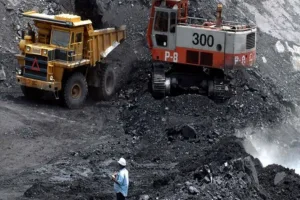
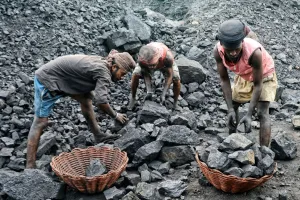
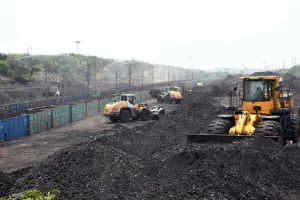
In a move to boost the export of coal to overseas, Coal India Limited (CIL) on Friday announced that coal consumers in the neighbouring countries, including Bangladesh, Bhutan, and Nepal, who wish to import coal from India, can directly participate in the Single Window Mode Agnostic (SWMA) auctions conducted by the company.

The development comes after CIL had earlier conducted dialogues with the prospective coal consumers from abroad to categorise the enabling clauses and gauge their need for coal.

In an exchange filing, the company said the revised framework will be effective from 1 January, as CIL’s board cleared the decks recently, tweaking the scheme’s mechanism in the SWMA auction.

Earlier, access to CIL’s coal by coal consumers across the borders was only through domestic coal traders who were allowed to buy and sell coal without any end-use restrictions.

Notably, the payment process would be transparent as per the Foreign Exchange Management Act (Fema) rules.

Buyers from Nepal can make the payments in INR as well as US Dollars while the buyers from the other two countries are required to make their payment in US Dollars, the valuation of which would be in INR.

Key provisions for foreign buyers include one-time registration, participation through digital bidding, advance electronic payments, and export through notified logistics channels.

After the announcement, shares of Coal India Ltd gained as much as 7 per cent.

PM to inaugurate exposition of sacred Piprahwa relics on Saturday

This historic event marks the reunification of the Piprahwa gem relics of Lord Buddha, repatriated after 127 years, with relics, gem relics, and reliquaries from 1898 and then 1971-1975 excavations at the Piprahwa site.

Statesman News Service | New Delhi |

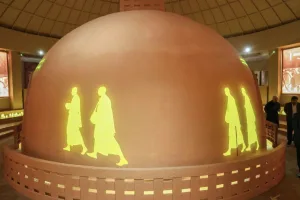
Prime Minister Narendra Modi will inaugurate on Saturday a landmark exposition showcasing the Piprahwa Relics, Reliquaries and Gem Relics, recently repatriated to India.

This historic event marks the reunification of the Piprahwa gem relics of Lord Buddha, repatriated after 127 years, with relics, gem relics, and reliquaries from 1898 and then 1971-1975 excavations at the Piprahwa site.

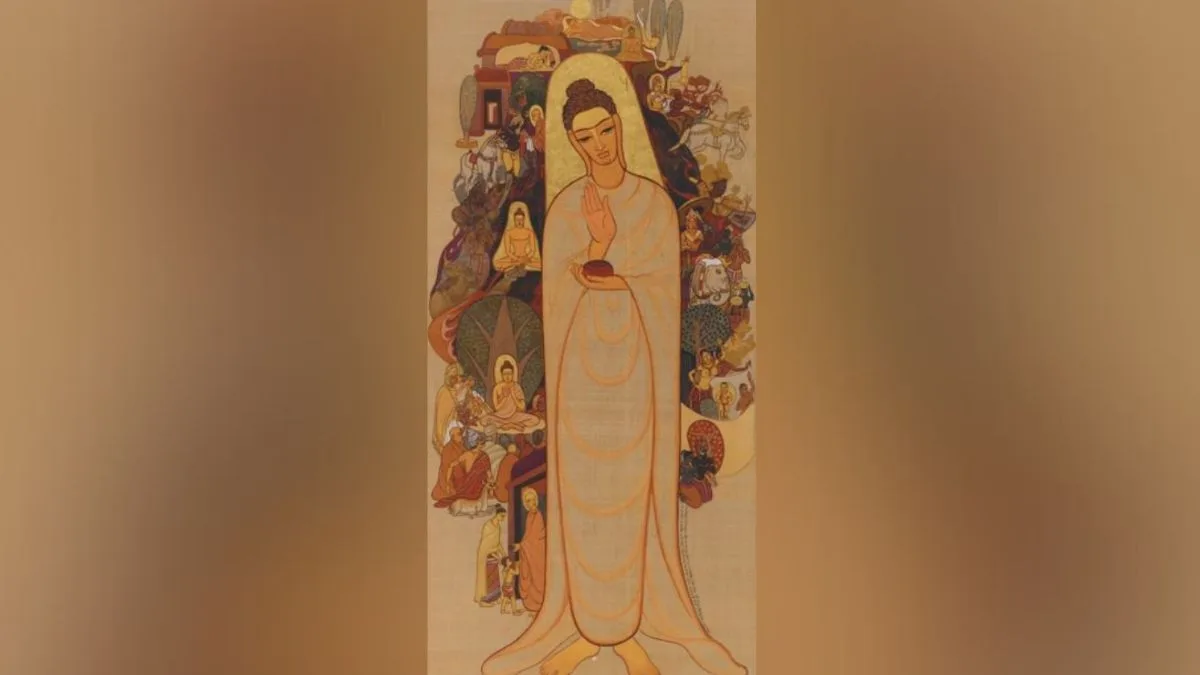
The exposition, titled “The Light and the Lotus: Relics of the Awakened One,” thematically showcases relevant antiquities and works of art from several cultural institutions under the Ministry of Culture. These relics represent the most extensive assemblage attributed to the Buddha, symbolising profound philosophical meaning, masterful craftsmanship, and global spiritual significance. The exhibition features over 80 objects spanning the 6th century BCE to the present, including sculptures, manuscripts, thangkas, and ritual objects.

This unprecedented gathering commemorates the Ministry of Culture’s successful repatriation of the relics in July 2025, achieved through a public-private partnership, halting an auction at Sotheby’s Hong Kong.

For the first time since the 1898 excavation, the exposition brings together:

· Relics from the 1898 Kapilavastu excavation

· Treasures from the 1972 excavations

· Reliquaries and jewelled treasures from the Indian Museum, Kolkata

· Recently repatriated relics from the Peppé family collection

· Monolithic Stone Coffer, within which the gem relics and reliquaries were originally found.

The sacred Buddha relics were discovered in 1898 by William Claxton Peppé at the ancient stupa of Kapilavastu. Following their discovery, portions were distributed globally, with one part gifted to the King of Siam, another taken to England, and a third preserved at the Indian Museum, Kolkata. In 2025, the Peppé family portion was repatriated through decisive intervention by the Ministry of Culture, supported by Buddhist communities worldwide.

The exposition underscores India’s role as the birthplace of Buddhism and reinforces its position as a global spiritual and cultural leader. Under the leadership of Prime Minister Narendra Modi, India’s global engagement increasingly draws upon its civilisational and spiritual inheritance. As many as 642 antiquities have been repatriated to India, with the return of the Piprahwa relics standing as a landmark achievement.

Indore contaminated water case: State govt submits status report to HC, next hearing on Jan 6

The Madhya Pradesh High Court on Friday heard petitions related to the water contamination incident in Indore’s Bhagirathpura area, during which the state government informed the court that it has filed a status report on the matter.

Statesman News Service | New Delhi |

The Madhya Pradesh High Court on Friday heard petitions related to the water contamination incident in Indore’s Bhagirathpura area, during which the state government informed the court that it has filed a status report on the matter.

Indore High Court Bar Association President Ritesh Inani said that during the hearing, both the state government and the Indore Municipal Corporation presented their responses before the court. He added that the status report, submitted earlier today, contains details on the number of deaths, patients in critical condition admitted to ICUs, and those currently hospitalised due to the contaminated water.

“The court has fixed 06 January for hearing the status report,” Inani said, adding that all three petitions related to the incident will be taken up together that day.

He emphasised that the primary demand of the petitioners is to ensure the supply of clean and safe drinking water to every citizen of Indore. The petitioners have also called for strict action against those responsible for the contamination, stating that accountability, including punishment of officials, is necessary to prevent such a serious incident from recurring in the city.

Death toll rises to 5

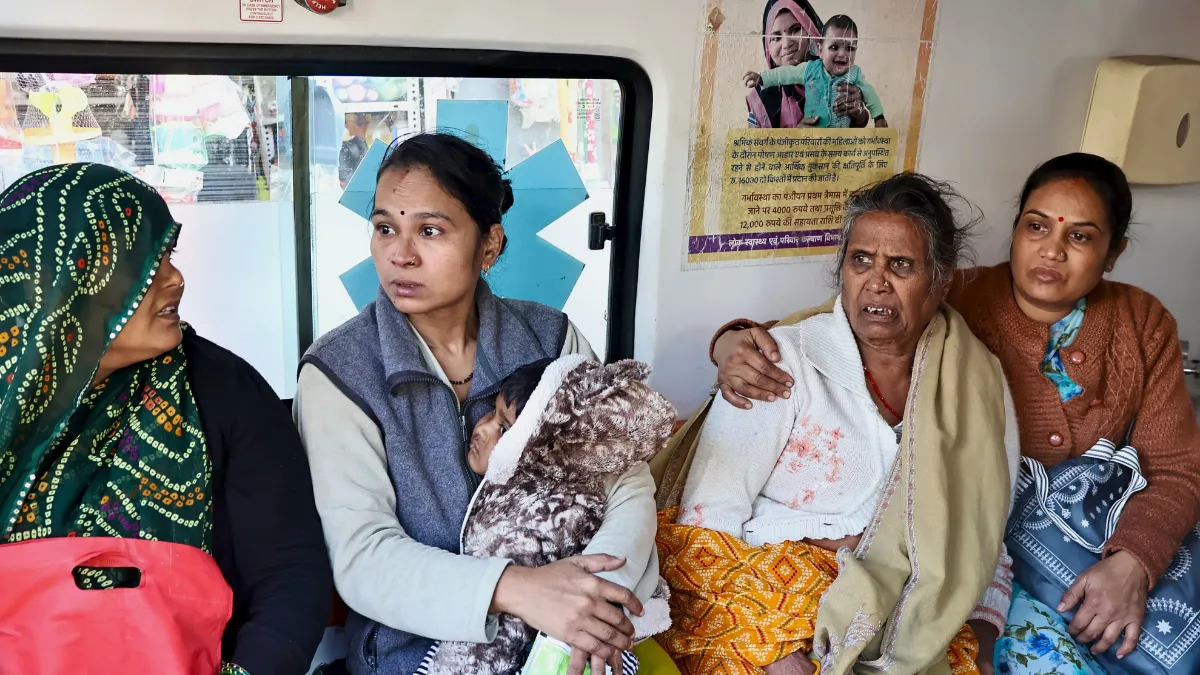
The death toll in the incident has risen to five, with the number of hospitalised patients reaching 210.

Indore Collector Shivam Verma confirmed today that 210 people had been admitted so far. He added that district administration teams are conducting door-to-door surveys in affected localities to identify people showing symptoms linked to contaminated drinking water.

Verma said, “… So far 5 deaths have occurred… Till yesterday, 201 people were admitted, today 9 more people have been admitted, and the number has risen to 210. The team is conducting a door-to-door survey. An investigation is being carried out around the areas where cases have been reported. Our objective is to provide immediate medical care to those showing symptoms of this… Everyone should drink boiled water, and if you notice any symptoms, contact our team…”

The deaths have raised serious concerns over public health and civic accountability, prompting judicial scrutiny of the state government and municipal authorities’ response to the crisis.

Show cause notices to senior civic officials

The state government has taken strict administrative action following the contaminated drinking water incident in Indore.

In a post on social media, the Chief Minister said a high-level review meeting was held today morning with the Chief Secretary and other senior officials to assess the steps being taken to address the situation.

According to the Chief Minister, directions have been given to issue show cause notices to the Indore Municipal Commissioner and the Additional Commissioner over the incident. He added that the Additional Commissioner has been directed to be immediately removed from Indore, while the in-charge Executive Engineer has been relieved of responsibilities related to the water distribution department.

The Chief Minister also directed that all essential vacant posts in the Indore Municipal Corporation be filled immediately to ensure effective functioning and prevent a recurrence of such incidents.

‘OBCs dominate BJP, Brahmins not given adequate representation according to their population in UP’

This claim, however, comes from some office-bearers and MPs within the organisation. According to them, Brahmins have been systematically marginalised in the government and the organisation.

Manoj Bhadra | Lucknow |

Amidst the political tussle following the meeting of the BJP’s Brahmin MLAs in Uttar Pradesh, representatives from the organisation and the government indicate that the position of Brahmins within the party and the government is still not as strong as it should be.

This claim, however, comes from some office-bearers and MPs within the organisation. According to them, Brahmins have been systematically marginalised in the government and the organisation.

A sitting MP from Uttar Pradesh, speaking to this reporter, said, “The BJP’s organisational structure clearly shows the dominance of the OBC community. Twelve OBC leaders hold key positions in the state unit, including State President Pankaj Chaudhary and Organisation General Secretary Dharampal Singh. The fact that both the State President and the Organisation General Secretary are OBCs gives them dominance not only in numerical strength but also institutional strength.”

A state office-bearer of the organisation, speaking on condition of anonymity, said, “The Yogi government’s council of ministers has 20 ministers from the OBC community, which is approximately 37 per cent of the total. This is considered significant representation given the OBC population in the state. However, the total Brahmin population in Uttar Pradesh is around 12 to 14 per cent, but they have not been given adequate representation in either the organisation or the government.”

The state office-bearer said that Brahmins have been an important part of the BJP’s political structure and symbolic politics since the early 1990s, especially after the Ram Mandir movement.

The way Brahmins are being politically targeted could harm the party in the next assembly elections.” The issue recently resurfaced when nearly four dozen Brahmin MLAs attended a meeting called by BJP Brahmin MLA P N Pathak. The newly appointed state president, Pankaj Chaudhary, publicly criticised this meeting.

According to party sources, this meeting reflects the growing concerns among Brahmin leaders regarding their share of power, especially at a time when some leaders from the Thakur and OBC communities have also been holding caste-based meetings.

According to data, seven of the 45 key organisational office-bearers in the Uttar Pradesh BJP are from the Thakur community, representing approximately 15 per cent of the total. The number of Thakurs and Brahmins in the Yogi Adityanath cabinet is also roughly equal. Seven of the 54 ministers are from the Thakur community. Numerically, Thakurs are not more in numbers than Brahmins in either the organisation or the cabinet.

However, political experts believe that this near-equal representation between Brahmins and Thakurs is part of the BJP’s deliberate strategy to prevent any resentment from developing between the two upper castes. This maintains a balance of power within the party, ensuring that no community feels neglected.

Among other upper castes, the Vaishya community has seven organisational office-bearers, while the Bhumihar community has two representatives. The cabinet includes five ministers from the Vaishya community and two from the Bhumihar community.

Eight leaders from the Dalit community hold key positions in the BJP organisation, representing approximately 18 per cent. However, this is slightly less than the state’s approximately 20 per cent Scheduled Caste population. The cabinet includes seven ministers from the Dalit community, representing about 13 per cent of the total ministers.

Experts say that these figures clearly show that the BJP has made its organisational leadership OBC-centric while simultaneously attempting to maintain social and political cohesion by balancing the representation of upper castes. On the other hand, Brahmins constitute approximately 12 to 14 per cent of the electorate in Uttar Pradesh, but they have not received proportionate representation.

Punjab reviews SC Sub-Plan implementation, stresses timely utilisation of funds for welfare schemes

Senior officers from around 25 departments implementing various schemes under the SC Sub-Plan participated in the meeting, during which detailed deliberations were held.

Statesman News Service | Chandigarh |

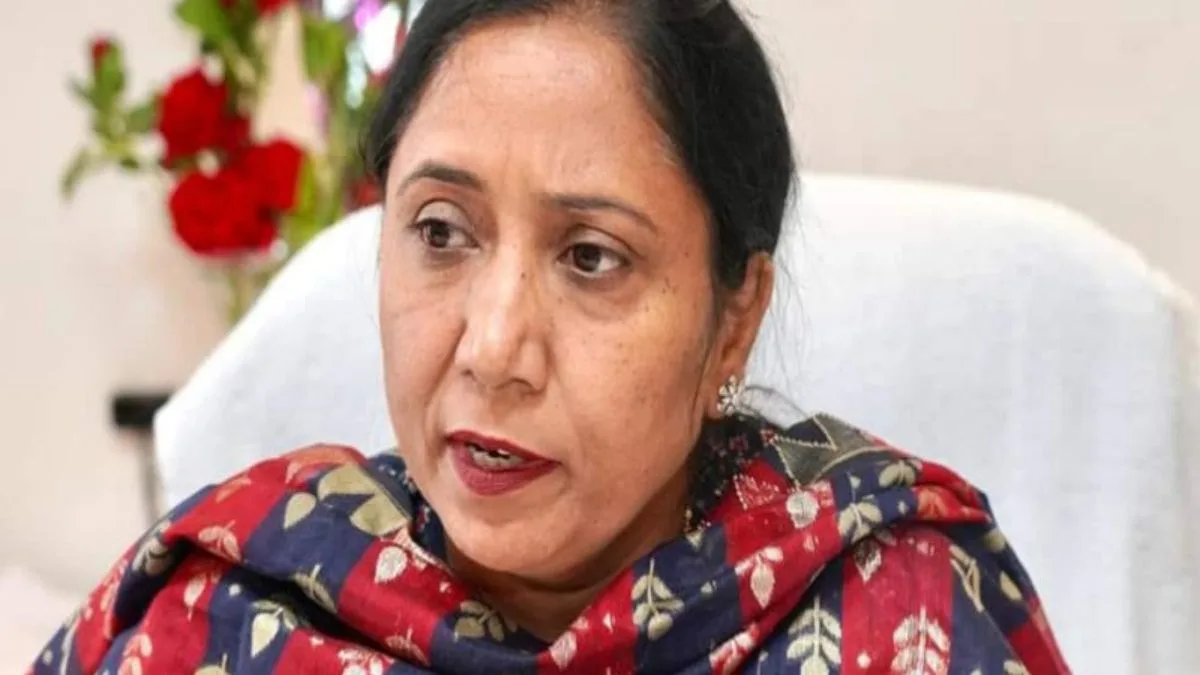
Punjab’s Minister for Social Justice, Empowerment and Minorities Dr. Baljit Kaur chaired an important meeting to review the progress of the Scheduled Castes Sub-Plan (SCSP) being implemented in the state for the socio-economic welfare of the Scheduled Caste community.

Senior officers from around 25 departments implementing various schemes under the SC Sub-Plan participated in the meeting, during which detailed deliberations were held.

During the meeting, Dr. Baljit Kaur reviewed the initiatives undertaken by different departments under the SC Sub-Plan during the financial year 2025–26. She directed officials to expedite the utilisation of funds allocated for schemes where expenditure has not yet commenced and to ensure the immediate release of funds so that the benefits of government welfare schemes reach the grassroots without delay.

The Minister categorically stated that the funds earmarked under the SC Sub-Plan must be utilised exclusively for the welfare of the Scheduled Caste community, and any negligence or misuse would not be tolerated. She further directed all departments to submit detailed lists of beneficiaries and villages covered under their respective schemes to the Department of Social Justice, Empowerment and Minorities to ensure transparency and effective utilisation of funds.

Dr. Baljit Kaur also emphasised the need to design new, innovative and people-centric schemes in line with the present-day needs of the Scheduled Caste community. She said that under the leadership of Chief Minister S. Bhagwant Singh Mann, the Punjab Government is continuously taking effective measures for the holistic development, empowerment and improvement of the living standards of the Scheduled Castes.

The Minister added that such review meetings would be held regularly to closely monitor the progress of the SC Sub-Plan, ensuring that the implementation of schemes related to the Scheduled Castes becomes more timely, streamlined and result-oriented.

The meeting was attended by Additional Chief Secretary, Social Security, Women and Child Development Department, Vikas Partap, IAS; Principal Secretary of the nodal department, Social Justice, Empowerment and Minorities, VK Meena, IAS; Director-cum-Additional Secretary Vimmi Bhullar, IAS; Research Officer Dr. Livpreet Kaur; and Kamaljit Singh, among others.


Vedaaranya Festival marks 10 years in Ramgarh with focus on ‘women in heritage’

Presented by the Shruti Foundation in collaboration with UNESCO and INTACH, the festival will be staged across Ramgarh’s grand frescoed havelis, historic chhatris, candle-lit stepwells and the iconic Ramgarh Fort.

Statesman News Service | New Delhi |

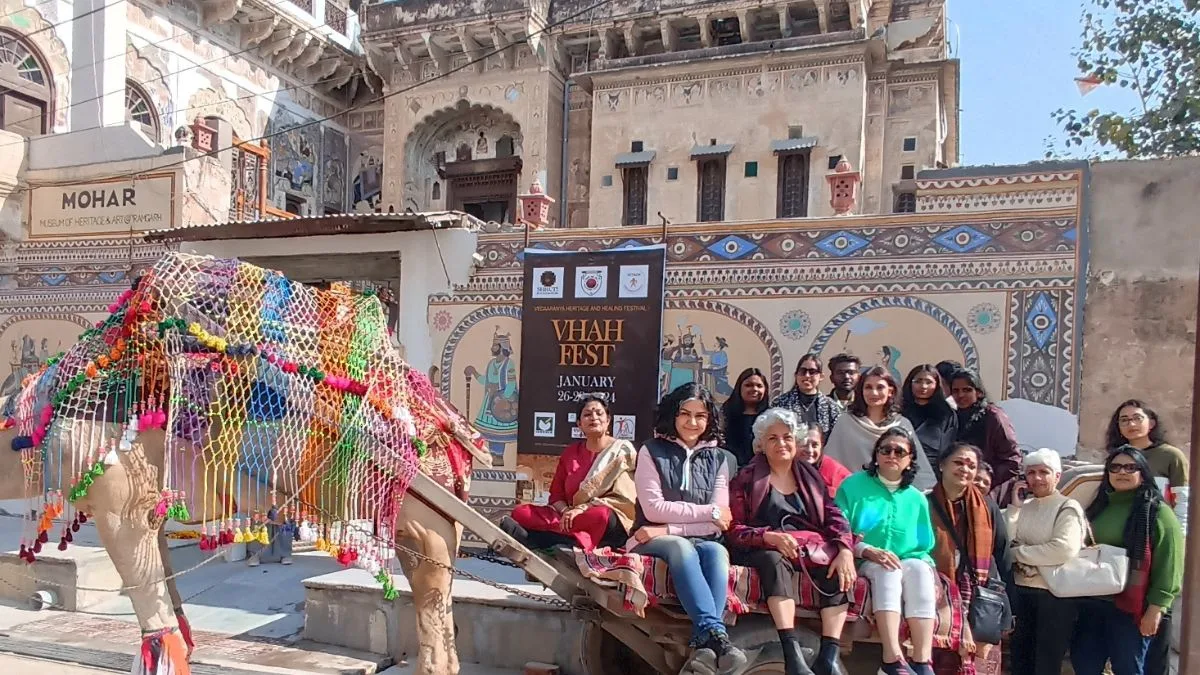
Ramgarh Shekhawati, Rajasthan, often described as the world’s largest open-air art gallery, will once again become a vibrant centre of culture, creativity and healing as the Vedaaranya Heritage and Healing Festival (VHAH Fest) returns for its 10th anniversary from January 22 to 26, 2026.

Presented by the Shruti Foundation in collaboration with UNESCO and INTACH, the festival will be staged across Ramgarh’s grand frescoed havelis, historic chhatris, candle-lit stepwells and the iconic Ramgarh Fort.

Supported by UNESCO, the Ministry of Tourism and Culture, Incredible India and the Rajasthan Foundation, the 2026 edition will revolve around the theme “Women in Heritage”, celebrating the often-unseen role of women in shaping India’s cultural, artistic and civilisational legacy.

Once known as Doosra Kashi and recorded as the town with the highest per capita income in the world in 1900, Ramgarh Shekhawati is being reimagined as a Habitat of the Future through this festival.

The festival is the vision of Dr Shruti Nada Poddar, founder of Shruti Foundation, whose sustained efforts over the past decade have brought global attention back to the Shekhawati region. Through VHAH Fest, she has worked to revive local economies, preserve intangible traditions and reconnect communities with their heritage.

Speaking ahead of the event, Poddar said Ramgarh is not merely a venue but a living heritage civilisation, adding that the tenth edition honours the feminine force that has shaped heritage through generations in ways both visible and invisible.

A major intellectual highlight of the festival will be a high-profile UNESCO panel on “Women in Heritage”, led by Tim Curtis, Head of UNESCO South Asia, and moderated by author and arts curator Dr Alka Pande. The panel will bring together an eminent line-up including H.H. Ranisa Kadambari Jadeja, Maharani of Rajkot, Padma Bhushan Pandit Sajan Misra, celebrated musician and actor Ila Arun, Padma Shri Geeta Chandran, theatre personality Dr Rama Pandey, local young representative Priyanka Solanki from Ramgarh, and Dr Shruti Nada Poddar.

The cultural programme promises a rich blend of classical, folk and contemporary expressions. Among the highlights are a grand musical evening by Ila Arun at the historic Sethani Ka Johad in Churu, and “The Descent of Shakti”, a powerful performance at Ramgarh Fort conceptualised by internationally renowned artist-curator Gauri Sharma Tripathi.

The Grand Archway Gallery at Mohar Haveli will host a special exhibition, “Raja Ravi Varma’s Women in Art and Their Influence on the Indian Mind”, presented by His Highness Raja Rama Varma, a descendant of the legendary painter.

Audiences will also witness a Dastaan Goi on the life of Meena Kumari by celebrated storyteller Fouzia Daastango, the meditative “Chant & Cello” performance by world-renowned cellist Saskia Rao de Haas with Dr Shruti Nada Poddar, flute recitals by Irish artist Siobhan Molloy, and a unique east-west collaboration featuring Irish musician Jack Warnock with Rajasthani Manganiyar artists.

Rajasthan’s folk traditions will come alive through performances by Langa musicians and the Kalbeliya community.

The festival places strong emphasis on healing traditions rooted in Shekhawati. Ayurvedic experts Vaidya Manju Misra and Vaidya Chandanmal Swami will share traditional knowledge of cures for everyday and chronic ailments, while health transformation coach Vidhi Beri will explore the intersection of tradition and neuroscience through her sessions on mind, mood and food.

Heritage walks, interactive sessions and intimate candlelit gatherings will further deepen the immersive experience.

UP CM directs departments to accelerate budget expenditure

Chief Minister Yogi Adityanath reviewed the presentations and directed senior officials of all key departments to ensure the timely utilisation of the allocated budget so that projects and schemes are completed on time, and the people of the state can benefit from them.

Statesman News Service | Lucknow |

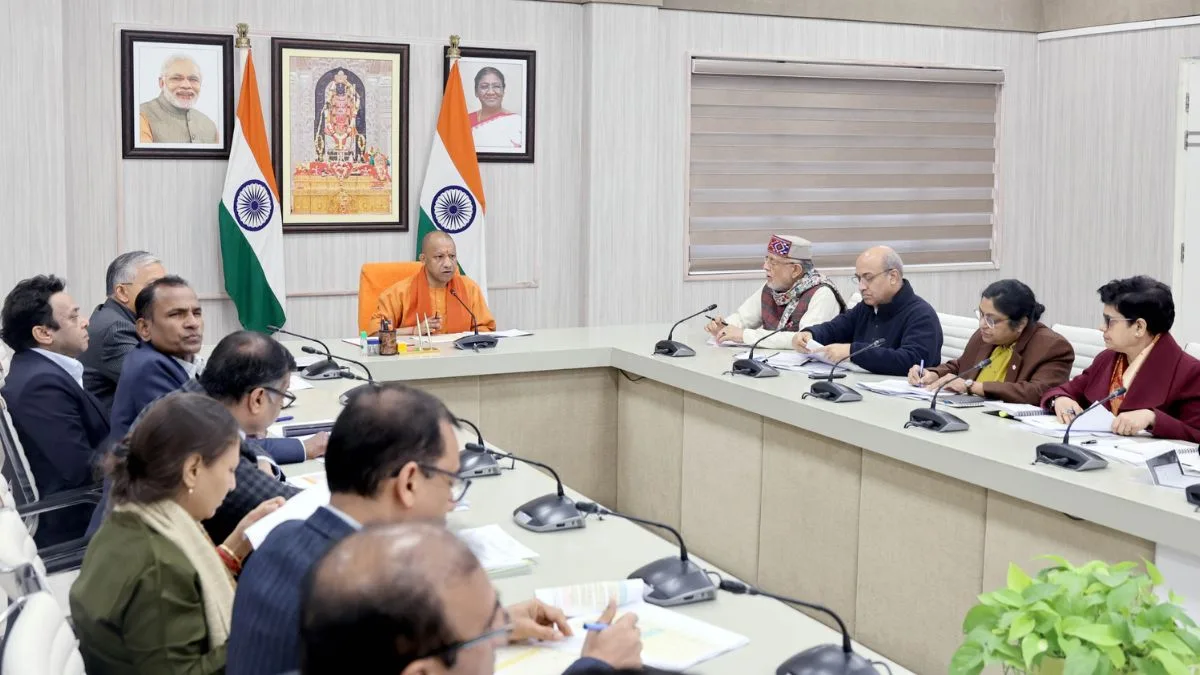
Uttar Pradesh Chief Minister Yogi Adityanath on Friday reviewed the Finance Department with regard to the expenditure of the budget released by the government to various departments during the financial year 2025–26.

During the meeting, presentations were made by 20 major departments with higher budget provisions, highlighting the updated progress of government approvals, allocations by department heads, and actual expenditure against the budget provisions in the current financial year.

Chief Minister Yogi Adityanath reviewed the presentations and directed senior officials of all key departments to ensure the timely utilisation of the allocated budget so that projects and schemes are completed on time, and the people of the state can benefit from them. He said that officers must develop the capacity to make timely decisions to ensure budget expenditure within stipulated timelines. Departments where budget utilisation is slow must accelerate the process. He further directed that for timely budget expenditure, responsibility and accountability must be fixed at every level, and no negligence will be tolerated.

Emphasising implementation on the ground, he said that delays in decision-making hamper timely expenditure and therefore officers must act swiftly.

The Chief Minister noted that budget utilisation in some departments is slow and directed departmental ministers and officers to hold monthly coordination meetings to accelerate progress. He instructed the Finance Department to immediately release pending portions of allocated budgets that have not yet been issued for any reason.

He also directed department officials who receive funds from the Central Government under various schemes, to actively pursue budget release. For this, departmental ministers, additional chief secretaries, and principal secretaries should visit Delhi, write letters and follow up through phone calls with the Central Government. The Chief Secretary was also asked to take the initiative in this regard. The Chief Minister directed his office to identify departments with slow budget utilisation and issue letters to the ministers concerned from the Chief Minister’s Office.

During the meeting, the Chief Minister directed the Finance Department to begin reviewing budget demands with all departments in advance for the upcoming financial year 2026–27. He said that before allocating the next budget, an assessment of expenditure over the past five years should be reviewed. He instructed the Finance Department to start preparations immediately for a new action plan and to strengthen coordination with the Central Government to ensure the timely release of central budget allocations.

Nepali woman killed by elephants in Katarniaghat forest area

The 47-year-old Balika Sen, a resident of Karmohni Rajapur village, Ward No. 10 in Nepal, had gone to work in the fields on Wednesday.

Statesman News Service | Bahraich |

A tragic incident has come to light in the Katarniaghat forest area bordering Nepal in the Bahraich district of Uttar Pradesh, when a Nepali woman was killed in a brutal elephant attack.

The 47-year-old Balika Sen, a resident of Karmohni Rajapur village, Ward No. 10 in Nepal, had gone to work in the fields on Wednesday. She was attacked and killed by a herd of elephants while returning home.

According to eyewitnesses, some women were working in the fields with other women. In the evening, as they were returning when a herd of elephants suddenly emerged from the forest. As they crossed the bushes they were surrounded by the elephants. While the other women managed to escape to safety, the tuskers grabbed Balika Sen in their trunks and repeatedly slammed her to the ground.

After killing the woman, the herd moved on. There are fears that a wild animal may have carried away the woman’s body in the darkness of the night. Based on information from the women who were working with her, villagers searched extensively in the night but could not find any trace of her. The Forest Department and the police were also informed.

The next morning, the severely mutilated body of the woman was recovered from the Katarniaghat forest area on the Nepali side of the border. The woman’s face was missing, one arm was gone, and she was naked. The condition of the body caused panic among the villagers, who suspected a tiger attack, although the Forest Department has denied this.

According to forest officials here, no tiger footprints were found at the scene. It is suspected that after the tusker attack, another wild animal may have scavenged the body.

It is noteworthy here that elephant attacks have been frequently reported in the Katarniaghat area recently. A few days ago, Shambhu Kumar, a resident of Ambedkar Nagar village, was attacked by an elephant and is currently under treatment at the district hospital. Earlier, Ram Bahadur, a resident of Chaukhara village, was trampled to death by an elephant. Suraj Kumar, the Divisional Forest Officer (DFO) of Katarniaghat, said there is constant movement of wildlife in the Katarniaghat forest. The movement of elephants is being closely monitored, and villagers have been advised not to venture into the forest.

Sujouli Police Station in-charge Prakash Chandra Sharma said since the incident occurred in Nepalese territory, the body has been taken into custody by the Nepalese Police.

According to the Forest Department, the Majhgai and Palia ranges of the buffer zone are the most affected by elephant herds. The elephants have damaged more than 40 acres of sugarcane crops so far. More than 45 farmers have been affected, but they have not yet received any compensation.

For the past two weeks, Nepalese elephants have been causing havoc in the border areas of Bahraich and Lakhimpur Kheri, creating an atmosphere of fear among the villagers.

Bone-chilling cold wave grips Uttar Pradesh; schools, colleges closed till January 5

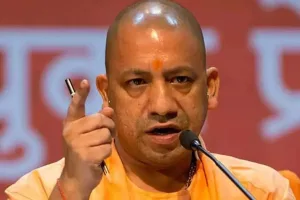
Chief Minister Yogi Adityanath has extended the closure of all schools and colleges up to Class 12 till January 5. The order applies to institutions affiliated with ICSE, CBSE, and the Uttar Pradesh Board.

Statesman News Service | Lucknow |

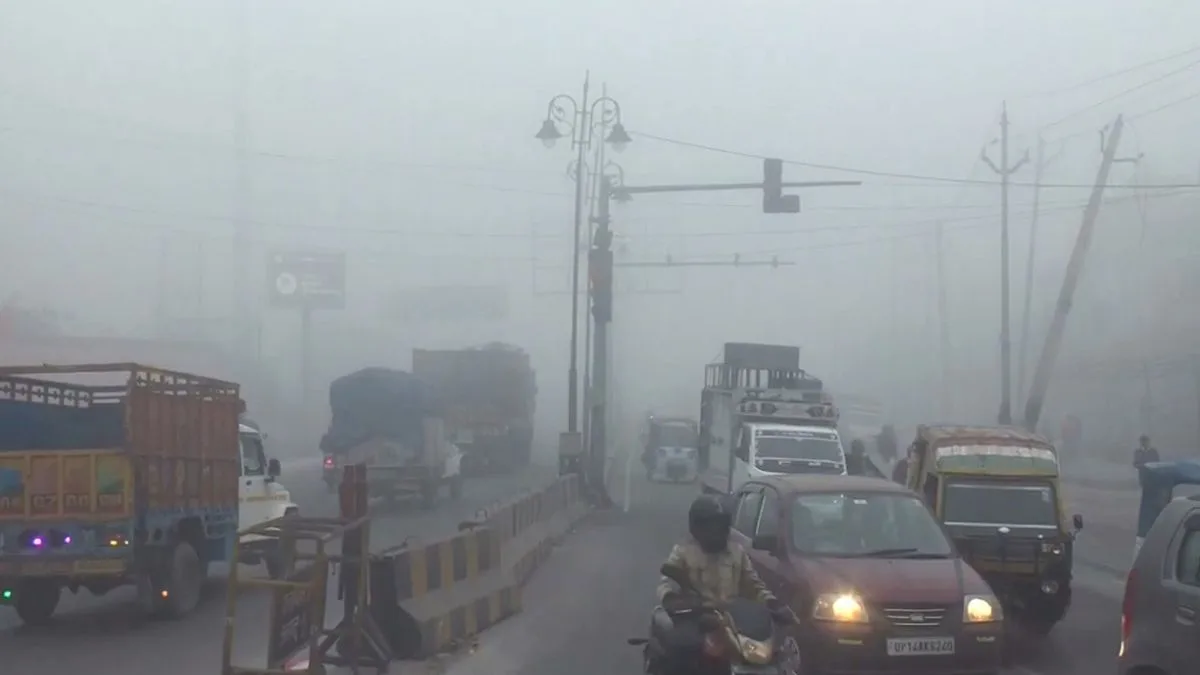
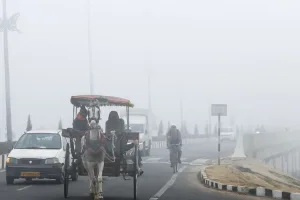
Uttar Pradesh is reeling under a severe cold wave, with dense fog engulfing large parts of the state and severely disrupting daily life.

More than 100 trains are running behind schedule in several cities, including Gorakhpur, Lucknow, and Kanpur. Over 10 flights have been cancelled, while many others are delayed. An Air India flight had to circle the Lucknow airport 17 times on Friday due to poor visibility before being diverted to Delhi.

Chief Minister Yogi Adityanath has extended the closure of all schools and colleges up to Class 12 till January 5. The order applies to institutions affiliated with ICSE, CBSE, and the Uttar Pradesh Board.

The Chief Minister directed officials to remain in their respective areas and ensure adequate arrangements for blankets and bonfires. He also instructed that no one should be found sleeping in the open and that night shelters must be fully equipped. Surprise inspections of night shelters have also been ordered.

Earlier, schools were closed from December 29 to January 1 for classes up to 12, while primary schools have been closed from January 1 to 14.

Light rain was reported in several districts, including Mathura, Hathras, Badaun, and Farrukhabad. Dense fog covered around 30 districts, including Kanpur, Gorakhpur, and Jhansi, on Friday morning, with visibility dropping to as low as zero to 10 metres in many areas.

The state capital, Lucknow, witnessed no sunshine until late afternoon, while cold winds intensified the chill, leaving people shivering.

According to the weather office, Barabanki and Hardoi were the coldest districts, recording minimum temperatures of 6°C. Gorakhpur recorded 6.4°C, Azamgarh 6.9°C, Kanpur 7.2°C, and Lucknow 8.6°C.

The Meteorological Department has issued a severe cold wave warning for the next four days, cautioning that dense fog may significantly reduce visibility during morning and night hours. People have been advised to remain vigilant and avoid travel unless absolutely necessary.

Meteorologist Atul Kumar Singh said there is no immediate relief from the cold in the state over the next three to four days. “Due to dense fog in the morning and evening, visibility will remain very low, and night temperatures will stay below normal,” he said.

According to the department’s forecast, cold and foggy conditions are likely to persist until January 7. Minimum temperatures are expected to remain below normal, while maximum temperatures may hover around normal or slightly above. Some areas may also experience light rain or drizzle due to the influence of a western disturbance.

Karnataka Home Minister Parameshwara orders inquiry into Ballari clash, says will share information once report comes

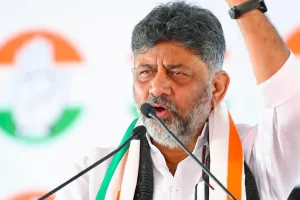
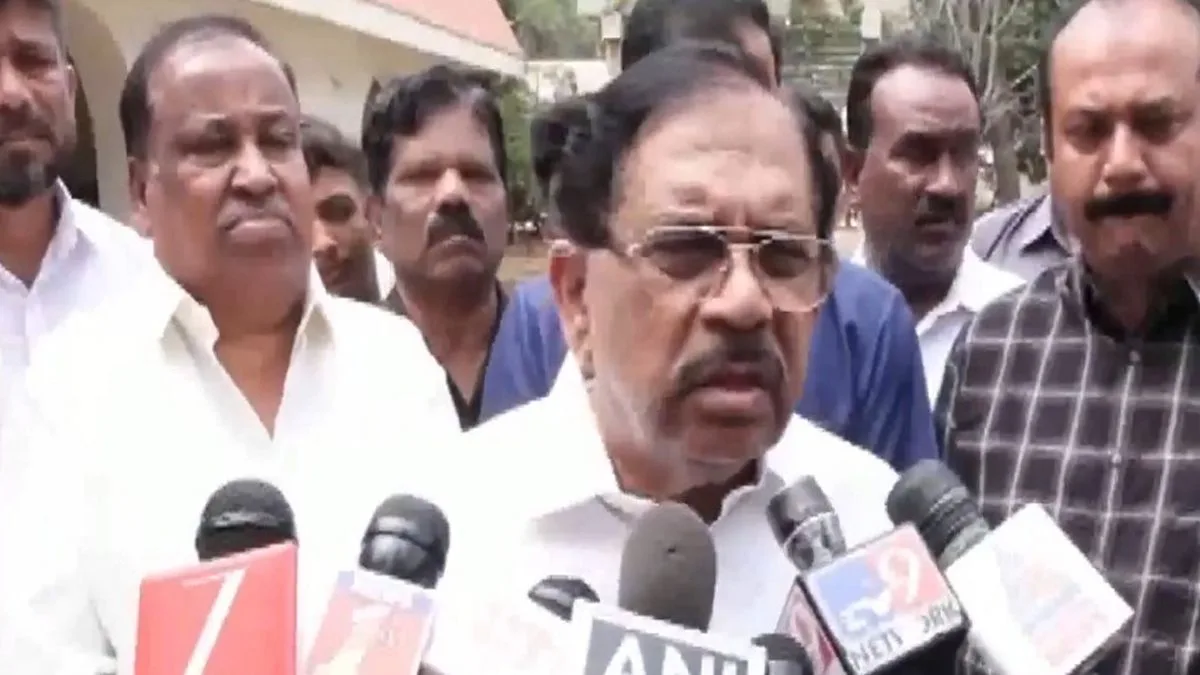
Karnataka Home Minister G Parameshwara on Firday said that he has ordered an enquiry into the clash outside BJP MLA G Janardhana Reddy’s residence in Ballari, in which one person was killed.

ANI | New Delhi |

Karnataka Home Minister G Parameshwara on Firday said that he has ordered an enquiry into the clash outside BJP MLA G Janardhana Reddy’s residence in Ballari, in which one person was killed.

Speaking to the reporters G Parameshwara said, “They pelted stones at each other, and one person died in the clash. I have ordered an inquiry…I was told that 11 people have been registered in the charge sheet and some people have been arrested. So once the complete report comes, I’ll be able to share the exact information with the media.”

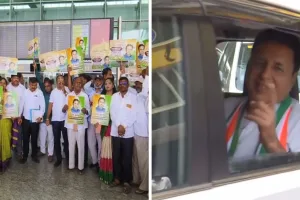
Supporters of Congress MLA Nara Bharath Reddy and Bharatiya Janata Party MLA G Janardhana clashed outside the latter’s residence in Ballari over putting up of banners for an upcoming event to install the Valmiki statue on January 3. Two groups got involved in hand-to-hand combat and stone-pelting, and later firing, prompting police to lathi-charge to disperse the crowd, police said.

Meanwhile, BJP MLA BY Vijayendra blamed Congress MLA Bharath Reddy over the incident and said that there’s no fear of the police department.

“Bharath Reddy and his supporters had created a ruckus near the house of MLA Janardhan Reddy. Unwanted situation was created. The way the incident took place clearly indicates that there’s no fear for police department. Police stations have become Congress offices. BJP strongly condemn this goondaism by local MLA Bharath Reddy,” he said.

SP Ballari said that the shots were fired from a private weapon. The police have registered four cases on the charges of murder, attempt to murder, offence against SC-ST, and a suo-moto case against all the people involved in the riot.

“So far, it appears that the bullet was fired from a private weapon. A total of four cases have been filed, one murder case, one attempt to murder, one SC-ST case and one suo motto case filed by the police against all the people involved in the riot,” SP Ranjith kumar Bandaru said.

Karnataka Assembly Leader of Opposition R Ashoka said that the clash was a “pre-planned conspiracy” to murder BJP MLA.

“A group gathered and came and put up banners inside the compound of Janardhan Reddy’s house. What fault is there on the part of Janardhan Reddy in this? They themselves fired the shots, they themselves committed the murder, and now blaming Janardhan Reddy is unforgivable. There was a pre-planned conspiracy to attack Janardhan Reddy and murder him,” he said.

“It is clear who fired the shot. They are now calling it a misfire. If it had happened from Janardhan Reddy’s side, would they have written it as a misfire? There has been pressure from above to write it as a misfire,” he added.

Light reaches Jharkhand’s Simrajra after decades, ending 78 years of darkness

Nestled deep amid rugged hills and dense forests, Simrajra had remained outside the ambit of basic infrastructure since Independence.

Shashi Singh | Hazaribagh |

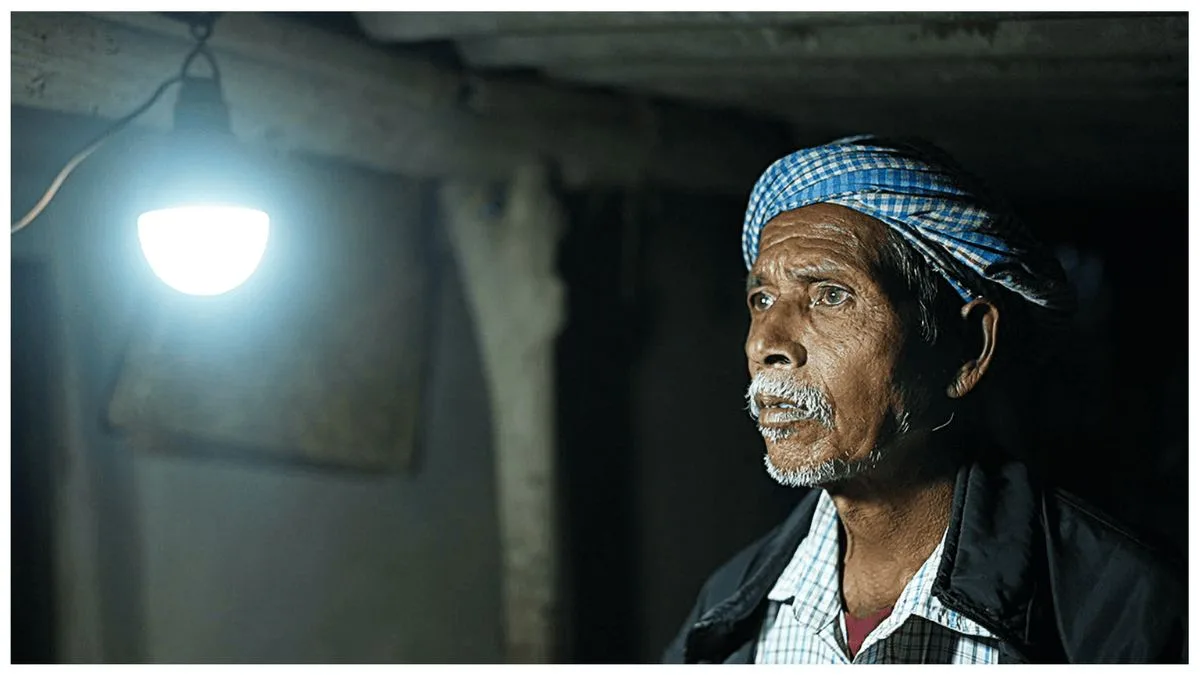
Electricity has finally reached Simrajra, a remote hill settlement in the Barkagaon block of Hazaribagh, ending nearly eight decades of life without power and marking a quiet but significant moment in last-mile development.

Nestled deep amid rugged hills and dense forests, Simrajra had remained outside the ambit of basic infrastructure since Independence. With no all-weather road and difficult terrain, the village had long slipped through the cracks of routine development planning. Repeated technical attempts to extend electricity failed over the years, compounded by frequent wildlife movement, particularly elephants, which damaged poles and overhead lines.

The breakthrough came after the district administration took up the issue following a field visit by Deputy Commissioner Shashi Prakash Singh, during which the village’s ground realities were assessed. Officials said conventional methods proved unworkable in the forested, elephant-prone zone, forcing a rethink of the approach.

After multiple setbacks, the administration adopted technical alternatives suited to the terrain. Insulated power cables were installed to reduce damage and improve safety, finally enabling a stable electricity supply to the village.

When the lights came on, the change was immediate and deeply felt. Homes that had known only darkness after sunset were illuminated for the first time. Children can now study in the evenings, mobile phones can be charged locally, and residents say the sense of safety after nightfall has improved significantly.

District officials described the project as an example of sustained administrative effort and adaptive problem-solving in difficult conditions. They said similar strategies would be applied to extend basic services to other remote and underserved settlements across the district.

For Simrajra, the arrival of electricity is more than an infrastructure achievement. It signals entry into a new phase of social and economic life, long delayed by geography but finally made possible through persistence and focused governance.

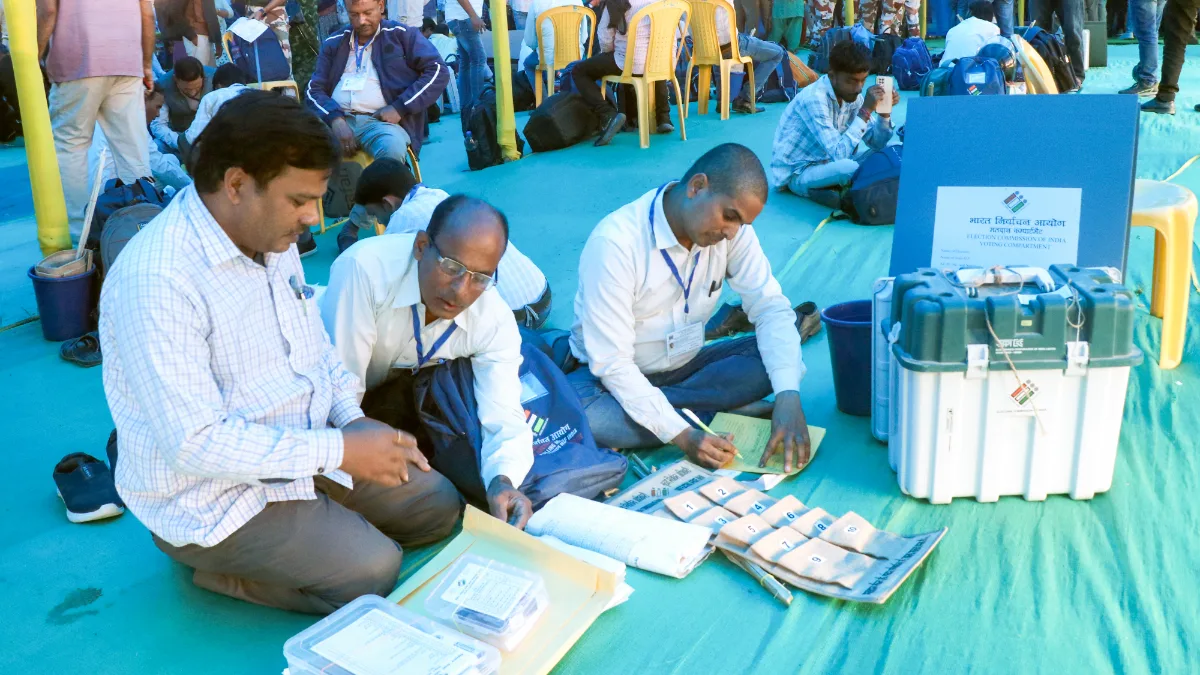
What an ECI-ordered survey on EVM trust reveals, and why it has sparked a political row in Karnataka

Titled ‘Lok Sabha Elections 2024 – Evaluation of endline survey of KAP (Knowledge, Attitude and Practice) of Citizens’, the exercise was conducted by the Grassroots Research and Advocacy Movement, Bengaluru, an NGO, under supervision from the Karnataka Monitoring and Evaluation Authority, Department of Planning, Programme Monitoring and Statistics, Government of Karnataka.

Deepak Nagpal | New Delhi |

An election-related survey has triggered a political slugfest in Karnataka, where the Congress party is in power.

A survey commissioned by the Chief Electoral Officer of Karnataka, V Anbukumar, on behalf of the State Election Commission, found that a majority of voters in the state believe elections conducted in India are largely free and fair. The survey further found that voter trust in electronic voting machines (EVMs) has increased.

A total of 5,100 respondents participated in the survey, which was carried out in 102 Assembly segments spread across 34 districts in four administrative divisions of Bengaluru, Belagavi, Kalaburagi and Mysuru.

What the electoral survey found

Titled ‘Lok Sabha Elections 2024 – Evaluation of endline survey of KAP (Knowledge, Attitude and Practice) of Citizens’, the exercise was conducted by the Grassroots Research and Advocacy Movement, Bengaluru, an NGO, under supervision from the Karnataka Monitoring and Evaluation Authority, Department of Planning, Programme Monitoring and Statistics, Government of Karnataka.

The survey consisted of structured questionnaires, 23 in-depth interviews, 57 focus group discussions, and 16 booth-level case studies.

According to the findings, 85.31 per cent of those surveyed had awareness of the voter list. Further, there was a high level of EPIC (Voter ID card) possession at 99.02 per cent, while as many as 98.18 per cent of respondents said they were included in the voter list.

Importantly, more than 81.39 per cent of the respondents said they recognised the importance of each vote, while 83.61 per cent exhibited their trust in the electoral process and EVMs.

“Rural voters generally perceive the election process as fair due to effective BLO engagement at the grassroots. Urban youth, however, express concerns about elite dominance in electoral processes and lack of transparency in the voting process; apathy is thus evident among urban youth,” the findings stated, as per a report by news agency IANS. “Concerns over inducements and the influence of money and muscle power remained, especially in regions like Kalaburagi,” it added.

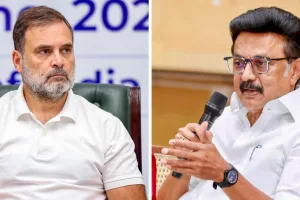
BJP-ECI collusion, electoral reforms proposal and a warning: Rahul Gandhi’s speech in Lok Sabha

Congress calls survey ‘compromised’

The survey, coming on the back of large-scale electoral fraud allegations levelled by Congress leader Rahul Gandhi, has been rejected by the ruling party in the state. The Congress government said it had not sanctioned the survey.

Priyank Kharge, the state Minister for RDPR, IT and BT, raised doubts over the agency which conducted the survey and alleged the Election Commission of India asked the State Election Commission to do the survey, which then employed an NGO “run by an author of a book on the Prime Minister who also works closely with the PM’s Office”.

“What could be expected from this survey? The data size is 5,000 people in more than 100 constituencies. The BJP is answerable for voter fraud that was reported from Kalaburagi’s Aland Assembly segment,” Kharge said.

He reiterated Rahul Gandhi’s earlier claims that the poll panel colluded with the BJP to carry out mass deletion of votes before the 2023 Assembly elections and the Lok Sabha elections in 2024 in Karnataka.

Karnataka Chief Minister Siddaramaiah too defended Rahul Gandhi and said the Congress leader never said a lie. “He conducted an enquiry thoroughly and addressed the press,” the CM stated.

Congress leader Supriya Shrinate, like Priyank Kharge, expressed doubts over the agency which conducted the survey and alleged suppression of facts in the matter.

“The headline claimed that people trust the EVMs and the Election Commission, but the news within the article was suppressed. The survey was conducted by the NGO Grassroots Research and Advocacy Movement (GRAAM), founded by Balasubramaniam, who is part of the Prime Minister’s Office. In 2024, he authored a sycophantic book lauding the Prime Minister’s leadership. Given this background, what kind of impartial survey could he conduct? The agency conducting the survey is itself compromised,” Shrinate said.

ECI dares Rahul Gandhi to prove poll fraud claims; he alleges ‘Commission works under Constitution, not BJP’

Rahul levels false allegations: BJP

The BJP, however, sought to use the survey findings to hit out at the Congress as well as Rahul Gandhi. BJP spokesperson Shehzad Poonawalla claimed Rahul continues to level false allegations against the ECI and EVMs.

Poonawalla wrote on X, “Rahul Gandhi keeps lying about ECI and EVMs but here is a fact check by his own government in Karnataka. Most citizens believe elections in India are free and fair, while trust in the electronic voting machines (EVM) has increased, according to a Statewide survey whose findings have been published by the Congress government in Karnataka.”

Another BJP leader, MP Lahar Singh Siroya said the people know when they cast votes to choose their leader.

“We have been saying all along that the people of the country have faith in the EVMs and in the election results. When people elect their MPs, MLAs, or corporation candidates, they know who they have voted for. That’s why people are satisfied with the results across the country. I don’t understand why these surveys and all are necessary. Leaders who are in touch with the people on the ground should know what the public wants,” Siroya said.


Samyuktha-starrer ‘The Black Gold’ 75% complete; Cast and release date announced

Over 75% of filming for Samyuktha’s pan-Indian action epic ‘The Black Gold’ is complete, with only a few days left. The star-studded film, features Murali Sharma, Rao Ramesh, and Nassar.

Hiya | New Delhi |

Over 75 per cent of the filming for filmmaker Yogesh KMC’s pan-Indian action epic “the black gold”, starring Samyuktha, has finally been finished. According to the reports, the filming of the impending high-voltage, heroine-focused movie is almost finished, with only roughly 15 days left.
Poster reveal

On the occasion of the new year, the makers released a special poster of the film featuring Samyuktha. It is said to be a powerful commercial action entertainer, ‘The Black Gold’ presents Samyuktha in a striking femme-fatale cop avatar, showcasing her in a bold, fierce, and never-seen-before role.


View this post on Instagram


A post shared by Hasya Movies (@hasyamovies)

Cast of ‘The Black Gold’

Alongside Samyuktha, the film have a strong cast including Murali Sharma, Rao Ramesh, Nassar, Manish Wadhwa, Ramki, Ravindra Vijay, Adukalam Naren, BVS Ravi, Krishna Chaitanya, and Chandrika Ravi.

‘The Black Gold’ music

Music for the film is being composed by Sam CS, and the movie will have two special songs. ‘The Black Gold’ is steadily shaping up as one of the most anticipated pan-Indian releases of 2026.

Production update

Directed by Yogesh KMC, the film is being produced by Razesh Danda under the Hasya Movies banner in association with Maganti Pictures.

They also point out that post-production work of the film is progressing simultaneously. The film will feature a fresh narrative approach, gripping action blocks, and several unexpected twists that are likely to elevate it beyond a routine action drama, the sources add.

‘The Black Gold release date & updates

The makers of the film have announced that the film will release in summer, this year. The makers are planning a simultaneous release in Telugu, Hindi, Tamil, Malayalam, and Kannada languages.

Also Read: OMG 3: Akshay Kumar and Rani Mukerji team up for the first time, shoot begins mid-2026

Man-Animal Conflict : 9th man-eater wolf killed in UP’s Bahriach

Late Thursday evening, during a patrol in the Kaiserganj forest range area, a Forest Department team shot and killed the ninth man-eating wolf.

Statesman News Service | Bahraich |

The Forest Department in the Bahraich district of Uttar Pradesh has achieved another major success amidst the terror of man-eating wolves when the ninth animal was shot dead.

Late Thursday evening, during a patrol in the Kaiserganj forest range area, a Forest Department team shot and killed the ninth man-eating wolf.

The action has brought some relief to the locals in rural areas, although the fear amongst them has not completely subsided.

According to forest officials here on Friday, between September and December, a total of 13 people, including 11 innocent children, have died in the district due to attacks by man-eating wolves. These incidents had created an atmosphere of fear throughout the area. Villages become deserted after sunset, and people do not allow their children to go outside. Due to the continuous incidents taking place, the matter reached the state government level.

Following strict instructions from Chief Minister Yogi Adityanath, the Forest Department launched a special operation with sharpshooters. The entire area is being closely monitored with the help of drones, camera traps, and patrol teams. Under this operation, a total of nine man-eating wolves have been killed so far.

On Thursday evening, during a routine patrol near Bhirgu Purwa village under the Kaiserganj forest range, a wolf was spotted among the bushes. The team initially tried to surround and capture it, but the wolf suddenly started moving towards the populated area. Considering the seriousness of the situation, the sharpshooter was alerted, and the decision was made to shoot immediately, resulting in the wolf’s death on the spot.

Divisional Forest Officer (DFO) Sundarsa said that during the rescue operation, the wolf was continuously moving towards the populated area, which could have posed a threat to life and property. Therefore, it had to be shot. He said that the wolf’s post-mortem will be conducted today to confirm whether it was part of the man-eating pack.

According to the Forest Department, while the killing of the ninth wolf has brought some relief to the villages, the operation will continue until the last man-eating wolf is caught or killed. The department claims that the situation is now under control, but as a precaution, teams are continuously patrolling the area.

Probe into ₹1,400 crore memorial scam gains momentum, action likely against 57 officials

Based on a vigilance FIR registered in 2014, the probe pertains to large-scale irregularities in the construction of grand memorials in Lucknow and Noida.

Statesman News Service | Lucknow |

The investigation into Uttar Pradesh’s high-profile ₹1,400 crore memorial scam has once again gathered pace, with authorities intensifying scrutiny into the alleged financial irregularities linked to the project.

Based on a vigilance FIR registered in 2014, the probe pertains to large-scale irregularities in the construction of grand memorials in Lucknow and Noida.

According to a senior government official, the alleged scam took place between 2007 and 2011, during which significant discrepancies were reported in the procurement and supply of stone materials used in the projects.

Investigating agencies have alleged that stones were purchased at prices several times higher than prevailing market rates, resulting in substantial losses to the state exchequer.

Several former officials of the Lucknow Development Authority (LDA) and the Uttar Pradesh Rajya Nirman Nigam (UPRNN) have come under scrutiny in connection with the case.

Sources indicate that nearly 57 officials, including superintending engineers and chief engineers, may face departmental and legal action once the investigation is completed. The authorities are in the process of examining the roles and responsibilities of all officials involved.

Government sources revealed that, given the seriousness of the matter, Lucknow Commissioner Vijay Vishwas Pant has sought detailed records and documents related to the projects from the concerned departments. These documents will form the basis for determining individual accountability.

Administrative circles believe that the renewed momentum in the probe could lead to significant developments in the coming days.

With the investigation gaining pace, unease has reportedly grown within the departments concerned, and large-scale action is expected in this long-pending and closely watched memorial scam case.

OMG 3: Akshay Kumar and Rani Mukerji team up for the first time, shoot begins mid-2026

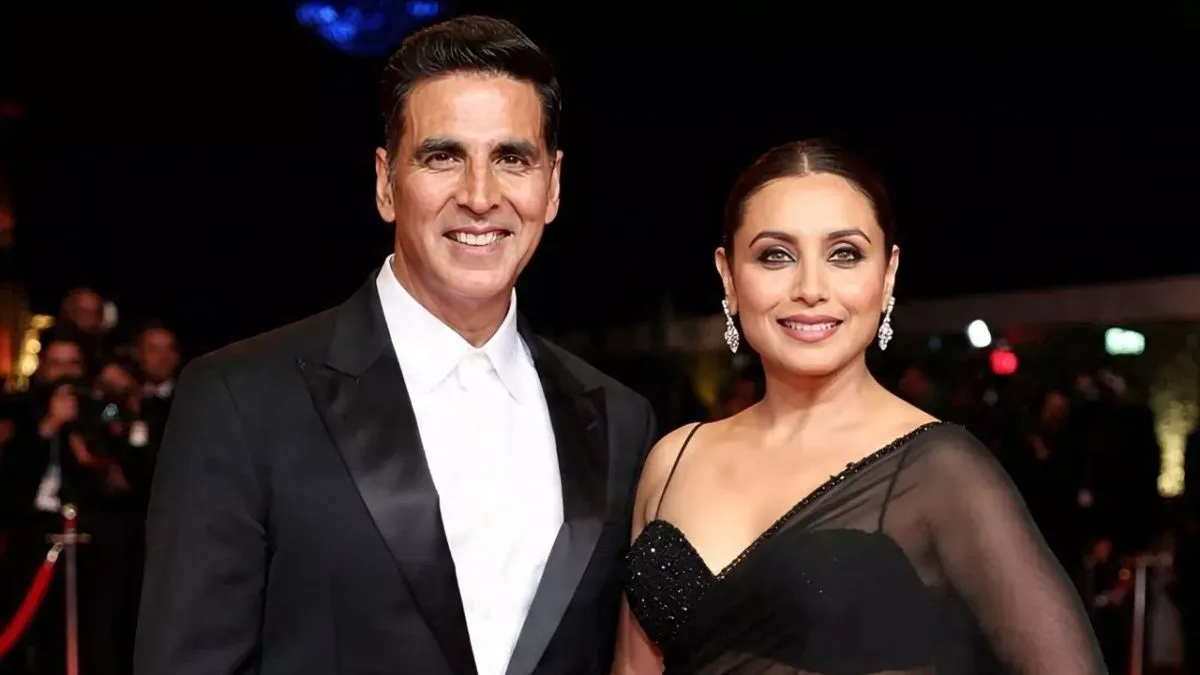
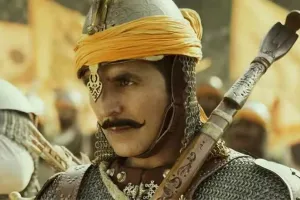
OMG 3 will see Akshay Kumar reunite with director Amit Rai, with Rani Mukerji joining the cast for the first time. The film is currently in pre-production and is expected to go on floors by mid-2026.

Statesman News Service | New Delhi |

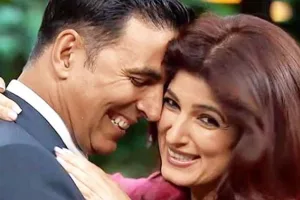
Bollywood fans, brace yourselves! The ‘Oh My God’ universe is back, and this time it’s serving a nostalgia-packed treat. Rumour has it that Rani Mukerji is joining Akshay Kumar for OMG 3. If true, this is going to be the first-ever on-screen pairing of these ’90s superstars. Yes, golden duo of our childhoods may finally share the silver screen!

A source close to the film told Pinkvilla, “This isn’t just another sequel. It is shaping up to be one of the biggest cinematic events in recent years. Akshay’s iconic franchise just got a major boost with Rani on board. Her energy and screen presence will add so much depth to the story.”

Also Read: Yeh Galiyan Yeh Chaubara: Padmini Kolhapure joins Shreya Ghoshal on Indian Idol to recreate Lata Mangeshkar’s classic

Bigger, bolder, OMG-er

If the first two films made you laugh and think, get ready because OMG 3 is planning to go even further.

Akshay Kumar will reunite with director Amit Rai who steered OMG 2 to commercial and critical success. The earlier films dealt with big social themes from blind faith to sex education. This time, insiders say third film will push boundaries even more.

Currently in pre-production, the movie is likely to go on floors by mid-2026. According to the source, “Amit Rai has developed a story that’s larger, more relevant, and deeply emotional. Akshay was clear. The film had to outdo its predecessors in every way from performances to storyline. With Rani joining, OMG 3 just became a game-changer.”

The legacy of OMG

For those who need a refresher, the ‘Oh My God’ franchise has always been mix of entertainment and social commentary. The original ‘OMG!’ had Paresh Rawal as an atheist who sues God after an earthquake destroys his shop. Akshay Kumar played Lord Krishna.

Fast forward to OMG 2, Akshay returned as a divine messenger alongside Pankaj Tripathi and Yami Gautam. He tackled sex education in Indian schools.

Both films were not just hits but sparked conversations while keeping viewers entertained.