Logo

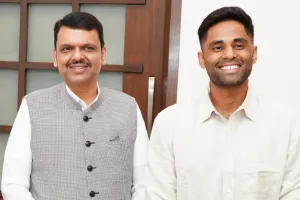
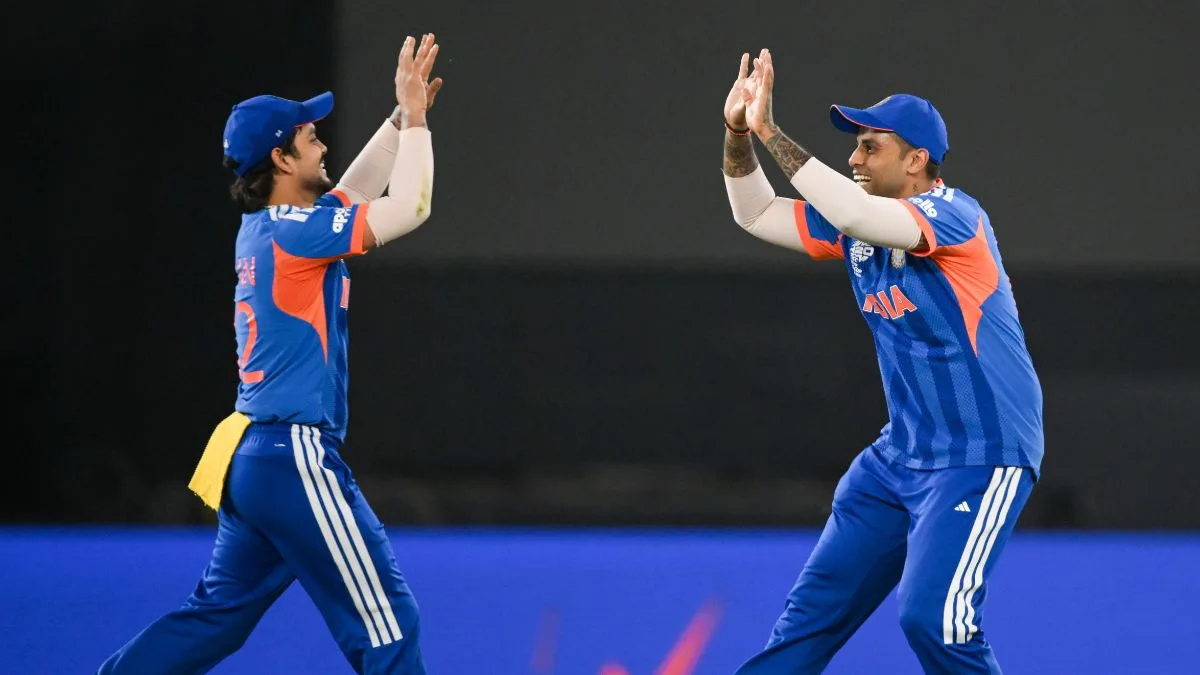
Everyone had a story: Suryakumar Yadav reflects on India’s World Cup-winning journey

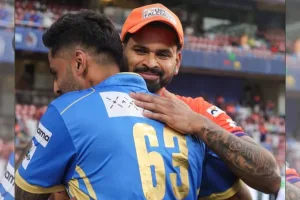
Surya spoke about emotional exchanges with several players in the squad, including Ishan Kishan and Sanju Samson, highlighting how their willingness to prioritise the team above personal roles defined India’s successful World Cup journey.

Statesman News Service | New Delhi |

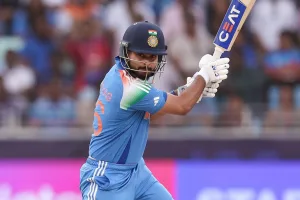
Reflecting on the personal conversations and moments that helped shape India’s triumphant campaign at the ICC Men’s T20 World Cup 2026, India’s T20I captain Suryakumar Yadav said belief, trust and strong team spirit played a decisive role behind the scenes.

Surya spoke about emotional exchanges with several players in the squad, including Ishan Kishan and Sanju Samson, highlighting how their willingness to prioritise the team above personal roles defined India’s successful World Cup journey.

“The stories of some players in our World Cup squad have been very inspiring and emotional. If you talk about Siraj, I called him a few days before the tournament. He was sitting with his friends, wearing a cap and eating food. I told him Harshit Rana is injured, you have to join the squad. He said, ‘Surya bhai, are you kidding me?’ That was his first reaction.

“Then I called Ishan Kishan just before our selection meeting. I told him, ‘Chotu, will you help us win the World Cup?’ He said, ‘Surya bhaiya, just trust me and have faith in me.’ The way Ishan has walked the talk has been a lovely story. Sanju Samson did not start the tournament. He came in the middle and said one thing: ‘You just tell me what I can do for the team.’ That is the biggest blessing.

“Players like these, from number 1 to 15, everyone has a different story. And Jasprit Bumrah, I have called him a national treasure. He does the same thing every day. Bumrah knows he is the best in the business. But still, he does not allow any complacency to enter. I think that shows a lot of character,” SKY said on JioStar.

He also spoke about the emotional significance of winning the World Cup at the Narendra Modi Stadium, the same venue where his international career began.

“It’s a very special feeling to win the T20 World Cup here at the Narendra Modi Stadium in Ahmedabad. My journey in international cricket started here in 2021. As soon as it started, it was a lot of fun from there. Then coming here in 2026 and winning the T20 World Cup as a leader for India is a very special feeling. It feels good to be in the same stadium that so many people were talking about. Winning here was very special for the whole team,” he said.

The Indian skipper also highlighted one of the biggest challenges of leading a World Cup-winning side — keeping players outside the playing XI motivated and mentally ready throughout the tournament.

“In this T20 World Cup campaign, the most difficult part for me was handling the players who don’t get many opportunities to feature in the playing XI. Those who don’t get chances, or get very few, I always felt I should spend more time with them. The ones who keep playing are in autopilot mode. They know what to do. But those who can play at any time but don’t get to feature in every game, it is difficult for them to switch on and switch off. So spending time with them and having constant talks was very important.

“The support staff also played a key role in this long journey. They are not playing, but they are supporting all the players. Talking to them, sharing their journey, experiencing it… those were all very sweet moments for me. Sometimes I had to take hard calls. But at the end of the day, everyone’s goal is the same. We all want to become champions. Only 11 players can play to win a trophy. So making everyone understand and taking care of everyone is important. Leading a team with that thinking is a lot of fun,” he said.

During the tournament, Surya said he spent considerable time backing players who were going through difficult phases, particularly Abhishek Sharma and Varun Chakaravarthy, reminding them that temporary setbacks are part of sport.

“I was constantly having conversations with Abhishek and Varun throughout the T20 World Cup. I told them one thing, it is not necessary that you will perform well in every game. Performance is not guaranteed. After one year of hard work, sometimes a small dip in form happens. It is very important to respect that too. Because this is sport. You will see more failures than success. So respecting that time is important. When you respect that time and take two steps back, it is like a bow and arrow.

“When you pull the arrow back, it does not mean life is pushing you back. It means it is going to launch you for something big. I told both the world number ones, Abhishek and Varun, that you are made for the big stage. No matter what happens. Even if you don’t perform well in seven games, it is okay. If we reach the final, you will play and dominate. It was written in their destiny that both would perform well in the final. And it happened. They did not stop working hard. Abhishek and Varun were always disciplined and stayed put to cricket. They got their reward in the final,” he mentioned.

Looking ahead, the skipper said India’s recent run of global success has only increased the hunger for more titles, with major tournaments coming up in the next few years.

“In 2024, our ICC trophy drought ended after we won the T20 World Cup. After that, we won the Champions Trophy and now the T20 World Cup here in Ahmedabad. So three back-to-back ICC trophies. There is nothing to look back now,” Suryakumar said.

“Whatever ICC event comes next, we will play the way we have been playing since 2024. The ODI World Cup will come in 2027. As for this T20 team, I don’t think we can relax. We cannot relax at all. In 2028, there is a bigger event than this. The LA Olympics will have cricket for the first time. That Olympic gold will definitely be our top priority. And the same year, there is the T20 World Cup again. We have won the trophy two times in a row, three times in a row is the next goal,” he added.
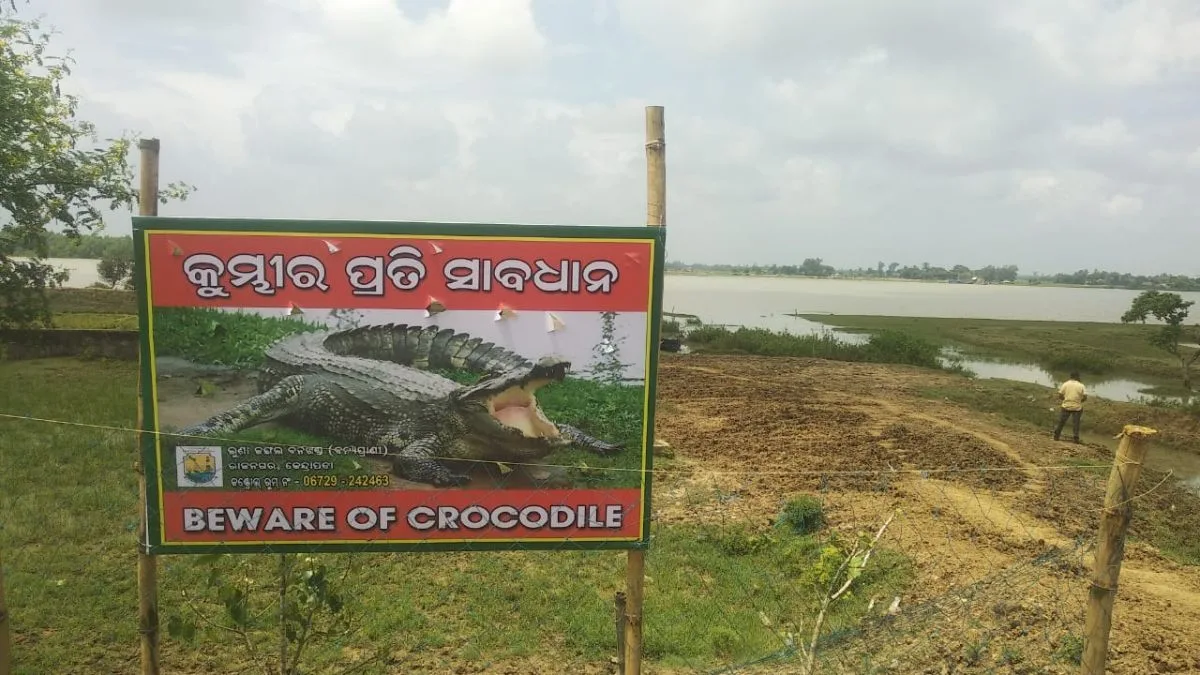
Crocodile kills fisherman in Odisha; incident points to man-animal conflict

The incident took place at Baulakani village under Mahakalpada forest range when the inland fisherman Deba Kumar Mandal was dragged to the water by a crocodile when he had entered into the water to spread out the fishing net.

Statesman News Service | BHUBANESWAR |

In the latest instance of human-croc conflict, a salt-water crocodile killed a 48-year-old fisherman at a village on the fringes of Bhitarkanika National Park in Odisha’s Kendrapara district with forest and fire brigade personnel retrieving the mutilated body from the river.

The incident took place at Baulakani village under Mahakalpada forest range when the inland fisherman Deba Kumar Mandal was dragged to the water by a crocodile when he had entered into the water to spread out the fishing net.

Though the incident occurred outside the national park limits, he deceased fisherman’s family would be covered under an ex-gratia compensation payment scheme after the medico-legal formalities of post mortem report, said Varadaraj Gaonkar, Divisional Forest Officer, Rajnagar Mangrove (wildlife) Forest Division.

As per the revised ex-gratia compensation for human fatalities arising out of conflict with wild animals, the forest department will provide a compensation amount of Rs 10 lakh to the bereaved family after the completion of medico-legal formalities, said the forest officer.

The human-croc conflict occurring in the areas in the close proximity of the national park at periodic intervals has resulted in the loss of four human lives in the last 12 months. The Bhitarkanika national park is the home to 1858 saltwater crocodiles in its water bodied and river system, which is the highest in India. No crocodile death has been reported in the last one year, said DFO Gaonkar.

The conflict and consequent loss of human lives are mostly reported during the monsoon and winter months, the nesting season of the estuarine crocodiles.

The adult crocodiles usually do not leave their territory to chase human beings on land, unlike terrestrial predatory animals, such as tigers. The mishap of this nature occurs due to human intrusion into the crocs’ habitat, for fishing, poaching, fuel-wood and honey collection.

The animals, in the wake of depleted food reserves in the river system, stray into nearby rivulets and nullahs. With the water bodies located in the vicinity of human settlements, the crocodiles attack humans, who fish in ‘troubled waters’.

HC asks Orissa govt to fill up vacancies in human rights panel

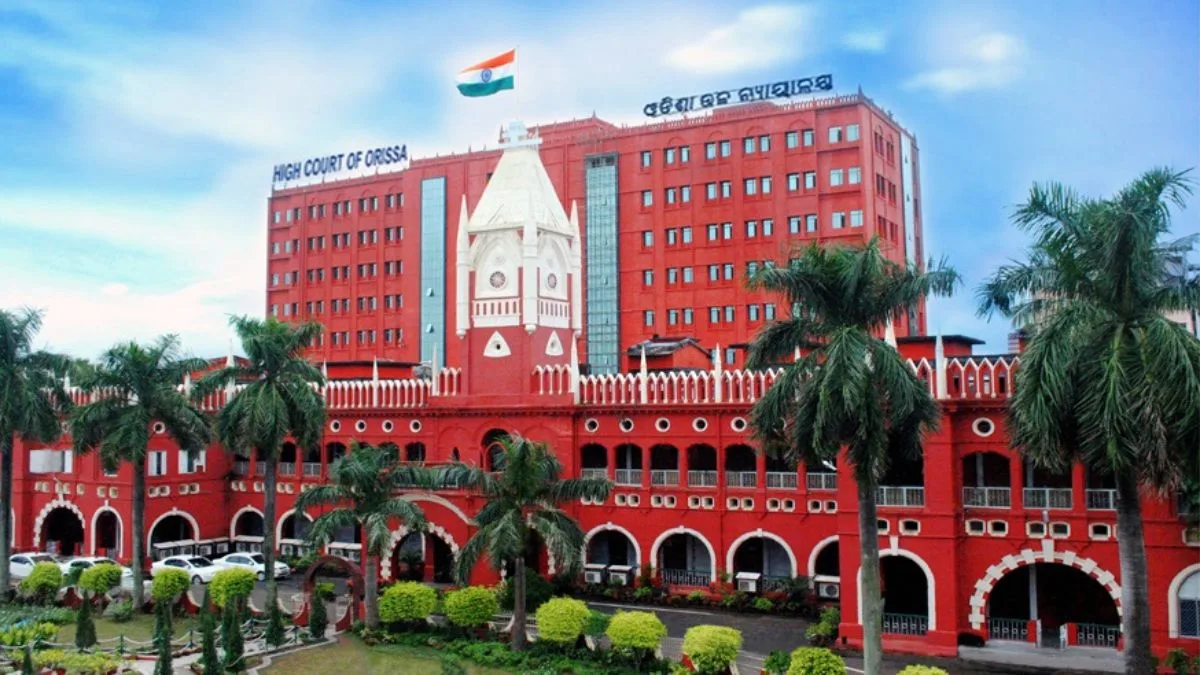
Taking note of concern voiced by rights activists, the Orissa High Court has directed the state government to expeditiously fill up the existing vacancies in the Odisha Human Rights Commission (OHRC).

Statesman News Service | BHUBANESWAR |

Taking note of concern voiced by rights activists, the Orissa High Court has directed the state government to expeditiously fill up the existing vacancies in the Odisha Human Rights Commission (OHRC).

The OHRC is now being run with a lone member, Chitta Ranjan Mohapatra, in view of the vacancy arising from the completion of the term of the Chairperson Justice Satrughana Pujahari and another member, Asim Amitabh Dash, on February 9 last. Since the remaining/existing member has not been authorized to act as the Chairperson until the appointment of a new Chairperson to fill such vacancy the functioning of the OHRC has been adversely affected. Section 25 (1) of the Protection of Human Rights Act, 1993 mandates: “In the event of the occurrence of any vacancy in the Office of the Chairperson by reason of his death, resignation or otherwise , the Governor may, by notification ,authorize one of the Members to act as the Chairperson until the appointment of a new Chairperson to fill such vacancy”, the petitioner Prabir Kumar Das stated.

The denial of authorization to the existing Member has rendered the Odisha Human Rights Commission headless and caused administrative breakdown. It is an imperative need that the Member should be immediately authorized to act as the Chairperson for ensuring the proper functioning of the Odisha Human Rights Commission.

It is a matter of public concern that the state government has always been indifferent and callous towards making the Commission a full-fledged body in conformity with Section 21 with a view to enabling this institution to discharge its duties and functions effectively as mandated by the Protection of Human Rights Act,1993, claimed the petition.

It is high time the state government initiated immediate steps to appoint a chairperson and a member to man the Commission in order to enable the same to render its public service in a fulfilling manner in fidelity to the mandate of law. Because of the huge pendency of cases, it necessitates the filling up of the vacancies lying in the Commission, noted the petition.

The Division Bench of Chief Justice Harish Tandon and Justice M.S Raman issuing directions to the Government for filling up the vacancies for disposal of cases of human rights violation posted the matter for further hearing on March 18 next.


Over 7.72 crore Kisan Credit Cards operational amounting to Rs 10.2 lakh crore: Govt

Under the Kisan Credit Card (KCC) platform, a total of 457 banks have been onboarded, including 37 commercial banks,46 regional rural banks, and 374 cooperative banks.

Statesman News Service | New Delhi |

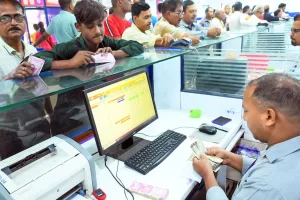
Over 7.72 crore Kisan Credit Cards (KCCs) are currently operational across the country, with an outstanding credit amounting to Rs 10.2 lakh crore, data released by the Central Government said.

Under the Kisan Credit Card (KCC) platform, a total of 457 banks have been onboarded, including 37 commercial banks,46 regional rural banks, and 374 cooperative banks. It indicates a diversified delivery architecture to ensure broad geographic coverage and inclusive access to institutional credit for farmers nationwide, it said.

Across these institutions, a total of 1,998.7 lakh kisan credit card applications have been processed, of which 631.5 lakh were through commercial banks, 337.2 lakh through regional rural banks, and 1030.0 lakh through cooperative banks. It reflects the broad institutional participation in the KCC implementation and highlights the central role of cooperative banks in extending agricultural credit, particularly at the grassroots level, the central government data said.

This reflects the extensive reach of the KCC scheme in facilitating access to institutional credit for farmers and underscores its critical role in supporting agricultural and allied activities through affordable, timely financing.

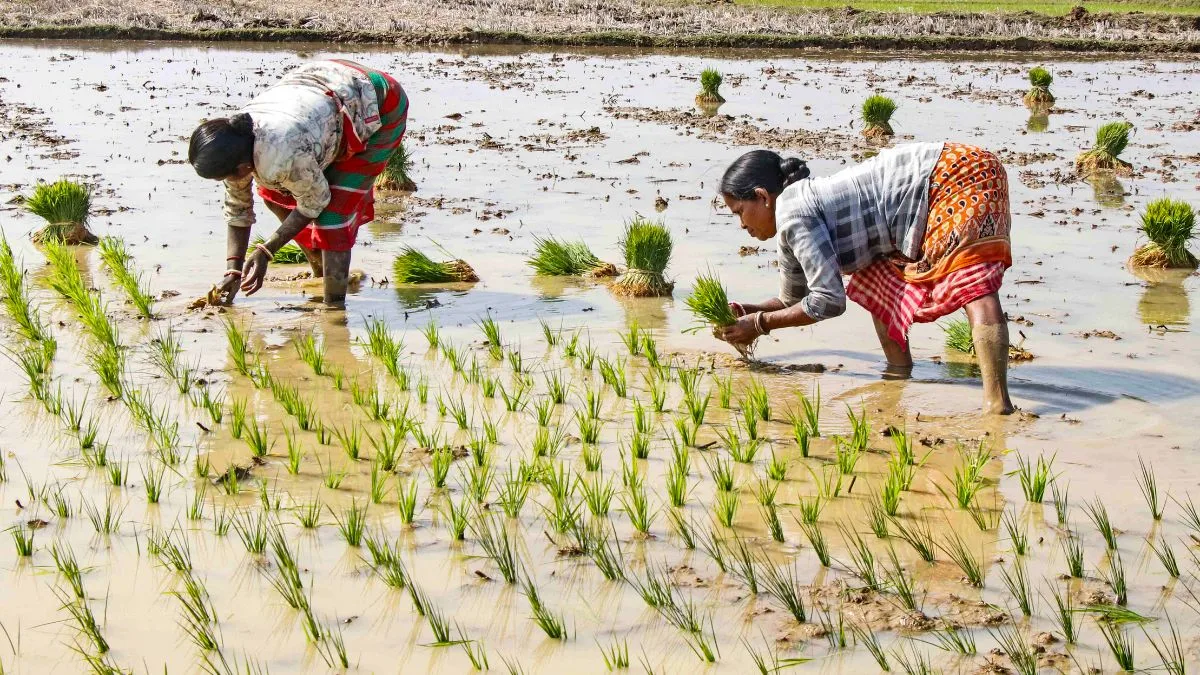
Further, the government data highlighted that in the animal husbandry, the exceptionally high acceptance rate, 55.08 lakh out of 55.9 lakh applications, reflects broad eligibility, effective screening mechanisms, and sustained policy support for the sector. The sanctioning of 39.22 lakh applications further suggests substantial credit flow, translating into actual financial support.

Similarly, in fisheries, 6.83 lakh applications were received, of which 6.77 lakh were accepted. The sanctioning of 4.82 lakh applications indicates meaningful conversion of demand into credit access. Overall, these outcomes underscore the growing integration of allied sectors into formal credit systems.

SAIL clocks record sales in FY26 recording sales of 18.24 MT

During the same period, SAIL also achieved the highest ever cash collection of Rs 1.11 lakh crore reflecting a 10% y-o-y growth.

Statesman News Service | New Delhi |

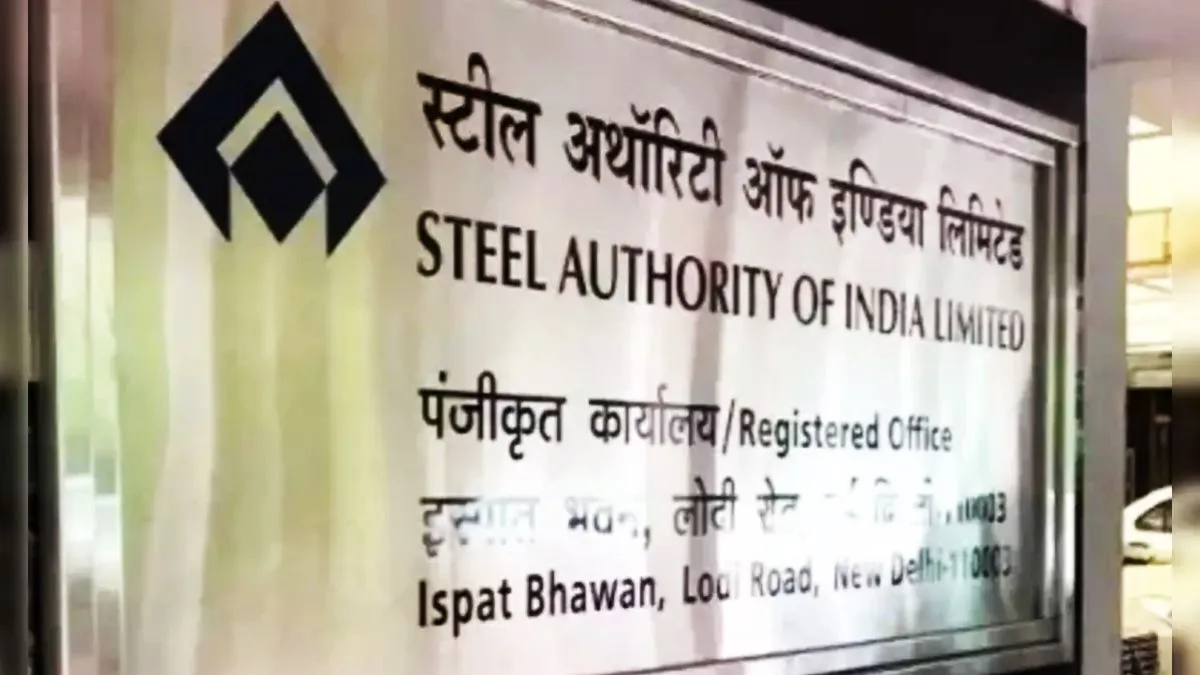
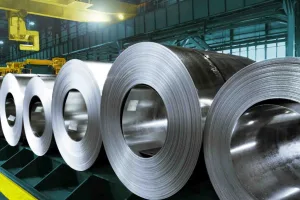
The Steel Authority of India Limited (SAIL) has clocked its historical sales in the Financial Year 2026 during the April to February period, recording a total sales of 18.24 million tonnes (MT), registering a 14% year-on-year (y-o-y) growth.

During the same period, SAIL also achieved the highest ever cash collection of Rs 1.11 lakh crore reflecting a 10% y-o-y growth.

In February 2026, the company achieved total sales of 1.58 MT. The company reduced its inventory by 1.05 lakh tonnes compared to January 2026 and lowered its borrowings by Rs 1000 crore.

On the results, AK Panda, Director (Finance) with additional charge of Director (Commercial) said, “We are ready to adapt and grow with the market. By managing inventory and working capital smartly, we are showing financial discipline that strengthens the company’s foundation. At the same time, our record sales and cash collections are proof of the trust our customers place in us.”

Sharing the results details, SAIL said it has reintroduced the production of chequered plates, catering to the demand from relevant sectors.

For the first time, chequered plates are being produced from SAIL’s Bokaro Steel Plant located in Jharkhand.

Notably, the brokerage firm ICICI Direct has turned bullish on SAIL citing favourable demand tailwinds, safeguard duty-driven steel prices, and the company’s focus on optimisation.

The brokerage has assigned a ‘Buy’ call on SAIL with a target price of Rs 200.

The target price implies a 33% upside from the previous close of Rs 150.15 on the National Stock Exchange (NSE).


Jharkhand HC orders CBI probe into FIR against ED officials

Justice Sanjay Kumar Dwivedi passed the order while hearing a criminal writ petition filed by ED Assistant Director Pratik and Assistant Enforcement Officer Shubham Bharti seeking quashing of the FIR or transfer of the investigation to an independent agency.

Shashi Singh | Ranchi |

The Jharkhand High Court ordered a Central Bureau of Investigation (CBI) probe into an FIR lodged against two Enforcement Directorate officials in Ranchi.

Justice Sanjay Kumar Dwivedi passed the order while hearing a criminal writ petition filed by ED Assistant Director Pratik and Assistant Enforcement Officer Shubham Bharti seeking quashing of the FIR or transfer of the investigation to an independent agency.

The FIR was registered at Airport police station on January 13 on the complaint of Santosh Kumar, an accused in an alleged Rs 23 crore misappropriation case related to the Jharkhand drinking water and sanitation department.

Kumar alleged that he was assaulted, wrongfully confined and threatened by ED officials during questioning at the agency’s Ranchi zonal office.

The case was registered under several provisions of the Bharatiya Nyaya Sanhita, including sections related to grievous hurt, wrongful confinement, attempt to murder and criminal intimidation.

Counsel for the ED officers told the court that the allegations were false and intended to obstruct ongoing investigations into alleged financial irregularities involving political figures and bureaucrats in the state.

The petitioners submitted that Kumar had voluntarily appeared before the ED office on January 12 and allegedly struck his own head with a glass water jug during questioning, causing a minor injury.

They also told the court that medical records from Sadar Hospital described the injury as self-inflicted.

Opposing the plea, the state government said law and order is a state subject and the police were competent to investigate the complaint.

The court observed that the case involved serious allegations and competing claims, and said an independent investigation would serve the interests of justice.

It directed that the probe into the FIR be handed over to the Central Bureau of Investigation.

Earlier, the High Court had stayed further police action in the case and directed that CCTV footage of the ED office premises be preserved.


President Murmu: People should make water conservation integral part of their lives

‘’Awareness about water management and conservation among the younger generation will ensure the country’s water security in future,’’ she said at a function on the occasion of ‘’Jal Mahotsav 2026’’ here. She expressed confidence that the ‘Jal Mahotsav’ will become a medium of mass movement for India’s water security.

Statesman News Service | New Delhi |

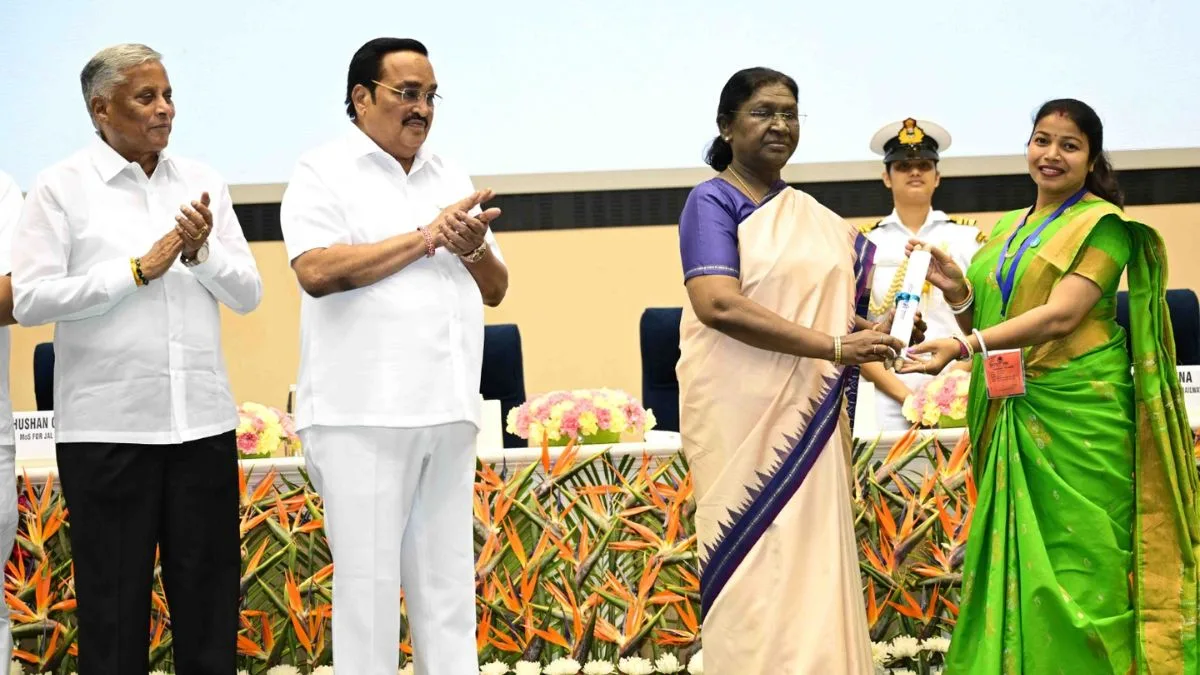
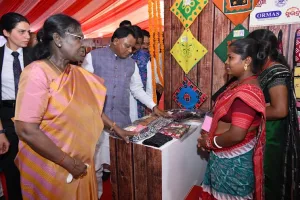
Emphasising that water should not be viewed merely as a commodity but as a priceless asset for future generations, President Droupadi Murmu on Wednesday said water conservation is a collective responsibility and people should make water conservation an integral part of their lives.

‘’Awareness about water management and conservation among the younger generation will ensure the country’s water security in future,’’ she said at a function on the occasion of ‘’Jal Mahotsav 2026’’ here. She expressed confidence that the ‘Jal Mahotsav’ will become a medium of mass movement for India’s water security.

The President said that in India, water is not just a basic amenity, but is linked to our culture, traditions, livelihood and community life. For so many years, villagers, especially women and children, had to fetch drinking water from great distances. Providing clean water wasn’t just a matter of convenience; it was a matter of time, health, and dignity.

To address these challenges, the Government of India launched the ‘Jal Jeevan Mission’. Villagers who once struggled to access drinking water now have access to clean and safe water in their own homes, she noted.

The President said when responsibility for a resource is taken not just by the government but by the entire society, its conservation becomes more effective and sustainable.

Community ownership also plays a vital role in water management and conservation. She expressed confidence that celebrating ‘Jal Arpan Diwas’, the formal handover of water supply infrastructure to gram panchayats, will strengthen the sense of community ownership.

The President was happy to note that Self-Help Groups are involved in water testing, operation, and other maintenance tasks. She said that there are numerous examples where the commitment and dedication of Self-Help Groups have led to positive changes in the lives of women and society. She expressed confidence that harnessing the potential of women through Self-Help Groups will be extremely fruitful in addressing water security.

The President said that multi-pronged and coordinated efforts are crucial to strengthening water security. She was happy to note that grey water management is being promoted in rural areas through coordination with the “Clean India Mission.”


Trump assures Iran ‘welcome’ at 2026 FIFA World Cup amid regional crisis: Gianni Infantino

In an Instagram post, Infantino said he discussed preparations for the upcoming World Cup with Trump and also addressed the current situation involving Iran.

Statesman News Service | New Delhi |

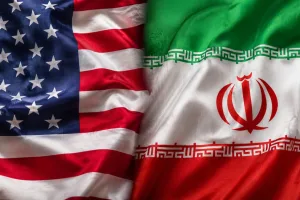
Amid rising tensions due to the ongoing conflict involving the United States-Israel and Iran, questions have emerged over Iran’s participation in the 2026 FIFA World Cup. However, Gianni Infantino said on Wednesday that he met U.S. President Donald Trump, who assured him that Iran would be “welcome” to compete in the tournament, which will be co-hosted by the United States, Mexico and Canada from June 11 to July 19.

Iran are scheduled to play three matches in the United States during the tournament, though their participation has been questioned amid rising regional tensions.

The Iranian side, placed in Group G alongside Belgium, Egypt and New Zealand, will open their campaign against New Zealand on June 15 in Seattle before playing additional group matches in Los Angeles and Atlanta.

In an Instagram post, Infantino said he discussed preparations for the upcoming World Cup with Trump and also addressed the current situation involving Iran.

“I met with the president of the United States, Donald J. Trump, to discuss the status of preparations for the upcoming FIFA World Cup and the growing excitement as we are set to kick off in just 93 days,” Infantino wrote.

“We also spoke about the current situation in Iran and the fact that the Iranian team has qualified to participate in the FIFA World Cup 2026. During the discussions, President Trump reiterated that the Iranian team is, of course, welcome to compete in the tournament in the United States,” he added.

Iran secured qualification for their fourth consecutive World Cup after topping Group A in the third round of Asian qualifiers last year.

However, concerns around their participation have grown following escalating tensions in the region. In an interview with Politico last week, Trump said, “I really don’t care if Iran participates,” adding that “Iran is a very badly defeated country. They’re running on fumes.”

Meanwhile, Mehdi Taj, president of the Iran Football Federation, reportedly said the ongoing situation has cast uncertainty over the team’s preparations.

“What is certain is that after these attacks, it’s hard to look at the World Cup with hope,” Taj said.

Liquid Insurance in Iran War: IEA holds the keys to world biggest overground oil well and it’s ready to flow

According to reports, as of March 2026, the IEA member countries—drawn from North America, Europe and Northeast Asia—together hold some 1.2 billion barrels of oil in the public emergency stores.

Statesman News Service | NEW DELHI |

The world’s biggest overground energy reserve, the strategic oil reserve held by the 30 member countries of the International Energy Agency (IEA), may step in to stabilise global markets amid the ongoing Iran-US war and the consequent near-closure of the Gulf of Hormuz over which one-fifth of global oil and gas supply is plied.
It had last stepped in during 2022 to stabilise the global markets and ease the energy crisis that fell upon the world in the wake of the Ukraine-Russia war, but this time around, if it intervenes, it would be the biggest release ever.
According to reports, as of March 2026, the IEA member countries—drawn from North America, Europe and Northeast Asia—together hold some 1.2 billion barrels of oil in the public emergency stores. Apart from this, they also hold close to 600 million barrels in mandatory commercial inventories.
This emergency oil reserve can keep the world afloat for 124 days, approximately.
IEA Executive Director Fatih Birol, in a statement, said he had convened a meeting of the G7 energy ministers at IEA headquarters in Paris during which Birol updated them about IEA’s view of the situation in global oil and gas markets due to the war in west Asia.
“In oil markets, conditions have deteriorated in recent days. In addition to the challenges of transit through the Strait of Hormuz, a substantial amount of oil production has been curtailed. This is creating significant and growing risks for the market. We discussed all the available options, including making IEA emergency oil stocks available to the market,” Birol said.
The IEA, according to Birol, would meet again “to assess the current security of supply and market conditions to inform a subsequent decision on whether to make emergency stocks of IEA countries available to the market.”
Meanwhile, according to CNBC, the US believes that the release of 300 to 400 million barrels of this emergency reserve would be appropriate for the moment to stabilise the markets.
After the new of the possible intervention of the IEA and talks of release of this reserve, oil prices calmed down from a whopping $120 just a day ago.

‘Total Brotality’: LPG ‘shortage’ fires spat between Shehzad and Tehseen Poonawalla

Calling Tehseen ‘Congress’s most sophisticated weapon,’ Shehzad Poonawalla posted a lengthy rebuttal on X, accusing Tehseen and the “Congress ecosystem” of spreading panic and misinformation.

Manisha Gupta | New Delhi |

A sharp political exchange erupted on social media as BJP spokesperson Shehzad Poonawalla launched a scathing attack on political analyst and his brother Tehseen Poonawalla over his claims of a looming LPG shortage in India amid global tensions.

The war of words unfolded after Tehseen Poonawalla warned that the ongoing geopolitical tensions involving the United States, Israel and Iran could disrupt supply chains and trigger an LPG crisis in India.

Shehzad fires back with ‘point-by-point rebuttal’

Calling Tehseen ‘Congress’s most sophisticated weapon,’ Shehzad Poonawalla posted a lengthy rebuttal on X, accusing Tehseen and the “Congress ecosystem” of spreading panic and misinformation.

“For Tehseen Poonawalla and the Congress ecosystem, LPG means Lies, Panic and Goalpost Shifting,” the BJP leader wrote, claiming he was presenting a “point-by-point rebuttal on Lashkar-e-Rahul.”

In a video response, Shehzad argued that India currently has 7–8 weeks of crude oil and petroleum product reserves, supported by strategic petroleum reserves that he said were not built during the tenure of the Indian National Congress-led UPA government.

“During the UPA regime, such reserves did not exist and there were even discussions about shutting petrol pumps at 7 or 8 pm,” he said.

Shehzad also claimed that despite major global shocks such as the Russia-Ukraine War and the current tensions in West Asia, the government had ensured stable fuel prices and supply.

According to him, India has diversified its crude oil sources so that nearly 60 per cent of imports now come from regions outside conflict-affected areas, reducing dependence on routes linked to the Strait of Hormuz.

He further argued that the government has adopted multiple strategies to strengthen energy security, including expanding reserves, diversifying imports, promoting electric vehicles, and introducing 20 per cent ethanol blending in fuel.

Tehseen flagged LPG shortage risk

On March 10, Tehseen Poonawalla alleged that India could face an energy crisis due to heavy dependence on imports through the Strait of Hormuz.

“We have an #LPGGas shortage, an #EnergyCrisis and the Government of India is busy raiding restaurants and hotels instead of supporting them and sending 5000 tonnes of diesel to Bangladesh,” he said.

The political analyst claimed that 80–85 per cent of India’s LPG imports pass through the Strait of Hormuz, making the country vulnerable to disruptions in the event of escalating conflict in West Asia.

He also criticised the Centre’s handling of the issue and launched a personal attack on Petroleum Minister Hardeep Singh Puri, calling him “the most incompetent minister ever in the history of independent India to head this industry.”

Shehzad dismisses LPG storage claims

Addressing claims of LPG shortages, Shehzad said comparisons with crude oil reserves were misleading.

“Crude oil is in liquid form and can be stored easily in large strategic reserves. LPG and CNG are gases and require specialised cryogenic or high-pressure storage systems,” he said.

While acknowledging that a significant share of India’s LPG imports passes through the Strait of Hormuz, he maintained that supply to consumers remained secure and there was no shortage in the country.

Family feud spills into political debate

The exchange has drawn attention on social media not only for its political intensity but also because it pits two brothers on opposing sides of India’s political spectrum.

While Tehseen Poonawalla has often been critical of the ruling government and appears in television debates as a political commentator, Shehzad Poonawalla is a prominent spokesperson of the ruling Bharatiya Janata Party.

Their latest clash reflects the broader political debate over India’s energy security and the potential impact of geopolitical conflicts on fuel supplies.

Death as compassion: Who is Harish Rana, who has won the moral paradox of euthanasia, 25 years after Aruna Shanbaug

The Supreme Court permitted doctors to withdraw life-sustaining treatment for Harish Rana and directed that the process be carried out at AIIMS under medical supervision.

Statesman News Service | Mumbai |

The Supreme Court on Wednesday permitted passive euthanasia for Harish Rana, a 31-year-old man from Ghaziabad who has spent nearly 13 years in a permanent vegetative state after suffering severe head injuries in a fall during his student days.

A Bench of Justices JB Pardiwala and KV Viswanathan allowed the withdrawal of life-sustaining treatment, saying doctors could take a clinical decision in line with the principles laid down in the court’s 2018 judgment in Common Cause vs Union of India, which recognised passive euthanasia and the right to die with dignity.

The order came after Rana’s family approached the court, saying his condition had not improved despite years of treatment. Allowing the plea, the Bench directed that he be moved to the palliative care unit at the All India Institute of Medical Sciences (AIIMS), New Delhi, where doctors will oversee the process of withdrawing medical support.

“In our considered view, it would be permissible for the medical Board to exercise its clinical judgment regarding the withdrawal of treatment in accordance with the guidelines laid down in Common Cause vs Union of India,” the court said.

A decade-long struggle for the family

Rana has been bedridden since 2013, when he fell from the fourth floor and suffered serious brain injuries. Medical reports say he has been in a permanent vegetative state with quadriplegia and complete disability, needing constant assistance for breathing, feeding and basic care.

Doctors who examined him found that he was dependent on a tracheostomy tube to breathe and a gastrostomy tube for nutrition. Medical experts concluded that the chances of recovery were negligible.

Advocate Manish Jain, who represented the family, said the court had permitted doctors to withdraw life-support systems.

“Harish Rana’s petition has been allowed. Permission has been granted to let him remain in a natural state, meaning all tubes and advanced life support systems will be removed,” Jain told IANS.

He added that Rana will remain under medical care at AIIMS. “He will remain at AIIMS, which will take robust care of him for as long as he lives,” the lawyer said.

The legal battle began when Rana’s parents approached the Delhi High Court seeking a medical board to examine whether passive euthanasia could be considered. The High Court rejected the plea, pointing out that active euthanasia is not allowed under Indian law.

The case reached the Supreme Court in August 2024, when the court issued notice to the Union government and explored ways to assist the family, which had been caring for Rana for over a decade.

In November 2024, the government proposed home-based medical assistance for Rana, including nursing care, physiotherapy visits, dietician support and free medicines. The court closed the matter then but allowed the family to return if further directions were needed.

Rana’s parents later approached the court again, stating that his condition had worsened. After hearing arguments and reviewing medical records, the Bench reserved its verdict on January 15 this year before delivering Wednesday’s decision.

The Aruna Shanbaug case and India’s euthanasia debate

The case inevitably recalls the long legal debate on euthanasia in India, shaped in part by the widely known Aruna Shanbaug case.

Shanbaug, a nurse at King Edward Memorial Hospital in Mumbai, was sexually assaulted by a hospital janitor in 1973. She suffered severe brain damage.

She remained in a persistent vegetative state for decades while being cared for at the hospital.

In 2011, the Supreme Court considered a plea filed by journalist-activist Pinki Virani seeking permission for euthanasia. While the court rejected the request in Shanbaug’s case, it delivered a landmark ruling that recognised passive euthanasia under certain safeguards and allowed the withdrawal of life support in appropriate circumstances.

Shanbaug died in May 2015 after spending nearly 42 years in a vegetative state.

Legal experts say the Supreme Court’s decision in the Harish Rana case reflects how the legal framework created through earlier rulings continues to guide courts in difficult questions around end-of-life care.

‘Committed to India’s Energy Security’: Reliance to maximise LPG output at Jamnagar complex

“At a time when global energy markets are experiencing volatility, ensuring uninterrupted access to essential fuels for Indian households remains a national priority.”

Statesman News Service | New Delhi |

As India starts to grapple with LPG shortage owing to supply chain disruption in the Guld of Hormuz that is under Iran’s siege in the ongoing war with US and Israel, Reliance Industries Wednesday said it remained committed to doing everything possible to support India’s energy security in times of global uncertainty, including maximising gas production at the refining and petrochemicals complexes at Jamnagar, the world’s largest integrated refining hub.

“For Reliance, India’s energy security and the well-being of millions of Indian families always come first. We will continue to work closely with the Government of India and remain fully compliant with all national guidelines and allocation priorities, ensuring that energy supplies reach the sectors and communities that need them the most,” Reliance Industries Limited (RIL) statement said.

“At a time when global energy markets are experiencing volatility, ensuring uninterrupted access to essential fuels for Indian households remains a national priority.”

The statement said that its teams are working around the clock to optimize refinery operations and enhance LPG output.

“Our teams are working around the clock to optimize refinery operations and enhance LPG output so that supplies to the domestic market remain stable and reliable,” it said.

“At the same time, natural gas produced from the KG-D6 Basin will be diverted to support supply to priority sectors, in line with national energy priorities and Government guidelines,” it added.
“As always, Reliance will stand firmly with the nation in its time of need. In times of global uncertainty, we remain committed to doing everything possible to support India’s energy security and ensure reliable access to essential fuels for the country,” it added.
The government has invoked the Essential Commodities Act to ensure an uninterrupted supply of domestic cooking gas, directing refineries and petrochemical units to maximise production of liquefied petroleum gas (LPG) and divert key hydrocarbon streams to the LPG pool.

According to the order, the supply of natural gas to certain sectors shall be treated as priority allocation and shall be maintained subject to operational availability to hundred per cent. of their average past six-month average gas consumption.

These sectors include: Domestic Piped Natural Gas supply; Compressed Natural Gas for transport; LPG production including LPG shrinkage requirements; Pipeline compressor fuel and other essential pipeline operational requirements.

The order further states that supply of natural gas to the fertilizer plants shall ensure seventy per cent. of their past six-month average gas consumption, subject to operational availability.

It has also asked gas marketing entities to ensure that gas supply to tea industries, manufacturing and other industrial consumers supplied through the national gas grid is maintained at eighty per cent. of their past six-month average gas consumption subject to operational availability.

All City Gas Distribution entities have been asked to ensure that industrial and commercial consumers supplied through their networks receive eighty per cent. of their past six-month average gas consumption subject to operational availability.

The oil refining companies have been ordered to absorb the impact of LNG supply disruption to the extent feasible by reducing gas allocation to refineries to approximately sixty-five per cent. of the past six-month gas consumption, subject to operational feasibility.

Every producer, importer, transporter, marketer or distributor of natural gas including LNG and re-gasified LNG has been asked to furnish information relating to production, imports, stocks, allocation, supply and consumption to the Central Government or to any officer authorised by it.

Meanwhile, the Ministry of Petroleum and Natural Gas issued orders to oil refineries to increase Liquefied Petroleum Gas (LPG) production and directed that such additional output be channelled specifically for domestic use.

The government prioritised domestic LPG supply to households to ensure energy security for citizens amidst the ongoing uncertainty in the global oil and energy market due to West Asia crisis.

“In light of current geopolitical disruptions to fuel supply and constraints on supply of LPG, Ministry has issued orders to oil refineries for higher LPG production and using such extra production for domestic LPG use,” the Ministry of Petroleum and Natural Gas said on X.

Explained | Who is Michel Danino, censored by the Supreme Court in NCERT textbook row

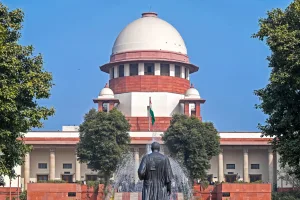
The Supreme Court has asked governments and publicly funded institutions to dissociate Michel Danino and two associates from curriculum work after controversy over a Class 8 NCERT textbook chapter.

Statesman News Service | Mumbai |

The Supreme Court order on Wednesday brought academic Professor Michel Danino into the spotlight after the court directed the Centre, all state governments and publicly funded institutions to keep him and two associates away from school curriculum work linked to the National Council of Educational Research and Training (NCERT).

The directions came in connection with a disputed sub-chapter titled ‘Corruption in the Judiciary’ that appeared in the Class 8 NCERT Social Science textbook. The court felt the material raised serious concerns about how the judiciary had been portrayed to young students.

According to the court’s order, Professor Danino was serving as the chairperson of the NCERT social science curriculum panel that oversaw the content. Two other members associated with the chapter – Ms Diwakar and Mr Alok Prasanna Kumar – were also named in the order.

The bench led by Chief Justice of India Surya Kant said the three individuals should not be involved in preparing school curriculum or finalising textbooks meant for future batches of students. The court also directed that they should not render services to institutions where payments would come from public funds.

The judges said they were concerned that the chapter could present the Indian judiciary in a negative light to Class 8 students, who are still at an impressionable stage of learning.

However, the court made it clear that the three individuals can approach the court to seek modification of the order after providing their explanation.

“At the outset, we have no reason to doubt that Professor Michel Danino, along with Ms Diwakar and Mr Alok Prasanna Kumar, either does not have reasonable knowledge about the Indian judiciary or they deliberately and knowingly misrepresented the facts in order to project a negative image of the Indian judiciary before students of Class 8 who are at an impressionable age. There is no reason as to why such persons be associated in any manner with the preparation of the curriculum or finalisation of textbooks for the next generation. We direct Union, all States and all institutions receiving State funds to disassociate them from rendering any service which would mean payment to them from public funds,” the court noted.

A scholar of Indian civilisation and education

Professor Michel Danino describes himself as a long-time student of Indian civilisation who has lived in India since 1977. Over the years, he has written extensively and delivered lectures on Indian cultural history and knowledge traditions at universities and academic institutions.

His research papers on early Indian history and protohistory have appeared in journals such as Man and Environment, Puratattva and Dossiers d’archéologie. He has also contributed more than 30 chapters to academic books.

Danino has authored and edited several books, including The Lost River: On the Trail of the Sarasvati, Indian Culture and India’s Future, and Sri Aurobindo and India’s Rebirth. He has also been associated with school-level education initiatives, including the CBSE course “Knowledge Traditions and Practices of India.”

In academia, he has taught or delivered lecture series on ancient Indian heritage and knowledge systems at institutions such as IIT Kanpur, IIT Gandhinagar, IIM Ranchi and Amrita University. At IIT Gandhinagar, he helped initiate a semester course on Indian Knowledge Systems and contributed to the development of the Archaeological Sciences Centre.

Danino has also served on several academic and policy bodies, including the Indian Council of Historical Research and committees linked to the development of India’s National Curriculum Frameworks.

Supreme Court flags textbook process

During the hearing, the Supreme Court also examined how the controversial chapter had been approved.

NCERT had informed the court through an affidavit that the relevant chapter had already been rewritten. But the bench said the revised version cannot be included in the curriculum unless it is cleared by a panel of domain experts to be set up by the Central government.

The court suggested that the committee should include a former senior judge, an eminent academician, and a renowned legal practitioner.

The bench also expressed disappointment over the composition of the earlier panel, noting that no eminent jurist had been included in the committee reviewing the content.

At the same time, the court clarified that its order was not meant to stop legitimate criticism of the judiciary. It said constructive and objective discussion about the functioning of institutions can help address shortcomings.

“We hasten to reiterate paragraph 9 of our order dated February 26 to show that the interim directions issued are not intended to prevent any healthy, objective and legitimate criticism of the functioning of the judiciary. If the judiciary is suffering from any deficiencies like any other institution, it will be a welcome step not only for the future generation of the nation, it will open doors for the present generation to take necessary remedial steps”, the Court noted.

Earlier, on February 26, the Supreme Court had taken suo motu cognisance of the issue and issued notices to officials from the Department of Education and Literacy in the Ministry of Education and NCERT. The court had also imposed a ban on the Class 8 textbook containing the disputed chapter.

During Wednesday’s hearing, Solicitor General Tushar Mehta informed the court that the NCERT Director had submitted an unconditional apology through an affidavit. The government also told the court that it had asked NCERT to review textbooks across all classes.

While accepting the apology, the bench observed that the affidavit had highlighted weaknesses in the approval process of the NCERT curriculum.

The court has now asked the Centre to set up the expert panel within one week to examine the rewritten chapter before any further decision on publication.

From Mukku to Rinku: Revisiting Sara Ali Khan’s most memorable roles before ‘Pati Patni Aur Woh Do’

Sara Ali Khan has charmed audiences with every role, from the innocent Mukku to the bold Rinku. As ‘Pati Patni Aur Woh Do’ approaches, fans are eager to see the new dimension she brings to the screen.

Statesman News Service | New Delhi |

Sara Ali Khan has carved her own space in Bollywood. And let’s be honest, she is hard to ignore. From very first frame of her debut, she brought spark that felt effortless. There’s something about the way she carries every character that makes audiences root for her instantly.

As fans get ready for her next release, ‘Pati Patni Aur Woh Do’, it’s perfect time to take closer look at her on-screen journey.

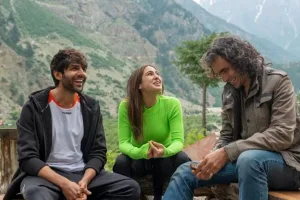
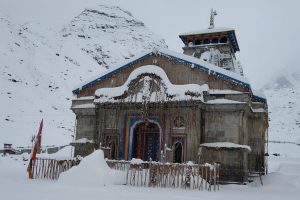
Mukku in ‘Kedarnath’

Sara burst onto the big screen as Mukku in ‘Kedarnath’. And boy, did she make an impression! The character was free-spirited, fun-loving girl with heart of gold. Her chemistry with Sushant Singh Rajput became instant talk of the town.

What stood out wasn’t just her charm. It was the sincerity with which she played a girl caught in love and tragedy. Audiences immediately felt, “This is someone special.”

Chumki in ‘Metro… In Dino’

Fast forward a few years, and Sara gave us Chumki in ‘Metro… In Dino’. This role felt like a breath of fresh air. Sara brought subtle emotions to life. Quiet love, small joys, heartbreaks that were all too real.

Her performance told viewers that she’s not just a pretty face.

Geeta Vijaya in ‘Sky Force’

Sara then took on real-life persona in ‘Sky Force’. She portrayed Geeta Vijaya, wife of Air Force officer T Krishna Vijaya.

Shagun in ‘Simmba’

In ‘Simmba’, Sara played Shagun, the sweet and innocent love interest amid the film’s action-packed storyline. She brought a delicate charm to the film. This made her presence memorable even in a movie full of high-octane thrills.

Those romantic songs and endearing expressions? Pure Sara magic.

Rinku in ‘Atrangi Re’

If there’s one role that highlighted her acting chops, it’s Rinku in ‘Atrangi Re’. This feisty, outspoken girl from Bihar was not just loud and bold. She carried layers of innocence, trauma, vulnerability.

Sara made every emotion feel real, every quirk believable.

Bambi in ‘Murder Mubarak’

Sara’s Bambi Todi in ‘Murder Mubarak’ was delightful change of pace. Playing stylish, wealthy Delhi socialite, she combined quirkiness with charm.

Her comedic timing and ability to make an oblivious, eccentric character lovable showed she can handle comedy as effortlessly as drama.

Somya in ‘Zara Hatke Zara Bachke’

In ‘Zara Hatke Zara Bachke’, Sara played Somya Dubey. She is spirited, headstrong woman navigating love, family, middle-class life. Her portrayal was warm, funny, relatable.

What’s next: ‘Pati Patni Aur Woh Do’

Sara Ali Khan is all ready to share the screen with Ayushmann Khurrana and Rakul Preet Singh in ‘Pati Patni Aur Woh Do’.

Fans are buzzing to see what new energy she brings to this role.

Also Read: Ranveer Singh sets new standard in ‘Dhurandhar’; Shashwat Sachdev calls his performance truly exceptional

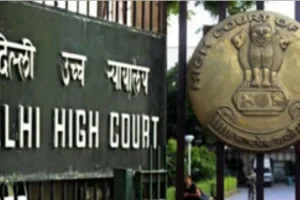
Lunch Adjourned: Delhi High Court lawyers’ canteen drops main course amid gas crunch

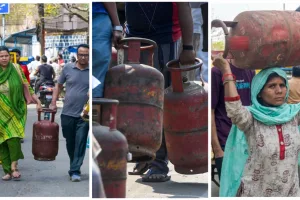
Advocates and court staff will have to make do with sandwiches, salads, and fruit chaats as the canteen struggles without gas. The shortage is tied to wider LPG supply disruptions caused by international tensions affecting fuel logistics.

Statesman News Service | New Delhi |

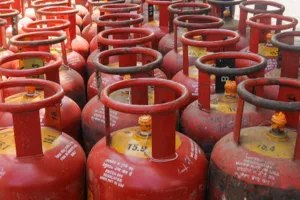
If you were planning to grab hearty lunch at the Delhi High Court’s Lawyers’ Canteen, you might need to rethink your plans. The canteen has temporarily stopped serving main course meals because of shortage of LPG gas cylinders. This has now left advocates and court staff with limited options.

No gas, no curries

A notice issued on March 11 by the canteen management announced the disruption, stating that the unavailability of LPG has made it impossible to cook full meals.

“This is to respectfully inform you that due to the unavailability of the LPG gas cylinder at present, we regret that we are unable to prepare and serve the main course items in the Lawyers Canteen,” the message read.

Also Read: No LPG, LNG shortage yet? India taps alternative routes as global energy markets wobble

The notice further clarified that there is no definite timeline for when gas supply will resume. “At the moment, we do not have any information regarding when the LPG supply will be restored. We will resume the preparation of the main course as soon as the gas supply becomes available,” it added.
Light meals still on the menu

Not all is lost for those visiting the canteen. Items that do not require cooking, such as sandwiches, salads, fruit chaats, and other quick refreshments, will continue to be available.

This means advocates can still grab a snack, but a proper hot lunch will have to wait.

Also Read: ‘Govt became cheerleader for Israel, USA:’ CPI-M MP John Brittas on LPG cylinder shortage

The notice, signed by Sandeep Sharma of the Lawyers’ Canteen, apologised for the inconvenience and requested patience and understanding from the court’s staff and lawyers.

Wider supply chain issues

LPG shortage at this canteen is part of larger picture affecting fuel supplies in India . Supply chain disruptions linked to ongoing tensions in West Asia, particularly involving the United States, Israel, Iran, have affected fuel logistics.

Recently the Central Government invoked Essential Commodities Act to regulate natural gas supplies in response to the West Asia crisis and blockade at the Hormuz Strait.

While the canteen waits for its gas cylinders to arrive, the Delhi High Court community will have to make do with lighter fare, at least until the curry and dal make a comeback.

Also Read: With commercial LPG supply restricted, coal stoves return in schools for MDM

Iran war may hit India’s burger-and-pizza chains as LPG squeeze threatens QSR kitchens

Commercial LPG prices have already risen about 8% in March, and even a five-day supply break could cut store revenues and margins across India’s organised quick service restaurant sector.

Statesman News Service | Mumbai |

India’s big quick service restaurant chains could face trouble if the gas supply strain linked to the Iran war continues. A note by JM Financial says operators such as KFC, Burger King, McDonald’s, and Domino’s may have to deal with higher kitchen costs, weaker store sales and, in some places, even temporary disruption to operations.

The concern is simple. Much of the organised QSR business in India still runs on LPG-based kitchens. If commercial gas becomes harder to get, or more expensive, restaurant chains may be forced to rethink menus, limit operations in some markets or absorb higher fuel bills. Over time, some of that pressure may also be passed on to customers.

Why LPG supply matters for India’s restaurant chains

JM Financial said around 60 to 65 per cent of cooking across most QSR chains depends on LPG. That includes grills, fryers, ovens, and other kitchen equipment used every day across large outlet networks. Most companies, the brokerage said, are working with a supply cushion of roughly one to two weeks.

That may not sound alarming at first. But the note warned that even a short break in supply can hurt business. It estimated that if restaurants do not get LPG cylinders for five days, revenue per store could fall by 6 per cent, while restaurant-level EBITDA for the quarter could drop by 14 to 20 per cent from normal levels.

The pressure is not only about supply. Commercial LPG cylinder prices have already risen around 8 per cent month-on-month in March 2026, according to the brokerage. For chains operating hundreds of stores, that can quickly raise operating costs.

JM Financial said major listed players exposed to the risk include Devyani International, Sapphire Foods India, Westlife FoodWorld, and Restaurant Brands Asia. Jubilant FoodWorks, though not under coverage, is also expected to be affected.
The note said large chains are better placed than smaller eateries when it comes to procurement. Even so, they still need regular supplies of commercial LPG to keep kitchens running smoothly.

Among company-specific observations, JM Financial said about 63 per cent of Sapphire’s cooking depends on LPG, and it has a buffer of around seven to eight days. Restaurant Brands Asia, it said, had anticipated the issue earlier and built a two-week buffer, though it may still have to stop certain product categories if the situation worsens. Westlife FoodWorld is still assessing the impact, but its current buffer is said to be around one week.

Wider gas stress is now spilling into more sectors

The brokerage said the Iran conflict is starting to affect India’s broader gas ecosystem. Force majeure notices have been issued across the LNG value chain, and some industrial users are facing possible cuts of 10 to 50 per cent in supply.

That is now being felt beyond restaurants. JM Financial said sectors such as chemicals, consumer durables, fertilisers, ceramics, logistics, and even food delivery platforms may come under pressure if the disruption drags on.

JM Financial also pointed to risks for chemicals and fertiliser companies because of their dependence on imported ammonia and gas-linked inputs.

In consumer-facing sectors, the note said food delivery businesses of Eternal and Swiggy may be hit if restaurant operations are disrupted. Their quick commerce arms may see some demand benefit if more people cook at home, but the overall effect may still be negative because food delivery remains the more profitable business.

Hotels, for now, appear less exposed because most large chains use piped natural gas rather than commercial LPG cylinders. But JM Financial said any deeper gas shortage could still affect food and beverage operations, room service and MICE business if the disruption widens.

For now, the brokerage’s message is that the situation is still evolving. But for India’s organised food service sector, where speed, scale and menu consistency are central to the business model, LPG has suddenly become a key operating risk.

Oil nears $90 as Iran war jolts markets

Brent crude, the global benchmark, traded around $91.94 a barrel, while US crude slipped to about $88.87 after volatile trading earlier in the week

IANS | New Delhi |

Oil prices hovered near $90 a barrel on Tuesday as the war involving Iran sent shockwaves through global energy markets, raising fears of prolonged supply disruptions through the critical Strait of Hormuz and pushing US lawmakers to propose emergency measures to curb rising fuel costs.

Brent crude, the global benchmark, traded around $91.94 a barrel, while US crude slipped to about $88.87 after volatile trading earlier in the week, according to CNBC and CNN.

Energy markets have swung sharply as the conflict threatens tanker traffic through the Strait of Hormuz, one of the world’s most important oil chokepoints. The narrow waterway between Iran and Oman carries a large share of global crude exports from Gulf producers including Saudi Arabia, Iraq and the United Arab Emirates.

Saudi Aramco CEO Amin Nasser warned the situation could have severe consequences for global energy markets if disruptions persist.

“There will be catastrophic consequences for the world’s oil market,” Nasser said, according to CNBC. “While we have faced disruptions in the past, this one by far is the biggest crisis the region’s oil and gas industry has faced.”

Markets initially surged after fears that the war could choke off supply routes through the strait. Oil prices briefly approached $120 earlier in the week before retreating as traders reacted to comments from U.S. President Donald Trump suggesting the conflict could end soon.

“I think the war is very complete, pretty much,” Trump said in a phone interview cited by CNN.

However, the broader outlook remains uncertain. Analysts say even temporary disruptions could trigger a global energy shock.

The Wall Street Journal reported that shipping through the Strait of Hormuz slowed sharply amid fears of attacks, creating what it described as the most severe threat to global oil flows in decades. The conflict has caused volatility in crude markets and raised the possibility that oil prices could surge much higher if disruptions persist, the financial daily said.

Trump also warned Iran that any attempt to block the passage would trigger massive retaliation.

“If Iran does anything that stops the flow of Oil within the Strait of Hormuz, they will be hit by the United States of America TWENTY TIMES HARDER than they have been hit thus far,” Trump said in a Truth Social post cited by CNBC.

The conflict’s economic impact is already being felt in the United States, where gasoline prices have begun rising sharply.

Meanwhile, a group of US lawmakers has introduced legislation aimed at reducing fuel costs for consumers.

Senators Mark Kelly and Richard Blumenthal, along with Representative Chris Pappas, introduced the Gas Prices Relief Act, which would temporarily suspend the federal gasoline tax to ease pressure on households.

The proposal would suspend the 18.4-cent-per-gallon federal gas tax until October 1, 2026, an effort designed to reduce the price motorists pay at the pump while global energy markets remain unstable.

“Suspending the federal gas tax would help bring prices down and give families some much needed relief,” Kelly said.

Under the proposal, the US Treasury Department would monitor fuel prices to ensure oil companies pass the tax savings to consumers rather than absorbing them as profits.

Energy analysts say such policy steps could provide temporary relief but may not fully offset global market shocks if tensions in the Middle East escalate further.