Logo

Delhi Dynamos, Pune labour to 1-1 draw in ISL

Delhi Dynamos, Pune labour to 1-1 draw in ISL

IANS |

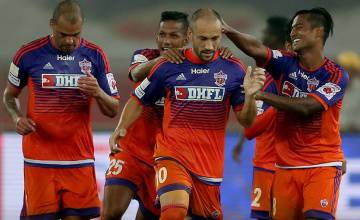
Delhi Dynamos and Pune FC played out a 1-1 draw in an Indian Super League ISL football match here on Thursday in a result that hardly boosted the aspirations of the two struggling teams for a semi-final berth.

Forward Jesus Tato put Pune ahead against the flow of the game moments before the half-time whistle. Delhi equalised through Milan Singh in the 79th minute.

The stalemate extended host Delhi’s extended their winless streak to five matches four of them draws keeping them sixth in the standings with seven points from six matches.

Pune’s campaign is also similar their latest draw being their fourth consecutive winless match and are placed a rung below Delhi collecting six from as many matches.

Delhi’s winless sequence of matches is partly due to their bungling offense that sparked concern from coach Gianluca Zambrotta.

The match proved his anxiousness wasn’t unfounded as Delhi missed several chances. On occasions they hit the target they were foiled by superb shot-stopping by Pune custodian Edel Bete.

Delhi imposed themselves on the match early creating an opening in the 13th minute at the Jawaharlal Nehru stadium.

Milan Singh set up by Marceilinho and Florent Malouda fine interchange of passes produced a shot that deflected off defender Gourmangi Singh but was still goalbound for custodian Edel Bete to tip the ball over the bar.

The Marceilinho-Malouda combination was ruling the midfield zone dominating possession and dictating the flow of the game.

But Bete stood in their path as he was determined to block anything that tried to go past him denying striker Richard Gadze nine minutes later when he spun quickly to shoot Malouda’s intelligent pinged pass.

Cameronian Bete continued to be Delhi’s main opposition as the hosts were comprehensive in their superiority over Pune.

Pune coach Antonio Habas was agitated and barked instructions constantly to reduce the plight of his overwhelmed players.

But the much-yearned opening goal remained elusive.

Pune got their first sight om goal in the 40th minute forward Dramane Traore outjumped defender David Addy but sent his header way off target.

Delhi were stunned in the 45th minute when they conceded against the run of play.

Tato won an aerial battle with Souvik Chakraborty managing a feeble header to a cross that looped over a helpless goalkeeper Soram Poirei to nestle into the net.

Pune went into the break with the unlikely 1-0 lead.

Delhi’s determination to score magnified after conceding and they resumed after the breather with more purpose.

But all their efforts came untuck against a fantastic Bete two minutes after play resumed who dived to his right to palm away Ruben Gonzalez Rocha’s curling effort into the bottom right corner.

But when Bete blinked in the 53rd minute Delhi were unable to capitalise. A rare miscalculation from Bete saw him collide with two retreating Pune defenders.

Th error allowed Marcelinho to put the ball into a gaping net but he managed the harder task of hitting the side-netting.

A frustrated Zambrotta introduced attackers Bruno Pelissari and Konsham Chinglensana Singh on the hour mark to improve their marksmanship.

Their perseverance finally paid dividends when Milan Singh shot through a maze of legs inside the box to beat Bete in the 79th minute.

Gadze a constant threat throughout the match then came closes to breaking the deadlock but his strong shot flashed wide giving a scampering Bete respite.

Delhi Dynamos, Pune labour to 1-1 draw in ISL

Delhi Dynamos, Pune labour to 1-1 draw in ISL

IANS |

Delhi Dynamos and Pune FC played out a 1-1 draw in an Indian Super League ISL football match here on Thursday in a result that hardly boosted the aspirations of the two struggling teams for a semi-final berth.

Forward Jesus Tato put Pune ahead against the flow of the game moments before the half-time whistle. Delhi equalised through Milan Singh in the 79th minute.

The stalemate extended host Delhi’s extended their winless streak to five matches four of them draws keeping them sixth in the standings with seven points from six matches.

Pune’s campaign is also similar their latest draw being their fourth consecutive winless match and are placed a rung below Delhi collecting six from as many matches.

Delhi’s winless sequence of matches is partly due to their bungling offense that sparked concern from coach Gianluca Zambrotta.

The match proved his anxiousness wasn’t unfounded as Delhi missed several chances. On occasions they hit the target they were foiled by superb shot-stopping by Pune custodian Edel Bete.

Delhi imposed themselves on the match early creating an opening in the 13th minute at the Jawaharlal Nehru stadium.

Milan Singh set up by Marceilinho and Florent Malouda fine interchange of passes produced a shot that deflected off defender Gourmangi Singh but was still goalbound for custodian Edel Bete to tip the ball over the bar.

The Marceilinho-Malouda combination was ruling the midfield zone dominating possession and dictating the flow of the game.

But Bete stood in their path as he was determined to block anything that tried to go past him denying striker Richard Gadze nine minutes later when he spun quickly to shoot Malouda’s intelligent pinged pass.

Cameronian Bete continued to be Delhi’s main opposition as the hosts were comprehensive in their superiority over Pune.

Pune coach Antonio Habas was agitated and barked instructions constantly to reduce the plight of his overwhelmed players.

But the much-yearned opening goal remained elusive.

Pune got their first sight om goal in the 40th minute forward Dramane Traore outjumped defender David Addy but sent his header way off target.

Delhi were stunned in the 45th minute when they conceded against the run of play.

Tato won an aerial battle with Souvik Chakraborty managing a feeble header to a cross that looped over a helpless goalkeeper Soram Poirei to nestle into the net.

Pune went into the break with the unlikely 1-0 lead.

Delhi’s determination to score magnified after conceding and they resumed after the breather with more purpose.

But all their efforts came untuck against a fantastic Bete two minutes after play resumed who dived to his right to palm away Ruben Gonzalez Rocha’s curling effort into the bottom right corner.

But when Bete blinked in the 53rd minute Delhi were unable to capitalise. A rare miscalculation from Bete saw him collide with two retreating Pune defenders.

Th error allowed Marcelinho to put the ball into a gaping net but he managed the harder task of hitting the side-netting.

A frustrated Zambrotta introduced attackers Bruno Pelissari and Konsham Chinglensana Singh on the hour mark to improve their marksmanship.

Their perseverance finally paid dividends when Milan Singh shot through a maze of legs inside the box to beat Bete in the 79th minute.

Gadze a constant threat throughout the match then came closes to breaking the deadlock but his strong shot flashed wide giving a scampering Bete respite.
Beyond schools and universities

Beyond schools and universities

Deepak Rikhye |

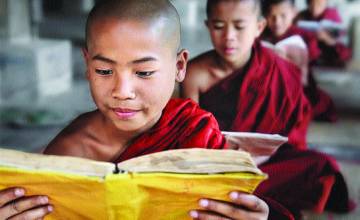
When people are inclined towards a profession that involves religion they are required to study related texts that involve different subjects. Divinity is a subject that offers a degree but there is one particular teaching that is profound and highly specialised where teachers exist only among themselves and professors are not available. Buddhism requires the articulation of different incantations prayers or recitations from the scriptures. It involves a plethora of subjects that includes training future monks or lamas to recite in a manner so the voice sounds like a bird with a mellifluous tone for certain passages or changes to a deep bass when the passage articulates the message of an angry demon. Again the voice must adopt a treble tone when uttering the blessings of a goddess and when praying it must be intoned without sharp fluctuations.nbsp;

This methodology has been revered in its unusual and unique form by saints sages pundits and eventually lamas who have all formed an incredible link to the teachings of Buddhism to ensure a continuation of this tradition down the ages. The curriculum for monkhood includes grades and disciplines in a lama’s daily life in Tibet and Sikkim. In these locations nearly all families have one son devoted to the Buddhist church and this tradition is fostered by deep religious habits that give rise to high social positions and privileges enjoyed by lamas rendering them superior and free from ordinary tribunals — although this may have changed somewhat over the decades to ensure that no person can be above the law.

It is seldom the eldest son who is chosen for monkhood because his role is to marry and continue the family name. The candidate for admission is usually brought to the monastery between the age of eight and 10 years. At Pemiongchi monastery in Sikkim the candidate must be of pure Tibetan descent but this rule would have been modified since someone immigrating from Chinese occupied Tibet to Sikkim is in all likelihood not permitted. The boy can have relatives within the same monastery who take on responsibilities during his training; should he have no relative in the monastery then by consulting his horoscope a monk is officially appointed. This monk then enters a hall where senior monks are nbsp;assembled and seeks permission to take the boy as a pupil. When approved the boy becomes a probationer and his education begins with the fundamentals that entail learning the alphabet which is the quot;ka kha gahellip;quot; thus confirming that it is undoubtedly the Hindi script that is taught. This is followed by reading and reciting a lot of which has to be memorised.nbsp;

The first books he masters are actually a series of booklets with six or seven pages each. The Leu-bdun ma or quot;The Seven Chaptersquot; is a prayer book of Guru Rimpochhe; the quot;Charmsquot; to clear the way from danger is a prayer to the Guru in 12 stanzas; the Sher-phyin an abstract of Transcendental Wisdom is six pages; the Ku-Rim is a sacrificial service for averting calamity and the Mon-lam comprises prayers for welfare.nbsp;

The young probationer is also instructed on certain golden maxims that cover the Four Precipices of Speech thus explained: if the speech is too lengthy it is tedious; if it is too short the interpretation is not valued; if quot;roughquot; it irritates listeners; if soft the effectiveness disappears. Tutors advise that speech must contain vigour to interest listeners; it must be bright to enlighten an audience; most importantly after these precepts the ending must be dynamic. Probationers memorise the principles of speech articulated by the great religious king Srong-btsan-sgam-po in these nbsp;expressive words ldquo;Speech should float forth freely like a bird into the sky and be clothed in charming attire like a goddess. At the outset the speech should be clear like an unclouded sky. The speech should proceed like the excavation of treasure. The arguments should be agile like a deer chased by fresh hounds without hesitation or pause.rdquo;nbsp;

Aat the conclusion of this first phase the probationer is specially indoctrinated with the 10 faults and three improper acts explained by a senior monk. The 10 nbsp;faults include disbelief in books disrespect to teachers making oneself unpleasant ridiculing another’s misfortune and using abusive language. The improper acts include speaking on a subject with ignorance or giving poison to someone. This period continues for three years and candidates who do not show promise are removed. The boy then enters the noviciate stage and is a quot;Gra.paquot; pronounced quot;Ta-paquot; and assumes the dress of a monk to receive a religious name. A feast is planned for all monks given by the novice’s parents. The date is chosen through an astrological reference and he now resides in the monastery and is on occasion allowed to visit home. He must implicitly obey his tutor who is on certain occasions given gifts of cooked food by the boy’s relatives. He must attempt to pass the first professional examination followed by a second examination. He is invited to the Great Assembly Hall where he must recite from memory all the prescribed books in the presence of senior monks. This is apparently a trying ordeal and he is assigned a prompter. Each examination lasts for almost a week.

The second examination ends with the most challenging ordeal of all; a total of seven books must be recited from memory. There is an incredible repertoire of topics that include quot;The Worship of the Lake-born Vajraquot; the Guru Sage Sambhava; the three roots of sagedom; the four classes of the Fierce Guardians and the prayer of the great quot;Tashiquot; the Lepcha name for Sambhava. These books total 55 pages. Recitation by memory will qualify him to pass this second examination. He becomes a junior monk and is presented with a scarf of honour. He takes a higher seat in the Assembly Hall and is permitted to play the copper trumpet at functions. He is at liberty to pursue astrology medicine or painting for which he may choose a tutor within the order.nbsp;

To become a successful priest he must commit to memory a series of litanies that will qualify him to conduct various ceremonies so memorising parts of nbsp;certain scriptures continue after his examinations. There are other duties he must perform and this begins as a conch-shell blower attending to the altar after which he is upgraded as quot; u-chhoquot;. He will eventually be eligible to conduct prayers for important people – earlier this included visiting the Raja’s palace in Sikkim on auspicious days.

The Buddha always advocated people to not listen to his thoughts because of belief but to examine his precepts before paying heed. This is why scholars are convinced that Buddhism is not a religion. quot;The Dolmaquot; a goddess of Tibetans is prayed to so as to quot;quickly obtain the perfection of Buddhaquot; who was as a human being the personification of perfection in thought. quot;Hail! O emeraldine Dolma! Who art the savior of all beings! I pray thee descend from thy heavenly mansion at Potala together with all Thy retinue of gods deliver us from all distress!quot; This is part one of the Invocation to Dolma and the worship is divided into seven stages recited by Buddhists and included in a monk’s curriculum; there is no allusion in these prayers of Buddha being referred to as a deity. Indeed the Buddha’s role on earth can be summed up in this line of a prayer to nbsp;Dolma quot;Thou zealous soother of difficultieshellip;quot; All Buddha’s thoughts help one to be content in life.

Beyond schools and universities

Beyond schools and universities

Deepak Rikhye |

When people are inclined towards a profession that involves religion they are required to study related texts that involve different subjects. Divinity is a subject that offers a degree but there is one particular teaching that is profound and highly specialised where teachers exist only among themselves and professors are not available. Buddhism requires the articulation of different incantations prayers or recitations from the scriptures. It involves a plethora of subjects that includes training future monks or lamas to recite in a manner so the voice sounds like a bird with a mellifluous tone for certain passages or changes to a deep bass when the passage articulates the message of an angry demon. Again the voice must adopt a treble tone when uttering the blessings of a goddess and when praying it must be intoned without sharp fluctuations.nbsp;

This methodology has been revered in its unusual and unique form by saints sages pundits and eventually lamas who have all formed an incredible link to the teachings of Buddhism to ensure a continuation of this tradition down the ages. The curriculum for monkhood includes grades and disciplines in a lama’s daily life in Tibet and Sikkim. In these locations nearly all families have one son devoted to the Buddhist church and this tradition is fostered by deep religious habits that give rise to high social positions and privileges enjoyed by lamas rendering them superior and free from ordinary tribunals — although this may have changed somewhat over the decades to ensure that no person can be above the law.

It is seldom the eldest son who is chosen for monkhood because his role is to marry and continue the family name. The candidate for admission is usually brought to the monastery between the age of eight and 10 years. At Pemiongchi monastery in Sikkim the candidate must be of pure Tibetan descent but this rule would have been modified since someone immigrating from Chinese occupied Tibet to Sikkim is in all likelihood not permitted. The boy can have relatives within the same monastery who take on responsibilities during his training; should he have no relative in the monastery then by consulting his horoscope a monk is officially appointed. This monk then enters a hall where senior monks are nbsp;assembled and seeks permission to take the boy as a pupil. When approved the boy becomes a probationer and his education begins with the fundamentals that entail learning the alphabet which is the quot;ka kha gahellip;quot; thus confirming that it is undoubtedly the Hindi script that is taught. This is followed by reading and reciting a lot of which has to be memorised.nbsp;

The first books he masters are actually a series of booklets with six or seven pages each. The Leu-bdun ma or quot;The Seven Chaptersquot; is a prayer book of Guru Rimpochhe; the quot;Charmsquot; to clear the way from danger is a prayer to the Guru in 12 stanzas; the Sher-phyin an abstract of Transcendental Wisdom is six pages; the Ku-Rim is a sacrificial service for averting calamity and the Mon-lam comprises prayers for welfare.nbsp;

The young probationer is also instructed on certain golden maxims that cover the Four Precipices of Speech thus explained: if the speech is too lengthy it is tedious; if it is too short the interpretation is not valued; if quot;roughquot; it irritates listeners; if soft the effectiveness disappears. Tutors advise that speech must contain vigour to interest listeners; it must be bright to enlighten an audience; most importantly after these precepts the ending must be dynamic. Probationers memorise the principles of speech articulated by the great religious king Srong-btsan-sgam-po in these nbsp;expressive words ldquo;Speech should float forth freely like a bird into the sky and be clothed in charming attire like a goddess. At the outset the speech should be clear like an unclouded sky. The speech should proceed like the excavation of treasure. The arguments should be agile like a deer chased by fresh hounds without hesitation or pause.rdquo;nbsp;

Aat the conclusion of this first phase the probationer is specially indoctrinated with the 10 faults and three improper acts explained by a senior monk. The 10 nbsp;faults include disbelief in books disrespect to teachers making oneself unpleasant ridiculing another’s misfortune and using abusive language. The improper acts include speaking on a subject with ignorance or giving poison to someone. This period continues for three years and candidates who do not show promise are removed. The boy then enters the noviciate stage and is a quot;Gra.paquot; pronounced quot;Ta-paquot; and assumes the dress of a monk to receive a religious name. A feast is planned for all monks given by the novice’s parents. The date is chosen through an astrological reference and he now resides in the monastery and is on occasion allowed to visit home. He must implicitly obey his tutor who is on certain occasions given gifts of cooked food by the boy’s relatives. He must attempt to pass the first professional examination followed by a second examination. He is invited to the Great Assembly Hall where he must recite from memory all the prescribed books in the presence of senior monks. This is apparently a trying ordeal and he is assigned a prompter. Each examination lasts for almost a week.

The second examination ends with the most challenging ordeal of all; a total of seven books must be recited from memory. There is an incredible repertoire of topics that include quot;The Worship of the Lake-born Vajraquot; the Guru Sage Sambhava; the three roots of sagedom; the four classes of the Fierce Guardians and the prayer of the great quot;Tashiquot; the Lepcha name for Sambhava. These books total 55 pages. Recitation by memory will qualify him to pass this second examination. He becomes a junior monk and is presented with a scarf of honour. He takes a higher seat in the Assembly Hall and is permitted to play the copper trumpet at functions. He is at liberty to pursue astrology medicine or painting for which he may choose a tutor within the order.nbsp;

To become a successful priest he must commit to memory a series of litanies that will qualify him to conduct various ceremonies so memorising parts of nbsp;certain scriptures continue after his examinations. There are other duties he must perform and this begins as a conch-shell blower attending to the altar after which he is upgraded as quot; u-chhoquot;. He will eventually be eligible to conduct prayers for important people – earlier this included visiting the Raja’s palace in Sikkim on auspicious days.

The Buddha always advocated people to not listen to his thoughts because of belief but to examine his precepts before paying heed. This is why scholars are convinced that Buddhism is not a religion. quot;The Dolmaquot; a goddess of Tibetans is prayed to so as to quot;quickly obtain the perfection of Buddhaquot; who was as a human being the personification of perfection in thought. quot;Hail! O emeraldine Dolma! Who art the savior of all beings! I pray thee descend from thy heavenly mansion at Potala together with all Thy retinue of gods deliver us from all distress!quot; This is part one of the Invocation to Dolma and the worship is divided into seven stages recited by Buddhists and included in a monk’s curriculum; there is no allusion in these prayers of Buddha being referred to as a deity. Indeed the Buddha’s role on earth can be summed up in this line of a prayer to nbsp;Dolma quot;Thou zealous soother of difficultieshellip;quot; All Buddha’s thoughts help one to be content in life.

Sebi orders Micro Finance to refund Rs.88 cr

Sebi orders Micro Finance to refund Rs.88 cr

PTI |

Clamping down on illegal fund raising schemes Sebi on Thursday ordered Micro Finance Ltd to refund over Rs.88 crore investor money raised through such schemes without complying with the public issue norms.

Besides the firm and its six directors have been barred from the capital markets for four years.

The refund has to be madenbsp;within three monthsnbsp;along with an interest of 15 per cent per annum.

A Securities and Exchange Board of India Sebi probe found that the company mobilised over Rs.88.91 crore from at least 121222 investors by issuing Cumulative Convertible Preference shares CCPS between 2005-2013.

Since the shares were issued by the firm to more than 49 people it qualified as a public issue that requires compulsory listing on the recognised stock exchange. It was also required to file a prospectus among other things which it failed to do.

The entities are quot;prohibited from buying selling or otherwise dealing the securities market directly or indirectly in whatsoever manner for a period of four yearsquot; Sebi said in an order.

In case the firm fails to comply with the directions Sebi may initiate appropriate action in accordance with the provisions applicable laws.

The order would come into force with immediate effect.nbsp;

The curse of triple talaq

The curse of triple talaq

Kuldip Nayar |

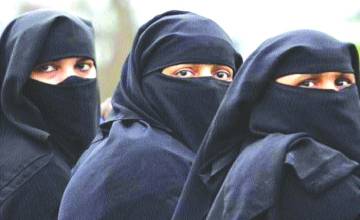
Radiance is a weekly journal of the Jamaat-i-Islamia a fundamentalist organisation. It carries on its front page an article which says: quot;First you give us account.quot; Apparently you means the Hindus. The article is on triple talaaq.nbsp;

Hindu Personal Law came into being after first Prime Minister Jawaharlal Nehru’s intervention. Marriages used to be a sacrament for life and the sick or the disabled had to go through the rigours of marriage with no relief. It was Nehru who introduced divorce in the Hindu religion for the first time. nbsp;He was strongly opposed by Dr Rajendra Prasad who was the chairman of the constituent assembly and a widely respected leader. nbsp;Nehru had his way.

The Muslims have faced a similar challenge for a long time. Triple talaaq has no Quranic sanction but it has been there for a long time. Some women challenged it in the Supreme Court which has said that there should be an equality of gender. The government thought of issuing a questionnaire to determine views but refrained from doing so.nbsp;

The Muslim Personal Law Board vehemently opposed this move. It has no woman member and continues to dictate terms without any consultation with women. This has been resented by the women themselves but the Muslim Personal Law Board continues to follow a policy which doesnrsquo;t even entertain their opinion.nbsp;

The question is bound to come up before parliament because different sections of the Muslim community and even others are agitated over the situation. Muslim men continue to dominate even though they concede that the Prophet wanted men and women to be equal. However when it comes codifying this idea the Board doesnrsquo;t care.

Most Muslim countries in the world including Pakistan and Bangladesh have banned triple talaaq. But the male chauvinism in India is so strong that even a debate on the subject is not possible. Even a semblance of discussion is rejected. Triple talaaq continues to be pronounced and the male dominance remains undiminished.

Instead of debating the problem the Radiance article tries to divert the focus on triple talaaq. When it says that let them first give the account it apparently makes the problem a Hindu and Muslim one. This is unfortunate. The Constitution has included in the Directive Principles the need for a Uniform Civil Code hoping that it would be followed one day.nbsp;

How can a debate take place when the Muslim Personal Law Board is straightaway opposed to the questionnaire seeking people’s opinion? nbsp;Women hailing from different parts of the country have protested and demanded that they should be consulted. The Narendra Modi government is reluctant to take any step lest it should be misunderstood. But things cannot be left at that point.nbsp;

Parliament should step in first to debate the issue in both houses and then find out how the community particularly women feel on this question. Political parties understandably want to maintain silence because of electoral considerations. Five states including Uttar Pradesh are going to the pools early next year and Muslims are the king makers.nbsp;

Samajwadi Party leader Mulayam Singh Yadav was able to garner Muslim votes because he was respected among Muslims who felt alienated from the Congress. This time the anti-incumbency factor will come into play; chief minister Akhilesh Yadav appears to be acceptable even though Azam Kham his cabinet minister continues to give out as if he is the custodian of Muslims.

Congress vice president Rahul Gandhi indiscreet in his speeches is trying to get Muslims on his side. But he doesnrsquo;t sell and it would be probably better for Sonia Gandhi herself to lead the party. There is no Italian-tag attached to her any longer. And she attracts crowds in her own name more than her son does. This is a challenge for the Congress which has staked its future with Rahul but feels increasingly convinced that he does not go down well with the masses. In fact his sister Priyanka Vadra has a better popular touch than him.

It is a shame that a secular democratic country has been living with a practice like triple talaaq fearing the annoyance of the community. Prime Minister Rajiv Gandhi bungled by bringing in legislation to ensure a stipend for Muslim widows. It unnecessarily fuelled the anti-Babri Masjid agitation and during the P.V. Narasimha Rao government the mosque was demolished. The rest is history.nbsp;

In the same way triple talaaq cannot continue because it goes against the grain of what is enshrined in the Constitution. In fact it is surprising that it has lasted so long despite the directive principles to have a common civil code. Successive governments since independence have evaded the question. The Modi government may also do the same. But this is not the solution. Triple talaaq will have to go sooner or later.nbsp;

The Radiance article has erroneously made the question as they and we Muslims and Hindus. This is a matter which the Muslim community has to sort out. But it cannot stay hanging as it has since independence. Whatever the Muslim Personal Law Board’s objection the questionnaire must be issued to find out how the community and the rest of people feel about it.nbsp;

Probably the winter session of parliament will witness a discussion on the subject. But even if it is not slated it should take place. No doubt the community has to decide but it hasnrsquo;t happened so far. And it looks odd that a secular democratic country feels helpless to do away with an anomaly that has been prevalent for over six decades.

However reluctant the Modi government may feel it has to face the reality and find a solution. It is not Hindus versus Muslims; it is some outdated thinking which does not fit into the letter and spirit of the Constitution.nbsp;

The writer is a noted journalist columnist and commentator.

Kali and Nivedita

Kali and Nivedita

Swami Sandarshanananda |

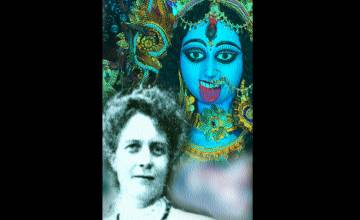
She was baptised as Margaret Elizabeth Noble and later ordained as Sister Nivedita. She joined the Ramakrishna Order in 1898. Behind her metamorphosis lies a fascinating story. Born in Ireland on 28 October 1867 she was 28 when she first met Swami Vivekananda. By then she was well known as an educationist journalist writer speaker and social worker in London. At the Seseme Club — of which she was a founder — she had interacted with distinguished brains pre-eminently George Bernard Shaw and Aldous Huxley.

The chemistry of her transformation began with the first meeting with the Swami from whom she received a sublime message. In her masterpiece The Master As I Saw Him she famously wrote in the opening chapter — ldquo;Only this first time we were but fifteen or sixteen guests intimate friends many of us and he sat amongst us in his crimson robe and girdle as one bringing us news from a far land with a curious habit of saying time and again lsquo;Shiva! Shiva!rsquo; and wearing that look of gentleness and loftiness that one sees on the faces of those who live much in meditation that look perhaps that Raphael has painted for us on the brow of the Sistine Child.rdquo;

A call welled up from within the depth of her being. She responded to it immediately and reached India soon with the express permission of her Master. Swami Vivekananda received her cordially and groomed her as his spiritual child. She grew up to be his exemplary disciple who chose to wear out and make her Master’s teachings real.

Today is the sesquicentenary of Sister Nivedita’s birth and tomorrow is Kali Puja. Goddess Kali was Sister Nivedita’s chosen ideal. She looked upon Her as God the Mother saying ldquo;The soul that worships always becomes a little child: the soul that becomes a little child finds God often as mother.rdquo; She was overwhelmed by the inner significance. The image she perceived was ldquo;perhaps dearer than any other to the heart of India.rdquo;

She invoked Kali incessantly. Her Brahmo friends were rather flabbergasted by her attitude. Brahmos perceived Kali as somewhat diabolical . This was a matter of concern to her.

Within a couple of months of her arrival she was initiated by Swami Vivekananda on 28 March 1898 as a novice of the Order of Ramakrishna. On November 13 — the day of Kali Puja — Sri Ramakrishna’s spiritual consort Sarada Devi inaugurated her school in North Kolkata in the presence of Swami Vivekananda and two disciples. This was the first girlsrsquo; school of Ramakrishna Mission.

Sister Nivedita believed that India would benefit if the Brahmos and Ramakrishna Mission worked together. With that idea in mind she arranged a tea party at her residence on 27 January 1899. Swami Vivekananda Rabindranath Tagore and Mohini Mohan Chatterjee were present. Unfortunately her desire of getting them together for India’s good was never fulfilled. Her Master and the monks of the Mission were committed to the worship of Guru as well as Kali and this was not agreeable to the Brahmos. Swami Vivekananda was skeptical about the efficacy of such an alliance but never interfered with her simple and sincere efforts.

On 13 February she gave a lecture on ldquo;Kali and Her Worshiprdquo; at Calcutta’s Albert Hall. But the Brahmos were utterly disappointed with her. She wrote on 15 February 1899: ldquo;Well my lecture on Kali came off on Monday. The Albert Hall crammed. Dear old Dr Mahendralal Sirkar spoke against Kali and me — with tears — and was very touchinghellip;rdquo; People deplored Dr Sirkar’s speech. Her Master attended and ldquo;was greatly pleasedrdquo; with her lecture. ldquo;Sarola Ghosal and Mohini Mohan Chatterjee have just leftrdquo;. She ldquo;was feeling a wee bit depressedrdquo; for that. She was however happy simultaneously and said ldquo;One lovely gift my lecture has brought me. The heart friendship and enthusiasm of a young Tagore boy full of noble impulses and freshness.rdquo;

Sister Nivedita was invited to give another lecture on Kali at Kalighat temple on 28 May 1899. She said: ldquo;Swami is much pleased at that. He thinks that would be the greatest blow that could be struck against exclusiveness.rdquo;

On that very day she wrote: ldquo;I am to lecture at Kalighat this afternoon and the Mother Herself sent Swami to me at 6 yesterday morning to talk.rdquo; This testifies to her profound faith in Kali. But she was nervous as well. She said her Master ldquo;just liftedrdquo; her ldquo;out of that mood of lostness like a giant but with such sense of holiness and confidencerdquo;. Swami Vivekananda was to preside over her lecture although he was not willing. He said he couldnrsquo;t ldquo;restrainrdquo; his emotion. He told her: ldquo;For we have been Kali worshippers for centuries. Every bit of that place is holy to me. Even the very blood on the ground is holy. Every drop of it. I could lick it all up out of reverence.rdquo; nbsp;Eventually he couldnrsquo;t attend the lecture as he was indisposed.

She was able to assimilate each and every word that dropped out of her Master’s lips and enrich herself in spite of her being a Westerner. The cultural hiatus had had no effect on her. The Kalighat lecture was a success. But the Brahmos were presumably unhappy. She was gradually disillusioned with this group. She said: ldquo;The Brahmos make me ill. They are a hopeless lot. But the Swami says rebukingly lsquo;when people come into the world to serve an idea Margot they have to make their own material too. They must not expect to find people ready to listen.rdquo;

Her Kali The Mother produced ripples. It was first published in 1900 by Swan Sonnenschein amp; Co. Ltd. London. nbsp;It was distributed across the world. Its complex content was presented in a lucid and innovative style. The concept of Kali was appreciated the world over. nbsp;In India it influenced the revolutionaries pre-eminently Sri Aurobindo. The booklet called Kali The Mother served as an inspiration to our workers.

Apart from the fact that it was a philosophical as well as poetical analysis the book was written with a somewhat rebellious tone. Just as the Gita had inspired revolutionaries by its philosophy of self-less work nishkama karma so too did Kali The Mother by its concepts of death embedded in the metaphysics of Kali.

Sister Nivedita interviewed her Master and she set forth the details in a letter 28 May 1899. It was focused on her Master’s Guru and the worship of Kali. She called it a priceless treasure. What the letter primarily depicts is that the knowledge she gained about both her Guru and Kali was so potent indeed that she would not misconceive them ever again. This was possible only because the questions were supple and the answers free and frank with no room for confusion. The preceptor and the pupil were equally infallible.

Her paternal grandfather her father and brother were priests. They never interfered with an individual’s independence. Which is why her Master was well-received and respected by her family. nbsp;Within the family Sister Nivedita was a jewel.

The writer is associated with Ramakrishna Mission Ashram Narendrapur in West Bengal.

Foreboding in Manipur

Foreboding in Manipur

Editorial |

The firing by suspected NSCNIM cadres at Manipur chief minister Okram Ibobi Singh on Monday morning when he was alighting from his helicopter at the Ukhrul helipad was perhaps a warning in good measure of what to expect before or during the assembly election due sometime in February-March next year. Ibobi was to inaugurate a100-bed district hospital at Ukhrul and commission a power sub-station some kilometres away but had to abandon his programnme following protests and return to Imphal.

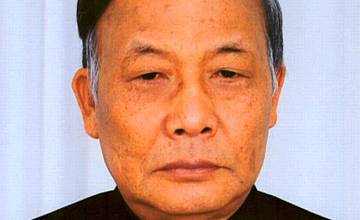
That this has happened in Ukhrul comes as little surprise because that hill district belongs to Tangkhuls and Somdal village there assumes significance because it is NSCNIM general secretary Thuingaleng Muivah’s birthplace. The Tangkhuls dislike Ibobi because they feel he is a hindrance to Muivah’s efforts to secure greater Nagaland. Ibobi has steadfastly defended the state’s territorial integrity. Also the Tangkhuls have not quite forgotten how in May 2010 Ibobi aborted Muivah’s attempt to enter the state through the Mao gate 72 km from Imphal that delineates the border between Manipur and Nagaland.

At that point of time the Nagas in Manipur had imposed an indefinite economic blockade of the state’s national highways and tension had been running high. When Muivah’s team tried to enter Manipur a strong police force stopped him and in the clashes that ensued two persons were killed in police firing. This took place despite the Centre’s request to the Manipur government to make necessary security arrangements for Muivah who has not visited his native place since joining the rebel ranks way back in late 1959. Ibobi was perhaps right when he argued that Muivah’s visit was undesirable because a criminal case was pending against him. No chief minister worth his salt can abdicate his responsibility to defend his state’s territorial integrity.

Manipur’s powerful United Naga Council is clamouring for an alternative arrangement for Nagas in the four hill districts of Senapati Tamenglong Chandel and Ukhrul independent of the Ibobi government.

It has boycotted the autonomous district council elections the bottom-line being separation from Manipur and to be part of the ldquo;Greater Nagalandrdquo; scheme. Last but not the least the occasional firing of guns by NSCN IM cadres and their activities in Manipur contradict the outfit’s very assertion that Manipur also comes under the jurisdiction of the July 1997 ceasefire agreement signed between the Centre and the NSCNIM leaders. There are distinct prospects of law and order going from bad to worse in the run-up to the election. nbsp;

Foreboding in Manipur

Foreboding in Manipur

Editorial |

The firing by suspected NSCNIM cadres at Manipur chief minister Okram Ibobi Singh on Monday morning when he was alighting from his helicopter at the Ukhrul helipad was perhaps a warning in good measure of what to expect before or during the assembly election due sometime in February-March next year. Ibobi was to inaugurate a100-bed district hospital at Ukhrul and commission a power sub-station some kilometres away but had to abandon his programnme following protests and return to Imphal.

That this has happened in Ukhrul comes as little surprise because that hill district belongs to Tangkhuls and Somdal village there assumes significance because it is NSCNIM general secretary Thuingaleng Muivah’s birthplace. The Tangkhuls dislike Ibobi because they feel he is a hindrance to Muivah’s efforts to secure greater Nagaland. Ibobi has steadfastly defended the state’s territorial integrity. Also the Tangkhuls have not quite forgotten how in May 2010 Ibobi aborted Muivah’s attempt to enter the state through the Mao gate 72 km from Imphal that delineates the border between Manipur and Nagaland.

At that point of time the Nagas in Manipur had imposed an indefinite economic blockade of the state’s national highways and tension had been running high. When Muivah’s team tried to enter Manipur a strong police force stopped him and in the clashes that ensued two persons were killed in police firing. This took place despite the Centre’s request to the Manipur government to make necessary security arrangements for Muivah who has not visited his native place since joining the rebel ranks way back in late 1959. Ibobi was perhaps right when he argued that Muivah’s visit was undesirable because a criminal case was pending against him. No chief minister worth his salt can abdicate his responsibility to defend his state’s territorial integrity.

Manipur’s powerful United Naga Council is clamouring for an alternative arrangement for Nagas in the four hill districts of Senapati Tamenglong Chandel and Ukhrul independent of the Ibobi government.

It has boycotted the autonomous district council elections the bottom-line being separation from Manipur and to be part of the ldquo;Greater Nagalandrdquo; scheme. Last but not the least the occasional firing of guns by NSCN IM cadres and their activities in Manipur contradict the outfit’s very assertion that Manipur also comes under the jurisdiction of the July 1997 ceasefire agreement signed between the Centre and the NSCNIM leaders. There are distinct prospects of law and order going from bad to worse in the run-up to the election. nbsp;

Startups can raise $3 mn via ECBs annually: RBI

Startups can raise $3 mn via ECBs annually: RBI

PTI |

The Reserve Bank on Thursday permitted startups to raise external commercial borrowings ECBs of up to 3 million in a financial year a move aimed at boosting innovation and promoting job creation.

quot;The borrowing should be denominated in any freely convertible currency or in Indian Rupees INR or a combination thereof.

quot;In case of borrowing in INR the non-resident lender should mobilise INR through swapsoutright sale undertaken through bank in Indiaquot; the RBI said while issuing norms for ECB route for startups.

The borrowing per startup will be limited to 3 million or equivalent per financial year either in Indian rupee or any convertible foreign currency or a combination of both it said.

The borrowing RBI added can be in the form of loans or non-convertible optionally convertible or partially convertible preference shares and the minimum average maturity period will be 3 years.

ECBs can be raised from a country which is either a member of Financial Action Task Force FATF or FATF-Style Regional Bodies.

However overseas branches and subsidiaries of Indian banks and overseas wholly owned subsidiary or joint venture of an Indian company will not be considered as recognised lenders the RBI added.

India has the third-largest number of startups globally.

In January Prime Minister Narendra Modi had unveiled a slew of incentives for them including tax holiday inspector raj-free regime capital gains tax exemption and Rs.10000 crore corpus to provide funds. Government has also relaxed procurement norms for them.

Startups can raise $3 mn via ECBs annually: RBI

Startups can raise $3 mn via ECBs annually: RBI

PTI |

The Reserve Bank on Thursday permitted startups to raise external commercial borrowings ECBs of up to 3 million in a financial year a move aimed at boosting innovation and promoting job creation.

quot;The borrowing should be denominated in any freely convertible currency or in Indian Rupees INR or a combination thereof.

quot;In case of borrowing in INR the non-resident lender should mobilise INR through swapsoutright sale undertaken through bank in Indiaquot; the RBI said while issuing norms for ECB route for startups.

The borrowing per startup will be limited to 3 million or equivalent per financial year either in Indian rupee or any convertible foreign currency or a combination of both it said.

The borrowing RBI added can be in the form of loans or non-convertible optionally convertible or partially convertible preference shares and the minimum average maturity period will be 3 years.

ECBs can be raised from a country which is either a member of Financial Action Task Force FATF or FATF-Style Regional Bodies.

However overseas branches and subsidiaries of Indian banks and overseas wholly owned subsidiary or joint venture of an Indian company will not be considered as recognised lenders the RBI added.

India has the third-largest number of startups globally.

In January Prime Minister Narendra Modi had unveiled a slew of incentives for them including tax holiday inspector raj-free regime capital gains tax exemption and Rs.10000 crore corpus to provide funds. Government has also relaxed procurement norms for them.

Startups can raise $3 mn via ECBs annually: RBI

Startups can raise $3 mn via ECBs annually: RBI

PTI |

The Reserve Bank on Thursday permitted startups to raise external commercial borrowings ECBs of up to 3 million in a financial year a move aimed at boosting innovation and promoting job creation.

quot;The borrowing should be denominated in any freely convertible currency or in Indian Rupees INR or a combination thereof.

quot;In case of borrowing in INR the non-resident lender should mobilise INR through swapsoutright sale undertaken through bank in Indiaquot; the RBI said while issuing norms for ECB route for startups.

The borrowing per startup will be limited to 3 million or equivalent per financial year either in Indian rupee or any convertible foreign currency or a combination of both it said.

The borrowing RBI added can be in the form of loans or non-convertible optionally convertible or partially convertible preference shares and the minimum average maturity period will be 3 years.

ECBs can be raised from a country which is either a member of Financial Action Task Force FATF or FATF-Style Regional Bodies.

However overseas branches and subsidiaries of Indian banks and overseas wholly owned subsidiary or joint venture of an Indian company will not be considered as recognised lenders the RBI added.

India has the third-largest number of startups globally.

In January Prime Minister Narendra Modi had unveiled a slew of incentives for them including tax holiday inspector raj-free regime capital gains tax exemption and Rs.10000 crore corpus to provide funds. Government has also relaxed procurement norms for them.

Startups can raise $3 mn via ECBs annually: RBI

Startups can raise $3 mn via ECBs annually: RBI

PTI |

The Reserve Bank on Thursday permitted startups to raise external commercial borrowings ECBs of up to 3 million in a financial year a move aimed at boosting innovation and promoting job creation.

quot;The borrowing should be denominated in any freely convertible currency or in Indian Rupees INR or a combination thereof.

quot;In case of borrowing in INR the non-resident lender should mobilise INR through swapsoutright sale undertaken through bank in Indiaquot; the RBI said while issuing norms for ECB route for startups.

The borrowing per startup will be limited to 3 million or equivalent per financial year either in Indian rupee or any convertible foreign currency or a combination of both it said.

The borrowing RBI added can be in the form of loans or non-convertible optionally convertible or partially convertible preference shares and the minimum average maturity period will be 3 years.

ECBs can be raised from a country which is either a member of Financial Action Task Force FATF or FATF-Style Regional Bodies.

However overseas branches and subsidiaries of Indian banks and overseas wholly owned subsidiary or joint venture of an Indian company will not be considered as recognised lenders the RBI added.

India has the third-largest number of startups globally.

In January Prime Minister Narendra Modi had unveiled a slew of incentives for them including tax holiday inspector raj-free regime capital gains tax exemption and Rs.10000 crore corpus to provide funds. Government has also relaxed procurement norms for them.

Reviving NCTC?

Reviving NCTC?

Editorial |

It comes as no surprise that it has been left to home ministry officials to do some loud thinking actually test the political waters on resurrecting the proposal to establish a National Counter Terrorism Centre. No minister would have wished to re-float a proposal for an organisation of that nature: not after Narendra Modi when chief minister of Gujarat had been among the most strident of objectors when the UPA government did the groundwork for it after the terror outrage in the nation’s financial capital. Several non-Congress state governments had then insisted that the NCTC conceived on the pattern of an American system created after 911 would infringe upon their rights and the union government would acquire ldquo;backdoorrdquo; control over law-and-order — which the states consider a cherished right under the Constitution but do little to effectively discharge their responsibility.

At a recent meeting of the parliamentary standing committee on home affairs the home secretary is reported to have said ldquo;no final decisionrdquo; had been taken. Another official of the ministry said elsewhere that ldquo;the NCTC is not dead and buriedrdquo;; but officials are wary of saying more on the politically sensitive issue. Given the reality that under the NDA administration the political divide has been exacerbated a new nomenclature and altered powers could be a way out of the impasse that had caused the initial effort former home minister P Chidambaram was said to be its architect to be shelved.

Whether Modi and Mr Rajnath Singh will be able to come up with an acceptable alternative is a query only time might answer — provided they take the hard decision home ministry officials are dropping hints about.

Most counter-terrorism ldquo;professionalsrdquo; lament the absence of a centralised unit that would collect and collate various intelligence inputs necessary to mount a comprehensive war on terror — the need for which is underscored by Pakistan’s continued ignoring of international opinion and using terror as an instrument of state policy. No state-level agency can tackle the problem on its own.

Many experts apprehend that merely sharing of intelligence is not enough: some information may actually be leaked. Or that the time-lag between receiving an input and acting uponnbsp;it could render the input useless. Hence thenbsp;initial proposal to empower the NCTC to make arrests to which the states are so bitterly opposed — perhaps because of the unhappy experience of the Centre misusing the CBI and other enforcement agencies for political ends. If and when an equivalent of the NCTC does take shape itnbsp;

would be worth estimating how much was ldquo;lostrdquo; while the proposal was hanging fire. It will indicate the price the nation paid for its petty politicking.

Reviving NCTC?

Reviving NCTC?

Editorial |

It comes as no surprise that it has been left to home ministry officials to do some loud thinking actually test the political waters on resurrecting the proposal to establish a National Counter Terrorism Centre. No minister would have wished to re-float a proposal for an organisation of that nature: not after Narendra Modi when chief minister of Gujarat had been among the most strident of objectors when the UPA government did the groundwork for it after the terror outrage in the nation’s financial capital. Several non-Congress state governments had then insisted that the NCTC conceived on the pattern of an American system created after 911 would infringe upon their rights and the union government would acquire ldquo;backdoorrdquo; control over law-and-order — which the states consider a cherished right under the Constitution but do little to effectively discharge their responsibility.

At a recent meeting of the parliamentary standing committee on home affairs the home secretary is reported to have said ldquo;no final decisionrdquo; had been taken. Another official of the ministry said elsewhere that ldquo;the NCTC is not dead and buriedrdquo;; but officials are wary of saying more on the politically sensitive issue. Given the reality that under the NDA administration the political divide has been exacerbated a new nomenclature and altered powers could be a way out of the impasse that had caused the initial effort former home minister P Chidambaram was said to be its architect to be shelved.

Whether Modi and Mr Rajnath Singh will be able to come up with an acceptable alternative is a query only time might answer — provided they take the hard decision home ministry officials are dropping hints about.

Most counter-terrorism ldquo;professionalsrdquo; lament the absence of a centralised unit that would collect and collate various intelligence inputs necessary to mount a comprehensive war on terror — the need for which is underscored by Pakistan’s continued ignoring of international opinion and using terror as an instrument of state policy. No state-level agency can tackle the problem on its own.

Many experts apprehend that merely sharing of intelligence is not enough: some information may actually be leaked. Or that the time-lag between receiving an input and acting uponnbsp;it could render the input useless. Hence thenbsp;initial proposal to empower the NCTC to make arrests to which the states are so bitterly opposed — perhaps because of the unhappy experience of the Centre misusing the CBI and other enforcement agencies for political ends. If and when an equivalent of the NCTC does take shape itnbsp;

would be worth estimating how much was ldquo;lostrdquo; while the proposal was hanging fire. It will indicate the price the nation paid for its petty politicking.

Reviving NCTC?

Reviving NCTC?

Editorial |

It comes as no surprise that it has been left to home ministry officials to do some loud thinking actually test the political waters on resurrecting the proposal to establish a National Counter Terrorism Centre. No minister would have wished to re-float a proposal for an organisation of that nature: not after Narendra Modi when chief minister of Gujarat had been among the most strident of objectors when the UPA government did the groundwork for it after the terror outrage in the nation’s financial capital. Several non-Congress state governments had then insisted that the NCTC conceived on the pattern of an American system created after 911 would infringe upon their rights and the union government would acquire ldquo;backdoorrdquo; control over law-and-order — which the states consider a cherished right under the Constitution but do little to effectively discharge their responsibility.

At a recent meeting of the parliamentary standing committee on home affairs the home secretary is reported to have said ldquo;no final decisionrdquo; had been taken. Another official of the ministry said elsewhere that ldquo;the NCTC is not dead and buriedrdquo;; but officials are wary of saying more on the politically sensitive issue. Given the reality that under the NDA administration the political divide has been exacerbated a new nomenclature and altered powers could be a way out of the impasse that had caused the initial effort former home minister P Chidambaram was said to be its architect to be shelved.

Whether Modi and Mr Rajnath Singh will be able to come up with an acceptable alternative is a query only time might answer — provided they take the hard decision home ministry officials are dropping hints about.

Most counter-terrorism ldquo;professionalsrdquo; lament the absence of a centralised unit that would collect and collate various intelligence inputs necessary to mount a comprehensive war on terror — the need for which is underscored by Pakistan’s continued ignoring of international opinion and using terror as an instrument of state policy. No state-level agency can tackle the problem on its own.

Many experts apprehend that merely sharing of intelligence is not enough: some information may actually be leaked. Or that the time-lag between receiving an input and acting uponnbsp;it could render the input useless. Hence thenbsp;initial proposal to empower the NCTC to make arrests to which the states are so bitterly opposed — perhaps because of the unhappy experience of the Centre misusing the CBI and other enforcement agencies for political ends. If and when an equivalent of the NCTC does take shape itnbsp;

would be worth estimating how much was ldquo;lostrdquo; while the proposal was hanging fire. It will indicate the price the nation paid for its petty politicking.

Reviving NCTC?

Reviving NCTC?

Editorial |

It comes as no surprise that it has been left to home ministry officials to do some loud thinking actually test the political waters on resurrecting the proposal to establish a National Counter Terrorism Centre. No minister would have wished to re-float a proposal for an organisation of that nature: not after Narendra Modi when chief minister of Gujarat had been among the most strident of objectors when the UPA government did the groundwork for it after the terror outrage in the nation’s financial capital. Several non-Congress state governments had then insisted that the NCTC conceived on the pattern of an American system created after 911 would infringe upon their rights and the union government would acquire ldquo;backdoorrdquo; control over law-and-order — which the states consider a cherished right under the Constitution but do little to effectively discharge their responsibility.

At a recent meeting of the parliamentary standing committee on home affairs the home secretary is reported to have said ldquo;no final decisionrdquo; had been taken. Another official of the ministry said elsewhere that ldquo;the NCTC is not dead and buriedrdquo;; but officials are wary of saying more on the politically sensitive issue. Given the reality that under the NDA administration the political divide has been exacerbated a new nomenclature and altered powers could be a way out of the impasse that had caused the initial effort former home minister P Chidambaram was said to be its architect to be shelved.

Whether Modi and Mr Rajnath Singh will be able to come up with an acceptable alternative is a query only time might answer — provided they take the hard decision home ministry officials are dropping hints about.

Most counter-terrorism ldquo;professionalsrdquo; lament the absence of a centralised unit that would collect and collate various intelligence inputs necessary to mount a comprehensive war on terror — the need for which is underscored by Pakistan’s continued ignoring of international opinion and using terror as an instrument of state policy. No state-level agency can tackle the problem on its own.

Many experts apprehend that merely sharing of intelligence is not enough: some information may actually be leaked. Or that the time-lag between receiving an input and acting uponnbsp;it could render the input useless. Hence thenbsp;initial proposal to empower the NCTC to make arrests to which the states are so bitterly opposed — perhaps because of the unhappy experience of the Centre misusing the CBI and other enforcement agencies for political ends. If and when an equivalent of the NCTC does take shape itnbsp;

would be worth estimating how much was ldquo;lostrdquo; while the proposal was hanging fire. It will indicate the price the nation paid for its petty politicking.