Logo

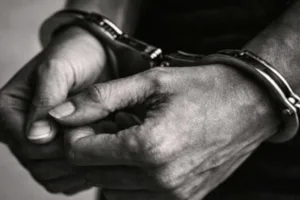
ED arrests Kotak Mahindra Bank manager

IANS | New Delhi |

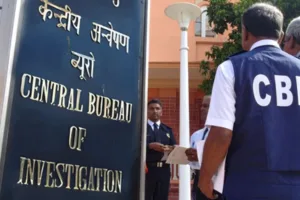
The Enforcement Directorate on Wednesday morning arrested a manager of the Kotak Mahindra Bank for his alleged links with hawala trader Parasmal Lodha and Delhi-based lawyer Rohit Tandon.

Sources in the ED said that the branch manager, Aakash, was arrested for allegedly converting over Rs.25 crore in demonetised notes linked to industrialist J Sekhar Reddy and lawyer Rohit Tandon.

On December 23, the Income Tax department also carried out raids at the bank branch here.

Akash, a resident of Haryana, would be produced in a Delhi court on Wednesday afternoon. 

Lodha, a leading businessman with interests in real estate and mining, was intercepted at the Mumbai airport while he was trying to flee to Malaysia.

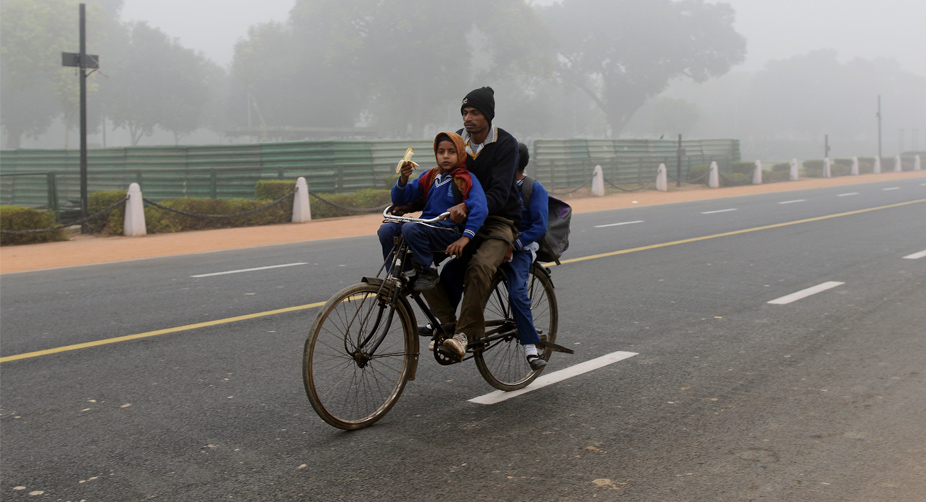
Foggy Wednesday in Delhi

IANS | New Delhi |

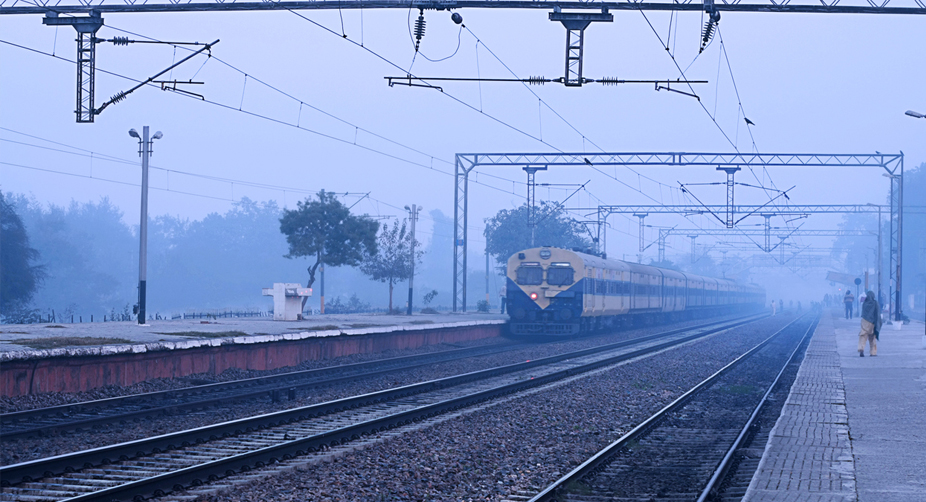
It was a foggy Wednesday morning here with the minimum temperature settling at 7.5 degrees Celsius, one notch above the season's average, the weather office said.

"The sky would remain partly cloudy with moderate to dense fog in the morning," an official of India Meteorological Department (IMD) said.

Maximum temperature was likely to hover around 23 degrees Celsius, while the minimum temperature was likely to dip around 7 degrees Celsius.

The humidity at 8.30 a.m. was 97 per cent. Visibility at Safdarjung was 400 metres, while that at Palam was 200 metres.

Tuesday's maximum temperature settled around 23.4 degrees Celsius, three notches above the season's average; while the minimum was recorded at 9.3 degrees Celsius – four notches above the season's average.

How Indians can make America great again

Basab Dasgupta |

There is no question that the American society has gone through a decline during the past 40 years or so in terms of living standards of the middle class, moral values, educational level of students, family cohesion not to mention the pride associated with being the best nation in the world. Being a physicist by training I like to look at complex situations and analyze them it in terms of some root causes. This is similar to what physicists do when they explain a new phenomenon in terms of the laws of physics.

After considerable thought I established four fundamental "laws” behind this decline. I do not know why these statements are true but they are and we have to simply accept them just like the laws of physics. Here they are:

1) It does not matter which political party is in charge of the government; the country is effectively run by an elite group consisting of bankers, corporations and super rich people. 2) College education is too expensive. 3) The basic attitude of people is litigious. 4) The urge for instant gratification is very strong.

The first law implies that Americans really do not have a true democracy. So common people do not seriously engage in politics and their concerns are not adequately addressed. All political candidates act like robots and say and do whatever they are told. Everything is driven by the greed and ego of this elite group.

Unnecessarily high college tuition keeps a large fraction of the population, especially the minorities, away from higher education leading to all kinds of social problems from unemployment to criminal activities. It is a key reason for economic and racial divide in the society.

Americans spend billions of dollars in frivolous lawsuits and tie up the court system. It seems that it has only gone worse with the wide scale spread of political correctness. Whenever any group of people feels that it cannot live exactly the lifestyle it wants someone must be sued. One corollary is the high cost of medical care. Two main reasons for high medical cost are the malpractice insurance to cover lawsuits from patients and expensive latest medical equipment (resulting from the legal fear that patients might sue the hospitals for lack of the best possible treatment).

Finally the trait described in the last law is not unique to the USA, but the fact is that the means for satisfying all kinds of urges (for money, food, sex, alcohol and drugs just to name a few) are easily available. It is no wonder that obesity, divorce rates, number of bankruptcies and instances of substance abuse have dramatically increased in recent decades.

Now if we look at events beyond our control such as end of the cold war, globalisation of trade, 9/11 etc and combine them with these four laws it is not difficult to explain what has happened. With Donald Trump's election there is a lot of talk about making America great again. In my opinion the only way to achieve this is to address the four root causes.

The Indian immigrant community can play a pivotal role in this transformation. The reason is that the four laws really do not apply to the Indians because they are not yet completely assimilated into American society; therefore they can do something about them. It is similar to saying that aliens (no pun intended) from some distant strange planet where laws of physics do not apply might succeed in redirecting courses of phenomena which are otherwise dictated by the laws of physics. This is how the Indians can do it.

Indians had stayed away from American politics for a long time but it seems that second generation Indians are now entering the political arena. In addition to the obvious successes of Bobby Jindal and Nikki Haley there are a large number of Indians working behind the scene in both main parties. I expect to see more Indians running for political office. I believe that our inherent values will make us better candidates for running a government, more geared to the needs of common people. It is not just pure politics that many Indians have advanced to very prominent corporate positions.

CEOs of two technology giants, Microsoft and Google are first generation Indians: Satya Nadela and Sundar Pichai. There are several Indian-origin CEOs in other major companies including Pepsi, CitiBank, Adobe Systems and MasterCard. They should be able to exert influence on key strategic government decisions affecting lives.

All Indians are passionate about higher education because it was this education that opened the door to the first generation immigrants to the prosperous life in America. One of the priorities of all Indians is to save money for children's college education. When they look for a house to buy or rent the first criterion is to be in a good school district. I have always been shocked by the low expectation American parents put on their children's college aspirations. Both the Indian students and their parents can transfer this zeal about higher education to their American friends and neighbours. Even though college education is expensive there are all kinds of avenues to find a way if there is a strong determination.

I also hope that educators of Indian origin would be able to do something to bring down the college tuition fees and/or introduce alternative college education programmes either online or through independent institutions. Salman Khan of Khan academy has been a pioneer in this regard. Indian scientists and engineers are already leading the innovations for the next decades in technology companies like Google, Cisco, Microsoft, Facebook, Intel and others.

While Indians may not be able to change the litigious attitude of American society overnight they can set examples using their tolerance and negotiation skills on how to settle disputes without going through expensive and time-consuming lawsuits. Indian lawyers are emerging who are dedicated to prosecute real criminals. The name of Preet Bharara of New York city comes to mind. With the large number of Indian children opting for a medical profession they would also be in a position to make dramatic impact on how the medical industry is run and perhaps bring down medical costs.

Making any kind of effort to change the aspect of the American culture described in my fourth law is probably the most challenging task. This can happen by a full-scale assimilation of the Indian immigrant community into American society and perhaps mostly by interracial marriages and formation of racially diverse social groups.

I am sure that some of the practices which we take for granted such as frugal financial management based on a socialistic mindset, somewhat puritanical attitude about sexual activities, commitment to take care of elderly parents and exercise of restraint in dealing with any kind of temptation would be not only impressive but also considered as worthy of emulation by the society at large. Large scale introductions of Indian food, especially vegetarian dishes would go a long way towards keeping a healthy body. Hindu philosophy and spiritualism can teach a way to avoid addiction to materialistic and physical pleasures. The Self Realization Fellowship established by Paramhansa Yogananda has already been very popular in this regard.

While the first generation Indian immigrants suffer from heavy accents and typical “Desi” mannerisms our children do not have those problems and they will be automatically accepted as other Americans. One of my friends once commented that there is a possibility that someday the Indian community will bypass the Jewish community as the most influential minority with major impacts on all aspects of American society. I am very optimistic that his prediction would come true.

The writer, a physicist who worked in academia and industry, is a Bengali settled in America.

Tripartite initiative

Salman Haidar |

It has been announced that a three-country meeting on Afghanistan is to be held shortly in Moscow, to bring together Russia, China and Pakistan in order to confer on matters of regional peace and stability. Continued turmoil and civil strife in Afghanistan lie behind this initiative, with the three invited participants believing they are among those at risk from the spillover of the Afghan troubles and hence must collectively do something to try to contain the problem. The consultation in Moscow is to be at the level of senior officials, and Islamabad has made it known that its Foreign Secretary will be deployed for the meeting. Presumably the other participants will be represented at similar level. This is apparently the third such meeting though the earlier ones were not conducted with comparable publicity, and thus the forthcoming event looks as if it will be breaking fresh ground.

Afghanistan has been through an unending series of internal conflicts magnified by external interference ever since the overthrow of the former King some half-century ago. It is only recently that the Afghans have themselves been able to take steps to put matters to rights and establish a stable system of rule. President Ghani, following in succession President Karzai through a democratic transition, has done much to continue and strengthen the process of restoration that was started in the time of his predecessor. Having in this manner successfully taken charge of their own affairs, Afghans are understandably surprised and questioning of the fact that the tripartite meeting about their country is to take place without their participation. This omission has been highlighted by spokespeople in Kabul, and while the invited participants have tried to gloss over the issue, questions remain about the selection and the nature of the conference. Only a few weeks ago the 'Heart of Asia' conference on Afghanistan, the latest in a series, was convened in Amritsar with a large number of participants who set out to address issues of peace and development in Afghanistan. It is to be seen how the three participants shortly to assemble in Moscow can relate their own deliberations to the process shaped in Amritsar. As yet not very much has been made known about the structure of the tripartite meeting though a Russian spokesperson has said that his country has been holding discussions within the region, including China, Iran, India, and also Pakistan. Not much more is known at this stage of what to expect from the Moscow event.

Among those who are to take part, China has recently assumed a bigger role in regional and security affairs in its neighbourhood. China's Xinjiang province adjacent to Pakistan is often restive and faces the risk of infiltration by fundamentalist elements that could stir up sentiment in the local Muslim population. Afghanistan has not been directly drawn in, but the region as a whole has experienced a number of incidents in past years and China has every reason to heighten watchfulness in its borderlands. At the same time, in newly prominent Baluchistan local sensitivity has been stirred by the enlarged Chinese presence and there have been a number of violent incidents. Thus China has a number of concerns to bring to the regional consultation in Moscow. Even so, it remains strongly supportive of Pakistan, as seen in its commitment to the China-Pak Economic Corridor (CPEC)) that could have a profound effect on the region as a whole. China's commitment to the project was reiterated by its official spokesperson who also advised India not to hold aloof but to join in this important initiative.

Chinese regional policy remains what it was but that is not the case with Russia which in recent months has been engaged in building bridges with Pakistan and has taken important steps to restore relations with that country. There are many aspects: economic ties are advancing, so too is cooperation in political and security matters, and most striking is Russian willingness to sell a limited amount of military equipment to Pakistan. Earlier, the dividing lines were quite clear and there was little expectation that military sales could take place. It is also noteworthy that this current warming of relations is not part of a general improvement in Pakistan's ties within its neighbourhood, for regional countries like Iran and Afghanistan have kept their distance… not to mention India, whose relations with its neighbour are at a nadir. One can speculate that military sales were undertaken by Russia both for commercial reasons and also to develop relations with the all-important Pak army establishment, as part of its more active policy in the region. Whatever the reasons, Russia has broadened its options and assumed fresh regional responsibilities.

The forthcoming tripartite meeting has brought considerable relief to Pakistan for it seems to have reduced some of the pressures on that country. Only days before the announcement, there was a statement from the Pentagon accusing Pakistan of providing freedom of action for terror groups like the Taliban and the Haqqani group, which are under the scanner and are frequently accused of enjoying sanctuary in Pakistan. Against this background, the opportunity of coming together with Russia and China on a 'new regional project' to restore peace and stability in Afghanistan comes as an unlooked for opportunity. Little wonder that this has been described as a 'watershed moment' by the Pak official spokesperson. One may well wonder why this should be so for there is nothing to suggest any Pak change of heart that would encourage positive revaluation of its policy. Making the most of the opportunity, Pakistan has made the offer to Russia to provide it with access to newly developed Gwadar, which has the potential of serving as the warm water port Russia has always coveted.

As an indicator of the many transformations currently in train in Asia, US Secretary of State Kerry urged regional countries to take a bigger role in peacemaking. Coming when it did, this could be regarded as an implicit US gesture of support for the tripartite initiative, even though both Beijing and Moscow presently have their differences with the USA on broader issues of grand strategy. It is possible that when the new President takes charge there will be changes of priority and emphasis in US policy towards this region. For the moment, however, what is to be seen is a fluid interregnum between two Administrations, a time of change that affects all the major players in Asia. At this juncture, when so much transformation is in the air, India needs to be alert and prepared to make the policy adjustments that may be needed to promote its interests and strengthen its voice in the region.
The writer is India's former Foreign Secretary.

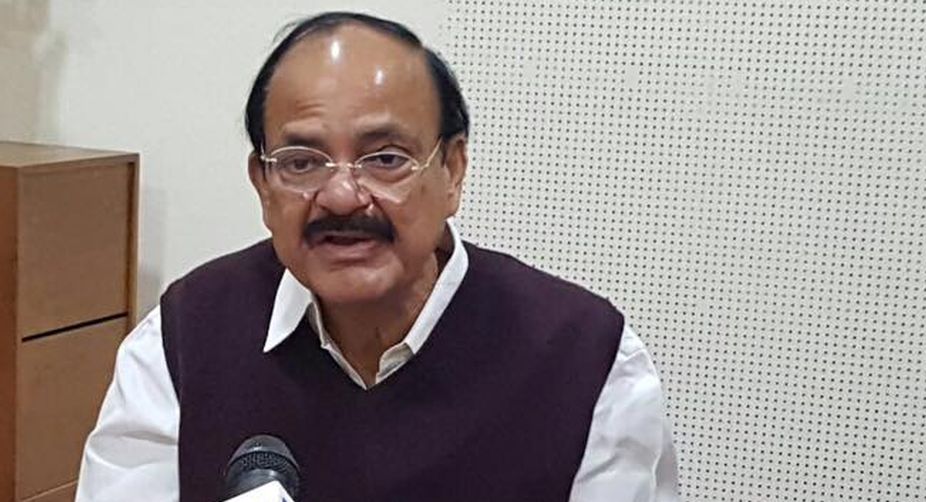
Rahul-led meeting fake attempt for unity: Venkaiah

PTI | Chennai |

Senior BJP leader and Union Minister M Venkaiah Naidu on Tuesday dismissed the Congress-led meet of eight parties against demonetisation, as a "fake attempt for unity" and said it would never succeed.

"This is a fake attempt for unity and it will never succeed. No wise party can join hands with Congress. If they (some political party) are doing it, they are doing so at their own peril," he told reporters on the sidelines of a function here.

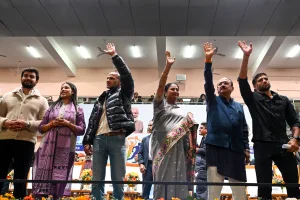
Earlier in the day, Congress vice-President Rahul Gandhi and Trinamool chief Mamata Banerjee along with some regional parties at a meeting in Delhi sought to put up a united face raising the pitch against demonetisation by demanding resignation of Prime Minister Narendra Modi.

Taking a dig at Gandhi, Naidu claimed, "He has failed to bring unity in his own party. The strength of Congress (in Lok Sabha) has declined from 444 seats to 44 seats." 

Referring to scams and corruption during the Congress rule, he claimed, "Earlier Opposition parties had to protest against corruption of the government. But now, the government is fighting against corruption and the opposition is fighting against the government." 

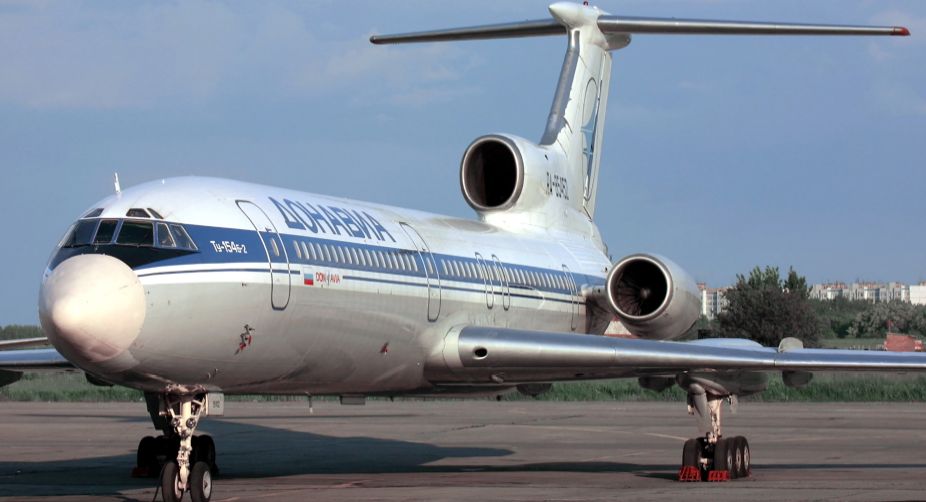
Rescuers find flight recorder from Black Sea plane crash

AP | Sochi |

Rescue workers on Tuesday found a flight recorder from the Russian plane that crashed into the Black Sea over the weekend, the defence ministry said.

All 92 people aboard the Russian military's Tu-154 plane are believed to have died Sunday morning when it crashed two minutes after taking off from the southern Russian city of Sochi.

The 84 passengers included dozens of singers from Russia's world-famous military choir who were going to the Russian Air Force base in Syria to perform at a New Year's concert.

The defence ministry said in a statement that one of the flight recorders was found on Tuesday morning about a mile away from the shore.

State television showed footage of rescue workers on an inflatable boat carrying a container with a bright orange object submerged in water. The ministry said the "black box" would be immediately flown to Moscow. It did not mention whether any damage had been done to the flight recorder.

About 3,500 people, 45 ships and 192 divers have been sweeping a vast crash site for bodies of the victims and debris, and dozens of drones and several submersibles also have been involved in the search.

Rescue teams so far have recovered 12 bodies and numerous body fragments, which have been flown to Moscow for identification.

Divers found fragments of the fuselage, parts of the engine and various mechanical parts at night, the defense ministry said.

Officials still have not announced the cause of the plane crash, but they have been anxious to squelch speculation that it might have been caused by a bomb planted on board or a portable air defense missile.

But some aviation experts have noted that the crew's failure to communicate any technical problem and a large area over which fragments of the plane were scattered point at a possible explosion on board.

Photo

  • img
  • img
  • img
  • img
  • img

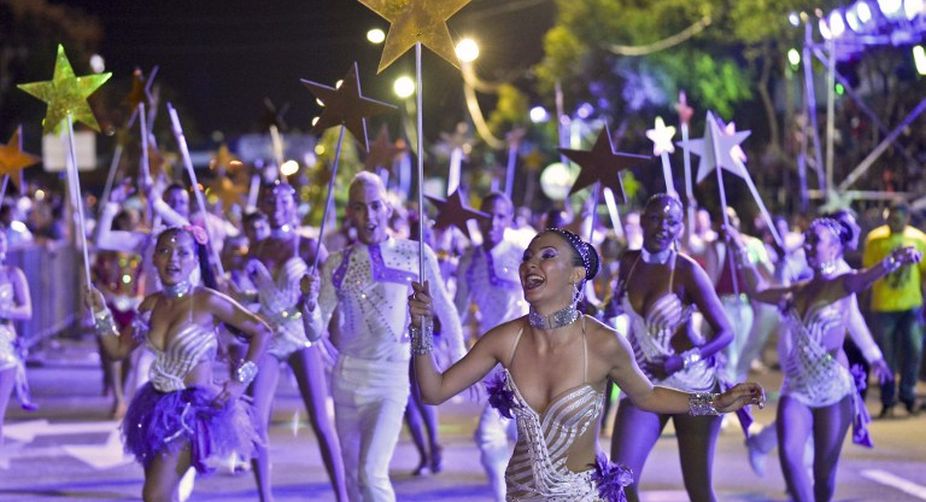
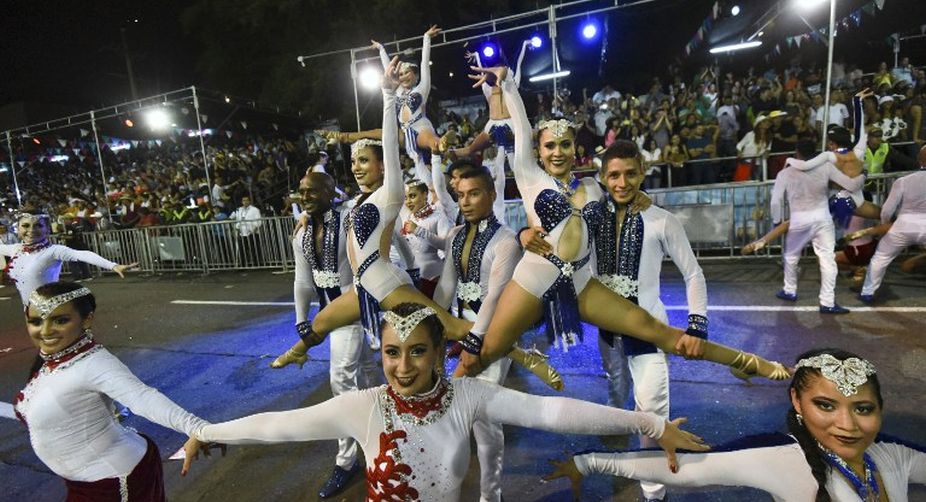
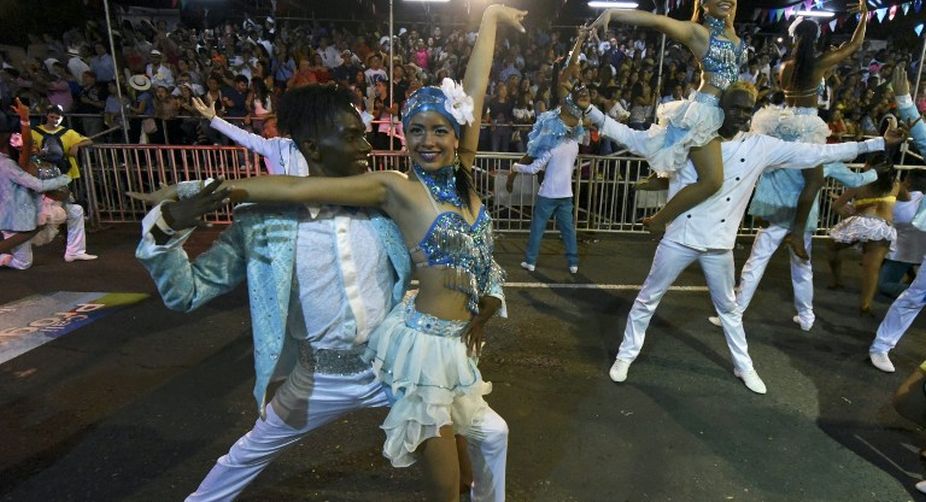
Let’s Salsa!

Let’s Salsa!

MORE Photo STORIES

Union demands ‘Padmavati’ maker pay for painter’s death

IANS | Mumbai |

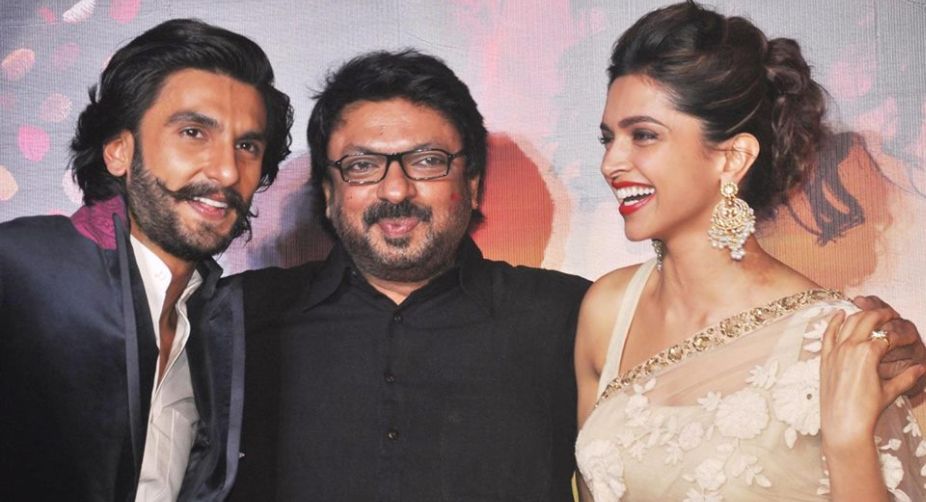
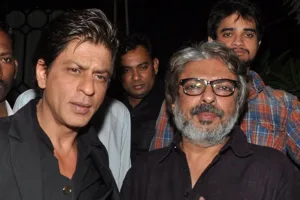
Film Studio Setting and Allied Mazdoor Union has demanded compensation for the family of a painter who died last week on the sets of "Padmavati", directed by filmmaker Sanjay Leela Bhansali here.

Union General Secretary Gangeshwarlal Shrivastav has said the union will issue a notice to Bhansali and seek damages to the painter's family at the earliest.

"Sanjay Leela Bhansali should give death compensation as soon as possible. We even urge Film City authorities not to allow construction of sets or shooting without safety measures," he said.

"We would want them at least to provide ambulances or provide us a place where we could necessitate this facility from our union," Shrivastav said in a statement.

"The safety rules and norms are not followed or taken care of while constructing huge sets and thus such accidents occur. We will soon send a notice to the production house," he added.

The accident happened on the sets of "Padmavati" at Film City in Goregaon here on December 23 afternoon.

Shrivastav said: "These days, producers and directors of big productions spend considerably, but do not take care of workers who toil hard. Just like an actor is taken care of on the sets, there should be a facility of ambulance, safety belt and safety cap and other safety measures taken for the benefit of the workers who toil on the sets."

"These safety measures should not only be applicable to stars but the entire unit connected to the particular film."

The painter, Mukesh Dakia, suffered a head injury and was declared dead at a hospital when he was taken there. The Aarey Colony police station has registered a complaint and the investigation is in progress.

Meanwhile, Deepika Padukone, the film's lead actress, tweeted and expressed grief over the worker's demise. "Shocked and saddened by the news… May his soul rest in peace and my most sincere condolences to his family."

Indrani out of jail to attend post-death rituals of her father

PTI | Mumbai |

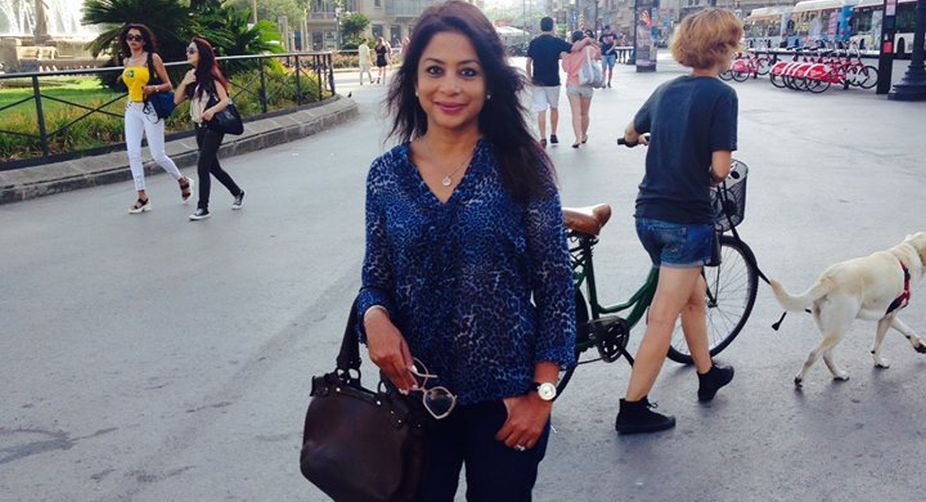
Indrani Mukerjea, prime accused in the Sheena Bora murder case, was on Tuesday taken out of the Byculla jail to attend the post-death rituals of her father in Mulund here.

A special CBI court had last week granted her the permission to attend the rituals anywhere in Mumbai, including at her residence, between 7 am and 7 pm on December 27.

The court had, however, rejected Indrani's plea for the interim bail to visit her hometown Guwahati. Her father Upendra Bora had died on December 15.

Indrani stepped out of the jail at around 7.30 AM amid heavy police protection to reach Brahmin Seva Samiti hall in suburban Mulund.

Special judge H S Mahajan on December 22 had said Indrani shall be taken out of the Byculla jail here in the morning under a police escort and brought back to jail by 7 PM. During this time, she shall not speak to the media, the judge had said.

Indrani had sought interim bail for visiting Assam for the rituals, but CBI had opposed her request. The agency produced an e-mail sent by Indrani's son Mikhail to CBI, saying he did not want her to visit Guwahati.

CBI also said Indrani's intention was to influence prosecution witnesses and there was also a possibility that she might try to escape from custody.

According to the agency, Indrani, her former husband Sanjeev Khanna and her driver Shyam Rai killed Sheena, Indrani's daughter from an earlier relationship, in April 2012.

I-T raid a constitutional assault, says ex-TN Chief Secretary

SNS | New Delhi |

Sacked Chief Secretary of Tamil Nadu P Rama Mohana Rao on Tuesday blamed the centre of ‘constitutional assault’ over Income-Tax raids conducted at his house, adding he still continues to hold the position.

“It is a constitutional assault on chief secretary’s house. I am still the Chief Secretary of Tamil Nadu,” Rao said.

Rubbishing the documents found at his place, Rao charged the I-T department of conducting unauthorized search at his premises.

I was surprised to see that my name was not there in search warrant and despite that they raided my house and claimed they found secret documents,” he said.

He further said the search was conducted in his son’s name, who is accused of involvement in money laundering along with businessman J Sekhar Reddy.

The I-T department raided the former chief secretary’s house and office premises on December 21. A day later, Rao was replaced by Girija Vaidhyanathan.

Obama would never have defeated me, says Trump

PTI | Washington |

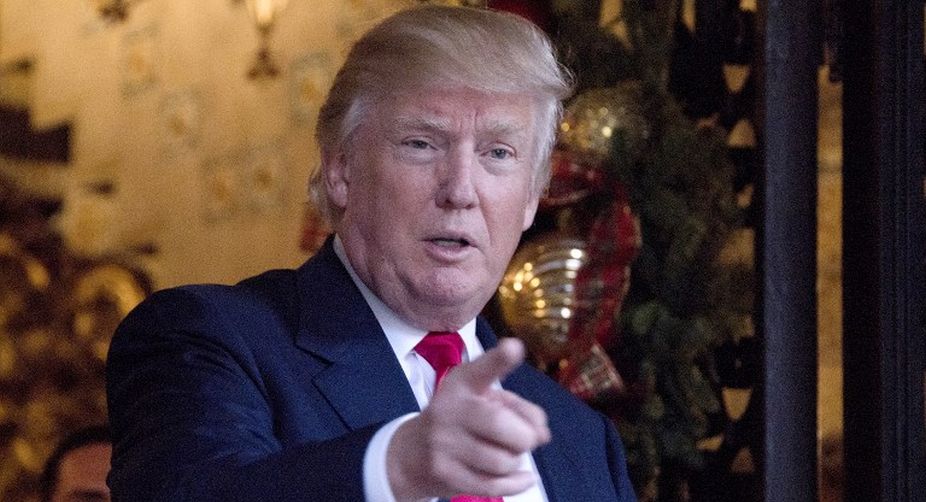
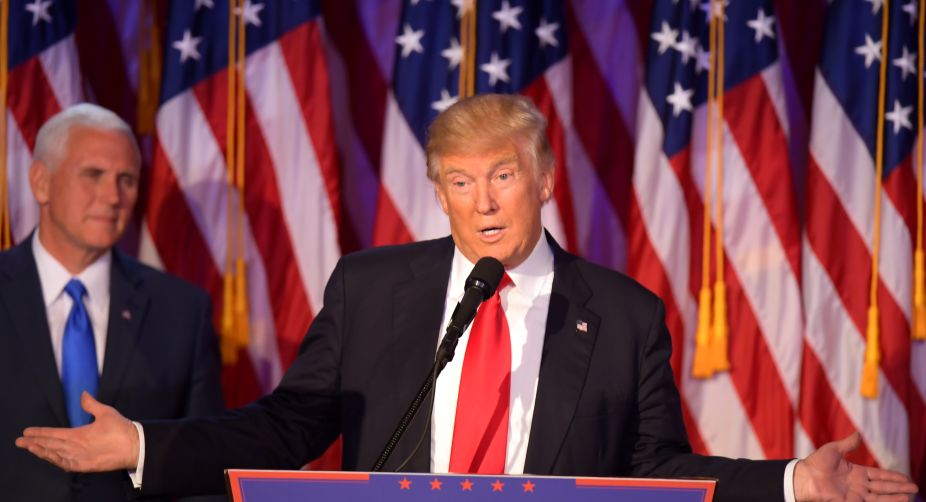
US President-elect Donald Trump has said even Barack Obama would have lost against him in the presidential race.

"President Obama said that he thinks he would have won against me. He should say that but I say NO WAY! – jobs leaving, ISIS, O-Care, etc," Trump said in a tweet.

Trump's tweet to his more than 17 million followers came after in a CNN podcast, President Obama said a message that he could have defeated Trump in the November general elections.

As per US laws, the presidency is term-limited to two four-year terms.

Obama was first elected in 2008 and then re-elected in 2012.

In an interview to his former aide David Axelrod that he could have easily defeated Trump in a hypothetical third-term.

"I am confident in this vision because I'm confident that if I if I had run again and articulated it, I think I could've mobilized a majority of the American people to rally behind it," Obama said.

"I know that in conversations that I've had with people around the country, even some people who disagreed with me, they would say the vision, the direction that you point towards is the right one," he said.

Obama had campaigned vigorously for his former Secretary of State and Democratic presidential nominee, Hillary Clinton, in the run up to the November 8 general elections.

Most of the time, he drew more crowd that others even the presidential candidates.

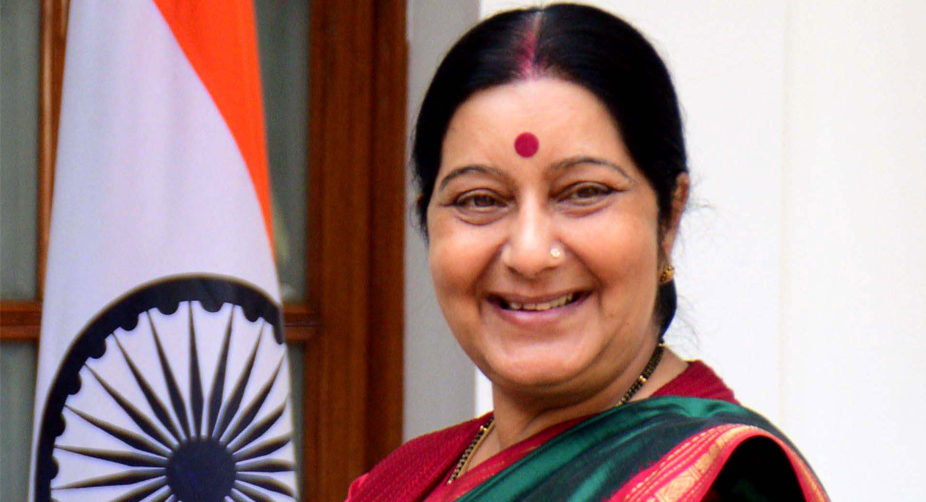
Will spare no effort to secure release of Father Tom: Swaraj

PTI | New Delhi |

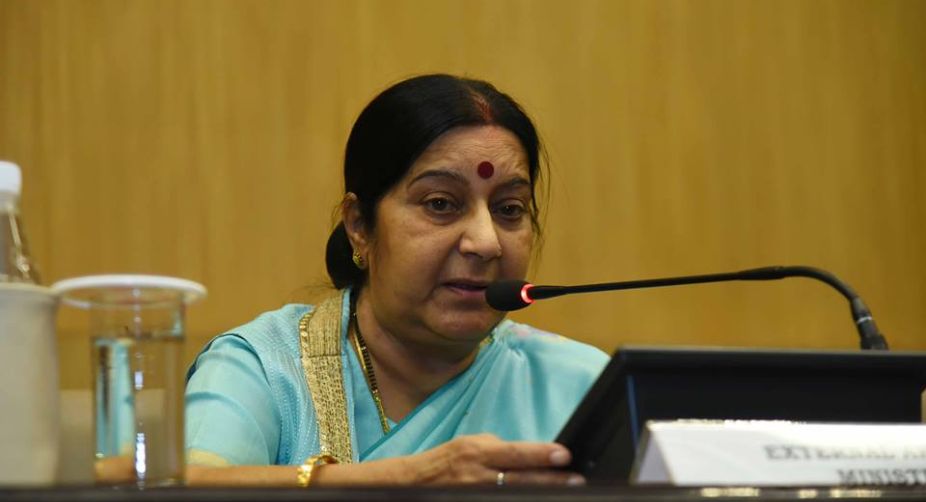
External Affairs Minister Sushma Swaraj on Tuesday said India will spare no effort to secure release of Father Tom Uzhunnalil, a Keralite priest abducted nearly nine months ago by a terror group in war-torn Yemen.

The minster's remarks come a day after a purported video by the priest appealing to the government to free him surfaced.

"We have spared no effort and we will spare no effort to secure Fr Tom's release from captivity," Swaraj tweeted.

Expressing government's resolve to bring him back, she cited examples of India ensuring release of kidnapped citizens like Judith D'Souza and Fr Alexis Prem Kumar from Afghanistan.

Father Uzhunnalil was abducted in March by dreaded terror group Islamic State from port city of Aden.He had gone missing after the terror group attacked a care home run by Mother Teresas Missionaries of Charity.

"I have seen the video from Fr Tom. He is an Indian citizen and the life of every Indian is most precious for us."

"We got Fr Alex Prem Kumar and Judith D'Souza released from Afghanistan," Swaraj noted.

In the video, Tom was seen as pleading for help from Indian government and fellow Christians including Pope Francis. However, the veracity of the video could not be ascertained.

In the clip, Uzhunnalil was seen saying, "If I were a European priest, I would have been taken more seriously. I am from India. I am perhaps not considered of much value."

Prem Kumar was abducted from Herat in Afghanistan in June, 2014 and was released from captivity eight months later.

Indian aid worker D'Souza was released in July more than a month after she was kidnapped in Kabul.

Norway child: India wants child united with natural parents

PTI |

Ahead of its Ambassador's meeting with authorities in Norway involving the custody of a child of a Indo-Norwegian family, India on Tuesday made it clear that it wants the five-and-a-half year boy united with his natural parents.

Taking a hard stance, External Affairs Minister Sushma Swaraj said she refuses to accept that foster parents can take better care of the child than natural parents.

In a series of tweets, Swaraj said, "Our Ambassador in Norway is meeting the Norwegian authorities today regarding Aryan. I refuse to accept that foster parents can take better care of the child than the natural parents.

"The foster parents are totally ignorant of the Indian culture and our food habits. We want restoration of Aryan to his natural parents." 

Indian national Gurvinderjit Kaur and her husband, who is a Norwegian national, have alleged that authorities in that country have taken away their son, also a Norwegian national, on a frivolous complaint of abuse.

Kaur had also written to the Ministry seeking help in getting back her son, who has been taken away by the Norway Child Welfare Services.

This is the third case since 2011 when children have been taken away from their Indian-origin parents by the authorities in Norway on the grounds of abuse.

In 2011, a three-year-old and a one-year-old were separated from their parents, prompting the then UPA government to take up the issue with Norway.

The Norwegian court later allowed the children to be reunited with their parents.

In December 2012, an Indian couple was jailed on charges of ill treatment of their children, 7 and 2 years. Later, they were sent to their grandparents in Hyderabad.

32 trains delayed, 2 cancelled due to fog

IANS | New Delhi |

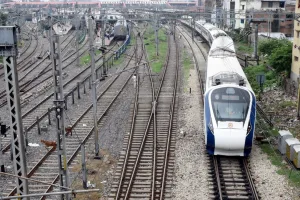
At least 32 trains were running late and two others cancelled on Tuesday due to heavy fog in many parts of north India, a railway official said.

According to the Northern Railway official, the Swatantrata Senani Express was running over 23 hours behind schedule, the Magadh Express was running 18 hours behind its schedule and Poorva Express was over 11 hours late.

The official also revealed that two trains were cancelled.

Meanwhile, according to the Delhi International Airport Limited, which manages operations at the Indira Gandhi International Airport here, flight operations were only moderately affected and no flight was kept on hold on Tuesday.

Sensex, Nifty trade flat; Realty index slumps 2.2%

SNS | New Delhi |

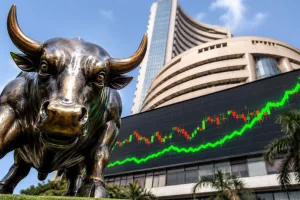
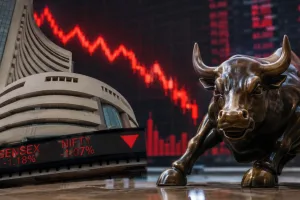
Taking a respite from previous declines amid mixed global cues, domestic equity markets started Tuesday's trading session on a flat note. At 9:50 am, the Sensex at the BSE was trading 36 points higher at 25,844 and the Nifty at the NSE was trading six points up at 7,916.

However, broader markets traded in the opposite direction, BSE Midcap index slumped 0.4 per cent while Smallcap index lost by 0.2 per cent.

Among the BSE sectoral indices, Consumer Durables index registered the biggest gain with a jump of 0.4 per cent while Realty index became the top loser with a tumble of 2.2 per cent.

On Monday, the Sensex had closed 234 points down at 25,807 and the Nifty had ended 73 points lower at 7,913.

Top gainers in the Sensex-30 pack: Cipla (up 1.8 per cent), Adani Ports (up 1.4 per cent), TCS (up 1 per cent), Lupin (up 1 per cent) and Sun Pharma (up 0.9 per cent).

Top losers in the Sensex-30 pack: Bharti Airtel (down 1.3 per cent), Hero Motocorp (down 1.1 per cent), Power Grid (down 0.8 per cent), Bajaj Auto (down 0.7 per cent) and Gail (down 0.5 per cent).

However, the Rupee was trading 11 paise down at 67.85 against the US Dollar.

Ways to improve the system

Aditi Chatterji |

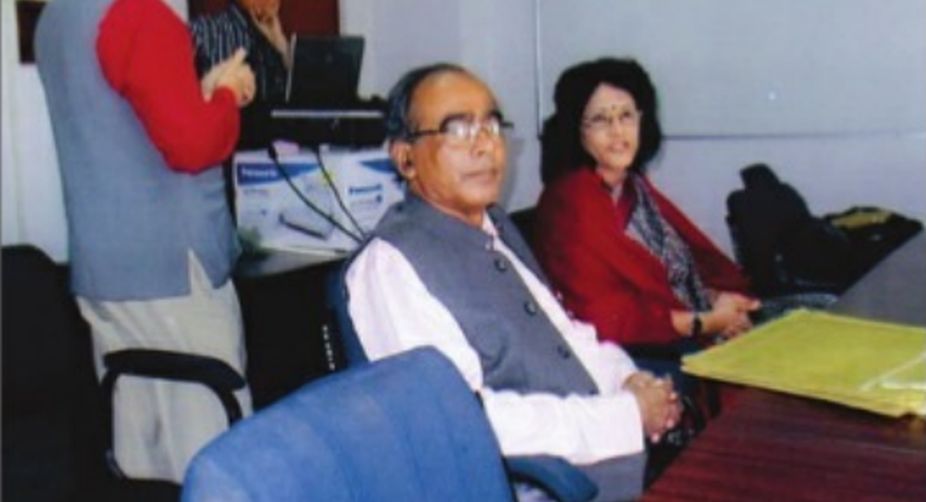
An experience-sharing workshop on women’s entrepreneurship — as part of a project on promoting eco-friendly entrepreneurship development for women in West Bengal under the Indo-US 21st century Knowledge Initiative Programme — was held in the seminar room of the Centre for Urban Economic Studies, University of Calcutta recently.

There were about 25 participants, mostly from the University's Women’s Studies Research Centre. Robin Davis and Benjamin Yumol of Clafflin University, USA were the distinguished guests who made presentations and representatives from several NGOs were also present. Professor Ishita Mukhopadhyay was the principal investigator while the co-principal investigators were professors Mahalaya Chatterjee, Sanjukta Dasgupta and Paula Banerjee.

Dasgupta introduced the theme, which was largely through the efforts of the University departments of English, economics and business management.

Started in 2015, a lot of the documentation has been completed and activity reports submitted to the University Grants Commission. Davis and Yumol have made several field visits before. The Knowledge Initiative Programme is a joint project between Clafflin University, USA and the University of Calcutta.

Subal Panja, additional director of the West Bengal micro, small and medium industries department, spoke at length about the handicraft industry of West Bengal. Every year 17,000 goods are exported and there are 5.85 lakh artisans in the state.

The artisans in the state have photo identity cards and there are a large number of women entrepreneurs, especially in the districts of Burdwan, North 24 Parganas, Nadia and Santiniketan in Birbhum.

Ecofriendly measures include the avoidance of using synthetic threads and jute is a very important product. Jute handicrafts are made by about 800 women in Murshidabad while there is a cluster in Behala, Kolkata where 200 units manufacture jute products. 

Similarly, bamboo handicrafts include baskets, which may also be used for the poultry business. There is also a lot of demand for terracotta goods such as utensils and mugs, and these are mostly marketed at fairs and exhibitions. However, marketing on a large scale for export is quite problematic in the state.

Dasgupta praised Panja's illuminating talk and mentioned that it is necessary to showcase products so that they can be exported across the world. Mukhopadhyay commented that some women artisans do not wish to go to fairs as they lose seven or eight days of work. Panja replied that rural women artisans need to be provided transport and communications.

The second phase of the workshop consisted of presentations by Yumol and Davis. Yumol focused on the need to provide assistance in the development of quality training programmes for women in West Bengal — the need to improve knowledge, skills and entrepreneurship and promote understanding. Davis elaborated on training modules for entrepreneurship.

Module one is an introduction to entrepreneurship and innovation while module two indicates how to continue to develop and expand local businesses, including technical enterprises. Module three is concerned with accessing financial resources while module four considers understanding specific supply chain processes locally. Module five assists with branding and marketing the business locally. Banerjee shared her experience of problems she faced while implementing the Sukanya Project — women entrepreneurs cannot think big and face supply problems.

In the post-lunch session, Rina Chakraborty and D Banerjee of MSME assessed the problems faced by workers as handicrafts are part of the unorganised sector.

They are trying to sort that out by implementing measures like simplifying registration procedures and marketing, providing financial concessions and credit as well as technical guidance to show them how to set up a unit. Six-week programmes are to be initiated for development and training.

ED detects huge deposits in BSP account

PTI | New Delhi |

The ED on Monday detected cash deposits totalling over Rs.104 crore in an account belonging to the BSP and Rs 1.43 crore in an account belonging to party Supremo Mayawati's brother Anand in a branch of United Bank of India here, sources in the Enforcement Directorate said.

Officials said the agency, Enforcement Directorate, as part of its routine survey and enquiry operations to check suspicious and huge cash deposits in banks, on Monday visited the Karol Bagh branch of the UBI and found huge deposits made in these two accounts post-demonetisation.

Attempts to elicit a response from BSP on the issue failed.

They said the sleuths called for the records of the deposits made in the BSP account and found that while Rs.102 crore was deposited in Rs.1,000 notes, the rest Rs.3 crore was deposited in the old Rs.500 notes.

Officials said they were were astonished to find huge cash of about Rs.15-17 crore being desposited every other day.

The agency also detected another account in the same branch belonging to Anand, brother of BSP chief Mayawati, where a total of Rs.1.43 crore funds was found. A sum of 18.98 lakh came into account using the old notes after the ban.

The ED has sought full details about the two accounts from the bank even as it is understood that the agency will write to the Income Tax department which has the powers to go into the legality of donations and contributions made to political parties.

The ED has also asked the bank to provide to it CCTV footage and KYC documents used to open the accounts, they said.

With regard to Anands's accounts, it is understood, that the agency will soon issue notices to him and also intimate the I-T sleuths for investigation under anti-tax evasion laws.

The agency has been carrying out enquiry operations at over 50 bank branches to check possible instances of hawala dealings and money laundering after the government scrapped the two high value currencies of Rs.1,000 and Rs.500 on November 8.