Logo

Pakistan-based terror group behind 26/11 Mumbai Attack: Former Pak NSA

SNS | New Delhi |

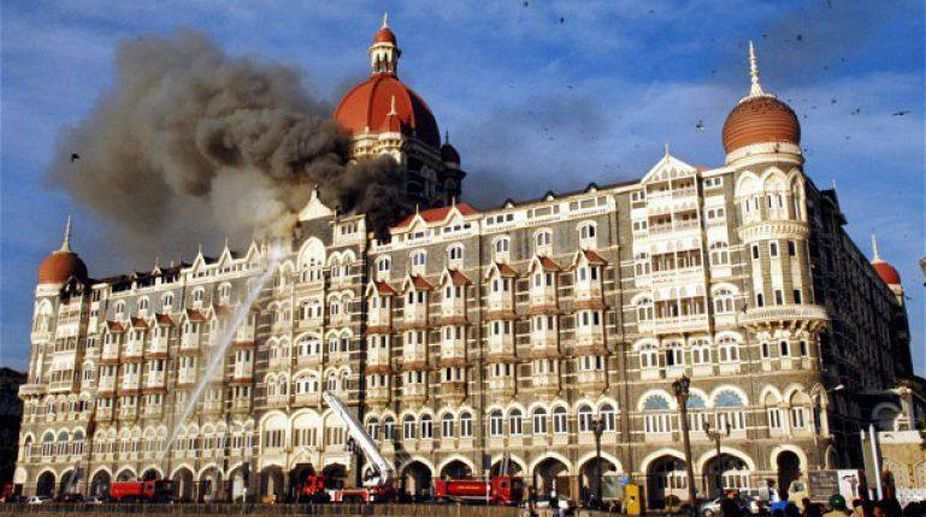
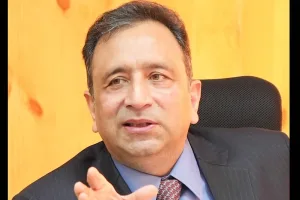
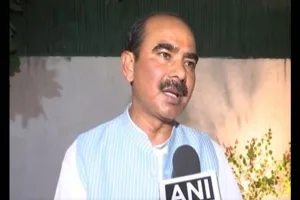
In a controversial statement, former National Security Advisor of Pakistan Mahmud Ali Durrani on Monday claimed Mumbai terror attacks in November 26, 2008 were carried out by a Pakistan-based terror group.

“The 26/11 Mumbai attack carried out by a terror group based in Pakistan is classic trans-border terrorist event,” Durani said on the sidelines of the 19th Asian Conference on Combating Terrorism in New Delhi.

Blaming the Pakistan Government for trying to cover up the gruesome attack, he said, “I made a statement on Pakistan television which the Pakistan Government did not like and I was sacked”.

Durrani was the National Security Advisor when 10 Pakistani terrorists launched coordinated attacks across Mumbai.

AIIMS hands over Jaya’s medical report to Tamil Nadu govt

PTI | New Delhi |

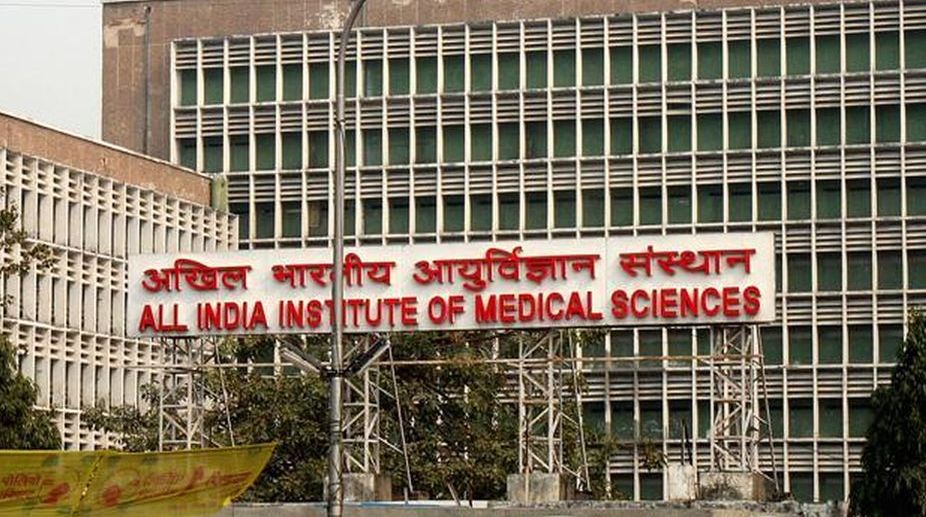
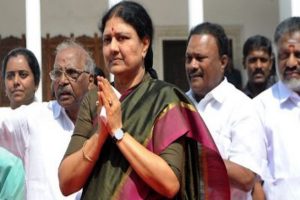
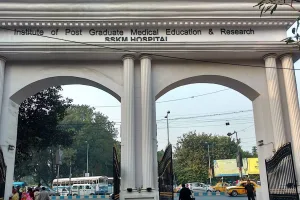
The AIIMS  handed over the medical report by its doctors of late Tamil Nadu chief minister J Jayalalithaa to the state government on Monday.

The report contains the analysis of Jayalalithaa's health condition by the doctors of the premier institute during their five visits to Chennai.

AIIMS Deputy Director (Administration) V Srinivas said that the state government had on Sunday sought the visit notes of the delegation for its official records.

The move assumes significance in the backdrop of doubts being raised from different quarters over the former AIADMK chief's death on December 5.

Srinivas handed over the papers to the Principal Secretary of Health of Tamil Nadu, Dr J Radhakrishnan, here on Monday.

"On the request of the Tamil Nadu government for expert medical advise, the All India Institute of Medical Sciences (AIIMS) had deployed a team of senior specialists to visit Chennai five times between October 5 and December 6, 2016.

"The team was led by Dr G C Khilnani, Professor in the department of pulmonology," Srinivas said.

The Tamil Nadu government had on Sunday rejected former chief minister and rebel AIADMK leader O Panneerselvam's claims of foul play in the treatment of Jayalalithaa, an allegation which has been dismissed by state Health Minister C Vijayabaskar.

The opposition DMK too has approached the Madras High Court seeking a comprehensive probe into the death of Jalalalithaa.

Twelve AIADMK MPs, belonging to the O Panneerselvam group, had met President Pranab Mukherjee in New Delhi on February 28 and handed over a petition seeking a probe into the medical treatment provided to Jayalalithaa.

Overseas investors excited about India: Jayant Sinha

PTI | New Delhi |

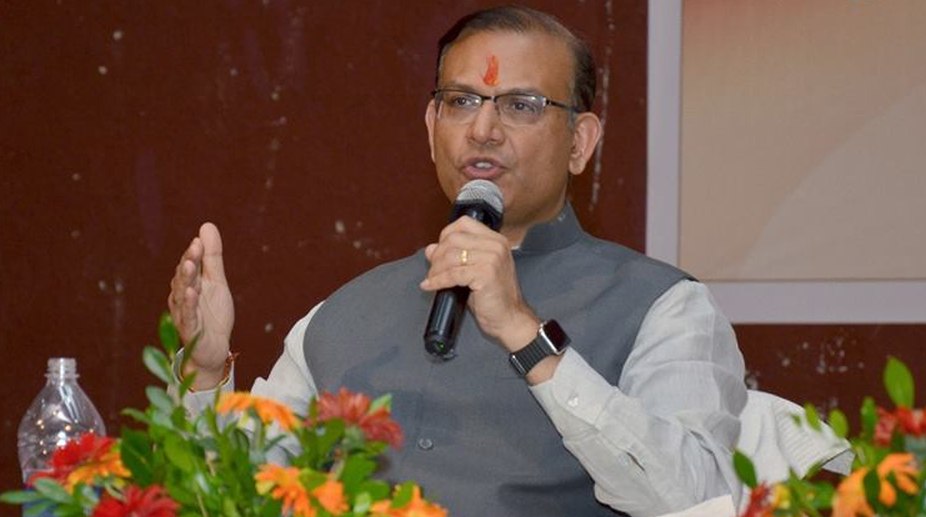
Foreign investors are excited about India as structural reforms and investments are giving overall growth a leg-up, Union Minister Jayant Sinha said on Monday.

Emphasising that demonetisation has led to a "dramatic improvement" in the country's economic landscape, he said the move has helped in strengthening banks as well as improving the overall economy.

"Foreign investors are seeing that cash to GDP is coming down and tax to GDP is going up. They see it as a very very powerful structural reform in India," he said.

"You saw that the GST Council has largely approved the draft of the legislation. It is a very important structural reform… So, foreign investors are very excited about India."

Amid concerns in certain quarters about the country's economic prospects, the minister of state for civil aviation said everybody is entitled to their opinion, but not own facts.

"The facts are clear and they are telling us that we have been doing good in the economy… structural reforms that we have unleashed as well as the kind of investments that the government and the private sector in India are making are really contributing to very strong growth," Sinha said.

He was speaking at the conference organised by IVCA (Indian Private Equity & Venture Capital Association) here.

Sinha complimented alternative asset investors in India for doing "extraordinarily good".

"There has been a tremendous interest globally in stepping up investments in India and they have built up their positions in India," he added.

Alternative investments include venture capital and private equity.

"Demonetisation is over. It has led to a dramatic improvement in our economic landscape… The amount of cash we have in circulation is lower than the amount of cash we had in circulation prior to demonetisation, " the minister said.

In an effort to curb blackmoney flows and corruption, the government demonetised Rs 500 and Rs 1,000 currency notes last November.

Noting that demonetisation has resulted in various benefits, Sinha said banks have gained significantly from the low cost CASA (Current Account Savings Account).

"The investment that is pouring, bullishness among foreign investors, bull run in our equity market and the fact that demonetisation is over and worked brilliantly tell us that in the next 12-18 months, the economy is going to do extremely well," he said.

Gold slips below Rs.30,000 on global cues, low demand

PTI | New Delhi |

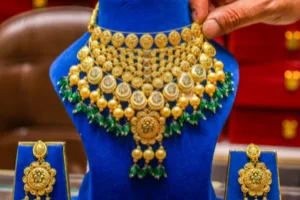
Gold prices dipped below the Rs.30,000 mark on Monday, plunging Rs.350 to Rs.29,750 per 10 grams amid a weak trend in overseas market and fall in demand from local jewellers.

Silver also slipped below the Rs.43,000-mark by falling Rs.300 to Rs.42,800 per kg on reduced offtake by industrial units and coin makers.

Traders said apart from a weak trend overseas, fall in demand from local jewellers and retailers following end of the marriage season mainly pulled down gold prices.

Globally, gold fell 0.19 per cent to $1,231.90 an ounce and silver by 0.92 per cent to $17.78 an ounce in Singapore.

In the national capital, gold of 99.9 and 99.5 per cent purity tumbled by Rs.350 each to Rs.29,750 and Rs.29,600 per ten grams, respectively. It had gained Rs.375 in Saturday's trade.

Sovereign, however, remained unaltered at Rs.24,500 per piece of eight grams.

Silver ready dropped by Rs.300 to Rs.42,800 per kg, while weekly-based delivery surged by Rs.535 to Rs.42,700 per kg on speculative buying.

Silver coins plummeted by Rs.1,000 at Rs.73,000 for buying and Rs.74,000 for selling of 100 pieces.

Women need equal opportunities: Shah Rukh Khan

PTI |

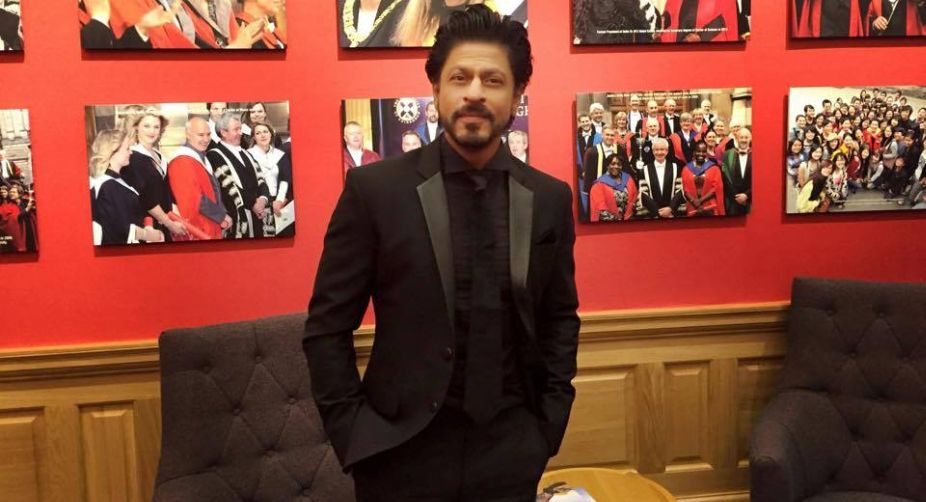
Superstar Shah Rukh Khan believes the term "empowering women" is inaccurate as women are already powerful and all they need is an equal playing field.

"We keep talking about empowering the ladies, which is a misnomer according to me. It's like saying 'save the planet.' You don't save the planet, the planet saves you, it is looking after you.

"Similarly when we say, 'empower women', there is nothing like empowering them. They are more powerful than us. All we need to do is, genuinely give all the ladies an even playing field. That's all they are asking for," Shah Rukh says.

He and Anushka Sharma turned showstoppers for designer Manish Malhotra's collection, for the 2017 edition of Shabana Azmi's Mijwan charity fashion show, last night.

The 51-year-old actor believes the world is dominated by men.

"It's an unfair world. It's a man's world. We have taken this for granted for too long. We need to offer them an even playing field. And Mijwan in it's own fantastic way is doing the same thing. When learning is given to a woman it goes further and wider than a man. Women take it to the children, the society and everyone else." 

Azmi, who was present at the event, praised Shah Rukh for giving women more space even in his films.

"Shah Rukh Khan acted in a film where he insisted on giving Deepika Padukone the credit title above him. At that time I had said, 'it's wonderful but what would be more wonderful if he did a women-centric film in which he had a smaller part'. He went ahead and did Dear Zindagi.

Court summons Kejriwal as accused in defamation case

PTI | New Delhi |

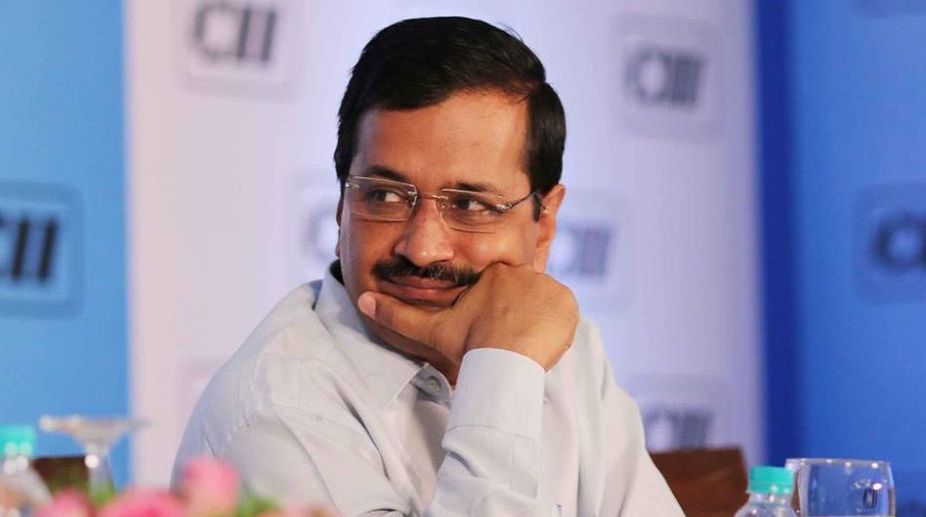
Delhi Chief Minister Arvind Kejriwal has been summoned as an accused by a Delhi court in a criminal defamation complaint filed by Rajya Sabha MP Subhash Chandra.

"Clearly there is sufficient material on record to summon accused Arvind Kejriwal for the offence punishable under section 500 (defamation) of Indian Penal Code," Metropolitan Magistrate Snigdha Sarvaria said while asking the CM to appear before the court on July 29.

Chandra, had on November 17, 2016, sought prosecution of the Delhi Chief Minister for allegedly defaming him by levelling false allegations in the wake of demonetisation.

In his plea, Chandra, chairman of the Essel group, had alleged that Kejriwal, while addressing a press conference on November 11 last year had made "false, fabricated and defamatory allegations" against him.

The complaint, filed through advocate Vijay Aggarwal, claimed that Kejriwal "defamed the complainant (Chandra) by making inherently defamatory statements and caused serious harm to his reputation by imputing behaviour incompatible with proper conduct and suggestions of involvement in illegal activity."

"On November 11, Kejriwal, while addressing a press conference in front of the national television, made false, fabricated and defamatory allegations against complainant," it said.

The complaint claimed that Kejriwal, while addressing the press conference, "without any lawful basis or justification, dragged the name of the complainant in the entire facade, which has defamed and lowered the reputation of complainant in the eyes of general public and thus accused person (Kejriwal) has committed the offence of criminal defamation.

Army jawan shoots self in Jammu and Kashmir

PTI | Jammu |

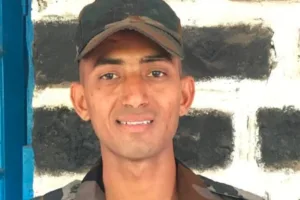
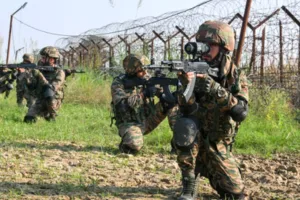
A 35-year-old army jawan shot himself to death with his service weapon while on duty along the LoC in Jammu and Kashmir, in the second instance of a trooper committing suicide on the border in the past nine days.

Roshan Singh, a Sepoy of the Rastriya Rifles, committed suicide by shooting himself while on duty along the Line of Control (LoC) in Krishnagati belt in Poonch district on Sunday, a senior Army officer said here.

Singh, who hails from Punjab, had joined the army 14 years ago.

Police have registered a case and started investigation.

The army has also ordered a Court of Inquiry into the case, the officer said.

This is the second instance of a security personnel committing suicide on the border in Poonch district of Jammu and Kashmir in the past nine days.

On February 25, BSF Constable Pramodh Kumar, who was guarding a forward post along the LoC in Poonch district, committed suicide by shooting himself with his service rifle.

Sanjay Dutt wanted perfect man to play father Sunil Dutt

SNS |

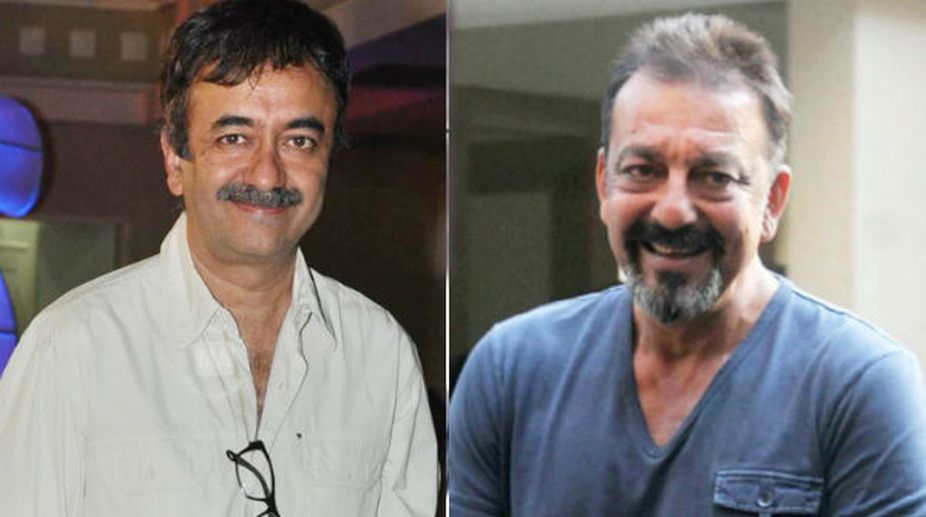
Sanjay Dutt, who has been in news for his forthcoming film Bhoomi, requested Rajkumar Hirani, who is directing his biopic to choose the perfect actor to play his father's role.

The biopic on the actor has been in the process of being shot wherein Ranbir Kapoor will be playing Sanjay Dutt. 

Sanjay Dutt, only had one request to the director for the biopic, more than his own casting in the film, it was the actor’s  father Sunil Dutt’s casting in the film that was most crucial to him. 

The actor wanted someone really capable to play his father on screen and so he expressed his thoughts to friend and director Rajkumar Hirani.

Sources close to the actor revealed that veteran actor Paresh Rawal, who is considered as one of the ace artists in the industry will be essaying the role of Sunil Dutt on screen!

The Rajkummar Hirani directorial is slated to release later in 2017.

Andhra Pradesh in favour of simultaneous polls to Lok Sabha, assemblies

PTI | Amaravati |

The Andhra Pradesh government on Monday backed the idea to hold simultaneous elections to Lok Sabha and State Assemblies and even suggested that polls to urban and rural local bodies too be held within one year thereon.

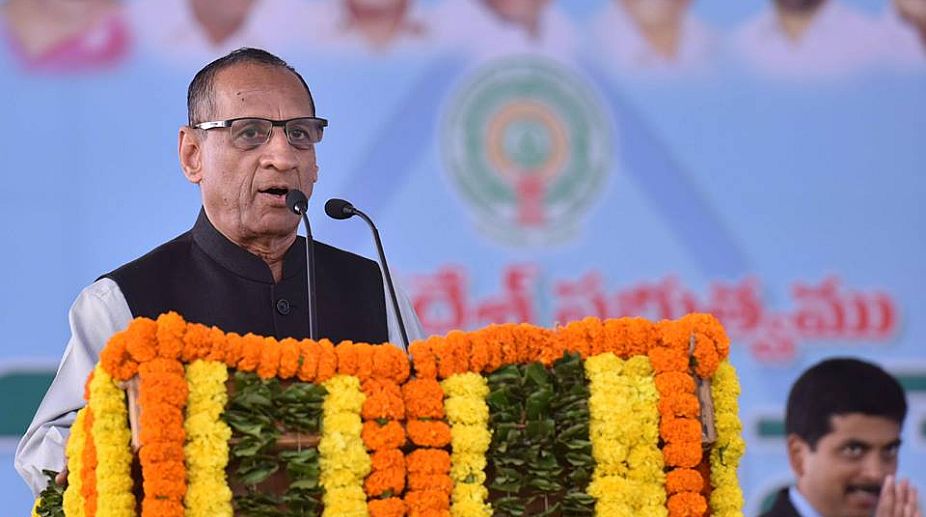
Governor E S L Narasimhan articulated the state's stand while addressing the joint session of the Andhra Pradesh Legislative Council and the assembly on the opening day of the Budget session in the new Legislature building in Amaravati.

"My government is in full agreement with the view that elections to both state assemblies and Lok Sabha be held simultaneously so that Centre and state governments could pay their undivided attention to issues of policy and governance.

We will go a step further and suggest that elections to urban and rural local bodies too should be held within one year of the elections to the State and Central legislative Houses," the governor said.

"Historically, elections to state assemblies and Lok Sabha began together but over the years, for varied reasons, they were de-coupled. Now the situation has come to a stage that we conduct elections in significantly large parts of the country almost every year, if not throughout the year.

"Political parties, and therefore governments, have to continually keep an eye on electoral calculations," Narasimhan pointed out.

Simultaneous polls would give governments a "full four years of undistracted" time to address issues of governance, the Governor said, adding "it is desirable" to have a national debate involving all sections of people.

China signals change of course on its currency policy

PTI | Beijing |

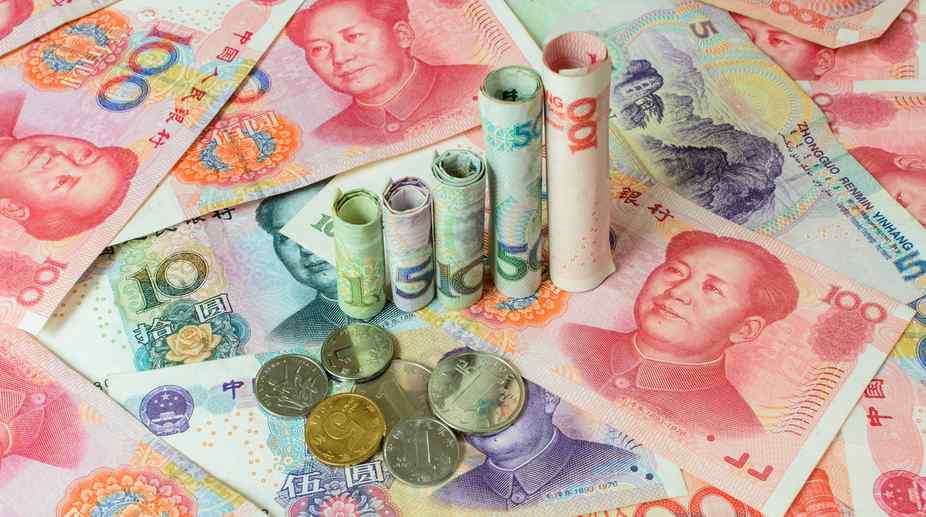
China has hinted at changing its long-standing yuan policy to liberalise its currency against the dollar, signalling willingness to alter course on exchange rates amid US President Donald Trump's threats of a trade war.

For the first time in an annual government report, China included the requirement to ensure the stable global status of yuan as one of its major tasks, dropping the line "keeping a stable yuan at a reasonable and balanced level" which was included in the previous three reports, Hong Kong-based South China Morning Post reported today.

In his lengthy work report submitted to China's parliament, the National People's Congress (NPC) yesterday, Chinese Premier Li Keqiang said "the renminbi exchange rate will be further liberalised, and the currency's stable position in the global monetary system will be maintained".

The new wording may indicate that Beijing will be more tolerant of yuan exchange rate moves against the dollar and gradually reduce its intervention in the foreign exchange market this year, the Post report said.

Trump, who made some tough statements against China before and after his election, branded China as a currency manipulator to gain unfair advantage from exports and even threatened to impose tariffs on Chinese goods.

The Chinese currency yuan has depreciated about 6.6 per cent last year.

The yuan is also losing its appeal for investors, even though it had obtained a nominal reserve currency status from the International Monetary Fund (IMF), thanks to the Chinese government's tightened capital account controls and the prospects of weakening against the USD, analysts said.

"The capital controls will hurt the yuan's status and reputation," Shen Jianguang, chief economist with Mizuho Securities Asia told the Post.

"In the past two years, the status of the yuan as an international settlement and valuation currency, as well as the scale of the yuan's fund pool offshore, have fallen," he said.

Beijing's efforts to make the yuan an international currency were largely shelved in the past year.

In Hong Kong, the primary offshore yuan market, yuan deposits at the end of 2016 dropped 46 per cent from a peak in December 2014, the report said.

The value of international payments in yuan, released by payments processor Swift on Thursday, fell 29.5 per cent in 2016, while the yuan's share in international payments dropped by 0.63 percentage points to 1.68 per cent at the year's end.

The costs for Beijing to defend a "stable" yuan exchange rate are getting dearer after China burnt USD one trillion of its foreign exchange reserves in the last two years to bolster the yuan's value.

China's forex reserves, the highest in the world, fell below USD three trillion for the first time in six years sparking concerns over their rapid decline.

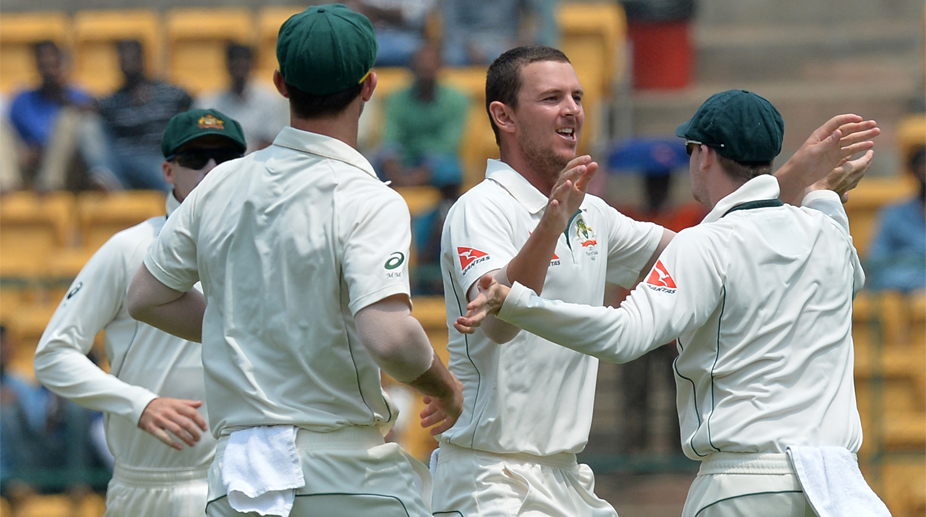
Bengaluru Test Day 3: Hazlewood strikes to leave India at 122/4

The tide is firmly in the Australian's favour after a brilliant display of fast-bowling from Hazlewood.

PTI | Bengaluru |

Virat Kohli failed once again as India lost four wickets to slump to 122 for four at tea on the third day of the second cricket Test here on Monday.

Kohli was dismissed for 15 from 25 ball in a contentious decision to the stunning silence of the big home supporters at the Chinnaswamy stadium.

Field umpire Nigel Long gave Kohli out LBW off Josh Hazlewood five overs before the tea break and Kohli, who gestured that the ball hit his bat first, took DRS immediately. After a long review, TV Umpire Richard Kettleborough said there was no conclusive evidence to rule it's bat first or pad first and ruled in favour of field umpire's decision.

A furious-looking Kohli left the ground, showing his displeasure but with the loss of a crucial wicket, India's chances in the Test look bleak. Kohli had scored 0 and 13 in the two innings of the first Test and 12 in the first innings of this Test.

Just before tea break, Ravindra Jadeja, who was promoted up the order, was dismissed by Hazlewood for 2 after facing 12 balls as Australia took honours in the the post-lunch session.

India are now just 35 runs ahead with six second innings wickets remaining.

India had begun their second innings on a positive note with runs coming at a good pace and opener Lokesh Rahul hitting a 85-ball 51 with the help of four boundaries while one-down Cheteshwar Pujara showing signs of playing a much-needed big innings.

At the break, Pujara was batting on 34 from 75 balls while Ajinkya Rahane was giving him company on 2. Pujara was lucky to have been dropped while batting on four by Steven Smith at slips off Nathan Lyon's delivery.

Hazlewood led the Australian attack, bagging three wickets for 37 runs and Steve O'Keefe claimed one wicket for 15 runs.

After scoring 38 for no loss at lunch, India lost their first wicket on the fourth ball of the second session when Hazlewood cleaned up Abhinav Mukund after he had put on 39 runs from 64 balls with Rahul for opening wicket.

Unlike his first innings, Mukund showed glimpses of confidence, even as he smashed a boundary and a six off Mitchell Starc. When he departed, the Indian opener had scored 16 runs off 32 balls compared to his zero in first innings.

Rahul, who has been one of the better performers of the Indian side this series, smashed a delightful 51 runs off 85 balls with four boundaries.

The Indian opener, who top-scored in the first innings with a determined 90, was scalped by Steven O'Keefe with Steve Smith taking a stunning diving catch to his right at slips, immediately after the drinks break. Rahul departed after a 45-run stand for the second wicket with Pujara.

In an interesting move, Jadeja walked into the field after the departure of Kohli. Jadeja could not justify the promotion as he managed to score just two runs before he was dismissed by Hazlewood.
Earlier, left-arm spinner Jadeja grabbed three wickets in 10 balls to polish off the Australian tail as India bowled out the visitors for 276 in their first innings.

Jadeja removed wicketkeeper Matthew Wade (40), Nathan Lyon (0) and Josh Hazlewood (1) in quick succession after off-spinner Ravichandran Ashwin dismissed Mitchell Starc as the first wicket of the third morning session.

Australia took a crucial first innings lead of 87 runs on an unpredictable pitch.

The visitors took to the field on Monday with a desire to consolidate on their overnight score of 237 for six, but could add only 39 runs in 16.4 overs while losing four wickets.

After the departure of Starc, Australia lost their remaining three wickets for just seven runs in 4.4 overs with Jadeja claiming all of them.

At one stage, Jadeja was on a hat-trick after he removed Wade and Lyon in consecutive deliveries of his fourth over of the day. But Hazlewood denied him the feat as the Australian took a single with a defensive push.

Jadeja though had the last laugh as he removed Hazlewood in his next over as the batsman attempted a big swipe, only to end up skying it to long-on for Lokesh Rahul to take the catch.

Jadeja ended with innings figures of 6 for 63 in 21.4 overs.

Before Jadeja ran through the Australian tail, Ashwin picked up the first wicket of the day by sending back Mitchell Starc for 26. Starc was holed out in the deep with Jadeja taking the catch.

Ashwin ended with innings figures of 2 for 84 from 49 overs.

World-first gene therapy cures teen with sickle cell disease

PTI | London |

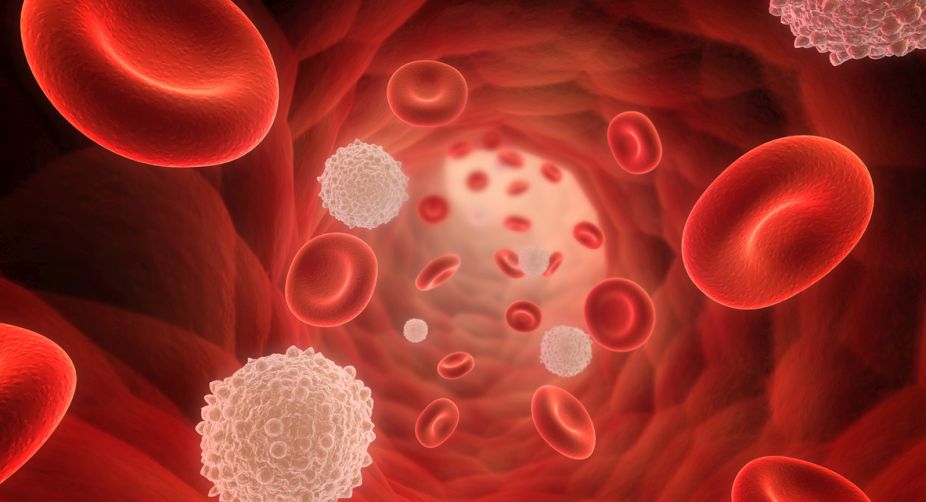
In a world-first, doctors have successfully reversed sickle cell disease in a French teenager using a pioneering treatment to alter his DNA, offering new hope to millions of people with the deadly blood disorder.

Sickle cell disease causes round red blood cells, which carry oxygen around the body, to become shaped like a sickle.

These deformed cells can lock together to block the flow of blood around the body. This can cause intense pain, organ damage and can be fatal.

The teenager who received the pioneering treatment had so much internal damage he needed to have his spleen removed and his hips replaced.

He had to undergo hospital blood transfusion to dilute defective blood every month.

However, when he was 13, doctors at the Necker Children's Hospital in Paris, removed his bone marrow – the part of the body that makes blood – and genetically altered it in lab to compensate for the defect in his DNA that caused the disease.

Sickle cell is caused by an error in the instructions for making the protein haemoglobin, which is densely packed into red blood cells.
A virus was used to infect the bone marrow with new, correct instructions. The corrected bone marrow was then put back into the patient.
The therapy has worked for 15 months and the patient is no longer on any medication, doctors said.

"So far the patient has no sign of the disease, no pain, no hospitalisation. He no longer requires a transfusion so we are quite pleased with that," Philippe Leboulch, a professor at the University of Paris, told the 'BBC News'.

"But of course we need to perform the same therapy in many patients to feel confident that it is robust enough to propose it as a mainstream therapy," Leboulch said.

The study was published in the New England Journal of Medicine.

‘Social media use may make you feel lonely’

PTI | Washington |

The more time you spend on social media – scrolling through Facebook, trolling on Twitter, snapping on Snapchat – the more likely you are to feel socially isolated, a new study has warned.

Researchers from University of Pittsburgh in the US found that people who use social media for more than two hours a day have twice the odds of experiencing feelings of social isolation and lack a sense of social belonging.

They sampled about 1,787 US adults ages 19 through 32, using questionnaires to determine time and frequency of social media use by asking about the 11 most popular social media platforms, Facebook, YouTube, Twitter, Google Plus, Instagram, Snapchat, Reddit, Tumblr, Pinterest, Vine and LinkedIn.

Researchers measured participants' perceived social isolation using a validated assessment tool called the Patient-Reported Outcomes Measurement Information System.

Even when the researchers controlled for a variety of social and demographic factors, participants who used social media more than two hours a day had twice the odds for perceived social isolation than their peers who spent less than half an hour on social media each day.

Participants who visited various social media platforms 58 or more times per week had about triple the odds of perceived social isolation than those who visited fewer than nine times per week.

"We are inherently social creatures, but modern life tends to compartmentalise us instead of bringing us together," said Brian A Primack, director of Pitt's Center for Research on Media, Technology and Health in the US.

"While it may seem that social media presents opportunities to fill that social void, I think this study suggests that it may not be the solution people were hoping for," said Primack.

Researchers provided several theories for how increased use of social media could fuel feelings of social isolation.

Social media facilitate feelings of exclusion when one sees photos of friends having fun at an event to which they were not invited.

Displacement of more authentic social experiences by social media because the more time a person spends online, the less time there is for real-world interactions.

The exposure to highly idealised representations of peers' lives on social media sites may be eliciting feelings of envy and the distorted belief that others lead happier and more successful lives.

The study was published in the American Journal of Preventive Medicine.

Moderate earthquake hits Jammu and Kashmir

PTI | Srinagar |

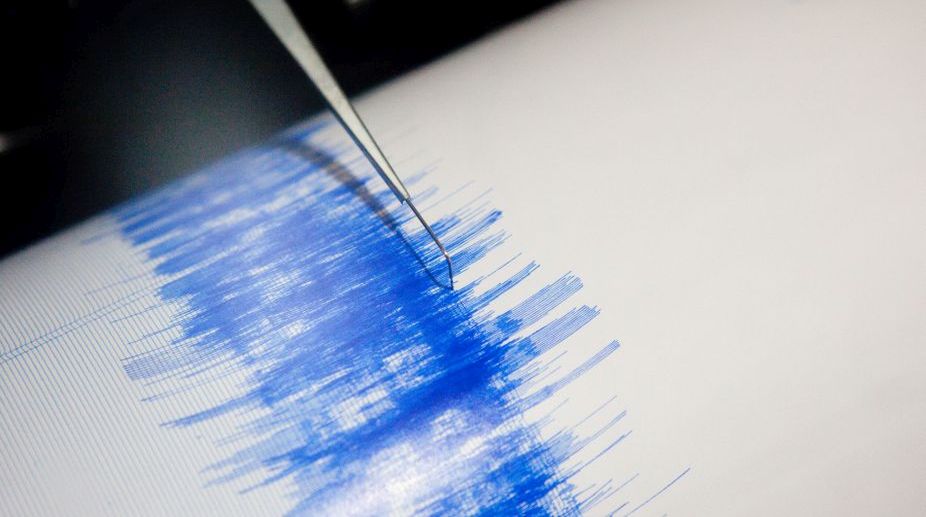
An earthquake measuring 4.8 on the Richter Scale hit Jammu and Kashmir on Monday but there was no damage caused by the tremor.

"A light intensity earthquake of 4.8 magnitude was recorded at 8.40 AM today," an official of the MeT department here said.

He said the tremors occurred at a depth of 50 kilometres and its epicentre was north western area of the state.

A police official said there were no reports of any damage.

Marines case: Centre need not file in SC tribunal proceedings report

PTI | New Delhi |

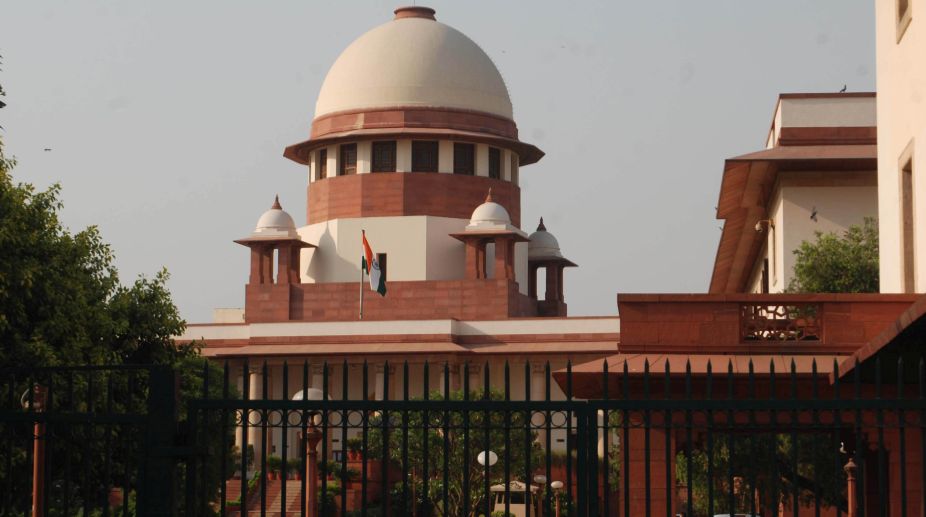
The Supreme Court on Monday exempted the Centre from filing before it the status report on the progress made by the international tribunal in deciding the jurisdiction issue in the case of Italian marines, accused of killing Indian fishermen 

A bench headed by Chief Justice J S Khehar said the Centre need not file a status report after every three months before this court and asked it to rather file a final report when the tribunal decides whether India or Italy can try the marines.

The marines, Massimiliano Latorre and Salvatore Girone, are accused of killings two Indian fishermen off the Kerala coast in 2012.

"Petitioners (Latorre and Girone) shall be liable to adhere to the time schedules fixed in relation to hearing before the international arbitral tribunal," the bench also comprising Justices D Y Chandrachud and S K Kaul said, adding that the final award of the tribunal be put up before it.

The court, meanwhile, asked Additional Solicitor General P S Narsimha, appearing for the Centre, to keep the Kerala government informed about the developments which may take place from time to time before the tribunal.

On September 28, 2016 the apex court had allowed Latorre to remain in his country till the international arbitral tribunal decides the jurisdictional issue.

The apex court had said all the conditions which were imposed on Girone would be applicable on Latorre as well besides putting a condition on the government to submit to it the three-monthly report about the case's progress at the tribunal.

The court's direction had come on a plea by Italy seeking modification of bail conditions of Latorre to enable him to remain in that country till jurisdictional issue was decided by the international tribunal.

The apex court had on September 8, 2016 decided to hear Italy's plea on behalf of Latorre who had sought urgent hearing on the ground that an earlier court order was valid till September 30, 2016.

While relaxing Girone's bail conditions on May 26, the apex court had allowed him to go to his country till the jurisdiction issue was decided.

Polluted environment kills 1.7 million children each year: WHO

PTI | Geneva |

Over one in four or an estimated 1.7 million global deaths of children under five years of age each year are due to polluted or unhealthy environments, the World Health Organisation said in a new report today.

Every year, environmental risks – such as indoor and outdoor air pollution, second-hand smoke, unsafe water, lack of sanitation and inadequate hygiene – take the lives of 1.7 million children under five years, the report said.

The report reveals that a large portion of the most common causes of death among children aged one month to five years diarrhoea, malaria and pneumonia are preventable by interventions known to reduce environmental risks, such as access to safe water and clean cooking fuels.

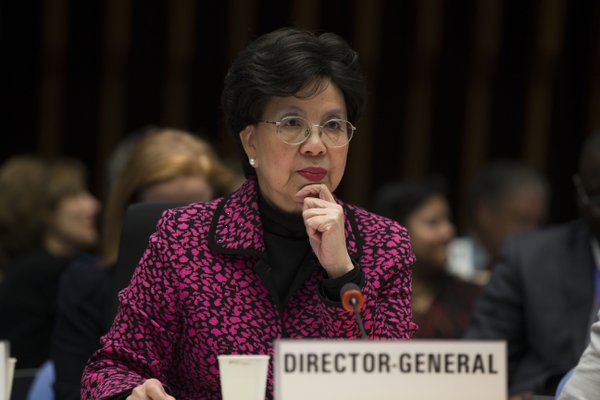
"A polluted environment is a deadly one – particularly for young children," said Dr Margaret Chan, WHO Director-General.

"Their developing organs and immune systems, and smaller bodies and airways, make them especially vulnerable to dirty air and water," said Chan.

Harmful exposures can start in the mother's womb and increase the risk of premature birth.

Additionally, when infants and pre-schoolers are exposed to indoor and outdoor air pollution and second-hand smoke they have an increased risk of pneumonia in childhood, and a lifelong increased risk of chronic respiratory diseases, such as asthma, according to the WHO report.

Exposure to air pollution may also increase their lifelong risk of heart disease, stroke and cancer.

A companion report provides a comprehensive overview of the environment's impact on children's health, illustrating the scale of the challenge.

Every year 570,000 children under five years die from respiratory infections, such as pneumonia, attributable to indoor and outdoor air pollution, and second-hand smoke.

As many as 361,000 children under five years die due to diarrhoea, as a result of poor access to clean water, sanitation and hygiene, the report said.

About 270,000 children die during their first month of life from conditions, including prematurity, which could be prevented through access to clean water, sanitation and hygiene in health facilities as well as reducing air pollution.

The report said that 200,000 deaths of children under five years from malaria could be prevented through environmental actions, such as reducing breeding sites of mosquitoes or covering drinking-water storage.

It also found that 200,000 children under five years die from unintentional injuries attributable to the environment, such as poisoning, falls and drowning.

"A polluted environment results in a heavy toll on the health of our children," said Dr Maria Neira, WHO Director, Department of Public Health, Environmental and Social Determinants of Health.

"Investing in the removal of environmental risks to health, such as improving water quality or using cleaner fuels, will result in massive health benefits," said Neira.

Polluted environment kills 1.7 million children each year: WHO

PTI | Geneva |

Over one in four or an estimated 1.7 million global deaths of children under five years of age each year are due to polluted or unhealthy environments, the World Health Organisation said in a new report today.

Every year, environmental risks – such as indoor and outdoor air pollution, second-hand smoke, unsafe water, lack of sanitation and inadequate hygiene – take the lives of 1.7 million children under five years, the report said.

The report reveals that a large portion of the most common causes of death among children aged one month to five years diarrhoea, malaria and pneumonia are preventable by interventions known to reduce environmental risks, such as access to safe water and clean cooking fuels.

"A polluted environment is a deadly one – particularly for young children," said Dr Margaret Chan, WHO Director-General.

"Their developing organs and immune systems, and smaller bodies and airways, make them especially vulnerable to dirty air and water," said Chan.

Harmful exposures can start in the mother's womb and increase the risk of premature birth.

Additionally, when infants and pre-schoolers are exposed to indoor and outdoor air pollution and second-hand smoke they have an increased risk of pneumonia in childhood, and a lifelong increased risk of chronic respiratory diseases, such as asthma, according to the WHO report.

Exposure to air pollution may also increase their lifelong risk of heart disease, stroke and cancer.

A companion report provides a comprehensive overview of the environment's impact on children's health, illustrating the scale of the challenge.

Every year 570,000 children under five years die from respiratory infections, such as pneumonia, attributable to indoor and outdoor air pollution, and second-hand smoke.

As many as 361,000 children under five years die due to diarrhoea, as a result of poor access to clean water, sanitation and hygiene, the report said.

About 270,000 children die during their first month of life from conditions, including prematurity, which could be prevented through access to clean water, sanitation and hygiene in health facilities as well as reducing air pollution.

The report said that 200,000 deaths of children under five years from malaria could be prevented through environmental actions, such as reducing breeding sites of mosquitoes or covering drinking-water storage.

It also found that 200,000 children under five years die from unintentional injuries attributable to the environment, such as poisoning, falls and drowning.

"A polluted environment results in a heavy toll on the health of our children," said Dr Maria Neira, WHO Director, Department of Public Health, Environmental and Social Determinants of Health.

"Investing in the removal of environmental risks to health, such as improving water quality or using cleaner fuels, will result in massive health benefits," said Neira.