Logo

UP CM Yogi Adityanath arrives in Gorakhpur, receives grand welcome

SNS | New Delhi |

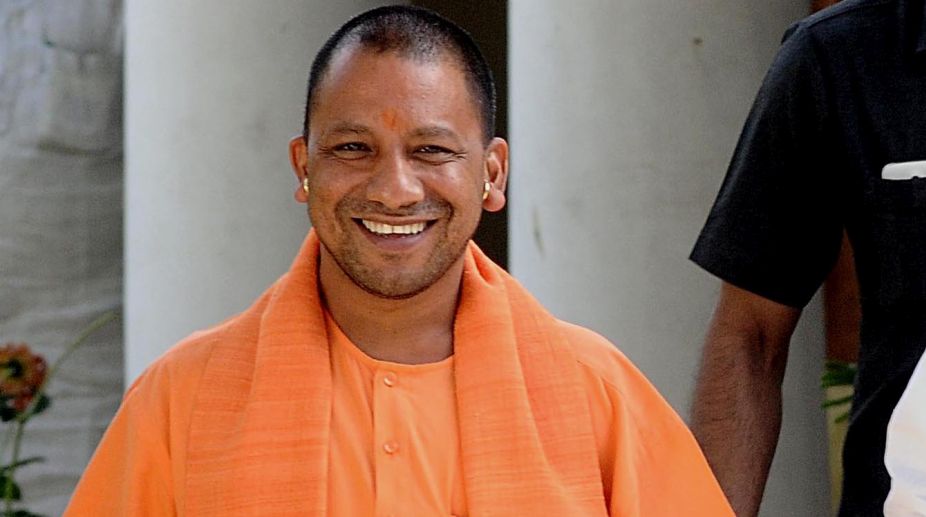
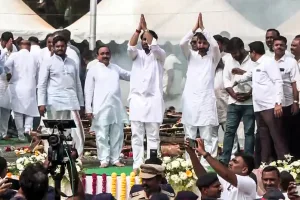
Uttar Pradesh Chief Minister Yogi Adityanath on Saturday arrived in his home constituency Gorakhpur to grand welcome for the first time after assuming office.

He is on a two-day maiden visit to the city to celebrate in his constituency as the chief minister and will return on March 26 to Lucknow.

With posters of the priest-politician donning the walls and electricity poles, massive preparations are in place in the city as party members welcomed him with excitement.

Elaborate security arrangements are in place as the city wore a saffron look and security of the Gorakhnath temple has also been beefed up with metal detectors placed at all the entry points.

After reaching Gorakhpur airport, he is likely to go on a roadshow to Gorakhnath temple, Nandanagar, Mohdipurpur, University Chowrah, Ganesh Chauraha and the MP Inter College grounds.

He will attend a function on Sunday on the occasion of the death anniversary of Yogiraaj Baba Gambhirnath and will address a gathering there.

After becoming the chief minister, the five-time MP from Gorakhpur has taken a series of actions which includes closing of illegal slaughter houses, forming ‘anti-Romeo’ squads and banning consumption of paan masala in offices.

UP CM Yogi Adityanath arrives in Gorakhpur, receives grand welcome

SNS | New Delhi |

Uttar Pradesh Chief Minister Yogi Adityanath on Saturday arrived in his home constituency Gorakhpur to grand welcome for the first time after assuming office.

He is on a two-day maiden visit to the city to celebrate in his constituency as the chief minister and will return on March 26 to Lucknow.

With posters of the priest-politician donning the walls and electricity poles, massive preparations are in place in the city as party members welcomed him with excitement.

Elaborate security arrangements are in place as the city wore a saffron look and security of the Gorakhnath temple has also been beefed up with metal detectors placed at all the entry points.

After reaching Gorakhpur airport, he is likely to go on a roadshow to Gorakhnath temple, Nandanagar, Mohdipurpur, University Chowrah, Ganesh Chauraha and the MP Inter College grounds.

He will attend a function on Sunday on the occasion of the death anniversary of Yogiraaj Baba Gambhirnath and will address a gathering there.

After becoming the chief minister, the five-time MP from Gorakhpur has taken a series of actions which includes closing of illegal slaughter houses, forming ‘anti-Romeo’ squads and banning consumption of paan masala in offices.

Pakistan agrees to allow Raheel to command Saudi-led alliance

PTI | Islamabad |

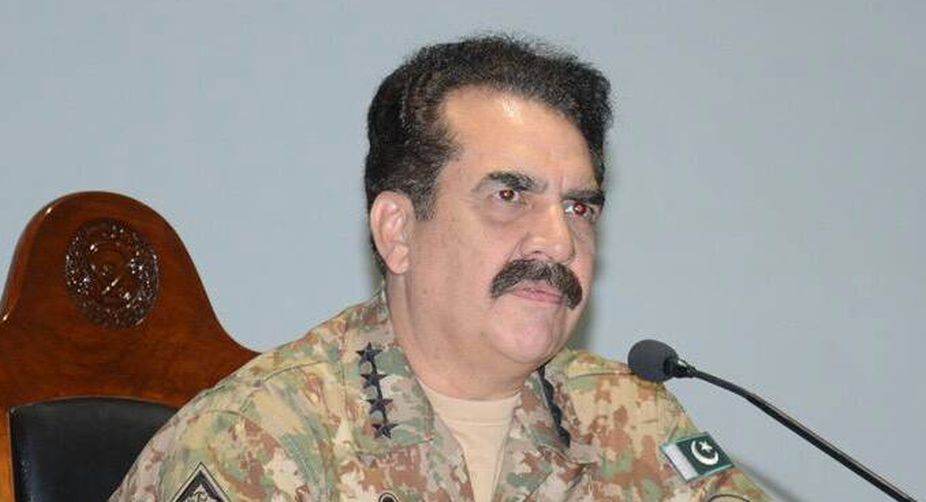
Pakistan has agreed to allow former army chief Gen Raheel Sharif to head a Saudi Arabia-led 39-nation Islamic military coalition formed to combat terrorism, according to a media report.

This was disclosed by Defence Minister Khawaja Asif in a programme of private Geo TV.

Citing Asif, the channel said official documentation to issue the No-Objection Certificate (NOC) had not been done but the government has agreed in principle to issue the permission because the Saudi leadership had formally requested through a letter to let Raheel take up the command of the coalition.

Asif said he had visited Saudi Arabia for Umrah earlier this year, and had also met officials of the Saudi government.

In May, the advisory board of defense ministers of member countries will attend a meeting on the issue, he said, adding the structure of the alliance had not been decided so far.

"When General (Retd) Raheel Sharif joins he will define a structure," he said.

In January this year, the defence minister had informed the Senate that the former army chief had not sought an NOC to lead a Saudi-led military alliance.

Asif had said Raheel had returned to Pakistan after performing Umrah in Saudi Arabia and if he applies for the NOC, then it will be decided according to law.

From a few politicians to retired army officers, journalists, intellectuals all had questioned the decision of a former Pakistani army chief to join a foreign military alliance after his retirement.

Pakistani leaders were initially taken aback when Saudi Arabia, without proper consultation with them, had announced in 2015 that Islamabad was also part of the new alliance.

Iran was not included in the grouping which appeared as a vague attempt to forge a Sunni Muslim alliance against Shiite Iran to curtail its influence in Iraq, Syria, Yemen and rest of the Middle East.

Pakistan was in an unenviable position as it has good ties with both Iran and Saudi Arabia. It was also not ready to be dragged into the politics of Middle East.

Later, Pakistan confirmed its participation in the alliance, but had said that the scope of its participation would be defined after Riyadh shared the details of the coalition it was assembling.

According to Saudi Arabia, the alliance is formed to fight ISIS and other militant outfits.

Pakistan agrees to allow Raheel to command Saudi-led alliance

PTI | Islamabad |

Pakistan has agreed to allow former army chief Gen Raheel Sharif to head a Saudi Arabia-led 39-nation Islamic military coalition formed to combat terrorism, according to a media report.

This was disclosed by Defence Minister Khawaja Asif in a programme of private Geo TV.

Citing Asif, the channel said official documentation to issue the No-Objection Certificate (NOC) had not been done but the government has agreed in principle to issue the permission because the Saudi leadership had formally requested through a letter to let Raheel take up the command of the coalition.

Asif said he had visited Saudi Arabia for Umrah earlier this year, and had also met officials of the Saudi government.

In May, the advisory board of defense ministers of member countries will attend a meeting on the issue, he said, adding the structure of the alliance had not been decided so far.

"When General (Retd) Raheel Sharif joins he will define a structure," he said.

In January this year, the defence minister had informed the Senate that the former army chief had not sought an NOC to lead a Saudi-led military alliance.

Asif had said Raheel had returned to Pakistan after performing Umrah in Saudi Arabia and if he applies for the NOC, then it will be decided according to law.

From a few politicians to retired army officers, journalists, intellectuals all had questioned the decision of a former Pakistani army chief to join a foreign military alliance after his retirement.

Pakistani leaders were initially taken aback when Saudi Arabia, without proper consultation with them, had announced in 2015 that Islamabad was also part of the new alliance.

Iran was not included in the grouping which appeared as a vague attempt to forge a Sunni Muslim alliance against Shiite Iran to curtail its influence in Iraq, Syria, Yemen and rest of the Middle East.

Pakistan was in an unenviable position as it has good ties with both Iran and Saudi Arabia. It was also not ready to be dragged into the politics of Middle East.

Later, Pakistan confirmed its participation in the alliance, but had said that the scope of its participation would be defined after Riyadh shared the details of the coalition it was assembling.

According to Saudi Arabia, the alliance is formed to fight ISIS and other militant outfits.

Sikh-American girl harassed in US

PTI | Washington |

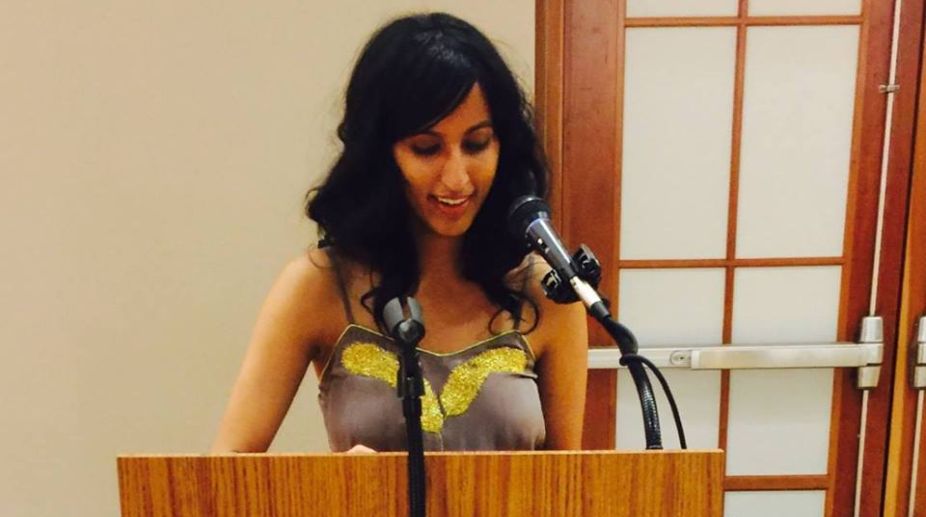
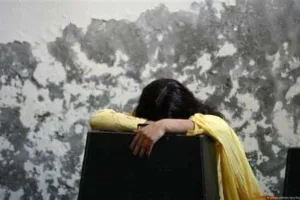
A Sikh-American girl was harassed on a subway train here by a man who mistook her as a Middle-Easterner and told her to "go back to Lebanon" and "you don't belong in this country", a media report said.

Rajpreet Heir recalled her ordeal in a video for a New York Times section, This Week in Hate, that tracks hate crimes and harassment around the country since the election of Donald Trump. 

Heir, a Sikh girl born in Indiana, was taking a subway train to a friend's birthday party in Manhattan earlier this month when a white man began shouting at her, reported the Times on Friday. 

The girl says in the video that she was looking at her phone when the man standing next to her yelled saying, "Do you even know what a Marine looks like? Do you know what they have to see? What they do for this country? Because of people like you."

The man told Heir that he hoped she was sent "back to Lebanon" and said, "You don't belong in this country".

Two fellow passengers stepped in to help Heir after the incident on the train. 

One woman tapped her on the shoulder and asked if she was all right. "That meant something," Heir said, "because when you're a minority, you're so used to just experiencing things on your own."

Another woman reported the incident to a police officer at a subway station, said the report.

As New York City works to respond to a rise in reports of discrimination and harassment, subways have emerged as a source of special concern, the Times reported.

Harassment has long been a problem on subways, in part because many strangers are packed together in narrow cars, sometimes for long periods, it said. 

"Even in a park, you're not going to be quite that close together," said Emily May, the executive director of the anti-harassment group Hollaback.

But since the election, the group has received nearly double the usual number of reports of harassment on the subway, and more than usual involve racist, Islamophobic or anti-immigrant comments, said the report.

Sikh-American girl harassed in US

PTI | Washington |

A Sikh-American girl was harassed on a subway train here by a man who mistook her as a Middle-Easterner and told her to "go back to Lebanon" and "you don't belong in this country", a media report said.

Rajpreet Heir recalled her ordeal in a video for a New York Times section, This Week in Hate, that tracks hate crimes and harassment around the country since the election of Donald Trump. 

Heir, a Sikh girl born in Indiana, was taking a subway train to a friend's birthday party in Manhattan earlier this month when a white man began shouting at her, reported the Times on Friday. 

The girl says in the video that she was looking at her phone when the man standing next to her yelled saying, "Do you even know what a Marine looks like? Do you know what they have to see? What they do for this country? Because of people like you."

The man told Heir that he hoped she was sent "back to Lebanon" and said, "You don't belong in this country".

Two fellow passengers stepped in to help Heir after the incident on the train. 

One woman tapped her on the shoulder and asked if she was all right. "That meant something," Heir said, "because when you're a minority, you're so used to just experiencing things on your own."

Another woman reported the incident to a police officer at a subway station, said the report.

As New York City works to respond to a rise in reports of discrimination and harassment, subways have emerged as a source of special concern, the Times reported.

Harassment has long been a problem on subways, in part because many strangers are packed together in narrow cars, sometimes for long periods, it said. 

"Even in a park, you're not going to be quite that close together," said Emily May, the executive director of the anti-harassment group Hollaback.

But since the election, the group has received nearly double the usual number of reports of harassment on the subway, and more than usual involve racist, Islamophobic or anti-immigrant comments, said the report.

Adityanath senior in age, but backward in work: Akhilesh Yadav

SNS | New Delhi |

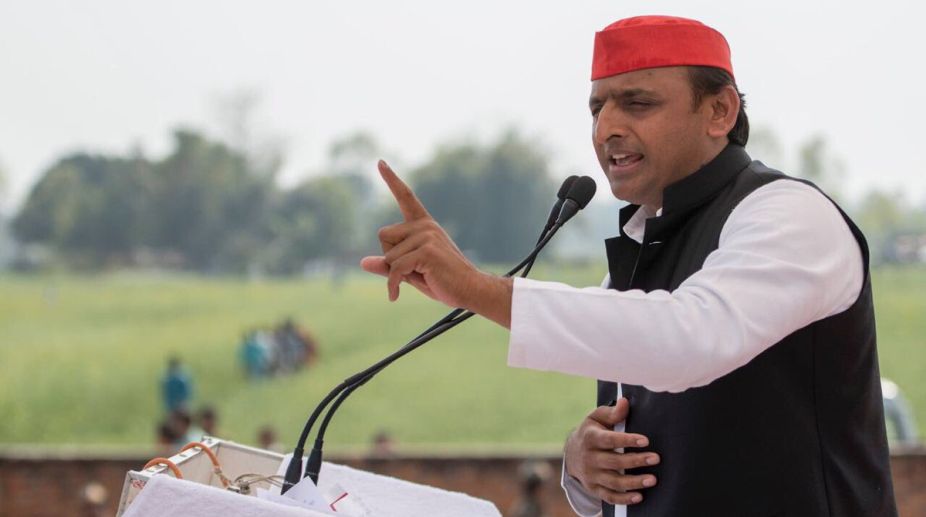
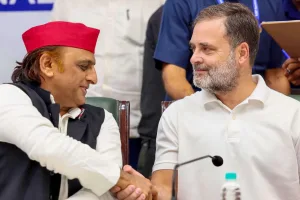
Former Uttar Pradesh Chief Minister and Samajwadi Party president Akhilesh Yadav on Saturday said UP Chief Minister Yogi Adityanath may be older in age but is "much behind" in work.

“CM ne kaha, humse ek saal badey hain. Hum kehte hain kaam me bahut pichey ho, umar mein toh badey ho skate ho. (CM said he’s a year older to me. Although, he is older than me, he is much behind in work),” Akhilesh said, reacting to Adityanath's remark on age difference on Friday.

At his first parliamentary speech on March 21, Adityanath said that he was year older than former CM Akhilesh and Congress Vice President Rahul Gandhi. In a light-hearted vein, Adityanath said that he coming in between the two–the SP-Congress alliance–had made them lose bitterly in the state assembly elections.

“I am a year younger to Rahul Gandhi and a year senior to Akhilesh Yadav. May be they lost because I came in between them,” Adityanath said in the Lok Sabha.

Adityanath, the five-time MP from eastern UP’s Gorakhpur is 44 years old. Akhilesh, the youngest CM to hold office in 2012 is 43 years old.

Adityanath on March 19 was sworn in as the 32nd chief minister of the state.

The BJP won a massive 325 seats of the 403 assembly seats, while the SP-Congress alliance managed to bag just 54 seats.

Adityanath senior in age, but backward in work: Akhilesh Yadav

SNS | New Delhi |

Former Uttar Pradesh Chief Minister and Samajwadi Party president Akhilesh Yadav on Saturday said UP Chief Minister Yogi Adityanath may be older in age but is "much behind" in work.

“CM ne kaha, humse ek saal badey hain. Hum kehte hain kaam me bahut pichey ho, umar mein toh badey ho skate ho. (CM said he’s a year older to me. Although, he is older than me, he is much behind in work),” Akhilesh said, reacting to Adityanath's remark on age difference on Friday.

At his first parliamentary speech on March 21, Adityanath said that he was year older than former CM Akhilesh and Congress Vice President Rahul Gandhi. In a light-hearted vein, Adityanath said that he coming in between the two–the SP-Congress alliance–had made them lose bitterly in the state assembly elections.

“I am a year younger to Rahul Gandhi and a year senior to Akhilesh Yadav. May be they lost because I came in between them,” Adityanath said in the Lok Sabha.

Adityanath, the five-time MP from eastern UP’s Gorakhpur is 44 years old. Akhilesh, the youngest CM to hold office in 2012 is 43 years old.

Adityanath on March 19 was sworn in as the 32nd chief minister of the state.

The BJP won a massive 325 seats of the 403 assembly seats, while the SP-Congress alliance managed to bag just 54 seats.

Bangladesh commandos storm militants hideout

PTI | Dhaka |

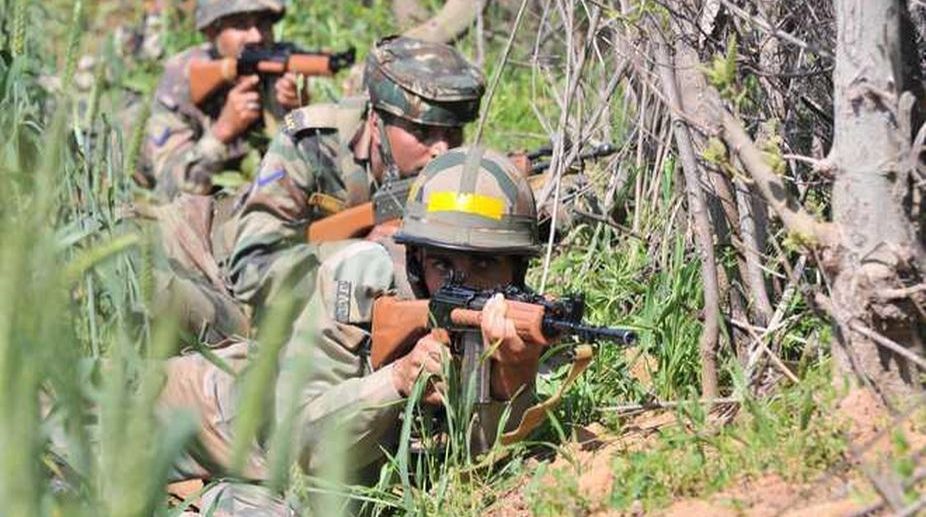
Army commandos on Saturday stormed a hideout of Islamist militants in Bangladesh's north-eastern Sylhet after nearly a 30-hour security siege failed to flush them out of a five-storey building.

Officials said army para-commandos led by a Major General and assisted by Special Weapons And Tactics (SWAT) unit, counter-terrorism unit and elite anti-crime Rapid Action Battalion launched 'Operation Twilight' after the standoff with militants who were holed up in the building.

Some 78 people could be evacuated and moved to safe place ahead of the full scale military assault. Several residents were believed to be still trapped inside the building occupied by the militants.

"GOC (General Officer Commanding) of our Sylhet-based 17 Infantry Division Major General Anwarul Momen is leading the 'Operation Twilight' there," a military spokesman told PTI as the crackdown was launched at 9 AM.

Counter-Terrorism and Transnational Crime (CTTC) chief Monirul Islam said they got information that JMB chief Musa along with some other JMB militants are in Sylhet.

On a tip off, police had raided the building at 2:00 AM on Friday and cordoned off the whole area after suspected militants detonated small bombs.

The neo-JMB, said to be inclined to the Islamic State, was behind the July 1 terror attack on a Dhaka cafe in which 22 people, including 17 foreigners, were killed.

"They (militants) were earlier thought to be staying only on the ground floor but now they are suspected to have taken position in three flats of the building," a newspaper said, quoting an unnamed official at the scene.

TV channels were barred from live broadcast of the operation but their footages showed commandos backed by the armoured personnel carriers taking positions around the building.

Witnesses and residents in the neighbourhood said they saw smoke billowing out from parts of the building and heard intermittent explosions and gunshots from inside the building.

Earlier reports said at least two suspected militants, including a female, were inside the Atia Villa's ground floor but a police officer later feared a "whole lot of them" could also be there, suspecting them as operatives of Neo-JMB.

Police used megaphones to ask the couple, who were living in the building for the last three months as tenants, to surrender, but they refused to give up.

The militants shouted "Allahu Akbar" (God is the greatest) and told police 'send your SWAT team'.

"Since last evening, they (militants) have stopped responding," an eyewitness said.

Military police put barricade on adjacent thoroughfares including a regional highway.

Authorities overnight cut off the gas and power lines of the building. Police asked people in the neighbourhood to keep safe distance from the hideout and advise to stay indoors.

The Operation Twilight was launched after a suicide bomber last night blew himself up near the international airport in Dhaka, an attack claimed by Islamic State terrorist group, a week after an identical attack on a RAB camp here.

Police tracked down the Sylhet hideout less than a week after they busted two militant dens on the outskirts of the south-eastern port city of Chittagong when four extremists were killed.

Bangladesh has been witnessing a spate of attacks on secular activists, foreigners and religious minorities since 2013. The country launched a massive crackdown on militants specially after the Dhaka cafe attack.
 

Bangladesh commandos storm militants hideout

PTI | Dhaka |

Army commandos on Saturday stormed a hideout of Islamist militants in Bangladesh's north-eastern Sylhet after nearly a 30-hour security siege failed to flush them out of a five-storey building.

Officials said army para-commandos led by a Major General and assisted by Special Weapons And Tactics (SWAT) unit, counter-terrorism unit and elite anti-crime Rapid Action Battalion launched 'Operation Twilight' after the standoff with militants who were holed up in the building.

Some 78 people could be evacuated and moved to safe place ahead of the full scale military assault. Several residents were believed to be still trapped inside the building occupied by the militants.

"GOC (General Officer Commanding) of our Sylhet-based 17 Infantry Division Major General Anwarul Momen is leading the 'Operation Twilight' there," a military spokesman told PTI as the crackdown was launched at 9 AM.

Counter-Terrorism and Transnational Crime (CTTC) chief Monirul Islam said they got information that JMB chief Musa along with some other JMB militants are in Sylhet.

On a tip off, police had raided the building at 2:00 AM on Friday and cordoned off the whole area after suspected militants detonated small bombs.

The neo-JMB, said to be inclined to the Islamic State, was behind the July 1 terror attack on a Dhaka cafe in which 22 people, including 17 foreigners, were killed.

"They (militants) were earlier thought to be staying only on the ground floor but now they are suspected to have taken position in three flats of the building," a newspaper said, quoting an unnamed official at the scene.

TV channels were barred from live broadcast of the operation but their footages showed commandos backed by the armoured personnel carriers taking positions around the building.

Witnesses and residents in the neighbourhood said they saw smoke billowing out from parts of the building and heard intermittent explosions and gunshots from inside the building.

Earlier reports said at least two suspected militants, including a female, were inside the Atia Villa's ground floor but a police officer later feared a "whole lot of them" could also be there, suspecting them as operatives of Neo-JMB.

Police used megaphones to ask the couple, who were living in the building for the last three months as tenants, to surrender, but they refused to give up.

The militants shouted "Allahu Akbar" (God is the greatest) and told police 'send your SWAT team'.

"Since last evening, they (militants) have stopped responding," an eyewitness said.

Military police put barricade on adjacent thoroughfares including a regional highway.

Authorities overnight cut off the gas and power lines of the building. Police asked people in the neighbourhood to keep safe distance from the hideout and advise to stay indoors.

The Operation Twilight was launched after a suicide bomber last night blew himself up near the international airport in Dhaka, an attack claimed by Islamic State terrorist group, a week after an identical attack on a RAB camp here.

Police tracked down the Sylhet hideout less than a week after they busted two militant dens on the outskirts of the south-eastern port city of Chittagong when four extremists were killed.

Bangladesh has been witnessing a spate of attacks on secular activists, foreigners and religious minorities since 2013. The country launched a massive crackdown on militants specially after the Dhaka cafe attack.

 

Outgoing UN peacekeeping chief praises Indian troops

PTI | United Nations |

The outgoing chief of UN peacekeeping forces has lauded India and other South Asian countries for contributing well trained and well behaved troops to the world body's peacekeeping missions.

"The contribution of South Asian countries is very valuable in terms of numbers because usually the three or four largest contributors rotate between India, Pakistan and Bangladesh. Those usually are among the three or four largest contributors," Under-Secretary-General for Peacekeeping Operations Herve Ladsous told reporters here yesterday during his final briefing in this post.

He will be succeeded by another French diplomat Jean-Pierre Lacroix.

He said troop contributors from the South Asian nations have given the UN large numbers of peacekeepers but also "good people, people who are well trained, well equipped and in most cases behave correctly." 

He said while there have been a few cases of disciplinary nature against South Asian peacekeepers, these have not been huge numbers.

"Countries of the region, yes, they have been very active peacekeepers, they have paid the price, unfortunately, in terms of casualties. I appreciated very much their role and contribution during my tenure," he said.

India is among the largest contributor of peacekeepers to the world body.

As of February 2017, a total of 7606 Indian peacekeepers were deployed in UN missions, including 6763 troops and 782 police personnel.

It has also suffered significant casualties with 163 peacekeepers making the supreme sacrifice in the line of duty.

Indian peacekeepers have maintained a clean record as the world body investigates allegations of sexual abuse and exploitation against the Blue Helmets.

India has said it has a policy of zero tolerance against sexual abuse and exploitation by peacekeepers.

India has also informed the UN Secretariat it had appointed a focal point to handle future paternity claims related to sexual exploitation and abuse.

The outgoing chief said UN peacekeeping is becoming more agile and capable, even as the cost for each peacekeeper fell 16 per cent in recent years, dropping the entire budget of the blue helmets worldwide to around USD 7.2 billion.

"It s a lot of money at face value, but it's 0.4 per cent of world military expenditure," he said.

"No other army has done what the United Nations has done over the past six years," he added.

The price for UN peacekeeping operations is currently USD 7.2 billion, down from USD 8.2 billion in 2011.

"We diminished the cost per peacekeeper by 16 per cent without any diminution in the level of equipment.

Outgoing UN peacekeeping chief praises Indian troops

PTI | United Nations |

The outgoing chief of UN peacekeeping forces has lauded India and other South Asian countries for contributing well trained and well behaved troops to the world body's peacekeeping missions.

"The contribution of South Asian countries is very valuable in terms of numbers because usually the three or four largest contributors rotate between India, Pakistan and Bangladesh. Those usually are among the three or four largest contributors," Under-Secretary-General for Peacekeeping Operations Herve Ladsous told reporters here yesterday during his final briefing in this post.

He will be succeeded by another French diplomat Jean-Pierre Lacroix.

He said troop contributors from the South Asian nations have given the UN large numbers of peacekeepers but also "good people, people who are well trained, well equipped and in most cases behave correctly." 

He said while there have been a few cases of disciplinary nature against South Asian peacekeepers, these have not been huge numbers.

"Countries of the region, yes, they have been very active peacekeepers, they have paid the price, unfortunately, in terms of casualties. I appreciated very much their role and contribution during my tenure," he said.

India is among the largest contributor of peacekeepers to the world body.

As of February 2017, a total of 7606 Indian peacekeepers were deployed in UN missions, including 6763 troops and 782 police personnel.

It has also suffered significant casualties with 163 peacekeepers making the supreme sacrifice in the line of duty.

Indian peacekeepers have maintained a clean record as the world body investigates allegations of sexual abuse and exploitation against the Blue Helmets.

India has said it has a policy of zero tolerance against sexual abuse and exploitation by peacekeepers.

India has also informed the UN Secretariat it had appointed a focal point to handle future paternity claims related to sexual exploitation and abuse.

The outgoing chief said UN peacekeeping is becoming more agile and capable, even as the cost for each peacekeeper fell 16 per cent in recent years, dropping the entire budget of the blue helmets worldwide to around USD 7.2 billion.

"It s a lot of money at face value, but it's 0.4 per cent of world military expenditure," he said.

"No other army has done what the United Nations has done over the past six years," he added.

The price for UN peacekeeping operations is currently USD 7.2 billion, down from USD 8.2 billion in 2011.

"We diminished the cost per peacekeeper by 16 per cent without any diminution in the level of equipment.

India’s new envoy to Nepal arrives in Kathmandu

PTI | Kathmandu |

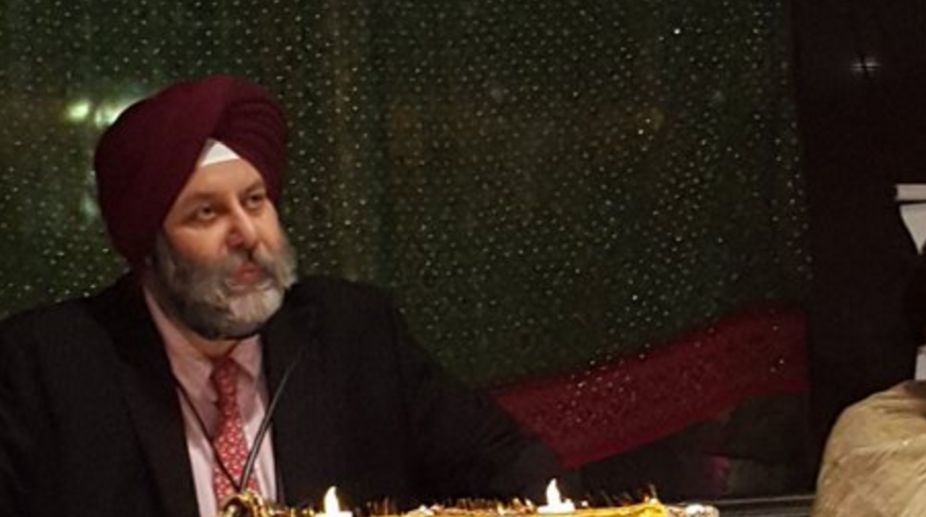
India's new envoy to Nepal Manjeev Singh Puri on Saturday arrived here and would submit his credentials to President Bidya Devi Bhandari on Sunday.

Puri, a 1982 batch IFS officer, was on March 10 appointed as India's 24th ambassador to Nepal. His predecessor Ranjit Rae completed his three and a half year-tenure on February 28.

Puri, born in 1959, is scheduled to submit his letters of credence to President Bhandari tomorrow, according to reports.

Before being assigned to Kathmandu mission, he was India's Ambassador to the European Union, Belgium and Luxembourg.

Prior to Brussels, he was India's Ambassador and Deputy Permanent Representative to the UN in New York from 2009 to 2013. He was also a senior member of India's Security Council team during the years 2011 and 2012, when India served on the Security Council.

From 2005-09, he headed the United Nations Division in the Ministry of External Affairs in New Delhi dealing with economic and social issues.

In the course of his Foreign Service career, Puri has served twice in Germany (in Bonn from 1984-86 and Berlin from 1991-94). He was the coordinator of the Festival of India in Germany in 1991-92 and established the Indian Cultural Centre in Berlin.

Puri has a Masters degree in Management. He did his BA (Honours) in Economics from St Stephen's College in New Delhi.

India’s new envoy to Nepal arrives in Kathmandu

PTI | Kathmandu |

India's new envoy to Nepal Manjeev Singh Puri on Saturday arrived here and would submit his credentials to President Bidya Devi Bhandari on Sunday.

Puri, a 1982 batch IFS officer, was on March 10 appointed as India's 24th ambassador to Nepal. His predecessor Ranjit Rae completed his three and a half year-tenure on February 28.

Puri, born in 1959, is scheduled to submit his letters of credence to President Bhandari tomorrow, according to reports.

Before being assigned to Kathmandu mission, he was India's Ambassador to the European Union, Belgium and Luxembourg.

Prior to Brussels, he was India's Ambassador and Deputy Permanent Representative to the UN in New York from 2009 to 2013. He was also a senior member of India's Security Council team during the years 2011 and 2012, when India served on the Security Council.

From 2005-09, he headed the United Nations Division in the Ministry of External Affairs in New Delhi dealing with economic and social issues.

In the course of his Foreign Service career, Puri has served twice in Germany (in Bonn from 1984-86 and Berlin from 1991-94). He was the coordinator of the Festival of India in Germany in 1991-92 and established the Indian Cultural Centre in Berlin.

Puri has a Masters degree in Management. He did his BA (Honours) in Economics from St Stephen's College in New Delhi.

Photo

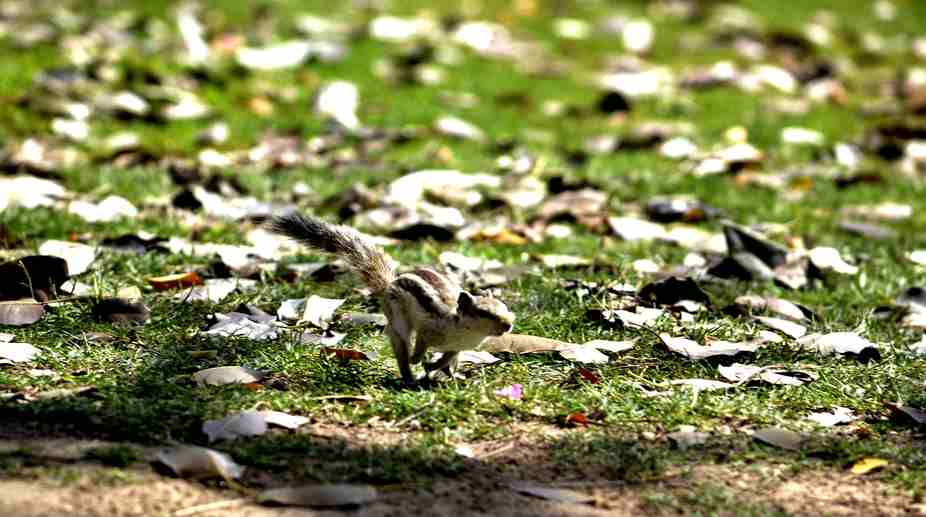
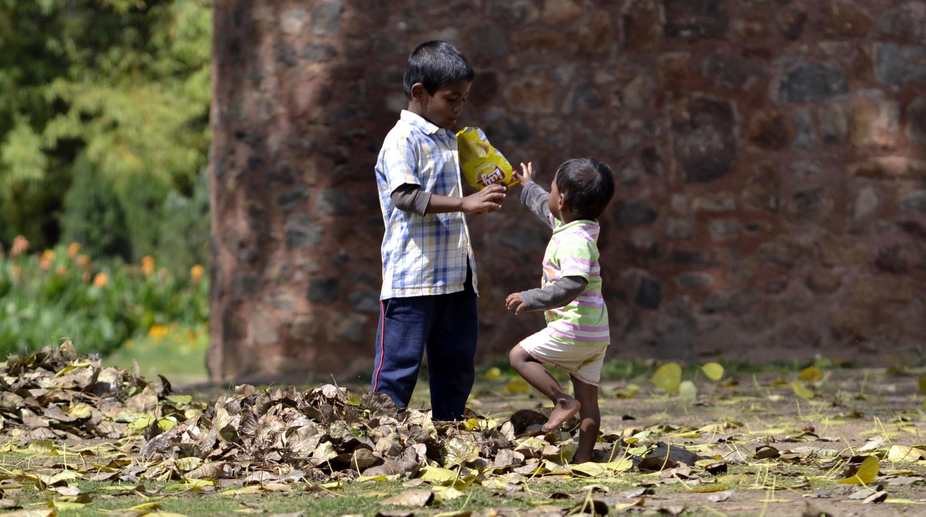
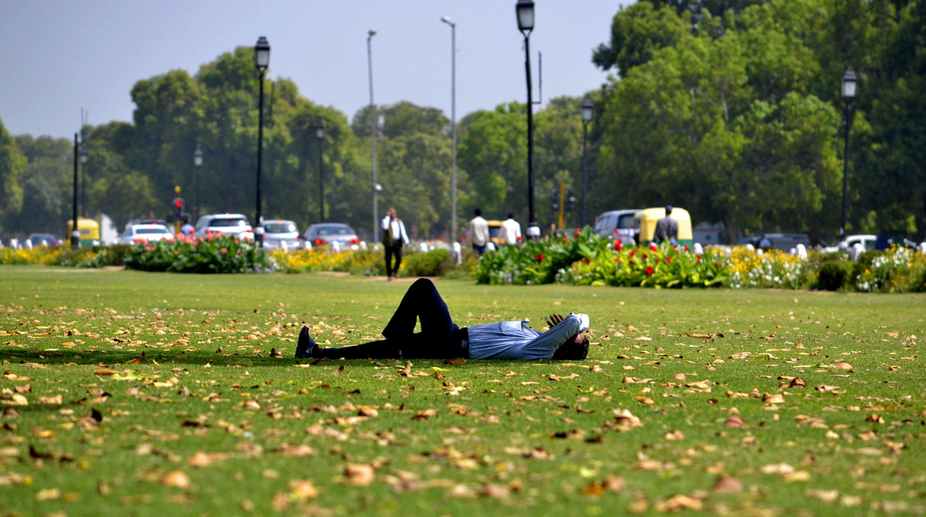
  • Spring season, a period which reminds us of rebirth, rejuvenation, and regrowth of plants, leaves and flower, is making many hearts blissful these days in Delhi (Photo: Prakash Sharma/SNS) 

    " alt="img" />
  • img
  • img
  • img
  • img
  • “Love needs two hearts and one I have”. Many birds come to India to experience the beauty of spring season (Photo: Prakash Sharma/SNS)

    " alt="img" />
When nature decorates!

When nature decorates!

MORE Photo STORIES

Photo

  • img
  • img
  • img
  • img
  • “Hold my hand, I can change your future”. How can we forget that Dilwale (hearted people) live in the national capital (Photo: Prakash Sharma/SNS)

    " alt="img" />
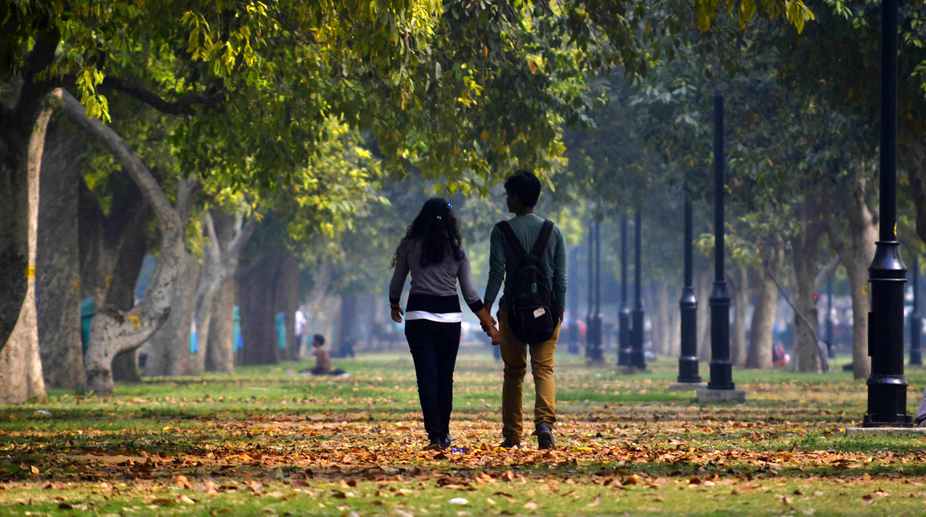
  • “Love needs two hearts and one I have”. Many birds come to India to experience the beauty of spring season (Photo: Prakash Sharma/SNS)

    " alt="img" />

When nature decorates!

When nature decorates!

MORE Photo STORIES

Bengal not spending Centre’s money on health: BJP

PTI | Kolkata |

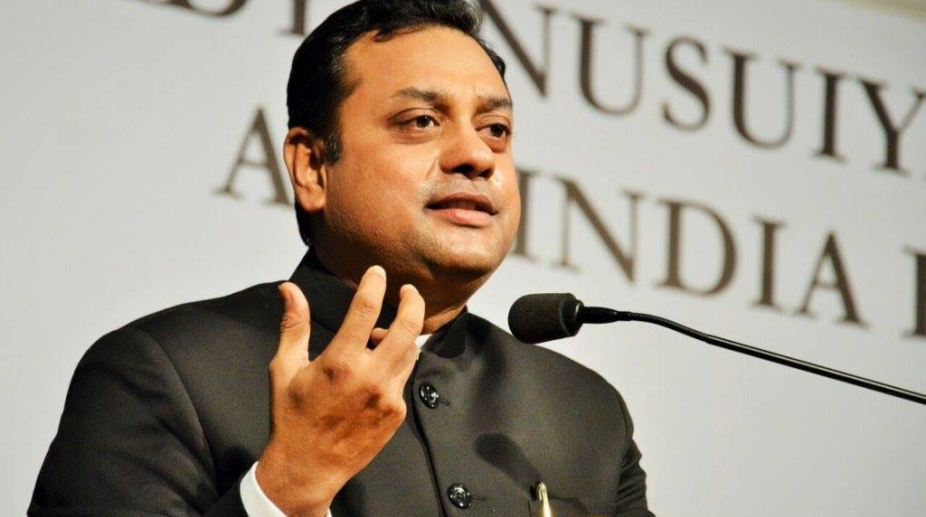
BJP on Saturday alleged that the Mamata Banerjee government was not spending the money the Centre provided to it for improving the health infrastructure of the state.

"The Centre is giving money to West Bengal. But the Mamata Banerjee government is not spending the money on health", BJP national spokesperson Sambit Patra said.

"Keeping in mind the federal structure of the country, the Centre sends money. But we do not see it is spent for improving the health infrastructure of West Bengal", Patra told reporters on the sidelines of an ABVP-oraganised convention organised by medicos and junior doctors.

Patra said that the Centre had provided Rs 150 crore for upgrading three hospitals of West Bengal into super-speciality ones. "But that is not being done", he said.

"See the case of Narada. While the Centre's intention is health, Trinamool's intention is politics and corruption", he said.

Referring to the National Health Policy announced recently, he said Prime Minister Narendra Modi had set a target of increased GDP spend from 1.5 per cent to 2.5 per cent on healthcare over a phased manner.

The average life expectancy of an Indian had also been targetted to increased from 67.5 years to 70 years in the policy.