The Next Shock
The return of El Niño is a reminder that the world’s climate crisis is no longer defined solely by long-term warming trends.

The return of El Niño is a reminder that the world’s climate crisis is no longer defined solely by long-term warming trends.
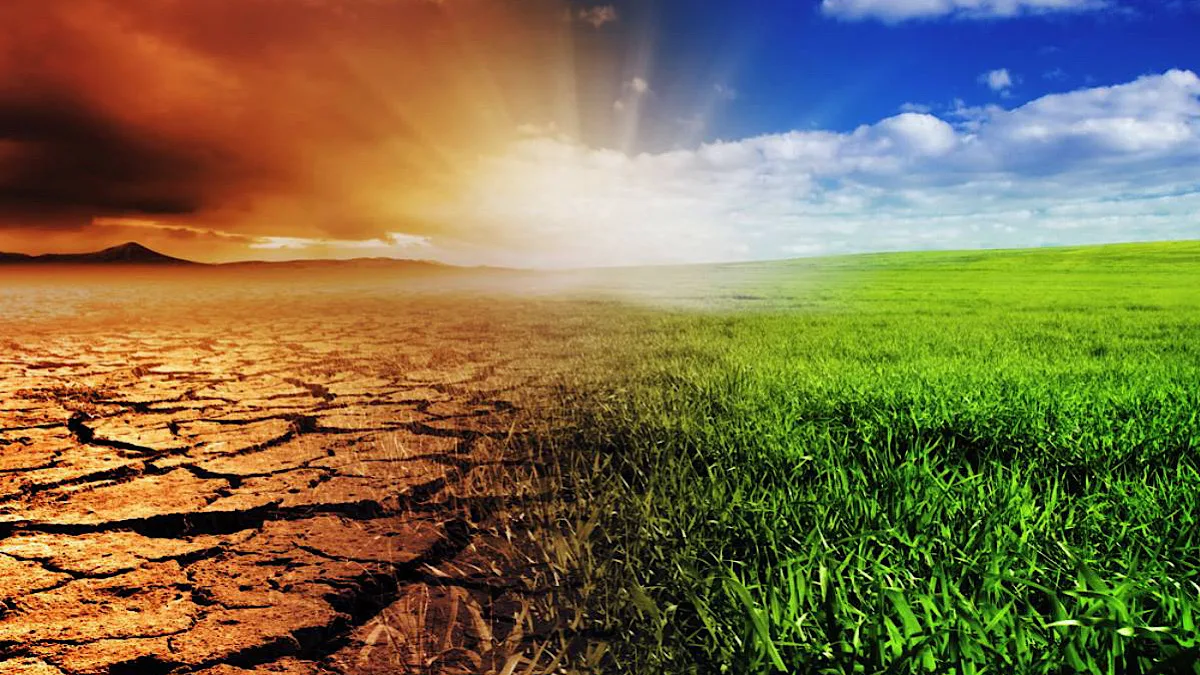
The most telling measure of today’s climate crisis is not the headline temperature spike or the spectacle of a heatwave, but a quieter, more consequential shift: the Earth is now consistently absorbing more energy than it releases.

As the 21st century unfolds, cities remain at the frontline of the climate crisis. With nearly 70 per cent of the world’s population projected to live in urban areas by 2050, pressures on infrastructure, ecosystems, and public health continue to intensify.
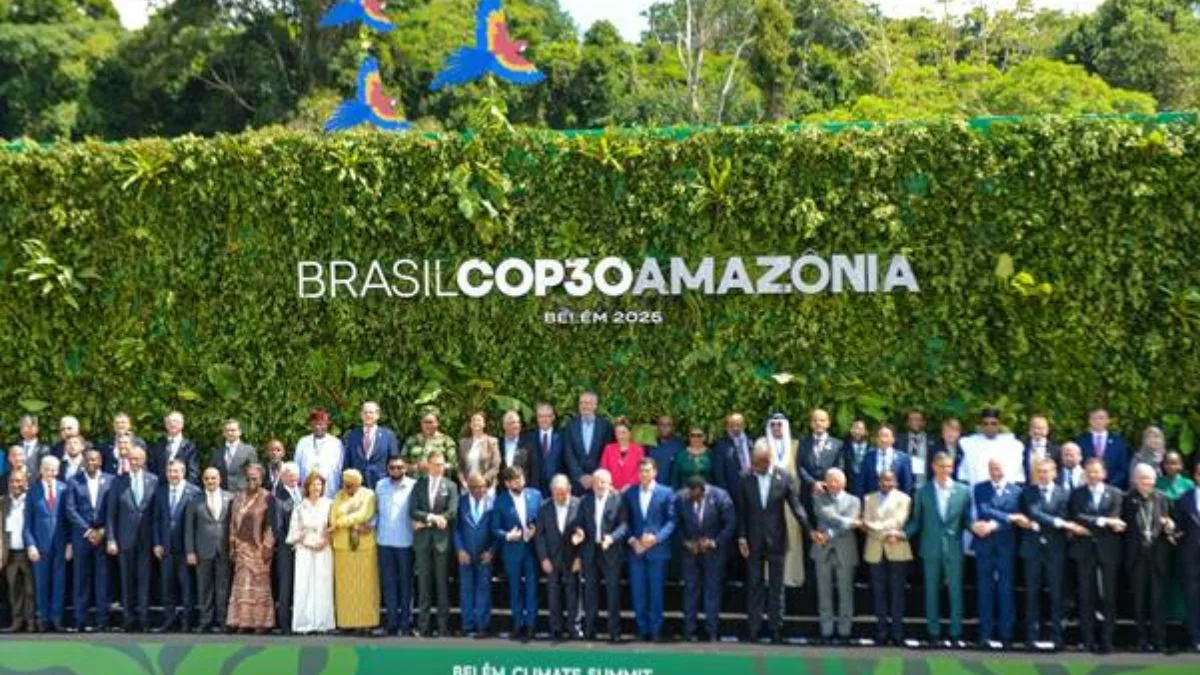
The COP Presidency, in a statement, announced the temporary closure of the venue to prevent the situation from turning uglier.

A prolonged heatwave followed by a monsoon when it rained heavily or not at all—leading to a vicious cycle of droughts, floods, landslides, storms—that was climate-changed India 2024.
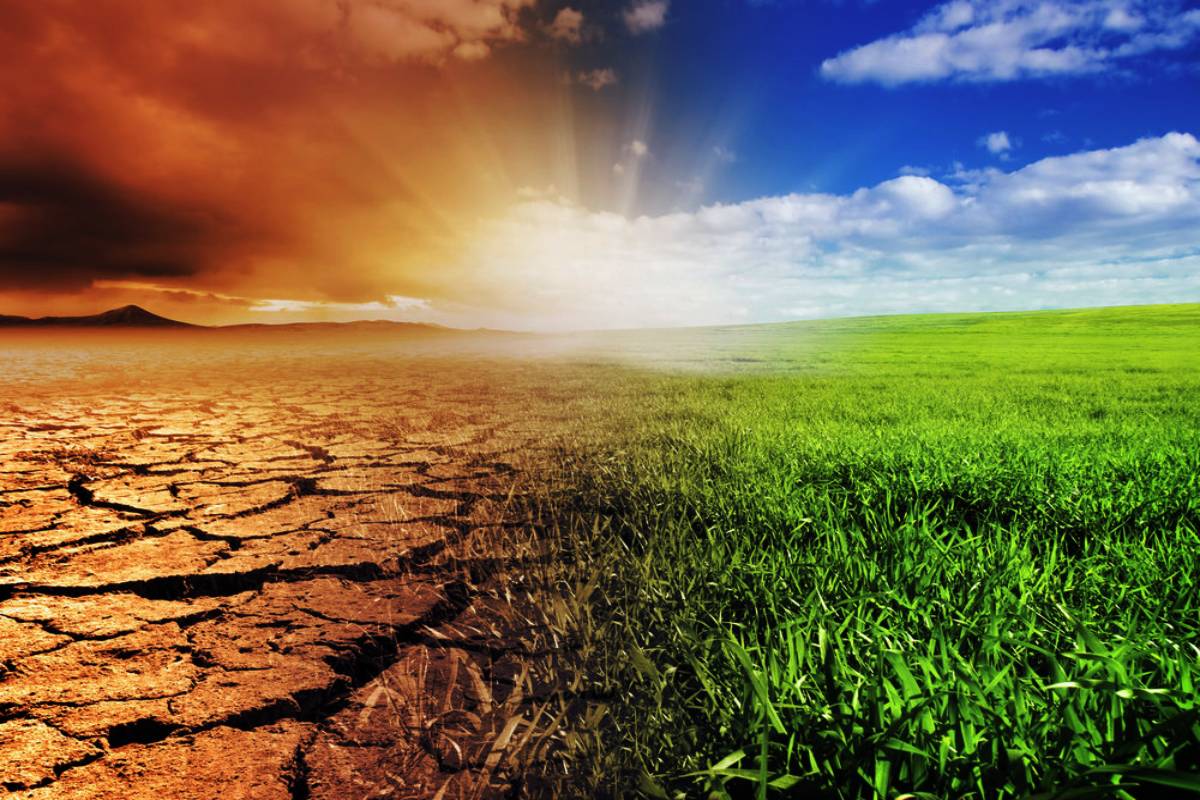
“Climate catastrophe is hammering health, widening inequalities, harming sustainable development, and rocking the foundations of peace. The vulnerable are hardest hit,” said UN Secretary-General António Guterres.
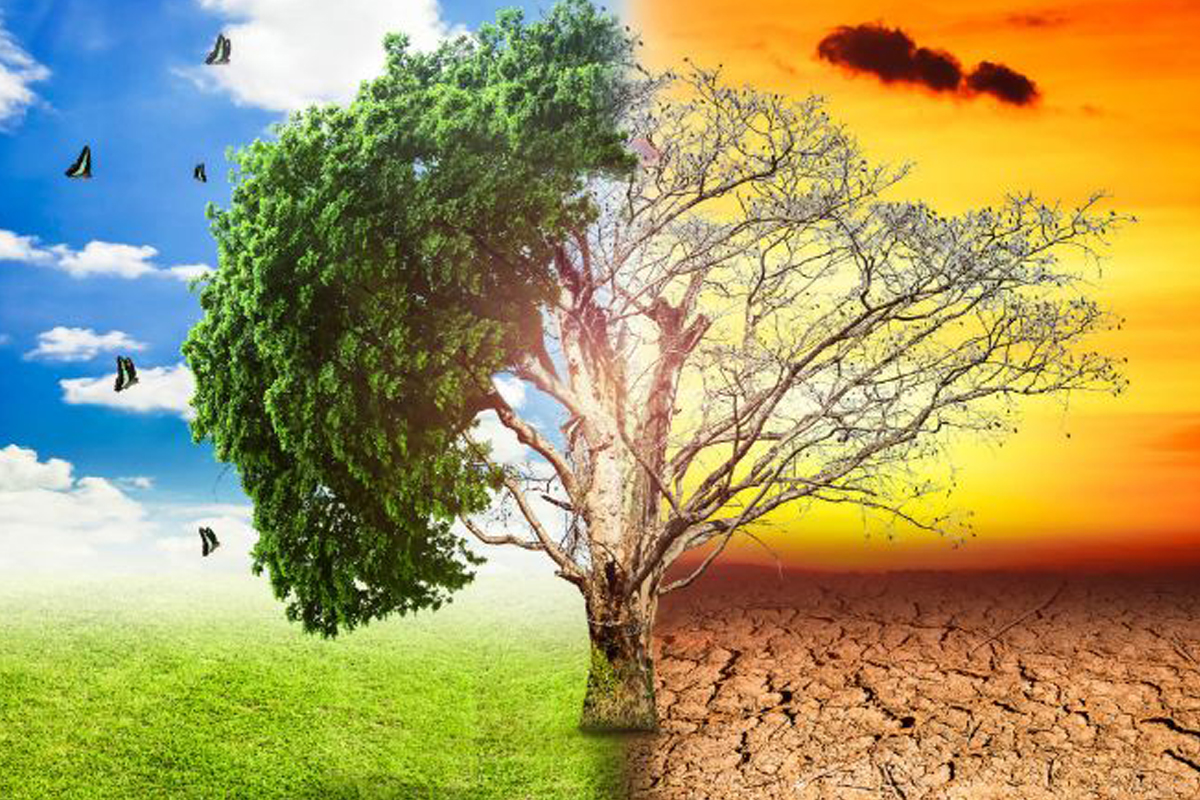
India’s climate crisis is no longer a distant threat; it’s an urgent, daily reality. The staggering statistics on extreme weather events in 2024 ~ over 3,200 lives lost, millions of hectares of farmland ruined, and countless homes and livestock destroyed ~ paint a grim picture of a nation bearing the brunt of climate change.
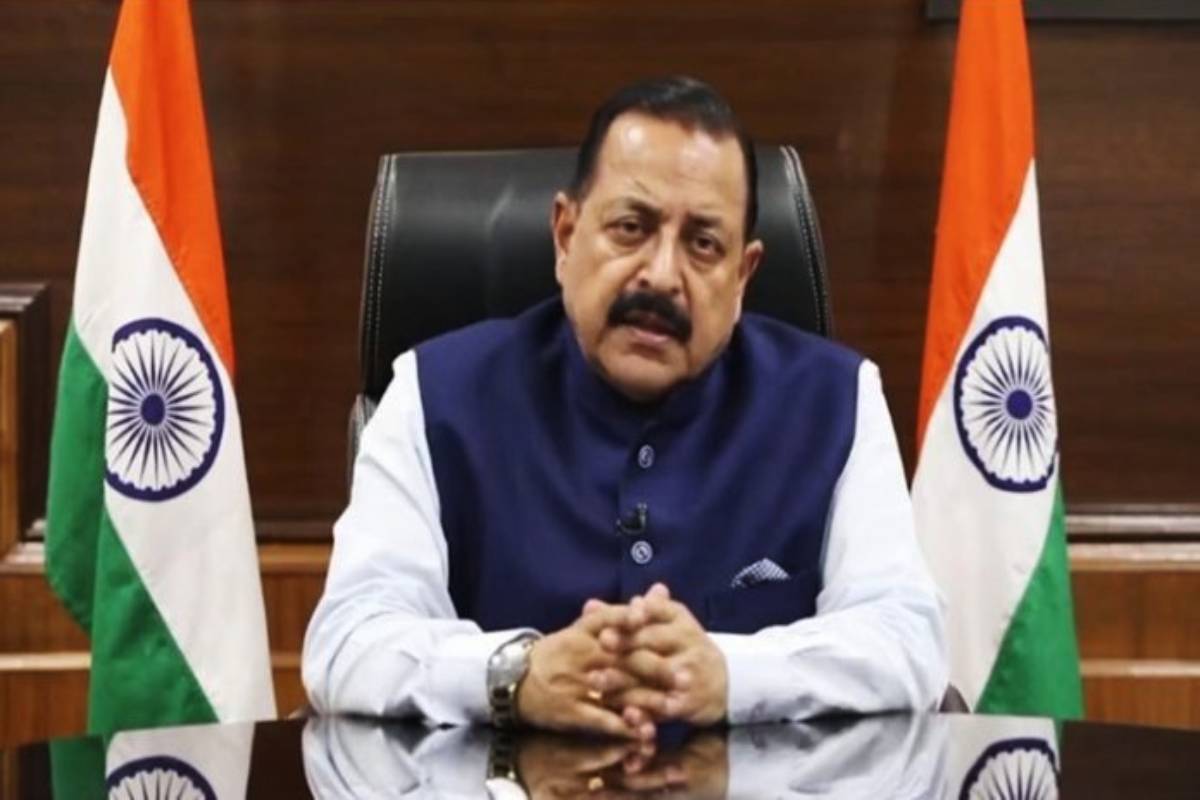
Dr. Singh highlighted India's commitment to achieving a remarkable 500 GW of installed electricity capacity from non-fossil fuel sources by 2030

The findings show that most of the respondents reported nearly similar interference of climate change and Covid-19 on their mental wellbeing. Their climate concern and Covid-19 concern scores were comparable.
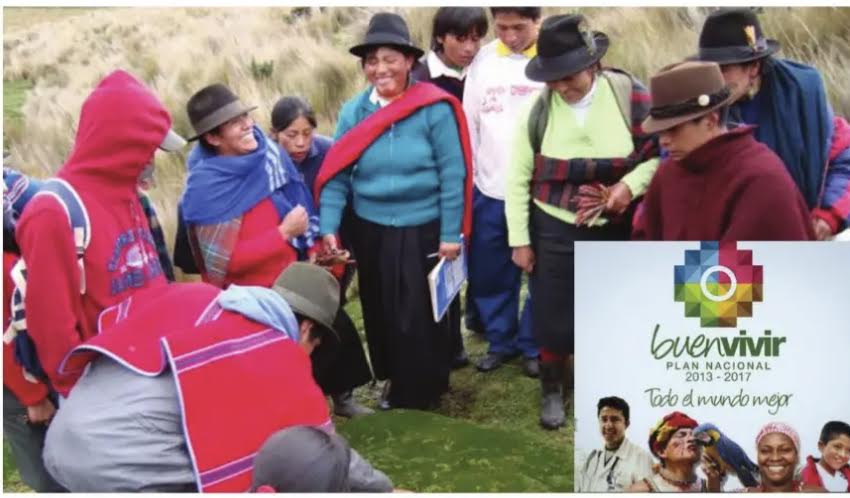
Ecuador and Bolivia have adopted new constitutions by incorporating some of the principles of buen vivir. The 2008 Ecuadorian constitution is a major departure from the past. It grants nature the right to exist, persist, maintain, and regenerate its vital cycles, structure, functions and its processes in evolution. None of the 188 constitutions in the world confers as many rights on the indigenous community