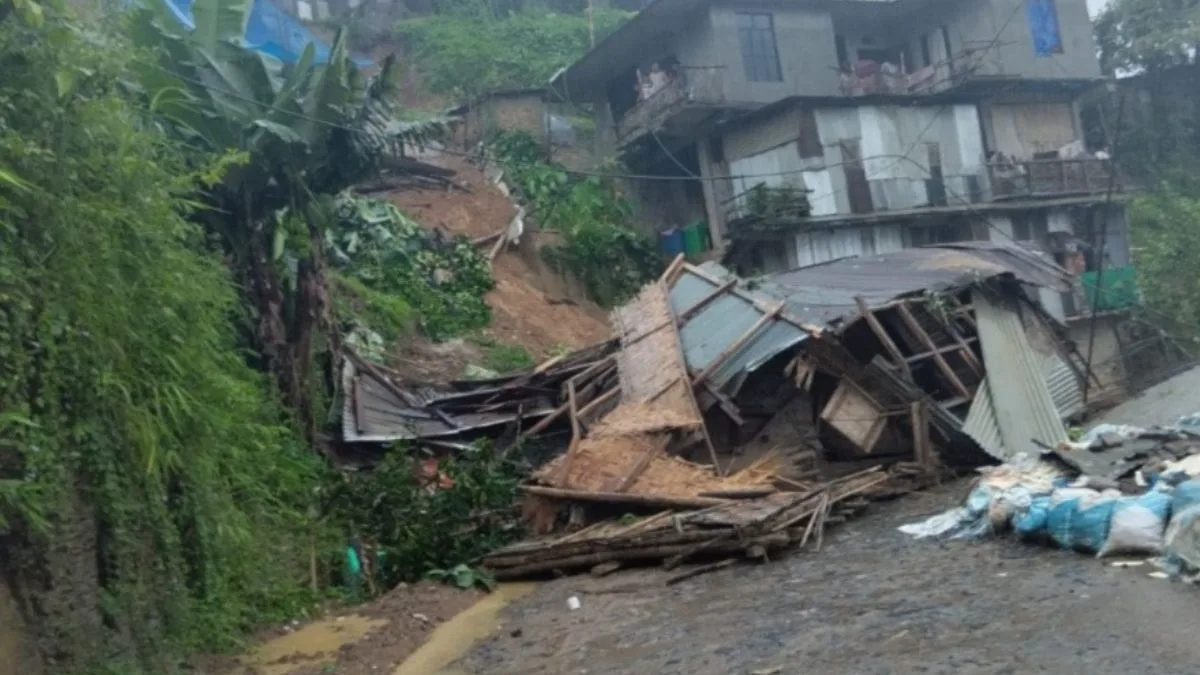
As the 21st century unfolds, cities remain at the frontline of the climate crisis. With nearly 70 per cent of the world’s population projected to live in urban areas by 2050, pressures on infrastructure, ecosystems, and public health continue to intensify. The growing frequency and severity of climate-related disasters – such as the emerging Cyclone Senyar in the Bay of Bengal – underscore the urgent need to rethink how we build and protect our cities.
In this context, Nature-Based Solutions (NbS) offer a sustainable and inclusive pathway – acting as shields, buffers, and sponges that absorb climate shocks while strengthening long-term resilience. Cyclone Senyar, developing over the southeast Bay of Bengal and expected to intensify into a cyclonic storm by late November 2025, highlights the vulnerabilities of coastal regions in India, particularly Tamil Nadu, Kerala, Andhra Pradesh, and the Andaman & Nicobar Islands.
Advertisement
With risks of heavy rainfall, strong winds, storm surge, and coastal flooding, Senyar serves as a timely reminder that conventional grey infrastructure alone cannot protect communities from escalating climate hazards. The 16th UNEP Emissions Gap Report 2025 warns that global GHG emissions reached a record 57.7 Gt CO2e in 2024, up 2.3 per cent from the previous year. Even if existing pledges are met, global warming could still reach 2.3–2.5°C. UNEP stresses that only accelerated action can realign pathways toward 1.5°C. Within this urgency, NbS emerge as one of the most direct, cost-effective, and equitable bridges between mitigation and adaptation.
Defined by IUCN as actions that protect, sustainably manage, and restore ecosystems for human and biodiversity benefits, NbS now underpin global resilience policy and the Sustainable Development Goals. Their applications – spanning urban forests, coastal wetlands, mangrove restoration, bioswales, and floodplain rejuvenation – enhance ecological health while reducing disaster risks.
Cities worldwide are demonstrating the power of NbS: Singapore’s Bishan-Ang Mo Kio Park transformed a concrete canal into a natural river system; China’s Sponge Cities use wetlands and permeable pavements to manage urban flooding; the Netherlands’ Room for the River restores floodplains to absorb excess water; and Mumbai’s mangrove conservation efforts provide vital flood buffering. These examples hold clear lessons for coastal India as it braces for Cyclone Senyar and future climate risks. In regions likely to be impacted by Cyclone Senyar, nature -based infrastructure can drastically reduce damage:
• Mangroves: Reduce storm surge by up to 30–50 per cent, absorb wave energy, and protect coastal settlements.
• Coastal Wetlands & Marshes: Act as natural sponges, slowing storm surge and reducing flood extent. • Coral Reefs : Function like underwater breakwaters, reducing wave force by up to 90 per cent.
• Sand Dunes: Stabilized dunes act as protective barriers against high tides and storm surges.
• River and Urban Wetland Restoration: Helps manage extreme rainfall and prevents inland flooding.
• Urban Green Infrastructure: Green roofs, permeable surfaces, and bioswales reduce runoff and waterlogging from cyclone-associated rains. As Cyclone Senyar brings the possibility of intense rainfall and storm surge, these nature-based systems, when integrated with early warning systems and resilient planning can significantly reduce loss of life, infrastructure damage, and economic disruption. Beyond environmental gains, NbS make strong economic sense. IISD’s Sustainable Asset Valuation (SAVi) framework shows that when ecosystem services, climate-risk reduction, and social benefits are included in cost–benefit analyses, NbS frequently outperform grey infrastructure. The Integrated Cost–Benefit Analysis Handbook for NbS (IISD & NBI Global Resource Centre, 2025) enables governments to:
• Quantify ecosystem services and resilience benefits • Compare NbS and conventional infrastructure using BCR and NPV
• Integrate climate-risk scenarios into planning
• Use blended finance models to make NbS bankable
• Strengthen municipal capacity for data-driven infrastructure decisions Every $1 invested in ecosystem restoration can yield up to $10 in long-term benefits — a compelling argument for governments facing rising climate risks like Cyclone Senyar. To scale NbS for climate resilience in cyclone-prone regions, coordinated action is required:
• Policy Integration: NbS must be embedded in national climate plans, coastal masterplans, and municipal development strategies. • Financing: Green bonds, climate funds, and p ublic–private partnerships must prioritize NbS.
• Governance & Capacity: Municipal planners need training in integrated valuation and resilience planning tools such as SAVi.
• Community Stewardship: Local knowledge and participation strengthen long-term ecosystem health and social acceptance. The emergence of Cyclone Senyar is a stark reminder that climate risks are intensifying. Nature-Based Solutions are no longer optional, they are essential climate infrastructure. By restoring mangroves, wetlands, dunes, reefs, and urban ecosystems, India and other coastal nations can significantly mitigate cyclone impacts while improving livelihoods and biodiversity. Investing in nature is therefore not only an environmental imperative but a powerful economic and social resilience strategy for the future.
(The writer is Fellow – Climate Co-Adaptation Lab at PlanAdapt and a freelance researcher on water resources management, climate change and disaster risk resilience.)