The Next Shock
The return of El Niño is a reminder that the world’s climate crisis is no longer defined solely by long-term warming trends.

The return of El Niño is a reminder that the world’s climate crisis is no longer defined solely by long-term warming trends.
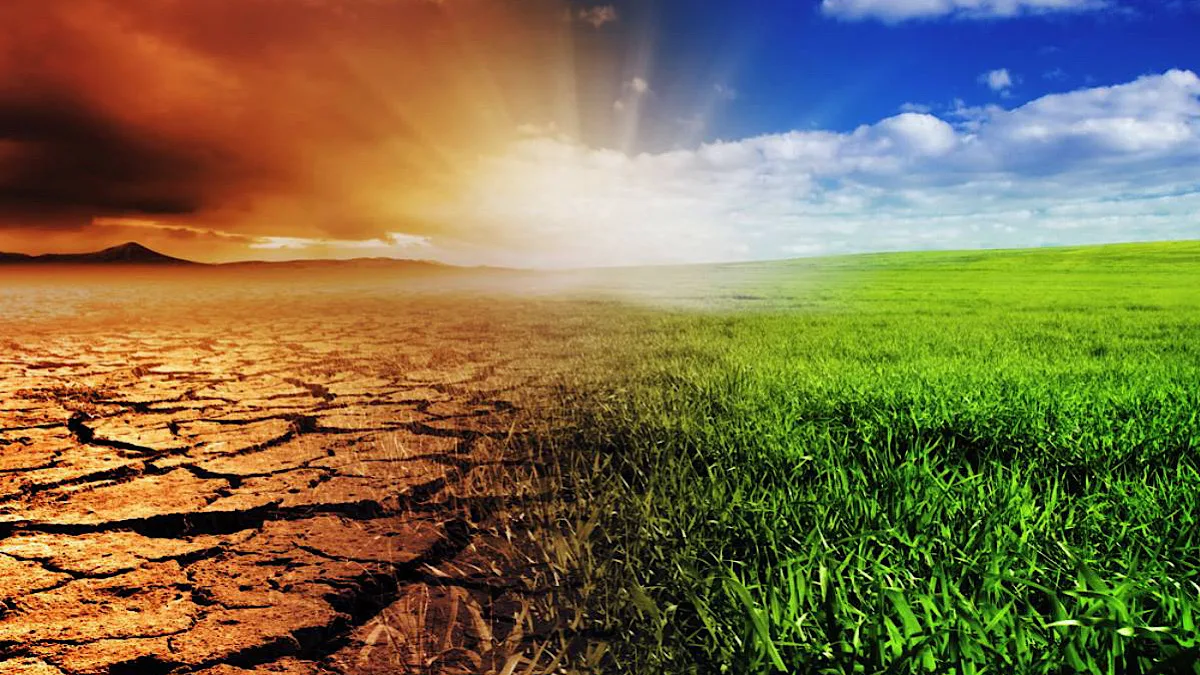
The most telling measure of today’s climate crisis is not the headline temperature spike or the spectacle of a heatwave, but a quieter, more consequential shift: the Earth is now consistently absorbing more energy than it releases.

As the 21st century unfolds, cities remain at the frontline of the climate crisis. With nearly 70 per cent of the world’s population projected to live in urban areas by 2050, pressures on infrastructure, ecosystems, and public health continue to intensify.
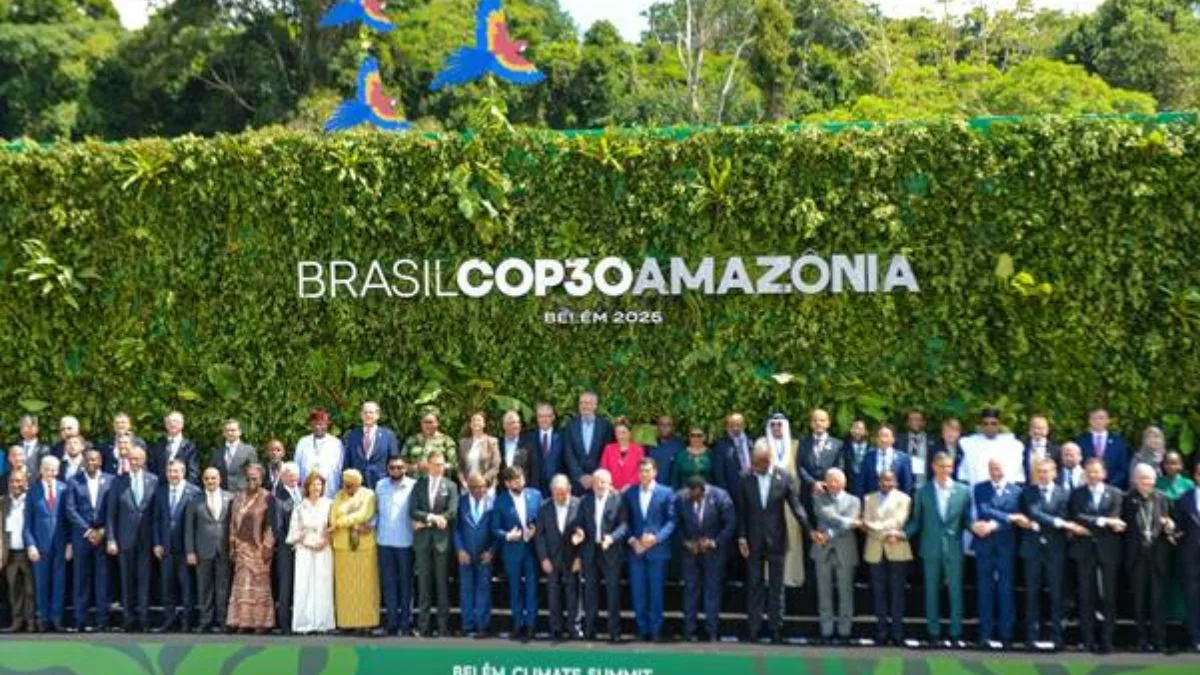
The COP Presidency, in a statement, announced the temporary closure of the venue to prevent the situation from turning uglier.

A prolonged heatwave followed by a monsoon when it rained heavily or not at all—leading to a vicious cycle of droughts, floods, landslides, storms—that was climate-changed India 2024.

The literary extravaganza will witness a spectacular range of language diversity in the programmes, displaying 21 Indian and 14 international languages, Sanjoy K Roy, its producer, told a press conference here.
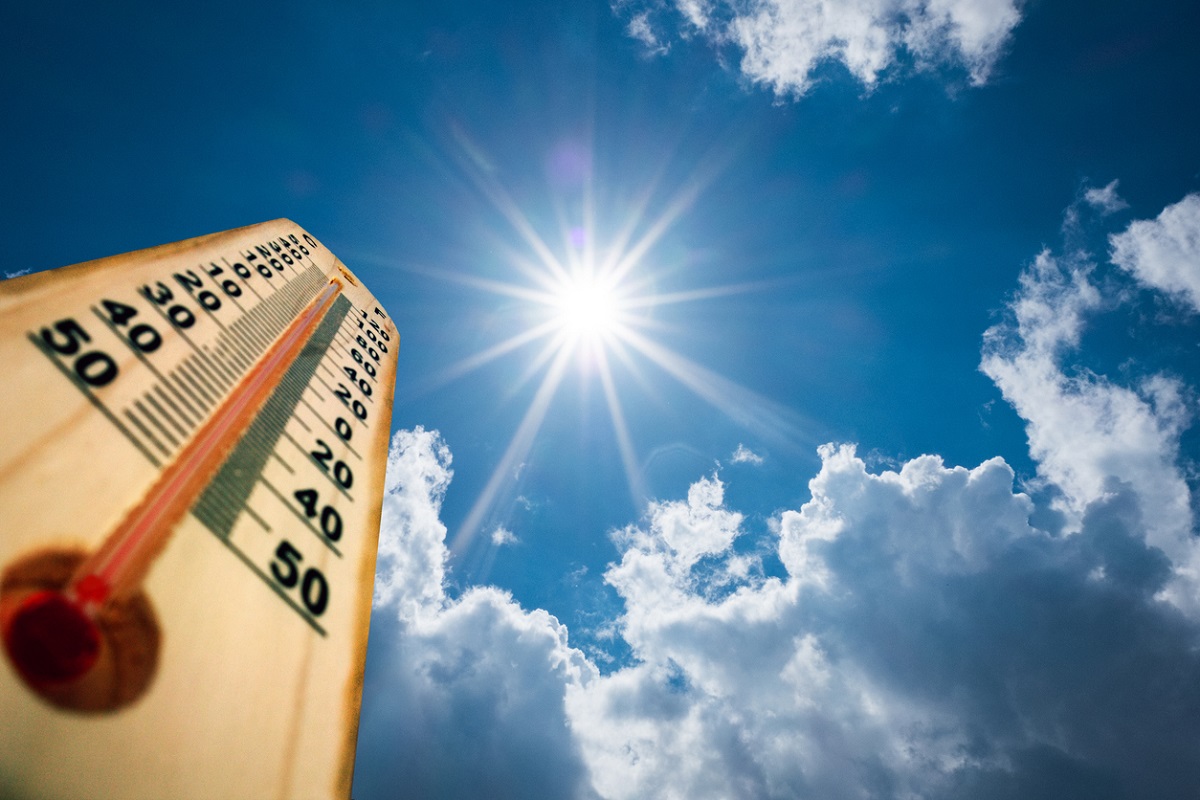
The Centre for Science and Environment (CSE) has stated that, while the rising temperature in major cities is getting attention from concerned departments, the rise in overall anomalous average temperature mark has been largely ignored.
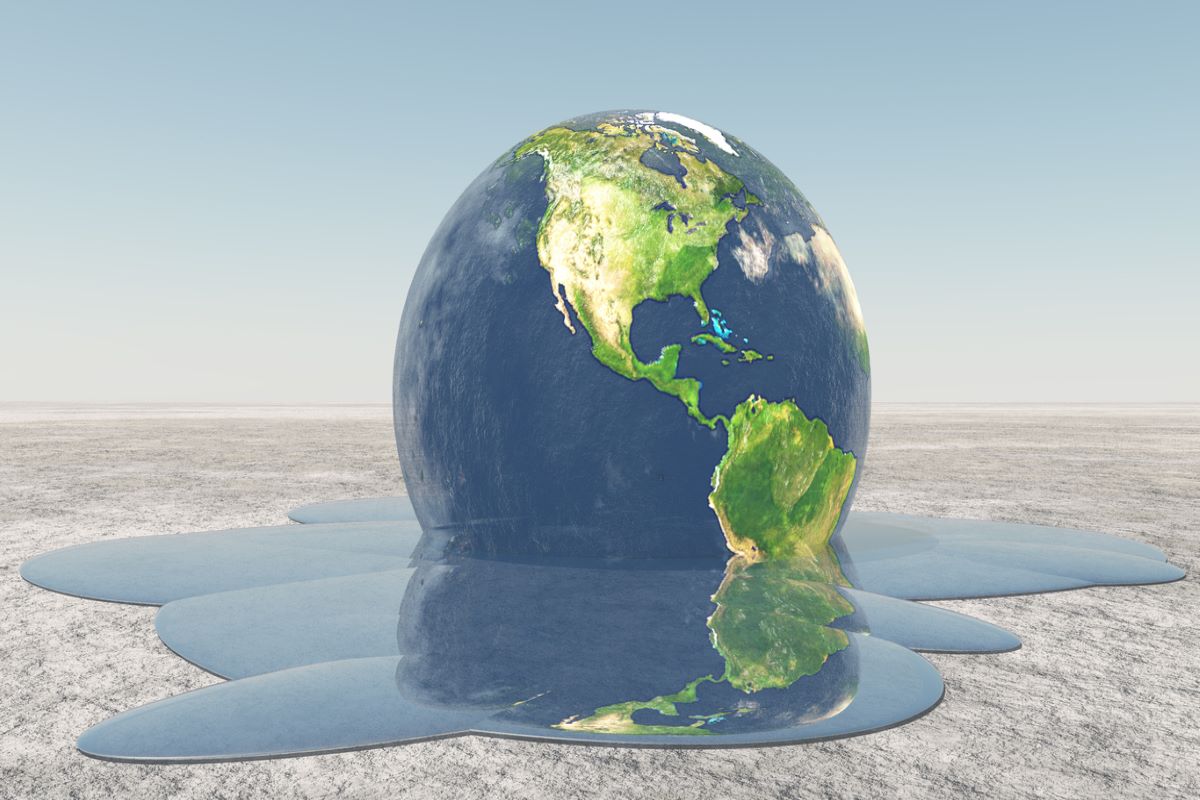
"All disciplines need to work together - not least a range of social sciences including political science, sociology, geography, and psychology - to find solutions in ways that achieve wider societal goals."
The world faces huge challenges in overcoming the impact of the Covid-19 pandemic, food insecurity, the war in Ukraine, the accelerating climate crisis and biodiversity loss.
"Today, pollution and plastics are found at the bottom of our deepest oceans and the highest mountains and have made their way into our food chain," the WHO said on Monday in a press release titled "Health and the environment."