The Next Shock
The return of El Niño is a reminder that the world’s climate crisis is no longer defined solely by long-term warming trends.

The return of El Niño is a reminder that the world’s climate crisis is no longer defined solely by long-term warming trends.
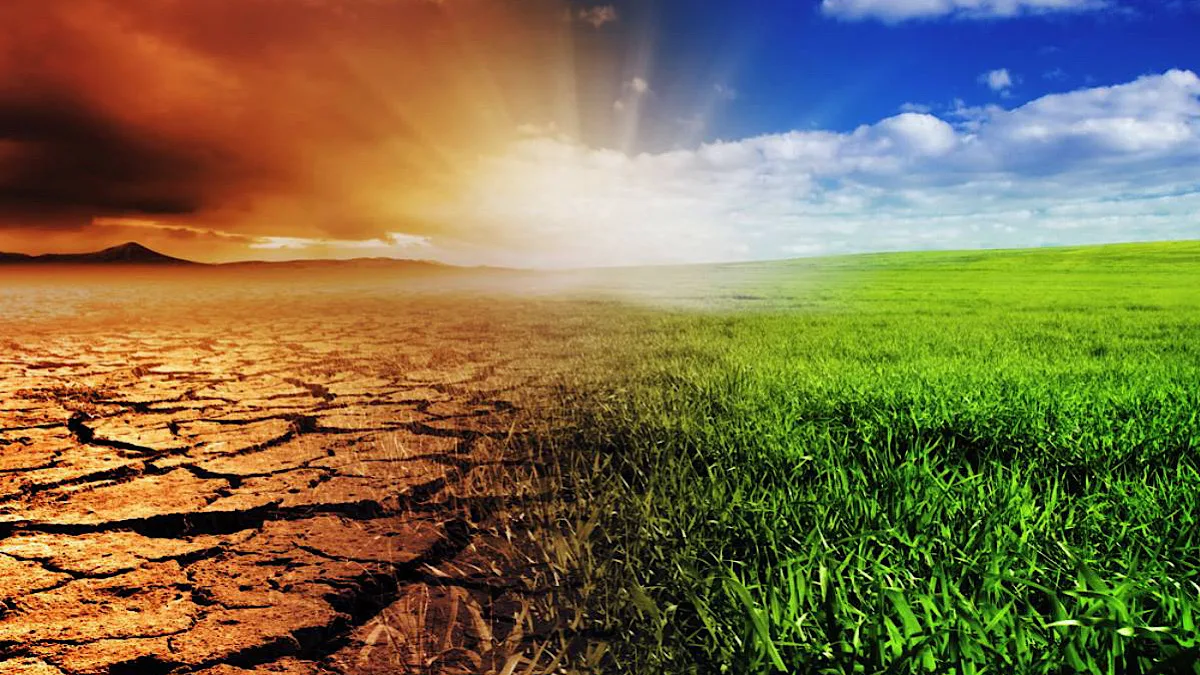
The most telling measure of today’s climate crisis is not the headline temperature spike or the spectacle of a heatwave, but a quieter, more consequential shift: the Earth is now consistently absorbing more energy than it releases.

As the 21st century unfolds, cities remain at the frontline of the climate crisis. With nearly 70 per cent of the world’s population projected to live in urban areas by 2050, pressures on infrastructure, ecosystems, and public health continue to intensify.
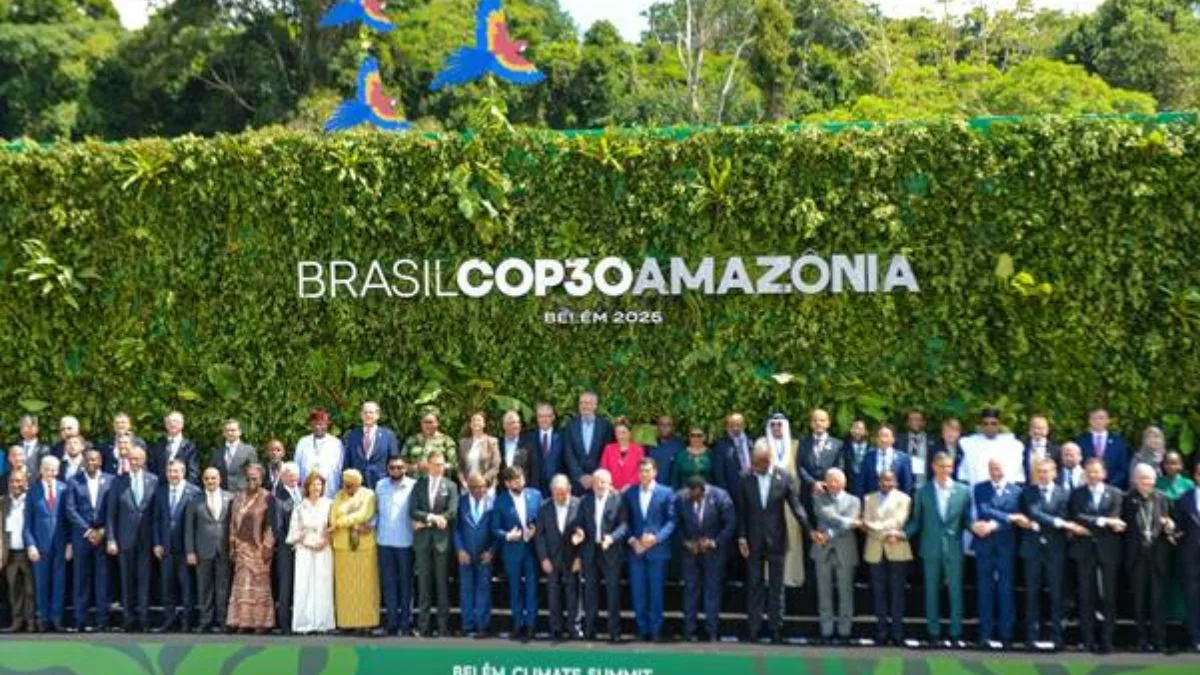
The COP Presidency, in a statement, announced the temporary closure of the venue to prevent the situation from turning uglier.

A prolonged heatwave followed by a monsoon when it rained heavily or not at all—leading to a vicious cycle of droughts, floods, landslides, storms—that was climate-changed India 2024.
The collaboration was made possible thanks to the normalization agreement between Israel and the UAE, signed in September 2020, the Israeli ministry concluded.
Duroo, a nonprofit organization of lawyers, and law firm Jipyong, which conducted the survey, said the government should make greater efforts to provide people with information on climate change's relations to human rights.
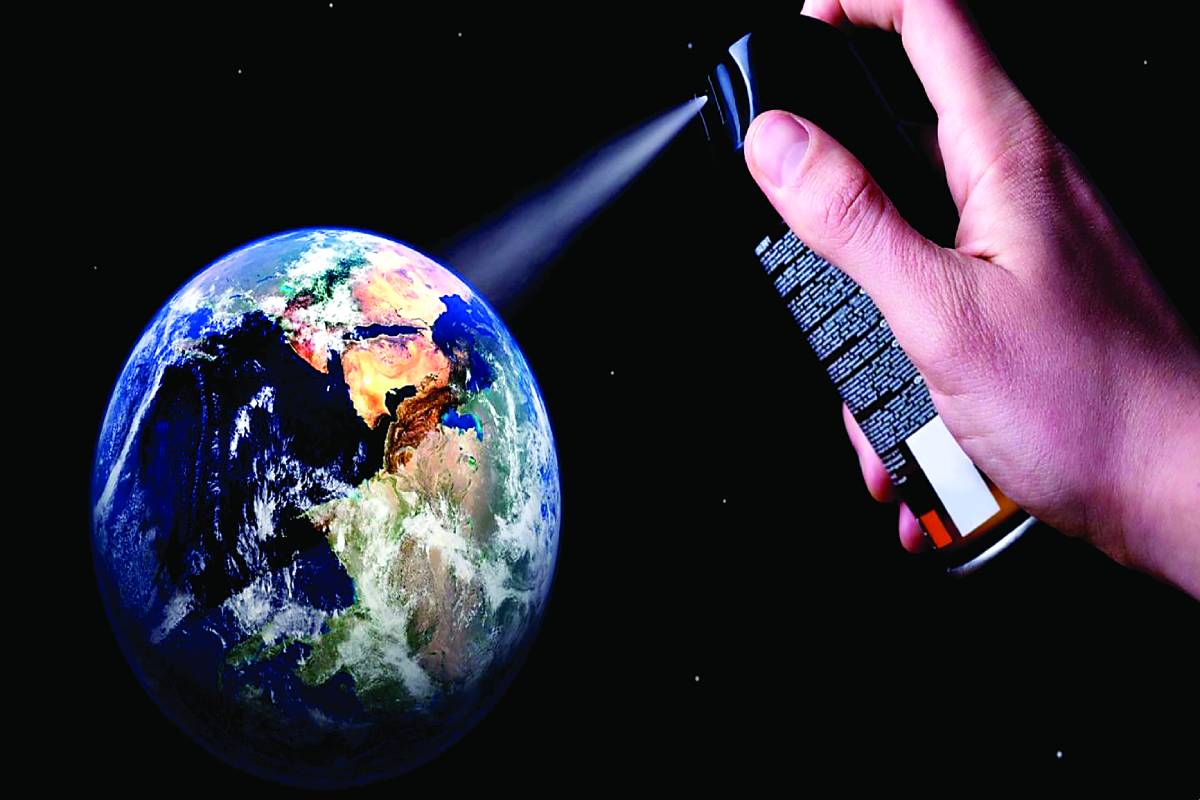
The climate crisis is as real as it gets. Our forthcoming policies and development plans must be based on sound scientific research and on the principles of sustainable development.
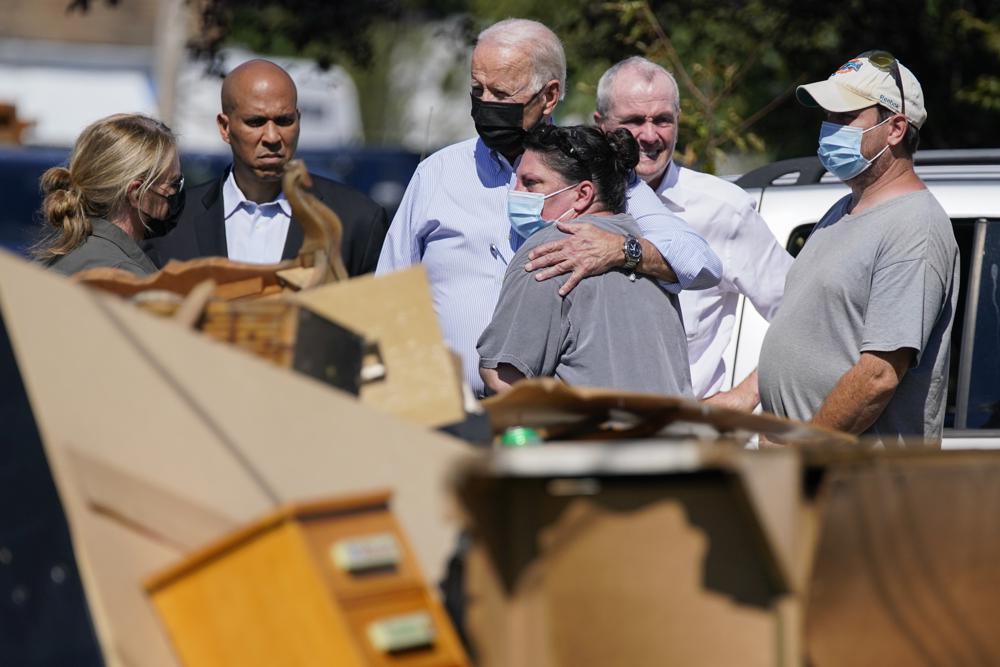
Biden toured neighborhoods flooded by the remnants of Hurricane Ida, warning it’s time for America to get serious about the “code red” danger or face ever worse loss of life and property.
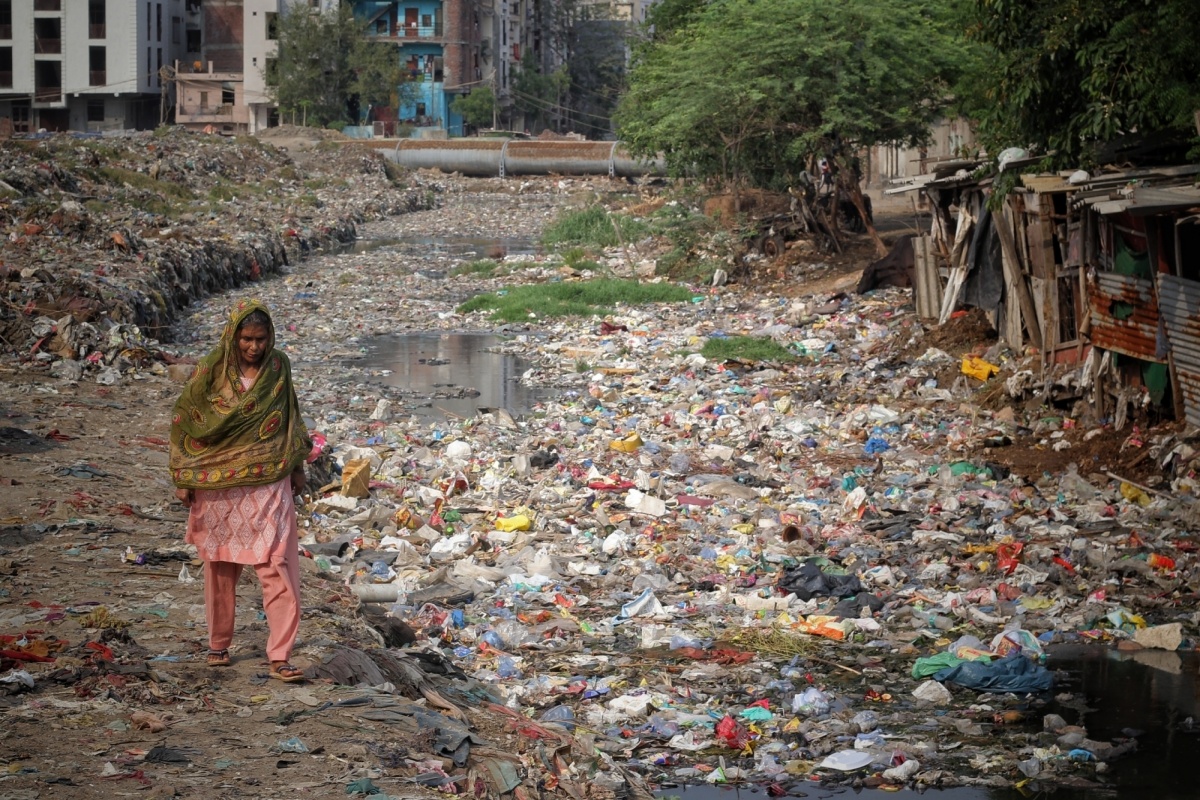
Local people know the area better and will give better results at a lower cost.