Three reforms that can change India
As Prime Minister Narendra Modi completes 4,399 days in office, India stands at a defining moment in its modern history.
As Prime Minister Narendra Modi completes 4,399 days in office, India stands at a defining moment in its modern history.
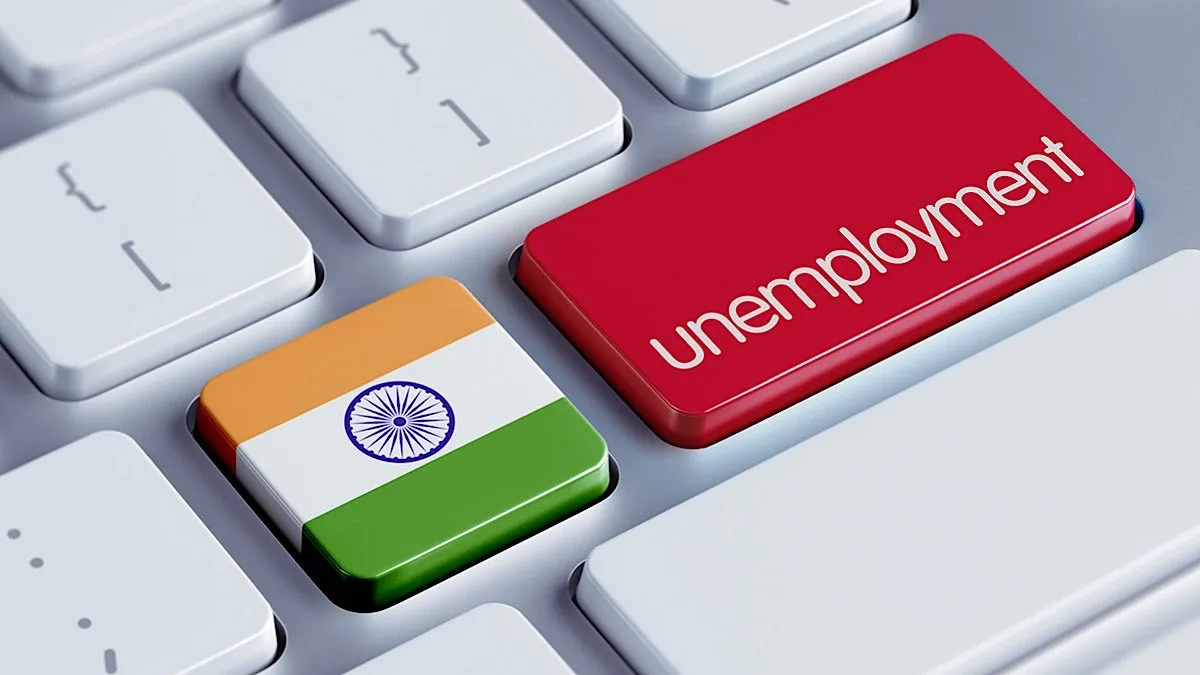
India’s demographic profile has long been presented as an economic advantage.

For much of the past two years, investors appeared willing to suspend disbelief.

Between light and shadow lies our reality, a land where triumph and fragility walk side by side.
Many congratulations to Prime Minister Narendra Modi for reaching a historic milestone - the longest- serving elected Prime Minister in Indian history, with 4,399 consecutive days in office since first taking the oath of office on 26 May 2014.

India may have stumbled into one of its most consequential social experiments without fully intending to: paying women simply for being the invisible engine of the household economy.
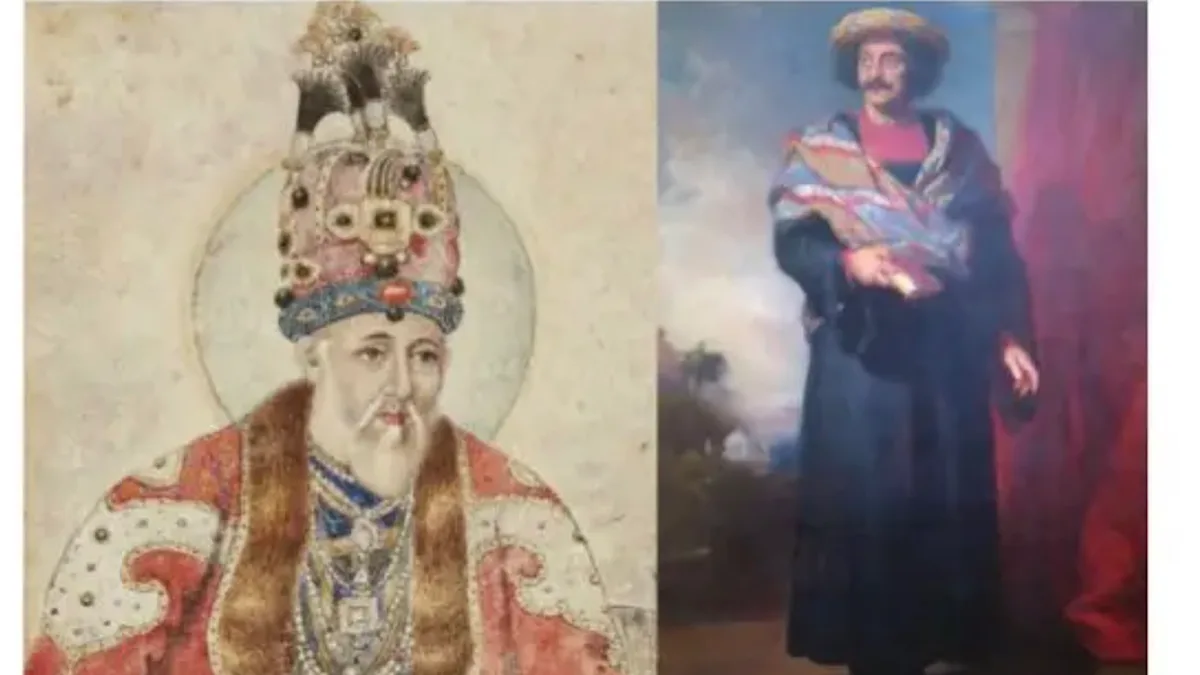
As the dust of politics settles down on statements made by a state-level senior leader on Raja Rammohun Roy - saying that Roy was a ‘British agent’ who started a vicious cycle of religious conversion ~ it is time to note where the leader had ‘slipped up’ before he tendered his apology.
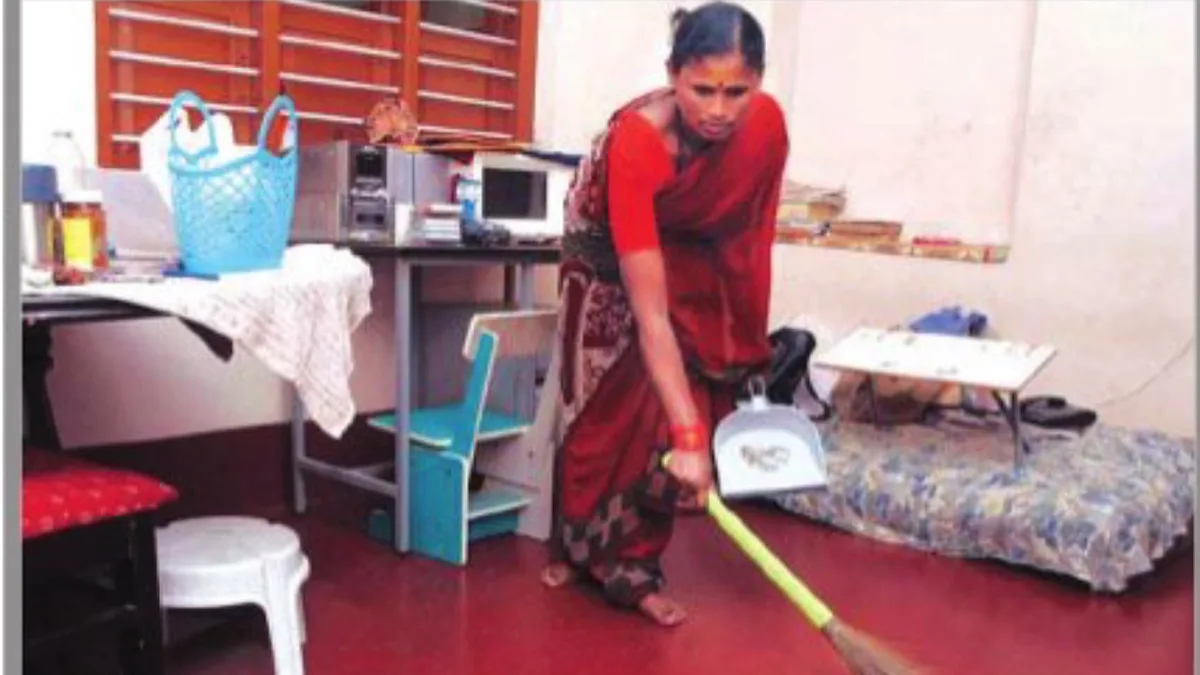
At 5 a.m., a vast segment of India’s workforce begins its day. There are no punch-ins, no holidays, no salary slips, and crucially no mention in the nation’s GDP figures.

The United States is once again confronting a question that cuts to the heart of its democratic self-understanding: who belongs, and on what terms? The Supreme Court’s decision to hear the challenge to birthright citizenship ~ ignited by the Trump Administration’s attempt to deny automatic citizenship to children born to undocumented migrants and temporary-visa holders ~ represents far more than a procedural dispute.

Australia’s decision to bar under-16s from social media is rooted in an anxiety that now spans continents: parents feel they are losing the battle to keep their children safe online.