Three reforms that can change India
As Prime Minister Narendra Modi completes 4,399 days in office, India stands at a defining moment in its modern history.
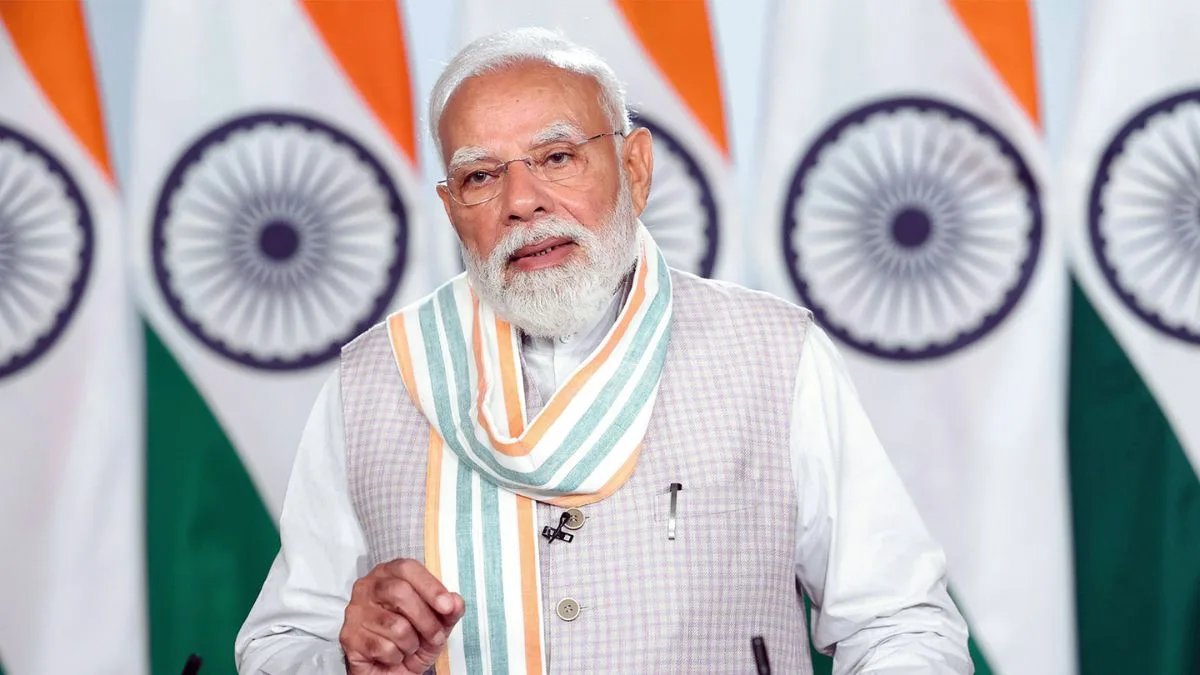
As Prime Minister Narendra Modi completes 4,399 days in office, India stands at a defining moment in its modern history.
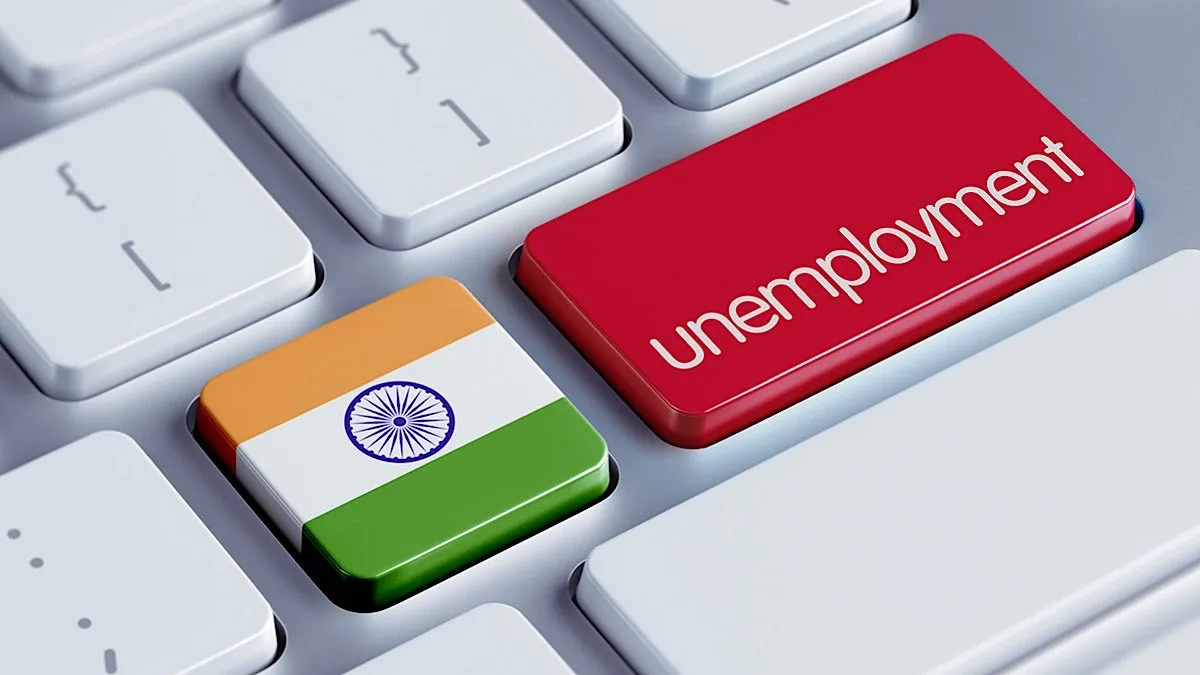
India’s demographic profile has long been presented as an economic advantage.

For much of the past two years, investors appeared willing to suspend disbelief.

Between light and shadow lies our reality, a land where triumph and fragility walk side by side.
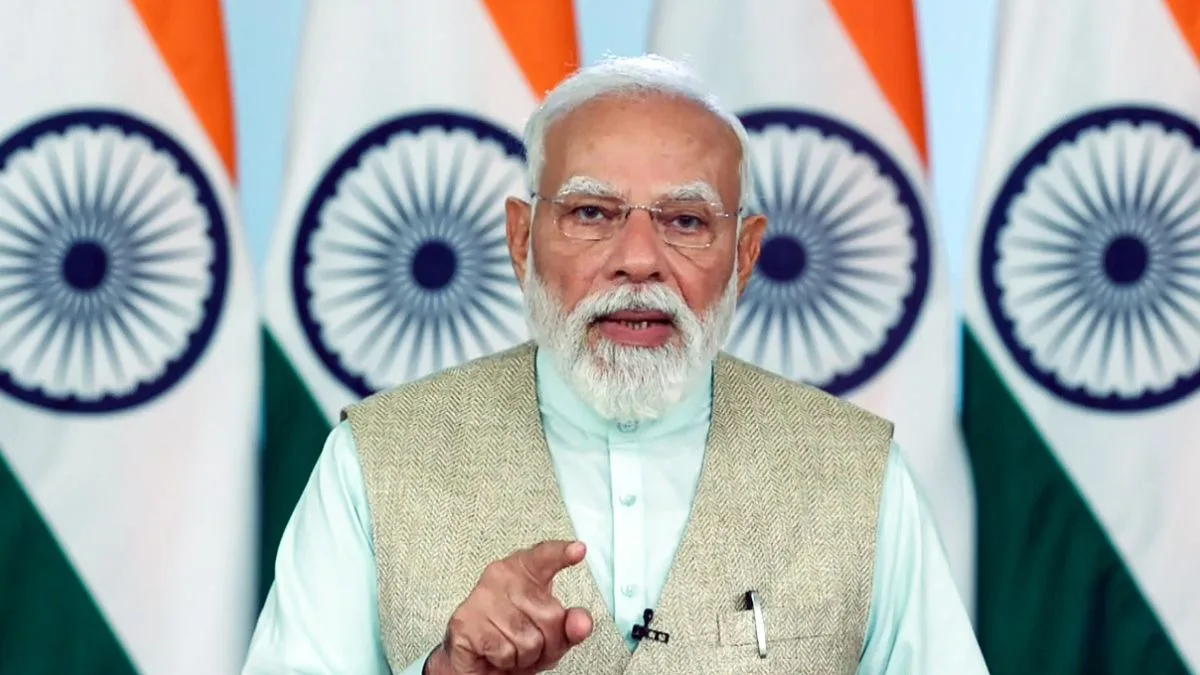
Many congratulations to Prime Minister Narendra Modi for reaching a historic milestone - the longest- serving elected Prime Minister in Indian history, with 4,399 consecutive days in office since first taking the oath of office on 26 May 2014.

The latest Congressional briefings on the US military’s September boat strike in the Caribbean reveal a troubling truth: even as new details surface, the deeper questions surrounding America’s expanding anti-narcotics campaign remain unanswered.

The recent diplomatic flurry ~ marked by talks in Moscow between US envoys and Russia, followed by a three-day session in Florida between US and Ukrainian negotiators ~ was meant to build momentum toward peace.

The latest move by Washington to tighten screening for H-1B visa applicants marks a sharp turn in the way the United States is redefining its anxieties about immigration, technology, and free expression.

Perhaps the most important factor in nurturing scientific excellence is the culture of research itself. In India, scientists are often encouraged to pursue safe, incremental projects that guarantee results and funding.

Delhi’s air pollution crisis did not emerge overnight. It is the cumulative result of years of policy inertia, piecemeal interventions, and a refusal to invest in long-term environmental governance by successive Delhi governments.