Three reforms that can change India
As Prime Minister Narendra Modi completes 4,399 days in office, India stands at a defining moment in its modern history.
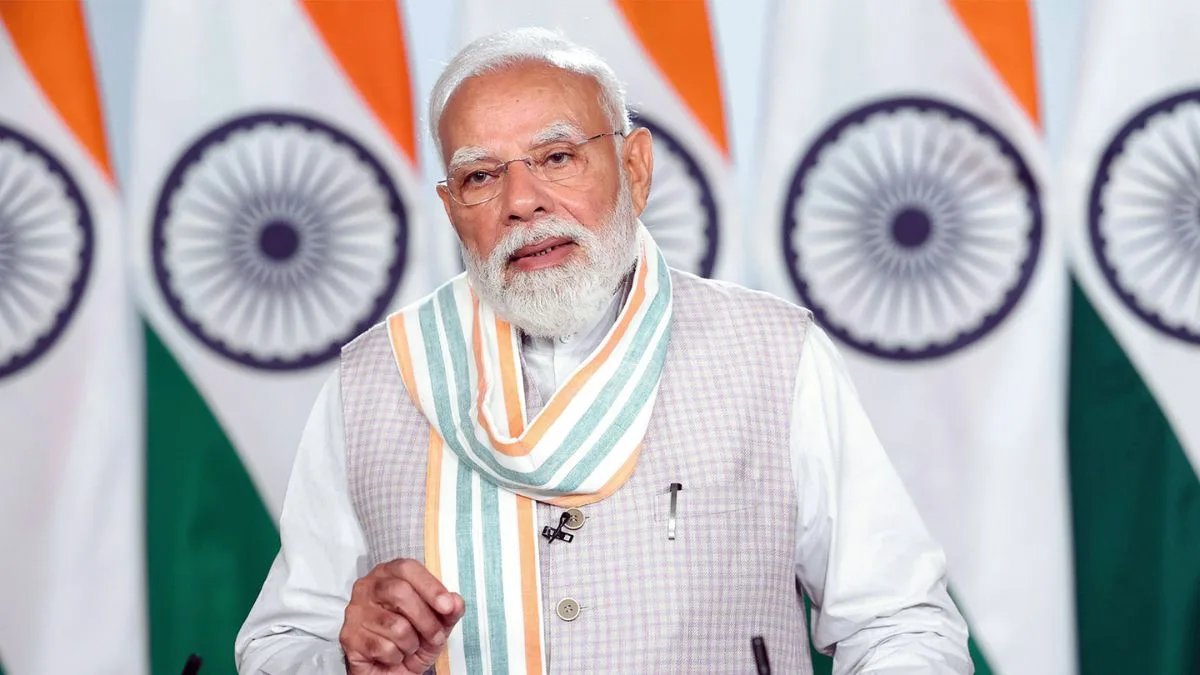
As Prime Minister Narendra Modi completes 4,399 days in office, India stands at a defining moment in its modern history.
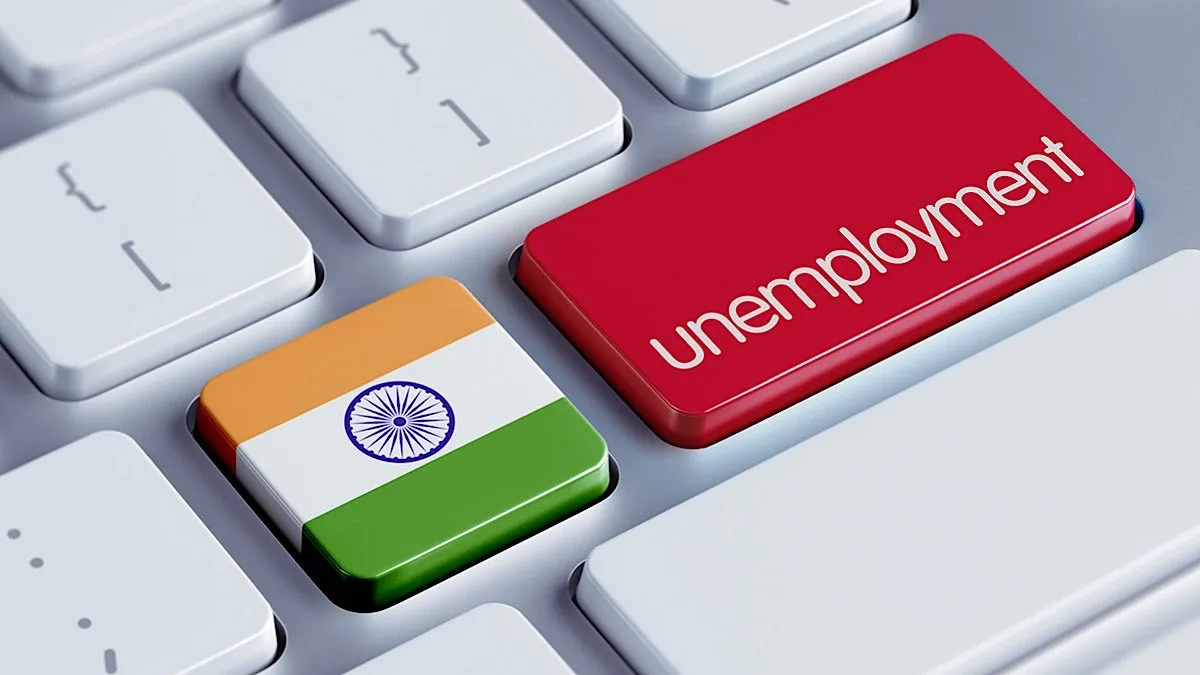
India’s demographic profile has long been presented as an economic advantage.

For much of the past two years, investors appeared willing to suspend disbelief.

Between light and shadow lies our reality, a land where triumph and fragility walk side by side.
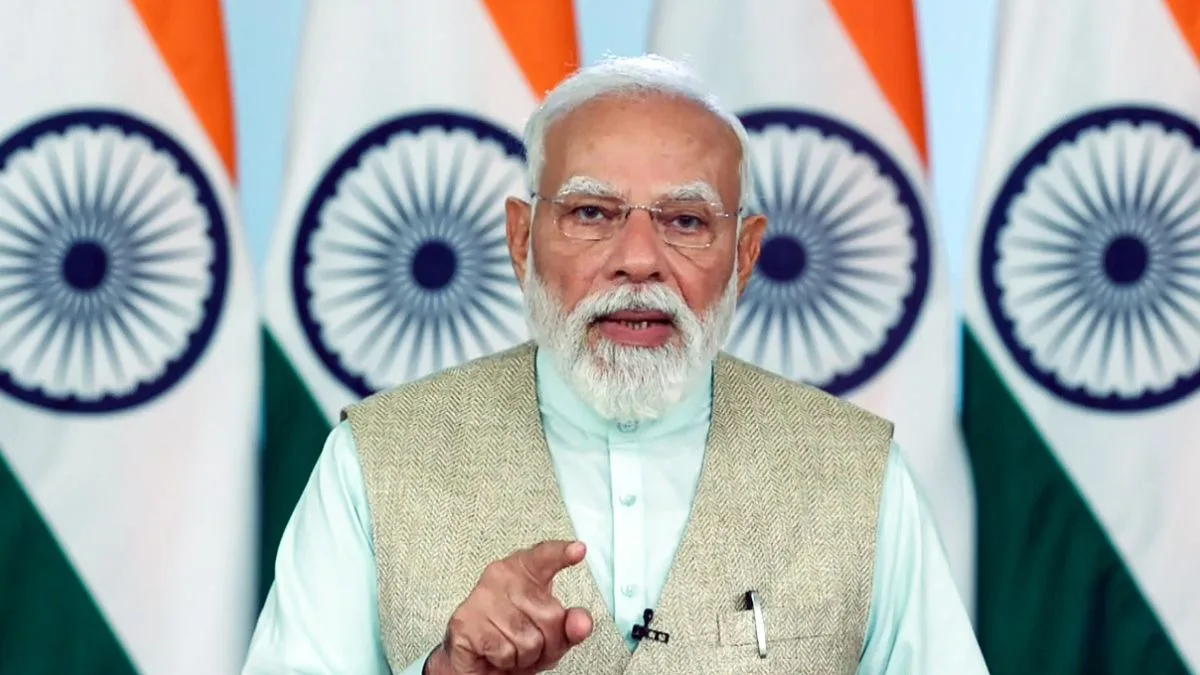
Many congratulations to Prime Minister Narendra Modi for reaching a historic milestone - the longest- serving elected Prime Minister in Indian history, with 4,399 consecutive days in office since first taking the oath of office on 26 May 2014.

Ahead of the visit of the President, and all European Union Commissioners, to India in February 2025, the Economist ran a leader “How India became an unexpected role model for Europe,” that compared India favourably with the European Union (EU), which according to the Economist, had a ‘sclerotic economy’ and ‘gridlocked politics.’

The adage ‘kings’ battle, plebeians perish’ still holds good in contemporaneous geopolitical and geoeconomic tensions.
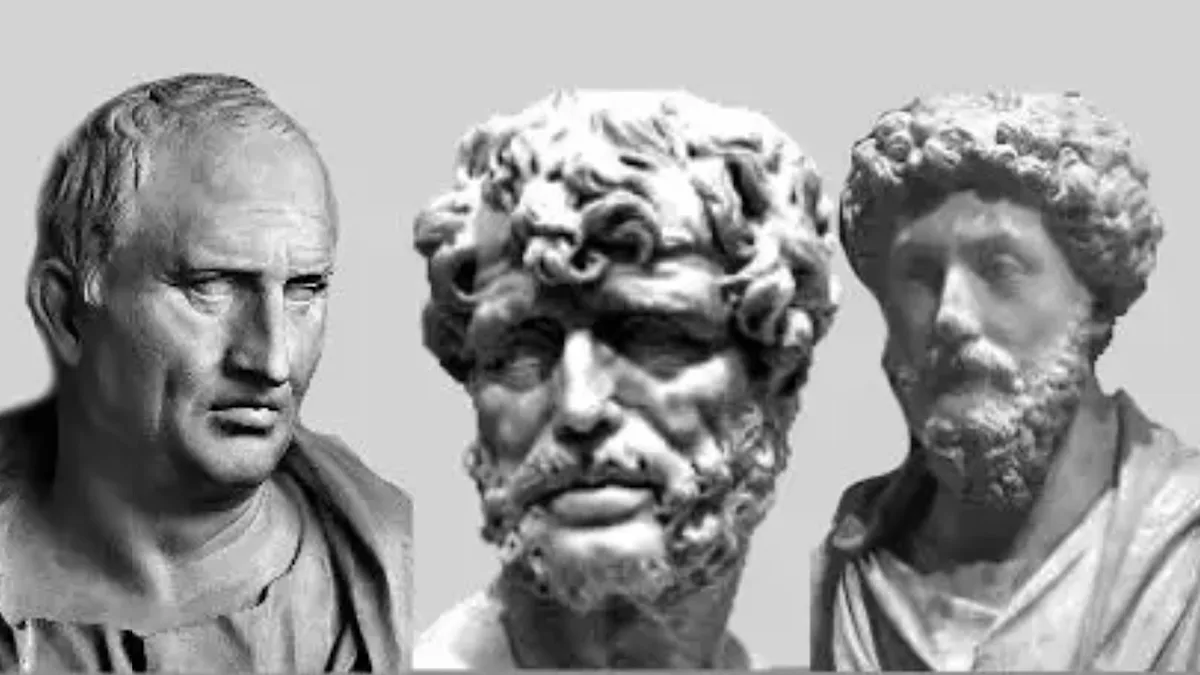
During my recent travels across Italy, I found myself unexpectedly drawn into the world of three extraordinary Romans - Marcus Aurelius, Seneca, and Cicero.

India’s aviation crisis with Indigo did not emerge from a single trigger.

Martin Luther King Jr.’s letter from a Birmingham Jail in April, 1963 famously declared that ‘injustice anywhere is a threat to justice everywhere.’