Three reforms that can change India
As Prime Minister Narendra Modi completes 4,399 days in office, India stands at a defining moment in its modern history.
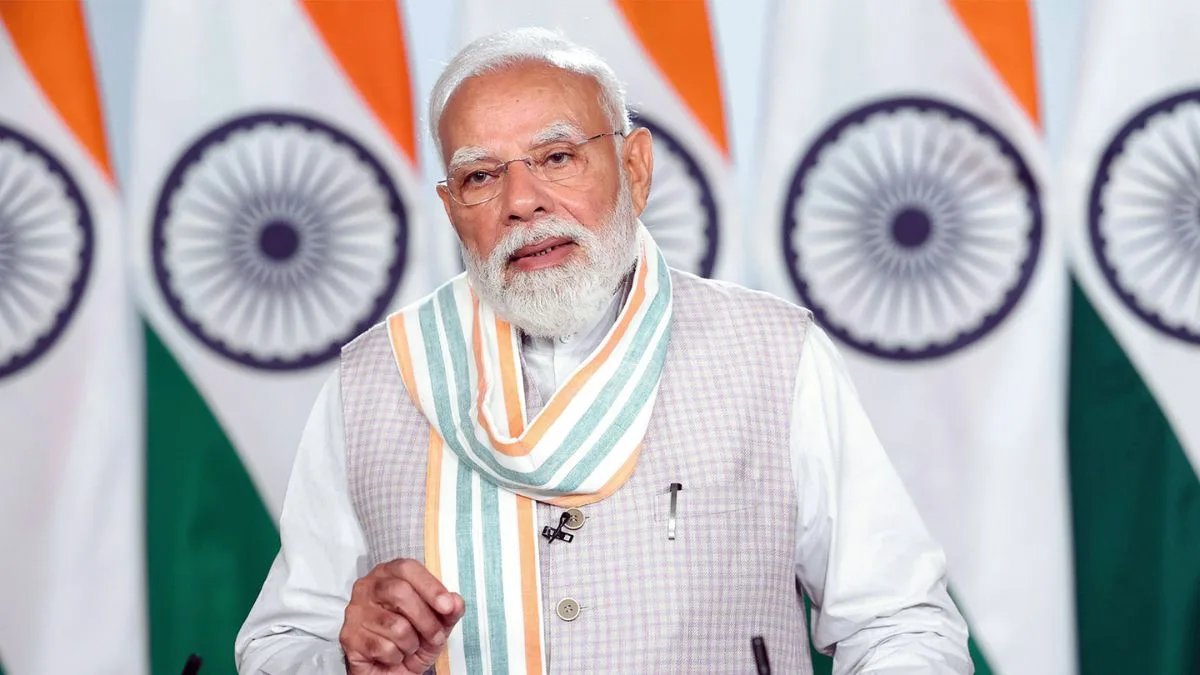
As Prime Minister Narendra Modi completes 4,399 days in office, India stands at a defining moment in its modern history.
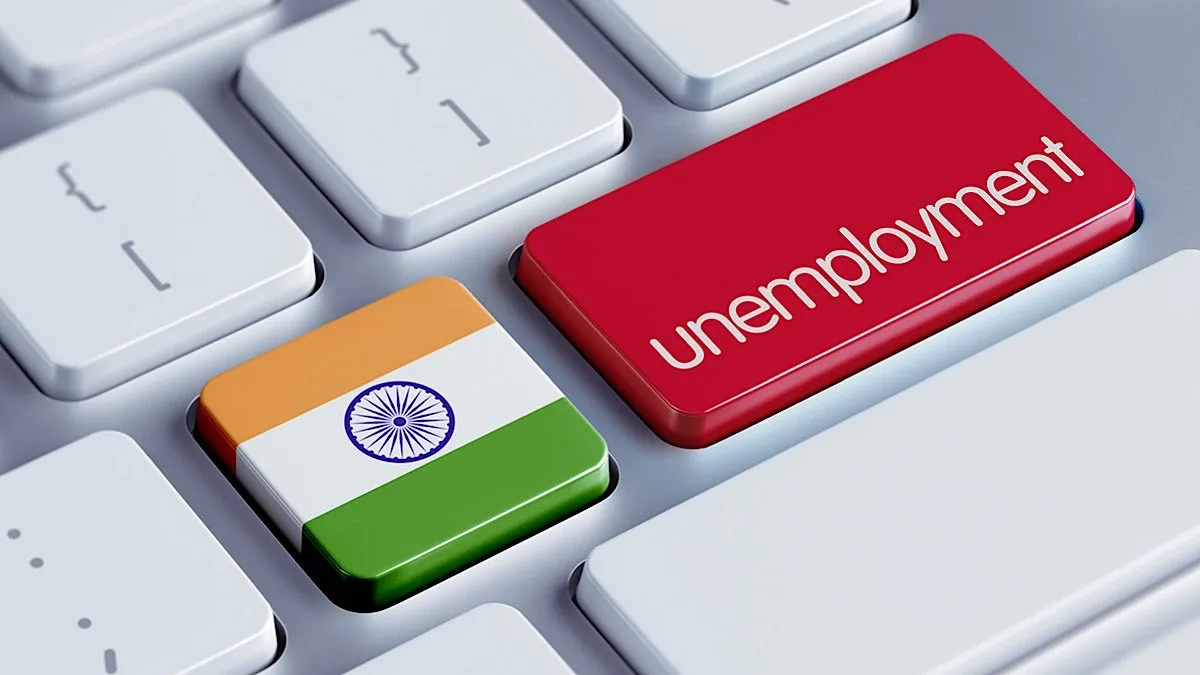
India’s demographic profile has long been presented as an economic advantage.

For much of the past two years, investors appeared willing to suspend disbelief.

Between light and shadow lies our reality, a land where triumph and fragility walk side by side.
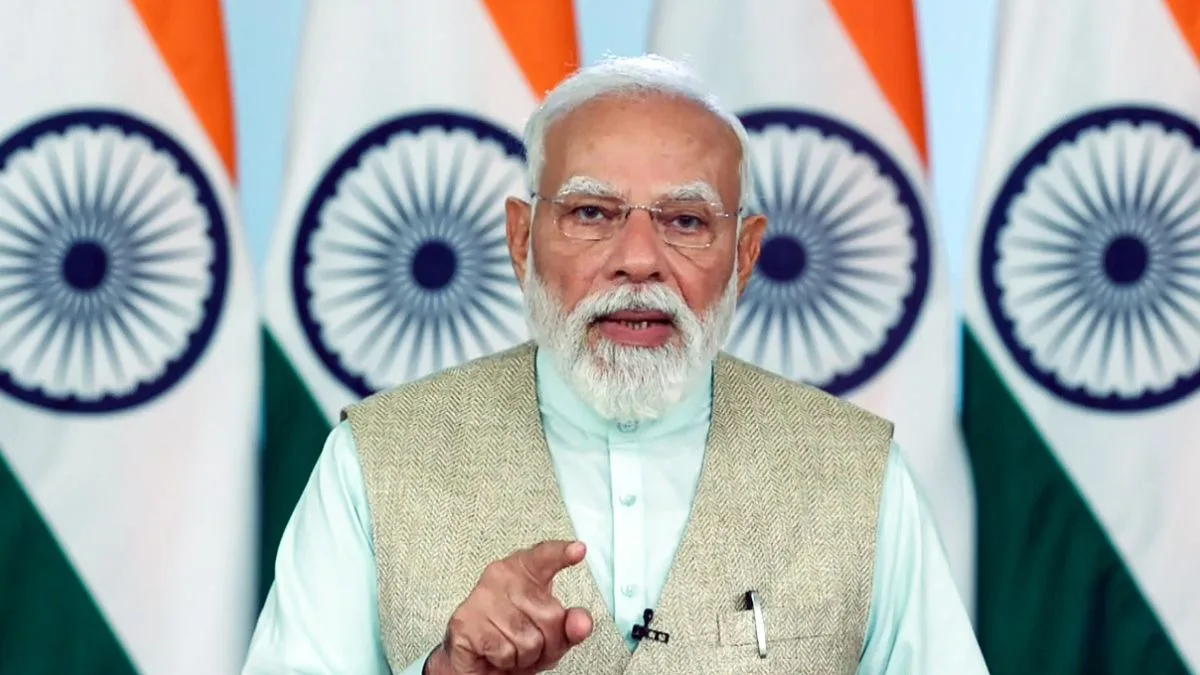
Many congratulations to Prime Minister Narendra Modi for reaching a historic milestone - the longest- serving elected Prime Minister in Indian history, with 4,399 consecutive days in office since first taking the oath of office on 26 May 2014.

Kerala has long been recognised as a unique model of development among Indian states, particularly for its remarkable social achievements despite modest economic growth.

India has suddenly become the centre of global attention in artificial intelligence, not for producing the next OpenAI or DeepSeek, but for the sheer scale of opportunity it represents.
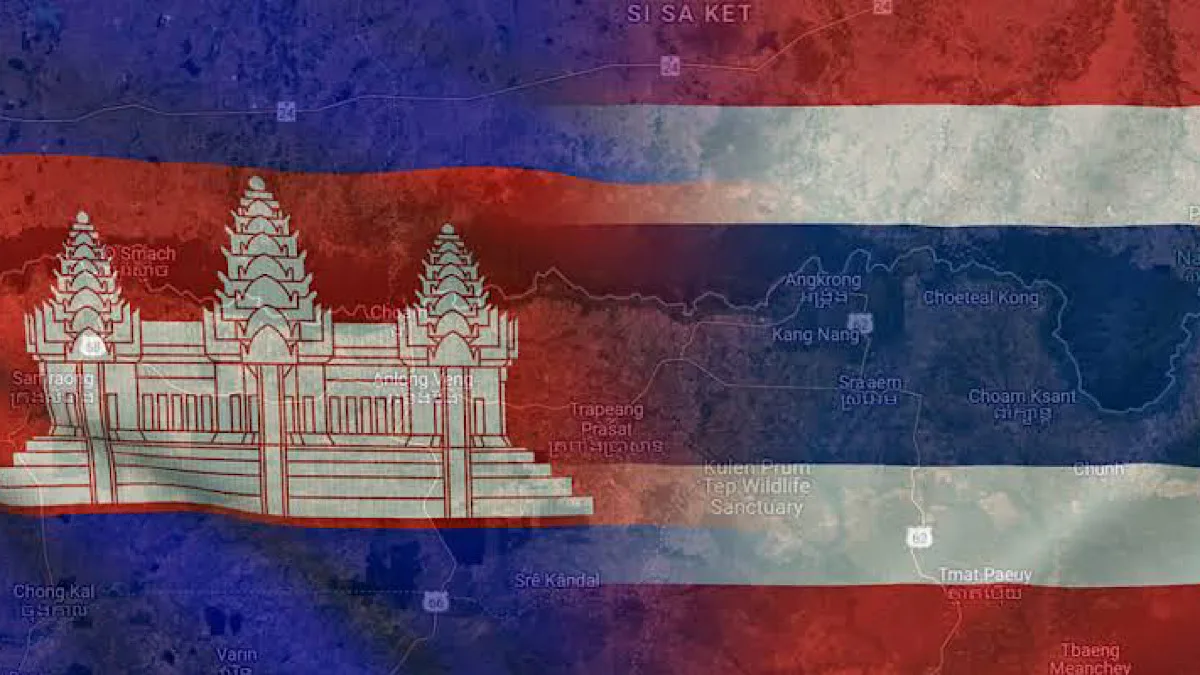
The renewed fighting between Thailand and Cambodia is a reminder that ceasefires, when imposed rather than earned, rarely outlast the pressure that produced them.

The New Strategic Arms Reduction Treaty (New START), the last U.S.-Russia nuclear arms control treaty, expires on 5 February 2026. Moscow has proposed voluntarily keeping its limits for just one more year, a departure from the previous five-year extension.

As the 56th International Film Festival of India (IFFI) came to a close in Goa, there was a sense that something larger than the event itself had just taken place.