Nationalism and Secularism
Nationalism and secularism are the two basic constituents of modern India.
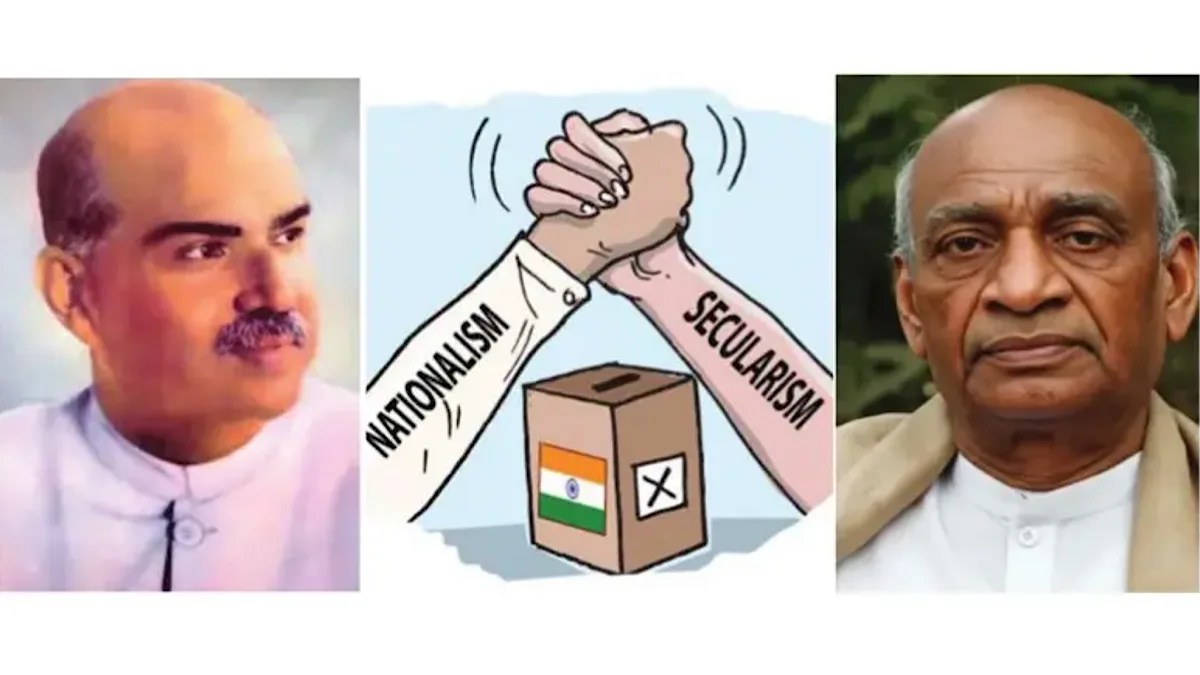
Nationalism and secularism are the two basic constituents of modern India.
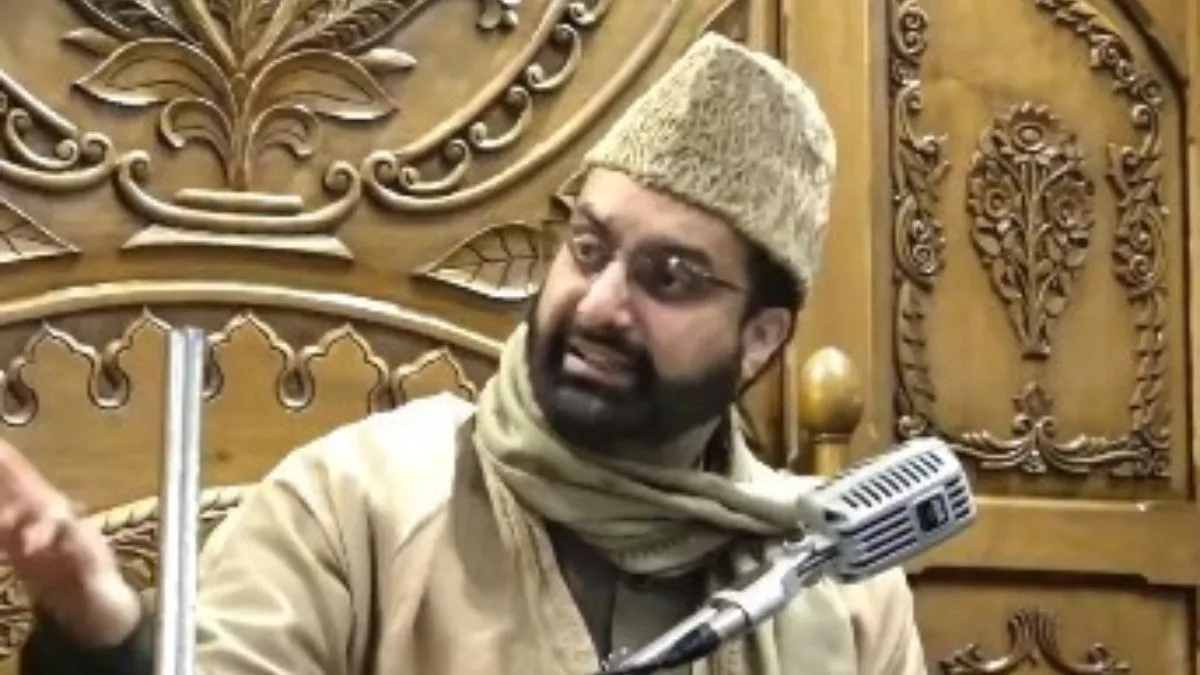
The police have begun the process of a security audit of mosques, madrassas, and those involved in managing these religious institutions after busting the ‘white-collar’ terror module involving doctors.
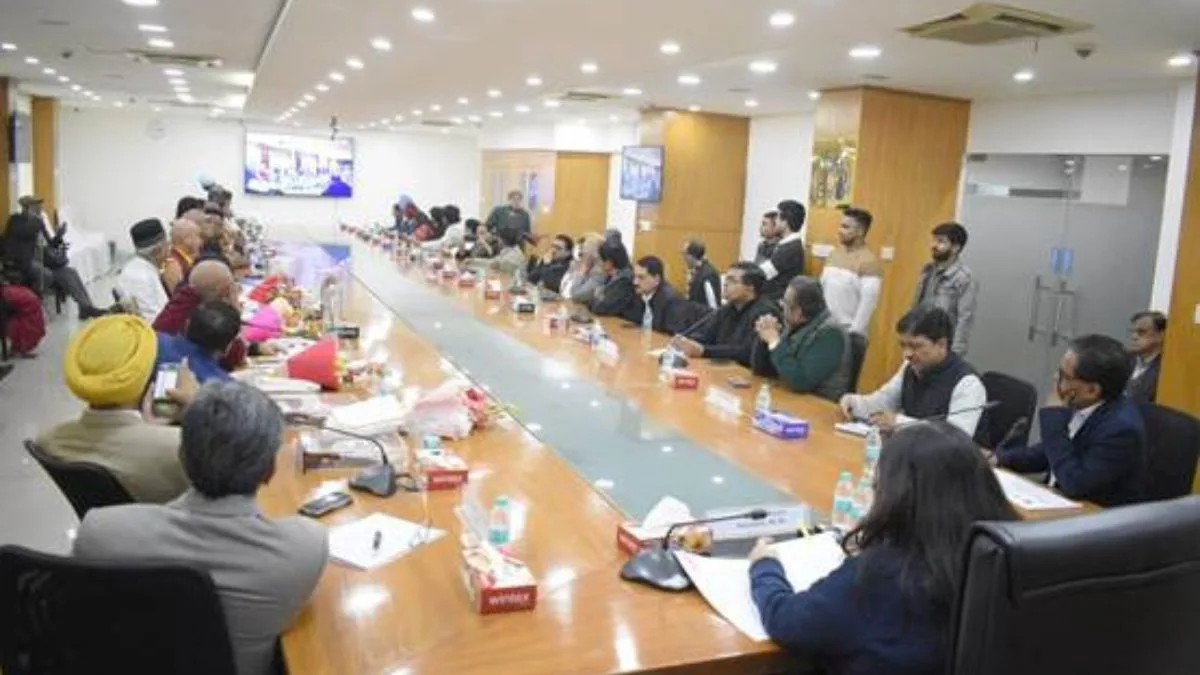
The National Commission for Minorities (NCM) celebrated the Minorities Day on December 18.

One year after the violence that erupted during the Jama Masjid survey in Sambhal on November 24, 2024, the city is calm and peaceful.
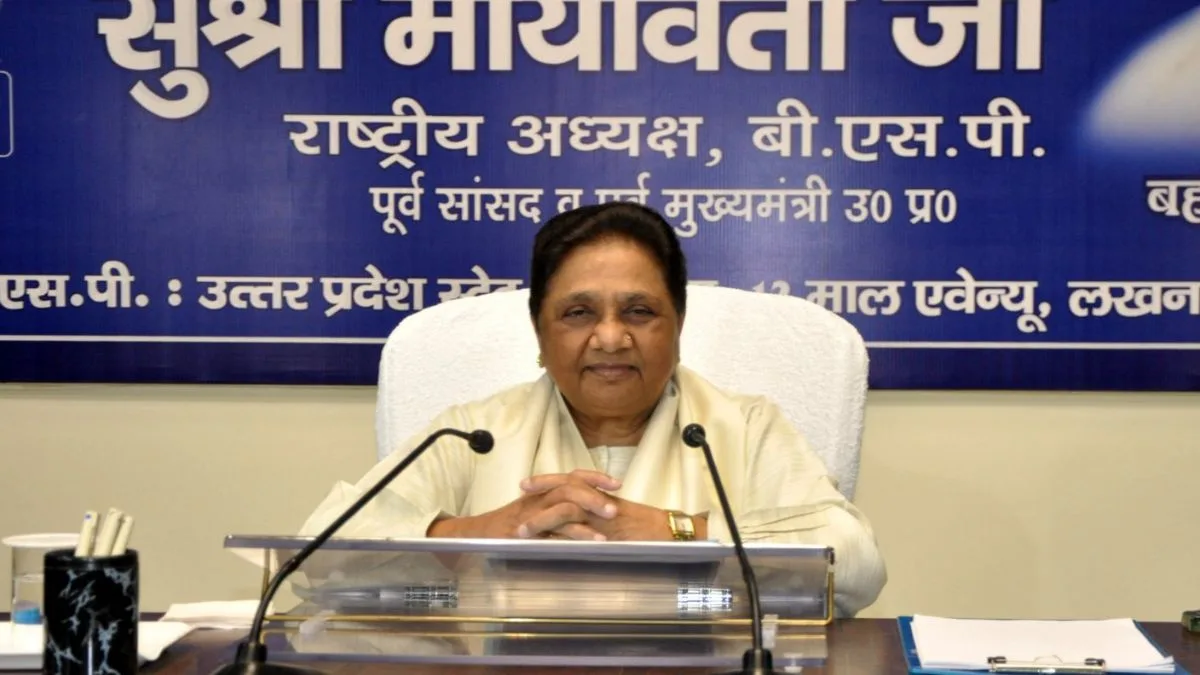
According to party sources, each committee will include one Muslim and one Dalit member, symbolizing BSP’s effort to bring both communities onto a common platform.

Maulana Shahabuddin Razvi, the National President of All India Muslim Jamaat, expressed his support for the Waqf (Amendment) Bill, stating that it would significantly benefit Muslims and ensure the betterment of their socio-economic conditions.

They said that the Bill is not just aimed at usurping Waqf properties in the country but is also aimed at sowing the seeds of discord between various sects of the community.

Sri Ramakrishna wasn’t a follower of the claptrap Hinduism usually ladled out to gullible simpletons. His established faith was: Each religion is great as it assists one to reach God. There was a perfect consistency between his belief and behaviour. He mixed freely with Christians, Sikhs, Muslims, Brahmos and others.

The deputy CM further stated that festivals such as Holi, Gudi Padwa and Eid teach us to live together and the real strength of the country lies in unity.

While Muslims describe themselves as the followers of Prophet Muhammad, the holy Quran describes a Muslim as someone who submits themselves to the will of the one Lord who created the heavens and earth and is the master of the day of the judgement.