Nationalism and Secularism
Nationalism and secularism are the two basic constituents of modern India.
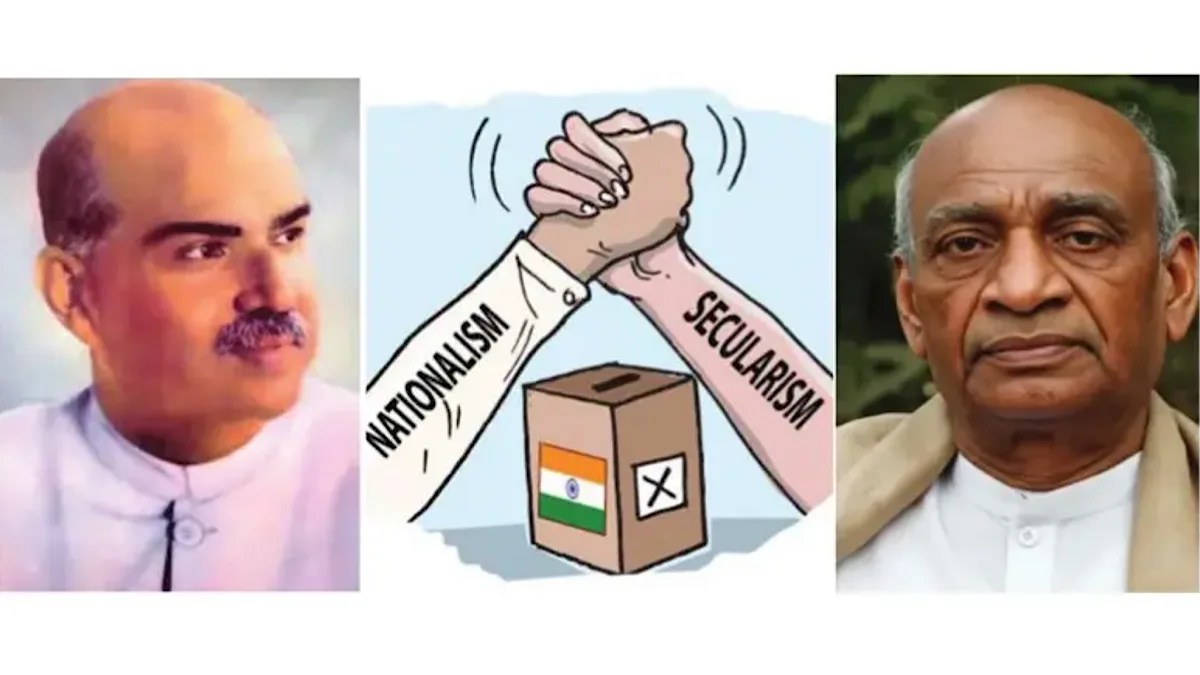
Nationalism and secularism are the two basic constituents of modern India.
The police have begun the process of a security audit of mosques, madrassas, and those involved in managing these religious institutions after busting the ‘white-collar’ terror module involving doctors.
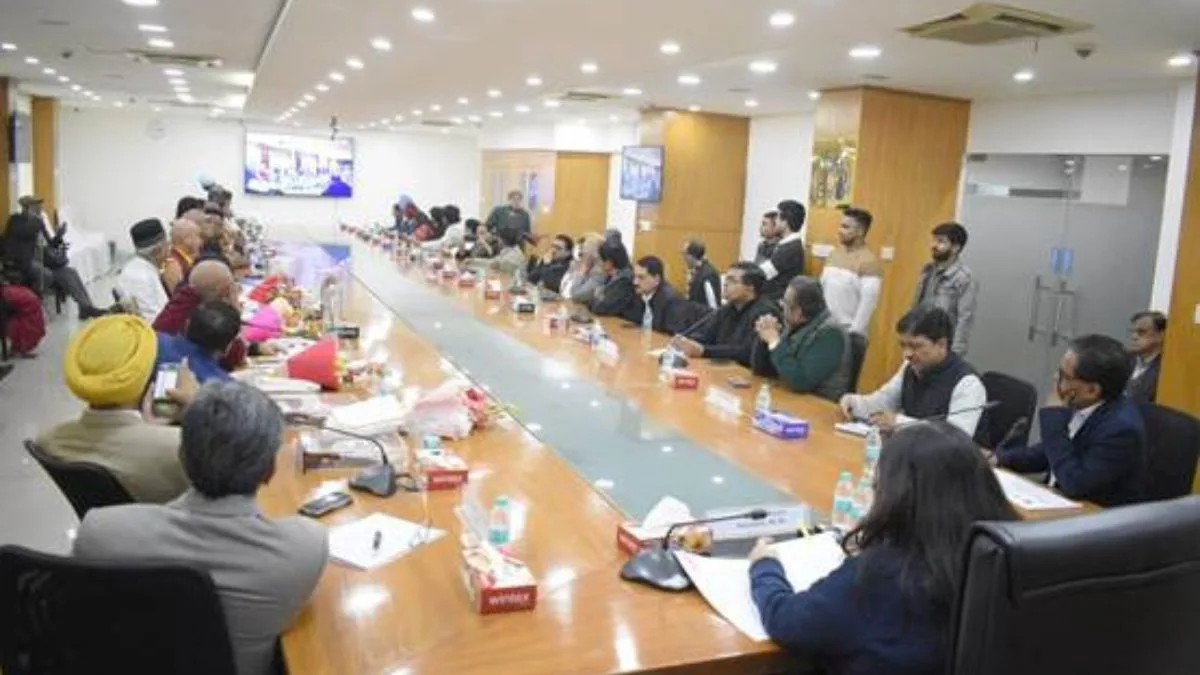
The National Commission for Minorities (NCM) celebrated the Minorities Day on December 18.
One year after the violence that erupted during the Jama Masjid survey in Sambhal on November 24, 2024, the city is calm and peaceful.
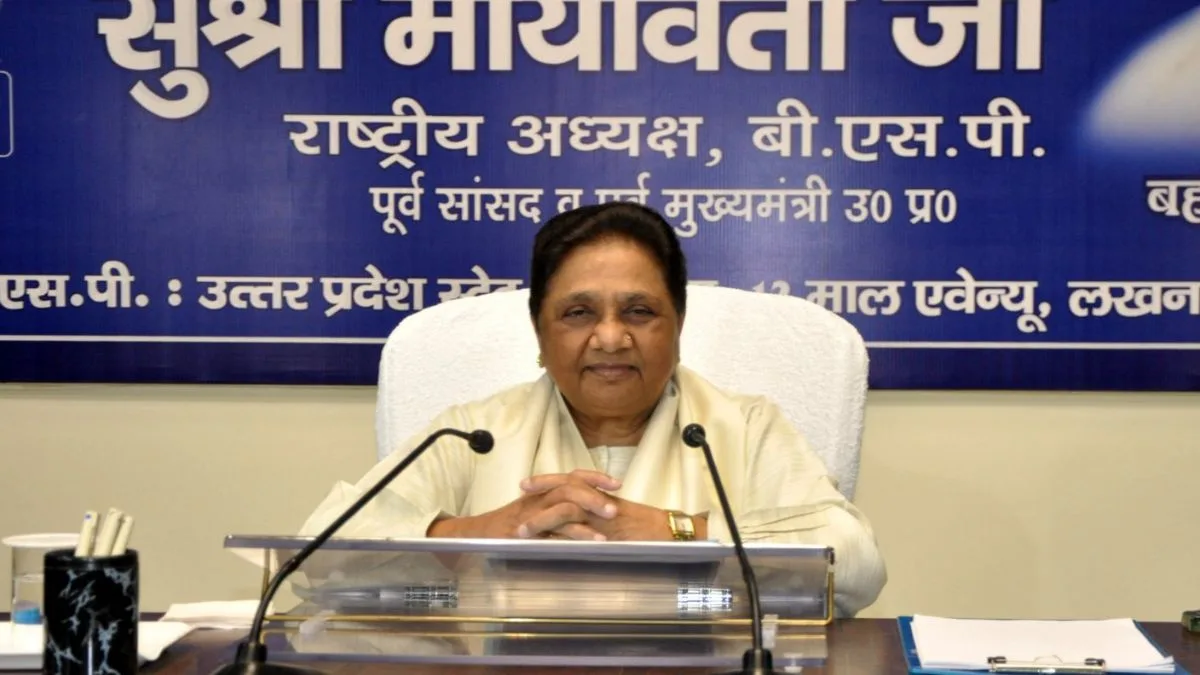
According to party sources, each committee will include one Muslim and one Dalit member, symbolizing BSP’s effort to bring both communities onto a common platform.

Barely two days before PM Narendra Modi's visit to Bhopal on 31 May to address a 'Women Empowerment Mega Conference', two senior women BJP leaders made derogatory statements against Muslims and Pakistan at an event in Indore.

Former Union Minister Mani Shankar Aiyar has linked the recent Pahalgam terror attack to the unresolved issues stemming from the Partition of India and the 1971 Indo-Pak war.

Slamming Jammu and Kashmir Chief Minister Omar Abdullah for his government’s silence on the Waqf Bill, PDP chief Mehbooba Mufti on Thursday accused him of having abandoned the Muslims during this crisis.

President Droupadi Murmu has given assent to the Waqf (Amendment) Bill, 2025, as announced by the Law Ministry in a notification dated April 5 (Saturday). The Bill was recently cleared by the Parliament after intense and lengthy debates in both the Lok Sabha and Rajya Sabha.

Prime Minister Narendra Modi on Friday hailed the passage of the Waqf (Amendment) Bill and the Mussalman Wakf (Repeal) Bill in both Houses of Parliament, saying it marks a watershed moment in the country's collective quest for socio-economic justice, transparency and inclusive growth.