Strategic Distance
The renewed war between the United States and Iran has again placed American and Israeli military interests on apparently common ground.
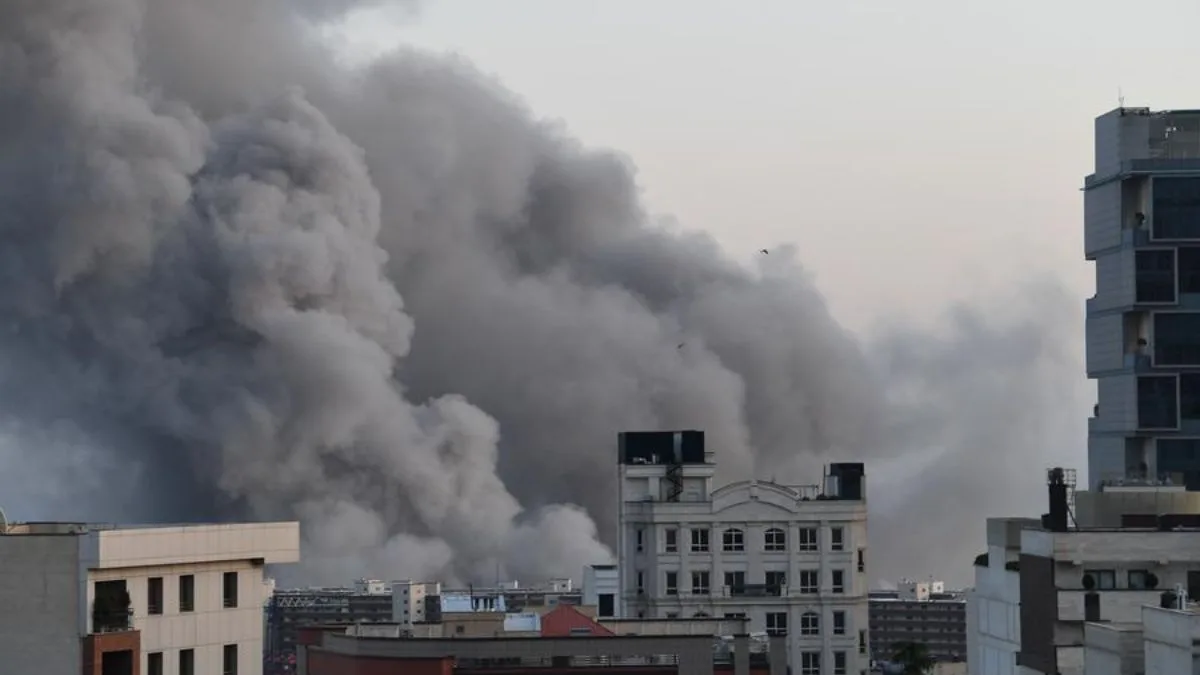
The renewed war between the United States and Iran has again placed American and Israeli military interests on apparently common ground.
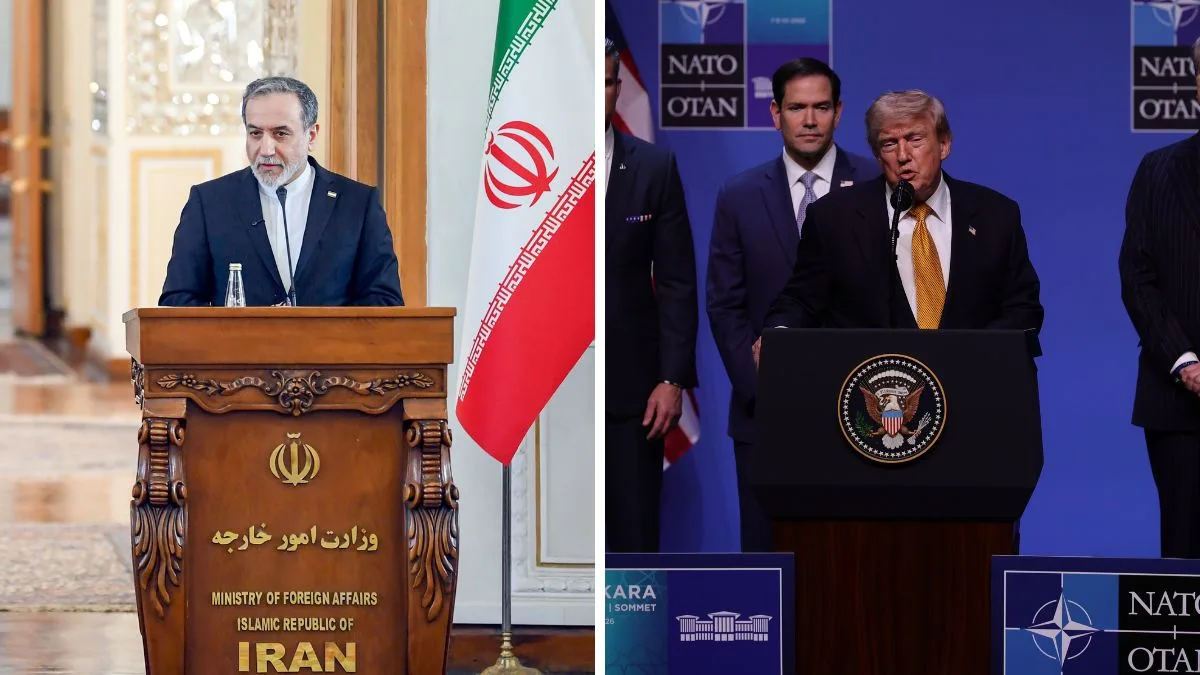
Fresh statements from Tehran and Washington point to deepening confrontation, with both sides hardening their public positions even as the US says it remains open to diplomacy.
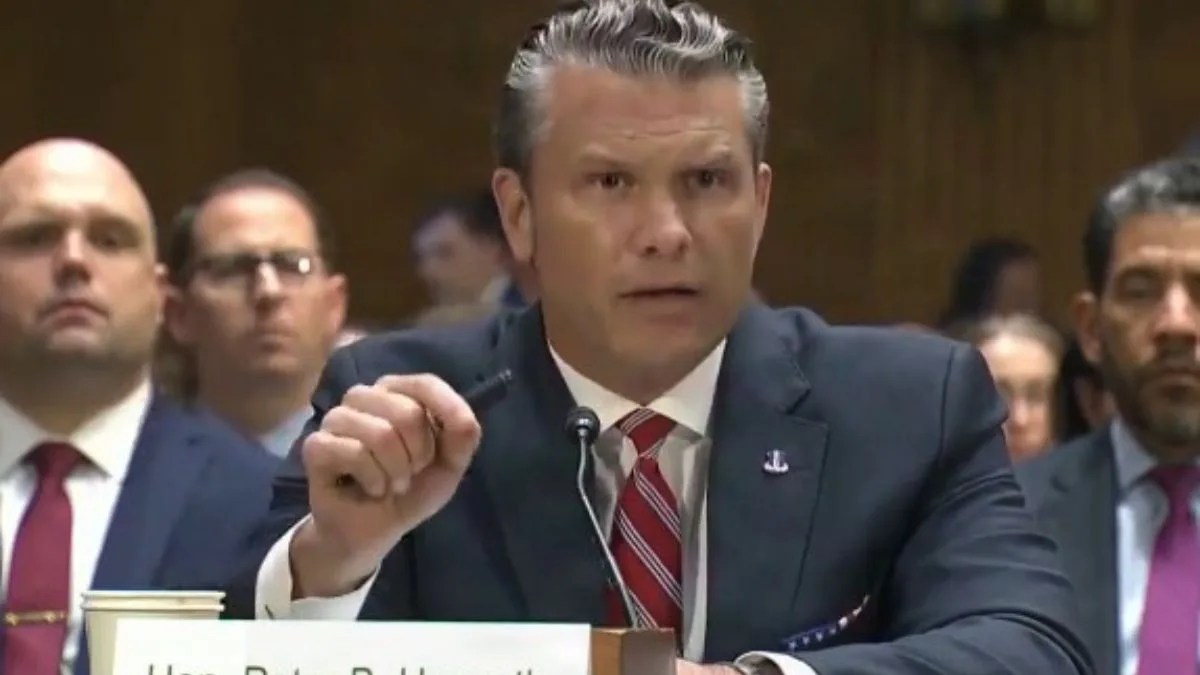
The Pentagon told lawmakers the conflict has already cost $37.5 billion and warned of readiness shortfalls without additional funding, while also alleging Russia and China are enabling Iran's military operations.
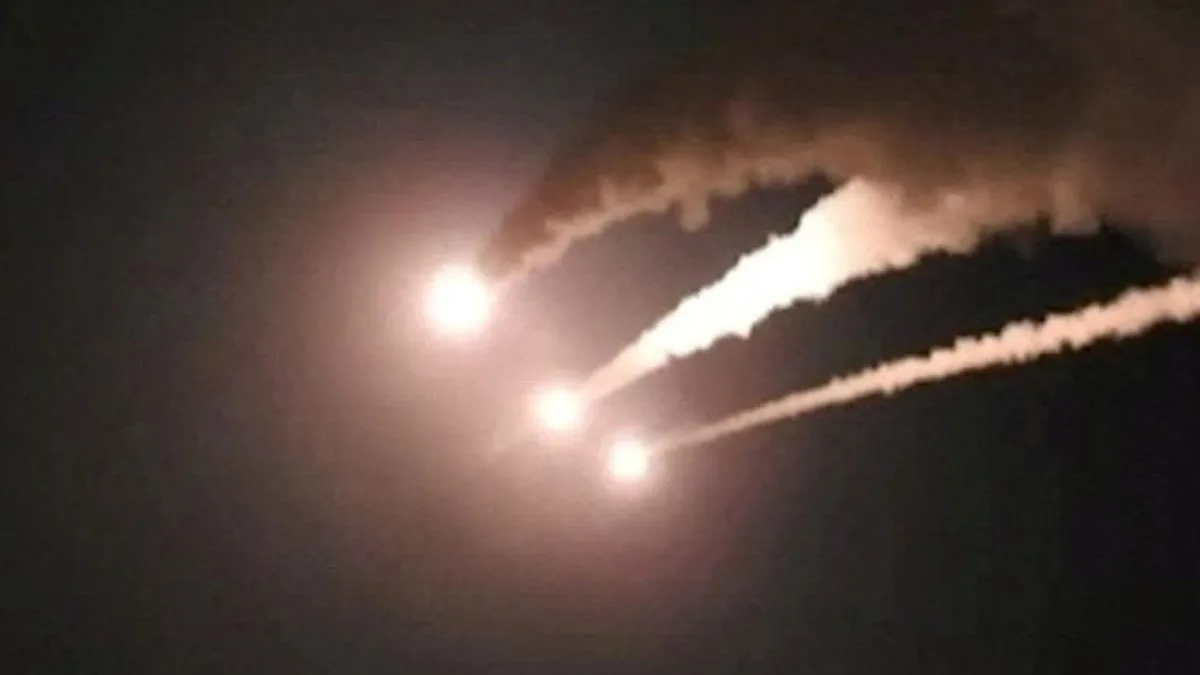
Explosions were reported across southern and central Iran after the US announced a new military offensive, while Kuwait activated air defences and regional tensions continued to spread.

Iran's Revolutionary Guard claimed it received intelligence from individuals in Jordan to strike US military targets, as Washington continued air strikes and regional tensions spread across the Gulf.

Tehran dismisses fresh US negotiation claims, blaming Washington’s shifting stance and blockade, even as ceasefire deadline nears and diplomatic signals from the US remain mixed.
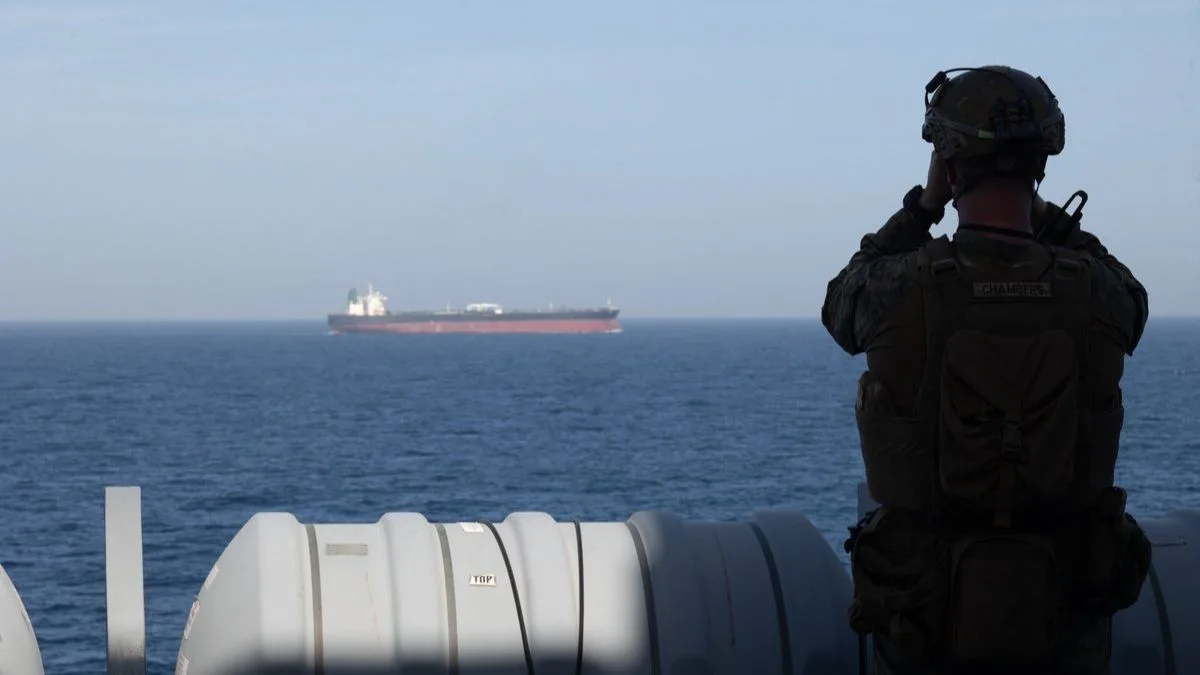
A US naval interception of an Iranian cargo vessel has triggered fresh tensions, with Tehran warning of retaliation and rejecting diplomatic signals ahead of a looming ceasefire deadline.

More than a month after a naval strike left them stranded, Iranian sailors are finally heading home from Sri Lanka, a delayed return that quietly marks the afterlife of a widening conflict.

U.S. President Donald Trump said Saturday that Iran “can’t blackmail us” even as Washington is holding talks with Tehran, signalling a mix of pressure and diplomacy amid rising tensions.

Iran signals a reversal on Hormuz access, linking stricter control to US actions, raising concerns over maritime movement and energy supply routes in a volatile region.