Strategic Distance
The renewed war between the United States and Iran has again placed American and Israeli military interests on apparently common ground.
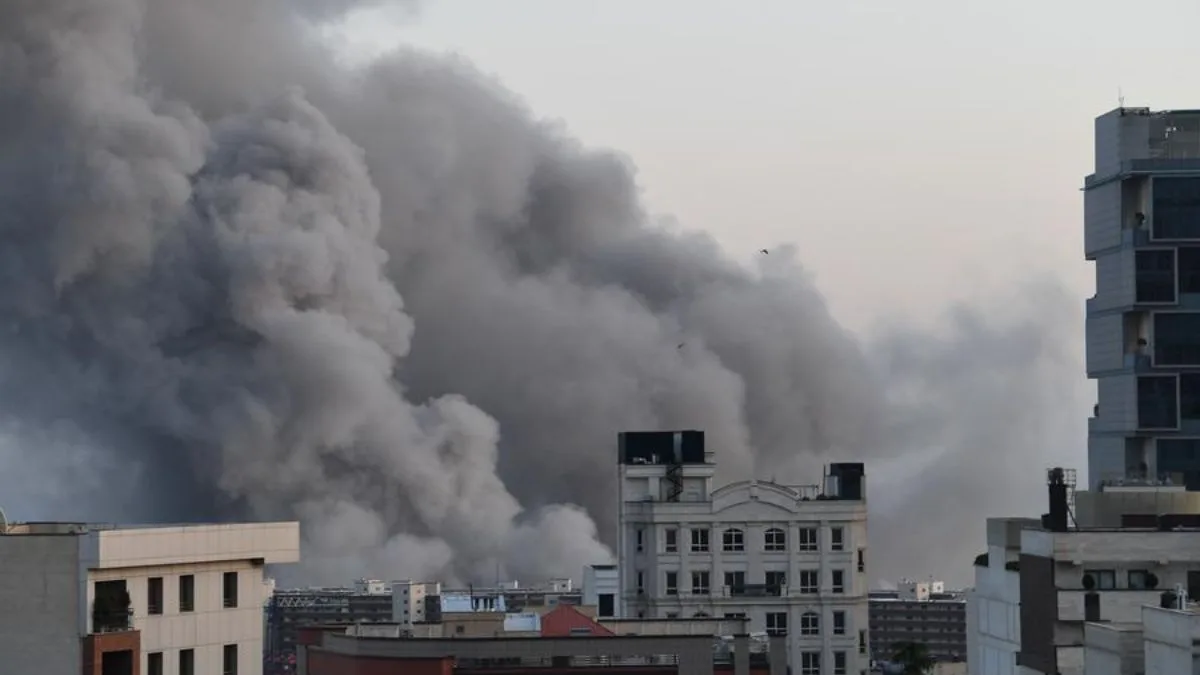
The renewed war between the United States and Iran has again placed American and Israeli military interests on apparently common ground.
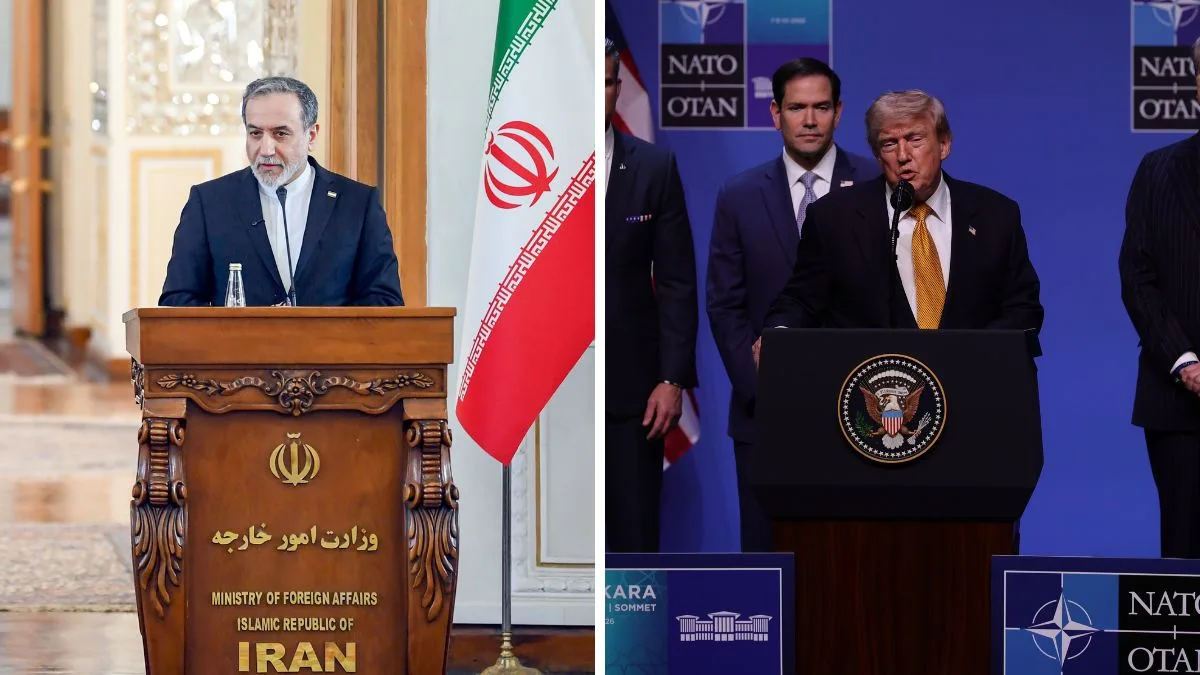
Fresh statements from Tehran and Washington point to deepening confrontation, with both sides hardening their public positions even as the US says it remains open to diplomacy.
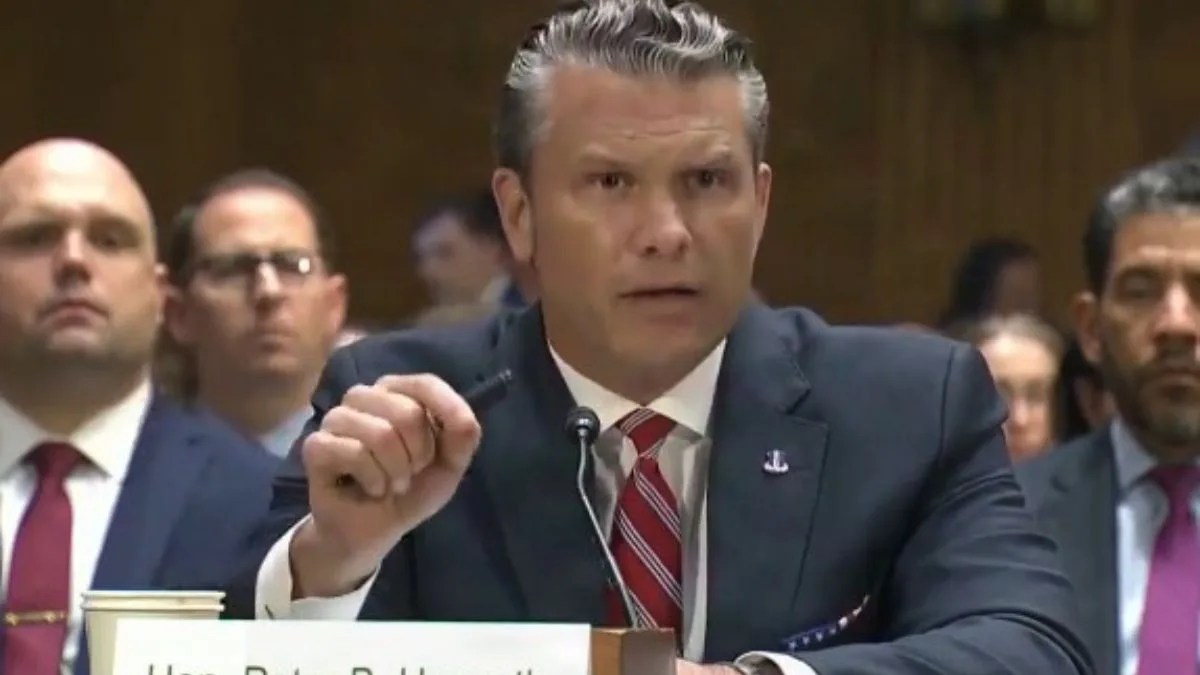
The Pentagon told lawmakers the conflict has already cost $37.5 billion and warned of readiness shortfalls without additional funding, while also alleging Russia and China are enabling Iran's military operations.
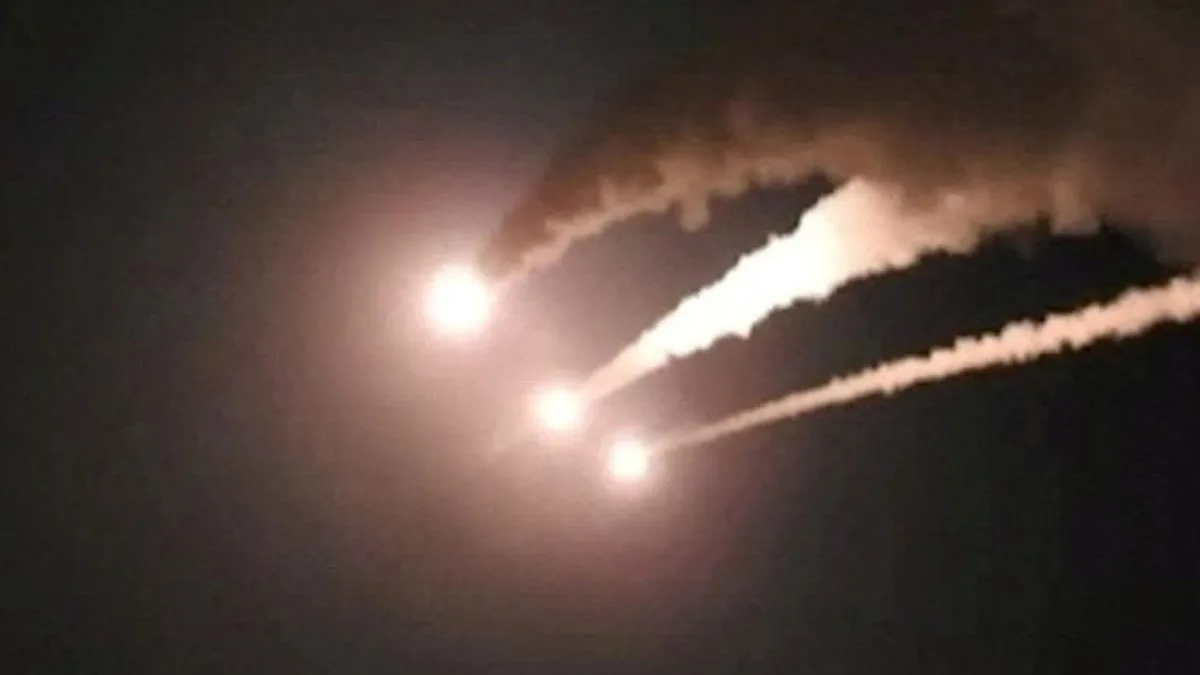
Explosions were reported across southern and central Iran after the US announced a new military offensive, while Kuwait activated air defences and regional tensions continued to spread.

Iran's Revolutionary Guard claimed it received intelligence from individuals in Jordan to strike US military targets, as Washington continued air strikes and regional tensions spread across the Gulf.

Military action, sanctions and diplomacy move in parallel as global oil routes remain disrupted and multiple countries step in to prevent further escalation across the region.

Claims of a mid-air threat and sudden route change add a new layer of tension to failed Iran-US talks, deepening mistrust and uncertainty around future negotiations.

US signals fresh diplomatic push with Iran after stalled talks, as mistrust lingers but backchannel engagement continues and a second round of negotiations remains under consideration.

US brings Israel and Lebanon to the table in Washington as tensions with Hezbollah continue and regional players like Iran remain actively engaged in fragile ceasefire efforts.

Washington is evaluating another round of direct talks with Tehran, with possible venues and timelines under review as both sides keep diplomatic channels active amid ceasefire pressure.