Strategic Distance
The renewed war between the United States and Iran has again placed American and Israeli military interests on apparently common ground.
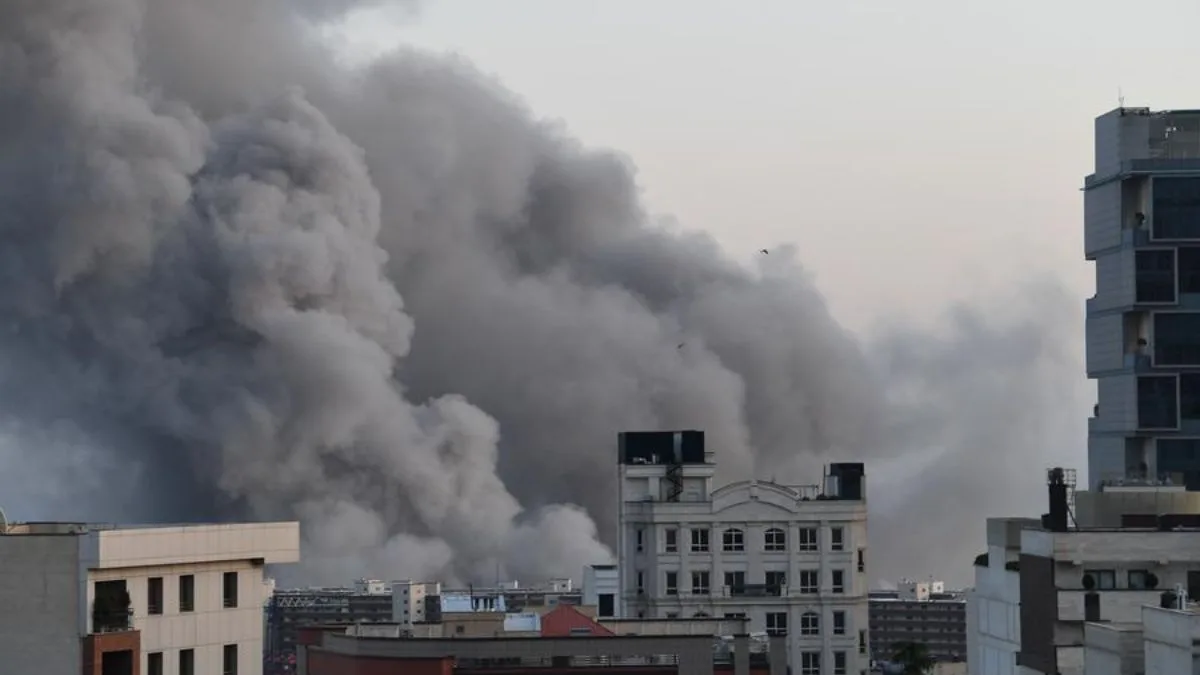
The renewed war between the United States and Iran has again placed American and Israeli military interests on apparently common ground.
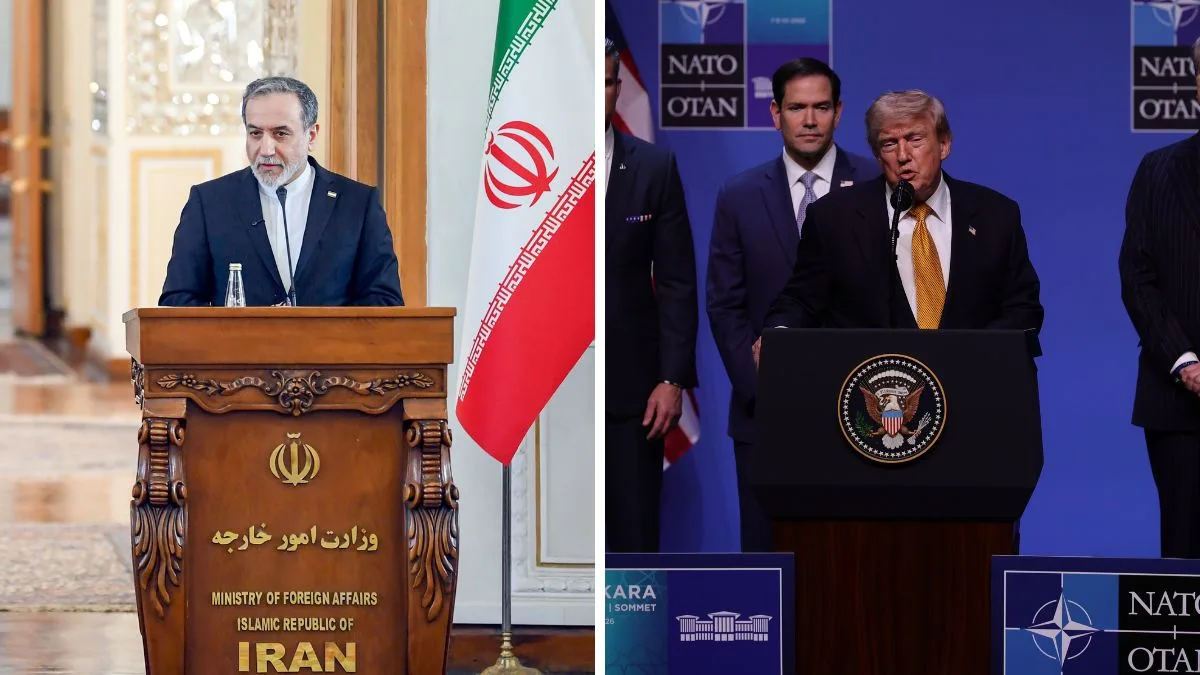
Fresh statements from Tehran and Washington point to deepening confrontation, with both sides hardening their public positions even as the US says it remains open to diplomacy.
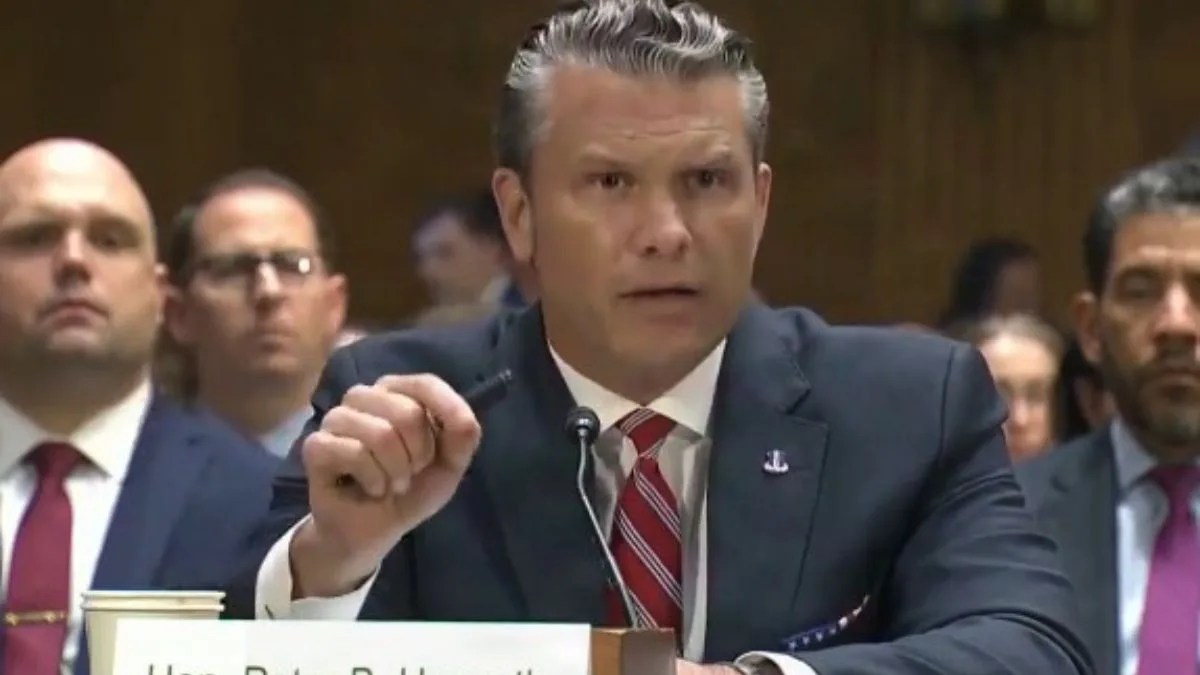
The Pentagon told lawmakers the conflict has already cost $37.5 billion and warned of readiness shortfalls without additional funding, while also alleging Russia and China are enabling Iran's military operations.
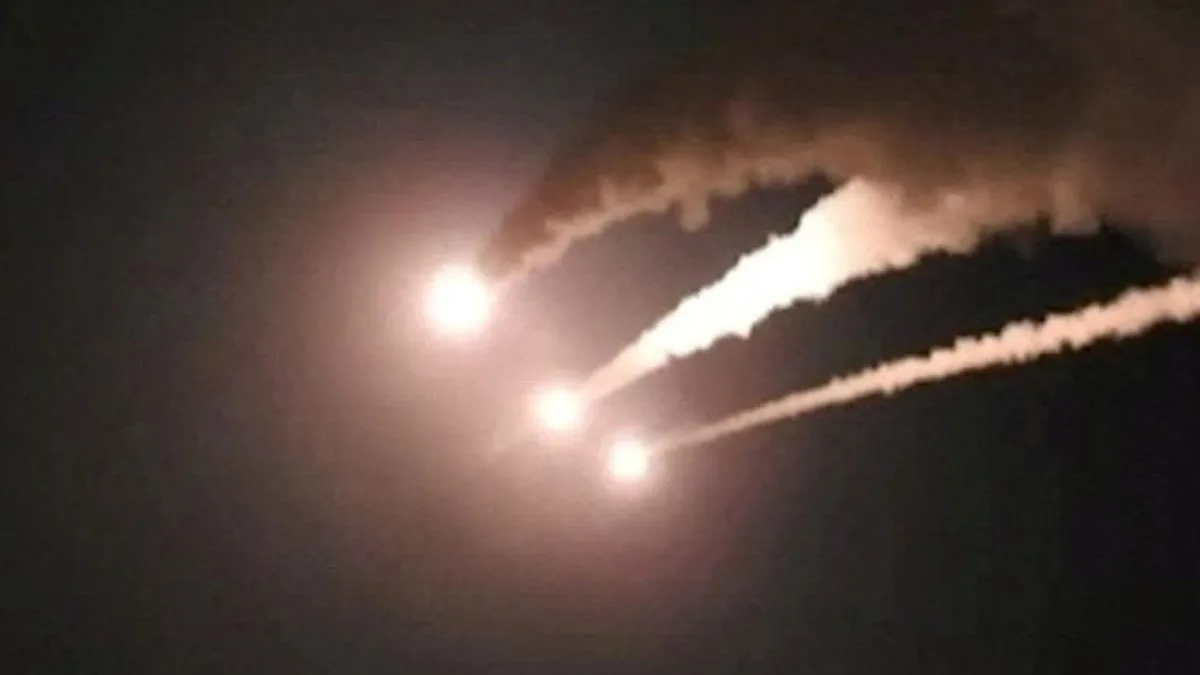
Explosions were reported across southern and central Iran after the US announced a new military offensive, while Kuwait activated air defences and regional tensions continued to spread.

Iran's Revolutionary Guard claimed it received intelligence from individuals in Jordan to strike US military targets, as Washington continued air strikes and regional tensions spread across the Gulf.

Ceasefire holds but pressure builds as US keeps blockade in place, Iran signals hesitation on talks, and Hormuz disruption continues to rattle global energy markets.

Backchannel diplomacy between the US and Iran faces uncertainty as Tehran denies Islamabad talks, even as Pakistan mediation continues and ceasefire tensions deepen.

The ceasefire in Iran is likely to end shortly, resulting in either renewed attacks or a peace deal, details of which could emerge soon. US President Donald Trump’s major blunder was assuming tactical superiority would enable strategic victory.

Iran is pushing a new law to regulate ship movement through the Strait of Hormuz, tightening rules for certain countries amid rising regional tensions and strategic recalibration.

As the ceasefire deadline approaches, Washington and Tehran are still split on talks, shipping pressure is rising in Hormuz, and India is tracking risks to seafarers.