Strategic Distance
The renewed war between the United States and Iran has again placed American and Israeli military interests on apparently common ground.
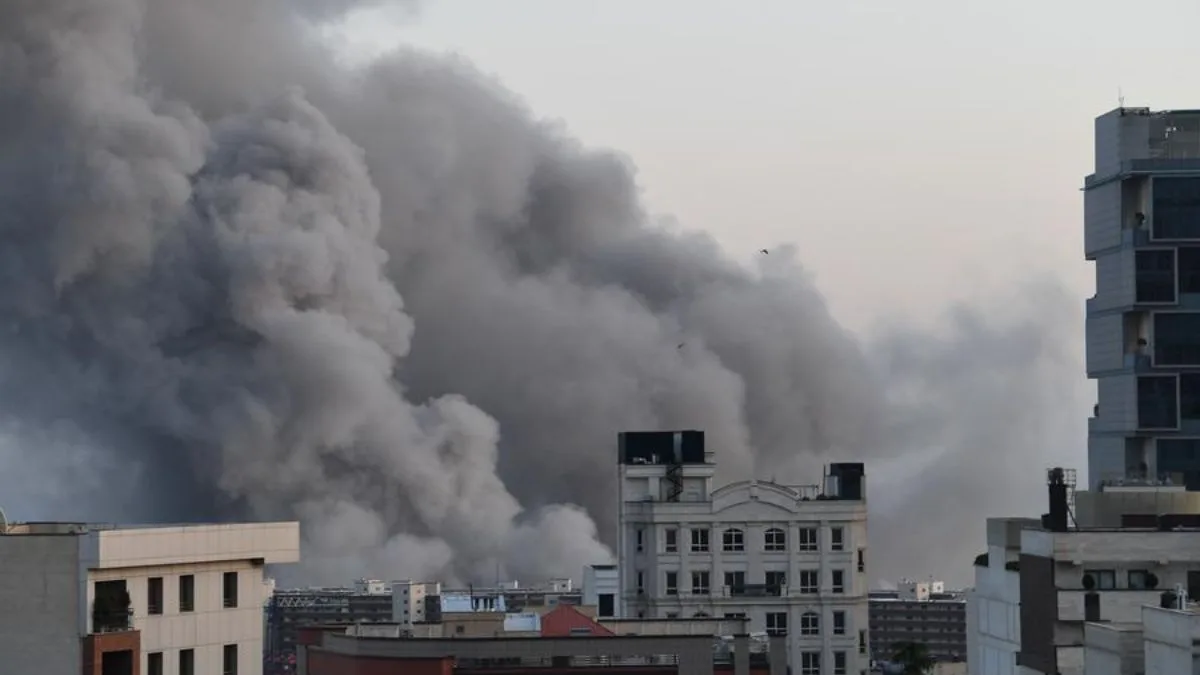
The renewed war between the United States and Iran has again placed American and Israeli military interests on apparently common ground.
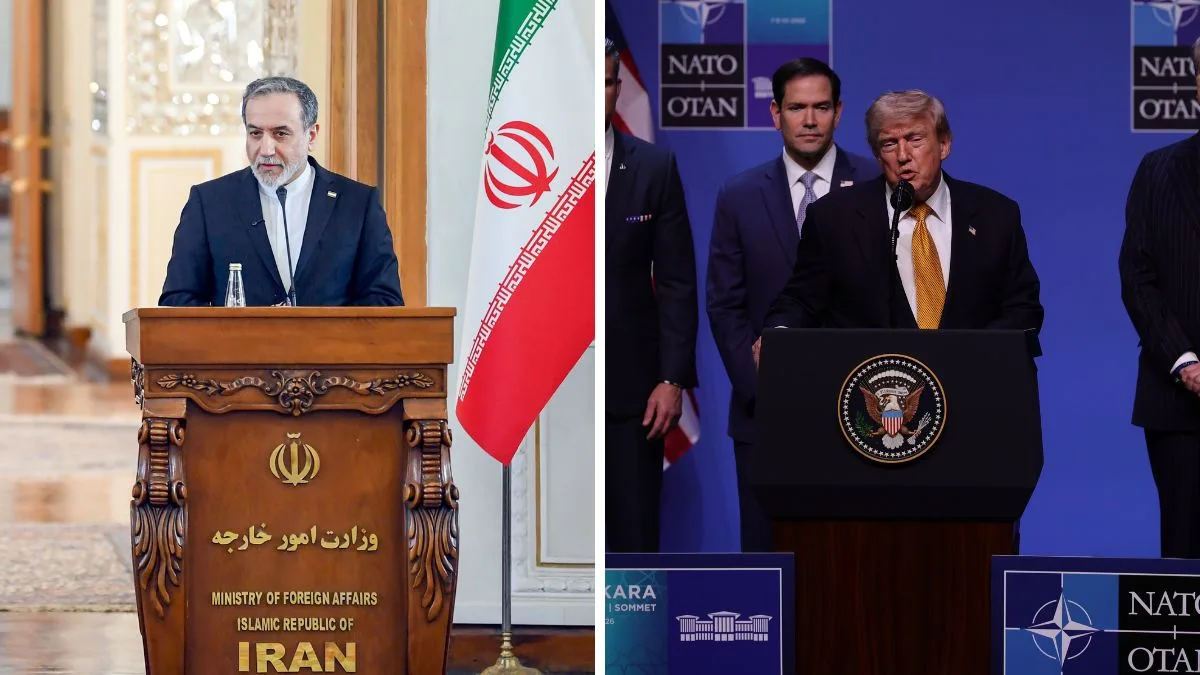
Fresh statements from Tehran and Washington point to deepening confrontation, with both sides hardening their public positions even as the US says it remains open to diplomacy.
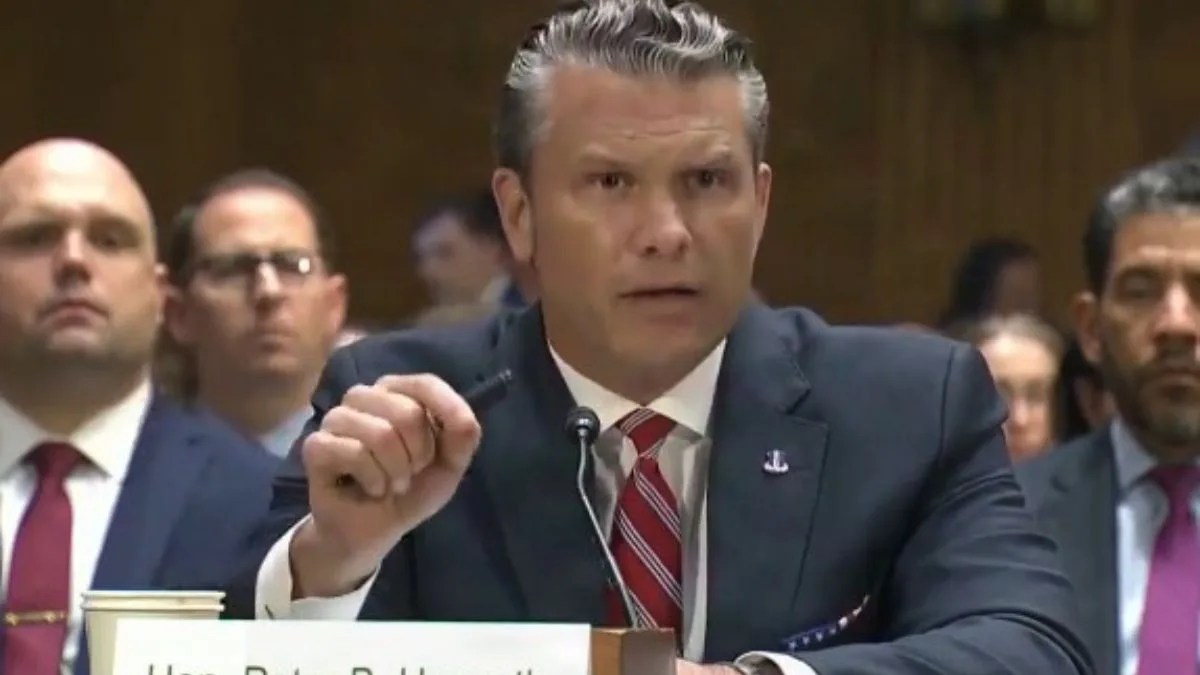
The Pentagon told lawmakers the conflict has already cost $37.5 billion and warned of readiness shortfalls without additional funding, while also alleging Russia and China are enabling Iran's military operations.
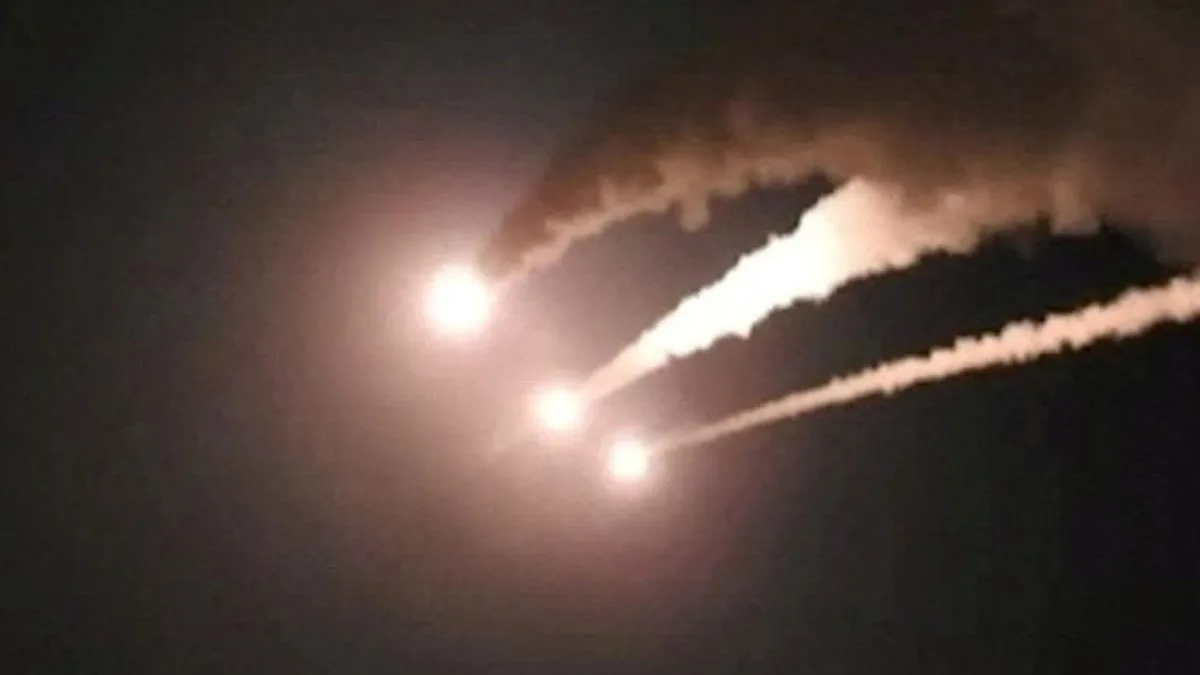
Explosions were reported across southern and central Iran after the US announced a new military offensive, while Kuwait activated air defences and regional tensions continued to spread.

Iran's Revolutionary Guard claimed it received intelligence from individuals in Jordan to strike US military targets, as Washington continued air strikes and regional tensions spread across the Gulf.

Iran is considering a new framework for ship movement through the Strait of Hormuz, linking access to security coordination as regional tensions reshape global maritime routes.

Fresh tensions over a key oil route as Iran signals tighter control of Hormuz while Washington holds its blockade line, raising concerns for global energy flows.
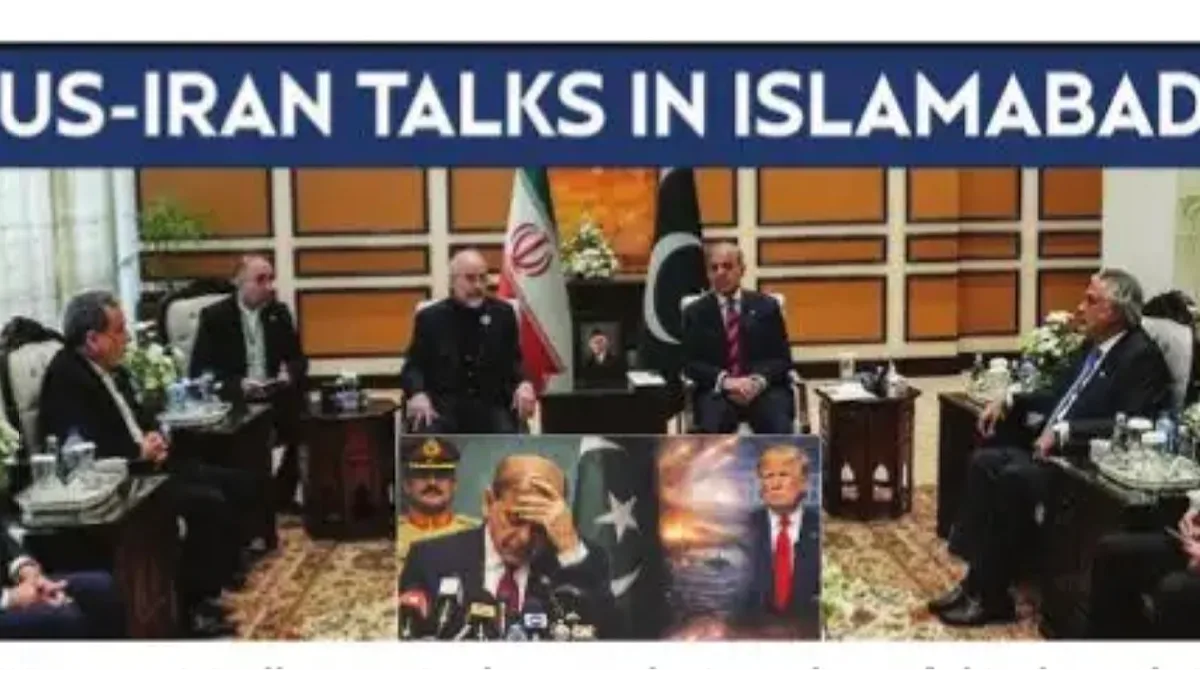
The collapse of the Islamabad talks between the United States and Iran has abruptly ended what many had hoped would serve as a pathway to de-escalation.

US signals cautious diplomatic reset as Israel and Lebanon prepare for talks after decades, with Washington focusing on trust-building measures instead of pushing an immediate ceasefire.
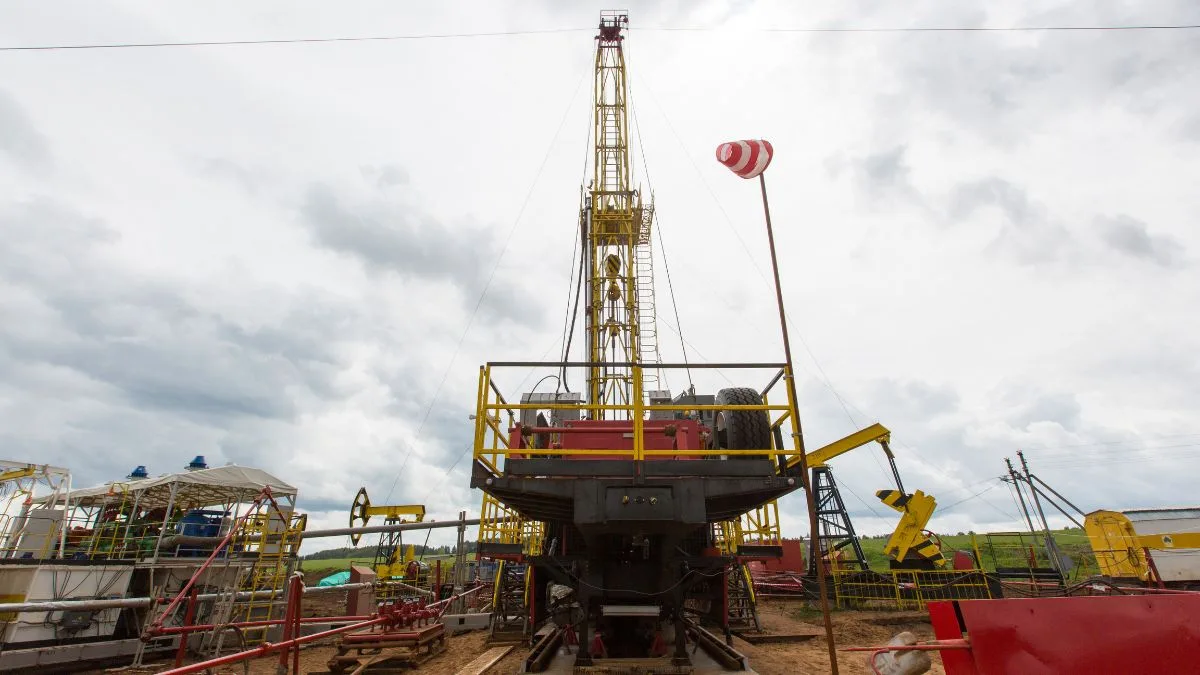
Washington moves to end temporary oil transaction relief and targets Iran-linked networks, signalling a sharper economic push as tensions in West Asia continue to impact global energy flows.