Nationalism and Secularism
Nationalism and secularism are the two basic constituents of modern India.
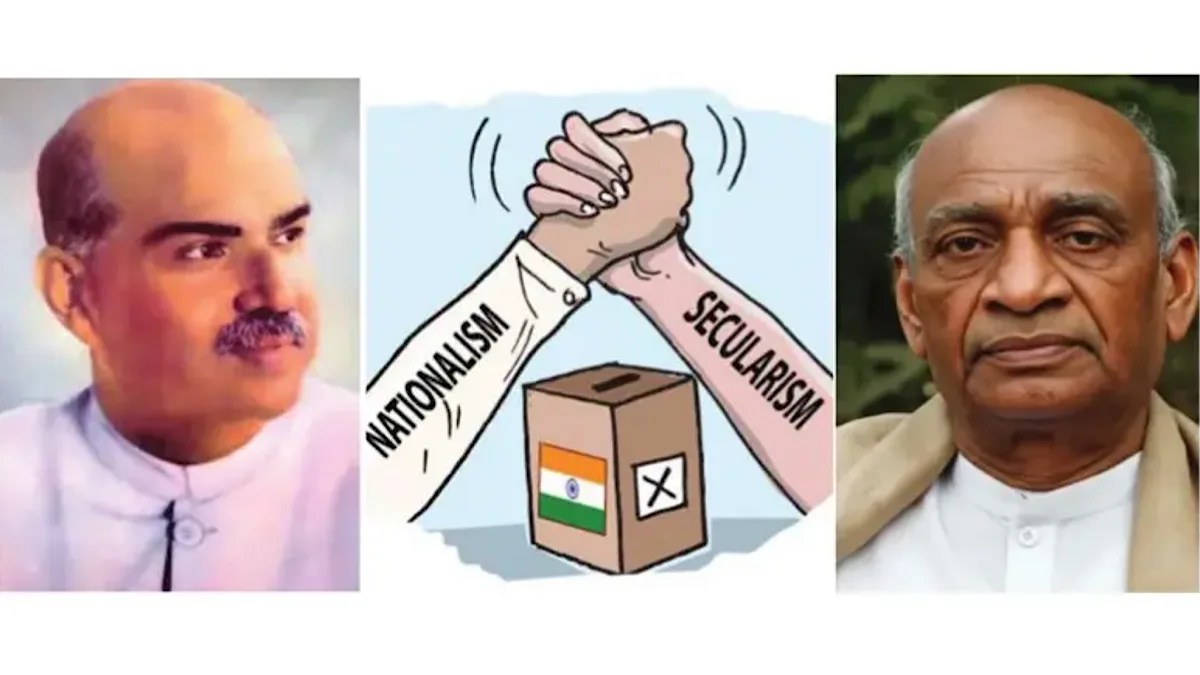
Nationalism and secularism are the two basic constituents of modern India.

When I heard the name “Tulsi Gabbard” years ago I assumed that she was an Indian American, married to a Mr. Gabbard because Tulsi is a sacred plant to the Hindus.
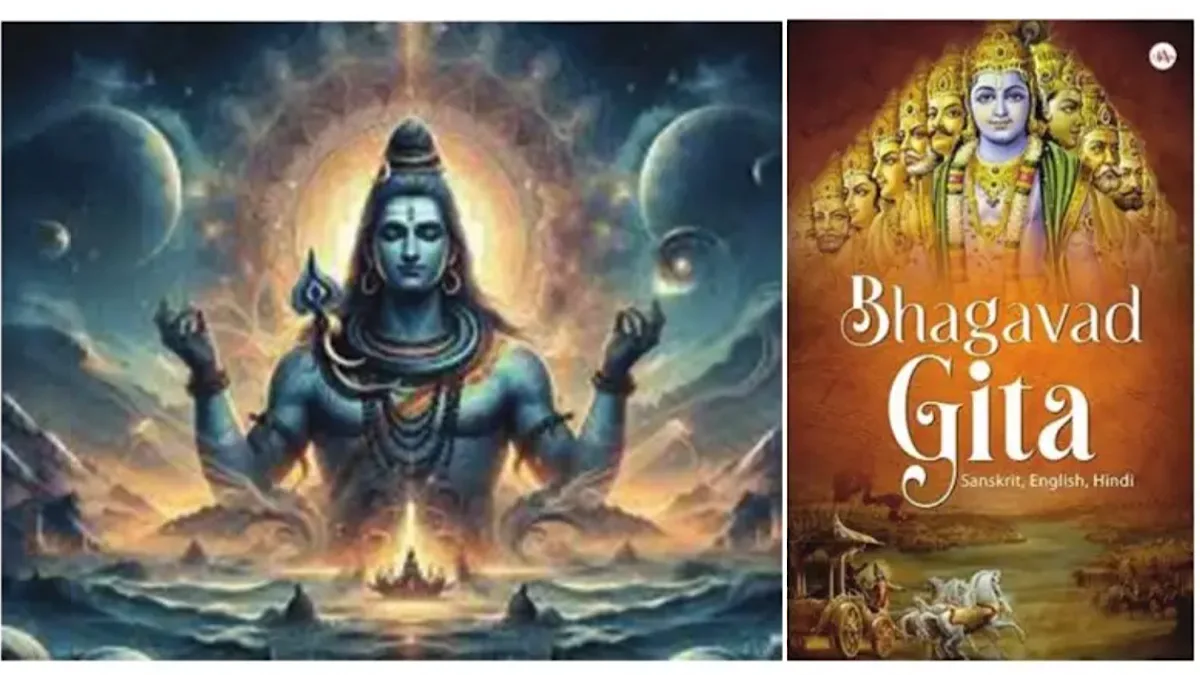
People of all religious faiths admit that God is the Creator and controller of the universe, therefore He is Almighty.

Across the country, young Indians are flocking to concerts that blend devotional bhajans with contemporary rhythms and songs. The popularity of “bhajan clubbing” is not a passing cultural fad.

ISIS-linked groups are expanding digital propaganda, tracking global attacks and pushing targeted messaging across encrypted platforms, with India and nearby regions now in sharper focus, a new report warns.

The Samajwadi Party and the Bahujan Samaj Party have demanded a strong initiative from the Central government to tackle the situation in Bangladesh, where Hindus and saints are on target.

Terming the attacks as violations of secular principles, equality, and justice, the CPI warned that such actions pose a significant threat to the communal harmony that underpins Bangladesh’s diverse society.

VHP's international secretary general, Bajrang Lal Bagra, criticised the restrained response of the Indian government, terming it "cautious and minimal."

Senior members of the Kendriya Margdarshak Mandal of sants (holy persons) held a two-day conference in Siliguri, during which they passed resolutions emphasising the need for unity among the Hindu community to lawfully resist attacks on temples, idols, Puja pandals, and other holy places.
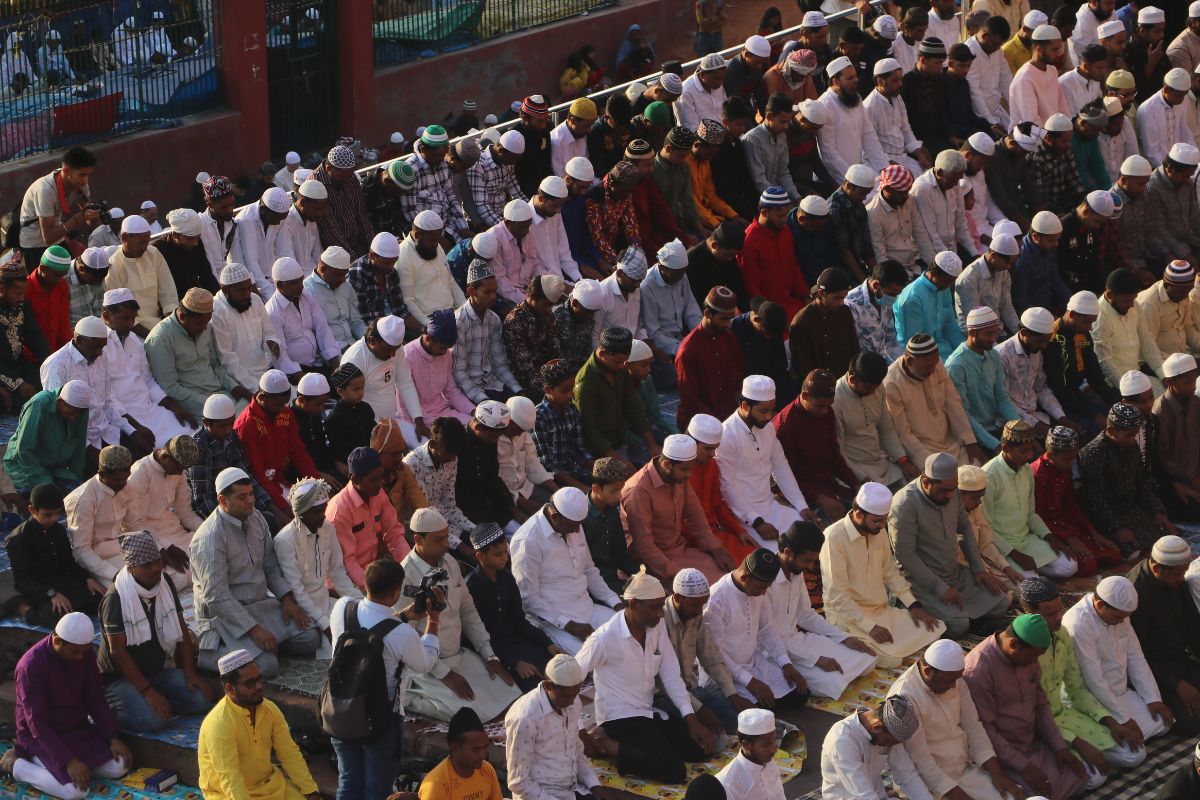
Amid tension brewing over Hindus staking a claim to the Jama Masjid in Sambhal, the Friday prayers passed off peacefully under tight security cover.