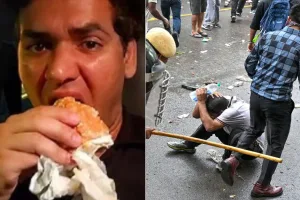
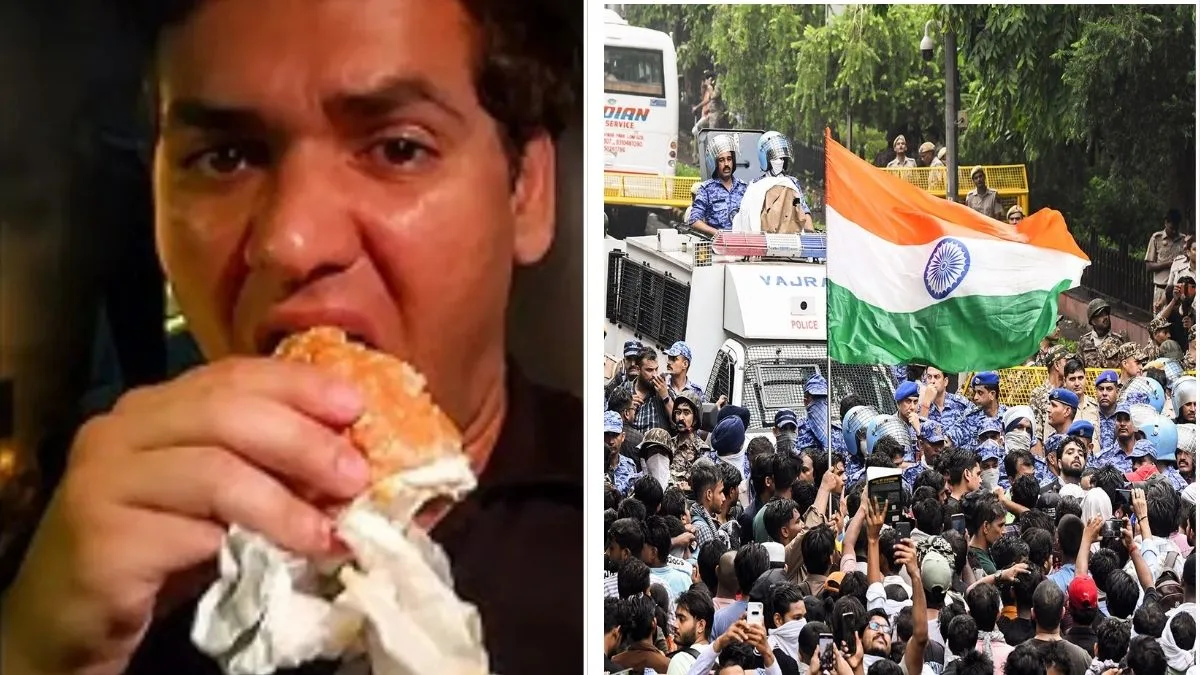
CJP Burger Bawal snowballs as embarrassed party removes Vijeta Dahiya as spokie
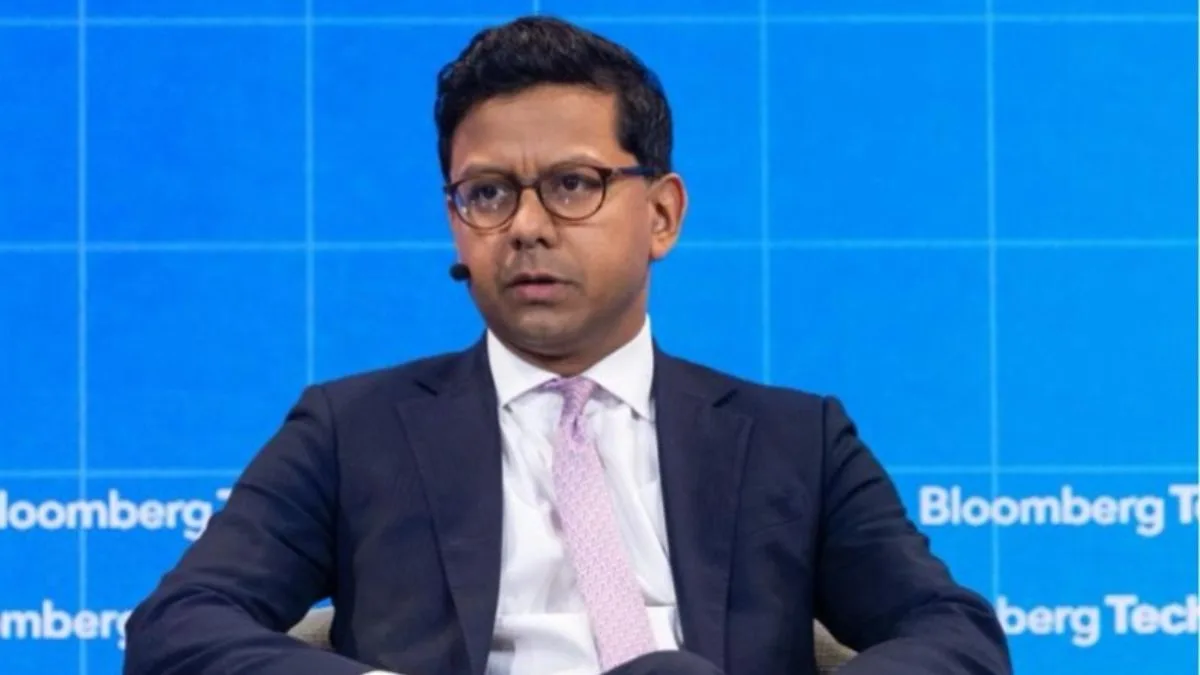
In a statement, the CJP has strongly condemned the "deeply insensitive actions" of Vijeta Dahiya.
Government sources said JP Nadda’s selection reflected both his stature and his reputation as a consensus-builder capable of handling sensitive situations.




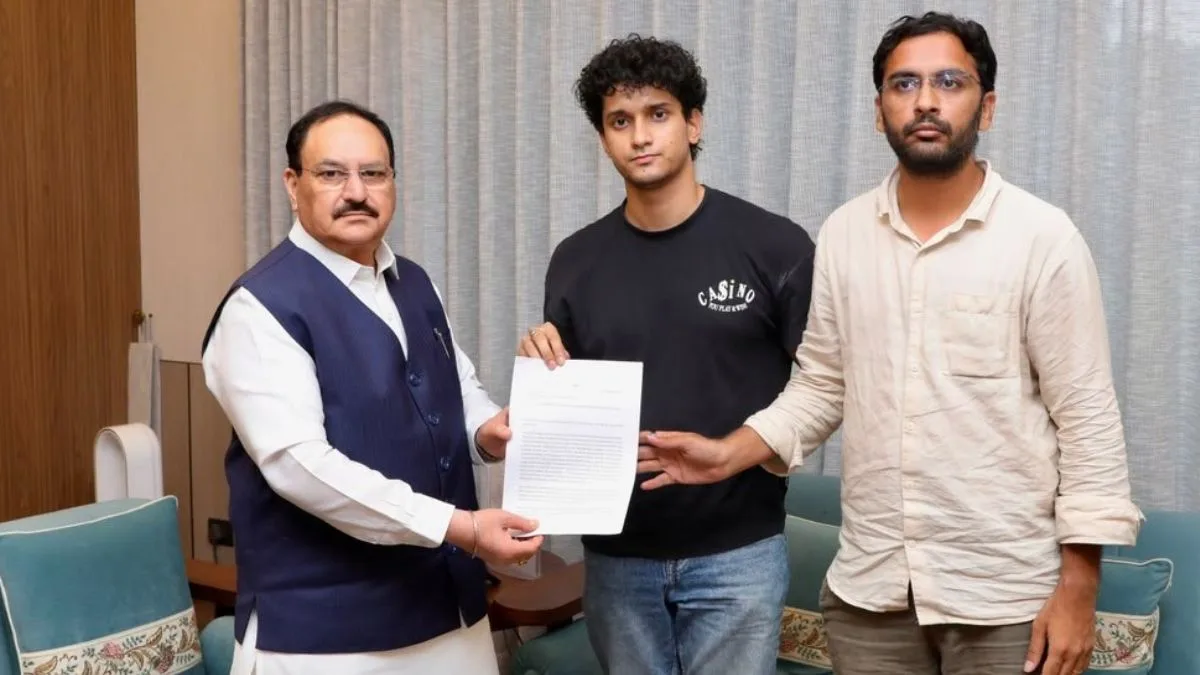
Image: X
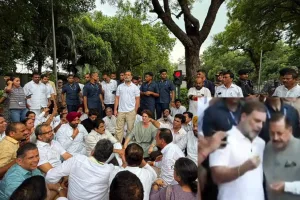
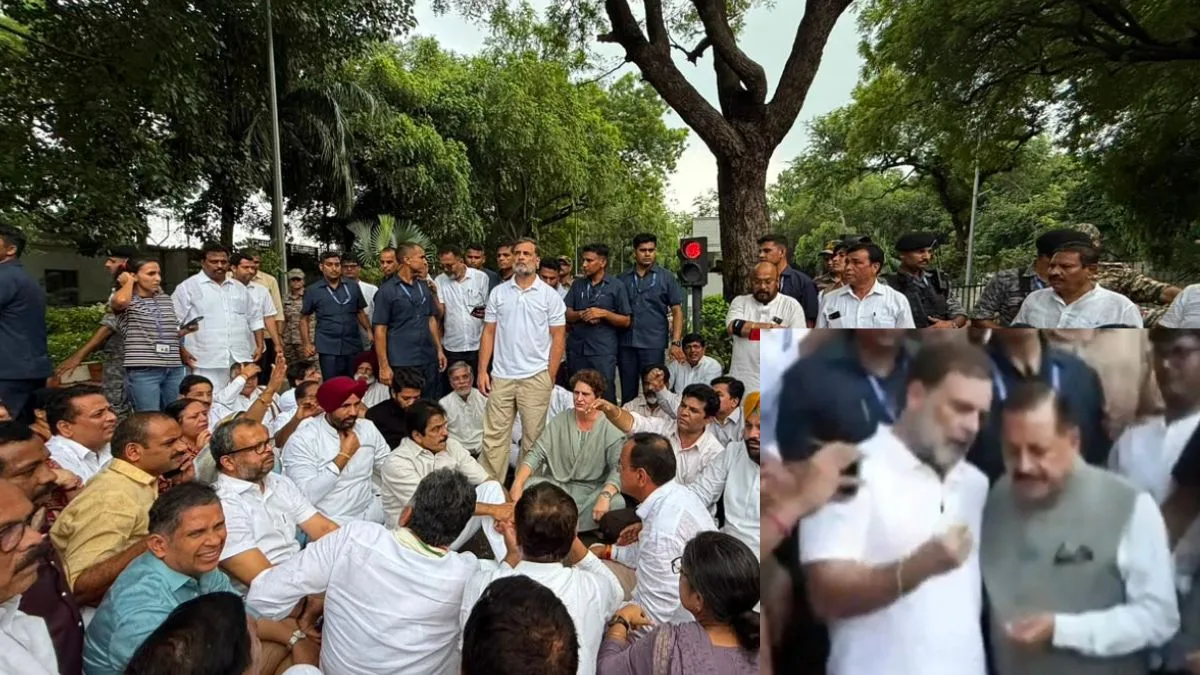
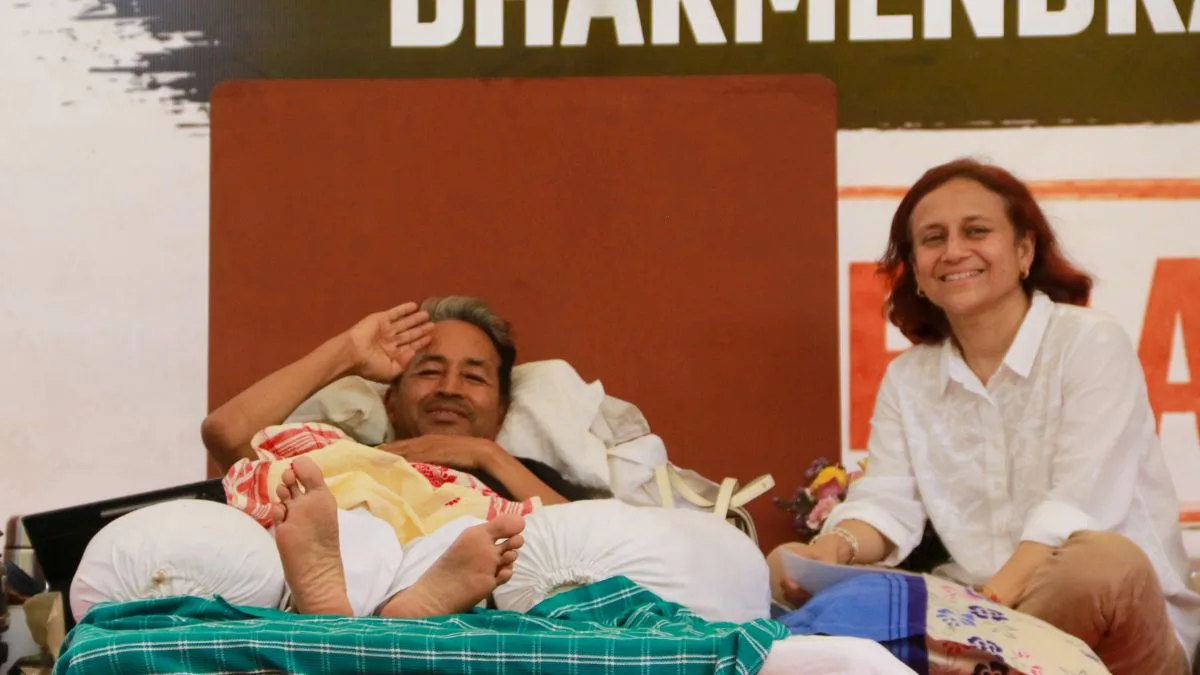
Union Health Minister J.P. Nadda has emerged as the Narendra Modi government’s face in reaching out to the Cockroach Janta Party (CJP) after nearly three weeks of protests at Jantar Mantar and activist Sonam Wangchuk’s hunger strike. On Tuesday, Nadda visited Delhi’s Ram Manohar Lohia (RML) Hospital to meet those injured during the police action following the CJP protest march to the Parliament.
On Monday, after the government received what Nadda described as a “proposal for dialogue” from the CJP, he was entrusted with leading the talks. “This morning, for the first time, a proposal came from the protesters to hold talks with the government, and our discussions have been ongoing since 11.50,” Nadda had posted on X.
Advertisement
Government sources said Nadda’s selection reflected both his stature and his reputation as a consensus-builder capable of handling sensitive situations. As the Union Health Minister and former BJP national president, his involvement conveyed that the Centre was taking the protests seriously.
Advertisement
The CJP was unwilling to engage with lower-level functionaries, making a senior Cabinet minister the preferred interlocutor. With protesters demanding the resignation of Education Minister Dharmendra Pradhan, the Education Ministry could not credibly lead the dialogue.
Therefore Nadda, as Health Minister, offered a relatively neutral face while also being directly connected to concerns involving medical students.
Sources said deploying Nadda was also a part of the broader strategy to project a conciliatory approach amid criticism over the police’s use of lathi-charge and tear gas against protesters. His visit to injured protesters at RML Hospital after the meeting was intended to demonstrate the government’s concern and willingness to engage.
Despite opening a channel of communication, the talks yielded no assurance on the protesters’ key demands. “The meeting with Naddaji was meant to hear the students’ concerns. No assurance was given that the government would accept or consider their demands,” sources said.
After the meeting, CJP leader Saurav Das also said that when he and Ranka met Nadda at his residence from noon onward and conveyed their demands, including the immediate resignation or dismissal of Education Minister Dharmendra Pradhan, no commitments were made. “The Minister assured us he would raise the matter at the appropriate level. However, no commitments have been made so far. The peaceful protesters will not rest until the demand is met,” he said
BJP sources acknowledged that the government decision to engage with the protesters after the issue escalated on the opening day of Parliament’s Monsoon Session, creating “bad optics” for the government. In other words, the government cannot be seen as insensitive to protesting students.
Addressing NDA law makers on Tuesday, Prime Minister Narendra Modi said those arrested in the NEET-UG paper leak case should face the toughest punishment. While defending the government’s response, he stressed the need to restore the trust of the youth, ensure no injustice is done to students, treat the issue as a national concern rather than a political one, and establish a foolproof nationwide system to prevent future examination paper leaks.
Advertisement