Strategic Survival
India’s energy policy is often described in the language of “security”. That framing is comforting ~ and misleading.
India’s energy policy is often described in the language of “security”. That framing is comforting ~ and misleading.
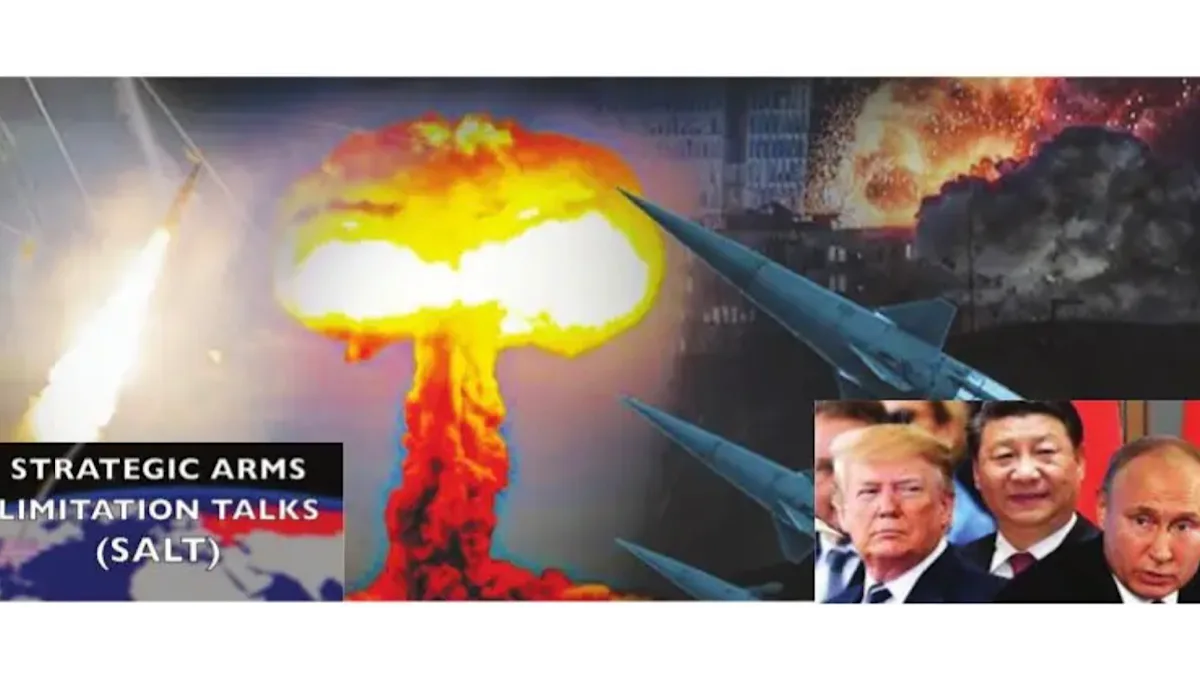
The nuclear arms race and Cold War, begun during the closing stages of World War II, gradually petered down with SALT (Strategic Arms Limitation Talks) I and II agreements of 1972 and 1979 between the US and USSR.
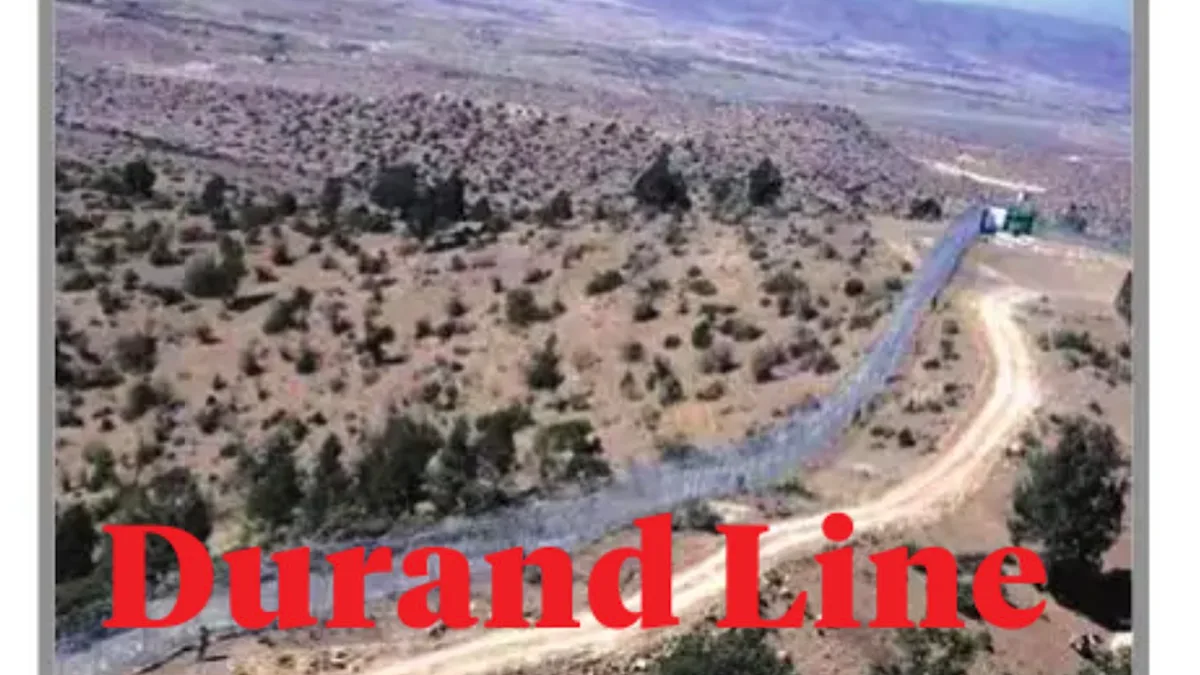
The 2,640-km-long Durand Line is more than just a frontier. It is a century-old scar on the map of South Asia - a scar that has bled into three Anglo-Afghan wars, the Cold War, the Taliban’s rise, and today’s great power rivalries. For the Afghan Pashtun, this line is not history.

The relationship between India and Canada has been marked by periods of highs and lows, influenced by factors such as the Cold War, nuclear non-proliferation issues, and trade disputes.

The sudden exclusion of Chinese nationals from America’s National Aeronautics and Space Administration (NASA) is more than an administrative directive.
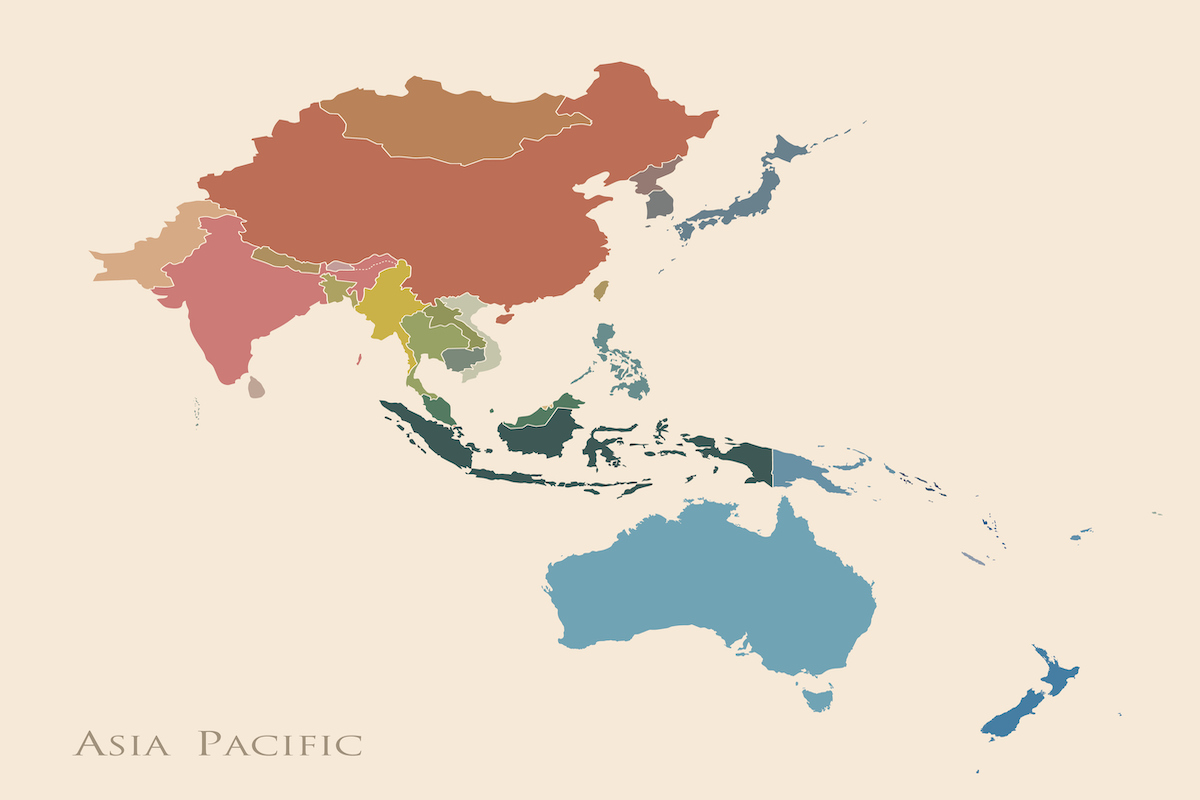
Once again the Asia- Pacific region stands at another historical crossroad. In the face of the new situation, the Asia-Pacific has assumed a more important place in the world and has a greater role to play.
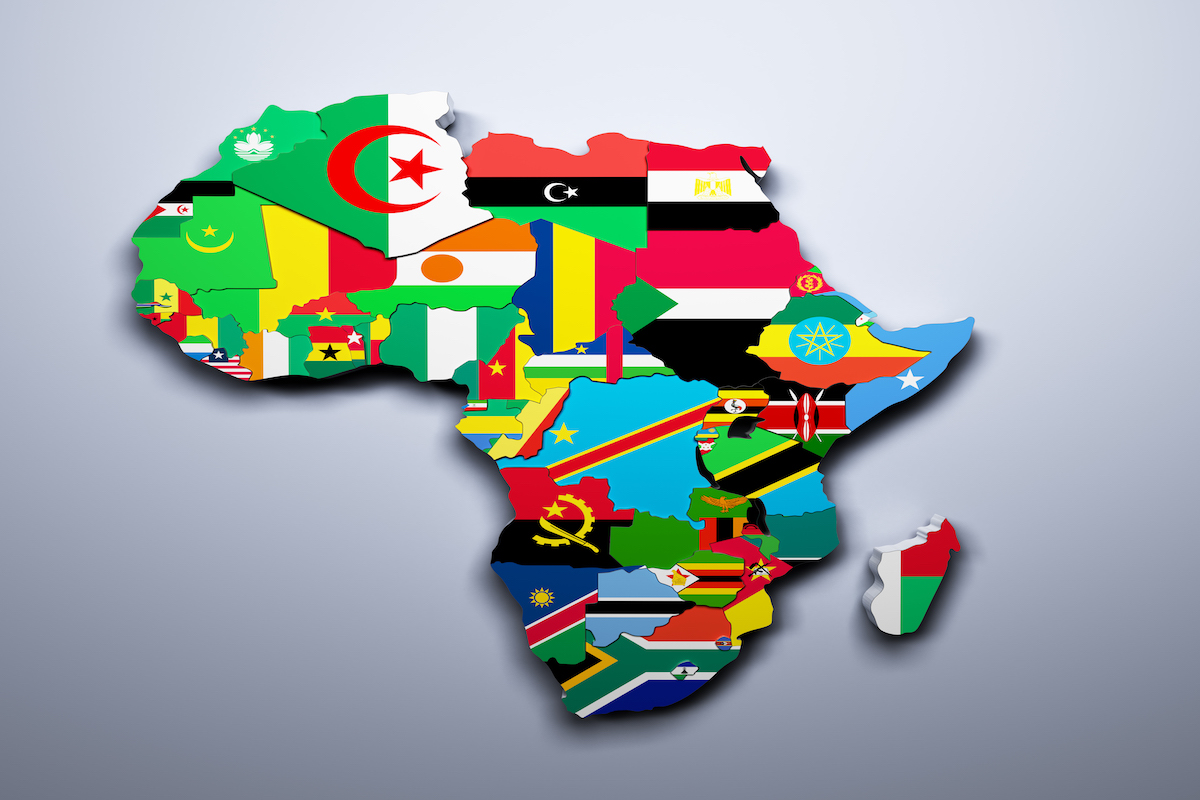
The rivalry between the post-World War II superpowers, USA and USSR, took a toll on millions of African lives and undermined both regional integration and economic development on the continent.
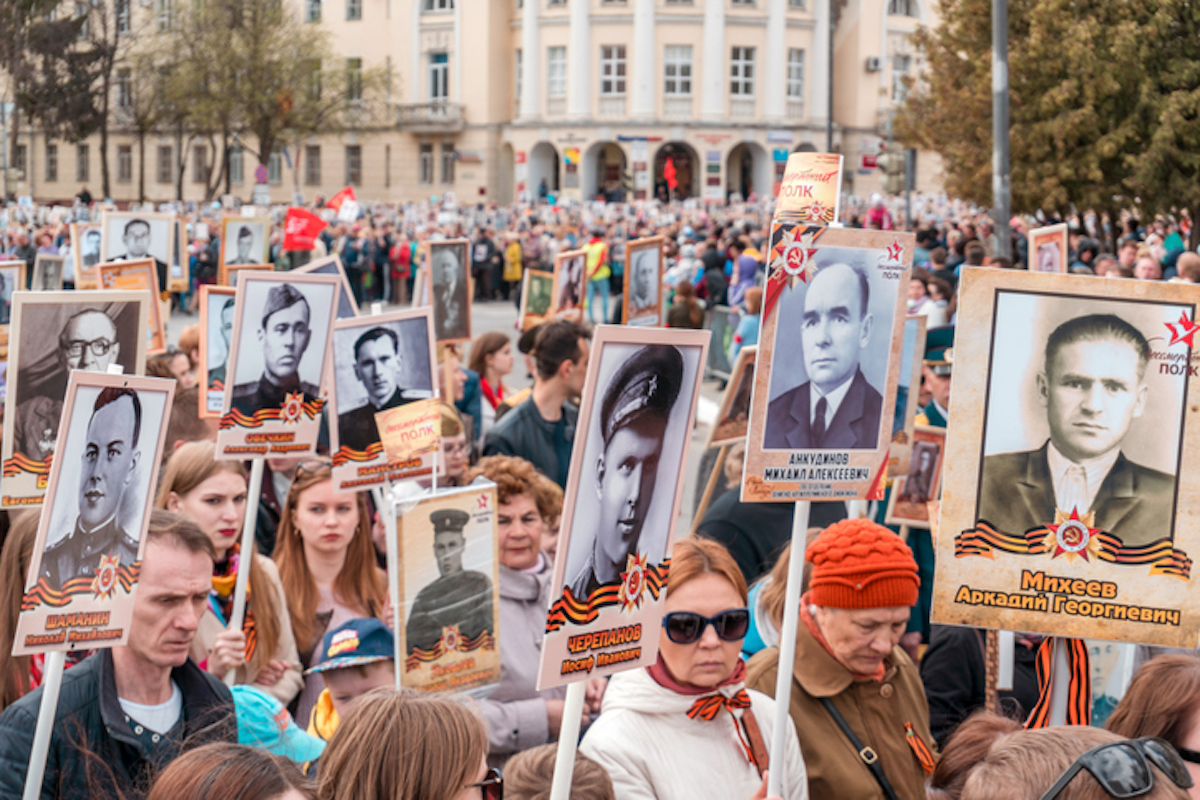
As Victory Day was observed in Moscow last week commemorating the former USSR’s sacrifices in the defeat of Nazi Germany in World War II, it was also a reminder of what came after The Cold War.
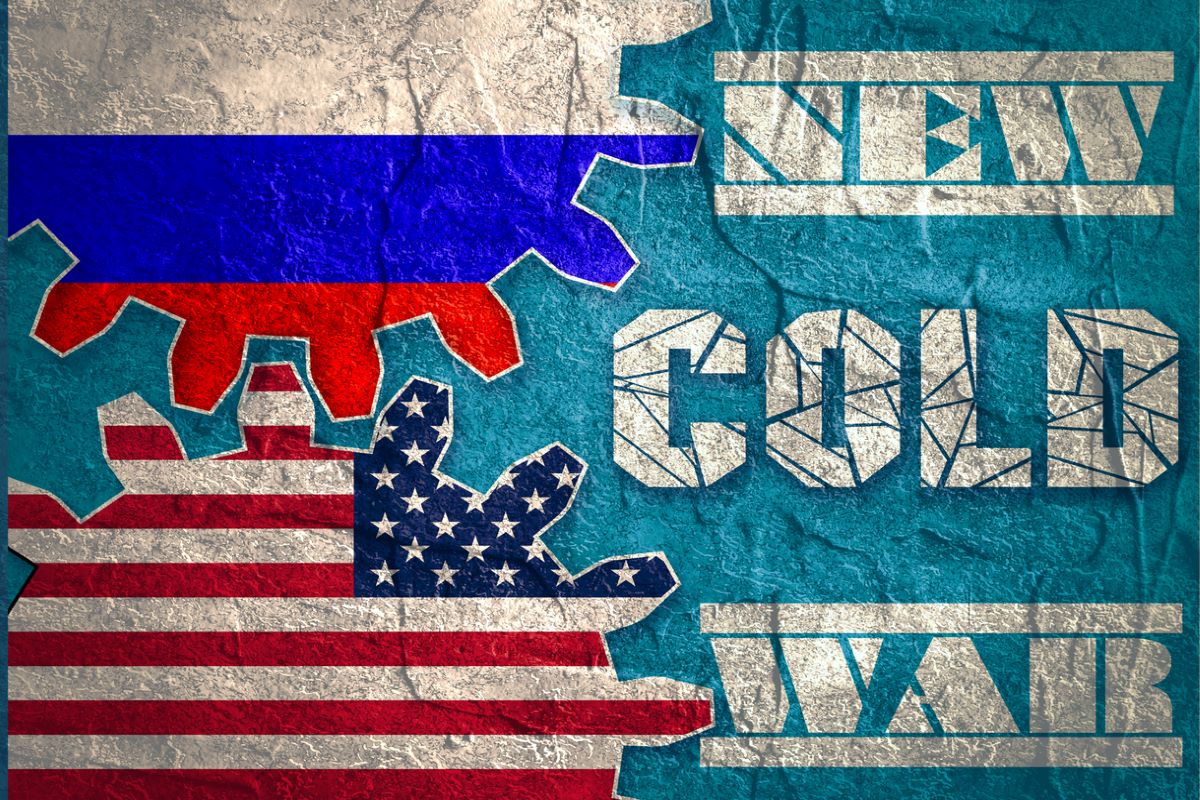
Elaine Kamarck and William A. Galston of the Brookings Institute have written in an article published recently, the question that no one, including the US President, could answer was: Will a new Cold War begin, and what shape will it take? After the end of the WW II, say Kamarck and Galston, it took a while for Americans to see the Soviet Union as the “Empire of Evil” that it was to become for the West in the following decades.
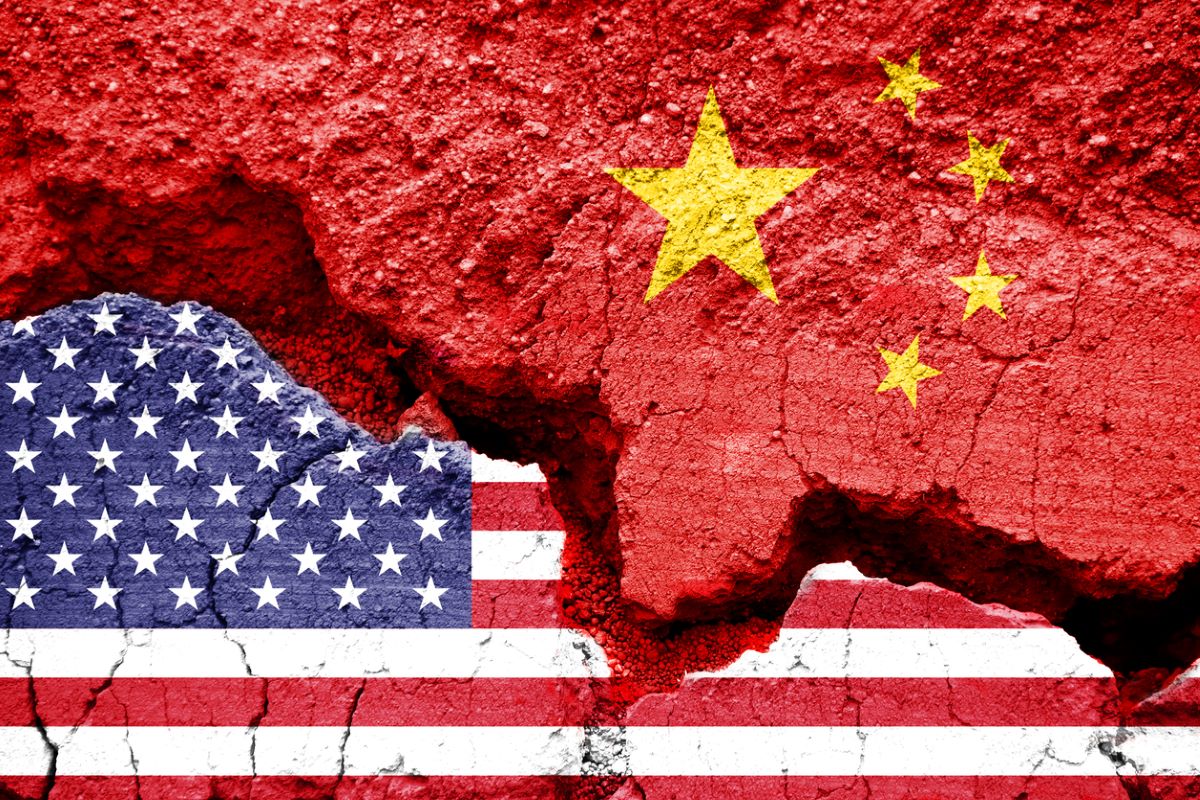
“We need to discard the Cold War mentality and seek peaceful coexistence and win-win outcomes. Our world today is far from being tranquil. Protectionism and unilateralism can protect no one. Even worse are the practices of hegemony and bullying, which run counter to the tide of history. A zero-sum approach that enlarges one’s own gain at the expense of others will not help. The right way forward for humanity is peaceful development and win-win cooperation.”