Strategic Survival
India’s energy policy is often described in the language of “security”. That framing is comforting ~ and misleading.
India’s energy policy is often described in the language of “security”. That framing is comforting ~ and misleading.
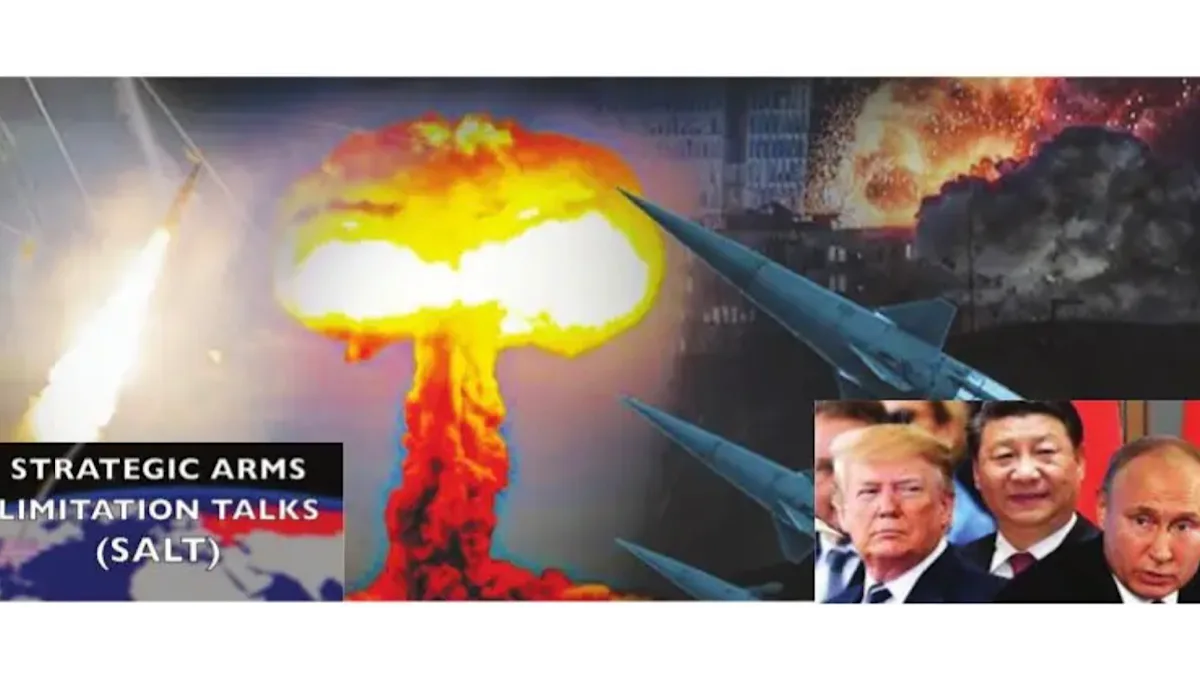
The nuclear arms race and Cold War, begun during the closing stages of World War II, gradually petered down with SALT (Strategic Arms Limitation Talks) I and II agreements of 1972 and 1979 between the US and USSR.
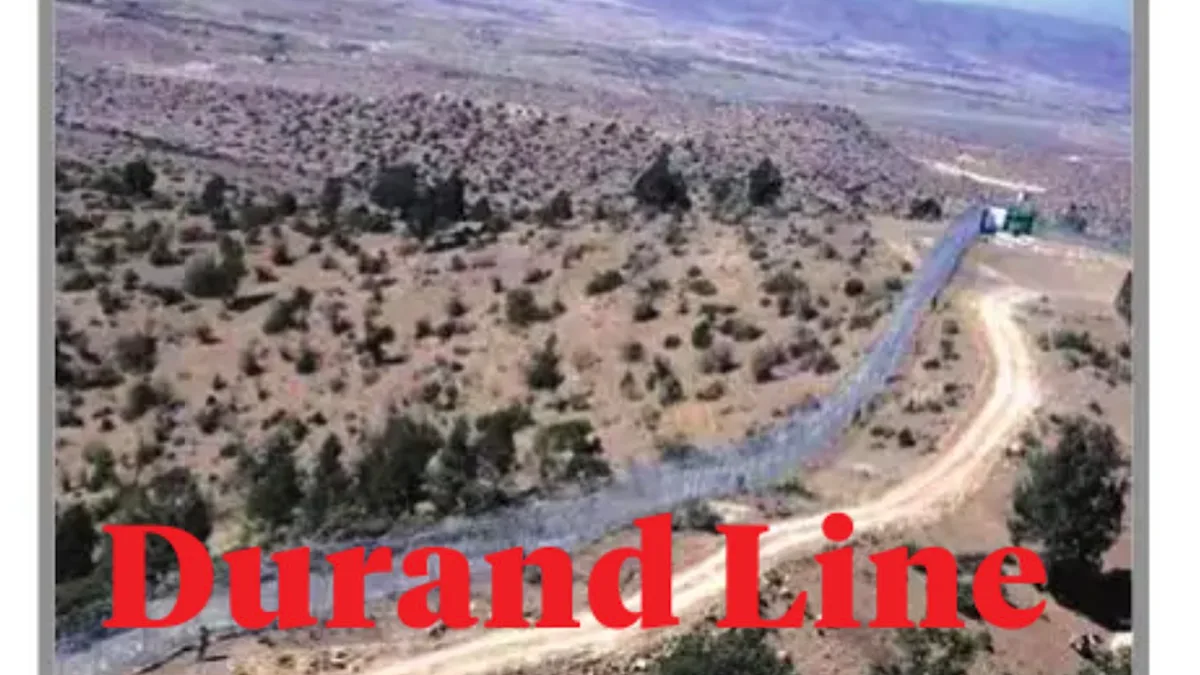
The 2,640-km-long Durand Line is more than just a frontier. It is a century-old scar on the map of South Asia - a scar that has bled into three Anglo-Afghan wars, the Cold War, the Taliban’s rise, and today’s great power rivalries. For the Afghan Pashtun, this line is not history.

The relationship between India and Canada has been marked by periods of highs and lows, influenced by factors such as the Cold War, nuclear non-proliferation issues, and trade disputes.

The sudden exclusion of Chinese nationals from America’s National Aeronautics and Space Administration (NASA) is more than an administrative directive.
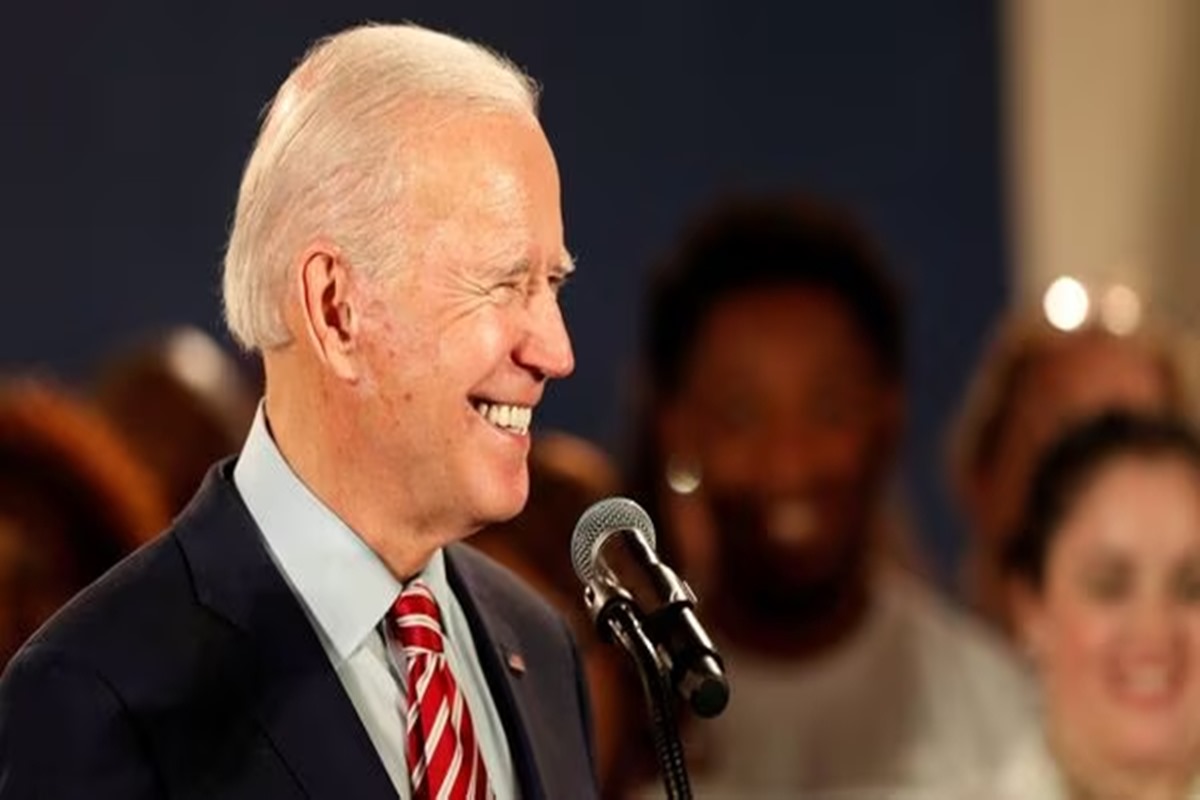
American journalist Evan Gershkovich and former Marine Paul Whelan were released by Russia on Thursday in an exchange of prisoners that has been described as the largest since the height of the Cold War.
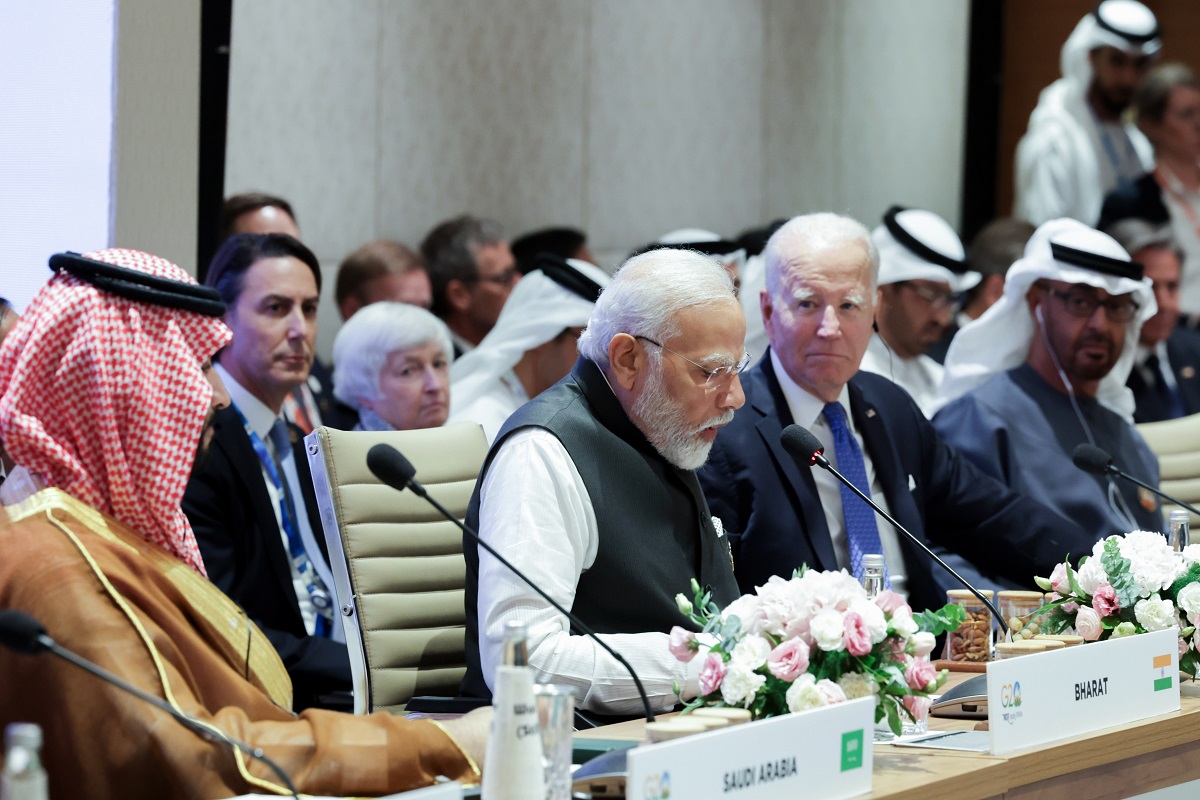
In a world rife with geopolitical complexities, the Indo-US “2+2 Dialogue” emerges at a crucial juncture in the evolving landscape of international relations.

Now, the danger which has been flagged by the alliance chiefs is that technological innovation by small companies, start-ups, and researchers is the new target.
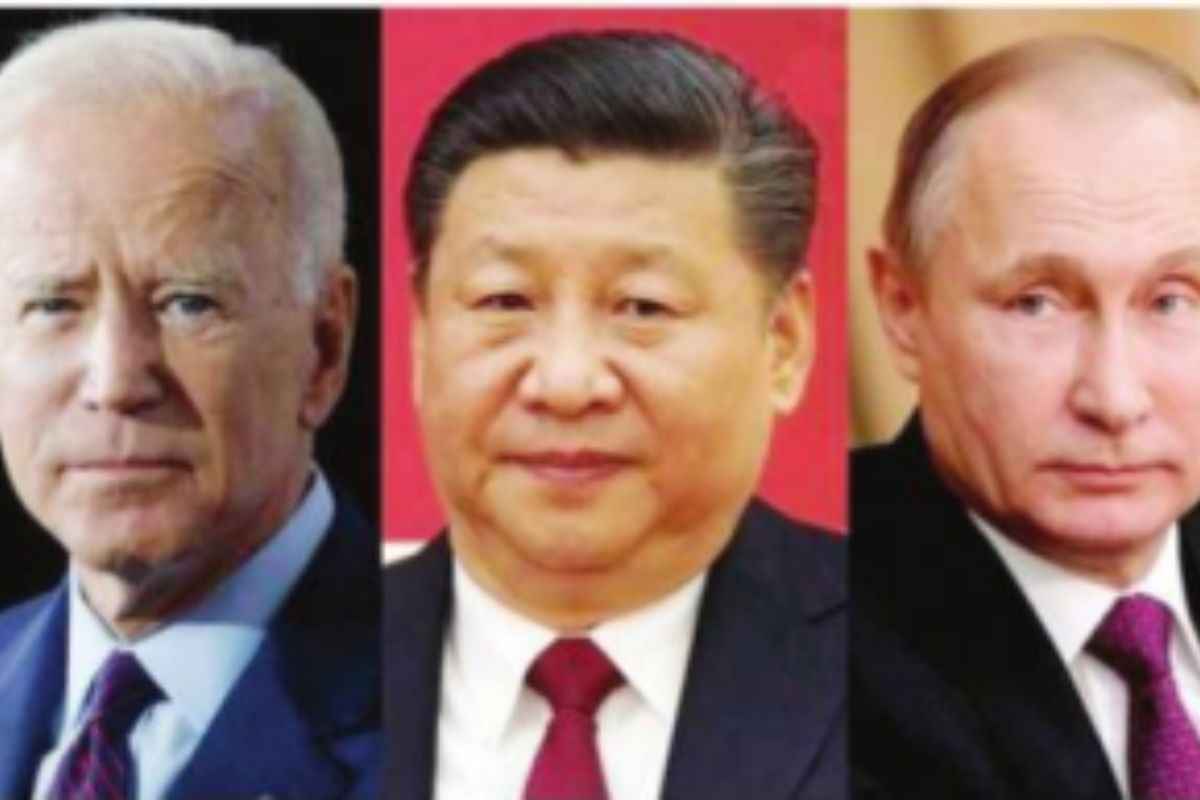
However, the actual possibility of a new Cold War in 2023 remains very slim. Why is that?
Historically, India has maintained an equidistant relationship with geopolitical power blocs. India located itself at a safe centre in the…