Fragmented climate responses won’t work
For much of the past three decades, climate change occupied a distinct corner of public policy.
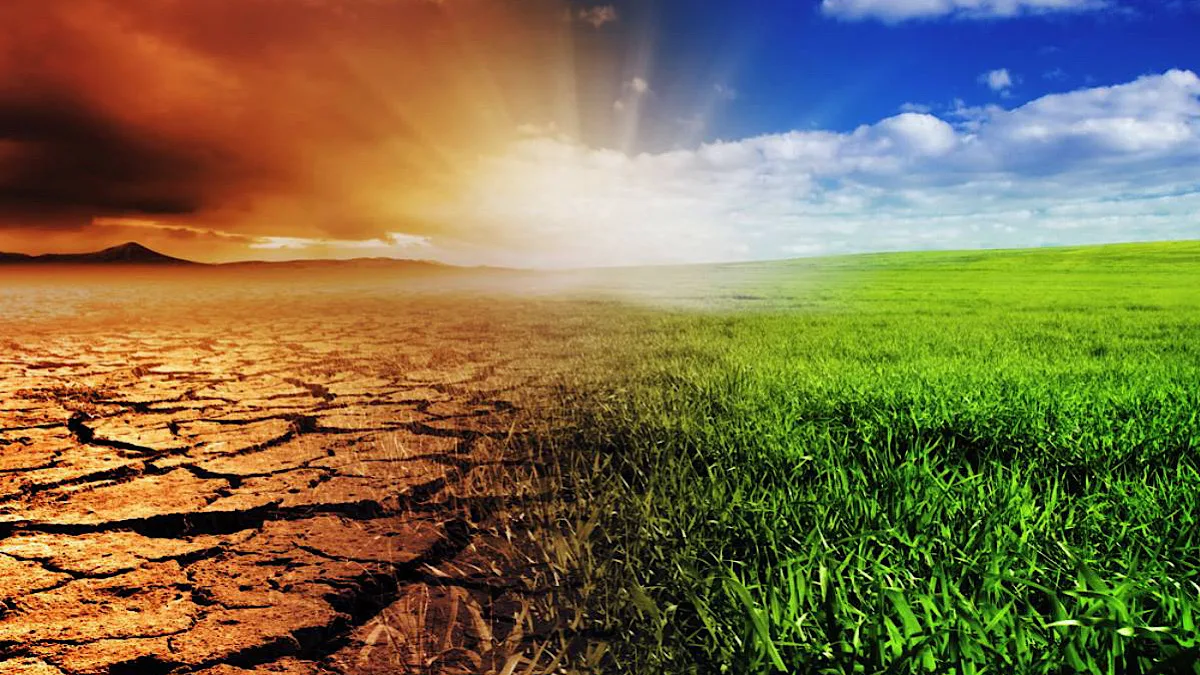
For much of the past three decades, climate change occupied a distinct corner of public policy.
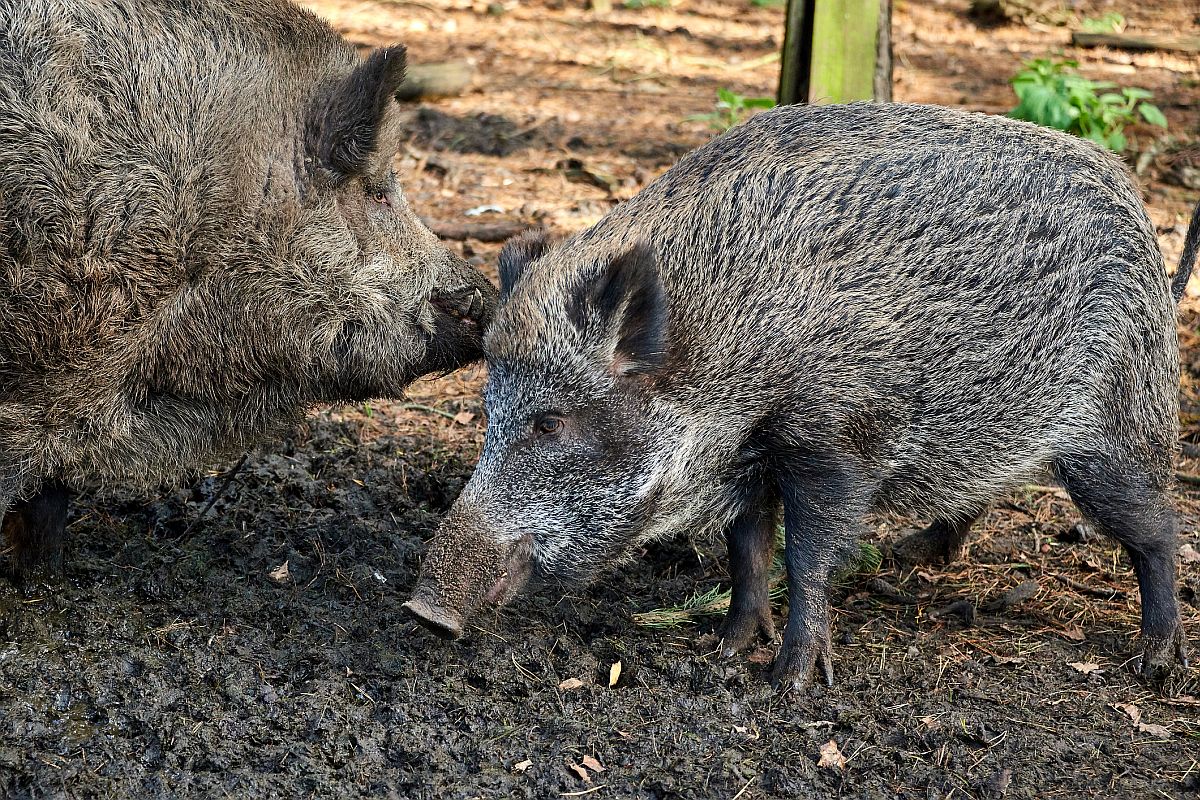
Wildlife experts deliberated on the decision to expand conservation efforts for Pygmy Hog, the smallest and rarest wild pig, at the national level and include them in India’s species recovery programme, according to officials from the Ministry of Environment, Forest and Climate Change.

Nearly 8 BCM lost in two weeks as reservoirs shrink, groundwater declines and river basins face mounting pressure before monsoon

The word ‘emergency’ evokes an intense sense of unease, often associated with the suspension of established norms and procedures in pursuit of a perceived larger objective. Different forms of emergencies command our attention in different ways.
The emphasis of modern environmental policy has been on prevention. Governments, international institutions and activists have rightly focused on reducing emissions, protecting ecosystems and slowing the pace of climate change.

Environmental activists from Just Stop Oil target private jets, including one reportedly used by Taylor Swift, in a climate protest at Stansted Airport.
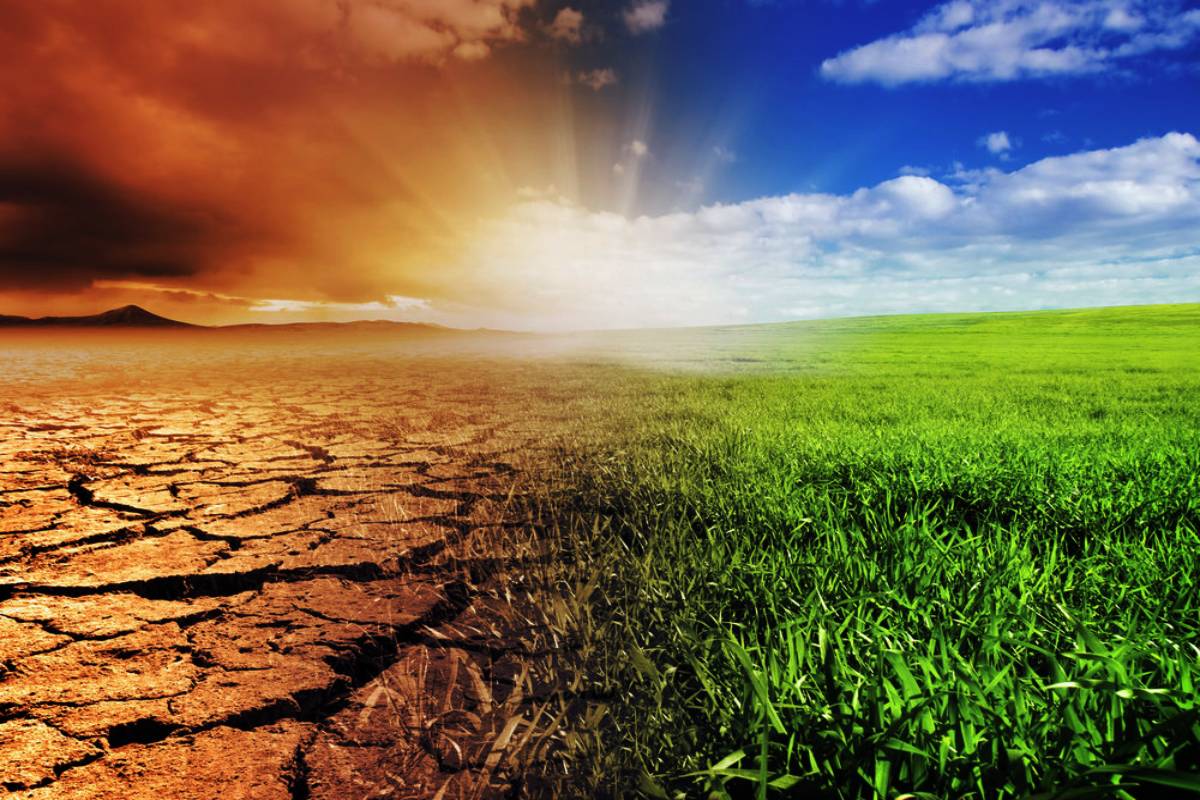
As the world hits the 12th consecutive month with record-high global temperatures, it is no surprise that there have been so many extreme weather events.

India is facing a potentially severe agricultural and humanitarian crisis due to the delayed arrival of the monsoon.

Climate change, with rising temperatures and altered precipitation patterns, disrupts insect life cycles and habitats, causing many species to struggle to adapt.
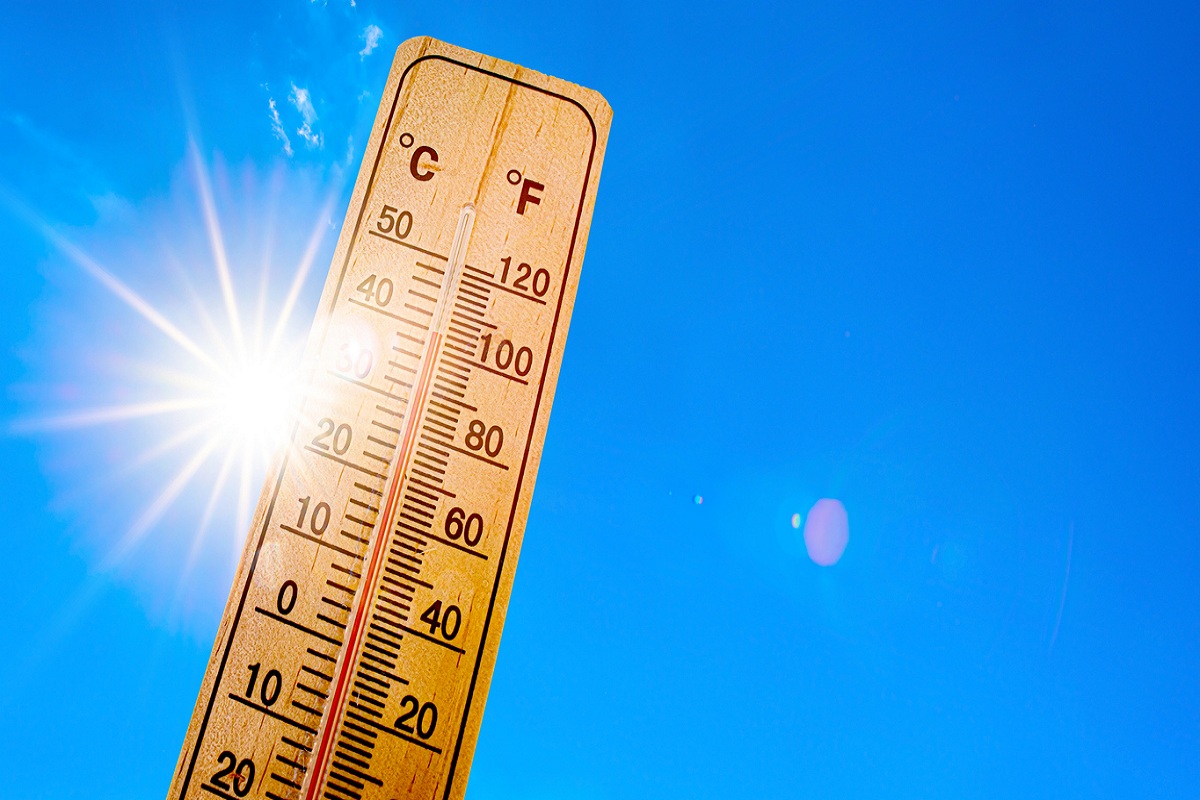
As heat waves threaten economic growth and health and test resilience across Indian states, measures must be taken to tackle the rising impacts of heat and the resulting changes in monsoon patterns.