Fragmented climate responses won’t work
For much of the past three decades, climate change occupied a distinct corner of public policy.
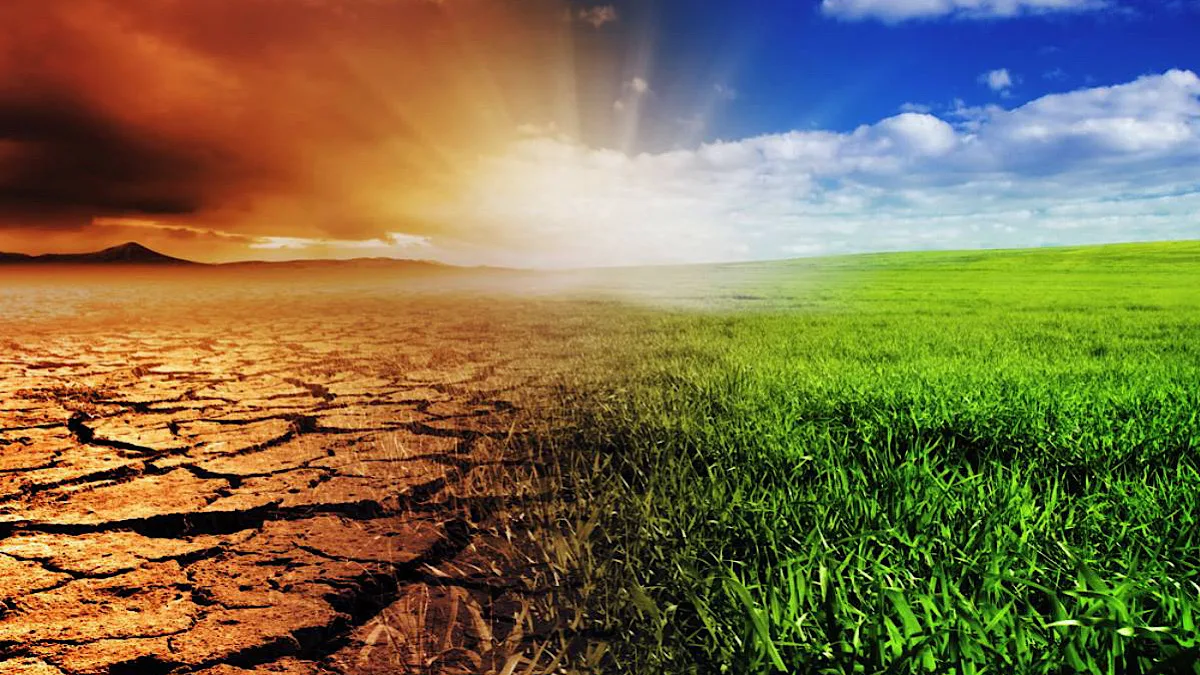
For much of the past three decades, climate change occupied a distinct corner of public policy.
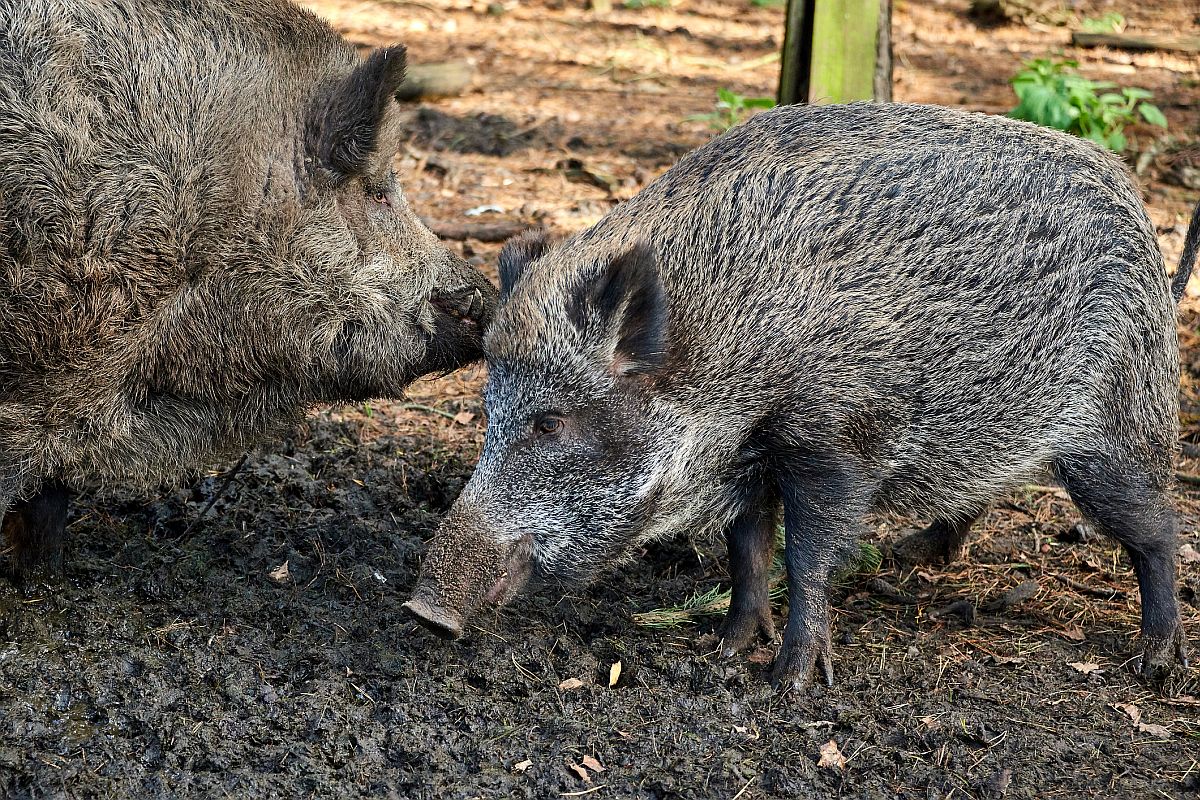
Wildlife experts deliberated on the decision to expand conservation efforts for Pygmy Hog, the smallest and rarest wild pig, at the national level and include them in India’s species recovery programme, according to officials from the Ministry of Environment, Forest and Climate Change.

Nearly 8 BCM lost in two weeks as reservoirs shrink, groundwater declines and river basins face mounting pressure before monsoon

The word ‘emergency’ evokes an intense sense of unease, often associated with the suspension of established norms and procedures in pursuit of a perceived larger objective. Different forms of emergencies command our attention in different ways.
The emphasis of modern environmental policy has been on prevention. Governments, international institutions and activists have rightly focused on reducing emissions, protecting ecosystems and slowing the pace of climate change.

Kerala is once again in the news for an extreme weather event, as its Wayanad district reels from destruction wreaked by one of the most devastating landslides triggered by incessant monsoon rains.
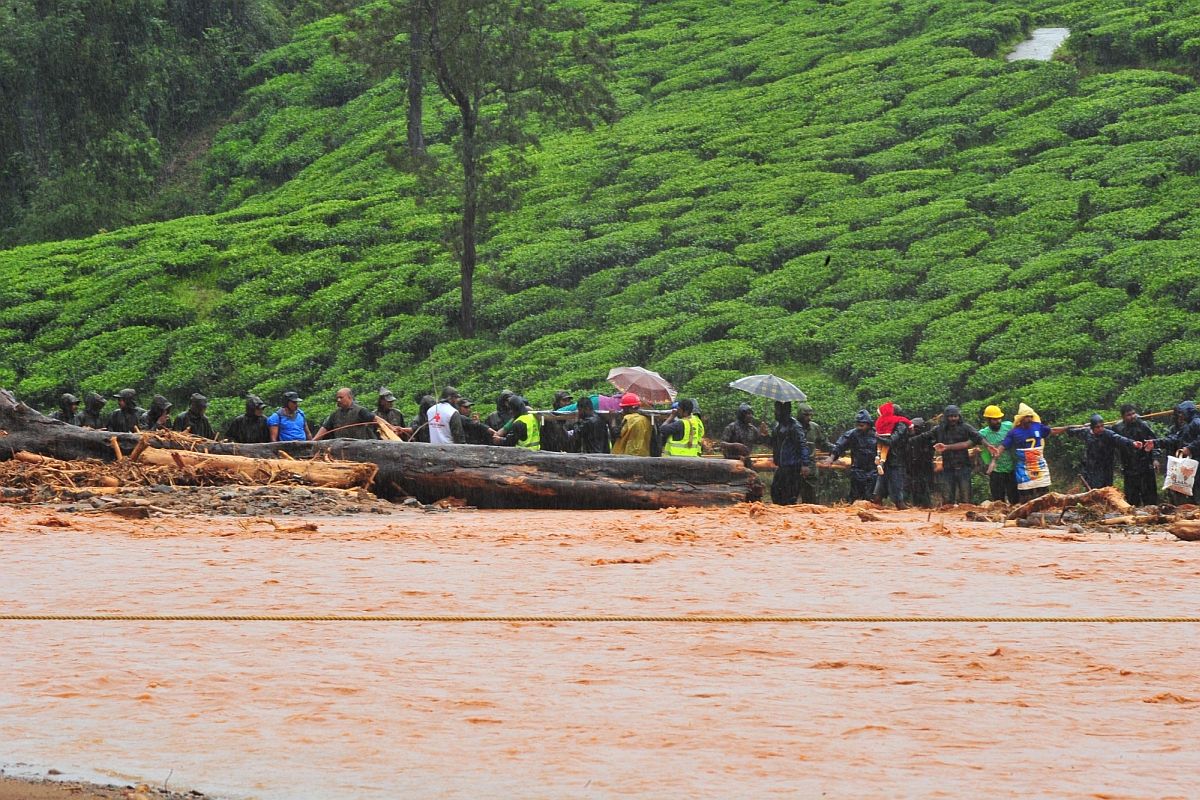
The landslide in Wayanad, Kerala, is a stark reminder of the increasing vulnerability of our natural landscapes to the forces of climate change.

South African President Cyril Ramaphosa has signed into law the Climate Change Bill, which seeks to set out a national response to climate change, including mitigation and adaptation actions.

I n the new geopolitical contestation and great power rivalry that has seen the United States and China pitched against each other in spreading their respective spheres of influence in various regions of the world, the smaller countries are exposed to their vulnerabilities when wooed either by strategic compulsions or economic doles.

Spurred by climate change and global trade, pathogens that cause plant diseases and crop-destroying pests are increasing and spreading far and wide.