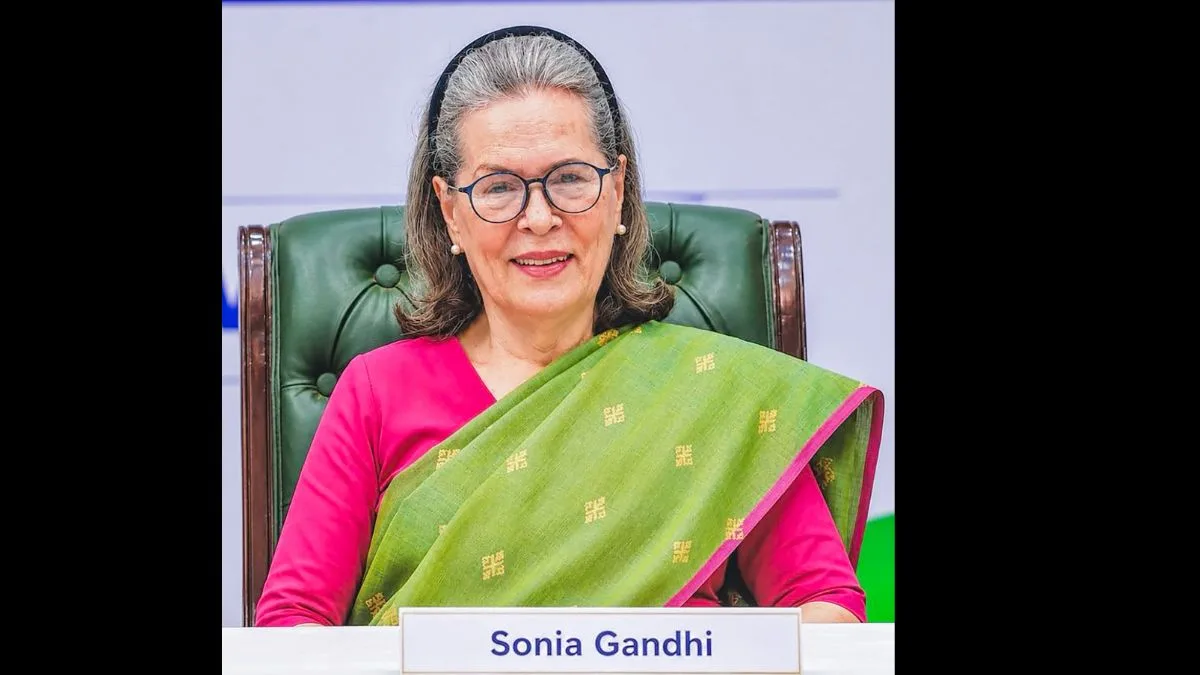
Striving for the Gandhian ideal
Generally, it is taken for granted that the journey on the path of development is accompanied by increasing urbanization.
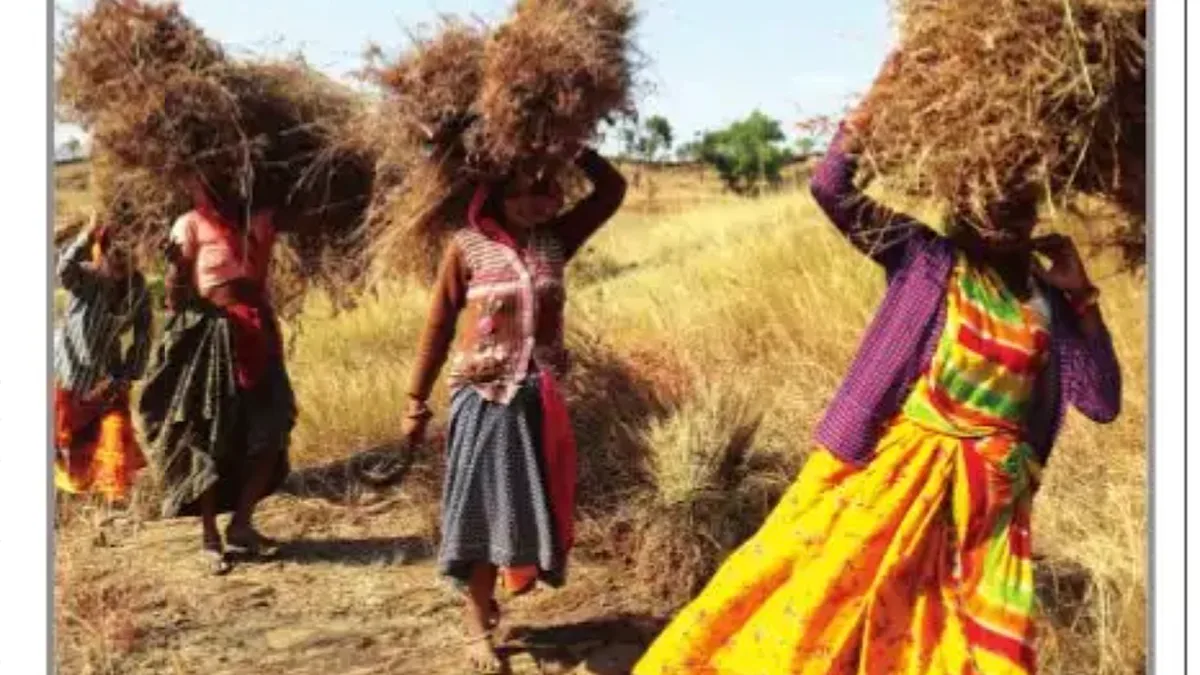
Generally, it is taken for granted that the journey on the path of development is accompanied by increasing urbanization.

A doctor and nursing staff at a Maharashtra hospital were allegedly assaulted by a local corporator, exposing a disturbing irony.

The barricading of the Shambhu border in Haryana to prevent farmers from travelling to Delhi raises a question larger than the protest itself.
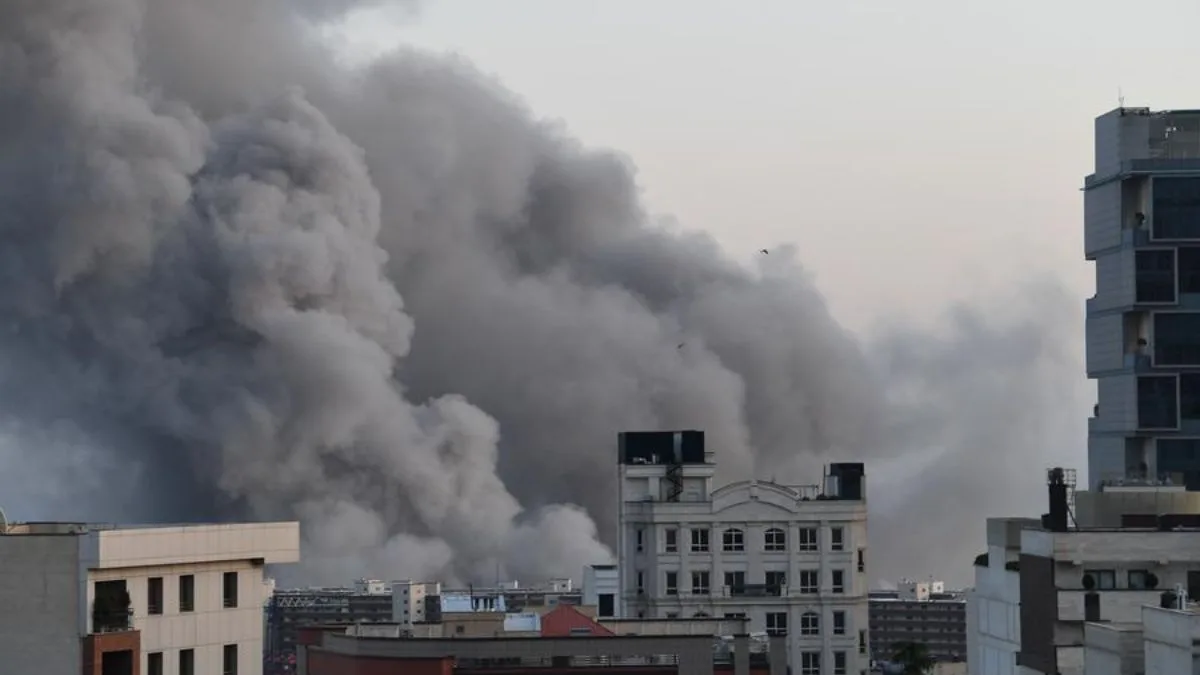
The renewed war between the United States and Iran has again placed American and Israeli military interests on apparently common ground.
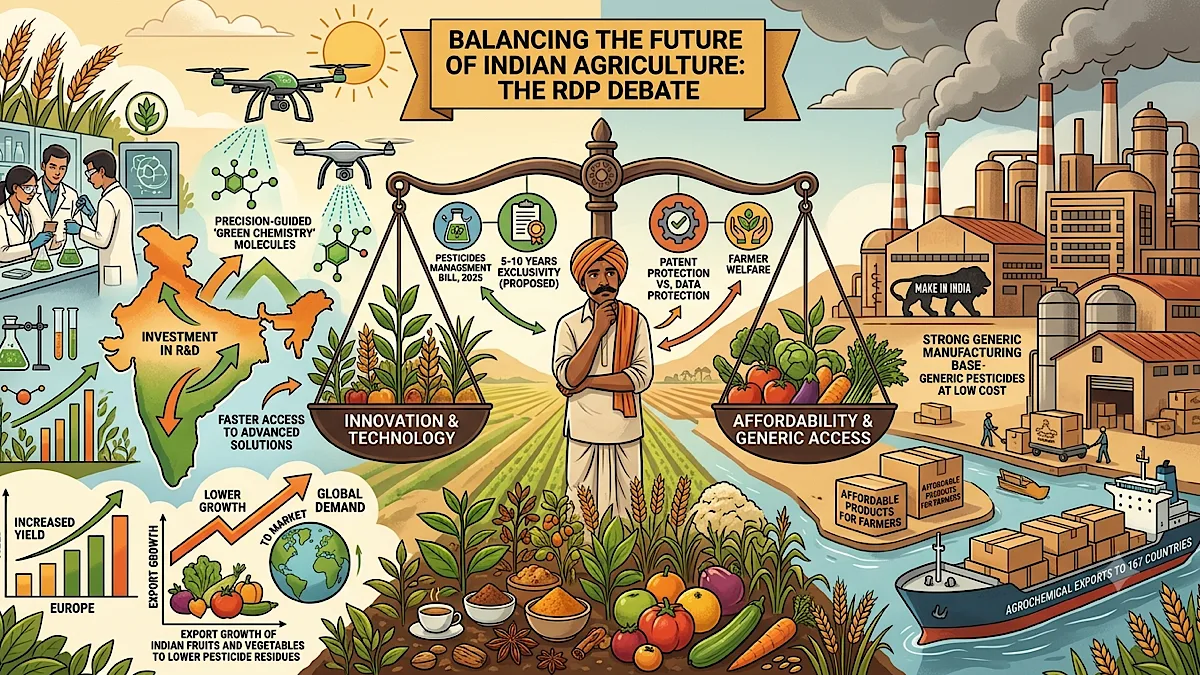
India’s agrochemical industry, a major global hub for crop protection product manufacturing, is at the heart of a significant policy discussion that could shape the future of agricultural innovation, domestic production, exports, and farmer welfare.

These days looking at newspapers one cannot but notice a striking anomaly; while the Government and its various ministers insist that there is no shortage of gas, the same newspapers show pictures of long queues at gas shops, and feature stories of migrant labour returning home because domestic gas was not available, or of industrial units shutting down due to gas shortage.

Occasionally, democratic systems reve al their weaknesses through stress points rather than withstand them.
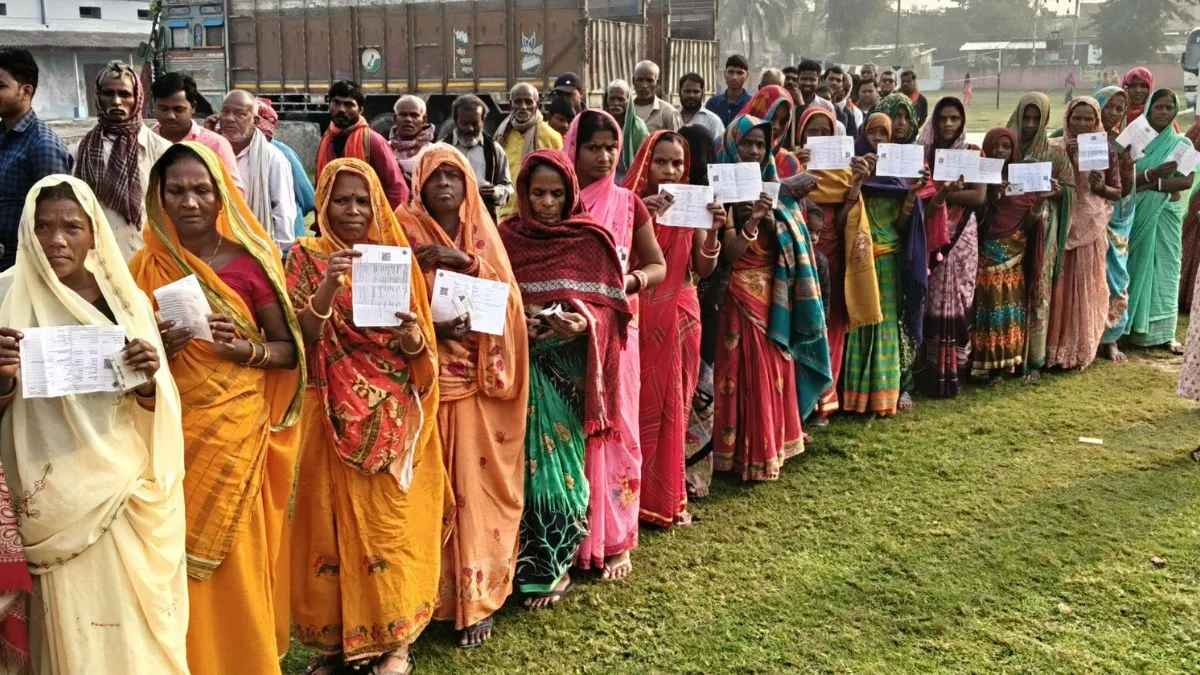
There are some seats which are reserved for the Scheduled Caste (SC) in both parliamentary and assembly elections.

The recent eruption of worker unrest across industrial clusters like Noida is less a law-and-order problem than a stress test of India’s economic model.
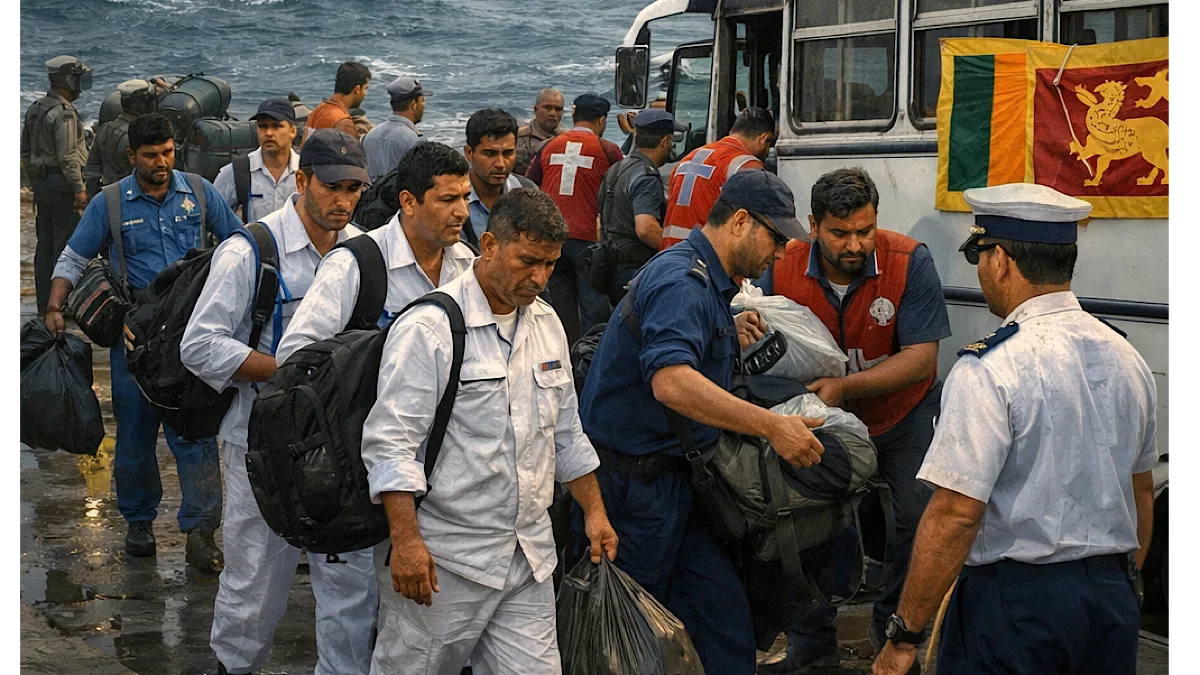
More than a month after a naval strike left them stranded, Iranian sailors are finally heading home from Sri Lanka, a delayed return that quietly marks the afterlife of a widening conflict.
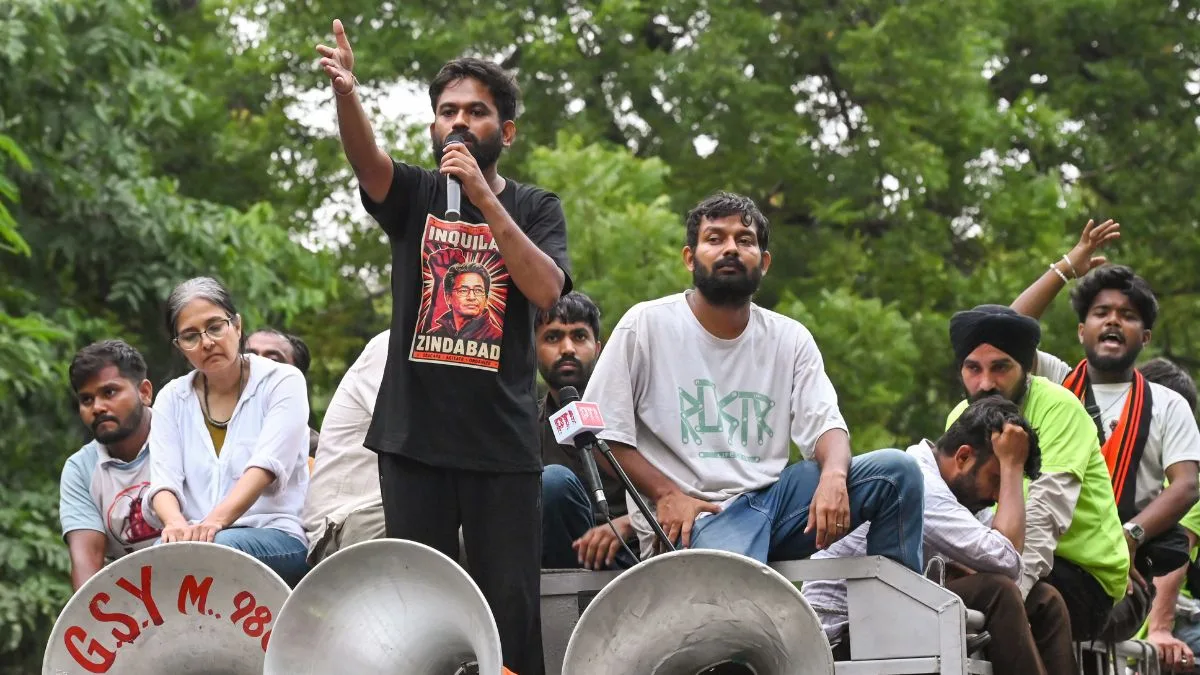
![‘Beginning of accountability’: Sonam Wangchuk reveals 3 written assurances from Centre before ending fast [VIDEO]](https://www.thestatesman.com/wp-content/uploads/2026/07/Sonam-Wangchuk-1-1.webp)