Striving for the Gandhian ideal
Generally, it is taken for granted that the journey on the path of development is accompanied by increasing urbanization.
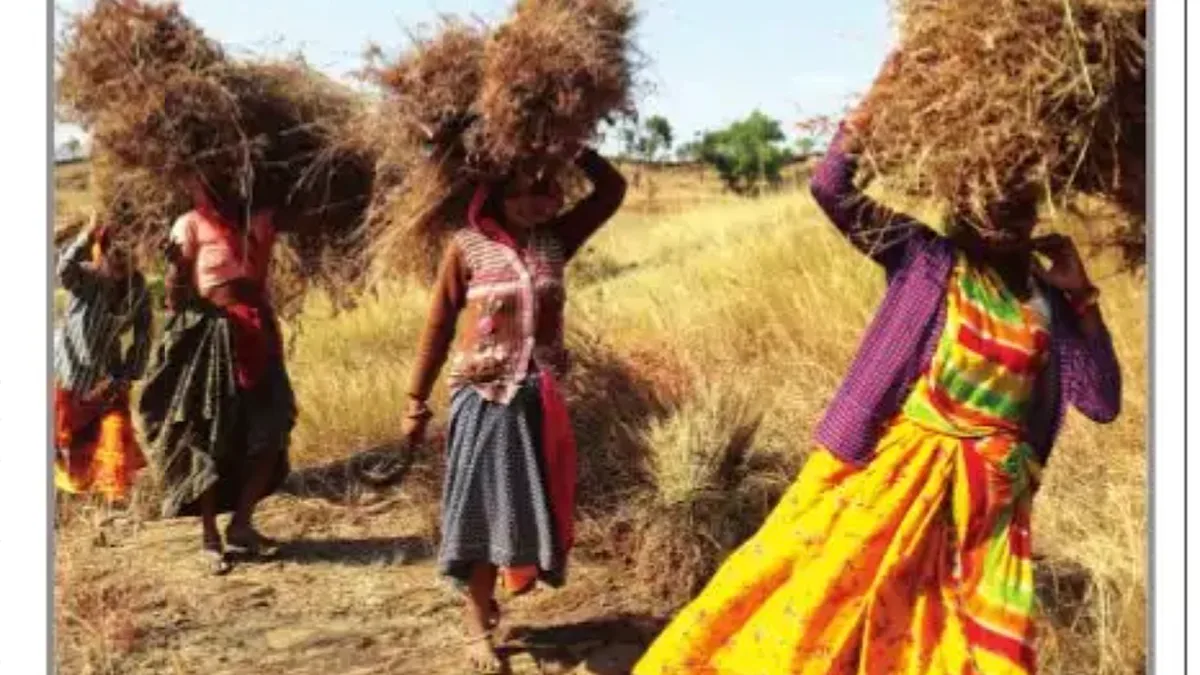
Generally, it is taken for granted that the journey on the path of development is accompanied by increasing urbanization.

A doctor and nursing staff at a Maharashtra hospital were allegedly assaulted by a local corporator, exposing a disturbing irony.
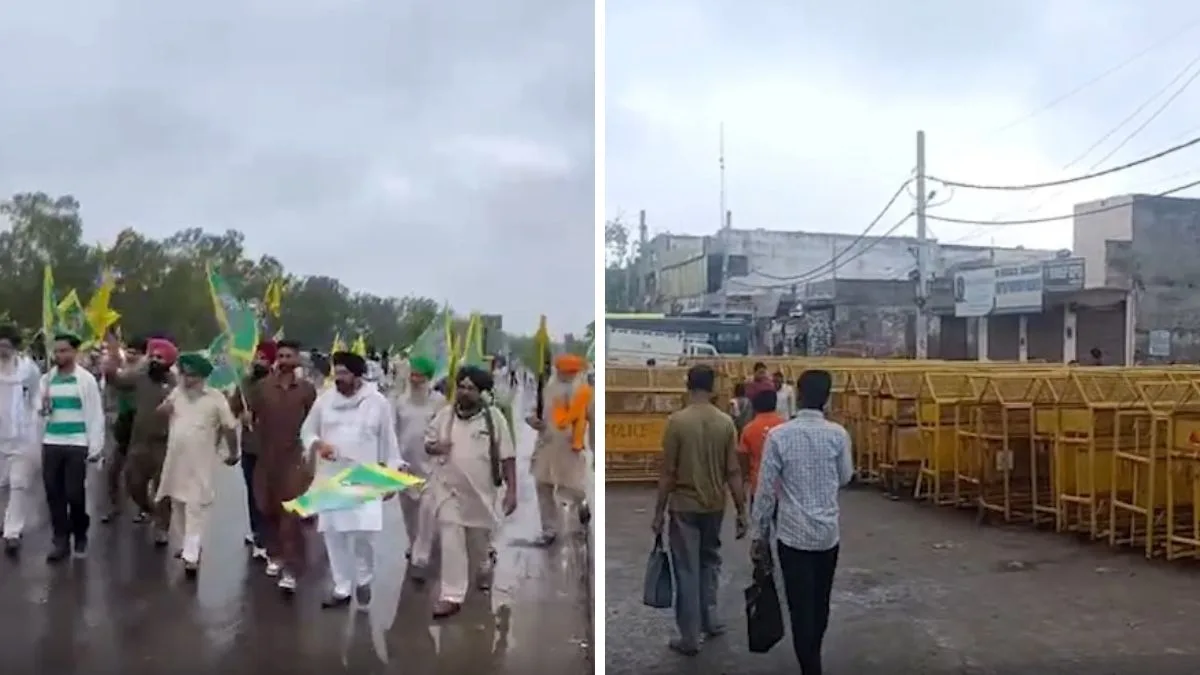
The barricading of the Shambhu border in Haryana to prevent farmers from travelling to Delhi raises a question larger than the protest itself.
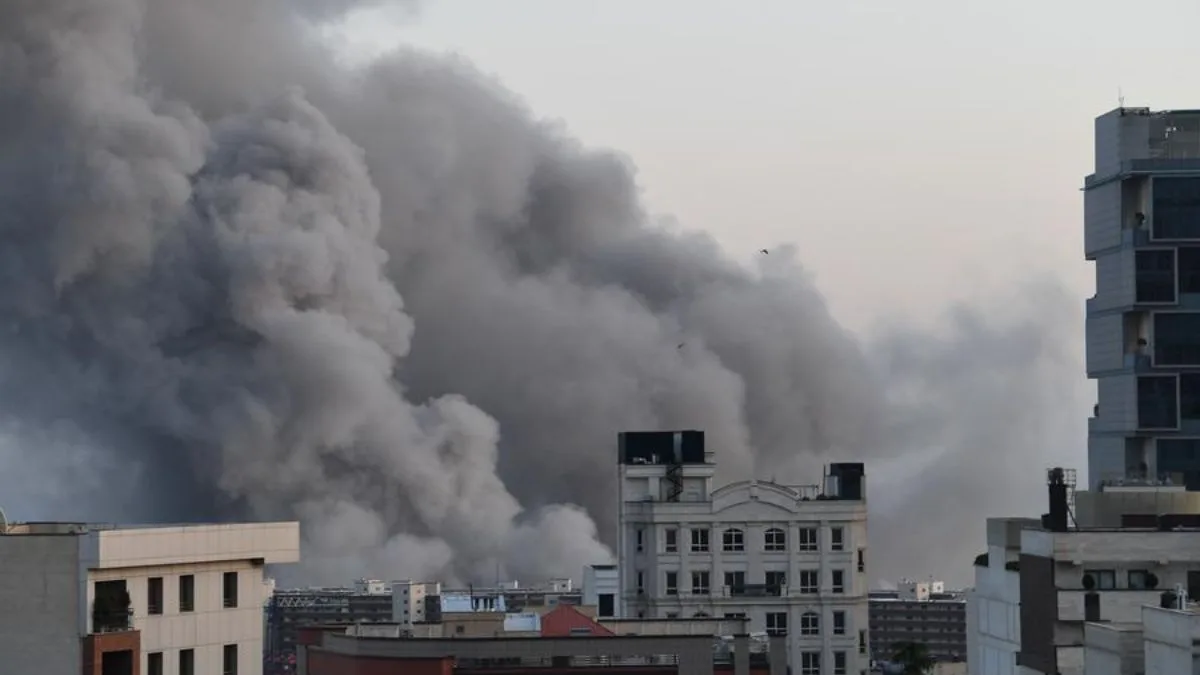
The renewed war between the United States and Iran has again placed American and Israeli military interests on apparently common ground.
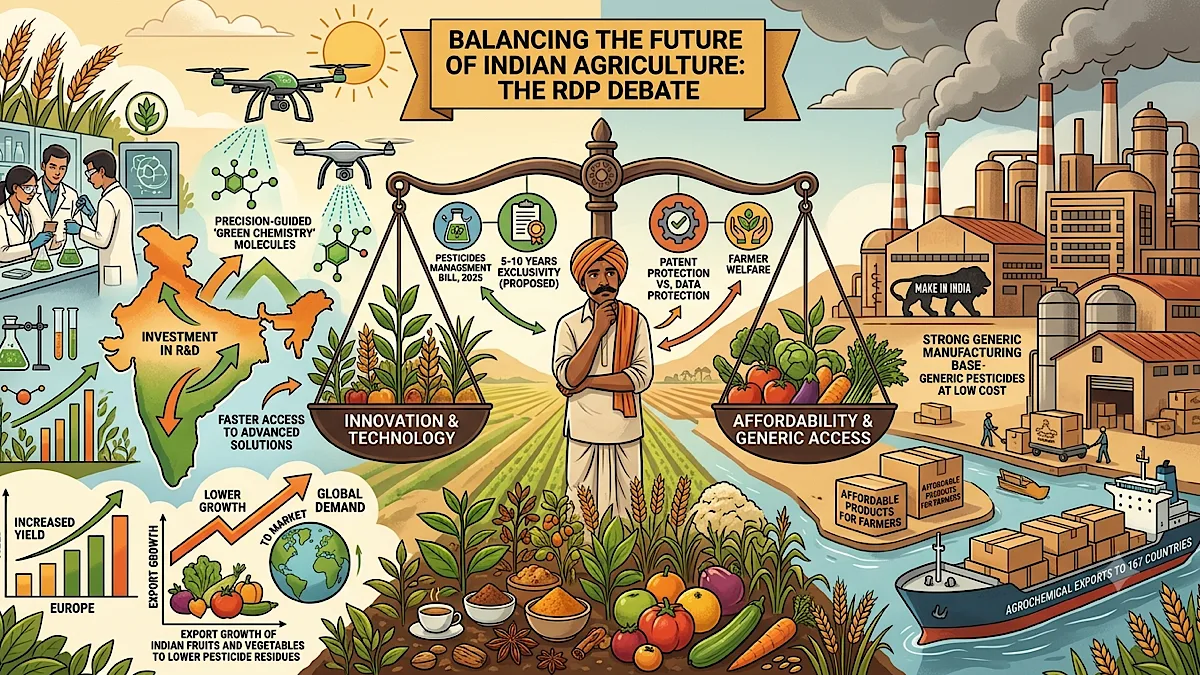
India’s agrochemical industry, a major global hub for crop protection product manufacturing, is at the heart of a significant policy discussion that could shape the future of agricultural innovation, domestic production, exports, and farmer welfare.

India’s policy imagination consistently outstrips its capacity to deliver. From flagship welfare schemes to ambitious infrastructure programmes, the country designs transformative policy with striking regularity and then watches much of it lose fidelity between the drafting table and the last mile.

Delhi has done a lot right with its draft Electric Vehicle (EV) Policy 2026.
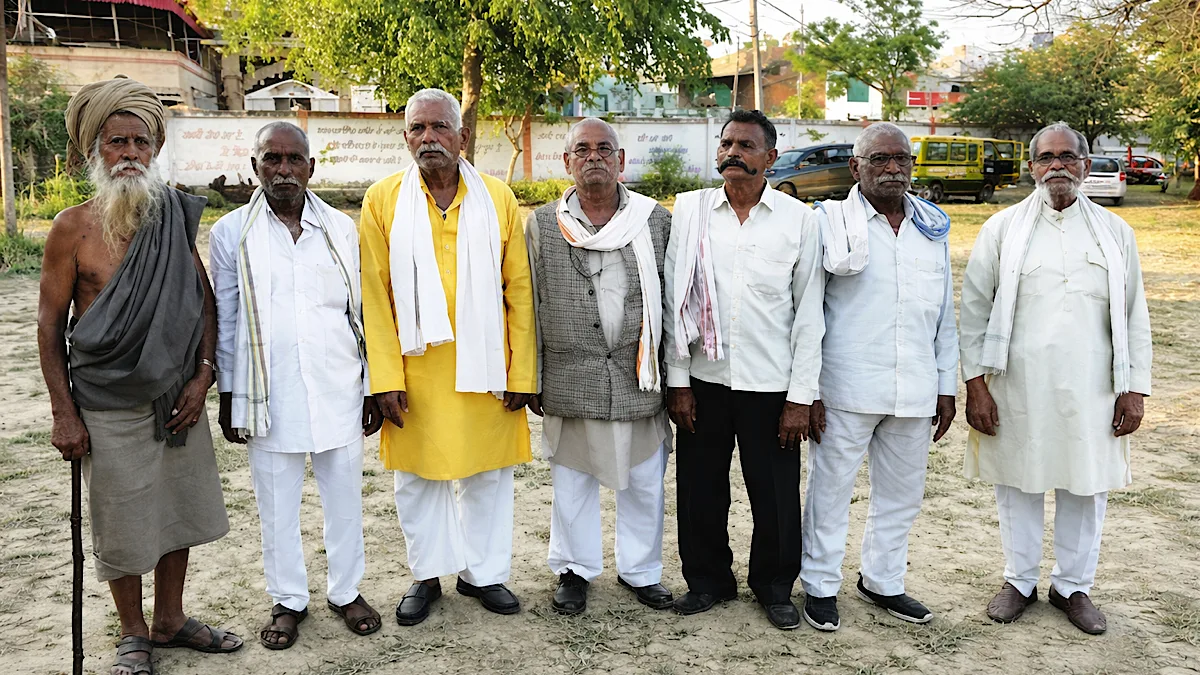
It was over five decades back in 1972 that hundreds of dacoits, or baagis as they are called locally, voluntarily surrendered in Chambal valley of central India as part of a wider and inspirational social initiative for significant, beneficial, and durable social change achieved by non-violence.

China’s latest growth numbers offer reassurance at first glance, but they obscure a more uncomfortable reality: the world’s second-largest economy is increasingly reliant on external demand at precisely the moment when the global environment is turning hostile.

When a Pope speaks of “tyrants” in a world saturated with conflict, he is not merely condemning violence; he is redrawing the moral map on which global power operates.
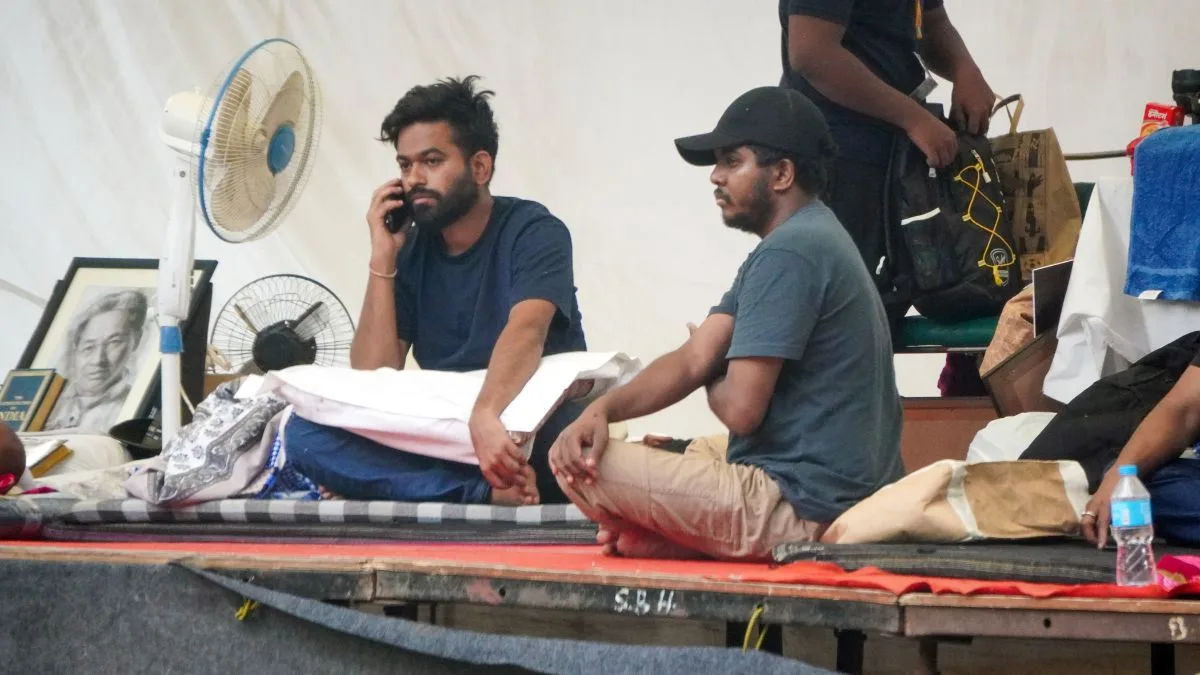
![‘Beginning of accountability’: Sonam Wangchuk reveals 3 written assurances from Centre before ending fast [VIDEO]](https://www.thestatesman.com/wp-content/uploads/2026/07/Sonam-Wangchuk-1-1.webp)