Striving for the Gandhian ideal
Generally, it is taken for granted that the journey on the path of development is accompanied by increasing urbanization.
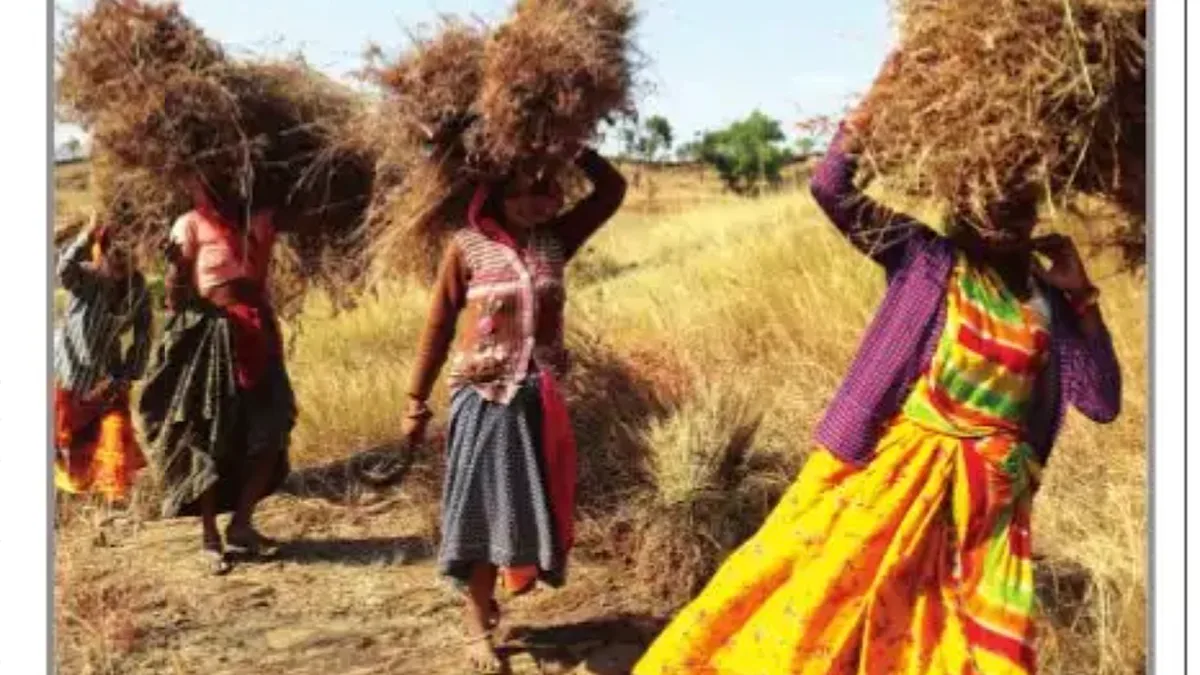
Generally, it is taken for granted that the journey on the path of development is accompanied by increasing urbanization.

A doctor and nursing staff at a Maharashtra hospital were allegedly assaulted by a local corporator, exposing a disturbing irony.
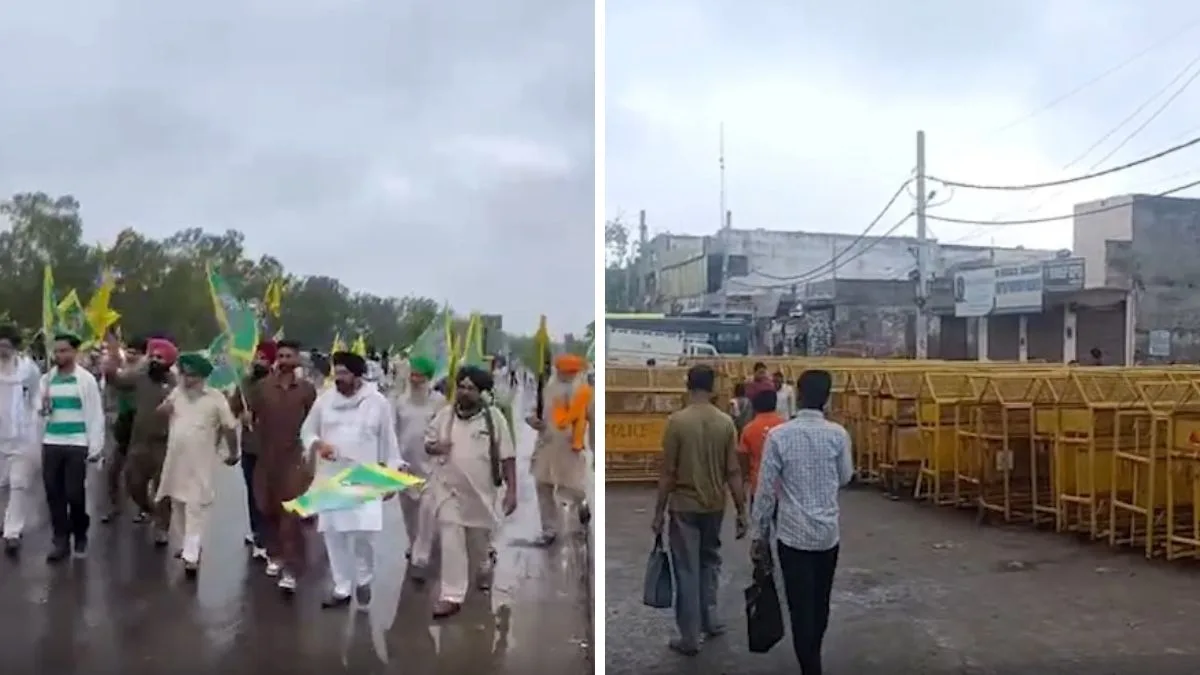
The barricading of the Shambhu border in Haryana to prevent farmers from travelling to Delhi raises a question larger than the protest itself.
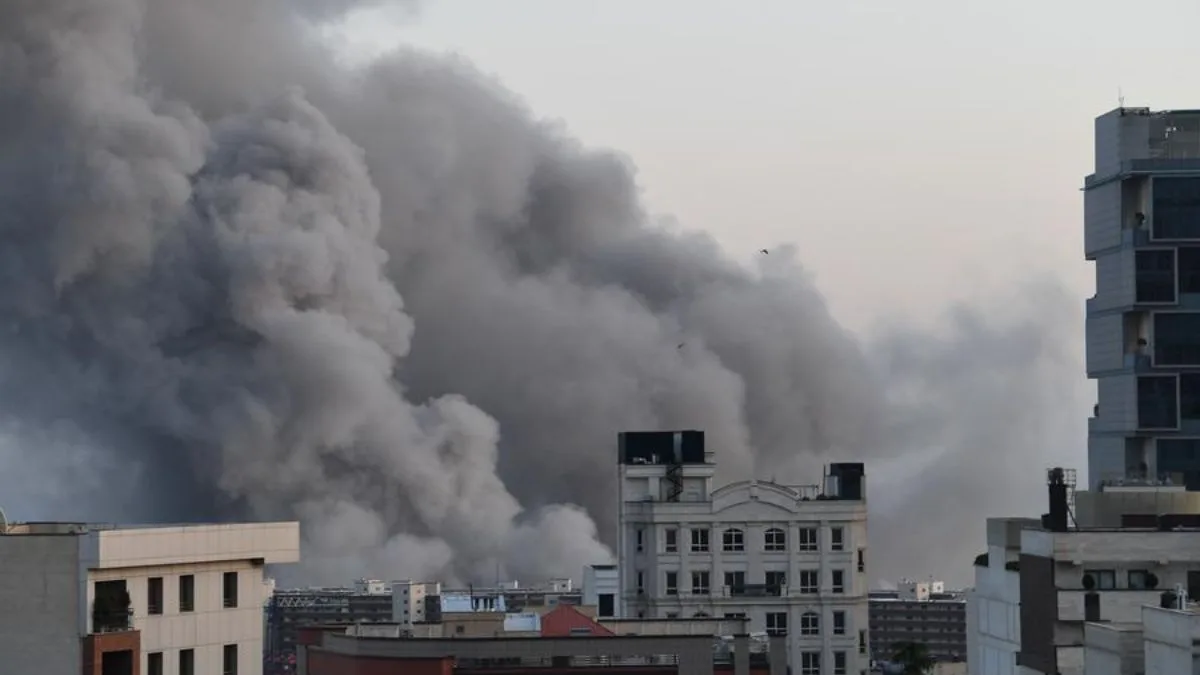
The renewed war between the United States and Iran has again placed American and Israeli military interests on apparently common ground.
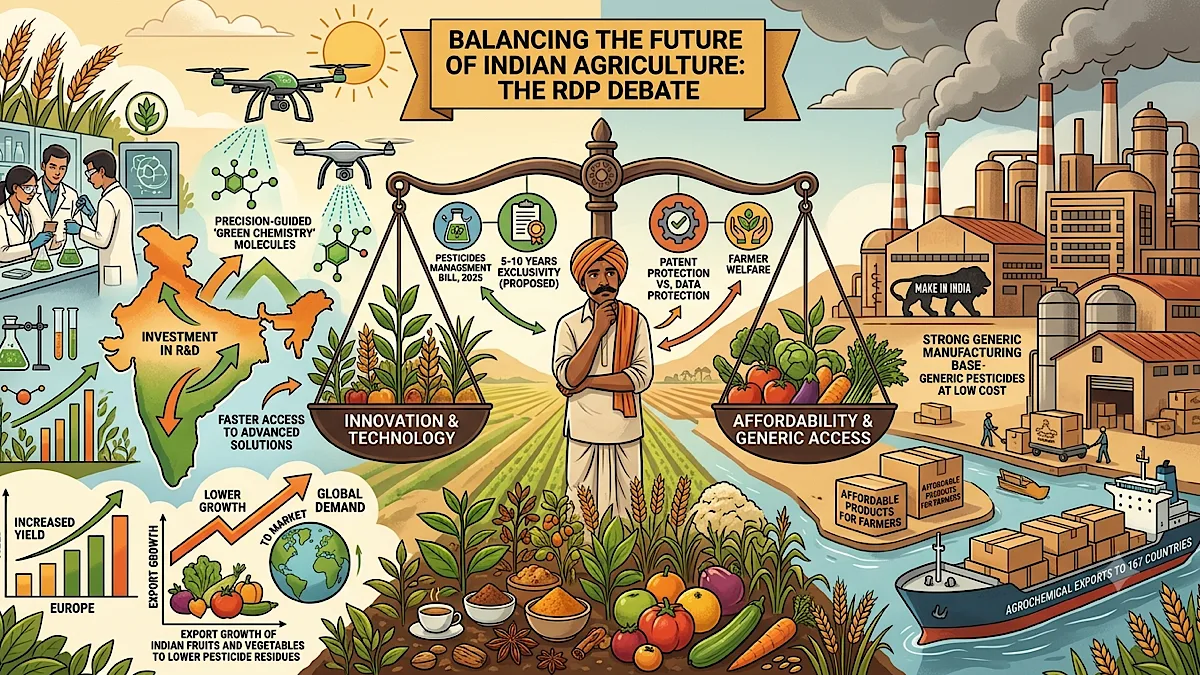
India’s agrochemical industry, a major global hub for crop protection product manufacturing, is at the heart of a significant policy discussion that could shape the future of agricultural innovation, domestic production, exports, and farmer welfare.
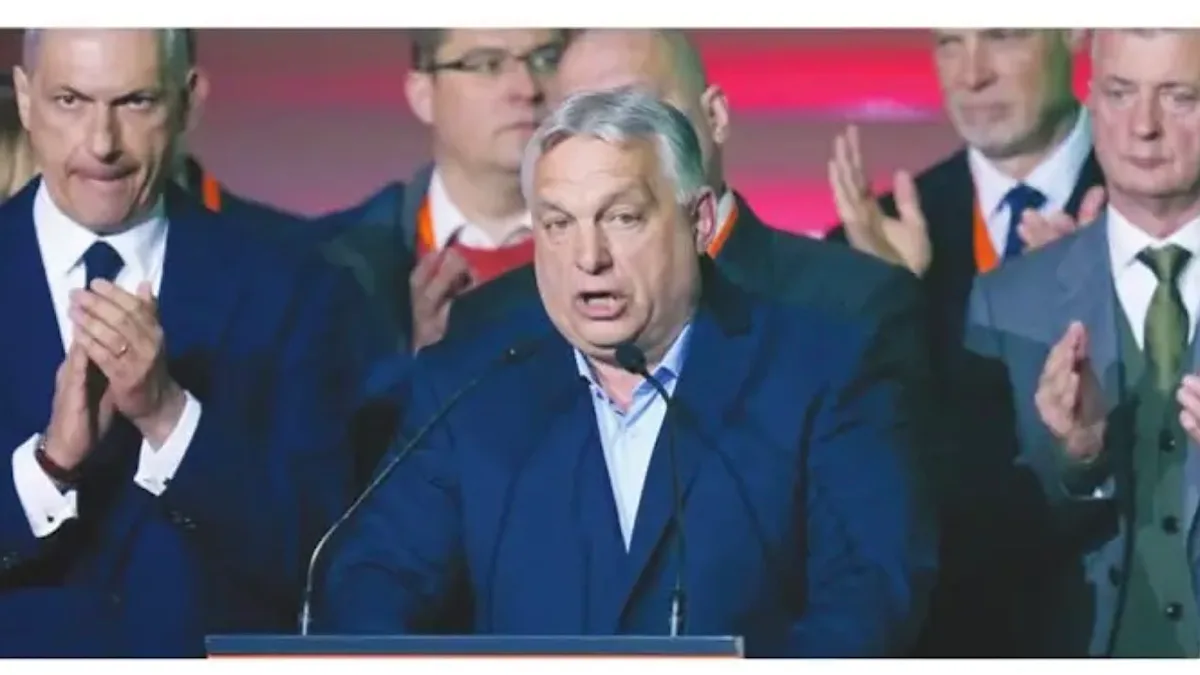
Recent times have seen “strongmen” leaders like Vladimir Putin, Xi Jinping, Mohammad Bin Salman, Paul Kagame, Kim Jong Un etc.

Delhi’s cheap electricity was never truly cheap. It was deferred. For years, power tariffs remained largely unchanged even as the real cost of generating, transmitting, and distributing electricity steadily increased.

The ceasefire in Iran is likely to end shortly, resulting in either renewed attacks or a peace deal, details of which could emerge soon. US President Donald Trump’s major blunder was assuming tactical superiority would enable strategic victory.

The debate over expanding the Lok Sabha and state assemblies has largely been framed in terms of numbers ~ how many seats, which states gain more than others, and whether India needs more Members of Parliament. But that focus risks missing a deeper institutional shift.

In the run-up to polling in West Bengal, a constitutional paradox has quietly taken shape, one that exposes the limits of legal remedies when they collide with electoral time.
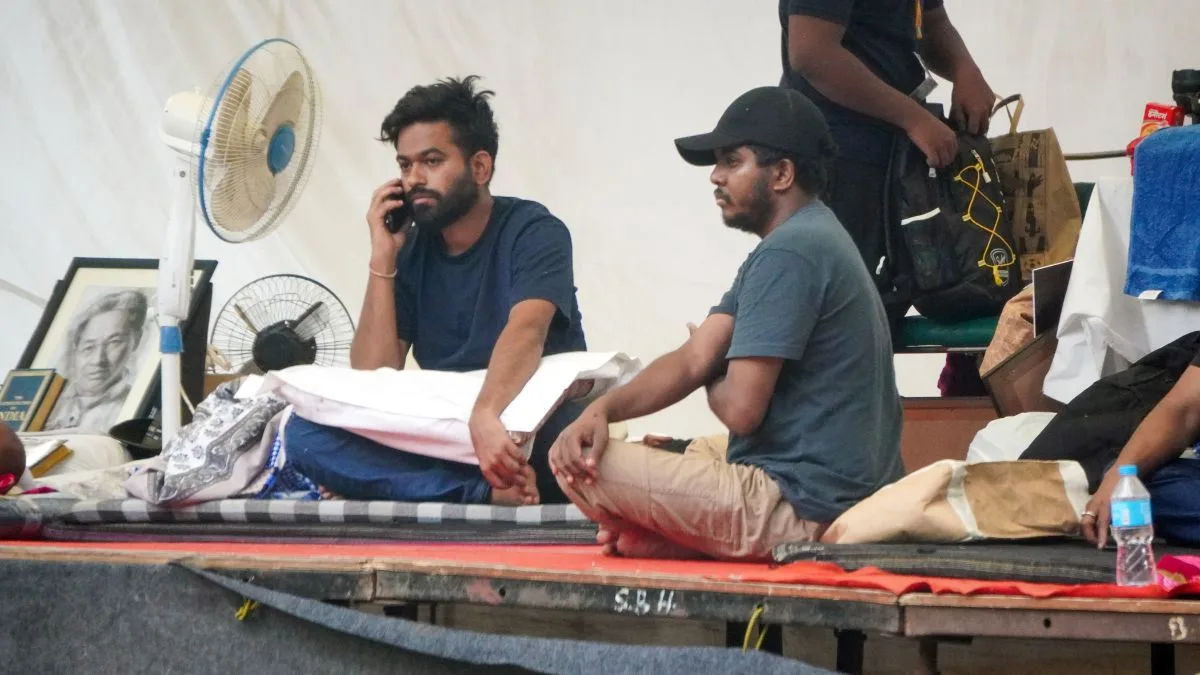
![‘Beginning of accountability’: Sonam Wangchuk reveals 3 written assurances from Centre before ending fast [VIDEO]](https://www.thestatesman.com/wp-content/uploads/2026/07/Sonam-Wangchuk-1-1.webp)