Striving for the Gandhian ideal
Generally, it is taken for granted that the journey on the path of development is accompanied by increasing urbanization.
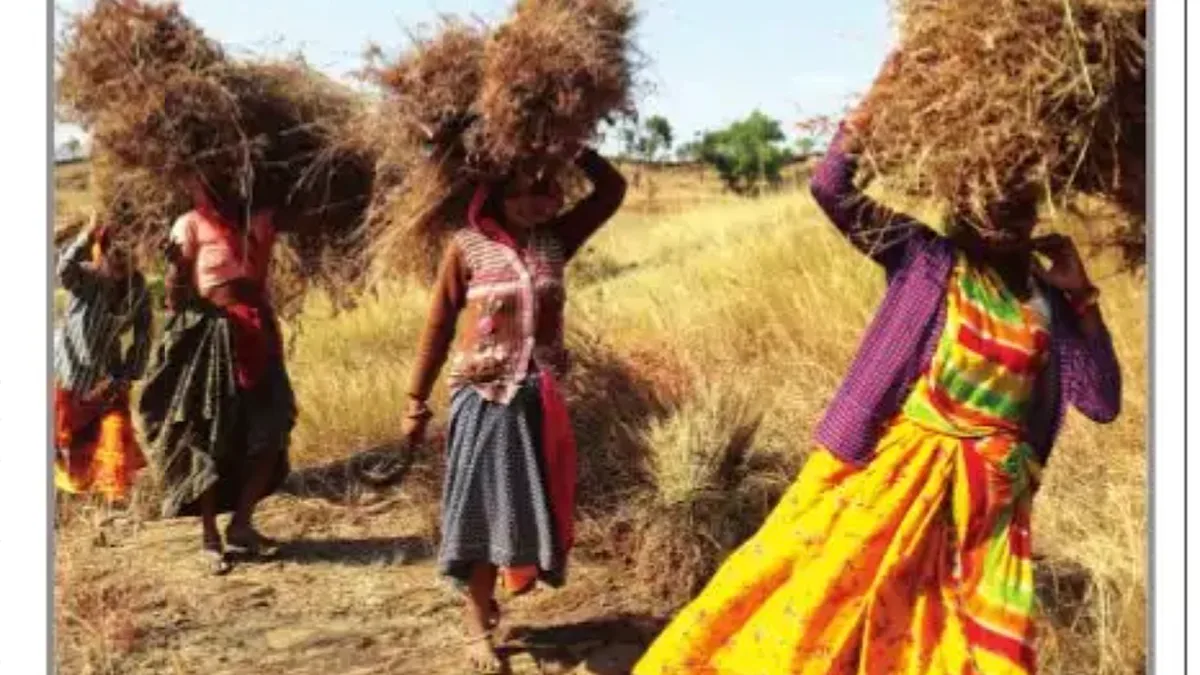
Generally, it is taken for granted that the journey on the path of development is accompanied by increasing urbanization.

A doctor and nursing staff at a Maharashtra hospital were allegedly assaulted by a local corporator, exposing a disturbing irony.

The barricading of the Shambhu border in Haryana to prevent farmers from travelling to Delhi raises a question larger than the protest itself.
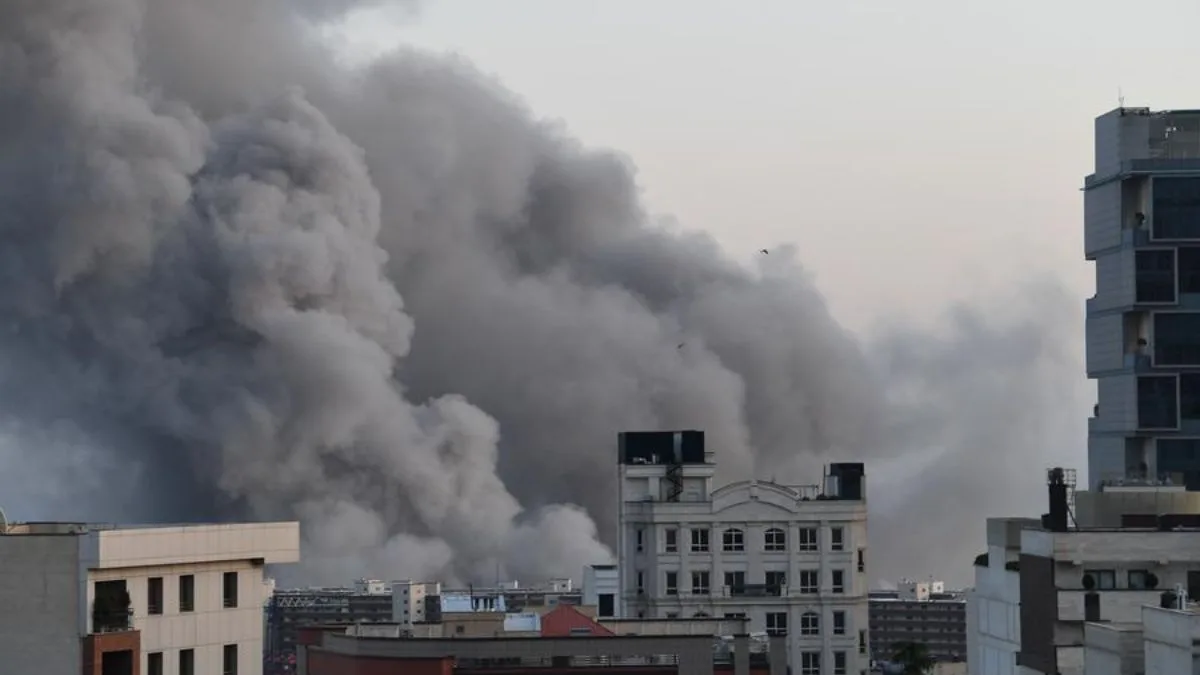
The renewed war between the United States and Iran has again placed American and Israeli military interests on apparently common ground.
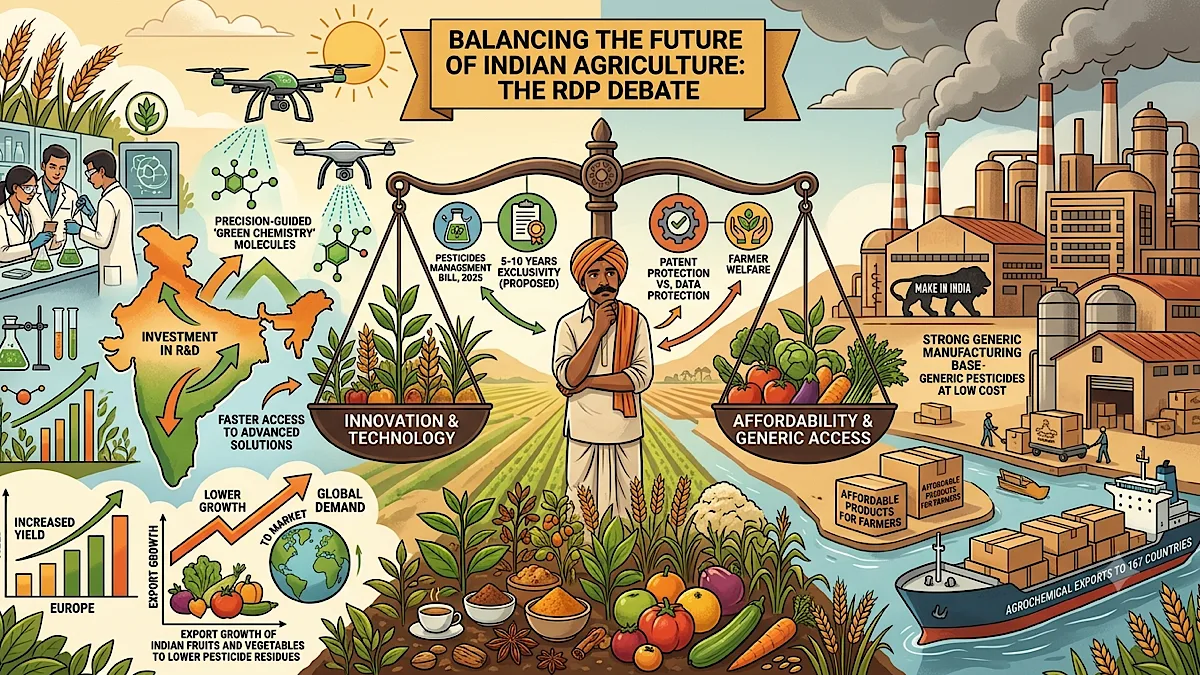
India’s agrochemical industry, a major global hub for crop protection product manufacturing, is at the heart of a significant policy discussion that could shape the future of agricultural innovation, domestic production, exports, and farmer welfare.

A few years ago, India set itself a bold target: $2 trillion total exports by 2030, split evenly between goods and services.

One of the worst environmental disasters Tehran experienced recently was when its oil refineries and depots were hit by US and Israeli jets.

India’s refusal to criminalise marital rape rests on a premise that is rarely stated plainly but widely enforced: that consent, once given at marriage, is permanent.

When a mid-sized power negotiates the transfer of territory tied to a critical military asset, sovereignty becomes a secondary question.

The League of Nations mandate system was designed to guide former Ottoman territories toward independence.
![‘Beginning of accountability’: Sonam Wangchuk reveals 3 written assurances from Centre before ending fast [VIDEO]](https://www.thestatesman.com/wp-content/uploads/2026/07/Sonam-Wangchuk-1-1.webp)