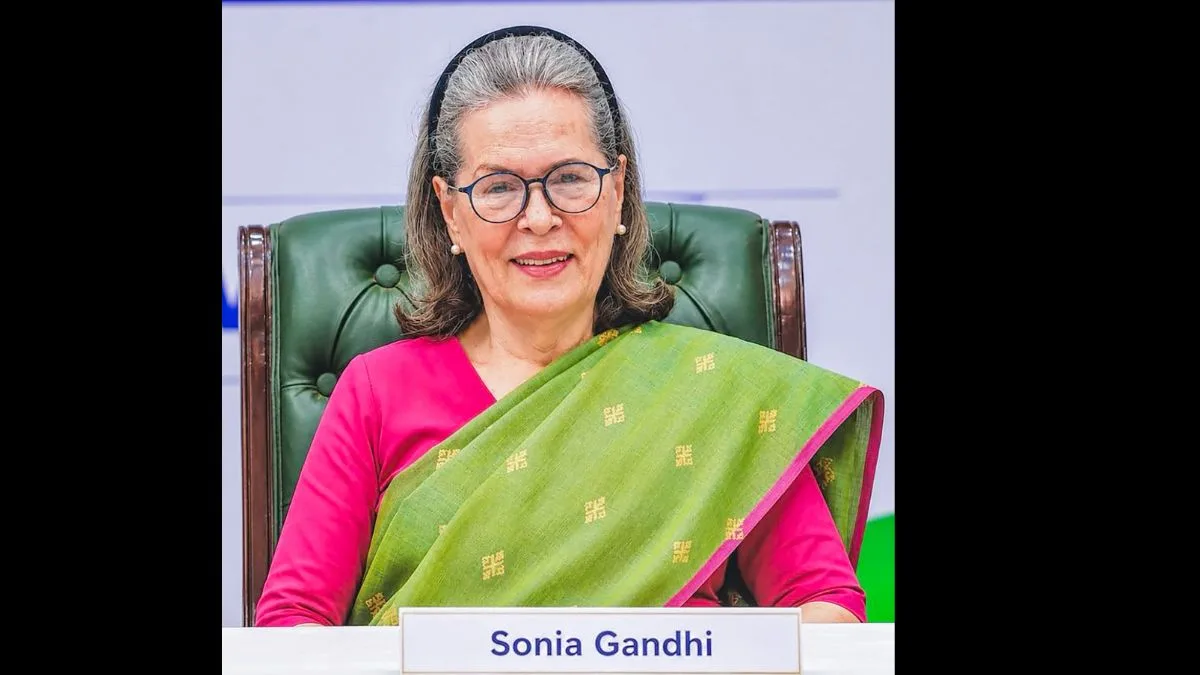
Striving for the Gandhian ideal
Generally, it is taken for granted that the journey on the path of development is accompanied by increasing urbanization.
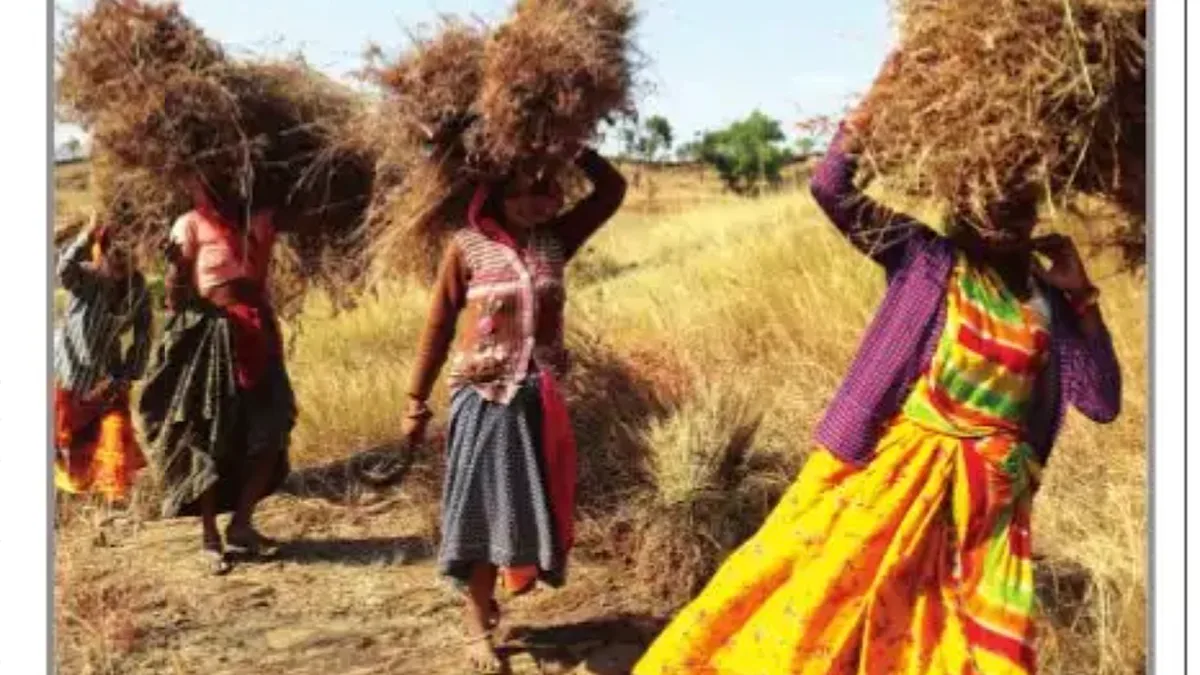
Generally, it is taken for granted that the journey on the path of development is accompanied by increasing urbanization.

A doctor and nursing staff at a Maharashtra hospital were allegedly assaulted by a local corporator, exposing a disturbing irony.
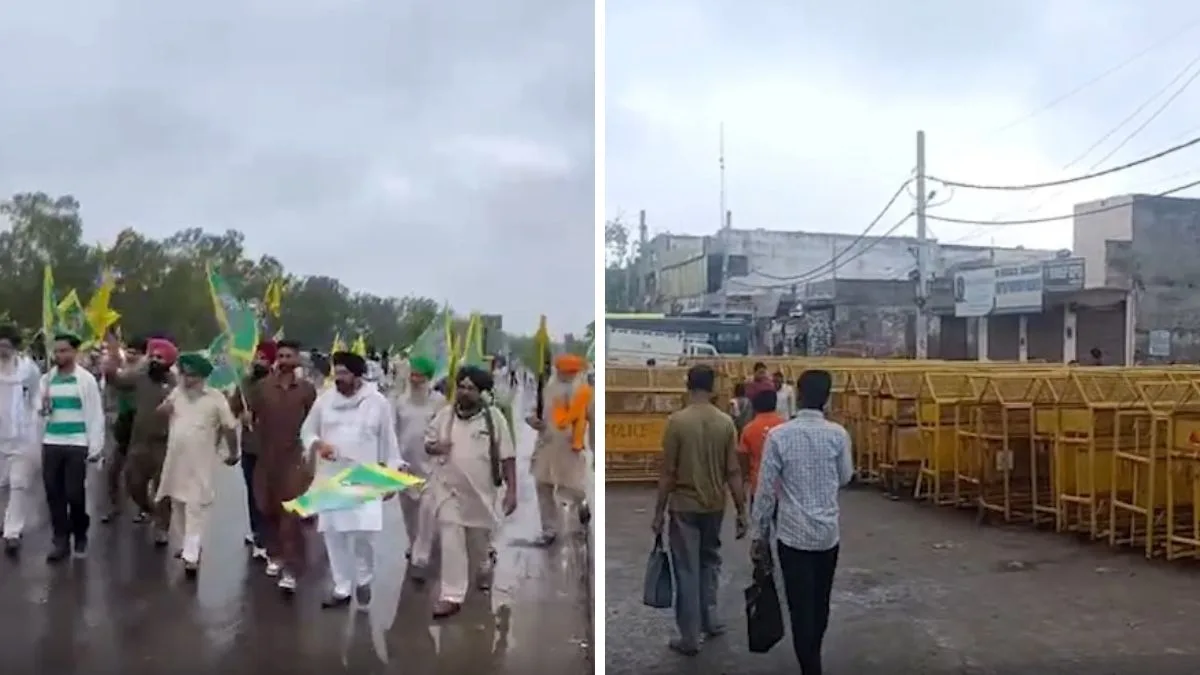
The barricading of the Shambhu border in Haryana to prevent farmers from travelling to Delhi raises a question larger than the protest itself.
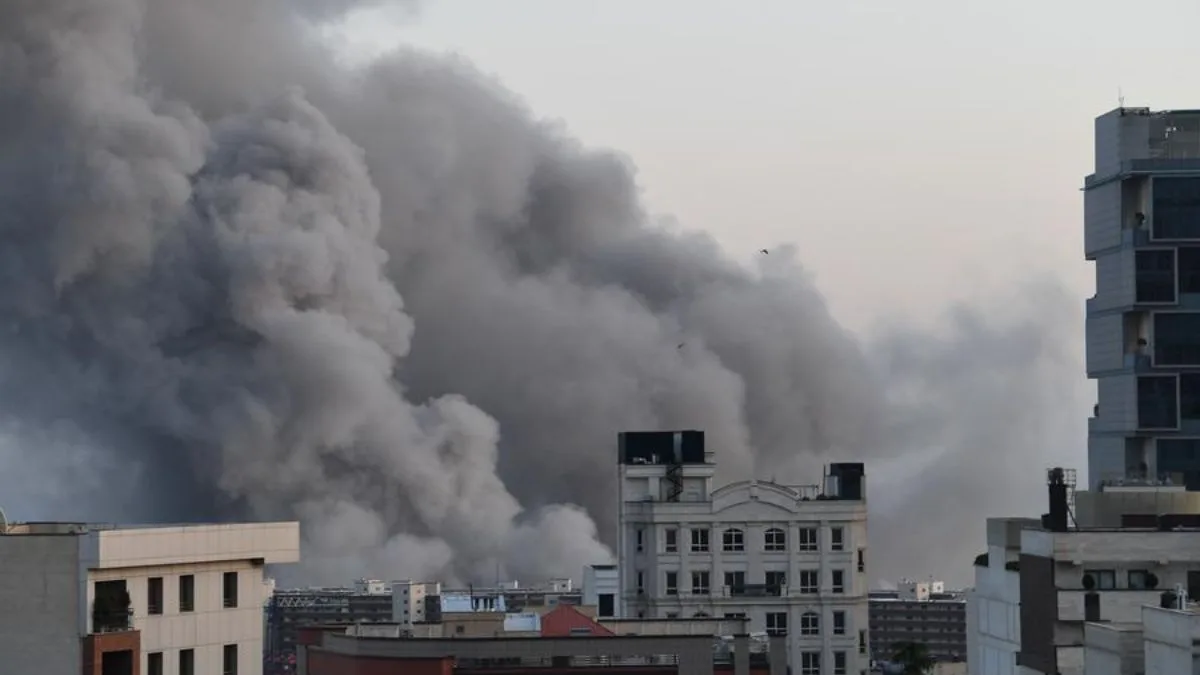
The renewed war between the United States and Iran has again placed American and Israeli military interests on apparently common ground.
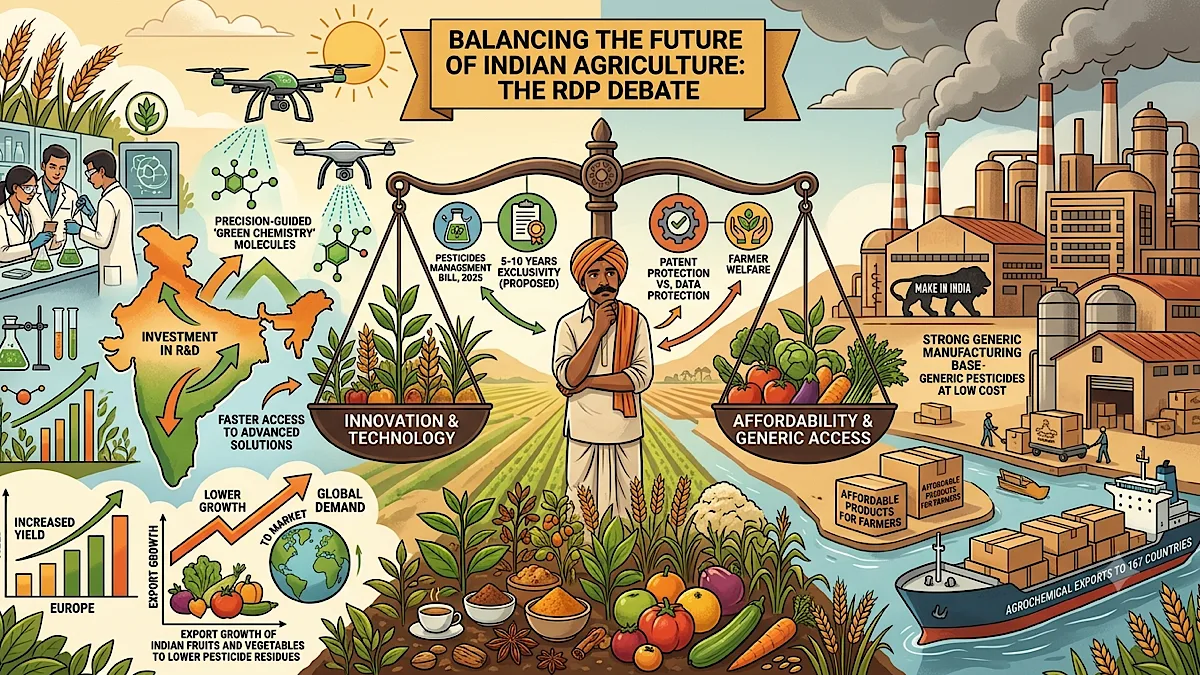
India’s agrochemical industry, a major global hub for crop protection product manufacturing, is at the heart of a significant policy discussion that could shape the future of agricultural innovation, domestic production, exports, and farmer welfare.
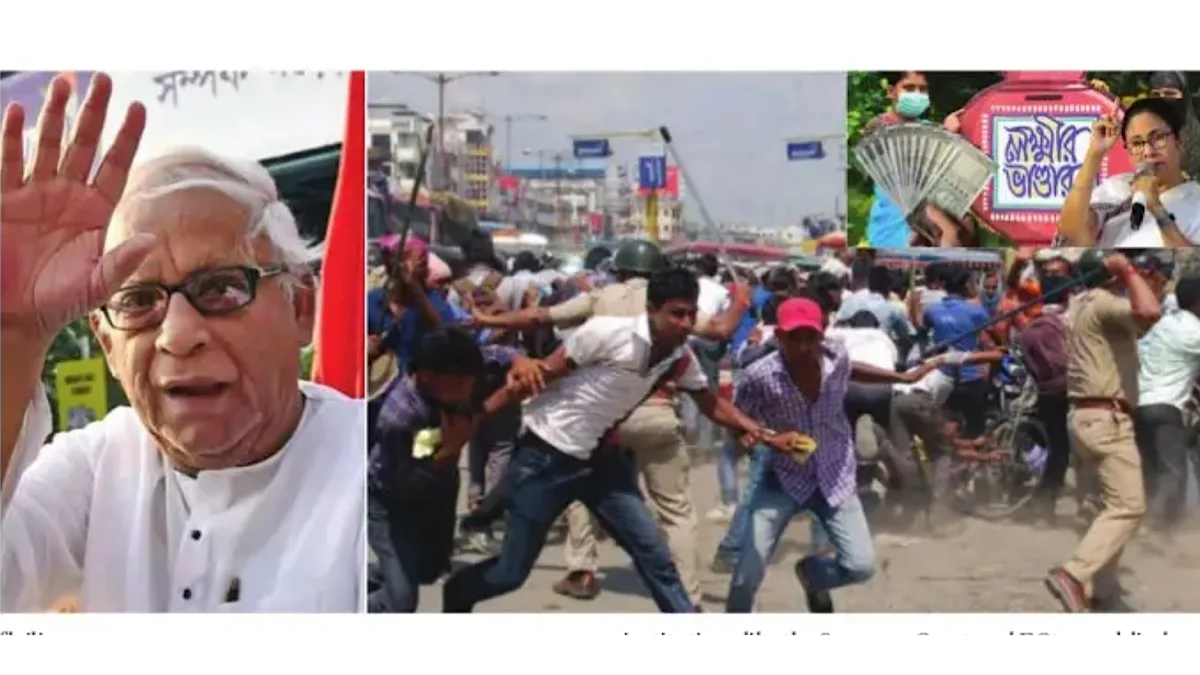
With Buddhadeb Bhattacharya’s passing away in 2024, not only was the Left era in West Bengal over, but also gone was the last hope of reviving West Bengal as a modern, functional state, which he had kindled in the hearts of middle-class Bengalis.

India’s position in the global GDP rankings has slipped from fifth to sixth, according to the latest IMF estimates.
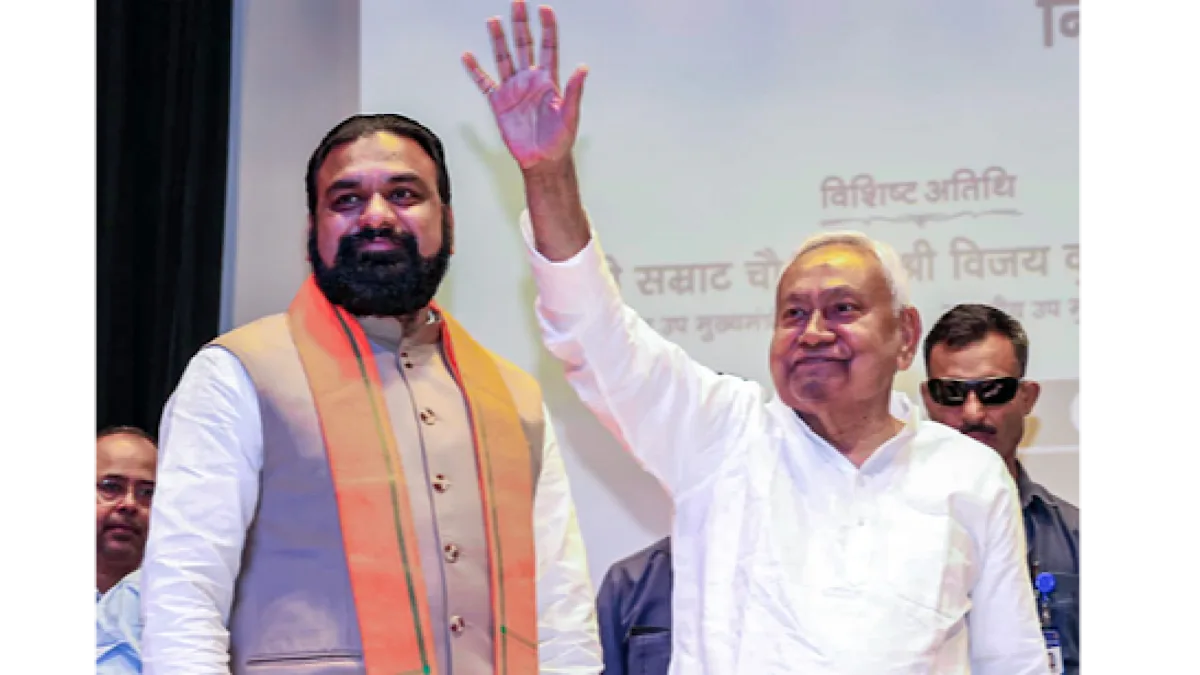
The elevation of Samrat Choudhary as chief minister marks more than a routine change of guard in Bihar.

For a generation of Indian middle-class families, the promise of studying abroad was never just about education.
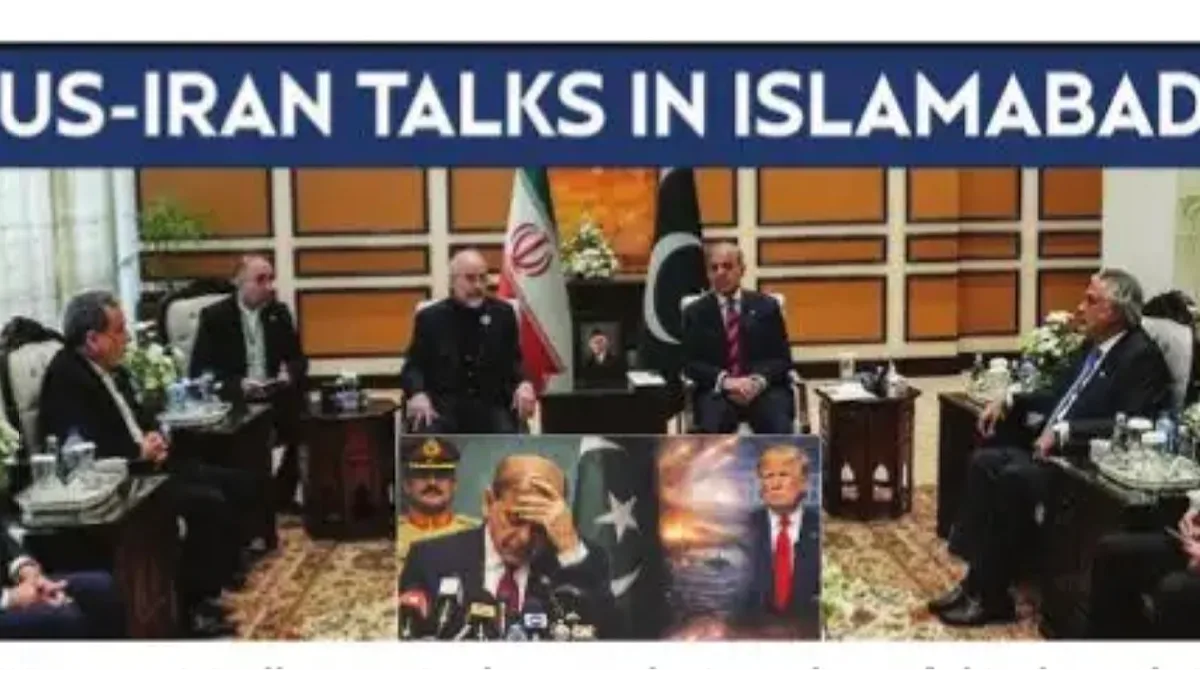
The collapse of the Islamabad talks between the United States and Iran has abruptly ended what many had hoped would serve as a pathway to de-escalation.
![‘Beginning of accountability’: Sonam Wangchuk reveals 3 written assurances from Centre before ending fast [VIDEO]](https://www.thestatesman.com/wp-content/uploads/2026/07/Sonam-Wangchuk-1-1.webp)