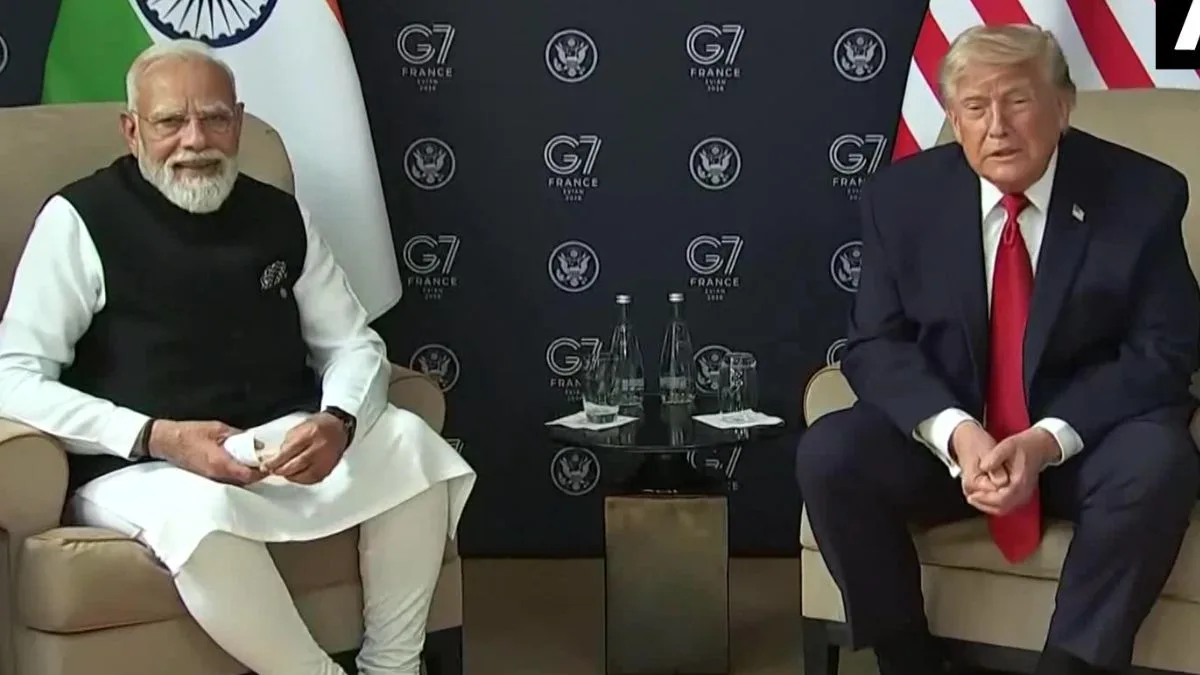
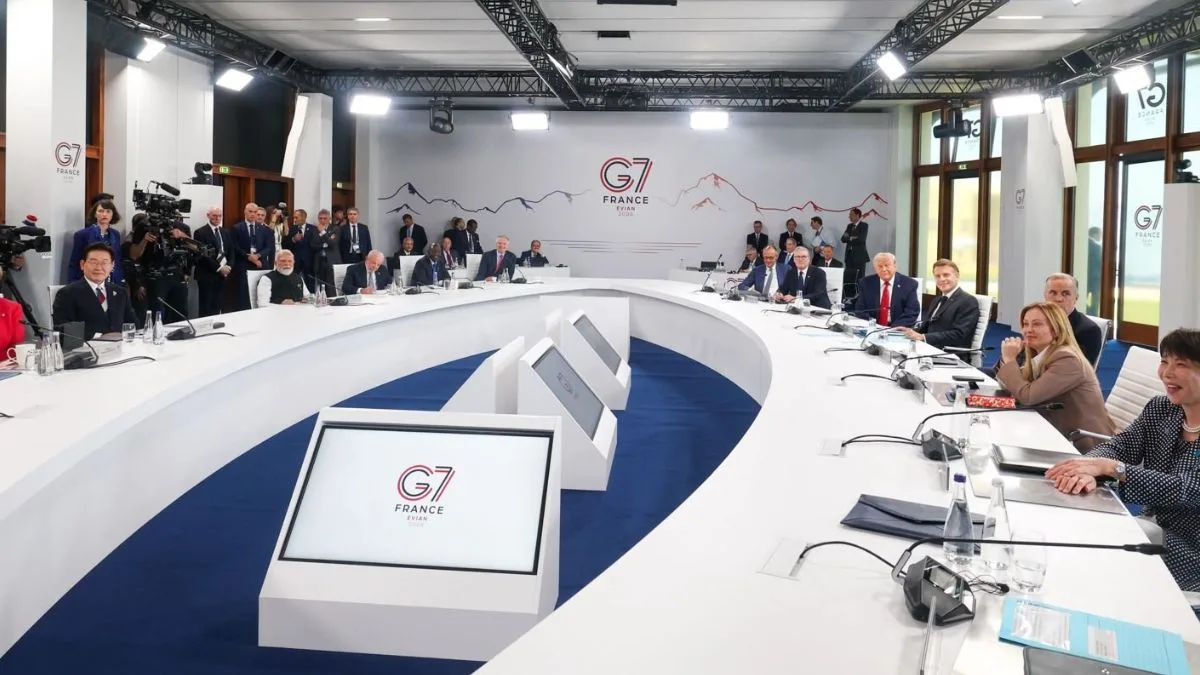
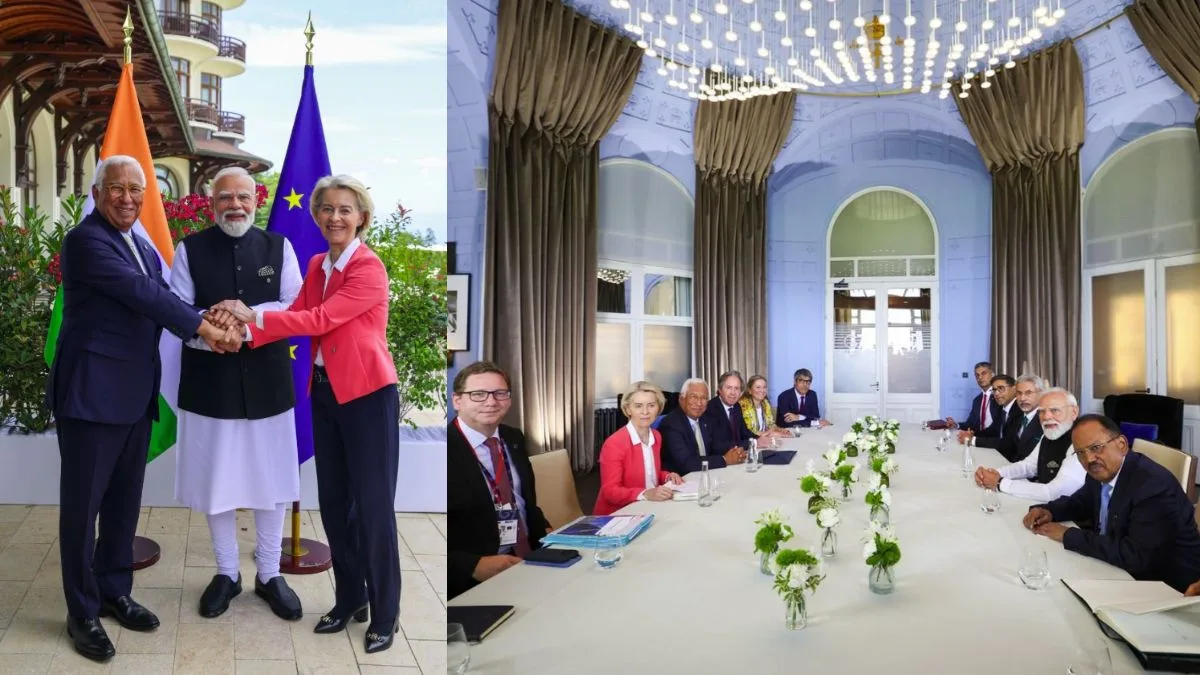
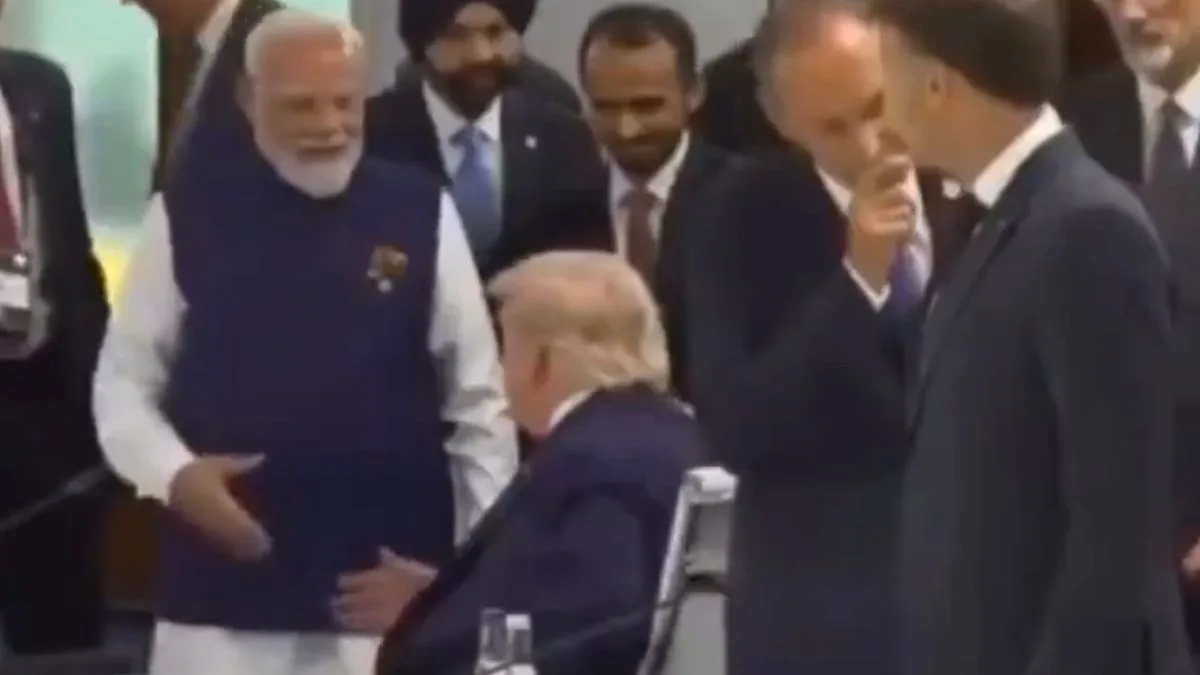
Geopolitics in the age of scrolling
There was a time when geopolitics moved through formal rooms. A state issued a statement. A spokesperson read from a prepared text.
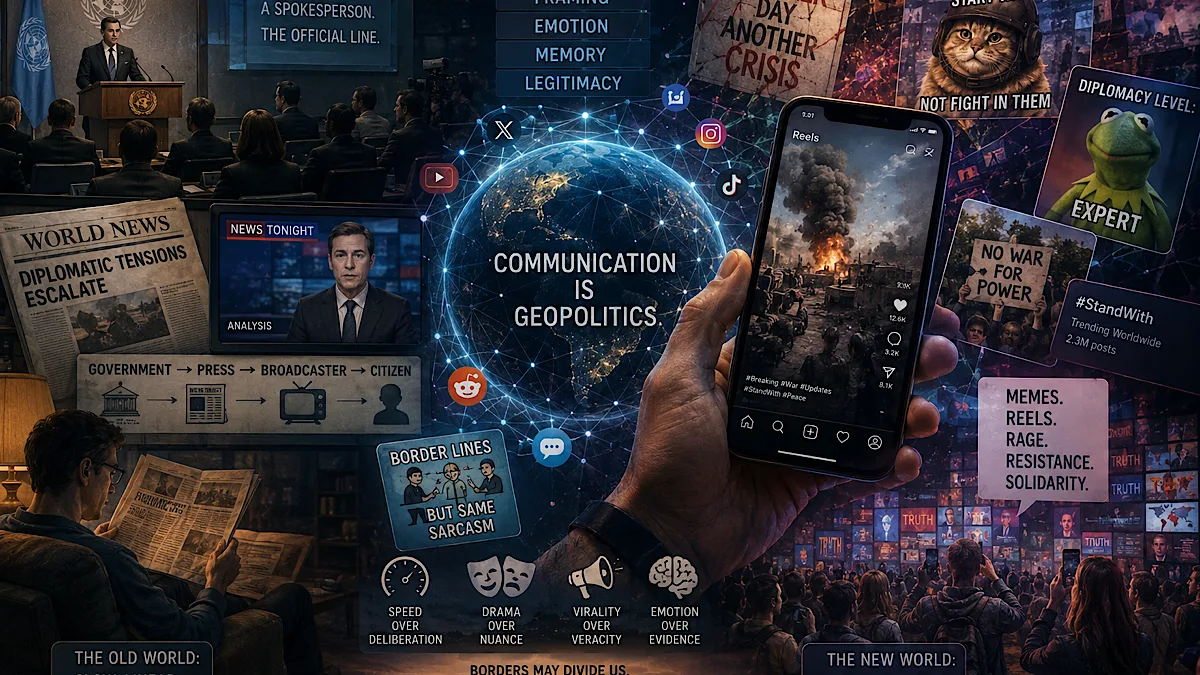
There was a time when geopolitics moved through formal rooms. A state issued a statement. A spokesperson read from a prepared text.
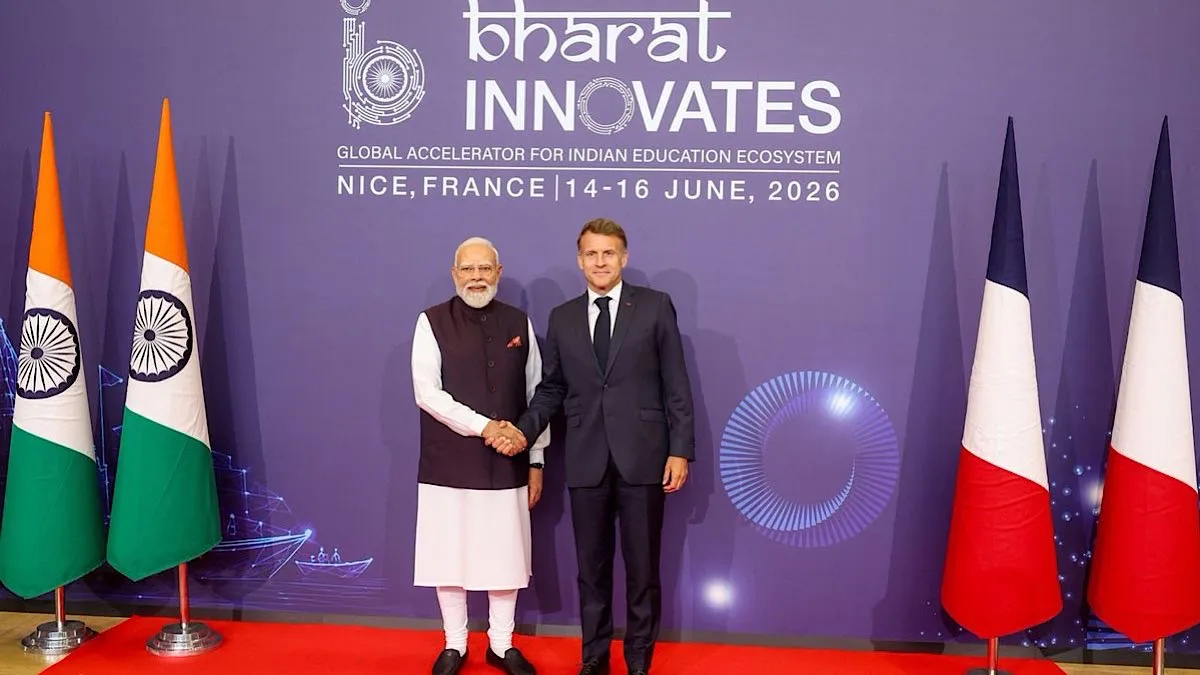
There Are moments in history when a nation’s progress stops being incremental and becomes directional.

The announcement of a framework agreement between the United States and Iran has understandably been greeted with relief.

Modern society has an unhealthy relationship with medical progress. We crave miracles, celebrate breakthroughs and search for definitive cures.
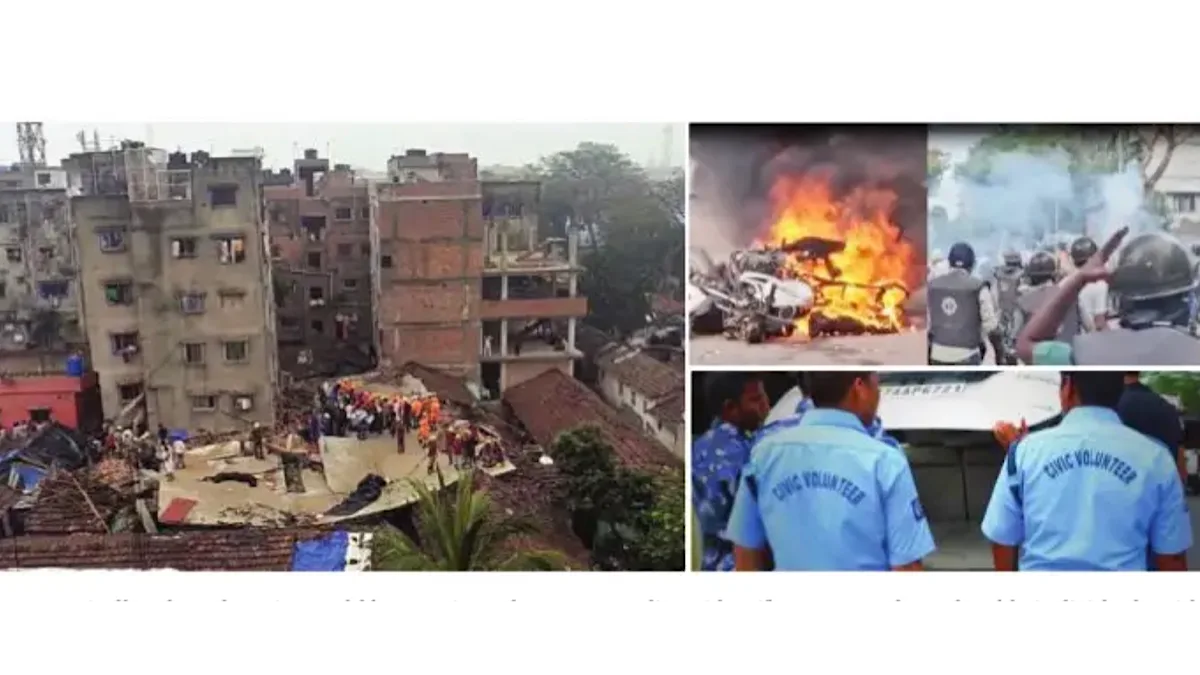
Light follows darkness. After the 15-year long TMC era ~ most certainly a dark period in the socio-economic and political history of Bengal, people are now hoping for rejuvenation of a state that has fallen beyond the depth of anarchy and despair.

When war, trade, and diplomacy dominate headlines, brands can no longer pretend politics don’t affect them.

India’s Media and Entertainment (M&E) sector is standing at the cusp of remarkable innovation, transformation, creativity and quest for being the global content hub.

The failure of the Shanghai Cooperation Organisation (SCO) defence ministers to adopt a joint statement exposes once again the brittle consensus within the bloc on fundamental issues like terrorism.

The European Union stands at a crossroads where the risks of economic capitulation weigh heavily against the costs of prolonged confrontation.

India faces a unique national security challenge: two of its neighbours possess nuclear weapons. U.S. intelligence agencies have concluded that the Pakistani military is developing an ICBM that could reach continental United States, possibly “to deter the United States from either trying to eliminate its arsenal in a preventive attack or intervening on India’s behalf in a future Indian-Pakistani conflict