Pakistan: Crypto dispute emerges in foreign women gangrape case involving Dy PM Ishaq Dar’s relative
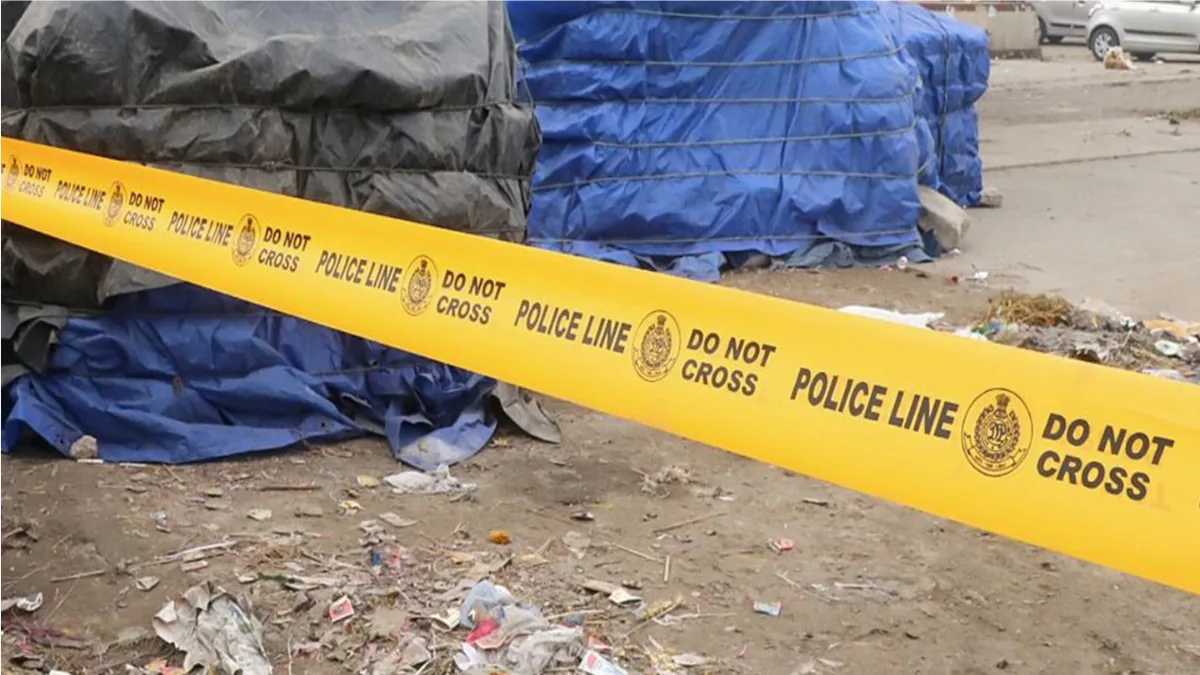
Muhammad Raza Dar, a key accused in the matter, is a relative of Pakistan's Deputy Prime Minister and Foreign Minister Ishaq Dar.
The failure of the Shanghai Cooperation Organisation (SCO) defence ministers to adopt a joint statement exposes once again the brittle consensus within the bloc on fundamental issues like terrorism.





Photo: IANS
The failure of the Shanghai Cooperation Organisation (SCO) defence ministers to adopt a joint statement exposes once again the brittle consensus within the bloc on fundamental issues like terrorism. While the SCO has often projected itself as a Eurasian pillar of security cooperation, the inability to agree on the definition or mention of terrorism ~ especially after a high-profile attack ~ renders that claim increasingly hollow. India’s refusal to endorse a final statement that omitted references to the April 22 Kashmir attack which killed 26 Hindu pilgrims, underscores not just New Delhi’s firm stance but also the limits of multilateralism when confronted with bilateral enmities.
That the statement was blocked reportedly due to Pakistan’s opposition ~ suggestive of a guilty conscience ~ reflects a deeper fracture in the SCO’s core: the absence of a shared threat perception. For India, cross-border terrorism emanating from Pakistan is a central security concern. For Pakistan, such allegations are routinely deflected or denied. When one member’s “terrorist infrastructure” is another’s “civilian facility”, the group’s purpose itself is thrown into question. China’s vague characterisation of the meeting as having “achieved successful results” only sharpens the contrast between public diplomacy and private dysfunction. Beijing, keen to preserve the image of SCO unity, may prefer ambiguity over substance, but that posture also limits the organisation’s credibility. If SCO defence ministers cannot even acknowledge the targeting of civilians in a terrorist attack, what utility does the platform serve beyond symbolism?
Advertisement
The SCO’s growing size has ironically become its biggest weakness. With competing national priorities and unresolved conflicts among members, it increasingly resembles a geopolitical clubhouse rather than a security coalition. Its consensus-based model ~ while democratic in theory ~ often reduces outcomes to the lowest common denominator. For India, which faces real-time threats, watered-down statements and photo opportunities are no substitute for actionable solidarity. If counter-terrorism cannot be a unifying pillar, then perhaps the SCO is ill-equipped for the role it claims. The timing is significant. This was the first high-level gathering of Indian and Pakistani defence officials since the May skirmishes. Rather than serve as a moment for de-escalation or dialogue, the meeting has instead revealed the diplomatic impasse that continues to define their relationship.
Advertisement
Meanwhile, the lack of a joint communiqué has turned what could have been a routine event into a showcase of division. The absence of a shared definition of terrorism is not new, but it is becoming untenable. As attacks grow more targeted and lethal, a multilateral silence begins to sound complicit, undermining both moral clarity and operational cooperation within such groupings. India’s position also reflects a broader recalibration. In recent years, New Delhi has engaged more deeply with forums like the Quad and is exploring closer security alignments beyond traditional non-aligned frameworks. If multilateral groupings like the SCO cannot support even minimal security consensus, their strategic relevance for India will continue to decline
Advertisement