Geopolitics in the age of scrolling
There was a time when geopolitics moved through formal rooms. A state issued a statement. A spokesperson read from a prepared text.
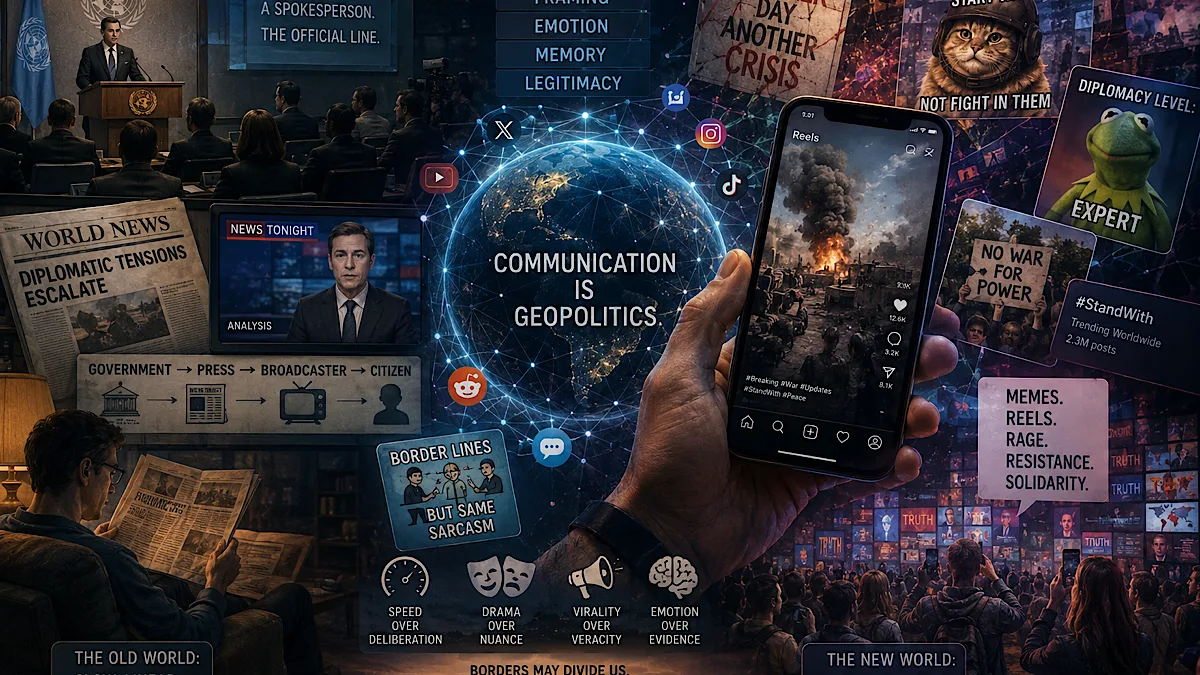
There was a time when geopolitics moved through formal rooms. A state issued a statement. A spokesperson read from a prepared text.
There Are moments in history when a nation’s progress stops being incremental and becomes directional.

The announcement of a framework agreement between the United States and Iran has understandably been greeted with relief.

Modern society has an unhealthy relationship with medical progress. We crave miracles, celebrate breakthroughs and search for definitive cures.
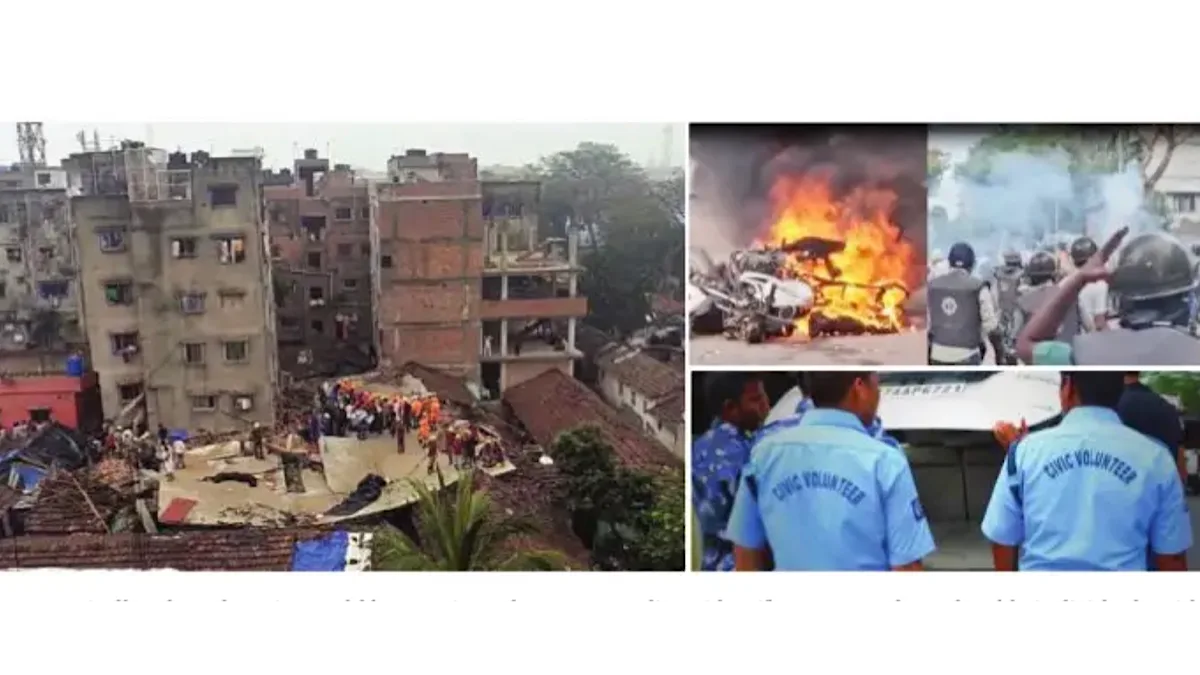
Light follows darkness. After the 15-year long TMC era ~ most certainly a dark period in the socio-economic and political history of Bengal, people are now hoping for rejuvenation of a state that has fallen beyond the depth of anarchy and despair.

Iran is set to hold what it has described as a "historic" funeral ceremony in Tehran on Saturday to honour 60 individuals, including senior military commanders and prominent Nuclear scientists, who were killed during the recent 12-day conflict with Israel.

Over the last eleven years, India has experienced a remarkable transformation in how it presents, preserves, and promotes its cultural and religious identity, with tourism emerging as a powerful medium through which this civilizational revival finds expression.

India's return to human spaceflight after more than four decades is more than a technological achievement ~ it is a statement of intent.

The NATO summit in The Hague has concluded with a flourish of symbolism and a bold commitment: alliance members have pledged to increase defence spending to 5 percent of GDP by 2035.

India's foreign policy has once again come under critical American scrutiny with Ashley Tellis’ article, “India’s Great Power Delusions,” published recently in the Foreign Affairs journal.