Geopolitics in the age of scrolling
There was a time when geopolitics moved through formal rooms. A state issued a statement. A spokesperson read from a prepared text.
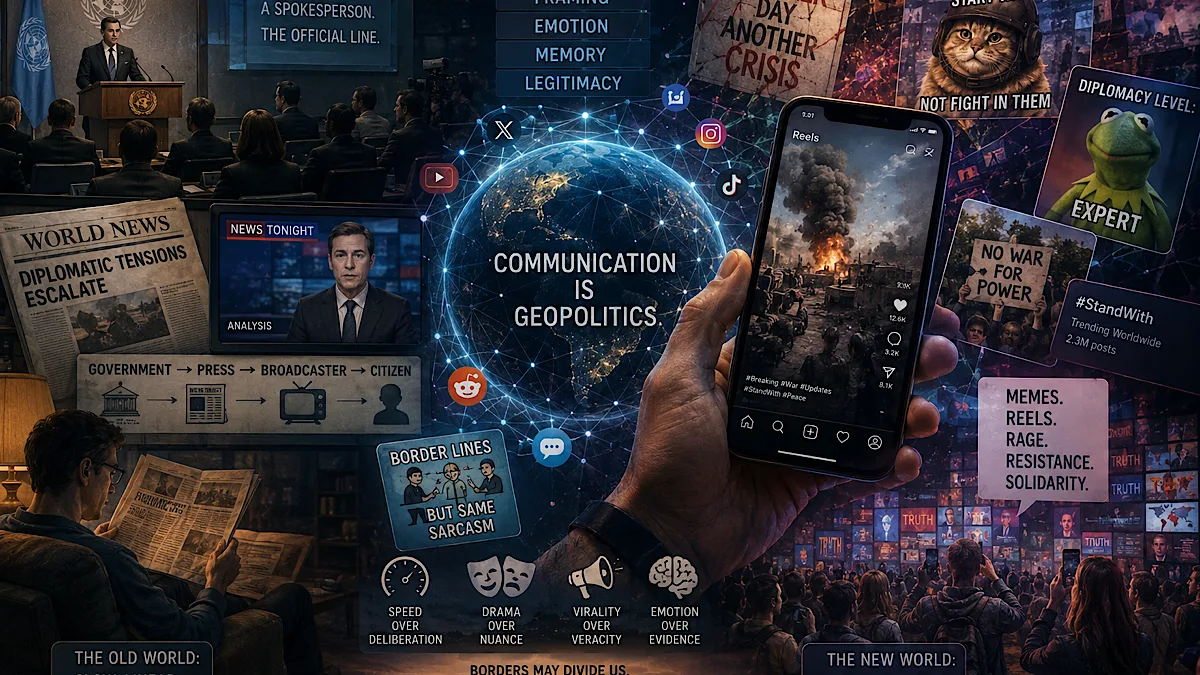
There was a time when geopolitics moved through formal rooms. A state issued a statement. A spokesperson read from a prepared text.
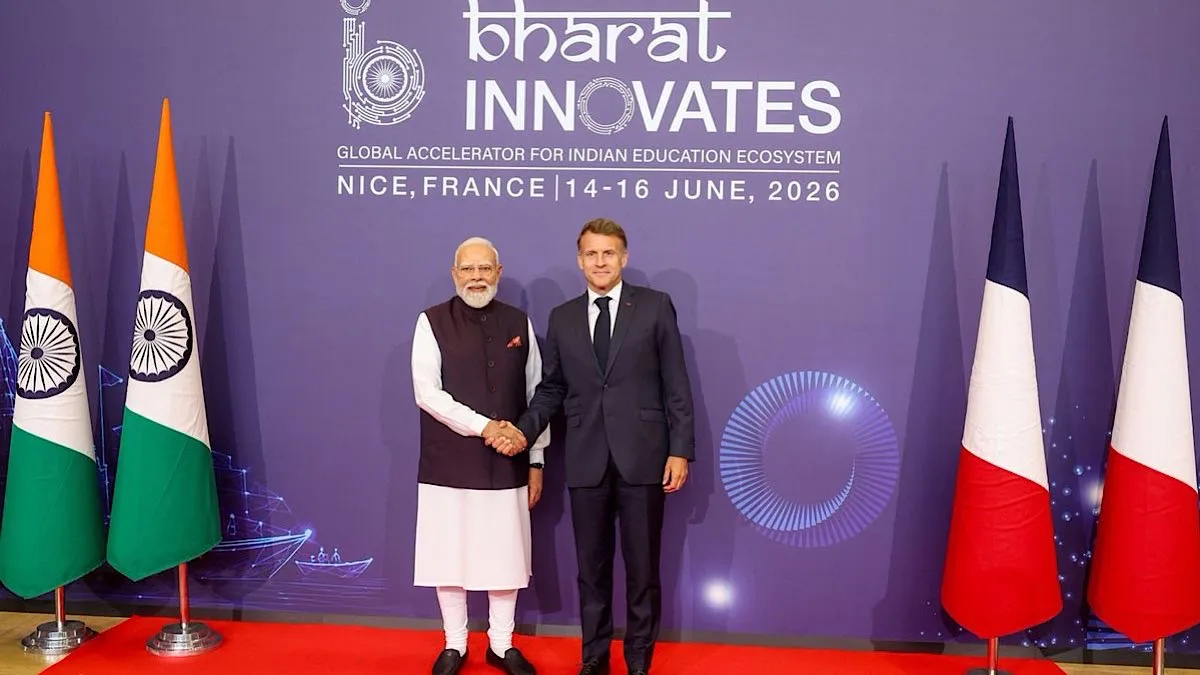
There Are moments in history when a nation’s progress stops being incremental and becomes directional.

The announcement of a framework agreement between the United States and Iran has understandably been greeted with relief.

Modern society has an unhealthy relationship with medical progress. We crave miracles, celebrate breakthroughs and search for definitive cures.
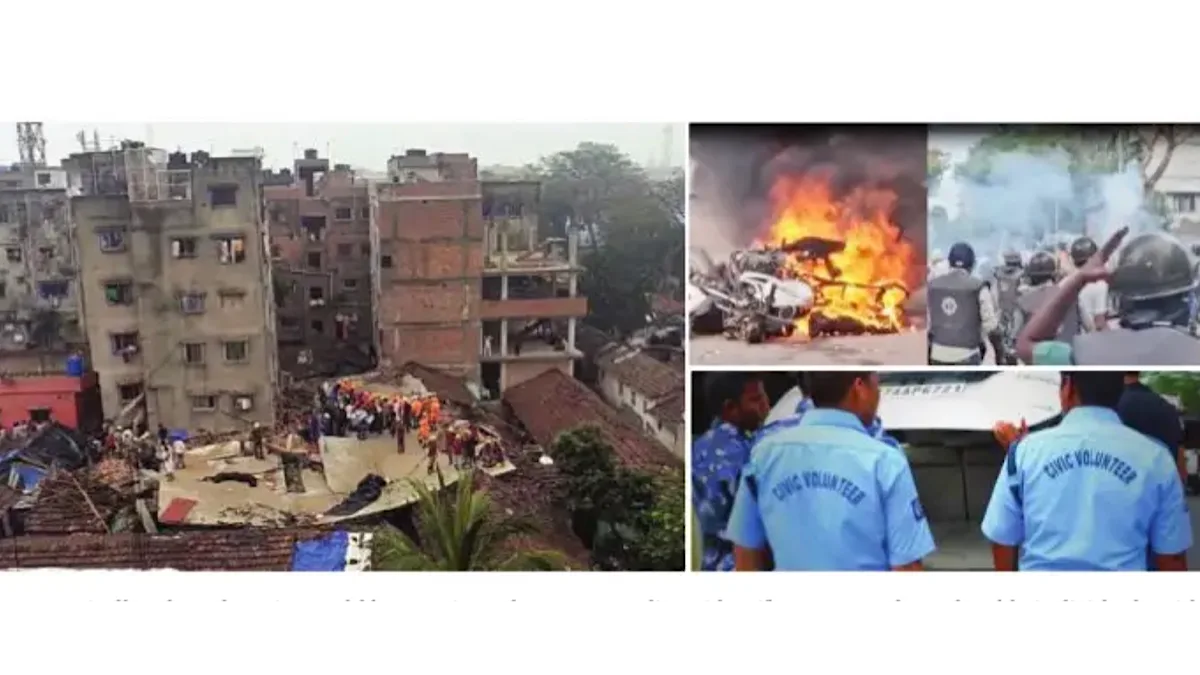
Light follows darkness. After the 15-year long TMC era ~ most certainly a dark period in the socio-economic and political history of Bengal, people are now hoping for rejuvenation of a state that has fallen beyond the depth of anarchy and despair.
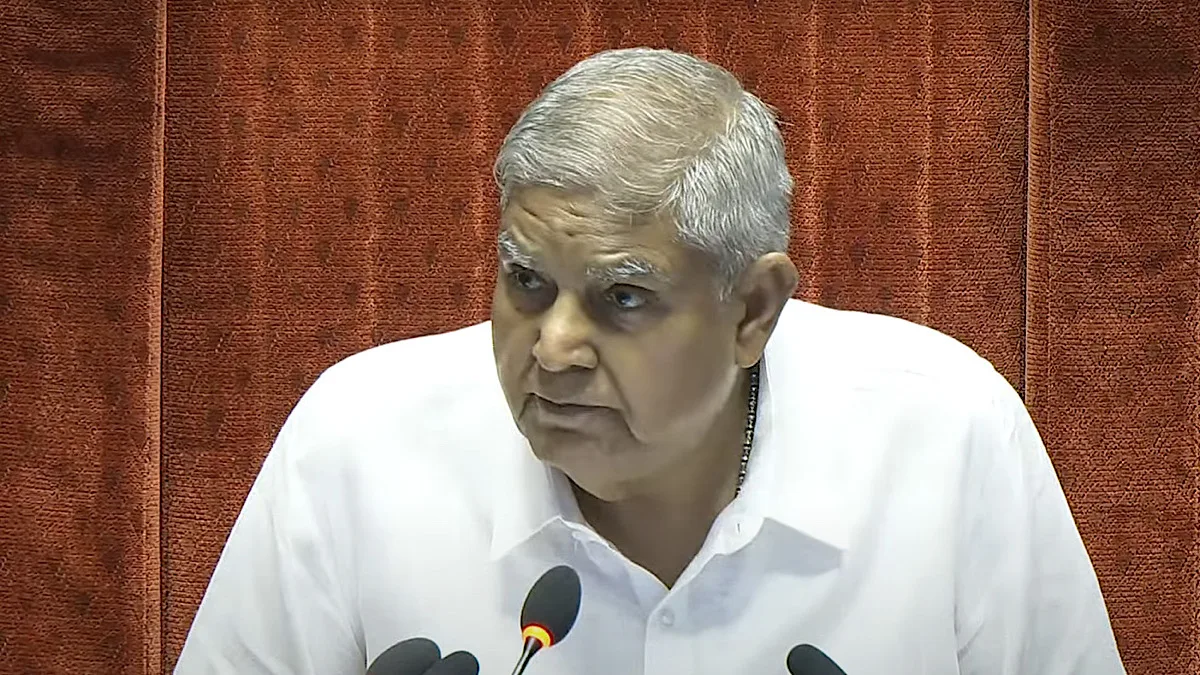
In India’s often-theatrical political landscape, it is not the noise but the silence that sometimes says the most. The resignation of Mr Jagdeep Dhankhar as Vice President has created precisely that kind of unsettling silence ~ one that grows more deafening with every evasive statement and conspicuous omission.

India’s move to resume tourist visas for Chinese nationals after a five-year freeze is not just a bu - reaucratic gesture ~ it is a diplomatic signal.

The British author, Sir Ken Robinson said, “My contention is that creativity now is as important in education as literacy, and we should treat it with the same status.” He cites the example of a little girl of six, who people thought had learning disabilities because she couldn’t concentrate and pay attention, but was very keen on drawing.

Efforts to end the relentless siege of Gaza have been set back by the abrupt end to peace talks in Qatar.
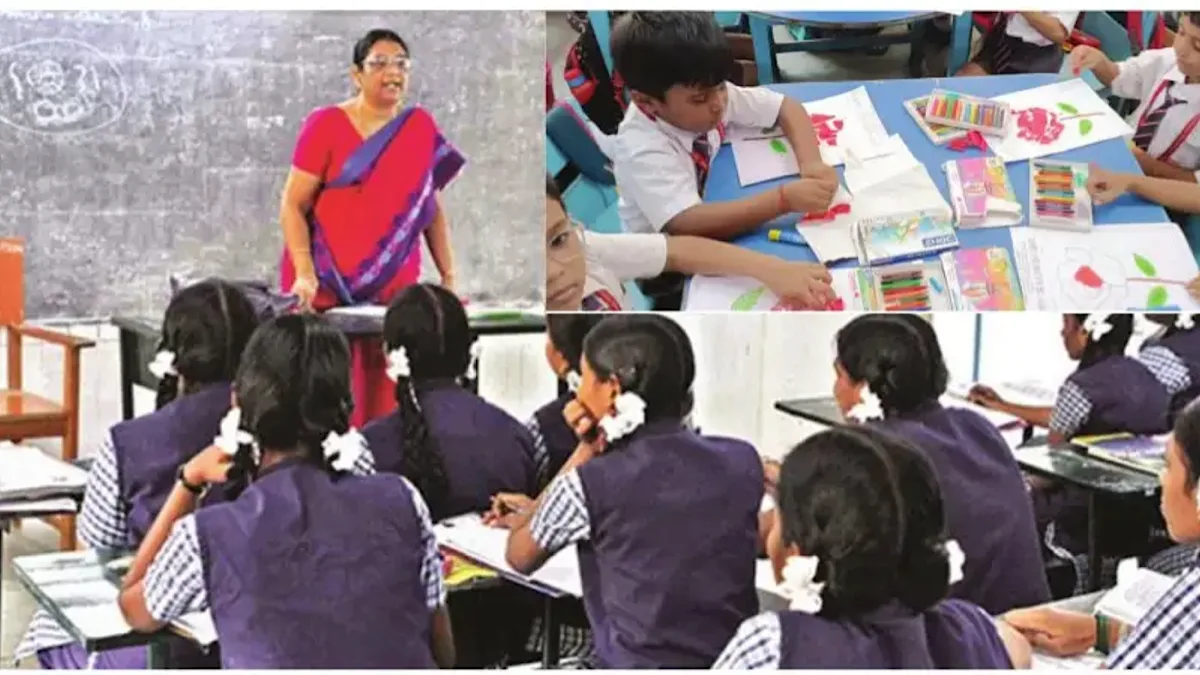
It was the usual school dispersal, and all the children were walking with their guardians who had come to pick them up, chattering away about their day’s happenings.