Geopolitics in the age of scrolling
There was a time when geopolitics moved through formal rooms. A state issued a statement. A spokesperson read from a prepared text.
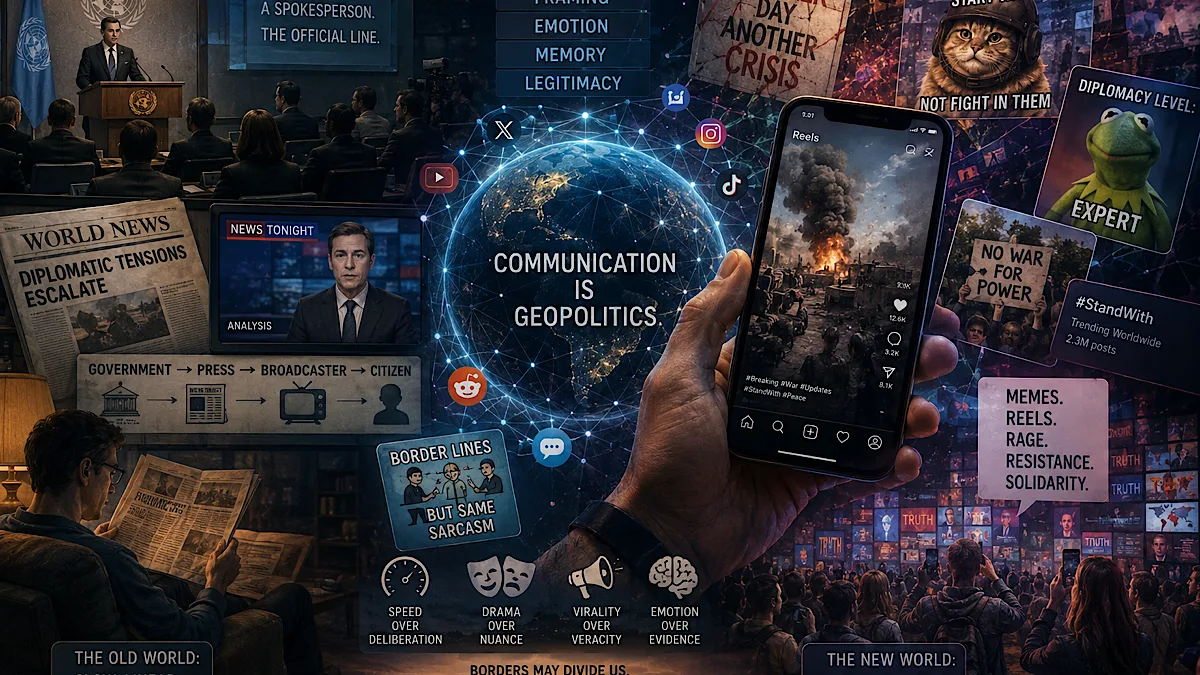
There was a time when geopolitics moved through formal rooms. A state issued a statement. A spokesperson read from a prepared text.
There Are moments in history when a nation’s progress stops being incremental and becomes directional.

The announcement of a framework agreement between the United States and Iran has understandably been greeted with relief.

Modern society has an unhealthy relationship with medical progress. We crave miracles, celebrate breakthroughs and search for definitive cures.
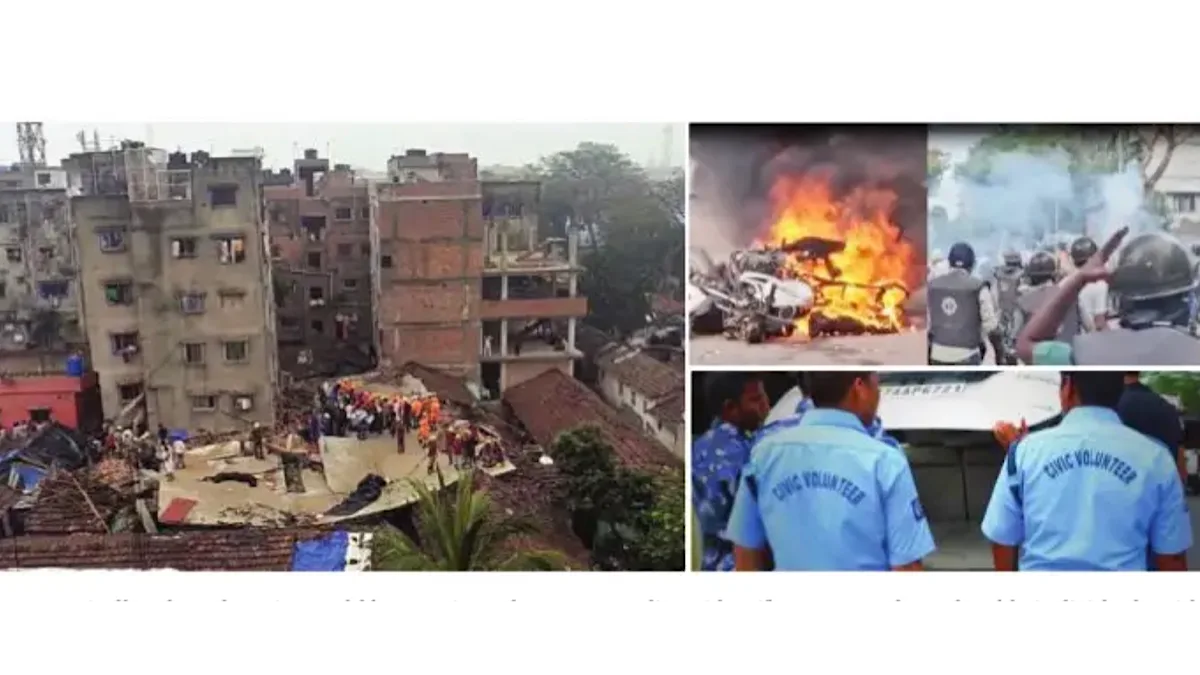
Light follows darkness. After the 15-year long TMC era ~ most certainly a dark period in the socio-economic and political history of Bengal, people are now hoping for rejuvenation of a state that has fallen beyond the depth of anarchy and despair.

US President Donald Trump’s new roadmap for artificial intelligence promises speed, strength, and supremacy.

After years of cautious negotiations, India and the United Kingdom have finally inked a free trade agreement that promises a new chapter in economic cooperation.

It was the best of times for us aspiring to join the IAS, it was perhaps the worst of times for India since Independence.
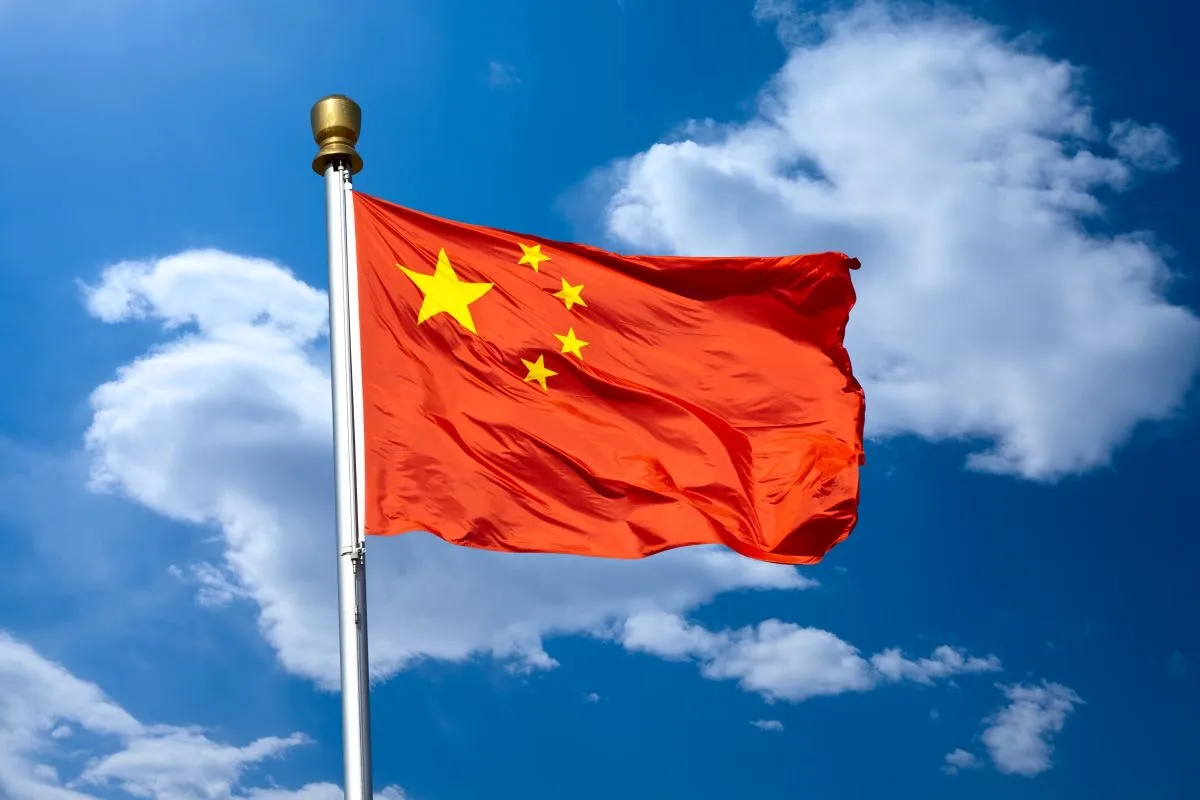
China’s decision to begin construction on what is poised to become the world’s largest hydropower dam in the ecologically fragile Yarlung Tsangpo canyon is not merely an engineering feat ~ it is a geopolitical gamble that India and its neighbours can ill afford to ignore.

The new trade agreement between the United States and Japan ~ hailed by President Donald Trump as the “largest trade deal in history” ~ may be hyperbolically framed, but its significance for Asia and the global economy is hard to overstate.