Geopolitics in the age of scrolling
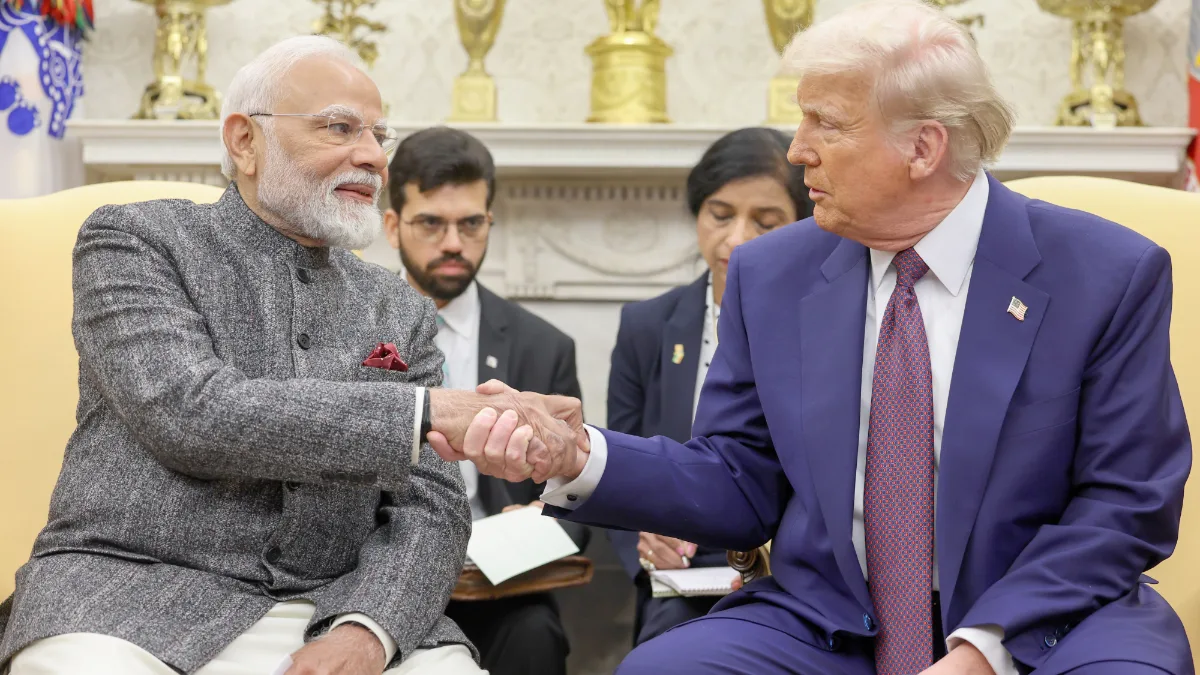
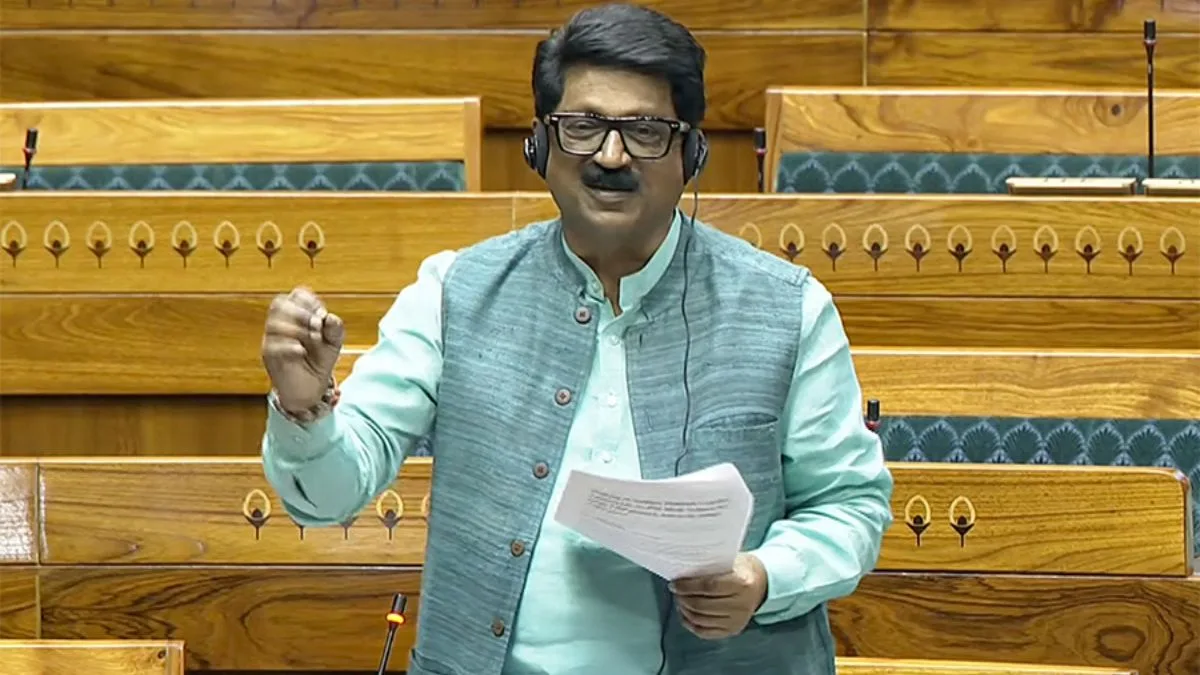
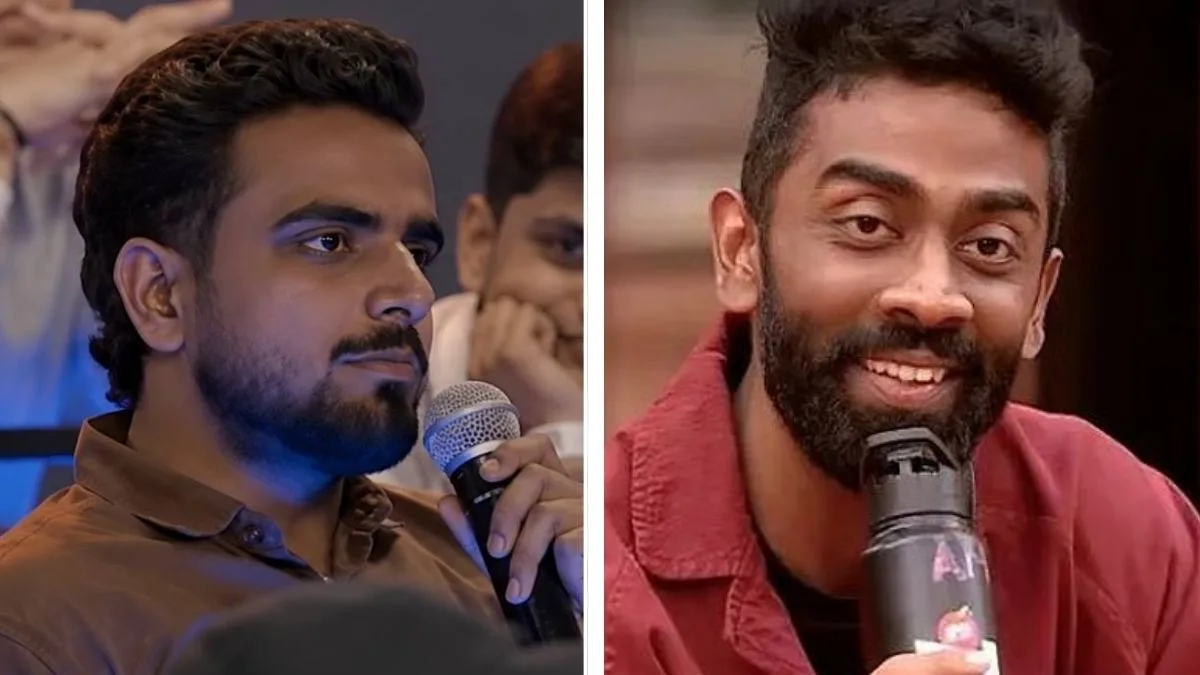
There was a time when geopolitics moved through formal rooms. A state issued a statement. A spokesperson read from a prepared text.
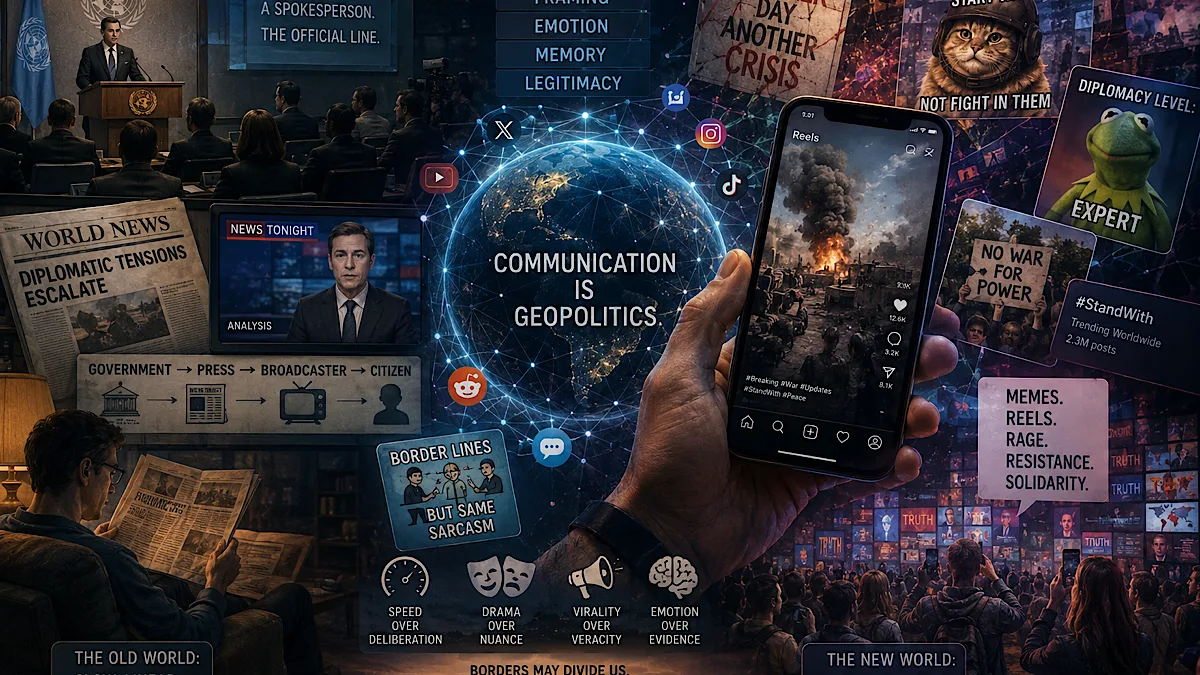
There was a time when geopolitics moved through formal rooms. A state issued a statement. A spokesperson read from a prepared text.
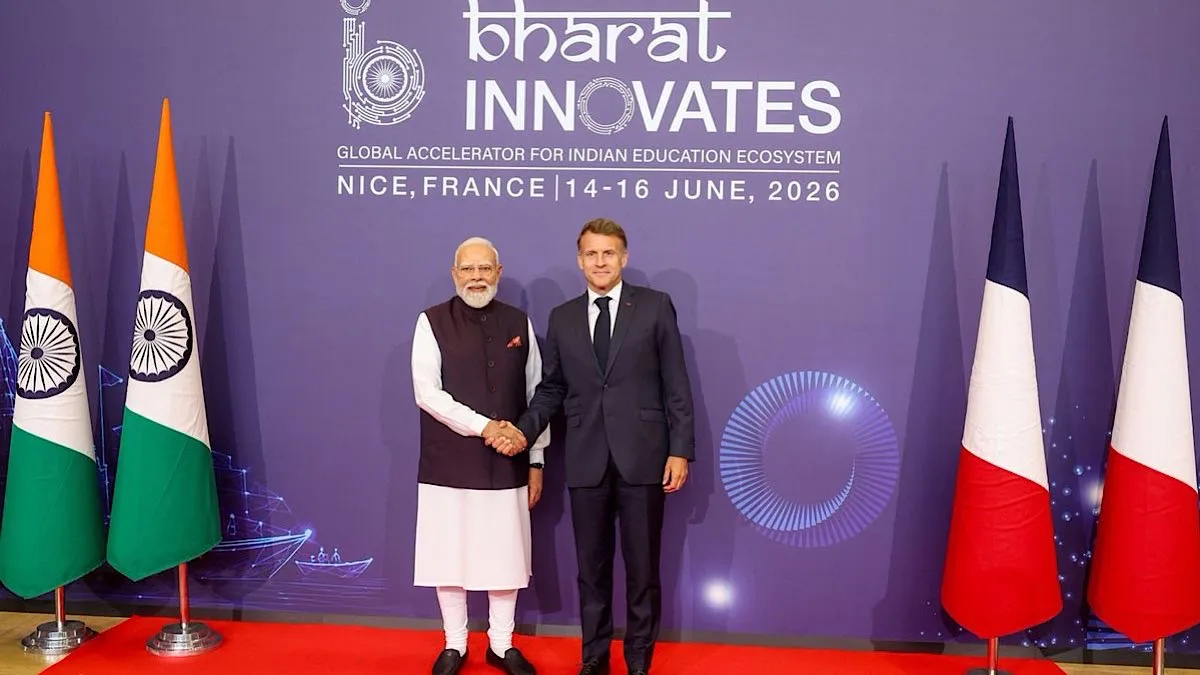
There Are moments in history when a nation’s progress stops being incremental and becomes directional.

The announcement of a framework agreement between the United States and Iran has understandably been greeted with relief.

Modern society has an unhealthy relationship with medical progress. We crave miracles, celebrate breakthroughs and search for definitive cures.
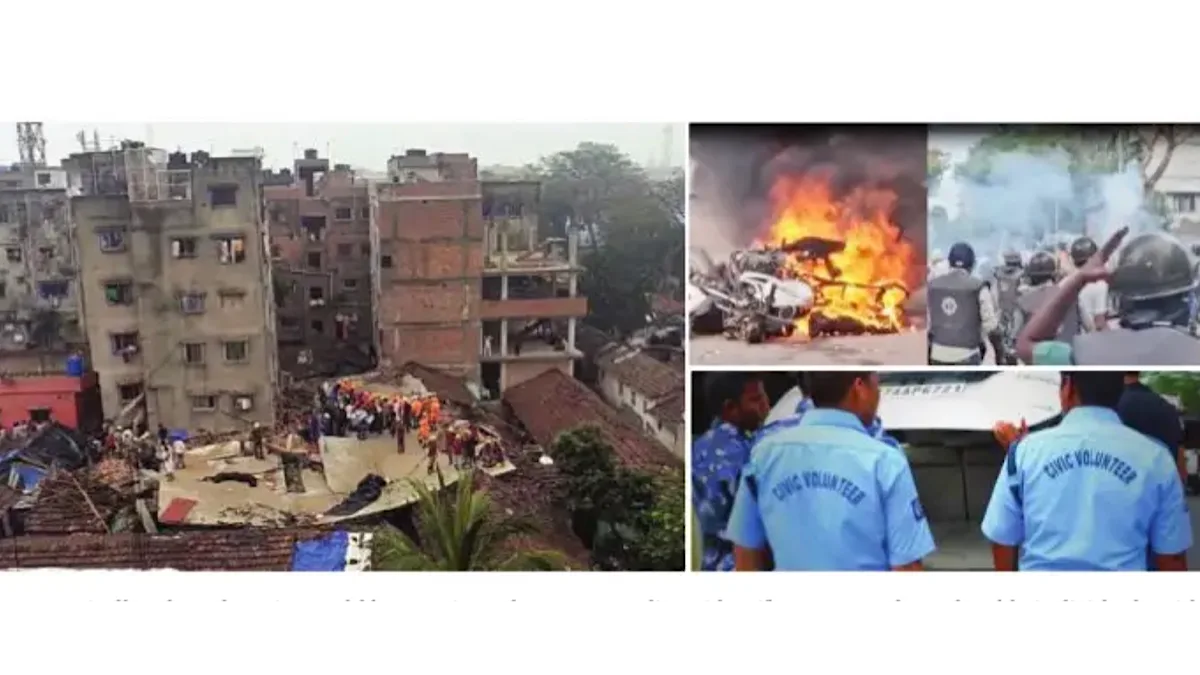
Light follows darkness. After the 15-year long TMC era ~ most certainly a dark period in the socio-economic and political history of Bengal, people are now hoping for rejuvenation of a state that has fallen beyond the depth of anarchy and despair.
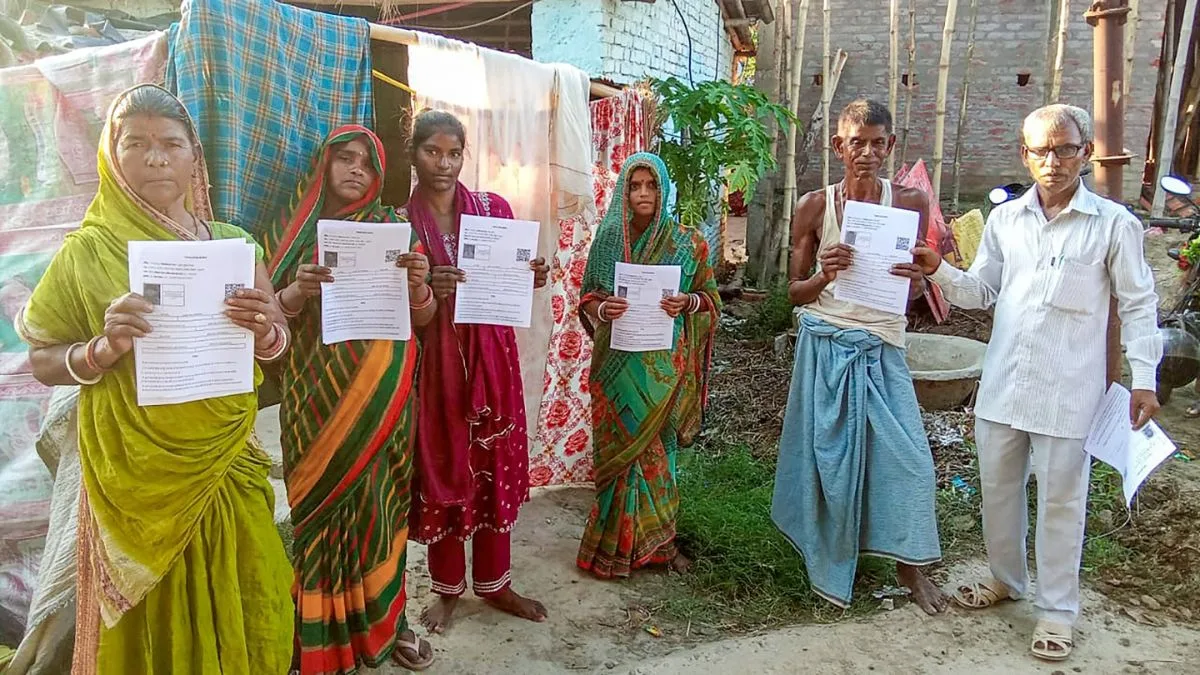
Special Intensive Revision (SIR) of Electoral Rolls, initiated by the Election Commission of India in Bihar a month ago, concluded its first phase on Friday.

For nearly three decades, the internet thrived on a simple economic bargain: users got free content, and publishers earned revenue through ads, subscriptions, or affiliate links. But that equilibrium is now collapsing.

When a Milan runway becomes the unlikely stage for Kolhapur’s traditional leather sandals, it reveals more than just a fleeting fashion statement ~ it exposes the paradox at the heart of how India values its own craftsmanship.

As India marks 26 years of its triumph in the Kargil War, the time is ripe to look beyond the symbolism of the conflict and examine a disturbing strategic reality ~ Pakistan has systematically weaponised ceasefire agreements not to seek peace, but to perpetuate conflict.

The fluctuating international context compels states of this region and beyond to recalibrate their labour laws, policies and practices.