If the click goes, so will the Web
The modern internet was built on a simple bargain. Websites created content. Search engines sent users to those websites.
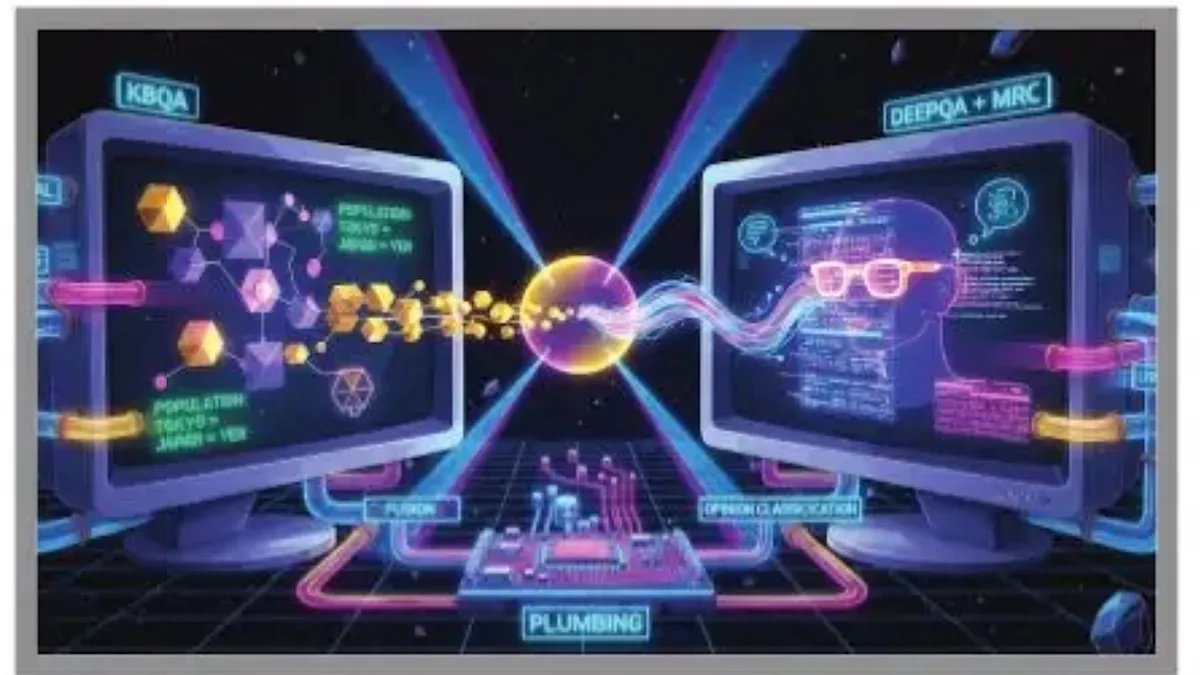
The modern internet was built on a simple bargain. Websites created content. Search engines sent users to those websites.

One year after one of the worst aviation disasters in Indian history, the most unsettling reality is not that the final answer remains elusive. It is that, in the absence of definitive findings, competing certainties have rushed in to fill the void.

It is after more than 100 days that both President Donald Trump and Iran have announced a peace deal, much to the world’s relief.
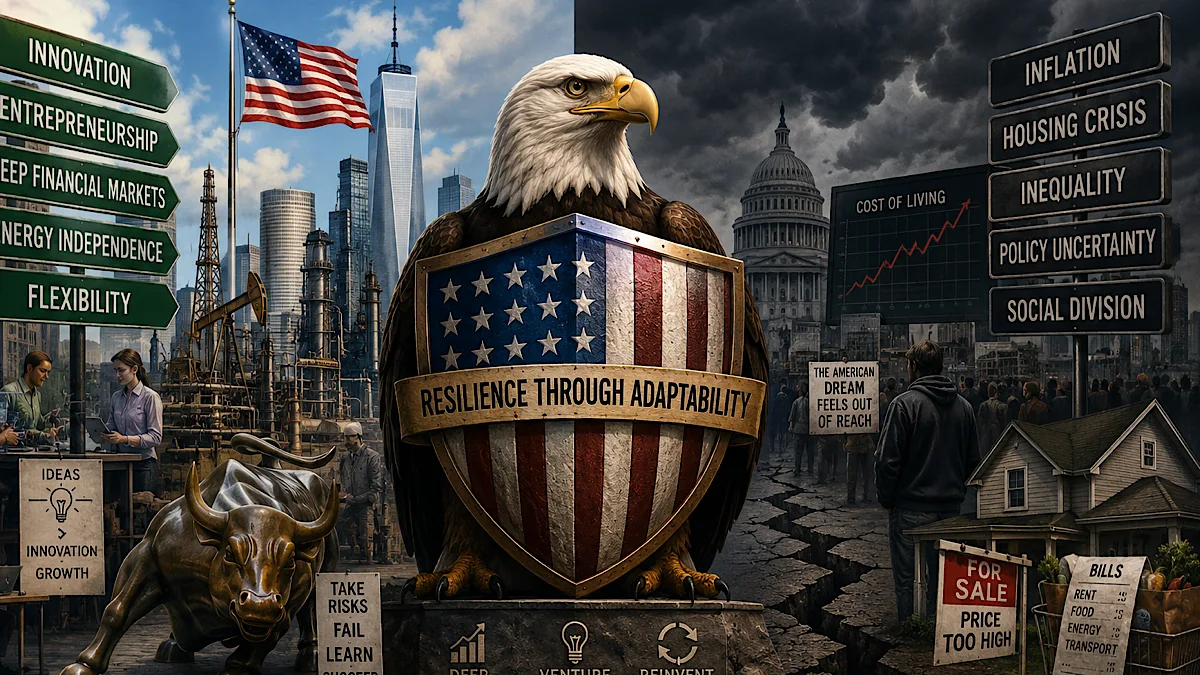
For much of the past year, economists have been waiting for the American economy to stumble. It has been hit by tariffs, labour disruptions, geopolitical tensions and renewed inflationary pressures.

Xi Jinping at his meeting with Donald Trump on 14-15 May 2026 in Beijing referred to the Thucydides Trap, a metaphor that refers to the inherent tensions and perils when an established power is challenged by a rising power.
It is a normal expectation from humans that their behaviour and actions will be driven by actual needs. Any persistent divergence must be perceived as irrational behavior.
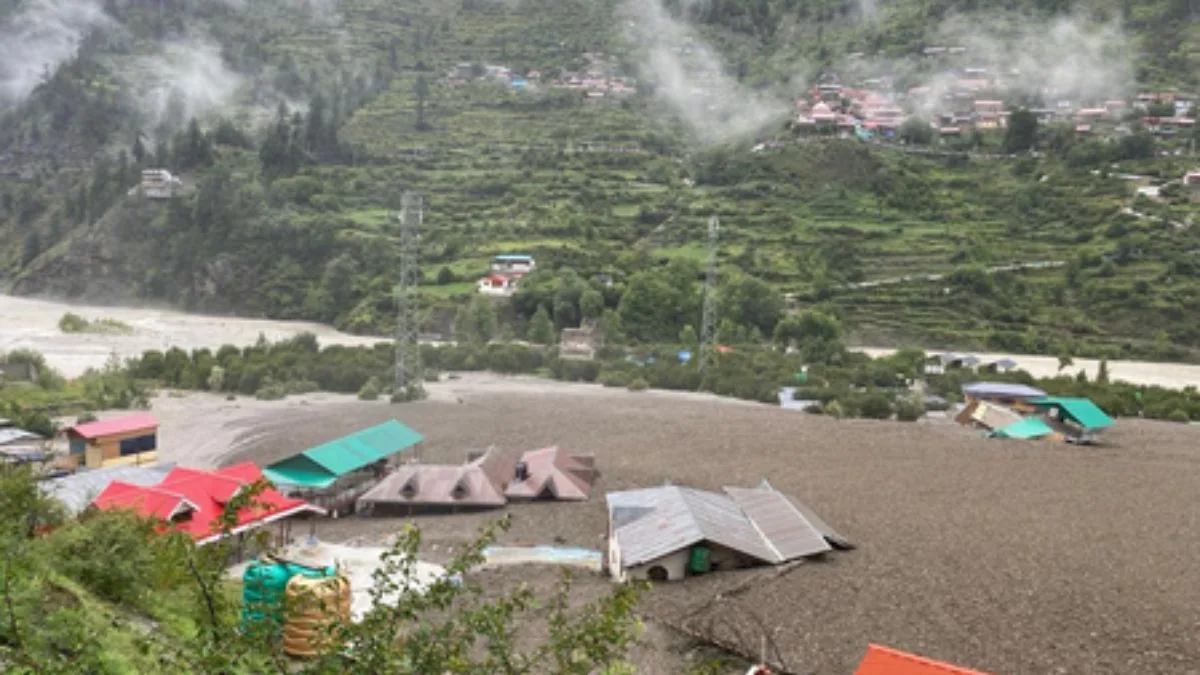
The flash floods that ravaged Dharali in Uttarkashi are a grim reminder that India’s most fragile landscapes remain dangerously under-watched.

The disclosure that public sector banks in India have written off over Rs 4.48 lakh crore in nonperforming assets (NPAs) over just four financial years is more than a technical statistic.
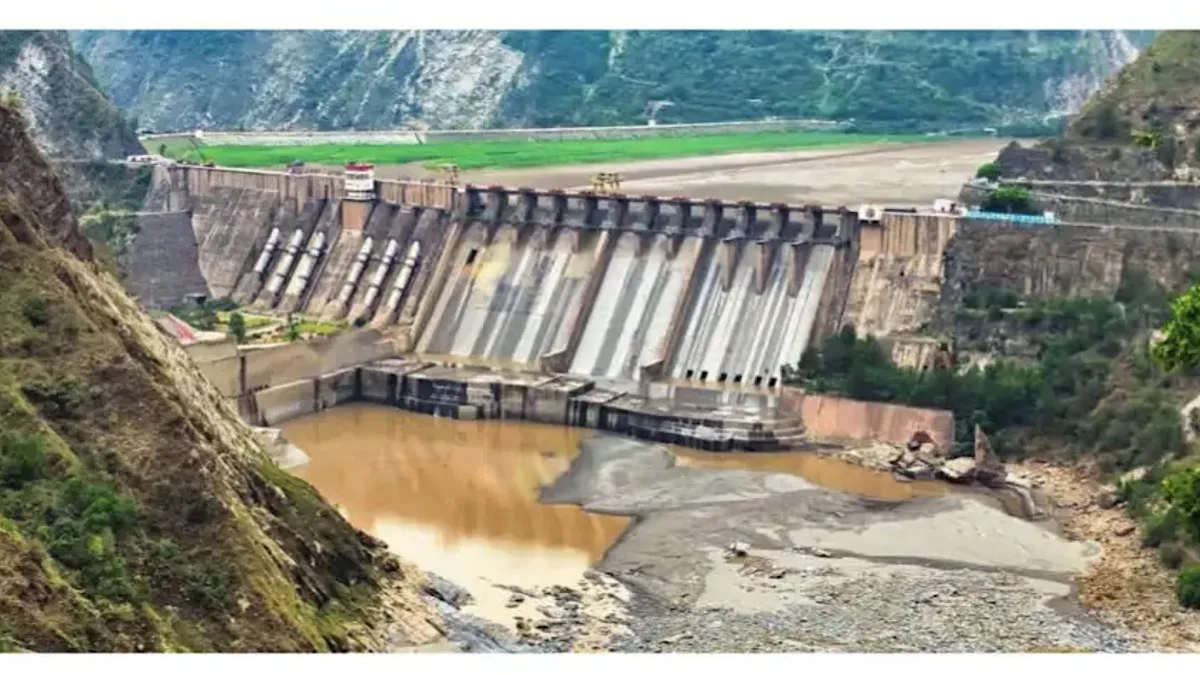
In a bold move that marks a decisive shift in India’s strategic calculus, the government has revived the long-stalled Sawalkote Hydroelectric Power Project on the Chenab River in Jammu and Kashmir.

The notification for Census 2027 was finally issued by the Government on 16 June 2025. This represents a delay of more than six years as the notice for Census 2021 was issued on 26 March 2019.