If the click goes, so will the Web
The modern internet was built on a simple bargain. Websites created content. Search engines sent users to those websites.
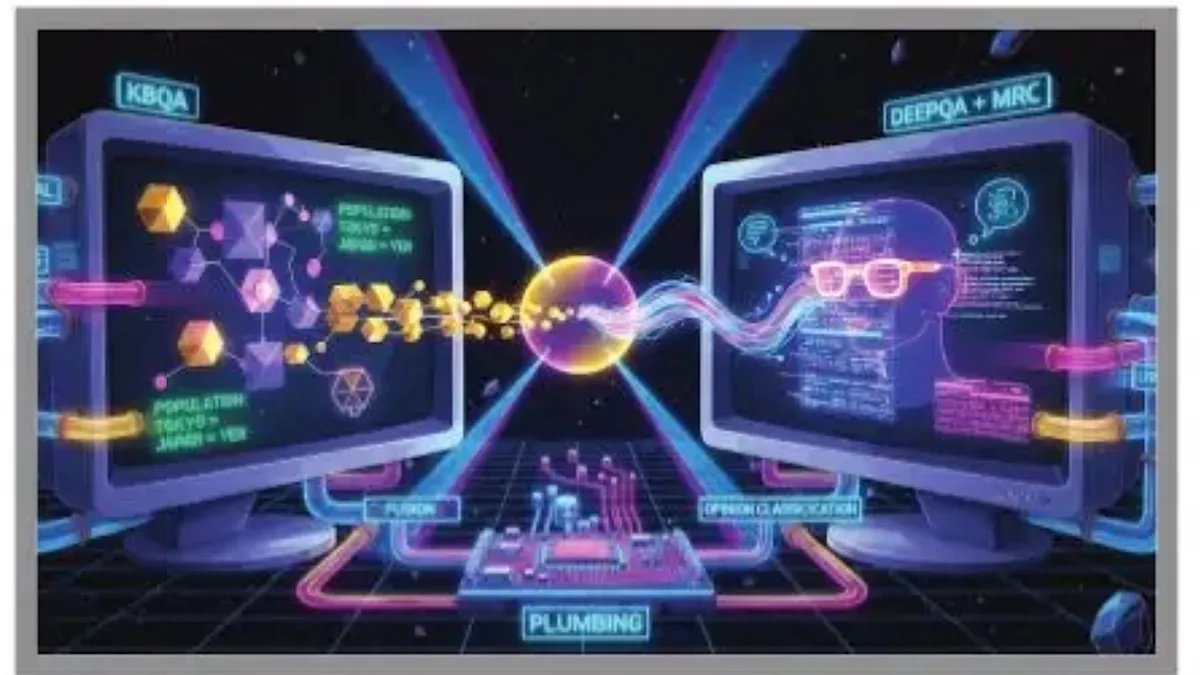
The modern internet was built on a simple bargain. Websites created content. Search engines sent users to those websites.

One year after one of the worst aviation disasters in Indian history, the most unsettling reality is not that the final answer remains elusive. It is that, in the absence of definitive findings, competing certainties have rushed in to fill the void.

It is after more than 100 days that both President Donald Trump and Iran have announced a peace deal, much to the world’s relief.
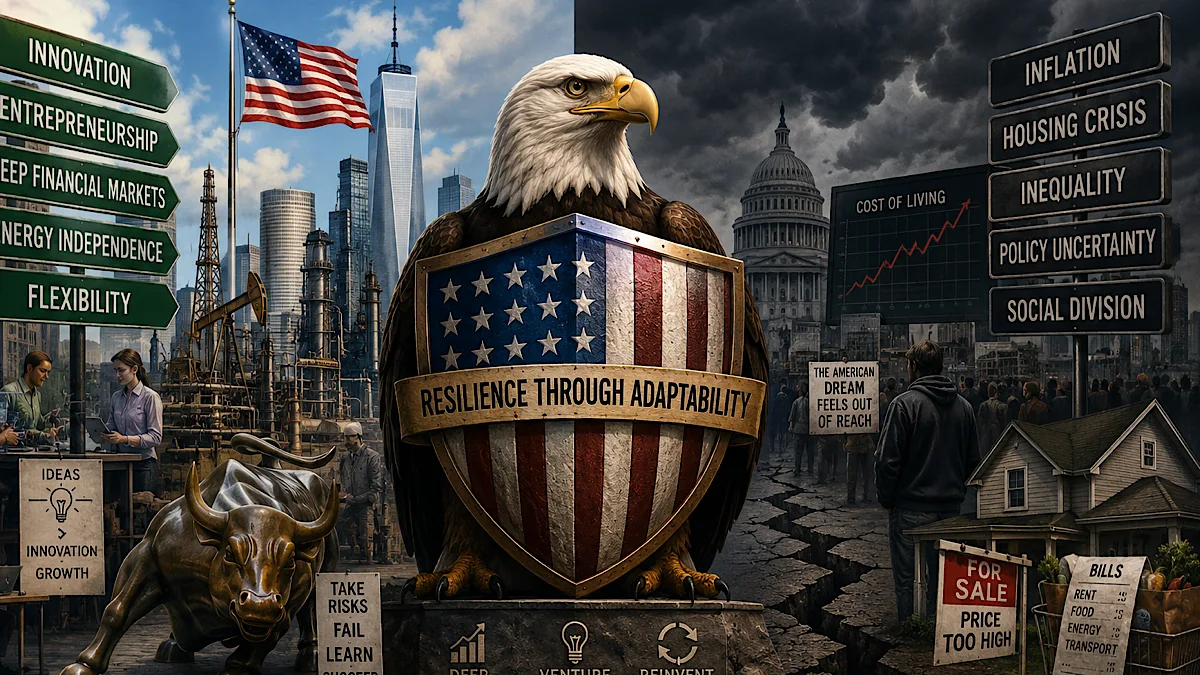
For much of the past year, economists have been waiting for the American economy to stumble. It has been hit by tariffs, labour disruptions, geopolitical tensions and renewed inflationary pressures.
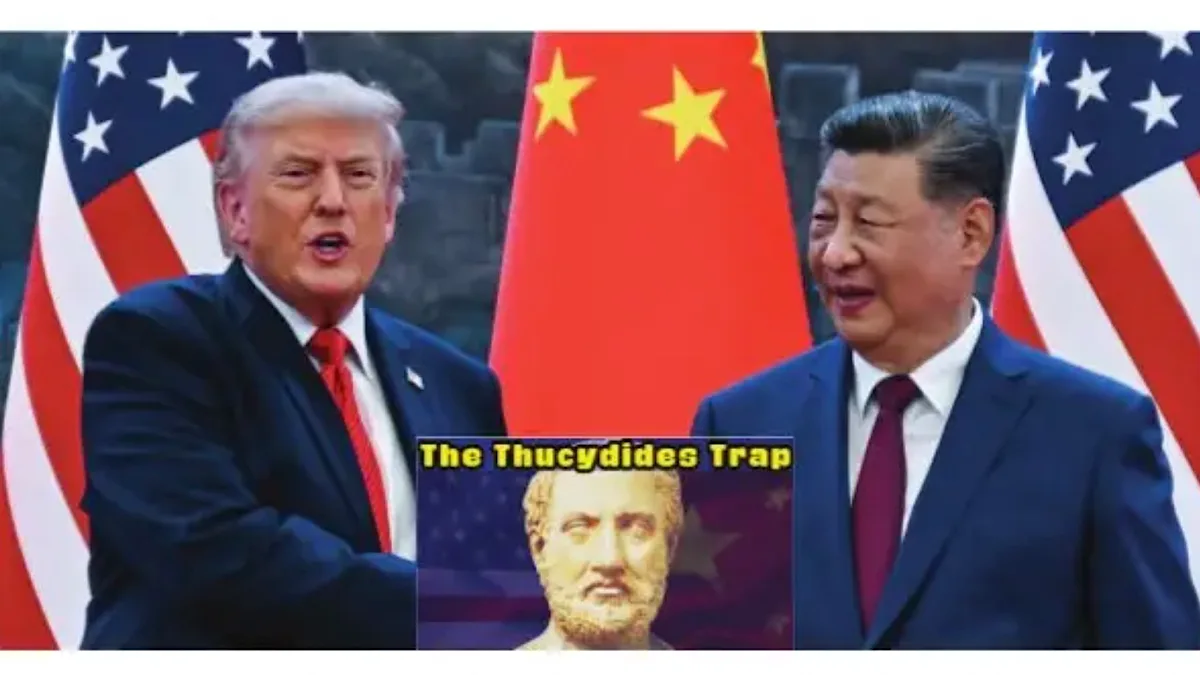
Xi Jinping at his meeting with Donald Trump on 14-15 May 2026 in Beijing referred to the Thucydides Trap, a metaphor that refers to the inherent tensions and perils when an established power is challenged by a rising power.

Recently, some voices have claimed that India is a “dead economy,” a statement both puzzling and detached from the facts.

In the past, the spectre of nuclear confrontation was shrouded in cold calculation, guarded words, and painstaking diplomacy.

Starting this month, American consumers are shopping for Indian goods, and Indian exporters shipping to the U.S. will feel the sting of a new 25 per cent tariff slapped by the Trump administration.

The life sentence handed down to Prajwal Revanna for raping a former domestic worker may well mark a watershed moment in Indian jurisprudence.

Artificial Intelligence is no longer a buzzword. It is now a national strategy. From the Prime Minister’s Digital India vision to the recently launched Rs 10,372 crore IndiaAI Mission, the Government of India has committed to building sovereign AI capabilities through compute infrastructure, foundational models, data platforms, and upskilling programs.