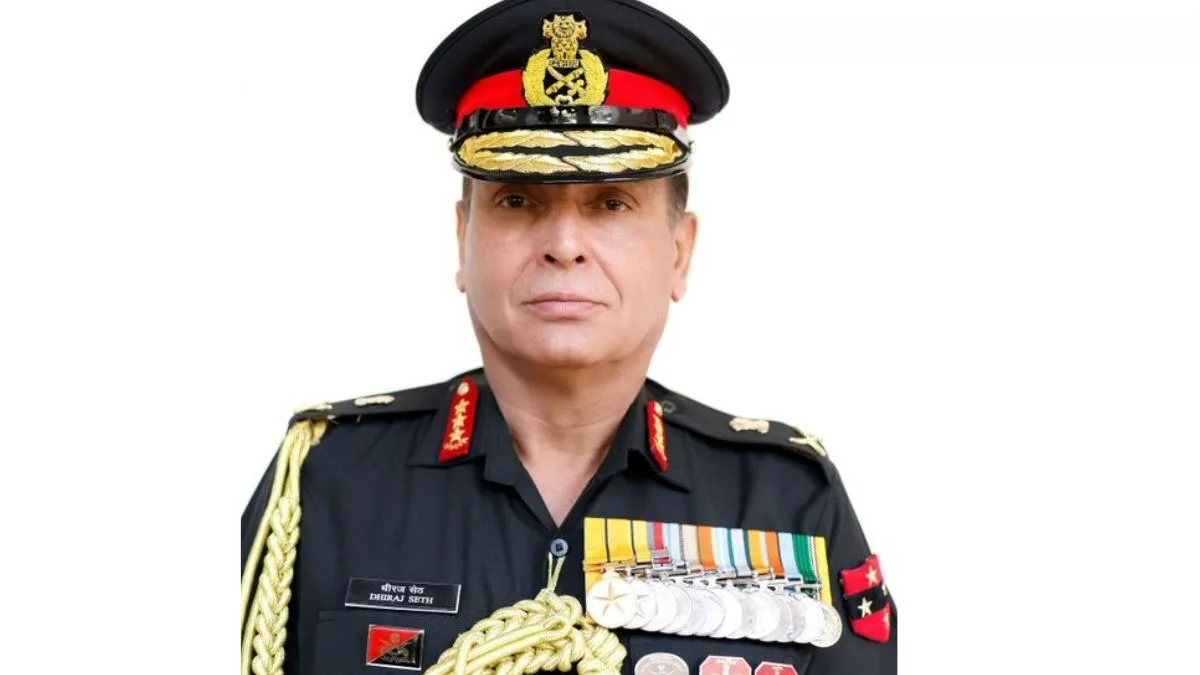
Three reforms that can change India
As Prime Minister Narendra Modi completes 4,399 days in office, India stands at a defining moment in its modern history.
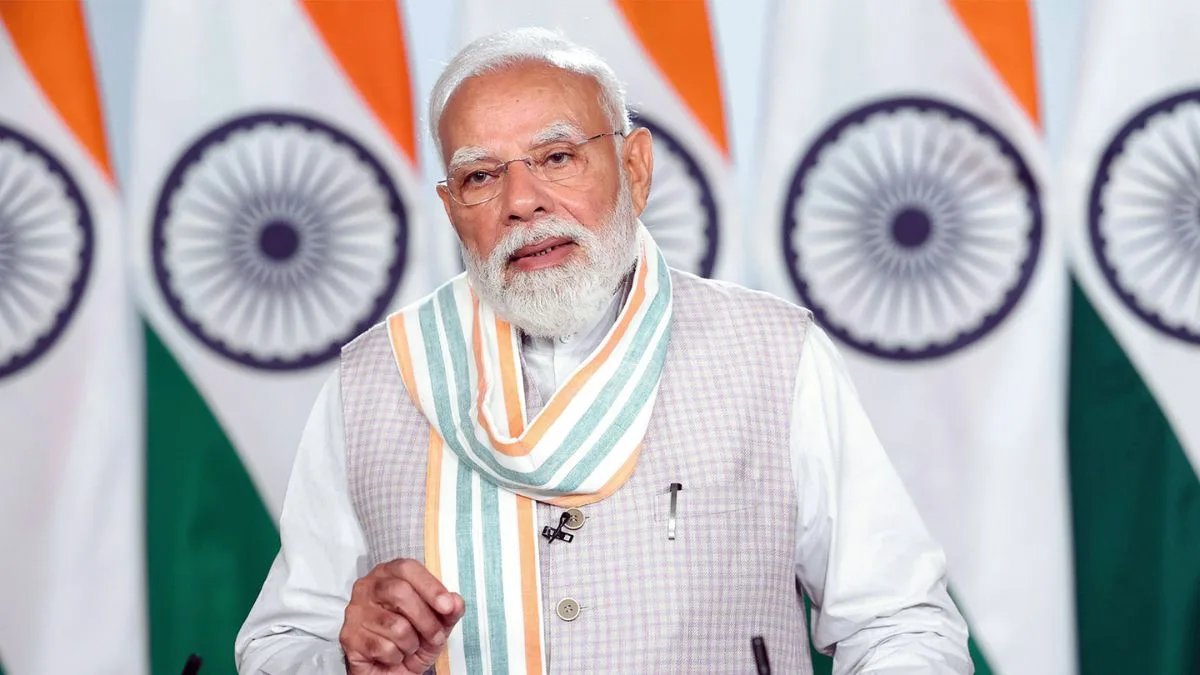
As Prime Minister Narendra Modi completes 4,399 days in office, India stands at a defining moment in its modern history.
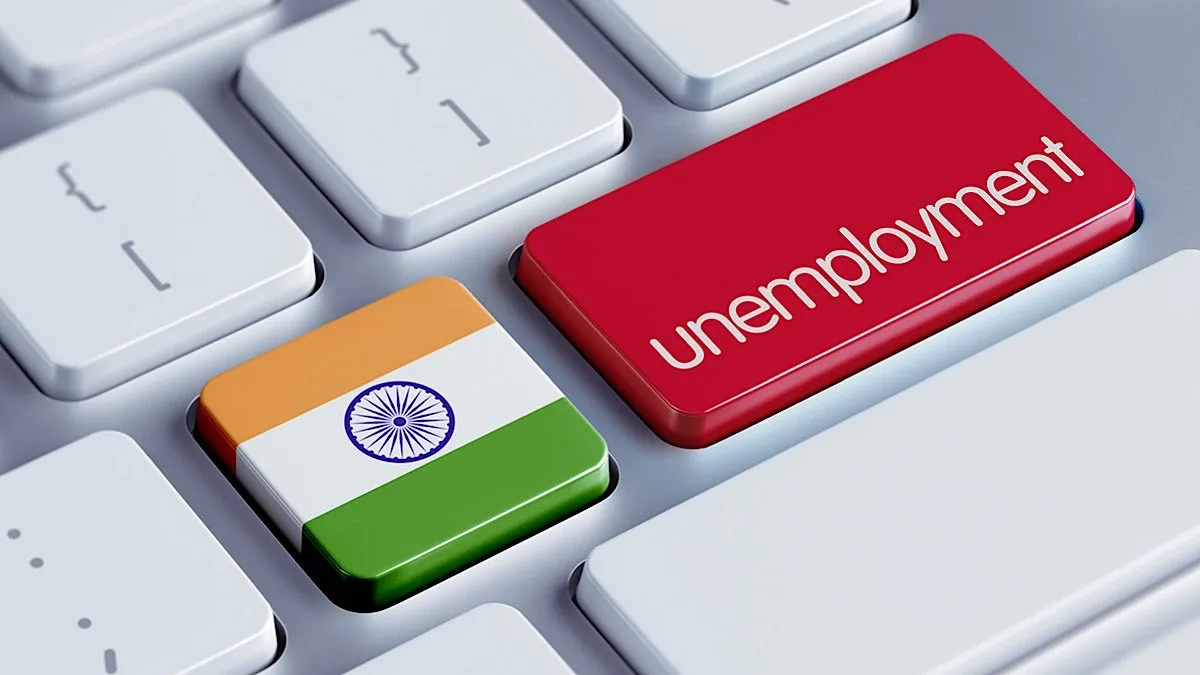
India’s demographic profile has long been presented as an economic advantage.

For much of the past two years, investors appeared willing to suspend disbelief.

Between light and shadow lies our reality, a land where triumph and fragility walk side by side.
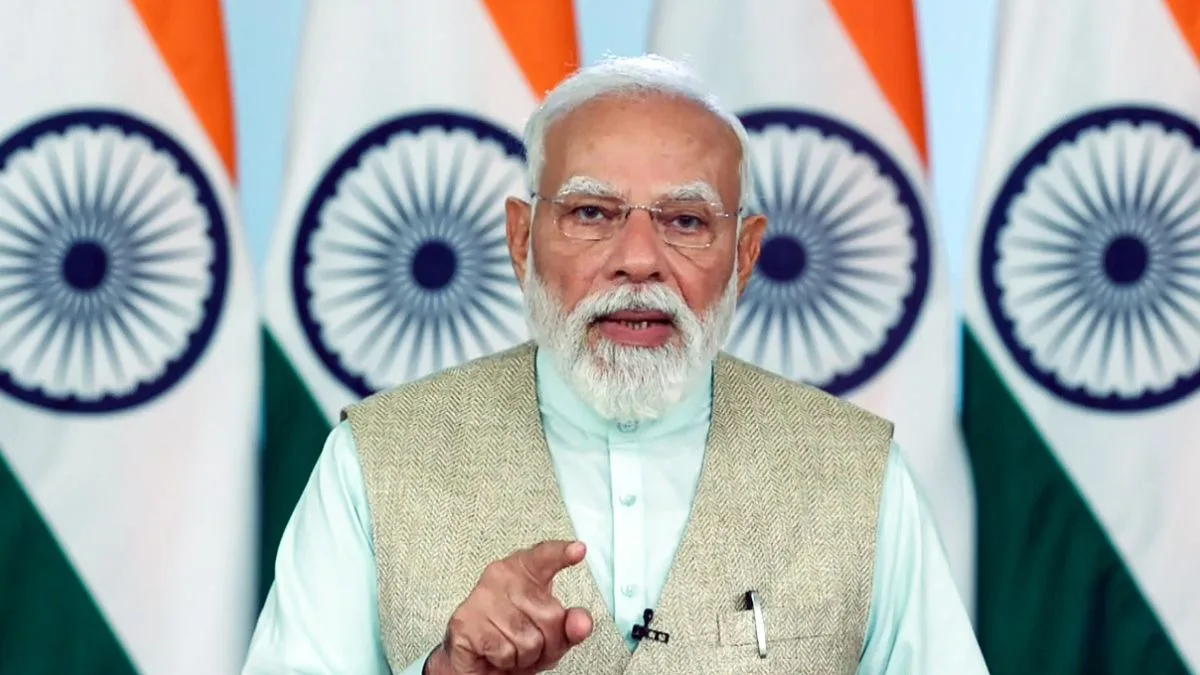
Many congratulations to Prime Minister Narendra Modi for reaching a historic milestone - the longest- serving elected Prime Minister in Indian history, with 4,399 consecutive days in office since first taking the oath of office on 26 May 2014.

Quietly hitting back at the US for its claims of Europe ‘decaying’ and its leaders ‘weak,’ the EU indefinitely froze $246 billion of Russian assets held by it.

Lionel Messi’s brief and chaotic appearance in Kolkata was not merely a case of crowd impatience or celebrity excess.

When Prada unveiled a pair of luxury sandals whose braided leather pattern mirrored the Kolhapuri chappal, it triggered an unusually sharp public reaction.

As India’s GDP clocked 8.2 per cent in Q2, IMF gave a ‘C’ grading to our national account statistics. It also labelled the RBI’s exchange rate regime a “crawl like arrangement”.

In early December, India watched its largest airline unravel in real time. Flights vanished from departure boards. Passengers slept on airport floors. Students missed exams, patients missed appointments, workers missed job interviews and weddings.