Three reforms that can change India
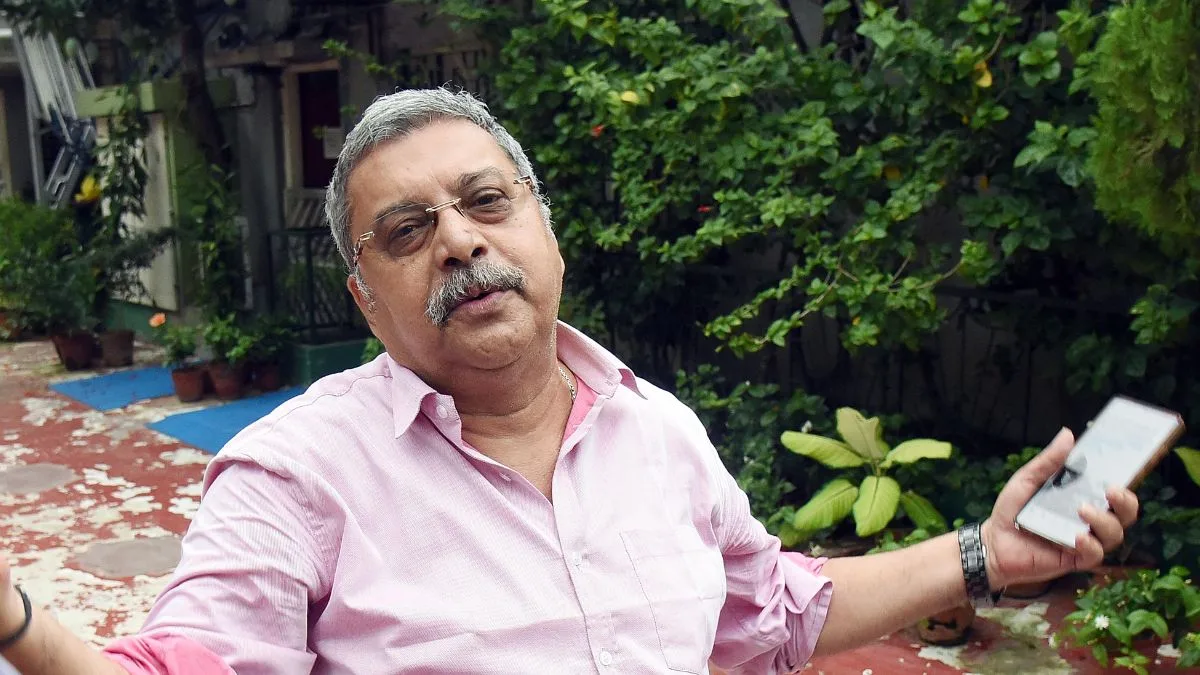
As Prime Minister Narendra Modi completes 4,399 days in office, India stands at a defining moment in its modern history.
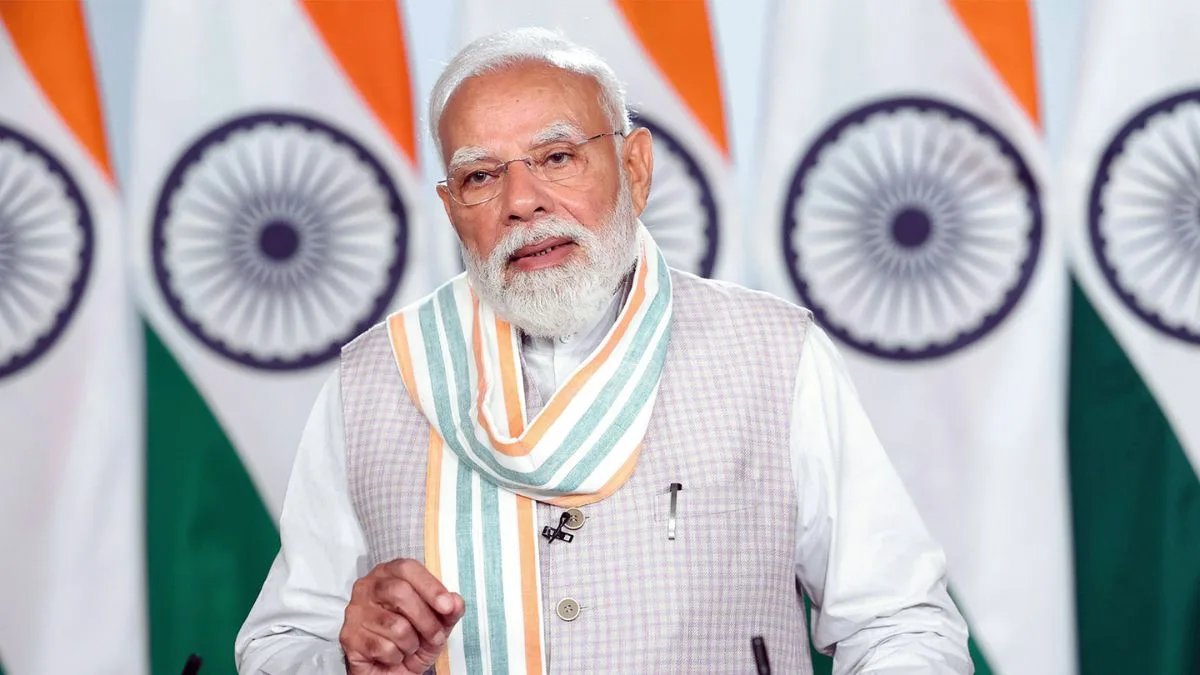
As Prime Minister Narendra Modi completes 4,399 days in office, India stands at a defining moment in its modern history.
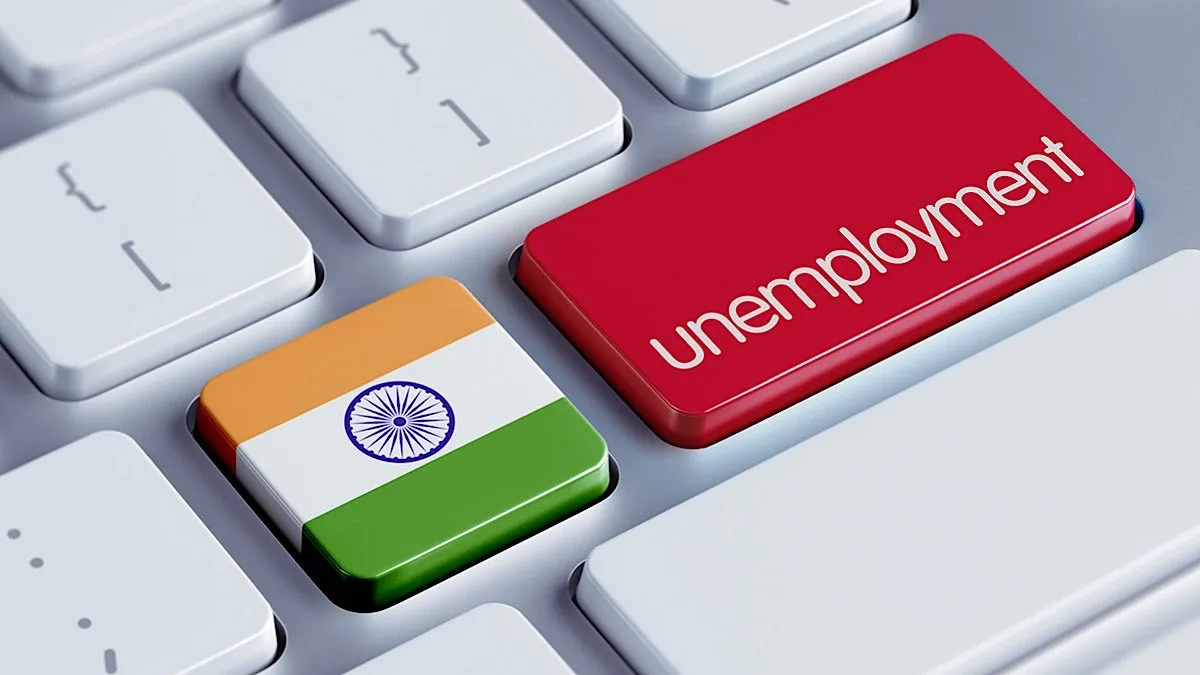
India’s demographic profile has long been presented as an economic advantage.

For much of the past two years, investors appeared willing to suspend disbelief.

Between light and shadow lies our reality, a land where triumph and fragility walk side by side.
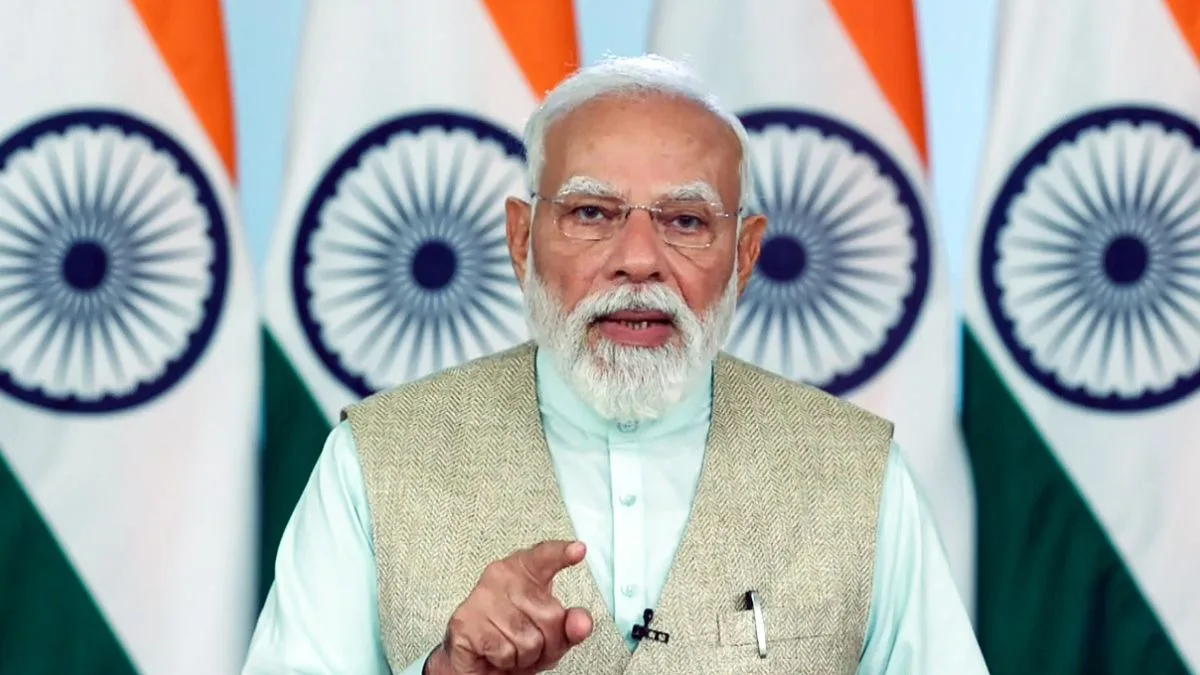
Many congratulations to Prime Minister Narendra Modi for reaching a historic milestone - the longest- serving elected Prime Minister in Indian history, with 4,399 consecutive days in office since first taking the oath of office on 26 May 2014.

The filing of a detailed chargesheet on the Pahalgam massacre marks more than a procedural milestone in India’s counter-terrorism effort; it is a statement about how the state now intends to frame violence in Kashmir.
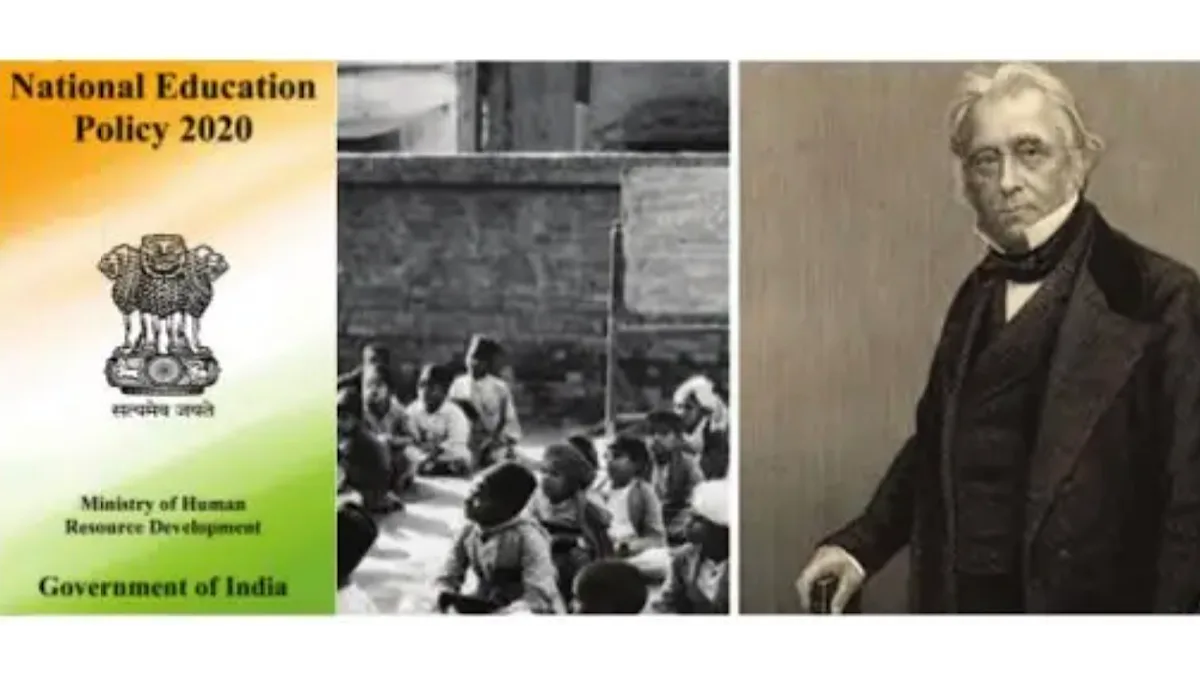
Recently, there has been a public debate around the “Macaulay mindset”. English again has found a central place in India’s education discourse.

It is of course widely recognized that those rural communities which are united are likely to achieve more progress.
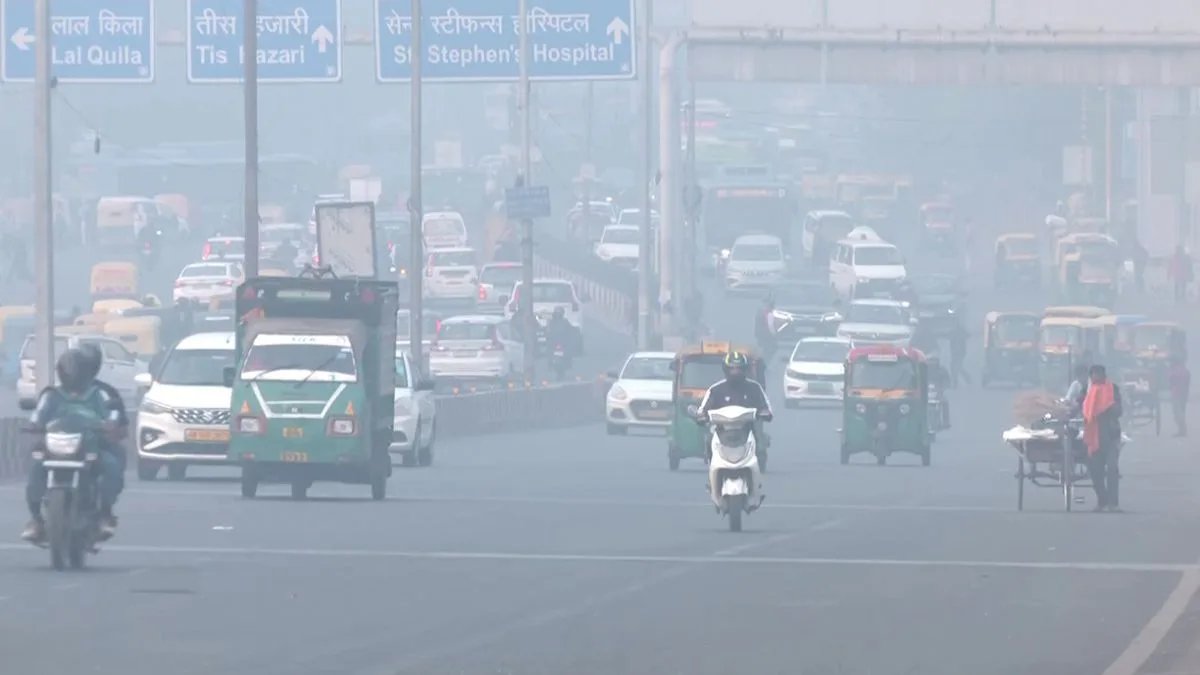
Delhi’s annual descent into a grey, choking winter is no longer an environmental anomaly; it is a predictable civic failure.

The latest round of diplomacy around Ukraine marks a subtle but consequential shift in how the war’s possible endgame is being framed.