Three reforms that can change India
As Prime Minister Narendra Modi completes 4,399 days in office, India stands at a defining moment in its modern history.
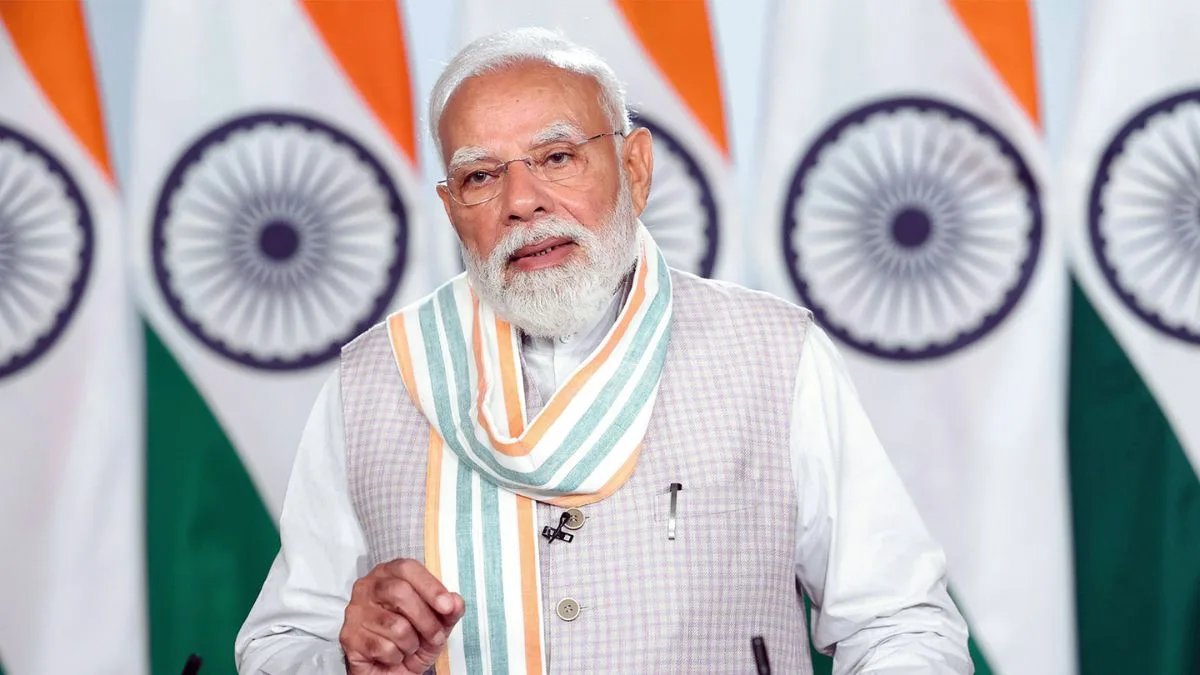
As Prime Minister Narendra Modi completes 4,399 days in office, India stands at a defining moment in its modern history.
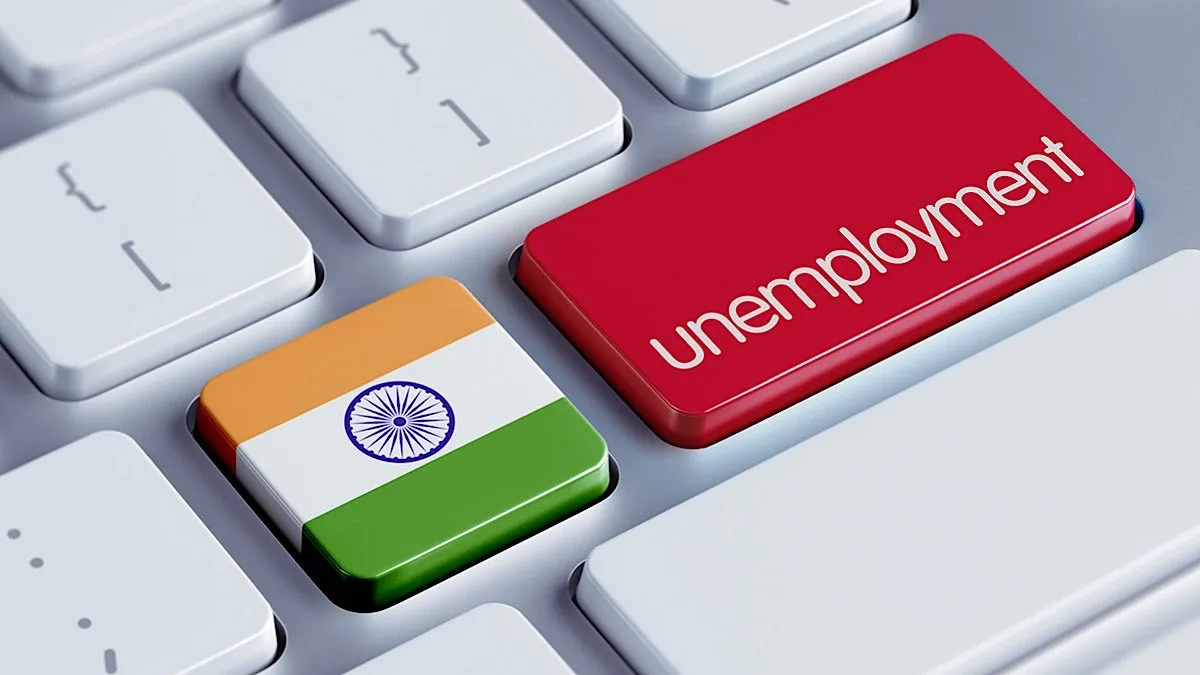
India’s demographic profile has long been presented as an economic advantage.

For much of the past two years, investors appeared willing to suspend disbelief.

Between light and shadow lies our reality, a land where triumph and fragility walk side by side.
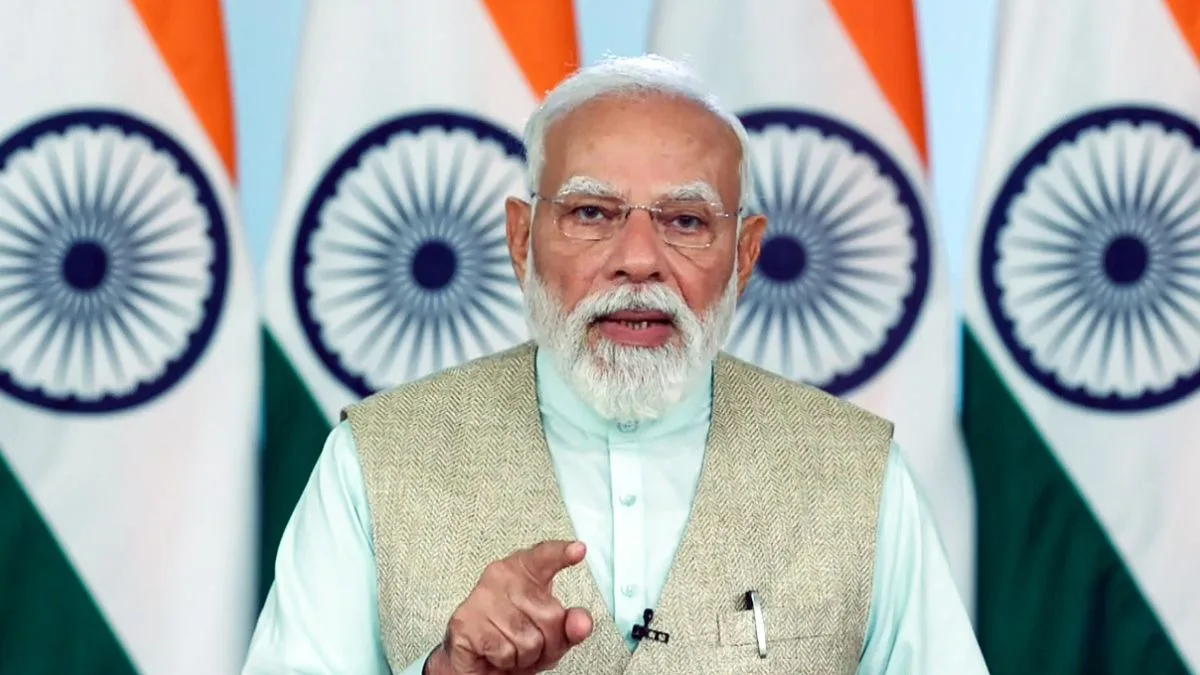
Many congratulations to Prime Minister Narendra Modi for reaching a historic milestone - the longest- serving elected Prime Minister in Indian history, with 4,399 consecutive days in office since first taking the oath of office on 26 May 2014.

India’s wealth story is increasingly told through a confusing set of headlines. On the one hand, the country is adding new dollar-millionaires at a brisk pace. On the other, the average Indian adult is not materially better off than a few years ago.

Pandemics do not begin with sirens or headlines. They begin with a cough that goes unreported, a fever mistaken for exhaustion, a worker who does not stay home because staying home costs money.
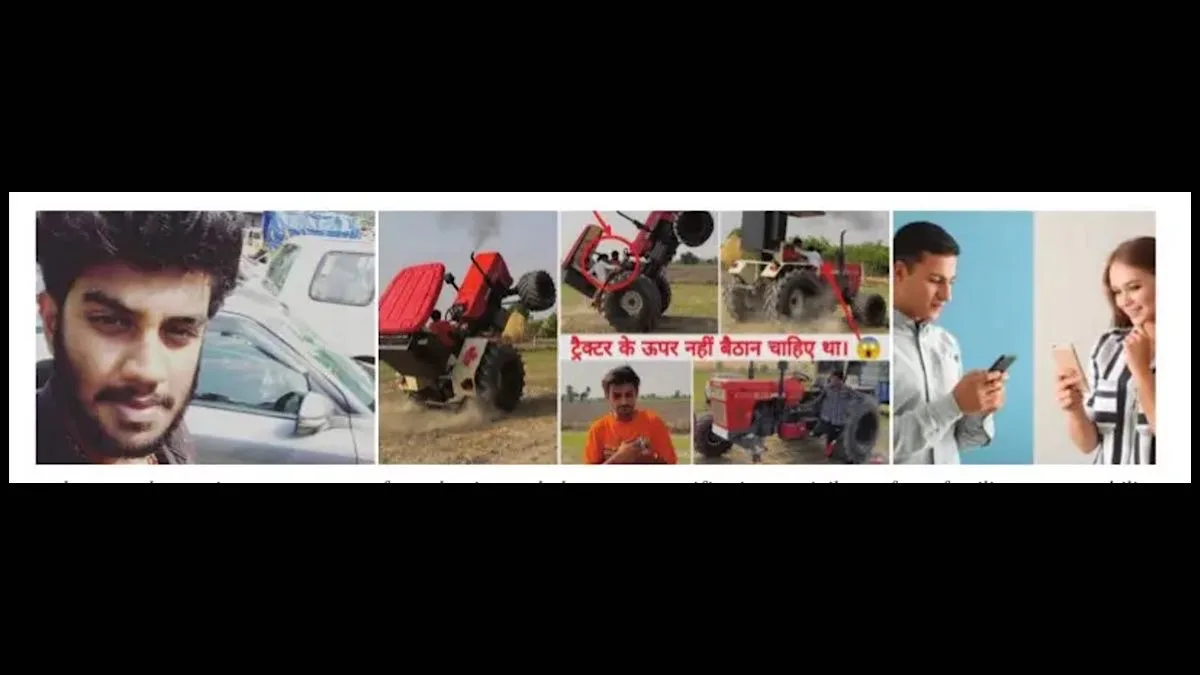
The digital age has transformed recognition and fame into commodities measured in likes, shares, and fleeting moments of virality.
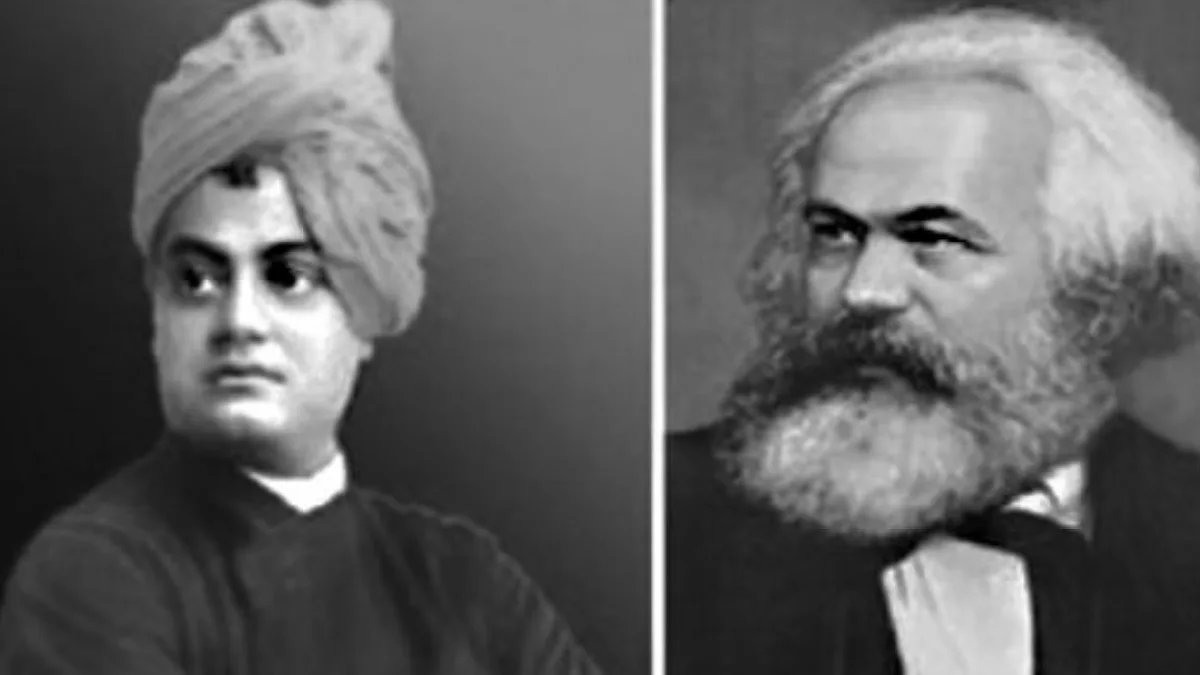
Bengal has long been a land of dualities, a unique soil that nurtured the spiritual fire of Swami Vivekananda and, decades later, became a stronghold for the revolutionary zeal of Karl Marx. For much of the 20th century, the intellectual history of this region oscillated between these two poles: the ochre robe and the red flag.
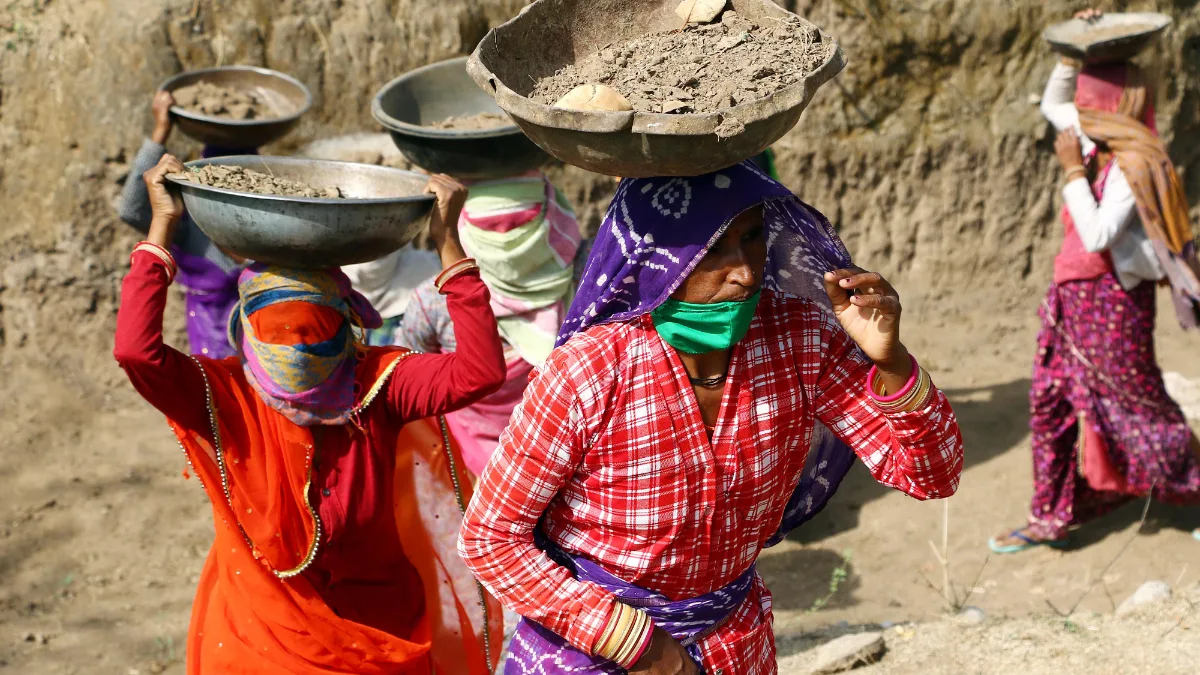
India’s rural employment story is not merely about jobs or budgets; it is about how the Indian state defines its obligations to its poorest citizens.